Culture
Junkanoo, Crop Over, Carnival: Rich Caribbean Heritage Stories
By trends
November 18, 2026
Field Notes
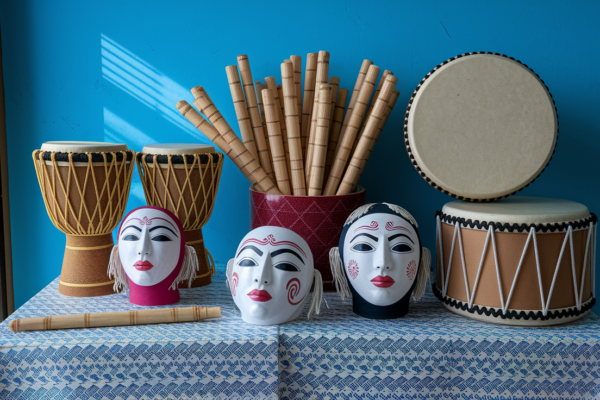
What if calling Junkanoo, Crop Over, and Carnival “just parties” erased centuries of history?
Each began in a different moment: Christmas leave in The Bahamas, the final sugar harvest in Barbados, and a French pre-Lent masquerade in Trinidad that African-descended people remade.
These festivals are living memory—drums, mas, and song carrying stories of work, resistance, and identity.
We’ll trace their origins and cultural meaning, so you can see how each shaped a nation and why they still matter.
Junkanoo, Crop Over and Carnival at a Glance
Three islands, three stories, one shared thread. Junkanoo grew out of Christmas and New Year holiday practices among enslaved and later freed Black communities in The Bahamas, a brief window of rest that turned into something much bigger. Crop Over traces back to the final days of Barbados’s sugarcane harvest, when plantation labor cycles shaped a celebration of relief and release. Trinidad Carnival started as a European pre-Lenten masquerade, brought by French colonial planters, before African-descended communities reshaped it into something entirely their own.
Here’s how the three line up side by side.
| Festival | Country | Historical Foundation | Main Timing | Signature Cultural Forms |
|---|---|---|---|---|
| Junkanoo | The Bahamas | Christmas holiday practices among enslaved and freed Black communities | Boxing Day (December 26) and New Year’s Day (January 1) | Goatskin drums, cowbells, brass, crepe paper costumes |
| Crop Over | Barbados | 18th century sugarcane harvest observance | Culminates with Grand Kadooment, first Monday in August | Tuk bands, calypso, soca, feathered mas costumes |
| Trinidad Carnival | Trinidad and Tobago | French colonial masquerade reworked by Afro-Creole communities | Monday and Tuesday before Ash Wednesday (February or March) | Calypso, steelpan, soca, large scale mas bands |
Let’s be clear about one thing up front. These are related African diaspora festivals, not three versions of the same party. Each one answers to a different calendar, a different labor history, and a different mix of cultural influences. Treating them as interchangeable actually flattens what makes each one worth understanding.
At the national level, all three carry a similar weight. Junkanoo is woven into Bahamian identity, Crop Over anchors Barbadian cultural life, and Trinidad Carnival is arguably the most internationally recognized Caribbean festival of all. The deeper layers, the colonial restrictions, the resistance, the collective memory, deserve their own space. That’s exactly where we’re headed next.
The Origins of Junkanoo in The Bahamas
(((alt-img2)))
Junkanoo belongs to a wider family of West African processional and masquerade traditions that crossed the Atlantic with enslaved people and took root across the Caribbean. Drumming, call and response singing, and costumed movement through public space all echo older African forms. But it’s worth being careful here. Saying Junkanoo “comes from” one specific West African nation or ethnic group oversimplifies a history that involved many peoples, many regions, and a lot of cultural blending once they arrived in the New World.
Debated Origins and Name Theories
One popular theory ties the name Junkanoo to John Canoe, sometimes written John Conny, a West African leader whose name became attached to related Jonkonnu celebrations found in Jamaica, Bermuda, and parts of the southern United States. Another theory points somewhere else entirely, tracing the word back to the French phrase gens inconnus, meaning “unknown people,” a possible reference to masked performers whose identities stayed hidden behind costume and paint. Neither explanation has been proven beyond dispute. Honestly, that’s fairly common with festival names this old. What matters more is that both theories point toward the same reality: a masked, communal celebration with deep roots in the African diaspora experience.
Christmas Leave and Community Celebration
Under British colonial rule, enslaved people in The Bahamas were sometimes granted brief leave around Christmas, a rare pause in an otherwise relentless labor system. That short window became sacred in its own way. It gave enslaved and later freed Black communities a chance to gather, dress up, play music, and move through the streets with a kind of freedom they weren’t normally allowed. Out of that narrow opening grew something that would outlast slavery itself.
From Emancipation to Organized Parades
After emancipation, Junkanoo didn’t just continue smoothly. It nearly disappeared. Economic hardship and shifting social conditions pushed the tradition toward the margins for a stretch, and it survived largely because a handful of committed islanders refused to let it die out. Community groups kept rehearsing, kept building costumes, kept showing up, even when crowds were smaller and resources were thin.
Over time, those scattered community efforts evolved into the organized, competitive parades recognized today. What started as a fragile holiday tradition became a structured, judged, citywide event, carried forward by generations who saw it as something worth protecting. That long arc, from quiet survival to public celebration, is a big part of why Junkanoo still feels like such a genuine expression of Bahamian pride.
Crop Over’s History from Sugar Harvest to Grand Kadooment
(((alt-img3)))
Barbados in the 18th century ran almost entirely on sugar. The cane cutting season dictated the rhythm of plantation life, and when the final stalks were cut, there was a natural, almost built in moment for release. That end of harvest point became the seed of Crop Over, a celebration tied specifically to the completion of hard physical labor rather than to any religious calendar.
For enslaved workers, that moment carried real weight. Plantation owners allowed certain festivities, partly as a pressure valve and partly as tradition, but enslaved communities used that same space for something more meaningful. Music, dance, and gathering became tools for relief, solidarity, and cultural expression that plantation control couldn’t fully contain. The celebration existed within a
Final Words
We compared Junkanoo, Crop Over and Trinidad Carnival in action. Each grew from holiday, harvest or pre-Lenten masquerade and we outlined timing, music and costume traditions.
Music, masquerade, organisers and tourism all shape how people experience these events. We gave practical tips for dates, respectful behaviour and local-led learning so you can plan with less guesswork.
For anyone curious about the Origins and cultural significance of Junkanoo Crop Over and Carnival, this guide points you to next steps and a richer, respectful visit.
FAQ
Q: Where does the Junkanoo festival take place?
A: The Junkanoo festival takes place in The Bahamas, with major parades in Nassau and smaller community celebrations across other Bahamian islands around Boxing Day and New Year’s Day.
Q: How long does Junkanoo last?
A: The Junkanoo festival lasts as a seasonal event with principal parades on December 26 and January 1; individual parades usually run several hours, while preparation can take weeks or months.
Q: What does Junkanoo mean in English?
A: The name Junkanoo in English has no single agreed meaning; scholars link it to John Canoe/John Conny, Jonkonnu traditions, or the French phrase gens inconnus as competing etymologies.
Q: When was Junkanoo started in The Bahamas?
A: Junkanoo started in The Bahamas at least by the 18th century, though some oral traditions trace roots to the 16th or 17th century; the festival’s exact origin date remains debated.