Culture
Caribbean Carnival Costumes: Your Authentic Mas Experience Awaits
By ai
November 17, 2026
Field Notes
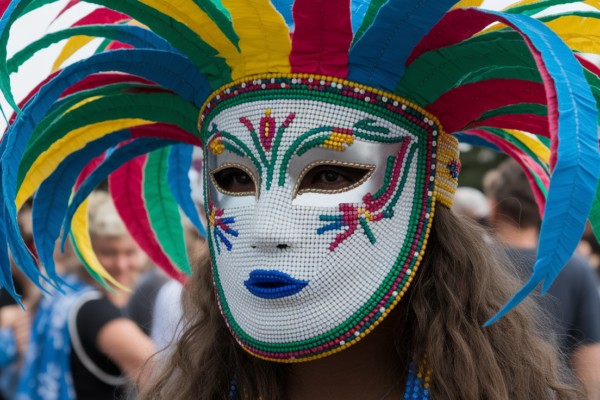
Buying a costume online won’t give you an authentic mas experience.
Mas is the beating heart of Caribbean carnival — the costume is your ticket, not the whole story.
Authentic mas comes from the people who made your outfit, the history behind your section, and the soca pulsing as you move through streets with salt in the air and feathers brushing your shoulders.
We’ll show the shortest route: pick the right carnival, join a locally rooted band, vet designers, handle registration, and parade with respect so you actually belong on the road.
The Shortest Route to an Authentic Caribbean Mas Experience

Mas, short for masquerade, is the beating heart of Caribbean carnival. Wearing one of the eye catching Caribbean carnival costumes is part of it, sure, but the costume is really just your entry ticket into something bigger.
Here’s the thing most visitors miss. You don’t need to arrive in a costume you bought off a random website and hope for the best. The better path is joining an established band with real roots in the community, one that can walk you through the music and the history behind what you’re wearing. Authenticity isn’t about how many feathers or beads you’ve got on. It comes from the people who made your costume, the history behind your section’s theme, the soca and calypso playing around you, and the community that’s been building this tradition for generations. If that already feels like a lot to figure out, don’t worry. We’ll break down destination picks, how to vet a band, registration steps, and parade day etiquette one at a time below.
- Choose a carnival that matches the preferred season and form of mas. Compare destinations in the carnival guide below.
- Identify a locally connected band and compare its sections using the band vetting criteria below.
- Select a costume whose theme, coverage, and cultural meaning are understood.
- Complete registration and payment within the required timeline. Follow the dedicated transactional guide below.
- Prepare for costume pickup and parade day conditions using the fitting, transport, and safety guidance below.
- Engage beyond the road through local cultural activities while observing the etiquette and consent practices explained later.
Why Caribbean Carnival Costumes Can Feel Commercial Rather Than Authentic
(((alt-img2)))
Not every large band is a tourist trap, and not every small band is automatically more genuine. But there’s a real difference between buying a costume as a product and actually connecting with the tradition behind it. That difference is worth understanding before you pay a deposit.
It’s easy to pick a section because the Instagram photos looked incredible, the package included a bar and portable toilets, or the headpiece was the biggest one in the lineup. None of that tells you who designed it, whether local artisans were involved, or what the section is actually supposed to represent. You can end up with a beautiful costume and zero connection to the culture it came from.
This is where mas and cosplay part ways. Cosplay is about replicating a character for its own sake. Mas belongs to a living festival shaped by resistance, satire, local history, ritual, and a community that’s been doing this work for decades, sometimes longer. The fix isn’t complicated, honestly. Before you pay anything, ask who designed and made the costume, what the section’s theme means, and how your registration fee supports the people putting the whole thing together.
Best Caribbean Carnivals for Costumes and Traditional Mas
(((alt-img3)))
Different islands offer different flavors of mas, and picking the right one often comes down to timing, the type of costume experience you want, and how far you’re willing to travel.
| Carnival or Destination | Usual Timing | Signature Mas Experience | Best Fit For |
|---|---|---|---|
| Trinidad and Tobago Carnival | Monday and Tuesday before Ash Wednesday, typically February or March | J’ouvert, fancy mas bands, traditional characters | First timers wanting the full spectrum of mas culture |
| Barbados Crop Over and Grand Kadooment | Festival runs June through early August, Grand Kadooment on the first Monday in August | Feathered band sections, harvest themed parade | Travelers who want a festival with a slightly slower buildup |
| Grenada Spicemas | August, principal events mid to late month | J’ouvert with molasses and oil, spice themed mas | Those seeking a smaller, community rooted carnival |
| Saint Lucia Carnival | Typically July | Colorful band sections, lively soca scene | Visitors wanting a mid-summer carnival option |
| Jamaica Carnival | Spring, commonly April to May | Road march with soca and dancehall influence | Travelers combining carnival with a broader Jamaica trip |
| Bahamas Junkanoo | December 26 and January 1 | Elaborate crepe paper costumes, drum and horn processions | Those wanting a winter holiday carnival experience |
| Caribbean diaspora carnival (such as Toronto Caribana) | Late July | Trinidad style mas bands outside the Caribbean | An accessible alternative, though not a substitute for island specific tradition |
Before booking flights, check the official current year calendar for your chosen carnival since dates shift slightly year to year. Major destinations like Trinidad and Barbados often need accommodation booked 6 to 12 months ahead, so it’s worth mapping out parade routes, transport closures, and band assembly points before you lock in where you’re staying.
Caribbean Mas Costume Types and the Stories They Carry
(((alt-img4)))
Picking a costume by appearance alone skips the part that actually matters, which is understanding what you’re wearing and why.
Traditional and Old Mas
Traditional or Old Mas carries folklore and satire that goes back generations, often featuring handmade masks and characters like Blue Devils or Jab Molassie. These characters usually carry specific historical meaning, so this is the category where local guid
Final Words
Jump straight in: pick the carnival that fits your dates, sign up with a locally rooted mas band, and buy into a section whose story you understand. Remember, mas is masquerade, a living mix of music, history, and community — the costume is only one part.
Vet designers, meet makers, follow registration and pickup deadlines, and prepare for parade-day heat and movement. If that sounds like a lot, pick one clear next step. This is a simple guide on How to experience authentic Caribbean carnival costumes and mas while staying respectful and curious.
FAQ
Q: What is a carnival theme outfit?
A: A carnival theme outfit is a coordinated costume section tied to a band’s theme, combining colors, headpieces, and accessories to tell a story; it’s part of mas alongside music, history, and community.
Q: What is the best carnival in the Caribbean?
A: The best carnival in the Caribbean is often Trinidad and Tobago Carnival for its deep mas traditions, music, and costume craft; choose by vibe, timing, and whether you want traditional or tourist-focused events.
Q: How much does it cost to go to carnival in Trinidad?
A: The cost to go to carnival in Trinidad varies widely: expect US$100–4,000+ for a costume, plus US$500–1,500 for flights, lodging, food, and incidentals depending on choices and timing.
Q: What are 10 traditional characters in Trinidad and Tobago Carnival?
A: Ten traditional characters in Trinidad and Tobago Carnival include Blue Devils, Jab Molassie, Moko Jumbie, Midnight Robber, Pierrot Grenade, Dame Lorraine, Baby Doll, Wild Indian, Bookman, and Bat.