Ever wondered if paradise might hide a few secrets? Even the most beautiful Caribbean beaches come with some simple rules to keep your trip carefree and safe.
This guide gives you some easy tips so you can relax and enjoy every moment. Imagine a day filled with rhythmic ocean waves and a soft, warm breeze, all thanks to smart choices like keeping your treasures tucked away and staying cautious on the road.
With these little steps, you'll be all set to feel the sunshine, watch dazzling sunsets, and savor every bit of your getaway.
Caribbean Travel Safety Tips: Stay Smart & Happy
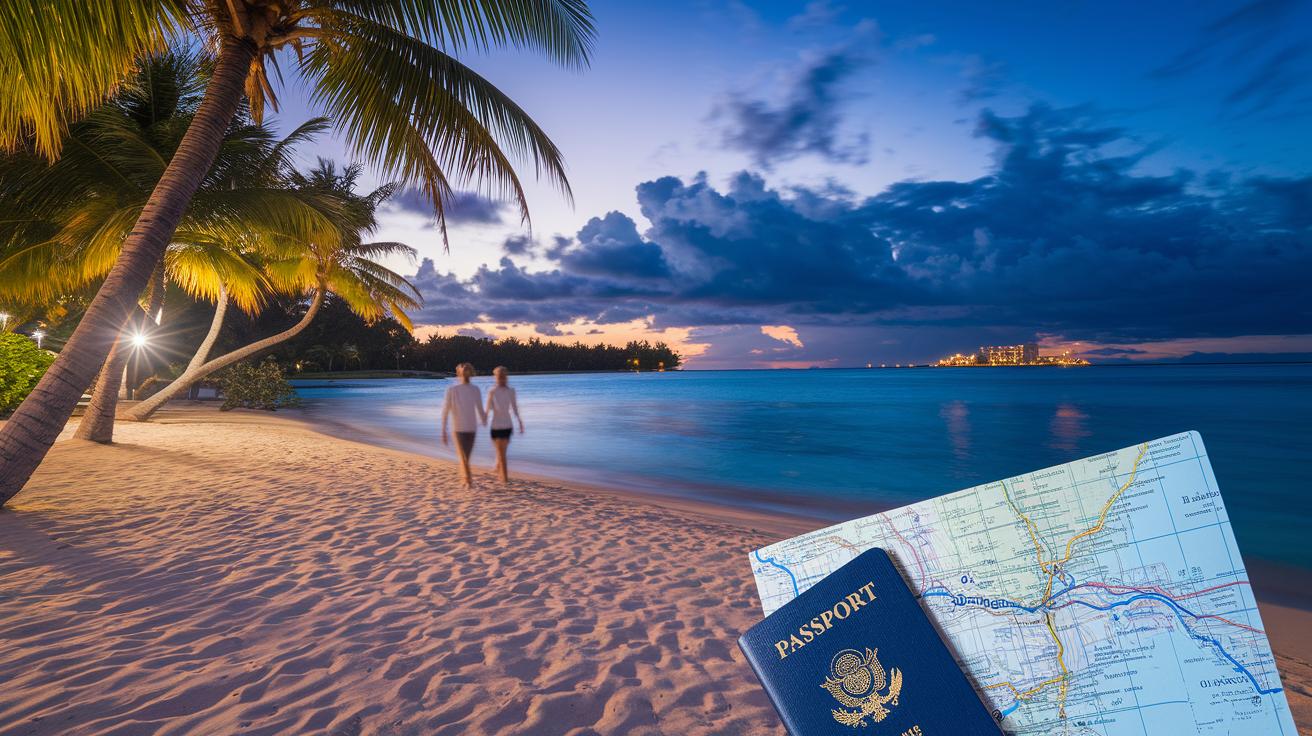
Imagine soaking up the sun on a beautiful Caribbean beach, but remember that even paradise has its hazards. The islands are lively and fun, yet they also have some risks. Crime related to gangs, theft, and even sexual assault can happen near hotels, casinos, or beaches late at night. Carrying important documents or a lot of cash where everyone can see might attract unwanted attention.
Driving around can be tricky too. Roads might have few signs, lots of potholes, and aggressive mini-bus drivers. Plus, from June to November, the hurricane season can bring strong winds, power outages, and even floods. And don’t forget the mosquitoes, they love the tropical climate and can spread illnesses like Zika and Dengue.
Here are some areas to watch out for:
| Key Safety Area | What to Watch For |
|---|---|
| Personal Security | Avoid flashing valuables and stay in well-lit areas. |
| Document & Cash Protection | Keep your passport and money in safe, hidden spots. |
| Health Prep | Be ready for mosquito bites and other local health risks. |
| Transportation Hazards | Drive carefully on roads that may be rough or poorly marked. |
| Weather Alerts | Watch out for hurricanes and storms during peak seasons. |
| Scam Awareness | Be cautious when deals seem too good to be true. |
Keeping an eye on these points is like building a safety net for your getaway. By securing your belongings, watching out on the road, and being prepared for weather surprises and health risks, you can relax a bit more. Taking a few smart steps means you can focus on enjoying the warm sun, the cool ocean breeze, and all the magic of the Caribbean. Have an amazing and safe trip!
Caribbean Travel Money and Document Safety Tips
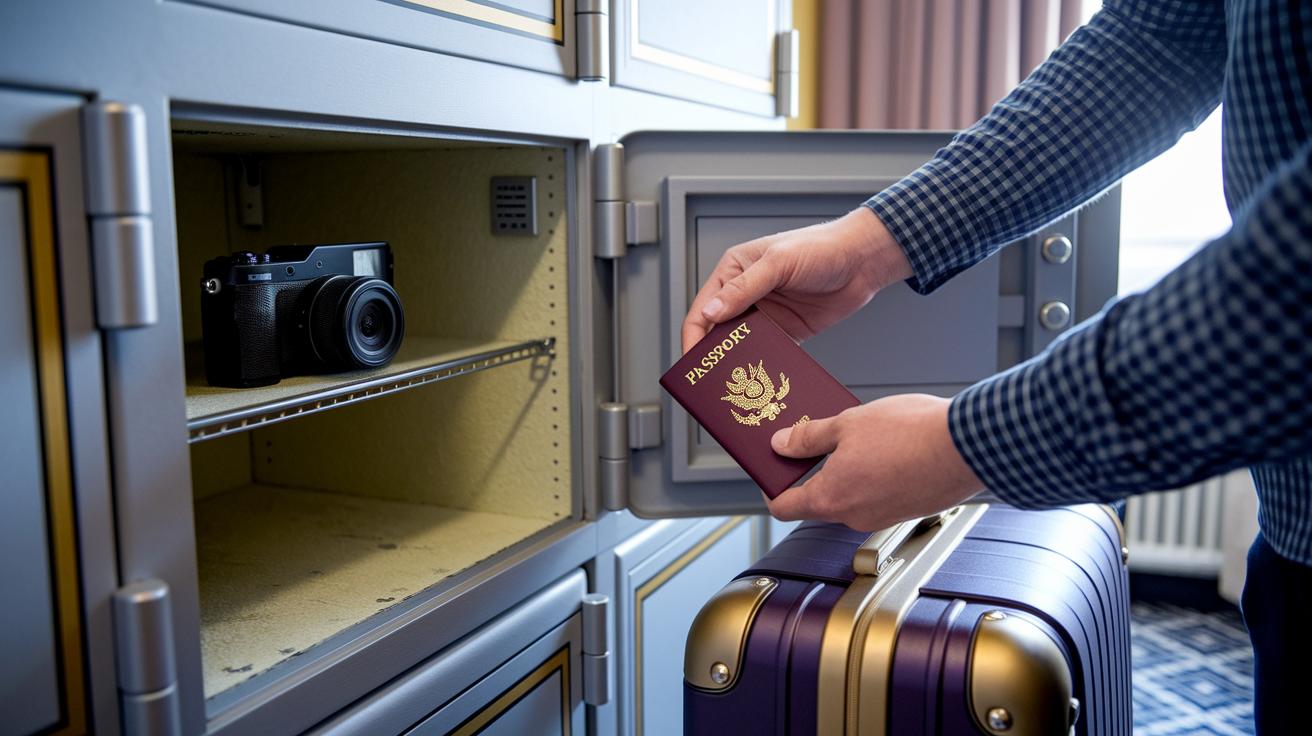
When you travel, keeping backups of your important documents is super important. Stash your passport, visas, and extra cash safely in your hotel safe. It’s a smart move to make digital or paper copies of your documents and tuck them away in your luggage or even email them to someone you trust. That way, if anything goes missing while you're exploring, you'll have everything you need to keep going.
| Document Type | Safety Measure | Backup Location |
|---|---|---|
| Passport/ID | Keep it in the hotel safe and have a digital copy on hand | Hotel safe and emailed to a trusted contact |
| Cash & Cards | Keep them hidden and use a secure wallet | Hotel safe and a secure compartment in your luggage |
| Travel Paperwork | Make copies and keep them separate from the originals | Luggage compartment and emailed to a contact |
When you need to use an ATM, cover your PIN code and, if you can, have someone with you who can keep an eye out. And after paying with US dollars, count your change carefully to steer clear of any sneaky fees, especially when paying for all-inclusive resorts or activities. This simple setup helps protect your money and keeps scams at bay while you enjoy your Caribbean adventure.
Caribbean Health and Emergency Safety Measures
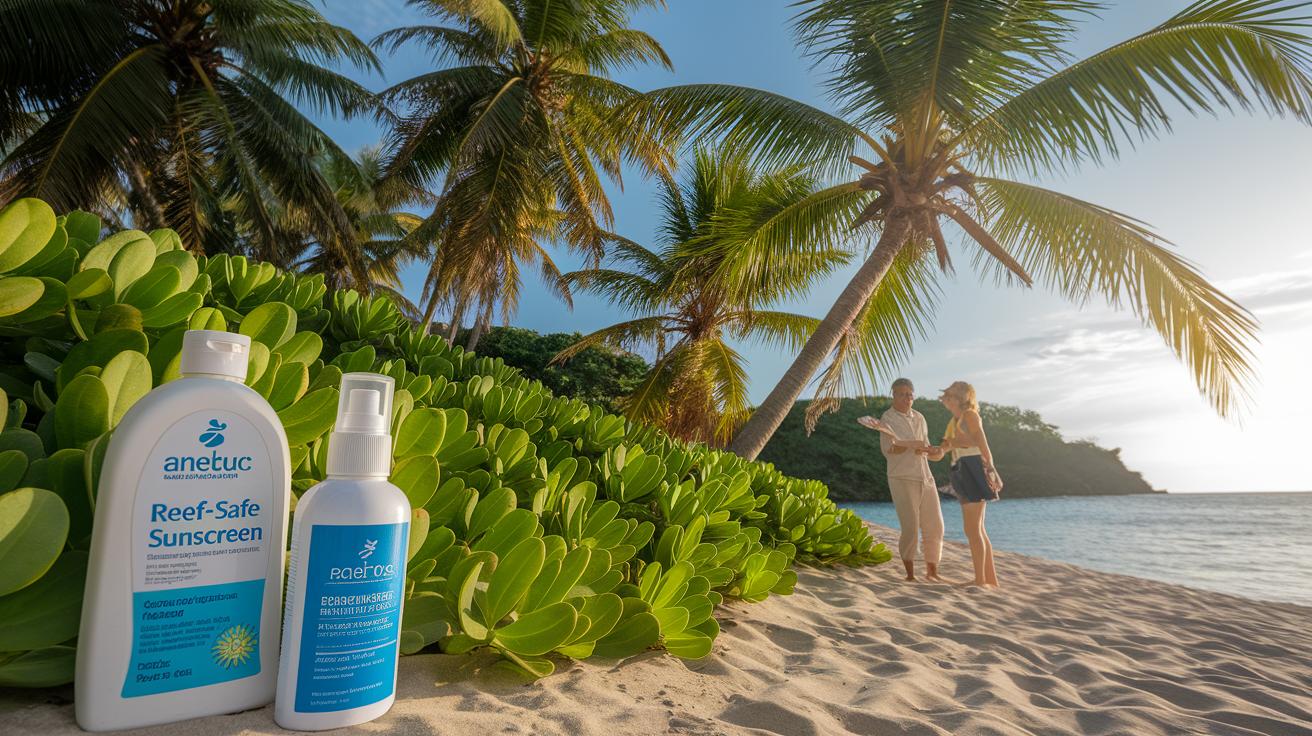
The Caribbean sun is warm and inviting, but staying healthy on vacation can sometimes feel like a little adventure. The steamy air and lush surroundings are perfect for mosquitoes, which can lead to illnesses like Zika or Dengue fever. And oh, that sun! It's strong, so a little extra care with your skin is a must. Even simple steps can help you feel safe and enjoy every bright, breezy moment.
- Use insect repellent, especially later in the afternoon and evening, to keep pesky bugs at bay.
- Stick with bottled water instead of tap water, and be extra careful with food from street vendors.
- Slather on reef-safe sunscreen with a high SPF and opt for light-colored, long-sleeve clothes to shield your skin.
- Keep sipping water often throughout the day, you don't want to feel parched under the tropical heat.
- Check with your doctor about any vaccines you might need before you go.
- Find out where local clinics are so you know where to go if you ever need a check-up.
Having a clear emergency plan is just as important as looking after yourself in the sun. It helps to make a list with emergency contacts, including local police and the nearest hospital. Also, note down the operating hours of nearby clinics so help is always within reach. Don’t forget to review your travel insurance to ensure it covers medical emergencies while you're exploring. With these smart moves, you can relax and soak up the island vibes, knowing you’ve got your bases covered.
Caribbean Travel Safety Tips: Stay Smart & Happy
When you're enjoying the warm Caribbean breeze, keep your eyes open for any shady business. The islands are magical, but sometimes you might run into trouble like theft, pickpocketing, or even unwanted advances. It’s a good idea to stay alert and trust your gut.
There are also a few tricks scammers might use to catch you off guard. They could pretend to be friendly officers or offer extra perks that sound too good to be true. Here's a simple table to help you spot these scams:
| Scam Type | Description | Prevention Tip |
|---|---|---|
| Police Impersonation | Fraudsters act like law officers demanding fines. | Ask for proper ID and check their credentials. |
| Tour Surcharges | Extra fees sneak into tours or all-inclusive packages. | Get all the details and charges sorted before you sign up. |
| Lottery Cons | Scammers claim you’ve won something and ask for cash upfront. | Say no to surprise cash requests or deals that seem too perfect. |
| Timeshare Offers | You might get pressured into a deal with limited cancellation time. | Review any contract carefully before agreeing to anything. |
| Fake Charity | Someone might pretend to be a charity to collect donations. | Look into the charity first to be sure it’s legit. |
Also, keep your valuables safe, store them in a secure spot and try not to flash expensive items around. When night falls, stick to areas that are well lit and full of people, and don’t hesitate to kindly decline any unwanted attention. Stay safe and enjoy everything the Caribbean has to offer!
Caribbean Transportation Safety Tips
Driving Safety Tips
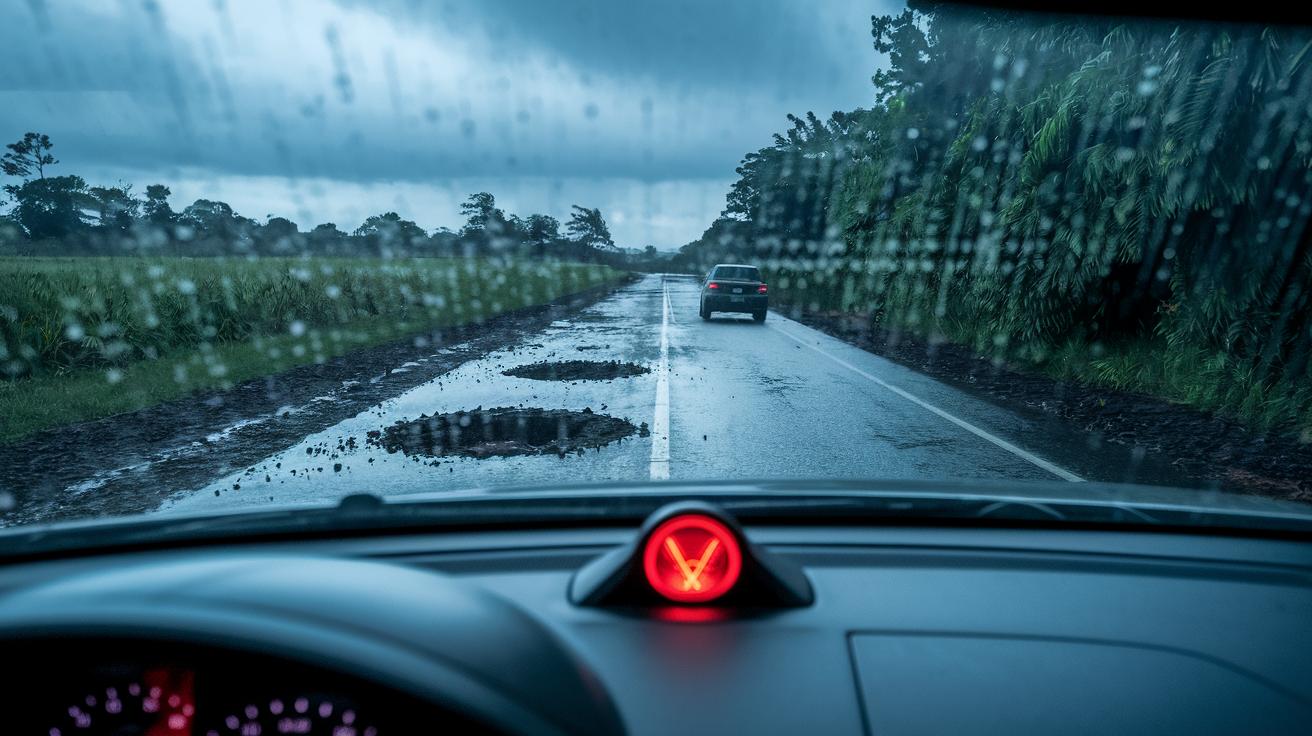
Caribbean roads can be tricky sometimes. Tropical rains often leave them uneven and pockmarked with potholes that catch drivers off guard. And you might see mini-bus drivers trying to overtake on corners where you can barely see what’s ahead. Plus, seat belt rules aren’t always strict. So, it’s best to drive carefully, avoid alcohol and drugs when you’re behind the wheel, and always buckle up. Also, be sure to pack both types of power adapters, some islands run on 230 V/50 Hz while others use 120 V/60 Hz. These little details really count, especially when a power outage hits during hurricane season.
Public Transit Advisories
Mini-buses and other public rides are often crowded and may not meet uniform safety standards. In these busy vehicles, overloading and speedy driving can be a concern, especially at night when the lights are dim. It’s a good idea to ask locals which mini-buses are known for better safety checks and try to travel during the daytime when everything is brighter and more secure. And don’t forget to keep a close eye on your belongings in the crowded rush, it’s better to be safe than sorry.
Ride-Sharing and Taxi Precautions
Using ride-share services or taxis? Always double-check the driver’s details and the vehicle’s plate number before hopping in. Make sure the information you see in your app matches with what’s out there and always pick secure payment methods. A quick look-over can help ensure you’re riding with someone trustworthy, keeping your travel experience as smooth and stress-free as possible.
Caribbean Weather and Disaster Safety Tips
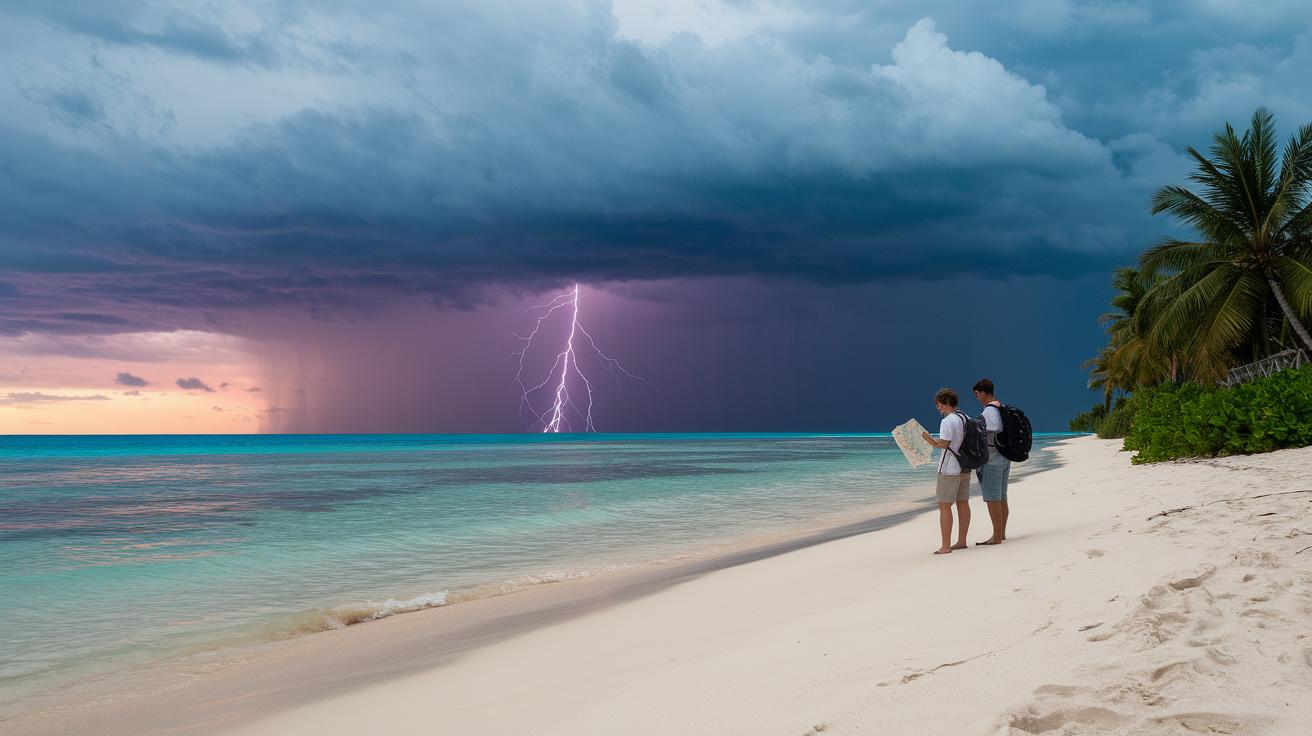
The Caribbean is a slice of paradise with soft sands and vibrant skies, yet it does face some wild weather that can change your plans quickly. You know, hurricane season hits from June to November, and islands like Cuba, Haiti, and the Dominican Republic can experience power outages and floods. Even though earthquakes are usually mild, they can still catch you off guard if you're not ready. And sometimes, you might not even find clear evacuation routes, so having a backup plan is a must when storms or little quakes occur.
It’s a good idea to keep an eye on weather forecasts and have a few fun indoor or alternative plans ready in case the weather turns sour. Have you ever mapped out escape routes just in case? Check out an evacuation map to know where the nearest safe zones are, whether you’re at your hotel or a local guesthouse.
When picking a place to stay, go for spots built with sturdy standards and solid disaster plans. And here’s a neat trick: pack your valuables in waterproof bags and keep your important documents sealed up tight to avoid any damage from unexpected floods.
If a tremor shakes the ground, remember simple safety tips like ducking under heavy furniture and staying away from windows. Also, it’s really handy to have backup power options such as portable chargers and battery-operated lamps, which can light up those long, dark hours without electricity.
Staying updated with local alerts and tuning into weather stations will help you grab timely warnings. This little bit of extra care goes a long way, ensuring you can relax and enjoy that warm Caribbean magic safely.
Beach and Water Safety Tips in the Caribbean
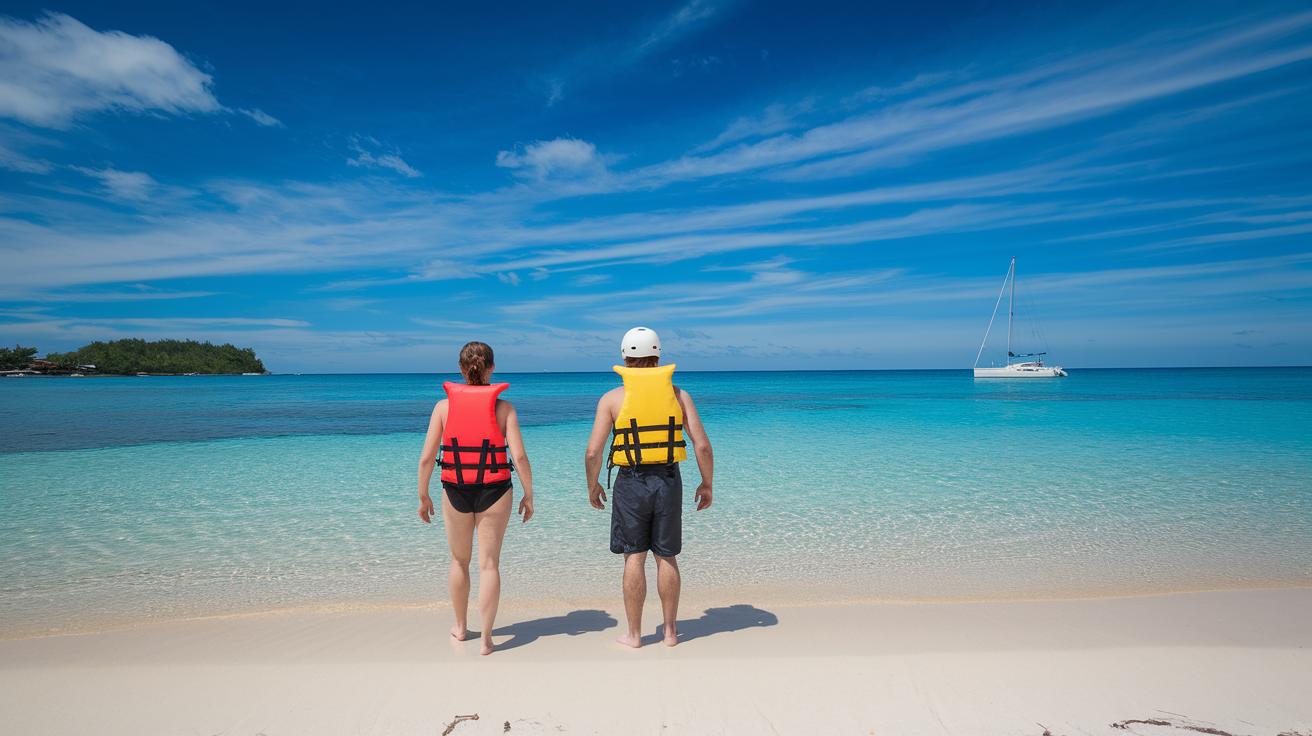
Caribbean beaches are a dream come true with their soft sand and clear blue waters. But just like any adventure, there are a few things to watch out for. Whether you're parasailing, scuba diving, or even taking a horseback ride along the shore, safety should always be on your mind. Hidden reefs, strong currents, and long hours under the sun can catch you off guard, so it's smart to be prepared.
- Always check that the operator has a valid license and proper certification.
- Wear a lifejacket and helmet when required, especially while parasailing or biking near the beach.
- Keep an eye on the weather because storms or strong gusts can appear suddenly.
- Use reef-safe sunscreen with a high SPF to protect your skin and the vibrant marine life.
- Stay well-hydrated by drinking lots of water and take breaks in the shade to keep cool.
In case of emergencies, clear signals really matter. Make sure you know the local warning systems and agree on signals with your group before you head out. Simple hand gestures or a quick whistle can alert rescuers if something goes wrong. With a bit of planning, you can ensure your Caribbean adventures remain as safe as they are fun.
Caribbean Cultural and Local Law Safety Tips
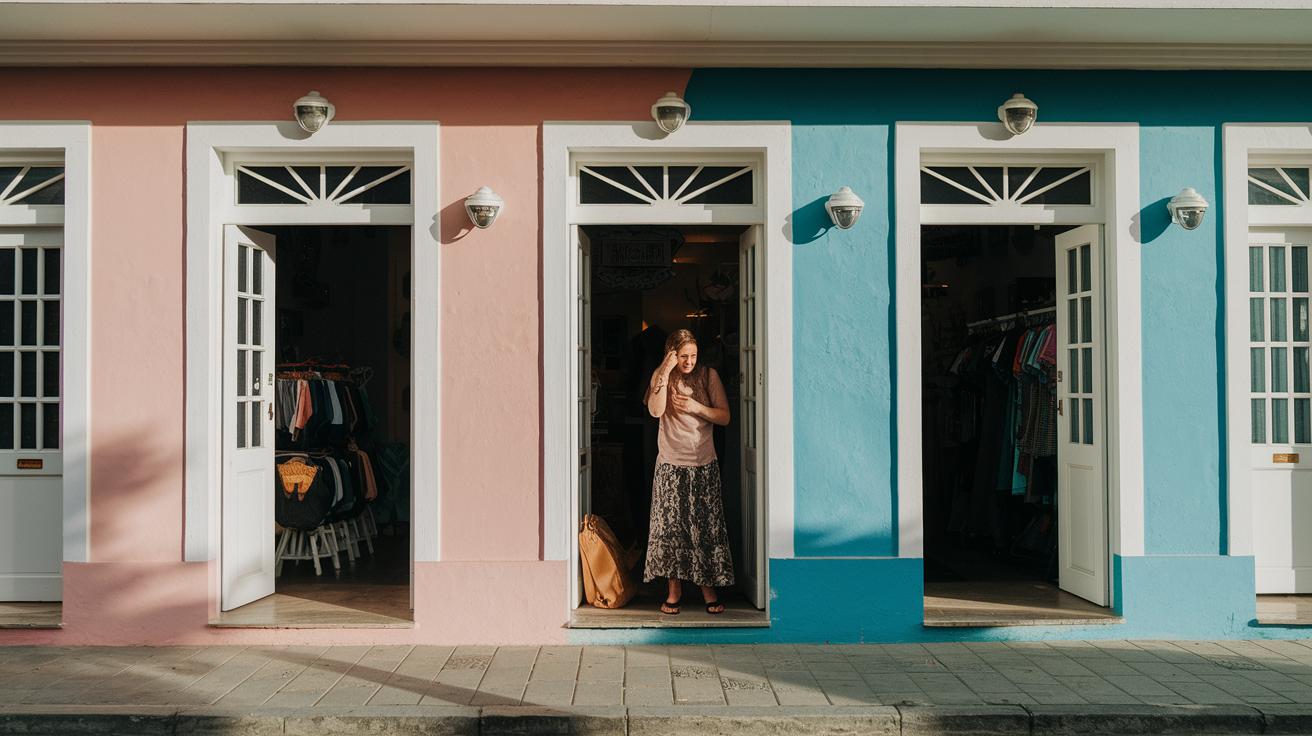
Traveling in the Caribbean is an experience to cherish, and showing respect for local customs adds to the magic. Many islands value conservative dress in stores and restaurants, so save your swimwear strictly for the beach. And just a heads-up: wearing camouflage isn’t allowed and might even lead to it being taken away at the airport. For more friendly tips on what to wear, have a look at the caribbean cultural travel guide.
Tipping rules can vary a lot across the islands. In some places, the bill might already include a service fee (usually around 10-15%), while in others, a little extra tip for taxi drivers or restaurant staff is appreciated. When it comes to villa rentals, tipping is usually optional. Also, visa and entry rules differ depending on your nationality, so it’s a good idea to double-check these details before you leave. A little extra preparation can help you avoid any hassle along the way.
For LGBTQ travelers, the landscape varies throughout the region. In more conservative spots, it might be best to be extra mindful of local attitudes and cultural norms. And if you're a bit worried about the language barrier, consider hiring a local guide. They can help clear up any misunderstandings and make your Caribbean adventure as smooth as a gentle ocean breeze.
Accommodation Safety Tips for Caribbean Travel
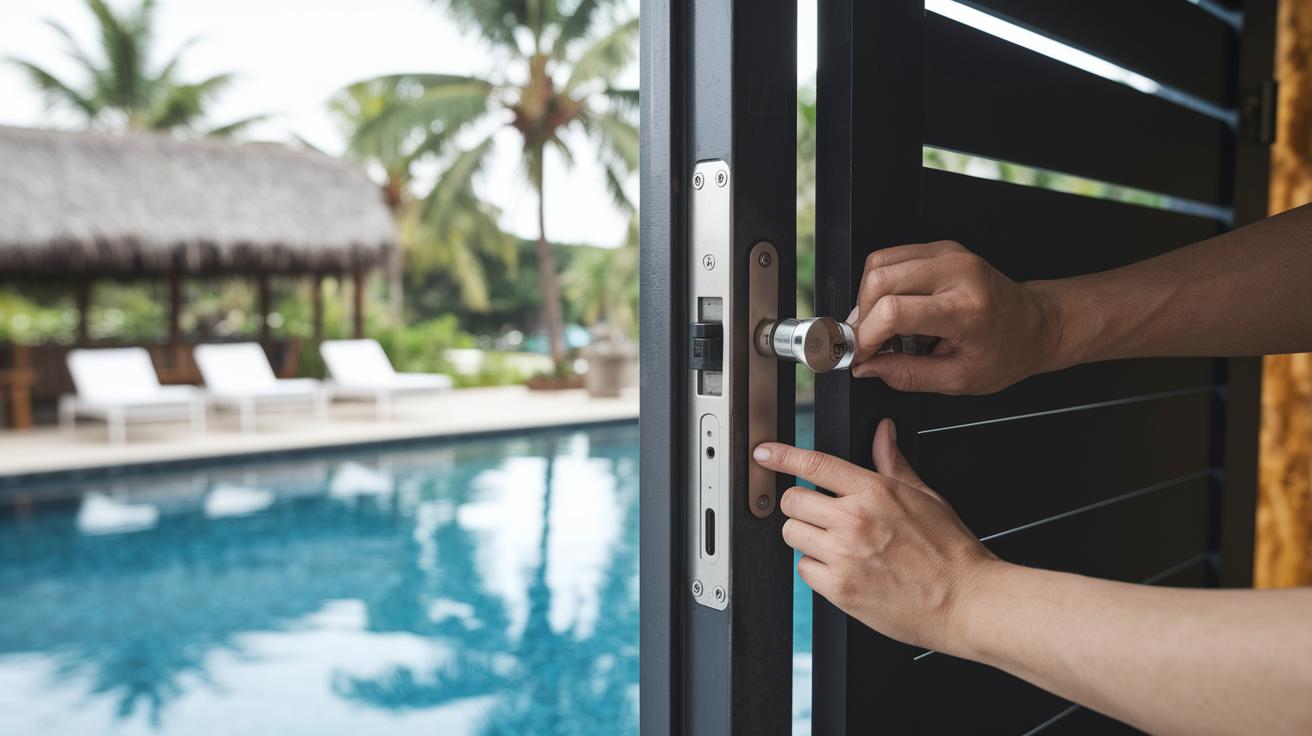
Before you book your stay, it’s a smart move to do a little homework. Take a moment to check out reviews and security details so you know your spot will be safe while you enjoy those tropical vibes.
Start by making sure the door locks, deadbolts, and window latches are strong and working as they should. Also, have a look at where the in-room safe is kept, it should be in a spot that's both secure and easy to reach. And hey, keep your valuables away from doors that lead outside.
When considering hostels or B&Bs, read guest reviews or even chat with the staff if you can. Knowing that the people in charge care about guest safety really makes a difference.
If you’re planning any group tours through your accommodation, don’t hesitate to ask about extra security tips. Many good lodgings share meeting spot guidelines and advice on keeping your personal items safe during outings. This extra bit of care helps you relax even more, letting you soak in the beauty of the Caribbean without a worry in the world.
Caribbean Tech and Communication Safety Tips
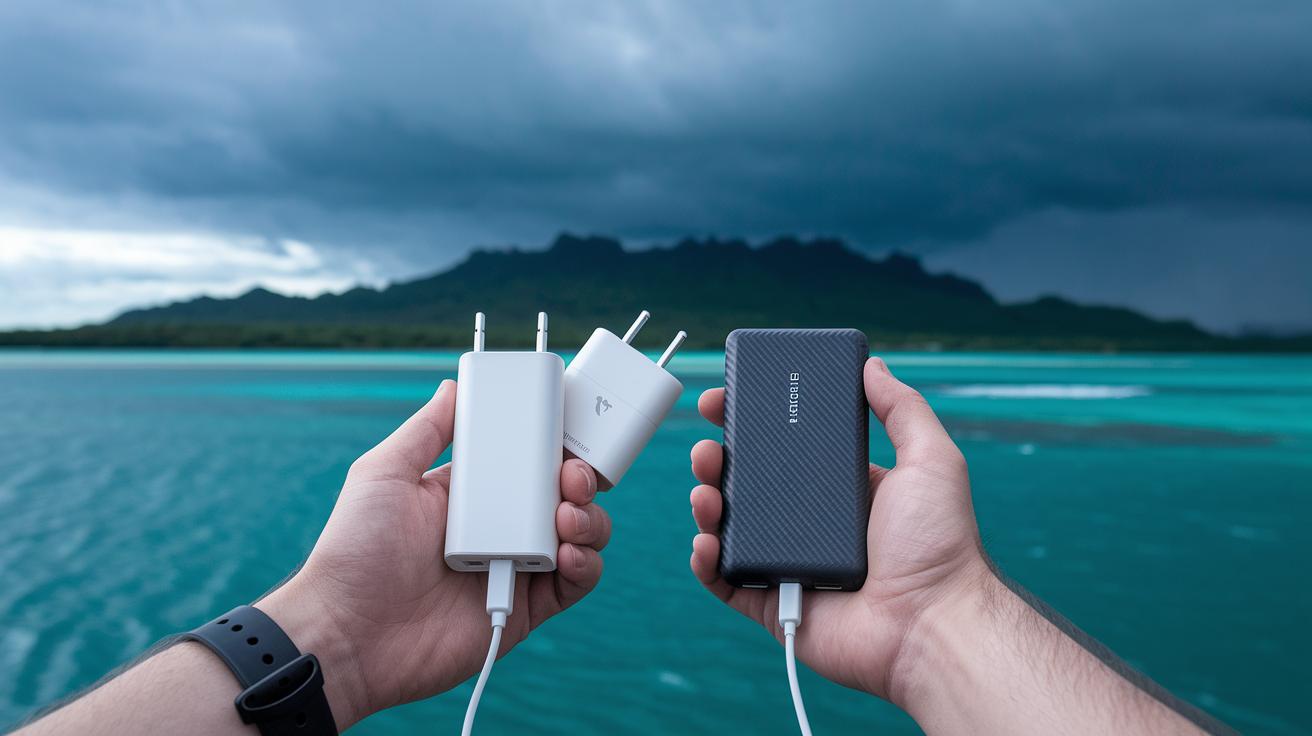
Island power can be a bit unpredictable. Every island seems to have its own way of doing things when it comes to electricity. One island might use one kind of adapter while another needs a different one. Stormy weather can overload the grid and cut the power unexpectedly, so it’s a smart move to pack a backup power bank along with both types of adapters. These little tech tools help keep your gadgets running even if a blackout hits.
Cell service and Wi-Fi are no better sometimes, they can be just as hit-or-miss. Public Wi-Fi spots may not be secure, which means your private info could be at risk. It’s a good idea to download offline map apps before you leave home and to keep your device’s battery topped up. And hey, sharing your travel plan with someone you trust adds a little extra peace of mind too. For more tips on staying connected overseas, check out the expert guide at https://mauisky.com?p=1899.
| Tip | Description |
|---|---|
| Power Adapters | Bring both types of adapters and a backup power bank to stay connected. |
| Offline Maps | Download map apps in advance so you’re not solely dependent on cell data. |
| Secure Wi-Fi | Opt for secure networks and avoid using open, public connections. |
| Emergency Alerts | Install apps that can quickly notify your contacts if something comes up. |
| Share Plans | Let a trusted friend know your detailed travel itinerary for extra safety. |
Final Words
In the action, our post highlighted essential safety steps for a secure Caribbean experience. We covered personal security, document backups, health precautions, transportation safety, weather readiness, and tech tips. Each section gives practical advice to protect you from common risks while immersing in the islands’ charm. Remember to follow caribbean travel safety tips and enjoy your trip with confidence and ease. Embrace every moment under the warm sun and let your well-prepared adventure shine bright.
FAQ
What does Caribbean travel safety tips pdf provide?
The Caribbean travel safety tips pdf provides handy guidelines for protecting your personal items, avoiding scams and staying informed about health and weather risks, all designed to help you have a safer visit.
What are travel warnings to USA focused on?
The travel warnings to USA highlight potential risks like civil unrest, natural hazards, and local crime trends, helping you plan travel with extra caution and stay safer during your trip.
What do U.S. travel Advisory levels indicate?
The U.S. travel Advisory levels indicate different risk levels at various destinations using color-coded alerts, guiding travelers on when to take extra precautions or avoid specific areas to stay safe.
What does the U.S. travel advisory for Egypt cover?
The U.S. travel advisory for Egypt covers regional instability and security risks, urging visitors to keep updated on local conditions and avoid high-risk areas to maintain their safety.
What does the U.S. travel advisory for Russia advise?
The U.S. travel advisory for Russia advises caution due to political tensions and local regulatory issues, recommending travelers stay informed and follow guidelines to minimize potential risks.
What is noted in the U.S. travel warning for 23 countries?
The U.S. travel warning for 23 countries notes high-risk destinations where security concerns are heightened, urging travelers to take extra measures, verify local updates, or consider postponing their trips.
What does the list of countries on the do not travel list mean?
The list of countries on the do not travel list names nations considered too risky for safe travel, prompting potential visitors to choose alternative destinations and focus on personal security.
What does the UN Travel Advisory provide?
The UN Travel Advisory provides global guidance on security, health, and disaster risks, helping travelers make informed decisions and plan trips with safety as a top priority.
Is the Caribbean safe to travel to right now?
The Caribbean’s safety right now depends on the island, as most tourist spots maintain solid security while some areas face seasonal risks; checking local advisories before travel is a smart idea.
What is the safest island in the Caribbean for tourists?
The safest Caribbean island typically features low crime rates, strict security measures, and excellent healthcare; researching current local reports helps you choose the island that best fits your safety needs.
What threat level does Turks and Caicos have?
Turks and Caicos generally maintains a moderate threat level with occasional petty theft and weather-related risks, so checking current updates before visiting helps ensure a smooth experience.
Is St. Lucia or Antigua safer for travelers?
Both St. Lucia and Antigua offer secure areas, but safety can vary; checking recent security updates and considering your personal comfort helps determine which island meets your travel safety requirements best.
