Culture
Caribbean Literary Heritage: Celebrating Cultural Brilliance
By derekhill
December 19, 2025
Field Notes
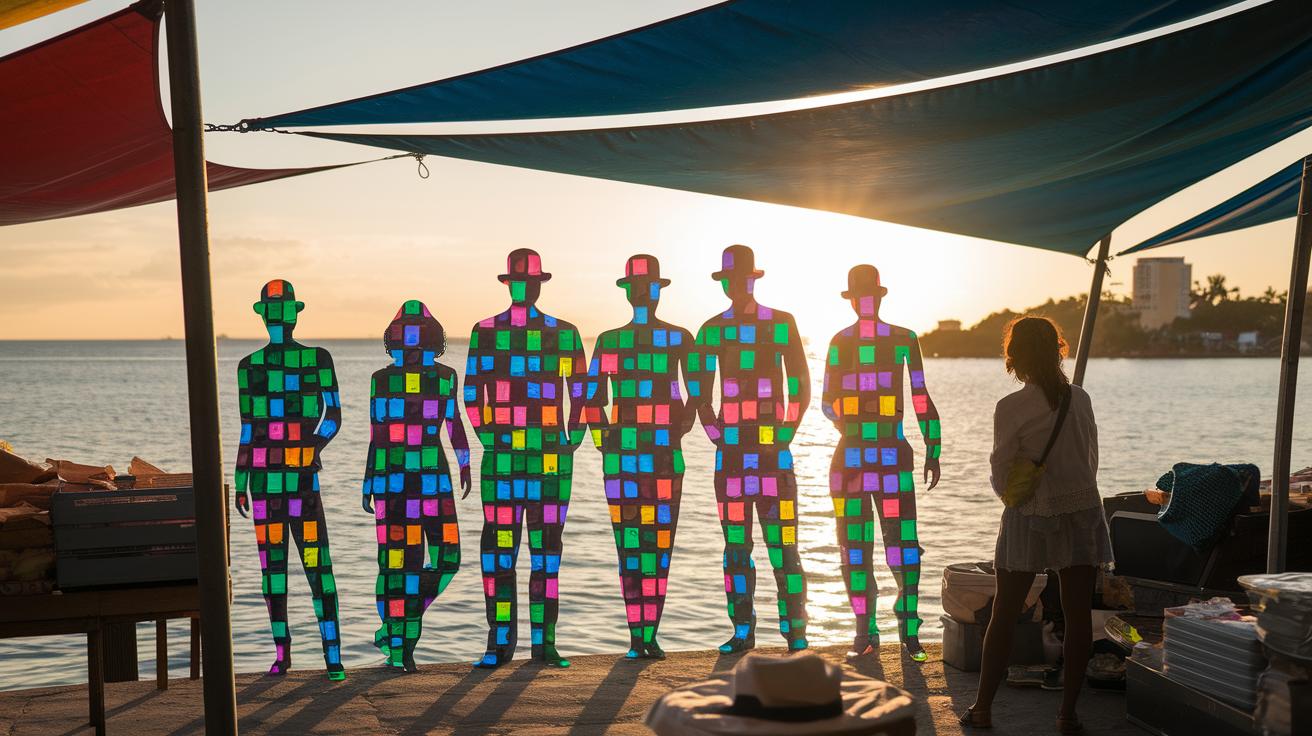
Have you ever wondered why Caribbean words feel so soulful and full of life?
Long ago, local voices told their tales through song and memory, creating a unique literary spirit that broke away from the old ways.
Today, writers blend cherished traditions with fresh ideas, turning history into a warm, everyday conversation.
This piece celebrates how these amazing voices shine bright and stretch the limits of storytelling.
So, get ready to dive into the charm of Caribbean words and experience the magic where past and present come together in bursts of creativity.
Origins and Evolution of Literary Traditions in the Caribbean
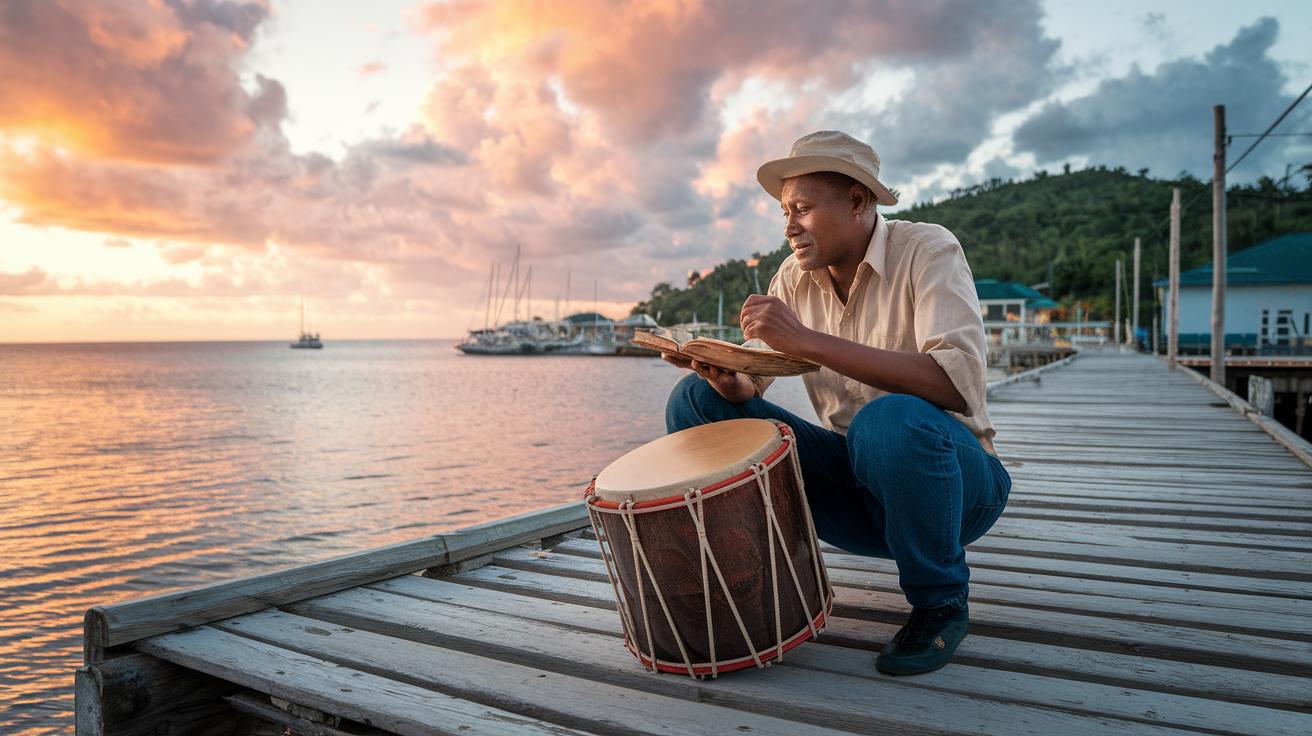
Long ago, Caribbean stories started with native oral tales, travel diaries from colonial times, and records kept by missionaries. These early stories set the stage for today’s Caribbean literary heritage. Island folks mixed different influences to craft tales that capture the heart of the region, its people, its lush landscapes, and its lively cultural beats. Imagine it like starting with a surprising fact: before Europeans left written records, Caribbean islanders shared their histories and traditions through song and storytelling. Their oral archives still echo the spirit of the islands today (learn more at https://caribiana.com?p=5411).
Blending official accounts with native storytelling helped keep old voices alive. This mix not only celebrated pre-colonial wisdom but also questioned the colonial stories that came later. A project called archivefutures has been a big help in rescuing forgotten writers and turning old tales into written stories. Now, as the Caribbean Literary Heritage website wraps up and adds a map of all its archives, more eyes are turning to these treasures. This fresh approach challenges old critiques of colonial influence and shines a light on the passion of native storytelling in our modern world.
- Pre-colonial oral narratives
- Colonial-era chronicles
- 19th-century emancipation literature
- 20th-century nationalist writing
- Early 21st-century digital archives
Each step in this journey, from age-old oral traditions to digital archives today, shows how Caribbean literary traditions have grown and changed. This legacy of early storytelling still inspires writers to explore their history in new and colorful ways.
Postcolonial Storytelling and Radical Writing Movements in Caribbean Literary Heritage

Postcolonial storytelling in the Caribbean mixes age-old tales with fresh takes on old colonial ideas. Writers started to share their own histories in ways that challenged old assumptions. They used the music of spoken words alongside written stories to capture moments of sorrow and joy. Picture a writer saying, "I turned something familiar into a call for change," much like an artist remixing a classic tune with fresh, heartfelt beats.
Radical writing in the region burst onto the scene as writers pushed back against traditional norms. Books like Holding Aloft the Banner of Ethiopia show early political critiques from Caribbean authors living abroad. In a similar vibe, Dougla in the Twenty-First Century explores mixed-race identity with honesty and boldness. These writers break stereotypes and invite us to dive into deep cultural discussions. It's like watching a street artist create a vibrant mural that brings raw neighborhood stories to life.
Their work has left a strong mark on Caribbean literature. These authors not only question past wrongs but also celebrate a lively, ever-changing identity. By weaving history with fresh, daring commentary, they have set a path for new voices to speak up for truth and courage. Their words remind us why it's so important to tell our own stories and let our voices be heard, generation after generation.
Regional Author Legacy and Diaspora Memoirs in Caribbean Literary Heritage

Caribbean writers share their island stories with warmth and personal charm. They mix memories with the sounds and flavors of local life, much like chatting on a sunny beach. For example, Charmaine Wilkerson in Black Cake and Diana McCaulay in Daylight Come blend heartfelt memoirs with local voices to create a feeling as cozy as a seaside conversation. And then there’s Tiphanie Yanique in Monster in the Middle and Monique Roffey in The Mermaid of Black Conch, each adding their own touch of island magic.
These writers carry rich cultural memories from one generation to the next. In books like Moon Witch, Spider King by Marlon James, Celeste Mohammed’s Pleasantview, and Blood Legacy by Alex Renton, you can find the tastes of local food, the echoes of history, and moments of personal reflection. Imagine a line that says, "I remember the first time I tasted a dish that felt like home", it pulls you right into those vivid memories of food, laughter, and shared moments by the ocean.
Preserving these early manuscripts is like keeping an old family photo album. Archivists and literary curators work hard to save original texts and handwritten drafts so that the voices of past storytellers never fade. Their efforts help keep the vibrant traditions of the Caribbean alive and inspire young writers to celebrate their roots with pride.
Canonical Works Celebrating Caribbean Literary Heritage

Imagine strolling along a sunlit beach while diving into a treasure trove of stories that celebrate the Caribbean. This collection brings together some of the finest works of fiction, nonfiction, cultural insights, and heartfelt memoirs that reveal deep layers of island history and soul.
Take, for instance, titles like "Things I Have Withheld" by Kei Miller and "Phonographic Memories" by Njelle W. Hamilton. These books mix poetic language with bold, honest social observations, offering readers a close-up look at the vibrant and sometimes challenging life of the islands. Their stories feel as rich as a mosaic of colors found in a lively Caribbean market and open a window into the real struggles and victories of a people discovering their voice today.
Then there’s memoirs such as "Hunger: A Memoir of (My) Body" by Roxane Gay, which blends personal memories with a wider look at history, painting a picture that’s as real as the cool ocean breeze on a hot day. These works shake up old ideas and help break new ground in the region’s literary scene, all while inspiring us to see Caribbean identity in a fresh, relatable light.
Together, these books not only shine a light on the island’s rich cultural tapestry but also remind us why storytelling never goes out of style. Their enduring charm influences readers far beyond the sandy shores, acting as lasting beacons of cultural brilliance and the timeless magic of a well-told story.
Contemporary Voices and Community Connections in Caribbean Literary Heritage

New stories and fresh publications are adding a lively sparkle to our island traditions. Picture yourself reading a book as vivid as a Caribbean sunset, where every sentence carries the soft rhythm of the ocean waves. Writers are sharing deep, personal tales that mix history with their own island experiences, giving us a genuine feel for identity and strength.
Community efforts, such as the Caribbean Connections Book Club, have brought readers and writers together like old friends gathering by the beach. Books like "Augustown" by Kei Miller, "Everything Inside: Stories" by Edwidge Danticat, and "Love After Love" by Ingrid Persaud have sparked heartfelt chats about modern Caribbean life. It feels just like a warm seaside meetup, where everyone shares stories over a cool drink.
Authors from different islands are coming together, too, making the Caribbean literary scene even richer. Works like "Saga Boy" by Antonio Michael Downing and "Small Island" by Andrea Levy show that these shared dialogues help connect diverse experiences across the region. In truth, Caribbean literary heritage is always evolving, built on community spirit and a deep love for stories that truly matter.
Archiving and Preservation Efforts in Caribbean Literary Heritage
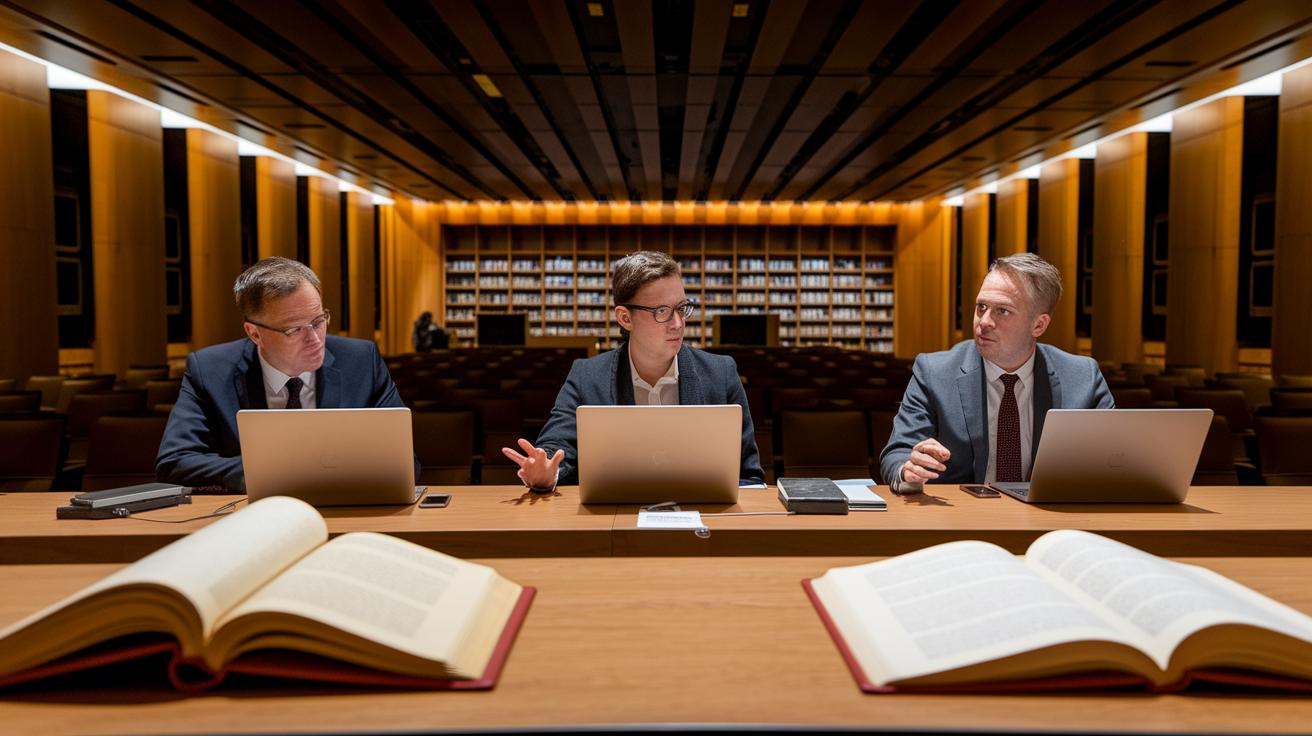
Big conferences really set the stage for today’s preservation work. Think back to the Manuscripts Still Matter Conference in London on April 30, 2012, and a spirited SLA Committee meeting in 2013. These events brought experts together, sparking lively debates about old texts and inspiring fresh plans for 2025 and beyond. It’s like they turned up the heat on new ideas to keep Caribbean voices alive and kicking.
Digitization projects are bringing old paper records into a brand new light. Libraries and cultural groups are busy turning fragile manuscripts into digital files that not only protect centuries-old writings but also make them easier for everyone to explore. Imagine a cozy island library where every turn of the page comes with a gentle breeze of modern innovation, helping keep ancient stories as vibrant as ever.
Local teams are also stepping up to recover forgotten texts that might otherwise slip away. A dedicated network is hard at work finding lost writings and carefully cataloging them to weave together our rich Caribbean heritage. These efforts are like piecing together a colorful mosaic, preserving the echoes of our past so they can guide and inspire us for many years to come.
Final Words
In the action, we explored how Caribbean literary heritage has grown from early oral traditions to modern digital archives. We wandered through colonial influences, postcolonial storytelling, and the vibrant voices that shape island narrative tradition.
The outline spotlighted key eras, authors, and archival efforts that keep these stories alive. With each chapter, the rich literary spirit of the Caribbean warmly inspires us to appreciate every written word.
FAQ
Caribbean literary heritage essay
The Caribbean literary heritage essay examines the development of regional narratives. It highlights the blend of oral traditions, historical records, and modern writings that have shaped the unique literary culture across the islands.
Caribbean literary heritage authors
The Caribbean literary heritage authors represent a range of voices, from early chroniclers to contemporary storytellers. They have captured the island spirit through writings that reflect historical, cultural, and social influences in the region.
Caribbean literary heritage books
The Caribbean literary heritage books offer a rich mix of memoirs, cultural analyses, and creative expressions. They encapsulate the region’s transition from early oral narratives to modern literary forms that mirror life in the Caribbean.
Digital Library of the Caribbean
The Digital Library of the Caribbean provides a gateway to digitized Caribbean texts and archival documents. It helps preserve the region’s literary and cultural legacy by making these resources readily accessible for study and enjoyment.
Early Caribbean Digital archive
The Early Caribbean Digital archive collects digital versions of historic documents and literary works from the islands. It serves as a resource that preserves early narratives, giving insight into the region’s formative cultural moments.
Caribbean Archives
The Caribbean Archives store a variety of literary texts, manuscripts, and historical documents from the region. They play a key role in preserving and curating materials that document the evolution of Caribbean literary traditions.