Have you ever thought that learning could be more than just textbooks? In our islands, education feels like a lively celebration under the warm sun. Schools mix everyday lessons with the rhythms of Caribbean history to create an experience that is both fun and full of heart.
Imagine walking into class and hearing the sound of local music, watching colorful dances, and seeing art that tells the story of our heritage. These lively moments help students hold on to cherished traditions and give old stories a fresh twist, like a personal invitation to explore the island spirit.
And then, hands-on projects bring these traditions right into the classroom. You can almost feel the pride and deep connection to our island identity. In a way, education here is not just about learning facts, it’s about keeping the soul of the Caribbean alive every single day.
Education’s Central Role in Preserving Caribbean Culture
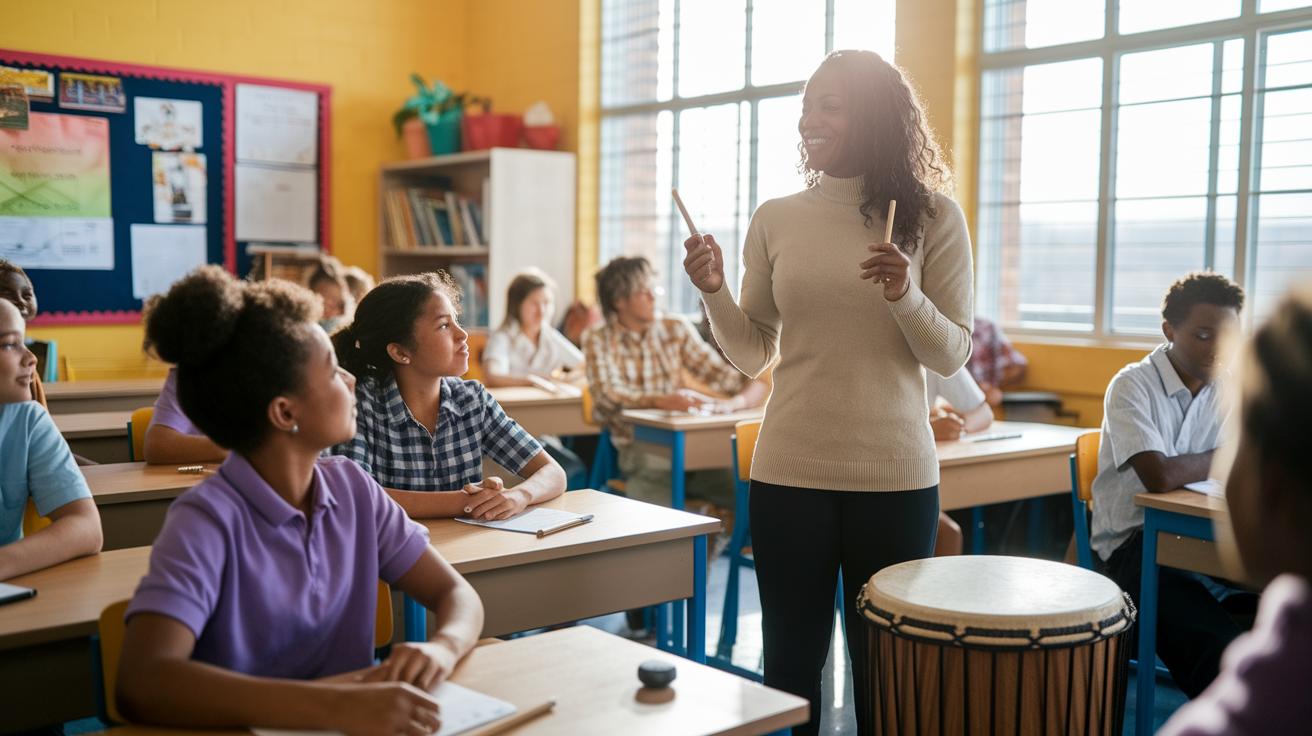
Education is the heart of sharing Caribbean culture. In our schools, lessons on West Indian heritage spark pride and show us how connected we all are. These classes bring history into everyday life, making every day feel like a celebration of our vibrant past.
Storytelling is where it all begins. Think of the classic tales of Anansi the Spider, which weave community values and history into every lesson. And then there’s the music and dance, reggae, calypso, soca, dancehall, and salsa, that let you feel the island’s soul in every beat. It’s a fun way to see, hear, and feel the true spirit of the Caribbean.
Hands-on art and craft projects add even more flavor to learning. When students work on Caribbean-themed projects, they’re not just making art; they’re keeping traditions alive in a creative way. This kind of learning builds community pride and a strong sense of identity that really shows what it means to be Caribbean.
By mixing academic lessons with real cultural experiences, Caribbean education brings the past and present together. It helps heritage, language, and art thrive, making every classroom a small slice of island life.
Curriculum Innovations Embedding Caribbean Heritage
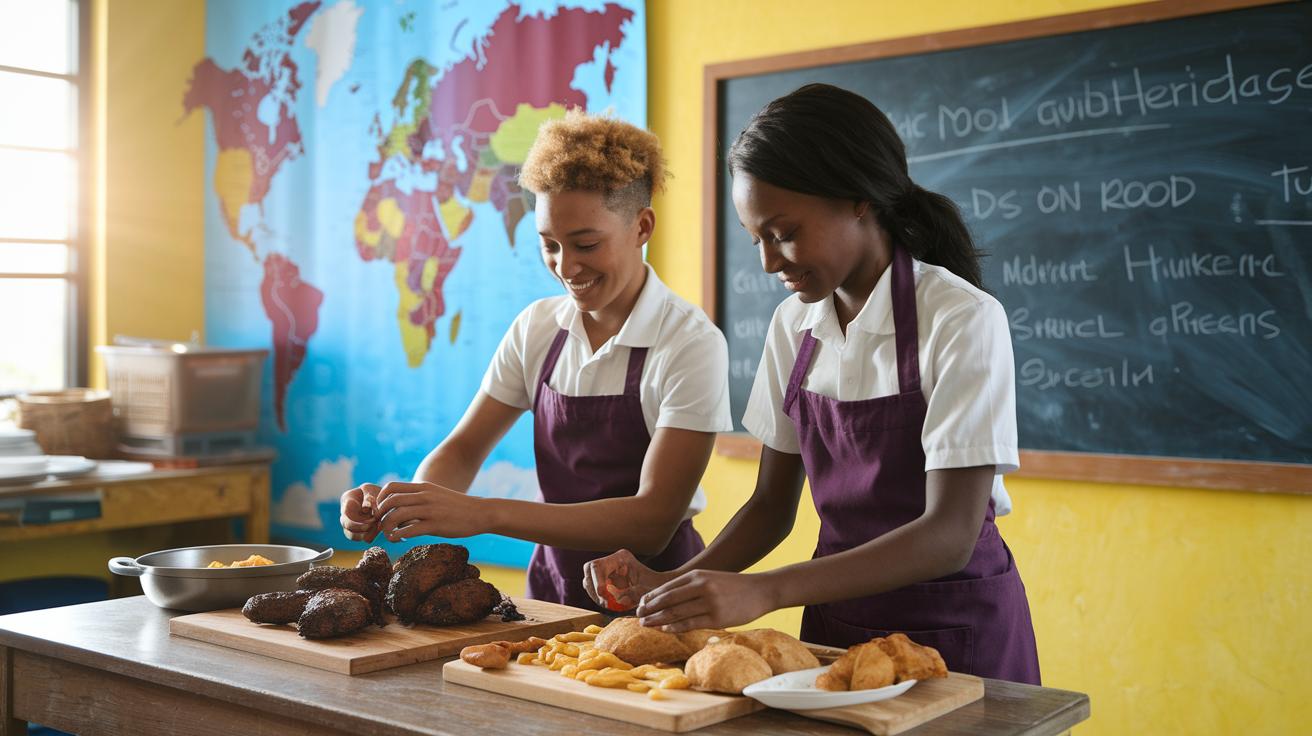
Across the Caribbean, schools are giving a fresh twist to their lessons by weaving in ancestral knowledge that shines a light on our shared past. Classrooms now brim with stories drawn from African, European, Indigenous, and Asian roots, making every lesson as rich and tasty as a plate of island delicacies.
Students dive into both book learning and hands-on activities. In cooking classes, for example, recipes like jerk chicken, roti, callaloo, and plantain chips become more than just food. They are windows into the diverse journey of immigrants and the blending of traditions. Meanwhile, fun projects and story sessions bring local customs to life, letting kids feel the beat of island art, language, and music.
Language classes have also taken on a new flavor. Schools are now teaching English, Spanish, French, Dutch, and Creole, each carrying whispers of old stories and native voices. And if you’re curious about tackling language challenges on the go, there’s a handy guide that might just help.
Profiles of cultural heroes like Marcus Garvey, Toussaint Louverture, and Bob Marley make these lessons even more alive. They serve as inspiring examples of strength and leadership, reminding us that our past is a living guide. The blend of history with everyday practices offers students a vibrant, ongoing adventure into Caribbean heritage.
This new way of learning fills classrooms with the spirited and colorful legacy of the islands every single day.
Community-Based Projects Strengthening Caribbean Cultural Learning
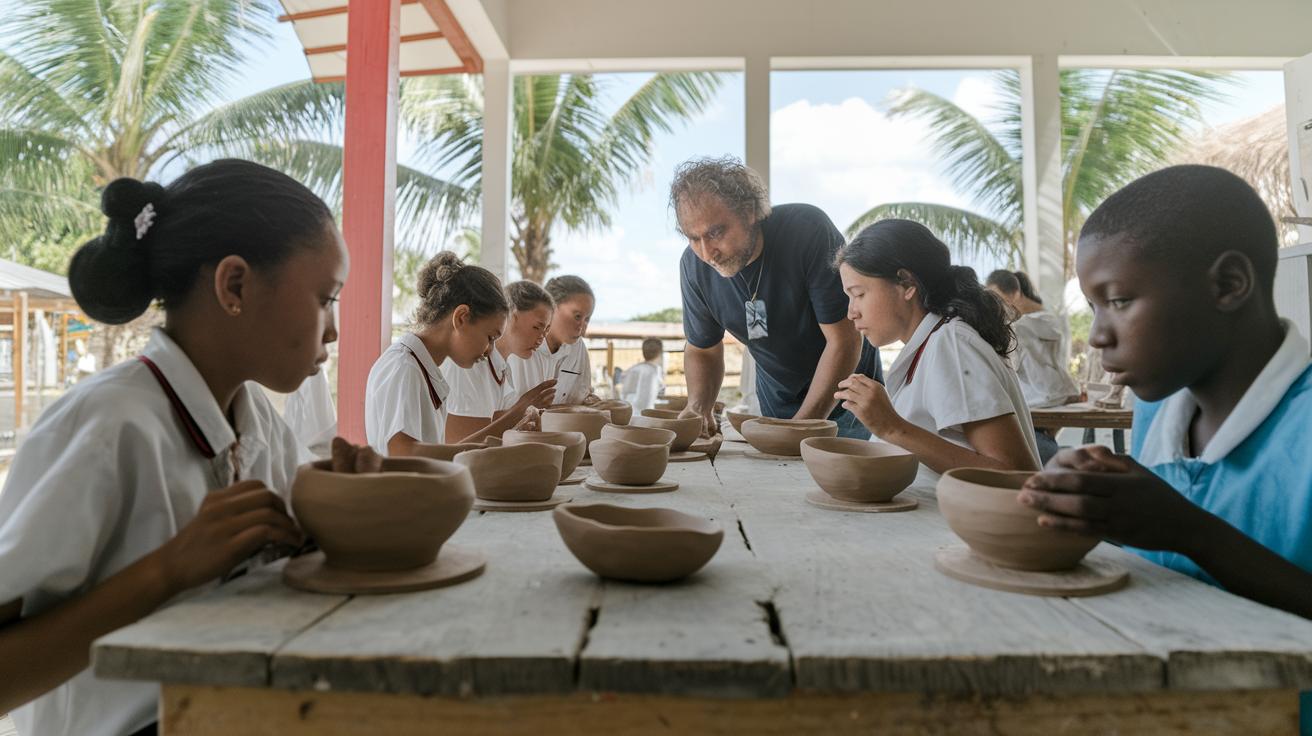
Community projects really help students feel the heartbeat of our islands. Local art workshops give them the chance to work alongside experienced local artists. They get hands-on with pottery, weaving, and carving, almost like a mini adventure in creativity. One student even said, "I never thought making a clay bowl could feel so connected to my roots!"
Schools are now teaming up with local groups to host fun events and invite special guests. They arrange talks and celebrations like Carnival, Crop Over, and Emancipation Day that bring the vibrant island energy right to the classroom. These events make learning feel like stepping into a real-life story. For example, a storytelling workshop often sparks friendly debates and lively chats, especially when local elders share their own memories.
Some amazing programs also pair young learners with seasoned local creatives. These arts mentorship projects mix classroom lessons with traditional craft, music, and performance. Schools even work with groups like the Oliver Samuels Foundation, which offers full-tuition scholarships and expert guidance for students who love island culture. Every dance, song, and tale shared during these sessions helps keep our cultural legacy alive.
In the end, these community projects show how hands-on learning can keep our island traditions thriving. They are a true blend of education and local spirit that helps every student connect with their roots.
Teacher Training and Policy Reforms for Cultural Preservation
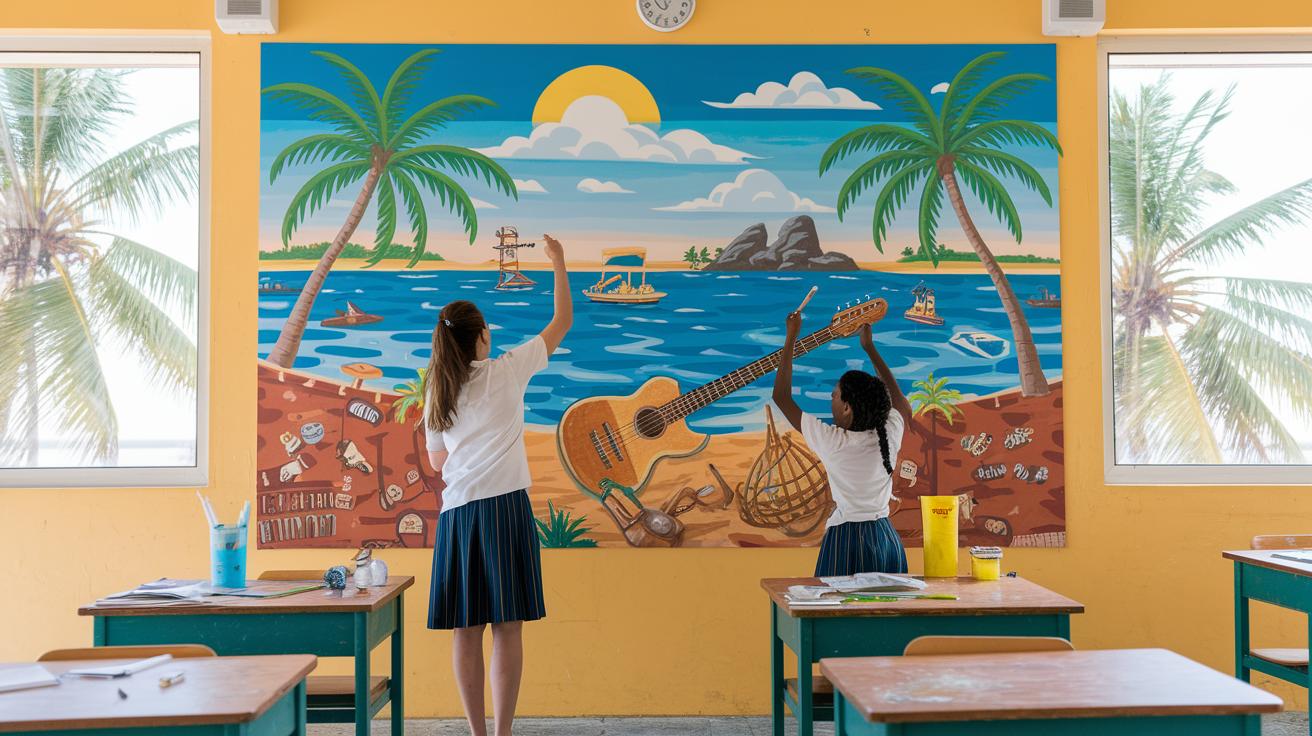
Caribbean schools are shaking things up by putting local culture right in the heart of teaching. Instead of sticking to old textbooks and far-away histories, teachers are now learning to share our island stories, crafts, music, and historical events. It’s like having a lively chat on a warm day where every lesson feels personal and full of local flavor.
Gone are the days when only European ideas filled the textbooks. Now, subjects like social studies and literature shine a light on Caribbean voices and real-life experiences that speak to every student. Schools are even creating fun, mixed lessons that combine language, art, and folklore, letting kids explore their heritage through stories and creative projects, much like mixing different fruits together to make a tropical salad.
All these changes do more than spice up class discussions. They help build a strong sense of identity and pride in our roots. When teachers are ready to pass on our cherished traditions, students feel like they’re part of something real and close to home. Ever felt that familiar warmth of a shared story under the gentle Caribbean sun? That’s exactly the kind of learning we’re all about.
Technology and Digital Tools in Caribbean Cultural Education
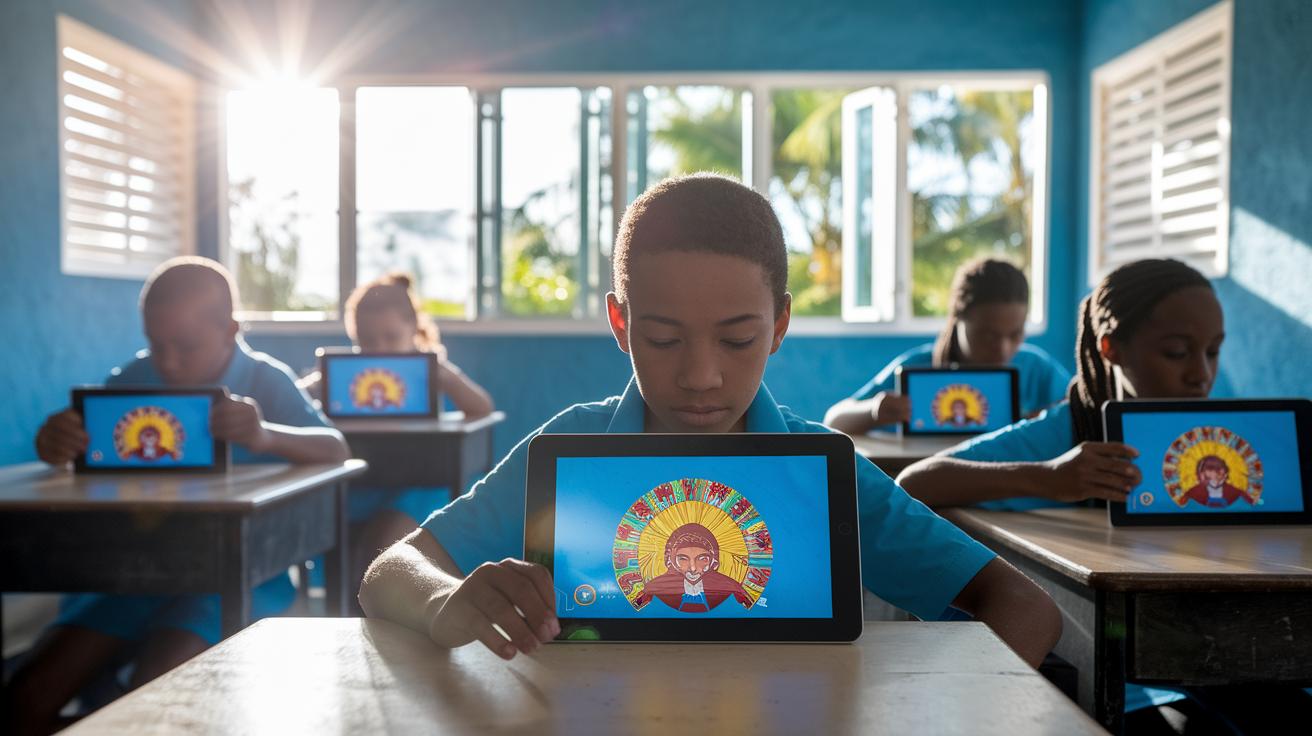
New tech is giving life to Caribbean stories in ways we’ve never seen before. With virtual lessons, fun apps, and digital archives, our island memories and traditions are now just a click away. It’s like having a digital photo album of the past, where every story is ready to be enjoyed again.
Online storytelling takes learning outside the classroom. Imagine exploring old heritage sites and bustling museum halls right from your own home. For example, you can check out digital tours of lively festivals (just visit https://mauisky.com?p=1862) and feel the vivid energy and warm celebration, no travel required.
Courses in ethnographic research now feel like mini field trips. Students use modern gadgets to record interviews, capture local art, and document old traditions. This hands-on learning approach helps keep Caribbean culture alive for future generations, making sure our rich heritage stays vibrant and well-loved.
Case Studies of Successful Caribbean Heritage Education Initiatives
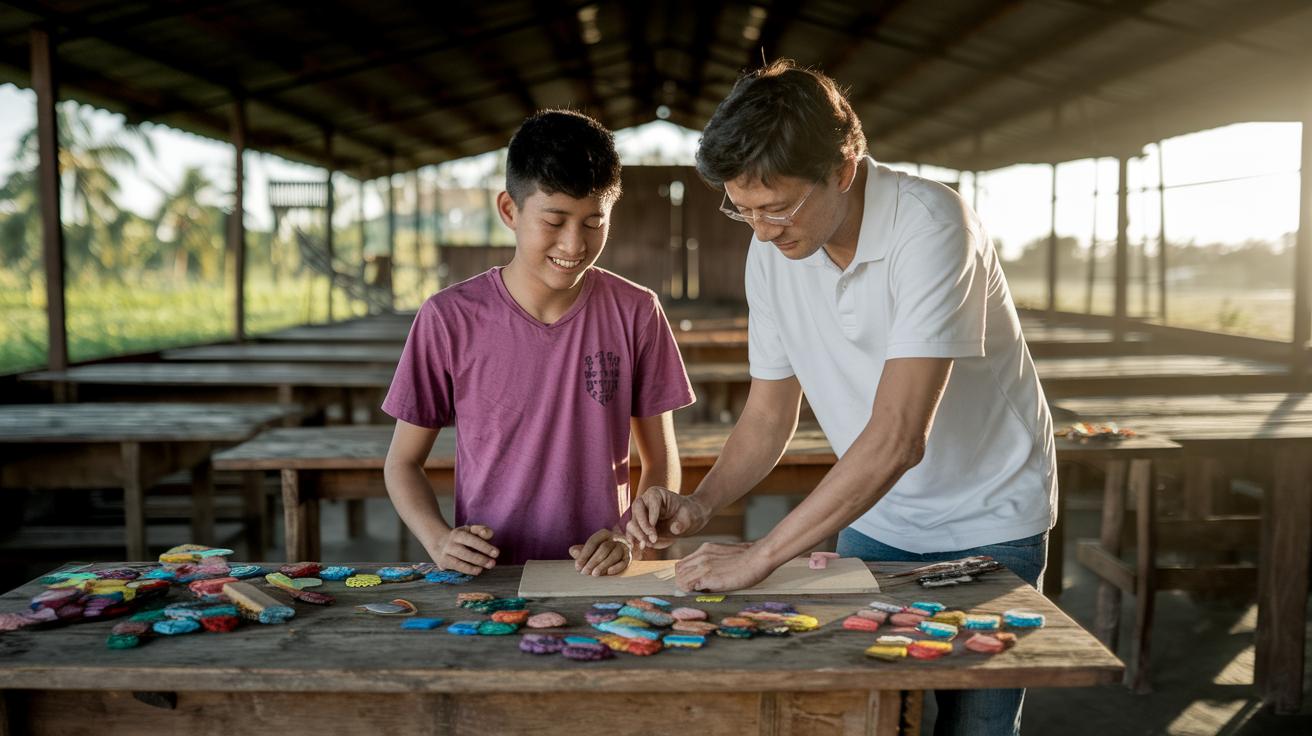
The Oliver Samuels Foundation’s mentorship program is a wonderful example of how education can spark inspiration in young minds. Since 2015, more than 150 students have experienced real-life lessons by working side by side with local artisans and cultural experts. One student once shared, "Working with a mentor who understands where I come from makes my culture feel like family." This way of learning not only sharpens academic skills but also creates lasting memories through heartwarming stories and hands-on projects.
In many small parishes, community-run folklore workshops have truly made a difference. Over the past three years, these sessions have boosted student interest by about 40%. Teachers carefully blend traditional stories and craft activities with modern classroom ideas to share the rich history of their community. Many participants love the way these workshops connect them with their roots, sparking a deeper curiosity about their cultural heritage and giving a fresh spin to studying family traditions.
Then there are the festival-based learning programs in Jamaica and Barbados that bring the magic of the islands to life. These programs capture the essence of local music, dance, and even favorite recipes, saving them in multimedia archives. Students get a chance to learn firsthand at lively events like carnivals, where every performance and dish feels like a live treasure trove of knowledge. By merging hands-on experience with cultural immersion, these initiatives show that blending tradition with modern practices can keep the Caribbean legacy shining bright for future generations.
Final Words
In the action, this piece shows how education shapes Caribbean culture. It explores how folktales, music, and hands-on projects blend with modern digital tools and creative school programs. The blog post highlights local arts, language lessons, and teacher training reforms that bring tradition to life.
These efforts prove the significant role of education in preserving Caribbean culture. With sincere passion and simple steps, every reader sees how heartfelt learning can light the way to a brighter cultural future.
FAQ
Q: What is the role of education in preserving Caribbean culture, including in Jamaica?
A: The role of education in preserving Caribbean culture involves teaching local history, language, and arts that build community pride. It shares folktales, music, and traditions, reinforcing Caribbean cultural identity.
Q: Why is education important in the Caribbean and how does it promote and preserve culture?
A: Education in the Caribbean passes down traditions and history while encouraging inclusivity and cultural pride. It helps people appreciate local customs and artistic expressions that define the region.
Q: What are two ways some Caribbean families preserve their culture?
A: Some families keep their culture alive by sharing oral folktales and traditional recipes while engaging in customary music and dance practices, ensuring their heritage endures through generations.
Q: What are the three main cultural influences on the Caribbean?
A: The main cultural influences on the Caribbean are African, European, and Indigenous roots, each adding unique languages, art forms, and social customs to the region’s rich heritage.
