Have you ever wondered if Caribbean backpacking can be both budget-friendly and unforgettable? Picture yourself surrounded by clear blue waters, sunlit hostels, and delicious local treats, it's like stepping into your very own playground. In this guide, we’re sharing tips to stretch your dollars while exploring treasures like Jamaica, Cuba, and Puerto Rico comfortably. Think of it like whipping up a tropical fruit salad, each island adds a little extra zest to your adventure. So, pack your bag and get set to experience the enchanting magic of the Caribbean.
Backpacker’s Blueprint for Caribbean Exploration
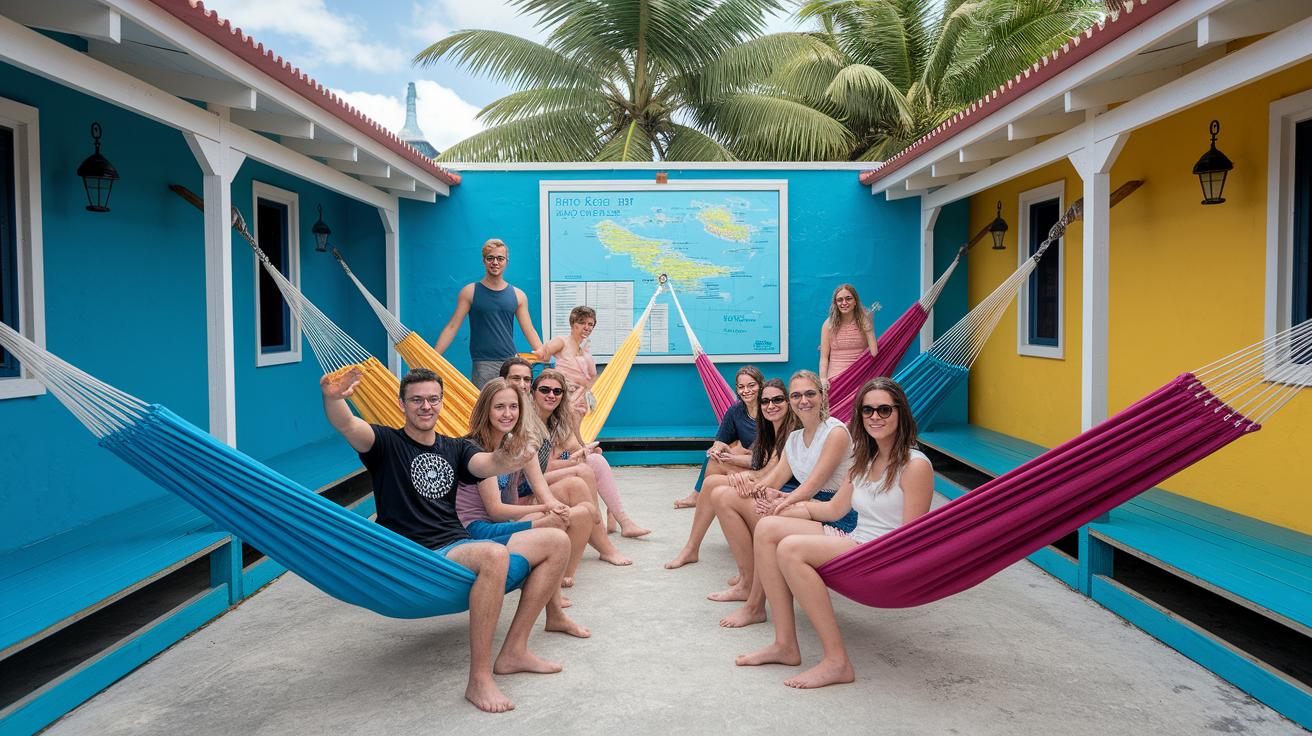
Caribbean backpacking is like stepping into a giant playground with over 7,000 islands waiting to be discovered. Picture yourself hopping between the Bahamas, BVI, Cuba, Aruba, St. Lucia, Grenada, Jamaica, Puerto Rico, and the Dominican Republic. Sometimes you'll be laughing with new friends in cozy, sun-soaked hostels, and other times you might treat yourself to a fancier spot that can cost up to $500 a day. Most travelers find that spending about $75 to $100 each day on hostels, street food, and local buses works well. If you prefer a bit more comfort, a daily budget of around $190 might be best, while those seeking a luxury experience could spend between $355 and $500.
The best time to catch all this fun is during the peak season from December to April when the weather hovers around a pleasant 87°F. That’s when the beaches are vibrant and the ferry rides are full of life. But if you choose to travel between May and November, you might snag lower prices, just make sure to keep an eye on weather alerts. Accommodations like hostels can be hard to come by, so many opt for simple 2-star hotels, which average about $80 a night, or even a snug Airbnb private room starting from around $50.
Be sure not to miss some truly awesome spots. Imagine snorkeling in the crystal-clear waters of Trunk Bay, getting lost in Havana’s lively culture over a 48-hour journey, or feeling the excitement of Dunn’s River Falls, entry costs about $24, with an added $25 if you want to zip-line over the falls. And for those craving a real adventure, consider a hike at Gros Piton, typically priced between $50 and $70, or join a shared sailing trip around the Virgin Islands.
Think of planning your budget a bit like whipping up a fresh, tropical fruit salad, mix in a dash of affordable street food, a sprinkle of local market treasures, and you've got yourself an unforgettable Caribbean escape.
Caribbean Visa Requirements & Safety Precautions
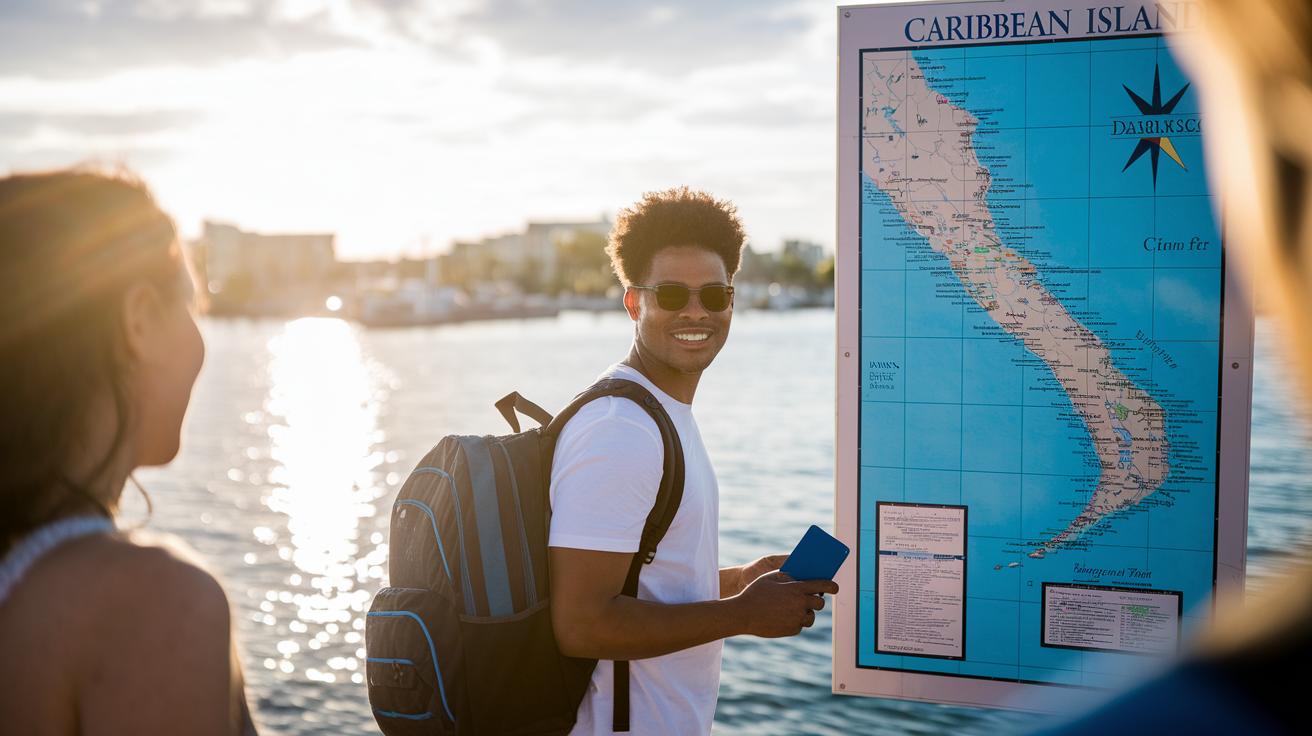
Caribbean visa rules differ from one island to the next. Many island nations allow visa-free entry or offer a visa on arrival for US, Canadian, British, and EU passport holders. It’s always a good idea to check the official websites before you travel. And remember, exchange rates can change from one place to another, so keep a little local cash handy for small purchases, even if US dollars are accepted in many spots.
Most islands feel safe for solo travelers, but you should still be cautious in some areas. For example, in Kingston, Jamaica, and in San Nicolas, Aruba, it pays to be extra alert after sunset. Registered taxis or licensed rides are the way to go, and it might be best to avoid quiet streets late at night.
If you’re planning active adventures like scuba diving (using special equipment to breathe underwater), zip-lining, or guided hikes, make sure your travel insurance covers these activities. During the busy season from December to April, you’ll enjoy lovely weather, though prices could be higher. Off-season travel can be kinder to your wallet, but always check official weather alerts so that you can steer clear of any surprises.
| Island | Safety Note |
|---|---|
| Jamaica | Stick to well-lit streets in Kingston after dark and use licensed taxis |
| Aruba | Be extra alert in San Nicolas when evening comes |
| Bahamas | Stay near Nassau or Freeport tourist areas |
| Cuba | Keep your valuables safe in government-run lodgings |
| BVI | Stick to regulated ferries and main harbor areas |
Essential Caribbean Travel Guide for Backpackers: Pure Bliss
Imagine a week-long Caribbean escape that feels like chatting with an old friend over a cool drink on a sunlit beach. This seven-day plan mixes free attractions with affordable tours, letting you enjoy stunning beaches, historic spots, and scenic hikes without breaking the bank, around $75–$100 per day.
- Day 1: Begin your journey in Nassau. Visit Trunk Bay for just $5 and treat yourself to a tasty street-food lunch for about $8. Then, settle in for the night in a dorm costing roughly $60.
- Day 2: Set your sails toward the British Virgin Islands on a shared charter where you can soak in the coastal views. Go snorkeling near the reefs, and for a splash of adventure, try a two-tank scuba session for around $120. End your day with a cozy dorm stay at $50.
- Day 3: Head over to Havana and enjoy a relaxed stroll along the Malecón. Roam the charming historic plazas and visit the Bob Marley museum for $25. Wind down with a delightful paladar dinner (a local, home-cooked restaurant experience) for about $15.
- Day 4: Arrive in Ocho Rios and marvel at the breathtaking Dunn’s River Falls with a $24 entry fee. Feeling daring? Try the zip-lining adventure for an extra $25 before relaxing in a guesthouse that costs about $55.
- Day 5: In St. Lucia, join a guided hike of Gros Piton for $50, soaking up the lush scenery. Later, retreat to a simple bungalow for $60 to let the island magic sink in.
- Day 6: Explore Barbados next with a visit to the Mount Gay Rum tour, which can be free or up to $25. A quick bus ride for $2 gets you around, and a friendly Airbnb stay for about $45 rounds off the day.
- Day 7: Conclude your adventure in Grenada by exploring a bustling spice market. Enjoy a refreshing boat cove tour for $50, then rest your head in a hostel for just $40.
This itinerary is like a tropical conversation, balancing cost-saving tips with unforgettable experiences. Ever wondered how a backpacker’s Caribbean bliss could feel? It’s all here, simple, real, and full of island spirit.
Affordable Accommodation Insights for Caribbean Backpackers
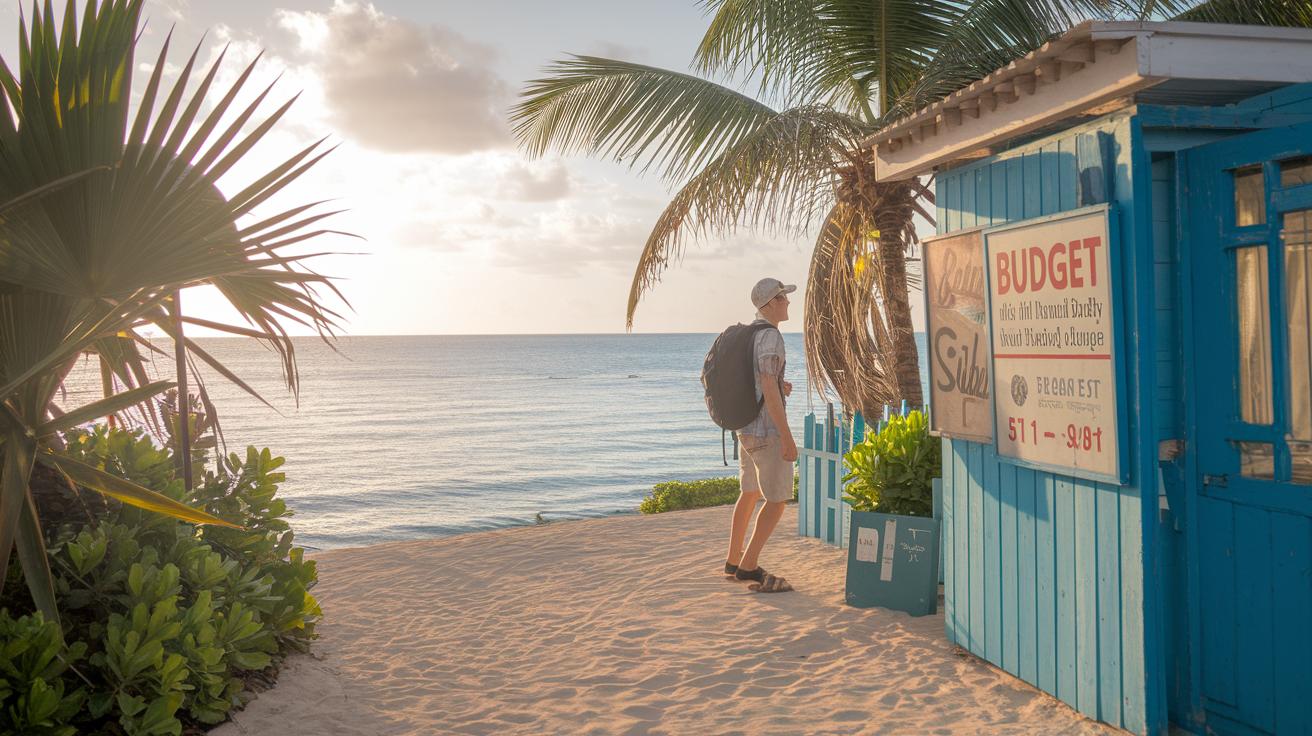
When you're wandering the Caribbean on foot, finding a cozy spot that won't empty your wallet is key. Hostels might be few and far between, so many backpackers turn to simple 2-star hotels that usually charge around $80 a night. And sometimes, a private room on Airbnb can start at just $50, giving you that warm, local feel like you're enjoying a home away from home.
Next, you might want to think about guesthouses or even couchsurfing. These options can really help you save money, especially if you book one to three months before the busy period from December to April. You can also look into rural eco-lodges. Many of these places offer volunteer exchanges or work-stay programs, which might let you stay for free or at a lower price. And hey, don't be shy about reaching out directly to homestay hosts, you could definitely score a better rate if you chat about staying several nights.
For more tips and details on your options, check out the caribbean budget accommodation guide. This guide breaks down the differences between dorms, hotels, and eco-stays so you can easily decide which style best fits your backpacking adventure.
Caribbean Backpacker Packing Checklist & Gear Recommendations
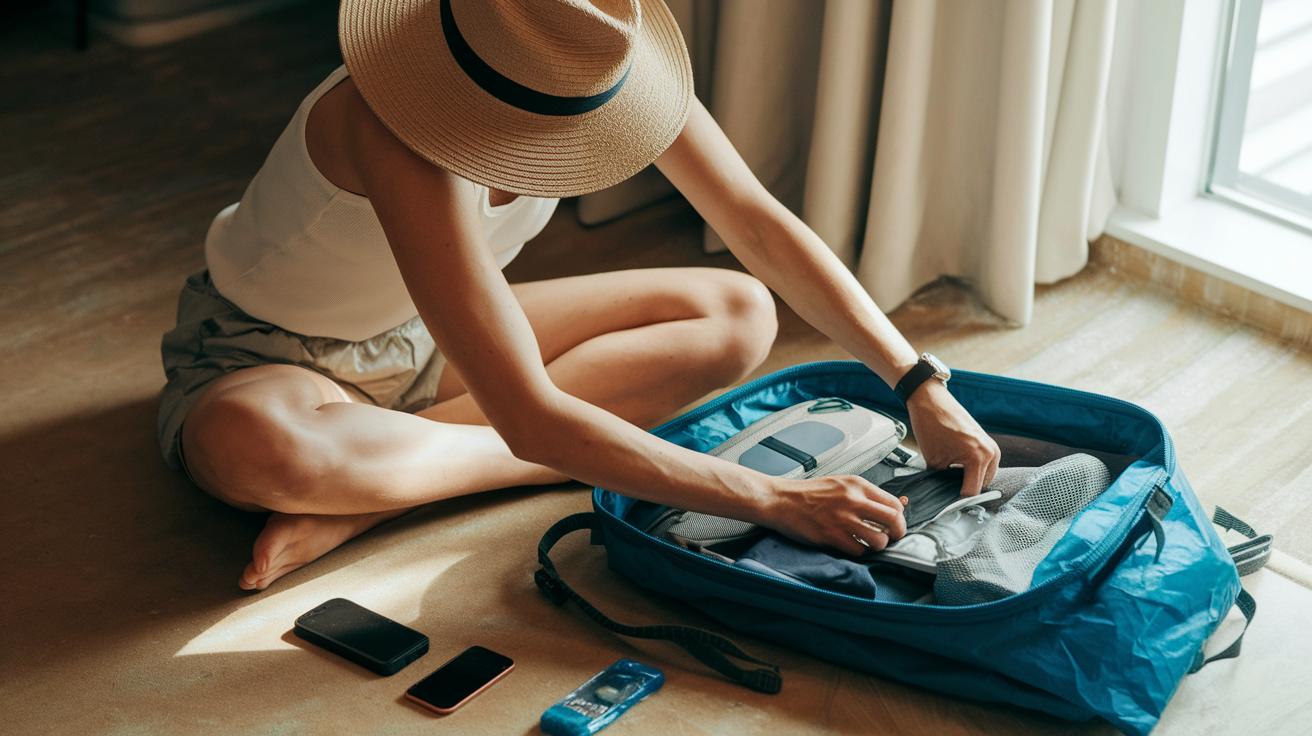
When planning your Caribbean trip, it's important to travel light but pack items that serve more than one purpose. Think of it like mixing handy gear with everyday essentials. Quick-dry shirts, lightweight shorts, sturdy hiking shoes, swimwear, and a wide hat will help you beat the heat and keep you comfy whether you’re wandering through colorful markets or relaxing on the beach. A reusable water bottle is a must, keeping you refreshed as you move from busy streets to peaceful coves.
Remember to bring along a small first-aid kit, a portable charger (like an Anker Powercore) to keep your devices charged, and waterproof dry sacks to shield your electronics from splashes. You might also want to include some extra gadgets: a budget-friendly action camera (think GoPro HERO10 Black), trekking poles, a USB multiport adapter, and a microfiber towel, perfect for drying off quickly or capturing those memorable moments.
Using compression sacks and smart layering can keep your bag light, around 15 lbs, so you can explore comfortably without feeling weighed down. Pack every item with care, ensuring that it works double duty. Stay flexible, be ready for anything, and let your adventure unfold with ease.
Local Transit Strategies for Caribbean Island Hopping
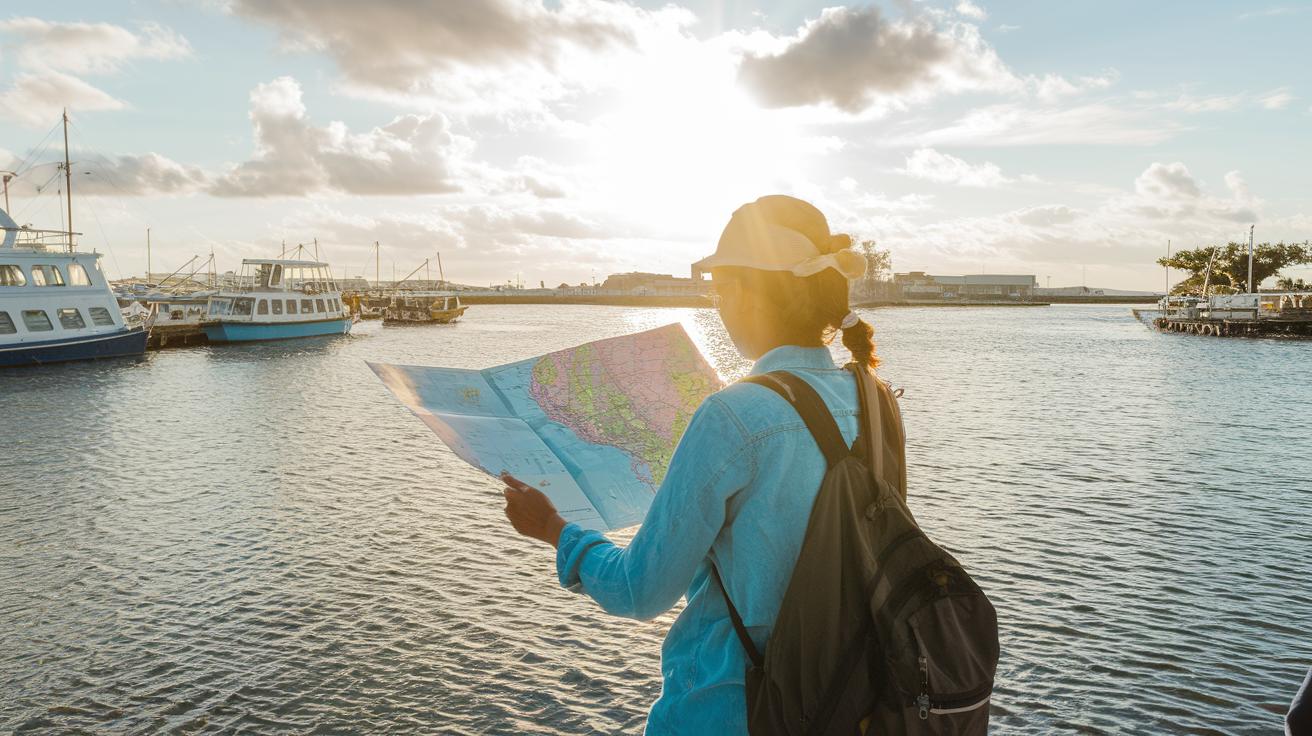
Traveling around the Caribbean is like catching a cool, refreshing breeze on a sunny day. Ferries and low-cost charter boats connect popular islands like St Vincent and the Grenadines, while small planes link up spots such as Puerto Rico and the Dominican Republic. You can also hop on shared buses or minibuses that often cost just $1 to $3 per ride, and plenty of islands offer maxicabs or jitneys for a hassle-free, affordable trip.
On islands like the British Virgin Islands, you might find day-sail passes priced around $50 to $70. If you plan your trip during the midweek, you can usually grab even lower fares. Plus, traveling with a group can help slice the cost per person even more. Whether you’re crossing the water or riding inland transport, these options let you move from sandy shores to lively town centers without stretching your budget.
Mixing public transport with budget-friendly boat charters gives you the freedom to explore at your own pace. You can dive into the local culture, take in breathtaking views, and feel the diverse heartbeat of each island. For detailed tips on navigating these routes, check out the expert guide on local transportation systems abroad.
Cultural Immersion Roadmap & Nightlife Hotspot Finder
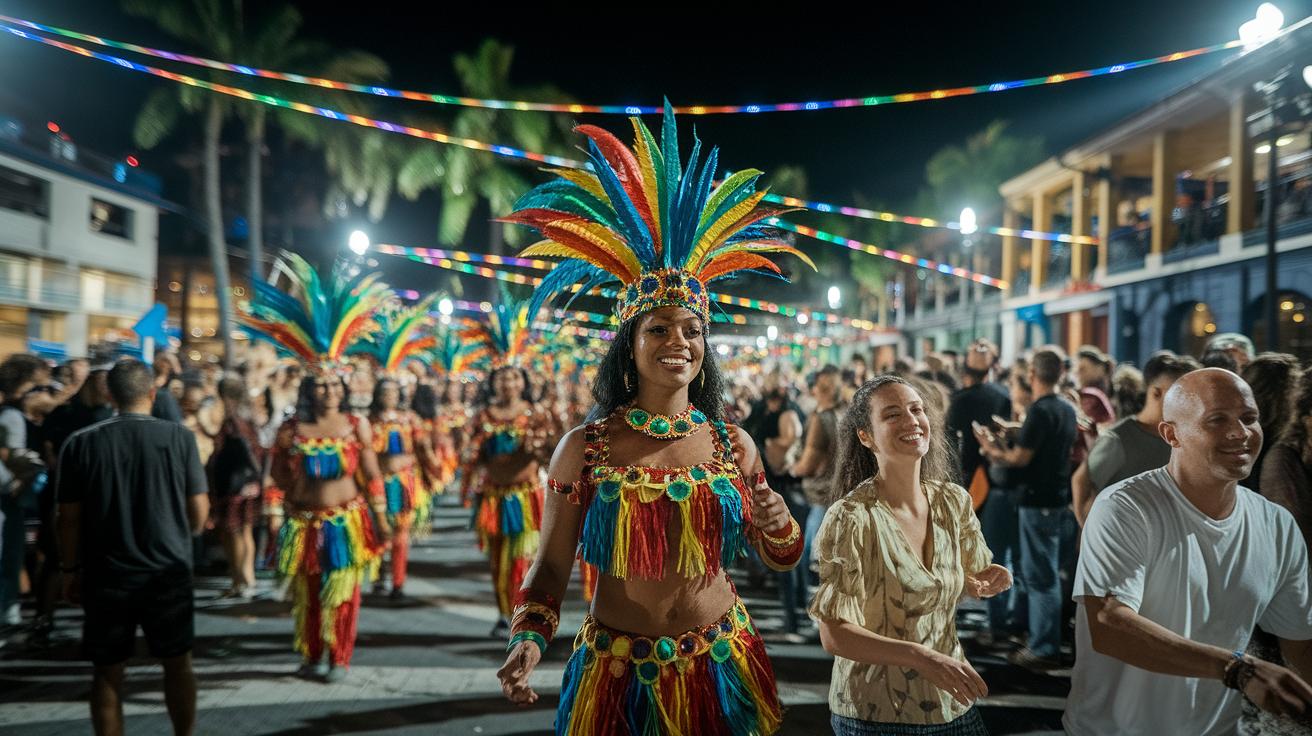
Imagine a Caribbean night where the islands come alive after the sun sets. Start your adventure at festivals like Junkanoo in the Bahamas during December and January or join the lively Trinidad Carnival in February and March. These events, along with small local fairs costing about $5 to $10, give you a real feel of island life and the chance to connect with friendly locals.
In Kingston, dive into the rhythm of live-music bars that keep the reggae spirit alive. Consider a visit to the Bob Marley museum with an entrance fee of around $25, it’s a warm glimpse into the past. Over in Havana, you can enjoy cozy paladar acoustic sessions for about $10, where the mix of soft music and local flavors makes the night extra special.
Don’t miss out on a tasty street-food crawl. Try Jamaican jerk or indulge in Cuban rua frita from vendors offering treats for $3 to $5. In Puerto Rico, the ceviche carts serve up refreshing bites that hit the spot. Then, as the evening deepens, places like Aruba or Barbados welcome you to night markets and beach gatherings that cost nothing, with a local rum punch for roughly $5 to enjoy.
Every night in the Caribbean wraps you in warm vibes, lively tunes, and unforgettable flavors. It’s like being invited to a special party where the best of island hospitality shines through.
Active Pursuits & Snorkeling Spots for Backpackers
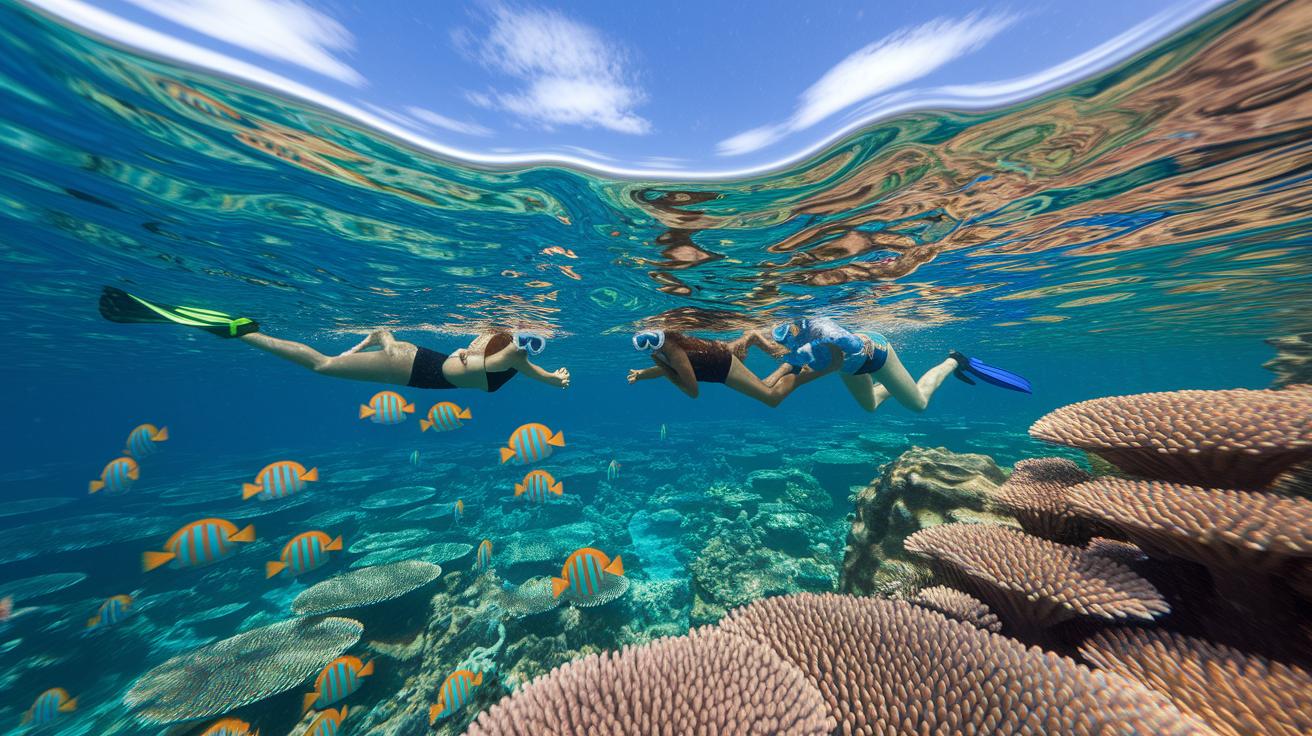
Imagine dipping into the Caribbean waters and feeling that cool splash without emptying your wallet. At Trunk Bay on St John, you pay just about $5 to snorkel among a rainbow of marine life. Ever get curious about secret underwater worlds? In the Bahamas, the Blue Hole invites you to explore its mysterious depths up close.
If diving into the deep blue is more your style, try a two-tank scuba session. In the Bahamas, it’s around $120, while in St Lucia you can dive for about $110. Gear rentals usually cost between $20 and $25 a day, so you can easily enjoy multiple sessions. And if you'd rather keep your feet above water, consider a full-day zip-lining adventure in St Lucia for roughly $90. This tour includes 12 zip lines and 5 net bridges, whisking you through tropical canopies with a burst of thrill.
For those who fancy water sports, Aruba offers kayaking with Clear Kayak tours at around $100 per day. If a bit more speed calls to you, windsurfing comes in at about $40 per hour, or try the lively vibe of kitesurfing in the Dominican Republic for around $60 per hour. Each of these experiences mixes budget-friendly fun with high-energy excitement, making your Caribbean backpacking journey full of adventure.
Hidden Locale Insights & Off-the-Beaten-Path Trails
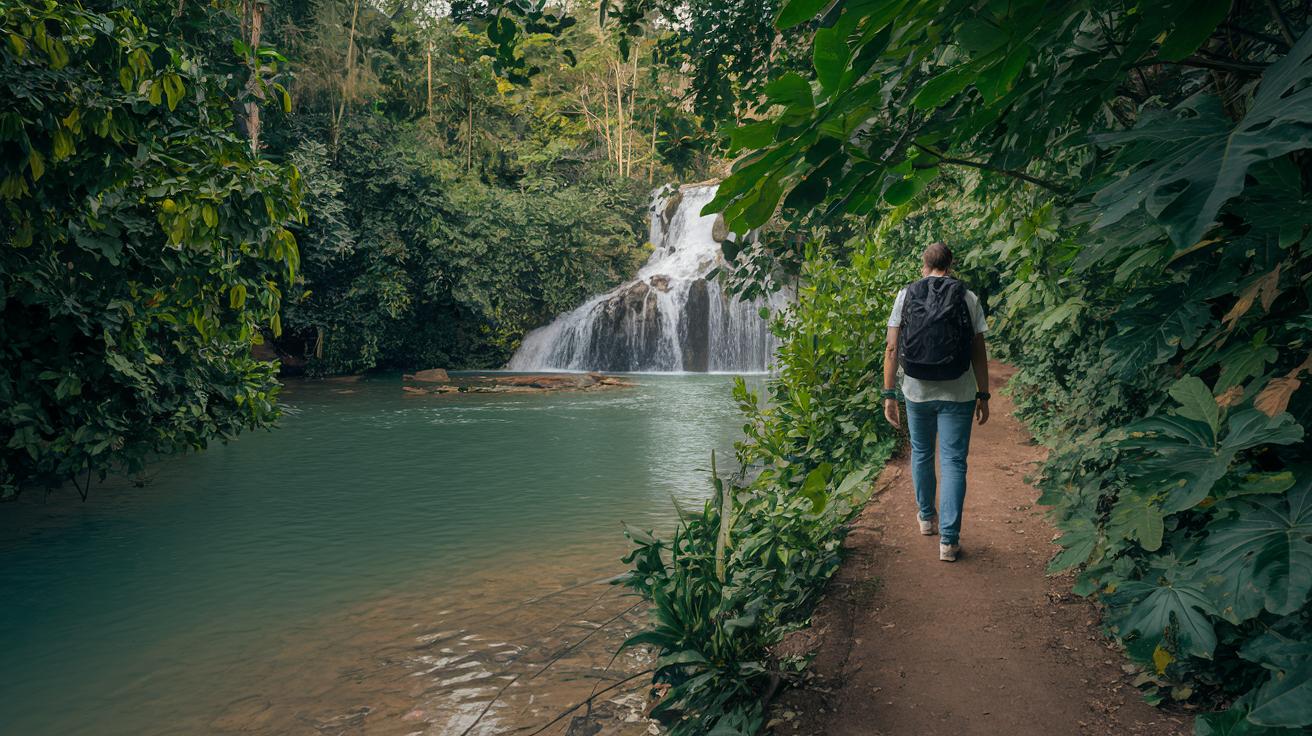
Caribbean backpacking isn't just about hitting the most popular spots. There are quiet trails and hidden nature escapes just waiting to be discovered. Picture yourself at Holywell National Park in Jamaica. For about $20–$25, you can join a guided walk through forest loops and see stunning waterfalls, far from the usual crowds. Imagine walking through lush green paths while the gentle rush of water soothes your ears. It's a perfect hideaway for folks who want a true taste of calm.
Then, if you're up for something different, try the alternative hikes near Dunn's River Falls. Smaller groups can sign up for guided tours for around $30. These trails take you to secret spots where you can really soak in nature's quiet charm.
And don't miss out on secluded beaches like Salines Beach in Martinique and Grand Anse in Grenada. They offer a relaxing vibe without the typical busyness. With local buses charging just $2–$3, these spots are super easy to reach. Meanwhile, in Dominica, you can join rainforest treks along the scenic Morne Trois Pitons route, with guided tours priced at about $50 a day. This route gives you a wonderful peek into the island's vibrant tropical life.
Top Tools, Apps & Resources for Caribbean Backpackers
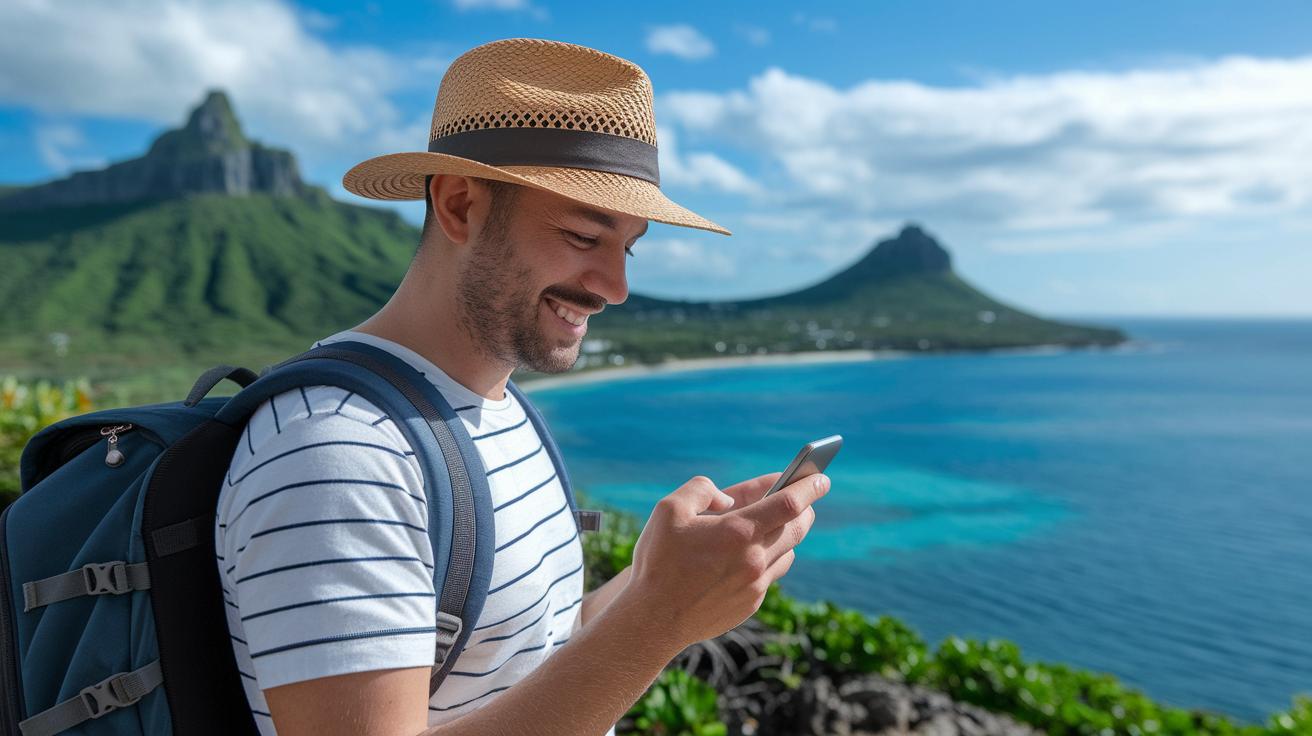
When you're wandering the Caribbean, the right apps can really smooth out your adventure. For instance, try the Trip Plans App to help you map out several stops, keep track of transport times (think of it as your travel buddy), and monitor your daily plans. Ever feel curious about managing your cash? Apps like Trail Wallet or Spendee let you keep an eye on spending, about $75–$100 a day, by recording your meals, stays, and rides as you go. It's kind of like having a mini financial guide right in your pocket as you savor local street food or book a cozy Airbnb.
And what if your mobile data suddenly vanishes? Offline maps from Maps.me will steer you through narrow island lanes, while your saved Google Translate pack helps you quickly sort out any language mix-ups. Plus, it's a good idea to double-check that your travel insurance covers cancellations and any high-risk fun before you book your trips. Using trusted online reservation sites can also help keep scams at bay. All these digital tools work together to let you relax and soak up the island vibes without getting tangled in travel headaches.
Final Words
In the action of planning your Caribbean trip, this guide covers safety tips, budget itineraries, affordable lodging, and essential gear suggestions. We’ve highlighted local transit options, hidden cultural mixes, and cool water spots to help you make the most of every island. Each section adds a piece to your complete plan, so you can feel confident exploring and soaking up every sunny moment.
This Essential Caribbean Travel Guide for Backpackers leaves you set for a truly memorable Caribbean trip.
FAQ
What is the best essential Caribbean travel guide for backpackers?
The best essential Caribbean travel guide for backpackers lays out cost estimates, local transit tips, visa info, and must-see spots so you can plan a hassle-free island trek.
Where can I find a Caribbean vacation packing list PDF and what should be included for an all-inclusive trip?
The Carolina vacation packing list PDF covers essentials like quick-dry shirts, sturdy shoes, waterproof pouches, and sun-safe accessories, making it easier to pack for both backpacking and all-inclusive stays.
What should a country travel guide for the Caribbean include?
A country travel guide for the Caribbean explains visa info, local transit methods, cultural highlights, and safety tips, helping you decide where to stay and what to explore on each island.
What does a budget travel guide for the Caribbean offer?
A budget travel guide offers daily cost breakdowns, affordable lodging, low-cost tours, and tips for budget dining, giving you a clear plan to explore the islands without overspending.
What should I wear in the Caribbean?
The advice for what to wear in the Caribbean suggests lightweight, breathable clothes, comfy shoes, and sun-safe accessories like hats and sunglasses to keep cool in tropical weather.
Which are the best travel guides for the Caribbean?
The best travel guides combine local safety advice, detailed packing lists, cost-saving lodging tips, and cultural insights, giving you a well-rounded look at what to expect on the islands.
What mistakes do first-time visitors to Caribbean islands often make?
First-time visitors sometimes overlook checking each island’s visa rules, miscalculate daily budgets, choose the wrong local transit, and pack unsuitable clothing, which can affect overall travel ease.
