Ever thought that paradise might hide a few surprises? Even our sunny Caribbean spots can have risky corners you never expected. The islands always impress with their bright street scenes and lively festivals, but sometimes, a few spots may catch you off guard.
This guide shows you where those tricky areas are so you can plan your tropical getaway with a smart dose of caution. It’s all about enjoying the magic of the islands while keeping your adventure safe.
High-Risk Caribbean Archipelago Spots: Top 5 Danger Rankings
Even in tropical paradises, hidden dangers remind us that caution can be as essential as sunscreen.
-
In Haiti, especially around Port-au-Prince, things can get pretty risky. There have been many cases of kidnapping and unpredictable street safety, making it a tough spot for travelers. Imagine walking through a busy market and feeling that subtle warning in the air, it’s like the island is quietly telling you to stay on guard.
-
Jamaica comes next. Cities like Kingston and Montego Bay are beautiful by day, with bright murals and vibrant energy, but they also have high rates of violent crimes, like homicides and armed robberies. Picture yourself admiring the colorful street art while knowing you need to be careful, especially at night. A good idea is to keep your valuables secure and steer clear of quiet, isolated spots.
-
Over in Trinidad and Tobago, the scene is a mix of lively festivals and cautious evenings. There’ve been more reports of violent issues recently, so while it’s fun to enjoy the local music and festivities, it’s smart to check the local news and maybe head indoors when darkness falls.
-
The Bahamas isn’t just about stunning beaches and clear blue waters. In Nassau, there’s been a rise in crimes like assaults and burglaries. Imagine chilling on a sunny beach, but also hearing whispers about nearby troubles, it makes you want to keep a closer eye on your belongings.
-
Lastly, in the Dominican Republic, urban hubs like Santo Domingo have their share of petty thefts and muggings. The blend of lively culture and a need for caution means it’s best to travel with a group and choose well-lit areas if you’re out at night.
Crime Statistics on Dangerous Caribbean Islands: Mapping Infamous Vacation Hazards
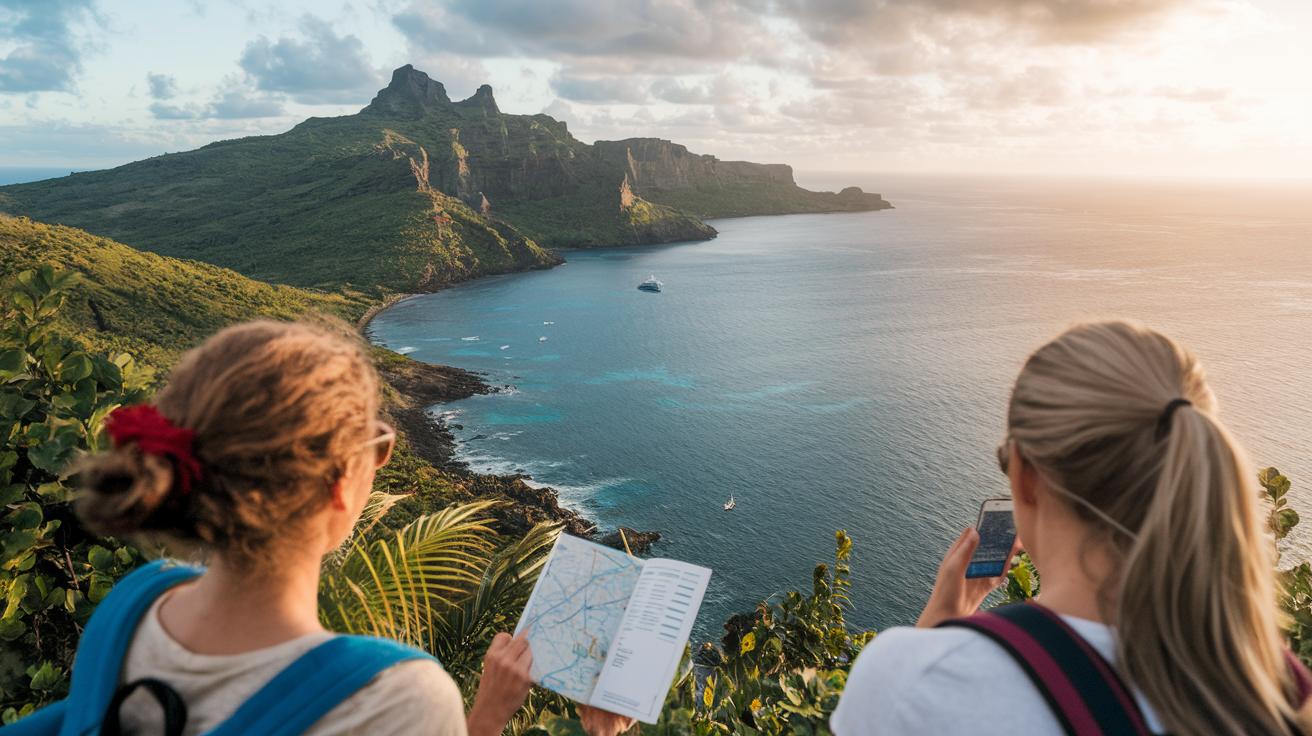
We've pulled together fresh updates and key details on safety concerns you might hear about while planning a Caribbean escape. This section highlights the main crime issues along with safety ratings and the latest local news so you can travel smarter. For instance, in Jamaica, community safety programs helped cut incidents by 5%, a small win for locals and visitors alike.
| Island | Primary Crime Concern | Advisory Rank | Recent Update |
|---|---|---|---|
| Haiti | Kidnapping | Extreme Risk | Increased patrols amid rising incidents |
| Jamaica | Homicide & Robbery | High Risk | Community efforts lowered incidents by 5% |
| Trinidad & Tobago | Violent Assaults | High Risk | Recent reports show a modest increase |
| Bahamas | Violent Crime Spikes | Elevated Risk | Property crimes gradually declining |
| Dominican Republic | Petty Theft & Assault | Moderate to High Risk | Urban incidents have stabilized |
Hazardous Coastal Territories: Environmental Threats on Caribbean Islands
Caribbean islands are more than just sunny days and clear blue waters. Sure, there’s fun to be had, but nature can throw a curveball too. Imagine enjoying a quiet beach walk only to realize that sudden storms or shifting tides might change everything in an instant. It’s like nature’s way of saying, "Heads up!"
Think about these environmental challenges:
- Hurricanes from June to November that can hit hard with really strong winds and rain. Picture sitting at the beach when powerful gusts and heavy rain suddenly turn the calm scene into a wild show.
- Floods and landslides in the hilly areas. Imagine a bustling village where unexpected water surges make you rethink your plans for the day.
- Coastal erosion and strong rip currents on favorite beaches. Ever felt the thrill of a good wave only to be surprised by an extra strong pull from the ocean?
- Occasional earthquakes near Puerto Rico’s fault lines.
- Volcanic eruptions on islands like Montserrat, where Soufrière Hills can burst to life.
These natural forces remind us that even the most beautiful spots have their hidden challenges. Knowing about them helps you plan smart trips and still enjoy the magic of the Caribbean.
Notorious Travel Advisories for Caribbean Island Danger Hotspots
The U.S. State Department has set Haiti to a Level 4 alert, warning of serious dangers like kidnappings and civil unrest. Imagine sipping a cool drink in a quiet café where even the gentle ambiance hints at risks, nudging you to think twice about sticking around.
Jamaica and Trinidad & Tobago have both received a Level 3 warning because of violent crime risks, including dangers on some streets. Picture the lively daytime buzz of these islands, and then imagine coming home to cautious whispers in the night, it’s a mix that makes you feel both captivated and a bit careful.
The Bahamas has recently jumped to a Level 3 alert as well. News from Nassau means that even while you dream of sunny beaches and sparkling waters, it’s wise to check the local safety updates and plan your trip with care.
Over in the Dominican Republic, certain urban areas carry a Level 2 advisory. Even though you can enjoy the rich culture and vibrant street scenes, it’s best to stay extra alert in busy city spots.
In Puerto Rico, a Level 2 warning advises travelers to be especially cautious after dark, particularly in San Juan. Here, the island’s warm charm meets a need for vigilance, reminding you to balance adventure with smart decisions.
Travel Risk Evaluations and Safety Tips for Caribbean Islands
When you're planning a trip to these warm, sunny isles, it's a great idea to check out local conditions before you pack. Think of travel risk evaluations as your game plan for a safe adventure. You want to know the best time to go, which spots to steer clear of, and how to get ready. Picture setting up a base camp: you need steady rides, friends or contacts on the island, and a little safety kit at the ready. It also helps to keep tabs on the weather, especially if you’re near the coast during stormy months.
A smart pack can really save the day. For example, toss in all the must-have items and a basic first-aid kit, just like having a small lifeline when you need it most. It might be fun to check out a Caribbean vacation packing list for extra ideas.
- Keep yourself updated with the latest local news.
- Be careful about which transport you choose.
- Plan your routes with well-known landmarks to avoid risky areas.
- Don’t hesitate to ask local friends for quick advice.
Taking a few minutes to check safety tips and risk factors can make your time under the Caribbean sun worry-free. When you plan smart and prepare ahead, it helps ensure that your island escape is both fun and safe. Enjoy every sun-kissed moment!
Final Words
In the action, we explored the ins and outs of high-risk Caribbean spots by comparing crime figures, natural hazards, and travel alerts. We took a closer look at the realities behind what some call the most dangerous caribbean islands, giving you clear ideas on safe planning and risk evaluation.
Our guide breaks down key facts and tips to help you prepare for a trip with open eyes, while still celebrating the region’s unique charm. Stay smart and careful, and you’re set for an unforgettable Caribbean escape.
FAQ
Q: What are the most dangerous Caribbean islands and why are they risky?
A: The most dangerous islands include Haiti, Jamaica, Trinidad and Tobago, the Bahamas, and parts of the Dominican Republic. They face high kidnapping, violent crime, and theft, making them risky for travelers.
Q: Which Caribbean islands are considered safe for families and routinely appear on top-safety lists?
A: Islands known for safety feature lower crime rates and welcoming environments. Families often find many top-rated islands attractive due to secure public spaces and friendly local communities.
Q: Which Caribbean island has the highest crime rate?
A: The island with the highest crime rate is often Haiti, especially around Port-au-Prince, due to serious risks like kidnapping and civil unrest.
Q: Where should travelers avoid going in the Caribbean?
A: Travelers should exercise caution or avoid areas in Haiti, parts of Jamaica, sections of Trinidad and Tobago, and Nassau in the Bahamas because of escalated risks and crime concerns.
Q: How does safety compare between Jamaica and the Bahamas?
A: Jamaica experiences higher homicide and robbery rates, while the Bahamas faces rising violent crime incidents. Both require vigilance, with specific areas marked for increased caution.
