Have you ever felt the pulse of carnival long after the parade is over? In the Caribbean, the magic of old carnival traditions still lives on in modern art. Back when colorful masks dazzled the streets and drumbeats echoed under the sun, a mix of cultures came together that continues to shine today.
Artists use bold colors and lively brushstrokes to bring those festive processions back to life. Every piece feels alive, almost like you can hear the distant sounds of celebration. It's a reminder of the rich history and joyful spirit that keeps the Caribbean so special.
Carnival Cultural Legacy in Caribbean Modern Art
Back in the 1700s, European pre-Lenten parties mixed with African mask dances and drum rituals to spark a cultural tradition that still shines today. This lively blend not only brought forth festive customs but also paved the way for a unique Caribbean identity. Every artwork by local artists carries whispers of those carnival days, with energetic brushstrokes and bright colors that echo the old-time celebrations.
Today, artists capture the heartbeat of carnival in a refreshingly modern way. They turn the buzz of parade scenes into abstract paintings and sculptures, recreating the detail of festive costumes and masks with bold hues and smooth lines. It’s like you can almost hear the drumbeats and feel the rhythm of traditional dances when you gaze at these pieces.
Modern art also tells the story of our shared past, weaving memories of ancient festivals into a visual language that speaks to today’s experiences. Traditions like the Caribbean Carnival serve as a cherished blueprint, inspiring new generations to honor their roots while reimagining them in fresh, innovative ways. This beautiful merging of historic celebration with new techniques shows how carnival culture continues to fuel the vibrant spirit of Caribbean art.
Historical Evolution of Carnival Influence on Caribbean Art
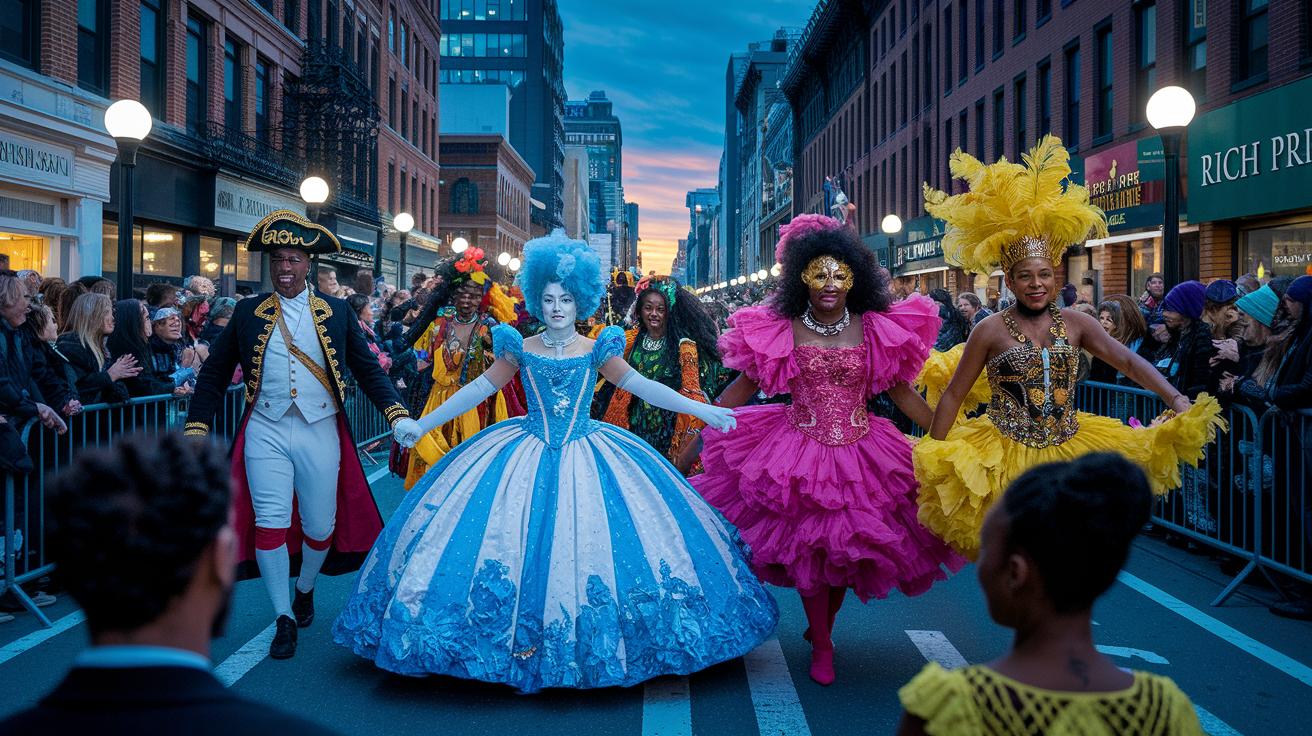
Back in colonial times, Europeans held masquerade balls while African groups added their own ritual dances. These early parties brought people together in a way that celebrated dance and bright, bold costumes, a true shared identity. Slowly, the intimate gatherings on plantations grew into bigger public events that left a lasting, colorful mark on Caribbean art.
Even in New York, carnival spirit sailed across the ocean. During the Harlem Renaissance, artists captured the lively buzz of street fairs and festive processions in their paintings and sculptures. Later, when communities moved to Crown Heights after the Civil Rights Movement, their art absorbed even more of that joyful, public energy. Take the West Indian American Day Parade on Labor Day for example, it bursts with activity every first Monday of September, blending old traditions with fresh creative twists.
Today, artists keep this bright tradition alive. They create works that show off energetic costumes, rhythmic movements, and bold visuals that remind us of the magic in coming together.
Vibrant Costume and Masquerade Aesthetics in Modern Caribbean Art
Caribbean artists today bring carnival magic to life using detailed beadwork, bold fabrics, and unique headgear. They create sculptures and mixed-media art that remind you of the fun and spirit of carnival costumes. Did you know that Caribbean masks often carry decades of history in every detail? This shows how old, traditional ideas keep inspiring fresh, new art.
In Trinidad, artists use colors inspired by steel pan music to light up their work with energy. These bright hues match the lively beat of Caribbean tunes, almost making you want to dance. Over in Cuba, dreamy parade scenes create settings that feel like a visit to a magical street festival, while Jamaican traditions in mask making add bold shapes and structure to each piece.
Every brushstroke and carved line comes from deep carnival traditions. By blending old customs with new techniques, artists invite you to feel the energy and joy of a celebration. It’s like the past and the present are dancing together in every work, turning regular art into a living, warm experience.
Carnival Rhythms and Dance Traditions Shaping Caribbean Modern Art
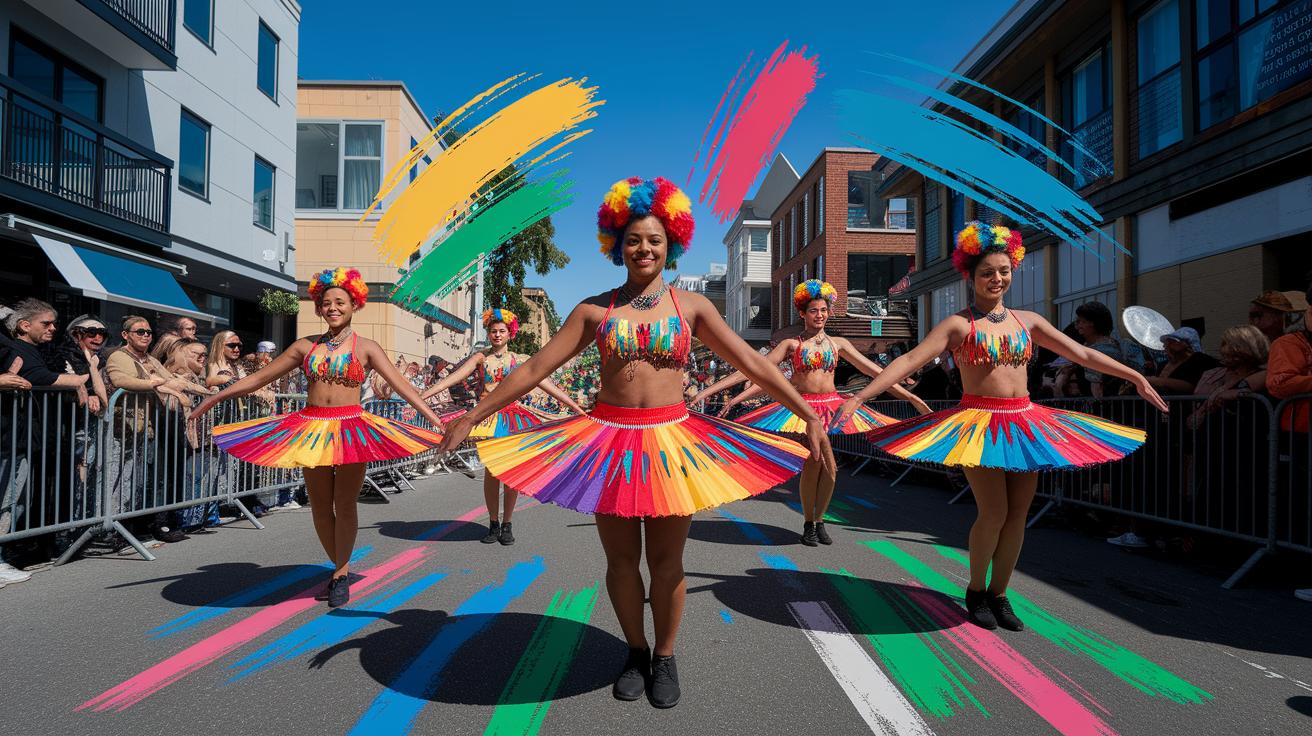
Imagine the warm pulse of soca beats and the crisp chime of steel pans filling the air. Artists capture these vibrant sounds by splashing bold brushstrokes and lively colors on their canvases. They say the rhythm isn’t just a sound, it fuels every swipe of the brush, guiding them just like a favorite song on a sunny day.
Then there are the street parades, where dancers move with free, joyful spontaneity. Sculptors and installation designers watch these effortless twirls and sways, turning them into art that almost feels ready to dance on its own. Every sculpture seems to hold a little piece of the festive energy, just like a memory of a carefree carnival.
Next, think of a series of paintings that tell the story of a carnival night. Each panel acts like a snapshot in time, capturing a parade route where every step and swirl tells its own tale. Together, they invite you to follow the mood of a festival, from its quiet, teasing start to an eruption of laughter and color under the bright Caribbean sky.
Socio-Political Narratives in Carnival-Inspired Caribbean Modern Art
Modern Caribbean art turns carnival themes into acts of defiance. Those dazzling masks and bold outlines aren’t just about festive colors, they speak out against old colonial rules and economic struggles. Imagine a painting where a giant mask seems to call out an age-old system, offering a silent shout against injustice.
Remember the 1988 art show at the St Louis Art Museum? It got people talking by challenging stiff, European ideas about art. That exhibition broke away from old views and made room for fresh, assertive ideas. In that moment, carnival images stopped being just fun displays and started serving as strong statements woven into every brushstroke and sculpture.
Today’s artists continue that vibrant legacy by mixing carnival motifs with themes like migration, identity, and the fight for social justice. Their work, filled with festive parade vibes and colorful accessories, speaks the language of hope and resistance. It’s like every beat of a street parade is a reminder for us to rethink our past and dream about a fairer future.
These art pieces invite you to feel both the pulse of protest and the joy of celebration. Beneath all the bright colors and lively movements, Caribbean modern art remains a powerful canvas, reflecting society’s challenges while igniting a spark for change.
Contemporary Caribbean Modern Art Exhibitions Inspired by Carnival Culture
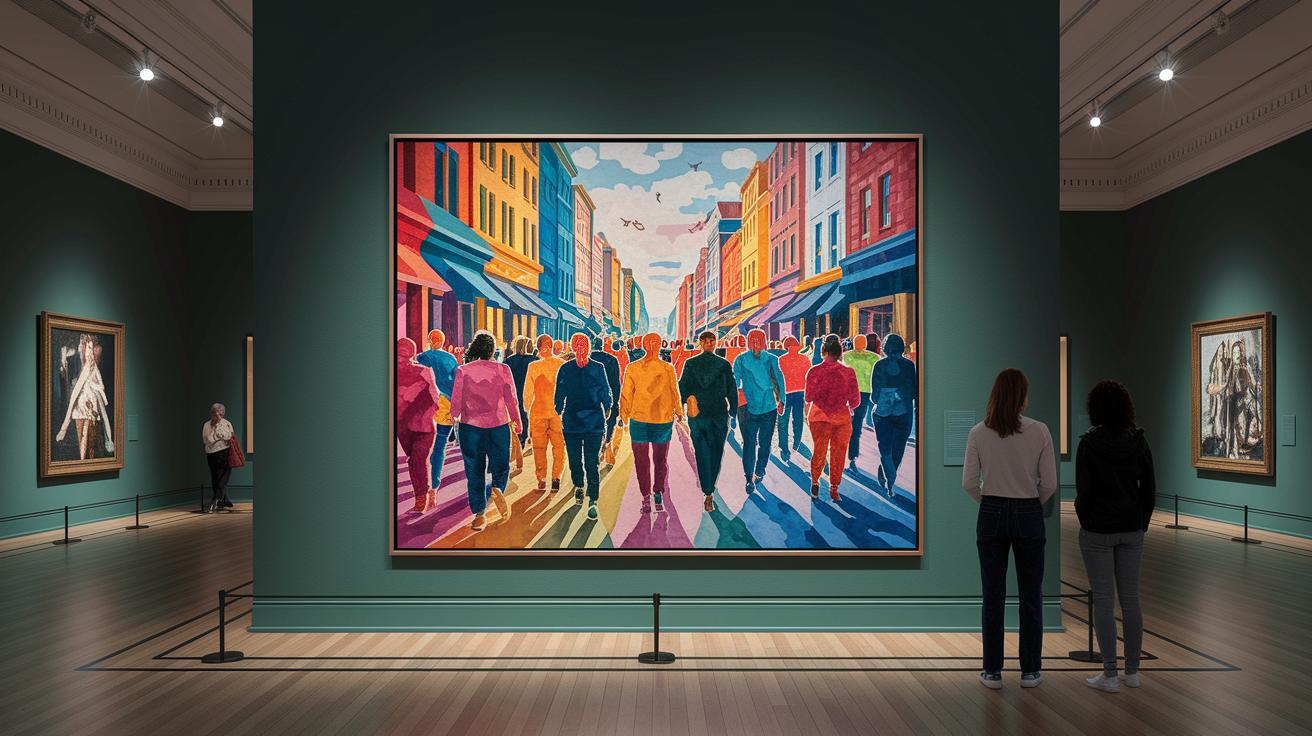
At "Paint Like the Swallow Sings Calypso," held at spots like Kettle’s Yard and The Fitzwilliam Museum, artworks come alive with carnival spirit and a fresh urban twist. The show, open until February 19, 2023, fills the space with the vivid energy of festival traditions. Imagine a painting where bright colors and flowing shapes mix just like a street parade; each brushstroke beats like a drum, almost making you feel the music dancing on the wall.
Large gallery displays add to the celebration by mimicking a carnival parade. Artists use simple, bold shapes and lively colors to show the joyful movement of a festival. Each piece feels like a moment of live performance frozen in time, inviting you to stroll through a visual party that turns indoor spaces into playful art zones.
Public murals and outdoor sculptures carry the carnival vibe out into the city. You might spot them on city walls or a park bench, echoing the graceful flow of festival dancers. These works invite locals and visitors alike to take a moment and absorb the lively beat of Caribbean culture in everyday life. They remind us how deeply the spirit of tradition runs, lighting up quiet corners like surprise stages for art and creativity.
Final Words
In the action, the blog traced the lively origins of European and African fusion shaping Caribbean modern art. We highlighted costume aesthetics, rhythmic inspirations, and the powerful socio-political statements that continue to evolve art today.
Each section painted a picture of cultural echoes from colonial days to today’s dynamic installations. The influence of carnival culture on Caribbean modern art remains vibrant, inviting everyone to feel the pulse of its heritage and creativity, and sparking a smile for every art lover who sees the magic in color and movement.
FAQ
How did carnival traditions shape Caribbean modern art?
The influence of carnival traditions on Caribbean modern art traces back to European pre-Lenten parties blending with African mask dances and drum rituals, inspiring cultural motifs seen in contemporary works.
What historical influences contributed to carnival’s impact on art?
The impact comes from colonial masquerade balls mixed with African rituals, later enriched by cultural shifts during the Harlem Renaissance and Crown Heights, which continously influenced artistic expressions in urban parades.
How do carnival costumes and masquerade affect modern Caribbean art?
Carnival costumes and masquerade mold modern Caribbean art by inspiring detailed beadwork, bold fabrics, and innovative headgear designs that appear in sculptures and abstract mixed-media pieces.
How do carnival rhythms and dance traditions shape Caribbean artworks?
Carnival rhythms and dance traditions shape artworks through energetic soca beats and street parade movements, which inform dynamic brushstrokes, kinetic sculptures, and narrative sequences in series-based paintings.
How do modern Caribbean artists use carnival imagery for socio-political commentary?
Modern Caribbean artists use carnival imagery, such as bright masks and bold silhouettes, to comment on colonial legacies, economic disparities, and shifting cultural identities in their art pieces.
What contemporary exhibitions highlight carnival-inspired Caribbean art?
Contemporary exhibitions like “Paint Like the Swallow Sings Calypso” feature installations and outdoor murals that echo parade formats, bringing carnival celebration aesthetics into modern art settings.
