Culture
History of Trinidad Carnival: From Colonial Roots to Revelry
By gadgets
November 19, 2026
Field Notes
Controversial question: Was Trinidad Carnival born as an act of defiance more than a party?
After emancipation, Afro-Trinidadian communities turned planter streets into fire-lit processions and drums, Canboulay, making public space their own.
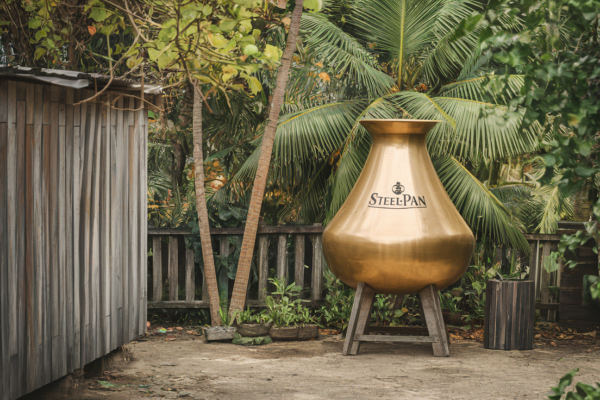
Over decades, Indian indentureship added new rhythms, and poor inventors hammered oil drums into steelpan, changing sound and pride.
This post traces that line from colonial control to vibrant revelry, showing how memory, resistance, and creativity stitched together what we now call Carnival.
Read on to see how struggle became song, and how one island turned hardship into one of the world’s most joyful festivals.
How Did Emancipation and Canboulay Transform Trinidad Carnival?

Legal freedom and actual freedom weren’t the same thing, and that gap matters here. The British Slavery Abolition Act passed in 1833 and took effect on August 1, 1834, but it came wrapped in an apprenticeship system that kept formerly enslaved people tied to their former owners in practice if not in name. Full emancipation didn’t arrive until August 1, 1838, and that date is the real turning point for Carnival’s history.
Once truly free, Afro-Trinidadian communities started claiming public space in ways they simply couldn’t before. Streets that had belonged to planters’ private festivities became sites of mass celebration built on African derived drumming, singing, dancing, torch lit processions, stick fighting, and masking. At the center of this was Canboulay, a term borrowed from the French cannes brûlées, meaning burnt cane. It referred to the harvesting practice of setting sugar cane fields on fire before cutting, and the processions, chants, and rituals that grew up around that work got folded straight into Carnival itself.
Canboulay wasn’t just performance. It was memory, and it was defiance. The fire, the drums, the stick fighting, all of it carried echoes of plantation labor and resistance, reclaimed now as something the formerly enslaved controlled on their own terms. Colonial authorities didn’t see it that way though. They saw noise, disorder, and a loss of control over people they’d spent generations trying to dominate.
That tension boiled over in 1881. Police moved to suppress Canboulay processions in Port of Spain, and revelers pushed back. Hard. The clashes that followed, now known as the Canboulay Riots, exposed just how much was really at stake. This wasn’t a dispute about noise ordinances or public safety, not really. It was a fight over who got to decide what Trinidad’s culture looked like, and who got to claim ownership of the streets during Carnival season.
The riots didn’t end Carnival. If anything, they hardened its identity as something distinctly working class and Afro-Trinidadian, something that had survived an attempt to stamp it out. Canboulay’s legacy still shows up every year in J’ouvert, the pre-dawn Carnival opening filled with mud, paint, oil, and the same spirit of unruly, reclaimed celebration that got torn up in the streets back in 1881.
Editorial note: Include a historical illustration or photograph depicting Canboulay processions or the 1881 riots, if available through archival sources. Caption should note the depicted event’s connection to Afro-Trinidadian resistance and its lasting influence on J’ouvert traditions.
How Did Indian Indentureship Add New Threads to Trinidad’s Carnival Culture?

Emancipation solved one labor problem for planters and created another. Sugar estates still needed workers, and colonial authorities answered that need by bringing indentured laborers from India starting in 1845. Over the following decades, tens of thousands of Indian workers arrived under contracts that promised eventual land or passage home, though the reality of indentureship often looked a lot closer to the conditions it was supposed to replace.
These Indian communities didn’t simply fold into existing Carnival traditions. They built their own cultural institutions alongside it, including Hosay, a Muslim commemoration marking Muharram that took on distinct local character in Trinidad. Music, food, religious practice, language, all of it added new layers to an island that was already juggling French Catholic, African, and British colonial influences.
Carnival itself stayed largely rooted in Afro-Trinidadian tradition through this period, and the relationship between Indian and African communities wasn’t always smooth or simple. But over generations, cultural exchange happened anyway, through shared neighborhoods, shared labor, and eventually shared musical innovation. Indian rhythms and instrumentation would later feed into chutney soca, one of the genres that now has its own dedicated space in Carnival’s modern soundscape.
So the Indian indentureship story isn’t a side note to Trinidad Carnival. It’s part of the layered foundation, a reminder that the island’s defining festival was never built by one group acting alone.
Why Did Steelpan Become Trinidad’s Signature Carnival Instrument?
(((alt-img3)))
Before steelpan, there was the tamboo bamboo band, essentially percussion made of bamboo stalks cut and struck to create rhythm. Colonial authorities banned African drumming at various points, worried about its power to organize and energize crowds, and tamboo bamboo filled that gap. But bamboo breaks. It splinters and wears out fast, and sometime in the 1930s and 1940s, working class communities in Port of Spain started experimenting with something sturdier, metal.
Discarded biscuit tins, car parts, and eventually oil drums left over from Trinidad’s oil industry got hammered, shaped, and tuned into instruments capable of real melody, not just rhythm. This was steelpan, and it didn’t come out of a conservatory or a formal institution. It came out of improvisation, trial and error, and sheer determination by communities who’d been told their music wasn’t welcome in the streets.
The early steelband scene carried a rough reputation, tied up with street gangs and turf rivalries in some neighborhoods, and that association took years to shake. But the instrument kept evolving, and Trinidadian musicians kept pushing what it could do, moving from simple rhythm to full chromatic range capable of handling classical pieces, calypso, and everything in between.
International recognition came fast once the world actually got a chance to hear it. TASPO, the Trinidad All Steel Percussion Orchestra, traveled to London in 1951 and performed at the Festival of Britain, giving steelpan its first real moment on a global stage. That trip mattered enormously for how the instrument and the culture around it would be perceived going forward, both at home and abroad.
Steelpan’s domestic importance only grew from there, especially once Trinidad and Tobago gained independence in 1962. A newly independent nation needed symbols that were distinctly its own, and steelpan fit that role naturally, an instrument
Final Words
We followed Carnival from planter masquerades and enslaved people’s rhythms to Emancipation, Canboulay, tamboo bamboo, steelpan, calypso, and modern mas bands.
That quick tour, plus the timeline and sources, shows how music, costume, satire, and public protest built a festival that became a national institution.
The history of Trinidad Carnival is layered, living, and still changing, and it’s a public art that keeps communities, memory, and joy at its centre.
FAQ
Q: When did Carnival begin in Trinidad and Tobago?
A: The Carnival in Trinidad and Tobago began in the late 18th century, evolving from French Catholic pre-Lenten masquerades, West African performance traditions, and post-emancipation street celebrations that shaped modern J’ouvert and mas.
Q: What is the oldest Carnival in the world?
A: The oldest Carnival in the world is often linked to European pre-Lenten festivals like Venice’s, whose masked celebrations date back to the Middle Ages and Renaissance, though many cultures have older seasonal rites.
Q: What was the original purpose of Carnival?
A: The original purpose of Carnival was to mark a pre-Lenten period of feasting and masquerade before religious fasting, offering social release, satire, and communal performance that later absorbed local cultural meanings.
Q: What are the traditional Carnival characters in Trinidad and Tobago?
A: The traditional Carnival characters in Trinidad and Tobago include Moko Jumbie, Jab Jab and Jab Molassie, Dame Lorraine, Midnight Robber, Pierrot Grenade, and Burrokeet—each carrying satirical, spiritual, or protective roles.