Ever wonder if art can spark social change? In the Caribbean, pop art is taking on new forms. You can see everything from eye-catching street murals to lively digital displays that bring island life right into view. Local artists mix old traditions with fresh, modern twists, and their work speaks to the deep sense of community and local pride. It’s a colorful journey of resilience and creativity that shows just how much art can change our world. Ready to see how Caribbean pop art paints a vivid picture of its past and dreams for the future?
Caribbean Pop Art and Counterculture: A Definitive Overview
Caribbean pop art began back in the 1950s when local artists mixed American and European pop art with the bright spirit of Carnival, African folklore, and a close look at life after colonial times. It was like adding a splash of tropical paint to everyday scenes with a bold twist. Even before it hit the mainstream, these artists were reimagining their world in a fresh, exciting way.
Over the years, this art turned into a lively channel for both serious messages and playful ideas. In the 1960s, protest art spoke out about civil rights, while the colorful street murals of the 1970s and '80s captured the vibrant pulse of urban life and neighborly ties. Later on, artists began mixing traditional themes with digital techniques, keeping the art as dynamic as the ever-changing culture of the Caribbean. It's a journey that feels like blending classic comic styles with the sparkle of a Carnival parade.
| Period | Key Characteristics | Primary Influences | Representative Artist |
|---|---|---|---|
| 1950s | Mixed global pop art with island vibes | American pop art, Carnival, African folklore | Local pioneers |
| 1960s | Protest art focusing on civil rights | Political activism, social change | Community voices |
| 1970s–80s | Vibrant street murals and urban expressions | Island traditions, community stories | H G Fields |
| 1990s–2000s | Modern takes mixing digital tools with classic looks | Media images, current politics | Diverse art groups |
| 2010s–Present | Global exhibits and digital showcases of Caribbean pop art | Internet trends, diasporic networks | New wave visionaries |
This fascinating evolution shows us that art does more than just delight the eyes, it also reflects life and sparks change. Today, Caribbean artists carry the lively energy of those early days while using modern tools, such as digital archiving of Caribbean cultural heritage (a way to store and share cultural art online), to share their fresh, reimagined expressions with the world.
Postcolonial Roots: Foundations of Caribbean Pop Art Evolution
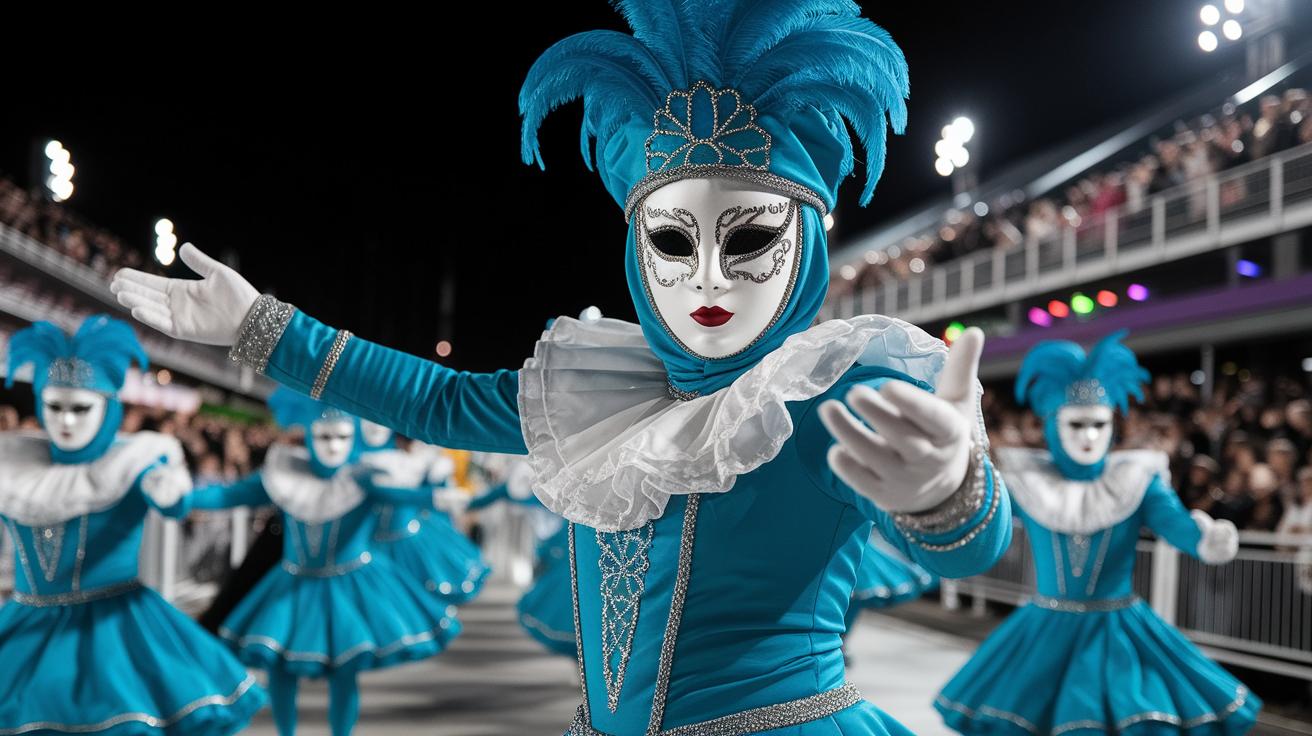
In the 1950s and 1960s, when Caribbean nations were shaking off colonial ties, a warm surge of cultural pride swept through English, French, and Spanish-speaking islands. As independence dawned, locals embraced their heritage and revived cherished traditions. This burst of cultural renewal encouraged artists to dig deep into their history while celebrating newfound freedom and unity through bold, modern art.
Old rituals, age-old myths, and the lively spirit of Carnival were at the heart of these creative expressions. The excitement of masquerades and ancestral legends mingled with everyday life, filling paintings with vivid symbols and energy. One artist shared a thought that still rings true today: "Every brush stroke carries the echo of a drum and the sparkle of a parade." It’s a beautiful reminder of how traditional symbols continue to inspire art.
Places like art schools in Kingston and Bridgetown became creative hubs where fresh ideas bloomed. Here, modern techniques mixed with African folklore and local craft traditions. These centers brought together artists from various islands, creating a relaxed space for experimentation and shared storytelling that still influences Caribbean art today.
Global Pop Art Influences on Caribbean Modernism
In the late 1950s and 1960s, many Caribbean artists hopped on a journey abroad, spending time in bustling places like New York and Paris. They got up close with bold, eye-catching art styles, like Warhol’s colorful silkscreens and Rauschenberg’s mixed media techniques, which opened their minds to new ways of connecting people through art.
Once back on the islands, these artists started to mix in the everyday sights of Caribbean life. They found beauty in comic strips, familiar product logos, and even in the lively images of steelpan bands and rum bottles from local ads. It felt like reading a playful story on a bright, tropical day, where every image told its own story in a simple, accessible way.
As time went on, the cool pop art styles from around the globe blended perfectly with local island tales. Caribbean folklore, local themes, and everyday scenes came together on a vibrant new canvas. It was as if global trends danced freely with the heart of the Caribbean, challenging old ways and celebrating the island’s unique rhythm. Today, this creative mix still inspires artists, giving the local art scene a fresh, modern twist.
Key Caribbean Pop Art and Counterculture Artists
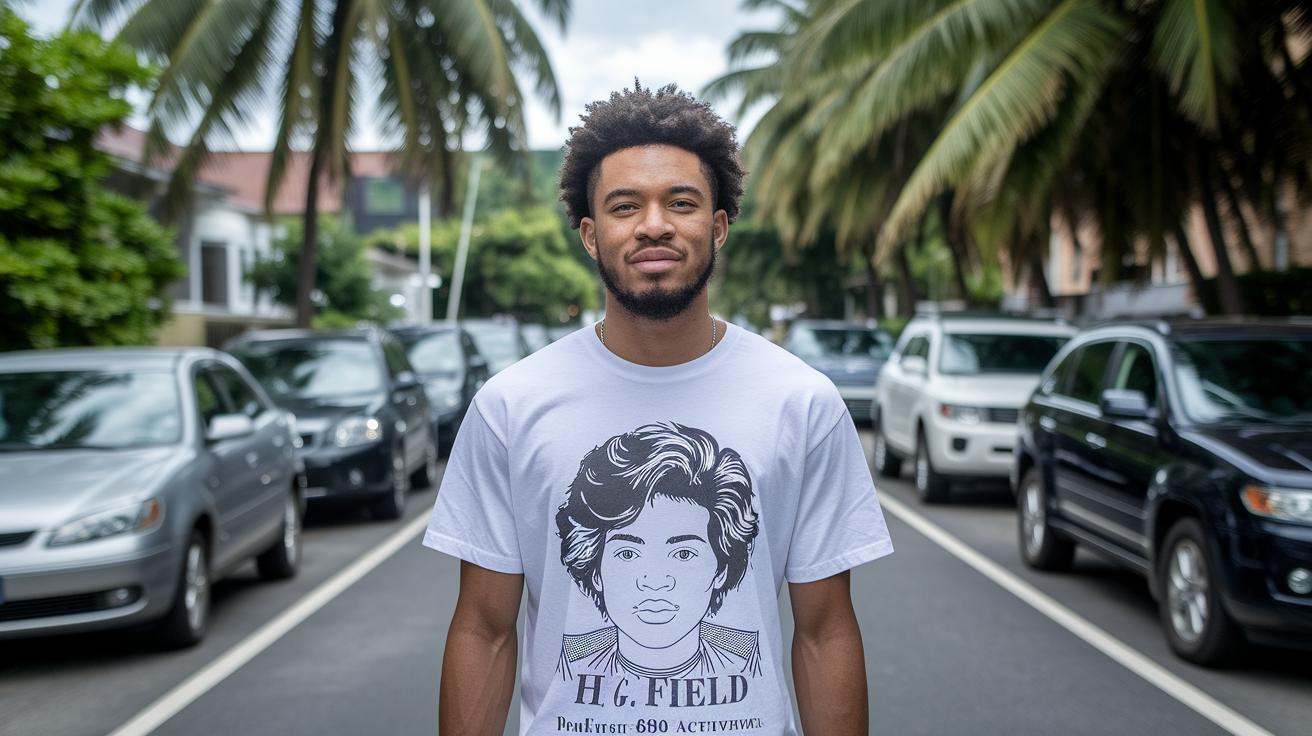
These artists were picked because they mixed cool art techniques with strong social and political ideas. They started young, broke the usual rules, and used art to challenge what was normal in their time. Their stories show a real bond with local traditions and a drive to change the world.
H G Fields
H G Fields from Barbados started art classes when he was just 5. By 10, he was already winning awards for his art. His style grew into something unique, mixing pen-and-ink work inspired by Herge with activist slogans from the 1980s. He also loved books like Dr. Seuss and Alice in Wonderland, which added a fun yet thoughtful touch to his pieces. It’s proof that a passion from a young age can lead to art that is both beautiful and a sharp social commentary.
Other Pioneers
Hector Hyppolite in Haiti added a bold splash of color to Caribbean pop art by mixing Vodou imagery with bright, pop colors. His art turned age-old spiritual symbols into lively visuals, sparking chats about who we are and our cultural pride. Over in Kingston, Jamaica, the Alley Cats mural collective transformed city walls into real open-air art shows. Their murals, full of bright colors and clear messages, brought attention to workers’ rights and built a strong sense of community. Their work continues to light a fire under new generations of Caribbean art activists.
Techniques, Styles, and Urban Expressions in Caribbean Pop Art
Caribbean pop artists loved mixing bold ideas with unusual materials. They weren’t afraid to try fresh methods like pressing vibrant silkscreen designs, layering collages from everyday Caribbean newspapers, and splashing lively murals onto city walls. These creative moves capture the heart of island life, they celebrate the festive spirit and throw a playful yet sharp look at social issues. It’s like adding an unexpected twist to a classic island recipe.
They also jumped into combining digital trends with hands-on artistry. Imagine snapping photos of vibrant street parades and pairing them with handwritten protest signs. Their work became a colorful diary of cultural moments, featuring flat, bold hues and repeated patterns that echo the endless beat of Carnival. Their signature techniques include:
| Technique | Description |
|---|---|
| Silkscreen printing of Carnival masks | Bold prints that capture the energy of traditional festival faces |
| Collage using Caribbean newspaper snippets | Merging everyday headlines with art to celebrate local life |
| Large-scale spray murals in city centers | Transforming plain walls into dynamic scenes of island culture |
| Photographic montage of street parades | Combining vivid images to showcase the rhythm of urban festivities |
| Repetition of rum logos with political slogans | Mixing familiar symbols with calls for change |
| Hand-lettered protest placards | Personal, expressive words that capture raw emotion |
Urban spaces become open-air galleries where every wall and sidewalk tells a story. Walk through these streets, and you can almost feel the warm breeze of the Caribbean and hear the lively beat of an island celebration. It’s art that speaks directly to the soul, vivid, real, and unmistakably Caribbean.
Socio-Political Themes in Caribbean Counterculture Art
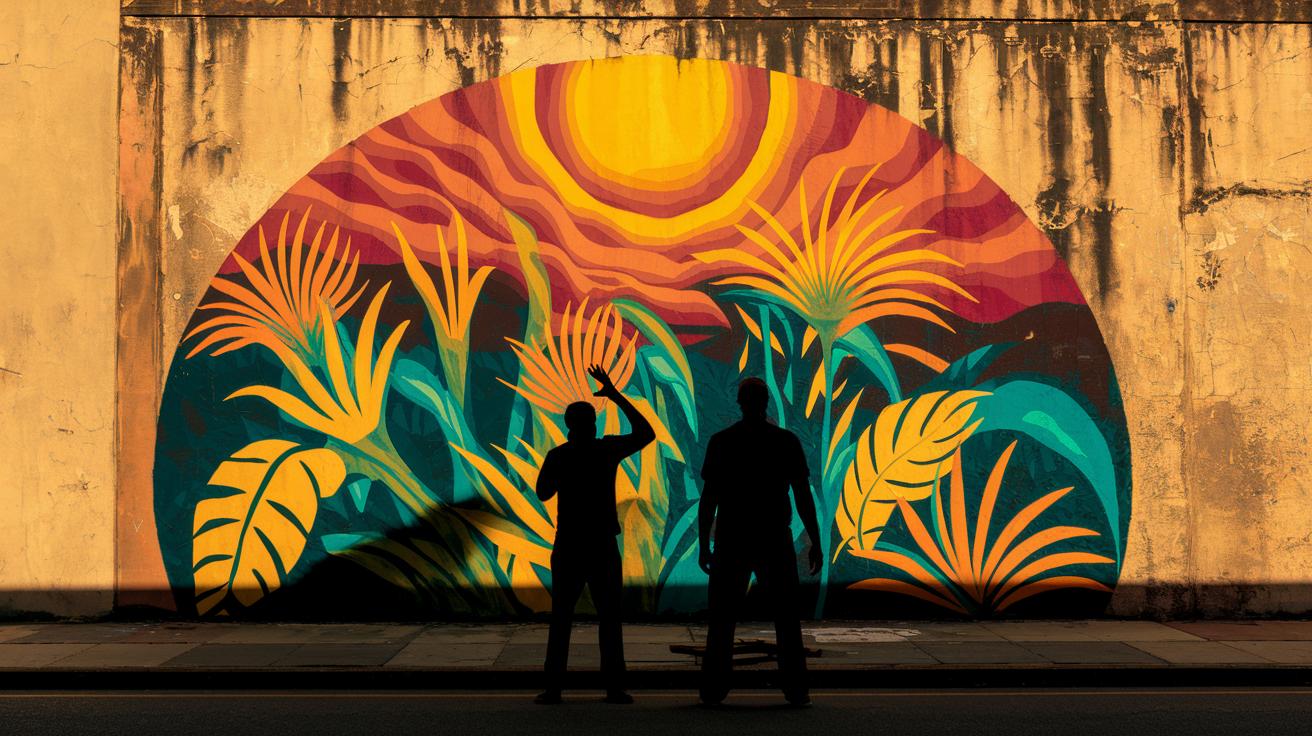
Since the 1960s, Caribbean artists have been using colorful visuals to share stories about civil rights and the hard-earned freedom of their countries. Picture vibrant murals, bold posters, and creative installations lighting up city walls like a lively conversation about struggle and hope. These pieces not only reflect the fight for justice but also capture the unique local spirit and pride of communities reclaiming their identities.
City streets soon became stages where everyday voices could be heard. In places like Kingston and Port of Spain, urban walls are transformed into open-air galleries featuring images of workers battling tough conditions and unfair practices. It’s like walking through a living museum where each artwork tells a personal story of resilience and the ongoing quest for fairness.
By the 1990s, artists began to shine a light on environmental challenges too. They documented the scars left by oil drilling and hurricanes, reminding us all of nature’s power and the strength it takes to rebuild after disaster. These works mix raw imagery of damage with inspiring notes of recovery, inviting us to see how our fight for the environment connects with broader social struggles, just like the rhythmic blend of nature and culture on a sunny Caribbean day.
Contemporary Caribbean Pop Art: Digital Platforms and Global Exhibitions
Caribbean artists are teaming up with social media sites like Instagram and virtual galleries to connect with art lovers in Miami, London, and Tokyo. With just one click, amazing pieces travel straight to your screen. Many collectors are now snapping up originals online, and some pieces even come with free shipping on orders over $10,000, though, yes, customs might take a little longer sometimes. It’s all part of the colorful online energy that mirrors the vibrant spirit of Caribbean culture.
In big art centers, hybrid exhibitions blend real-life gallery spaces with digital shows that feel interactive and fun. These exhibits mix classic island images with modern digital art, inviting you to really get up close with the works. One minute you're scrolling through a screen, and the next you're standing right in front of the piece, it's like the art jumps from digital to space, captivating you every step of the way.
After the pandemic, there’s been a fresh wave of digital creativity stirring the Caribbean art scene. Artists, along with creative collectives from around the globe, are experimenting with mixed-media and digital abstraction that capture the island's lively beat. As one collector shared, "Every digital piece feels like a peek into the island’s soul."
Final Words
In the action of exploring bold artistic expressions and revolutionary techniques, this blog post showed how Caribbean pop art melds local flair with external influences. The piece traced the movement from its roots in lively Carnival imagery to the vibrant display of digital canvases today.
Each era built new layers of meaning and resistance, capturing a creative spirit that remains infectious. The evolution of caribbean pop art and counterculture continues to fuel inspiring creative shifts across the region. Embrace these colorful expressions and look forward to even more brilliant cultural surprises ahead.
FAQ
How has Caribbean pop art and counterculture evolved over time according to Wikipedia and timeline outlines?
Caribbean pop art and counterculture began in the 1950s by blending global pop visuals with local Carnival icons and folklore. It advanced through protest art, mural movements, and digital techniques today.
What defines traditional and famous Caribbean art and its history?
Traditional and famous Caribbean art features local craftsmanship, colorful mural movements, and Afro-Caribbean elements. It reflects a rich mix of indigenous, African, and colonial influences that shape its unique style.
What are the cultural aspects of art in the Caribbean?
The cultural aspects of Caribbean art include regional folklore, Carnival imagery, and postcolonial themes, all of which mirror a blend of indigenous traditions and diverse external influences.
What is the pop art counterculture?
Pop art counterculture mixes popular commercial visuals with social commentary. It uses vivid images to question societal norms and express creative resistance in a distinctive, local style.
What are the three main cultural influences on the Caribbean?
The three main cultural influences on the Caribbean are indigenous traditions, African heritage, and European colonial legacies. These elements together underpin the region’s diverse artistic expressions.
What cultural and historical elements most influence Caribbean illustrators?
Caribbean illustrators draw chiefly from local folklore, Carnival imagery, and postcolonial narratives. These influences merge traditional symbols with modern techniques to reflect a lively cultural identity.
