Ever thought about spending a night under a gorgeous, starry Caribbean sky instead of a fancy hotel room? Imagine being next to a warm fire, the gentle sound of the ocean hushed in the background, while countless stars twinkle above.
In this guide, we'll share five amazing camping spots along with handy tips, sort of like mixing together your favorite tropical salad. You'll discover how to plan your perfect escape and truly enjoy every sunlit and moonlit moment.
Ready to see why camping under these Caribbean skies turns a simple night outdoors into a magical, unforgettable experience?
Planning Your Caribbean Camping Adventure
Let’s start by figuring out your budget. For a comfy midrange trip, you might spend about $190 USD each day on meals, hopping between islands, and enjoying activities. If you’re leaning toward a fancier escape, set aside between $355 and $500 USD daily. Think of planning your day like tossing together a tropical salad, gather the basics, mix in local treats, and savor every bit.
Next, pick the dates for your adventure. The Caribbean really shines from December to April when the weather is warm, topping out around 30°C (87°F), and there are plenty of fellow travelers around. While staying during these months might cost a little extra, you’ll be rewarded with breezy days and clear, inviting skies. If you’re booking a campsite or place to stay, check out the "Guide to Caribbean Vacation Rentals and Accommodations" to find a spot that feels just right.
Now, map out a route that covers several islands. Imagine it like sketching a treasure map, each island offers its own unique camping thrill, from quiet, hidden beaches to lush rainforest retreats. Decide if you prefer a classic camping spot or an off-the-beaten-path island escape, and leave some extra time for impromptu seaside explorations.
Finally, do a bit of homework on local rules and reserve your spots early. Knowing what each campsite offers helps keep your trip smooth and lets you focus on the magic of the Caribbean. And here’s a fun fact: some campsites have been welcoming eco-friendly visitors since the early days of sustainable tourism in the region.
Top Caribbean Camping Destinations
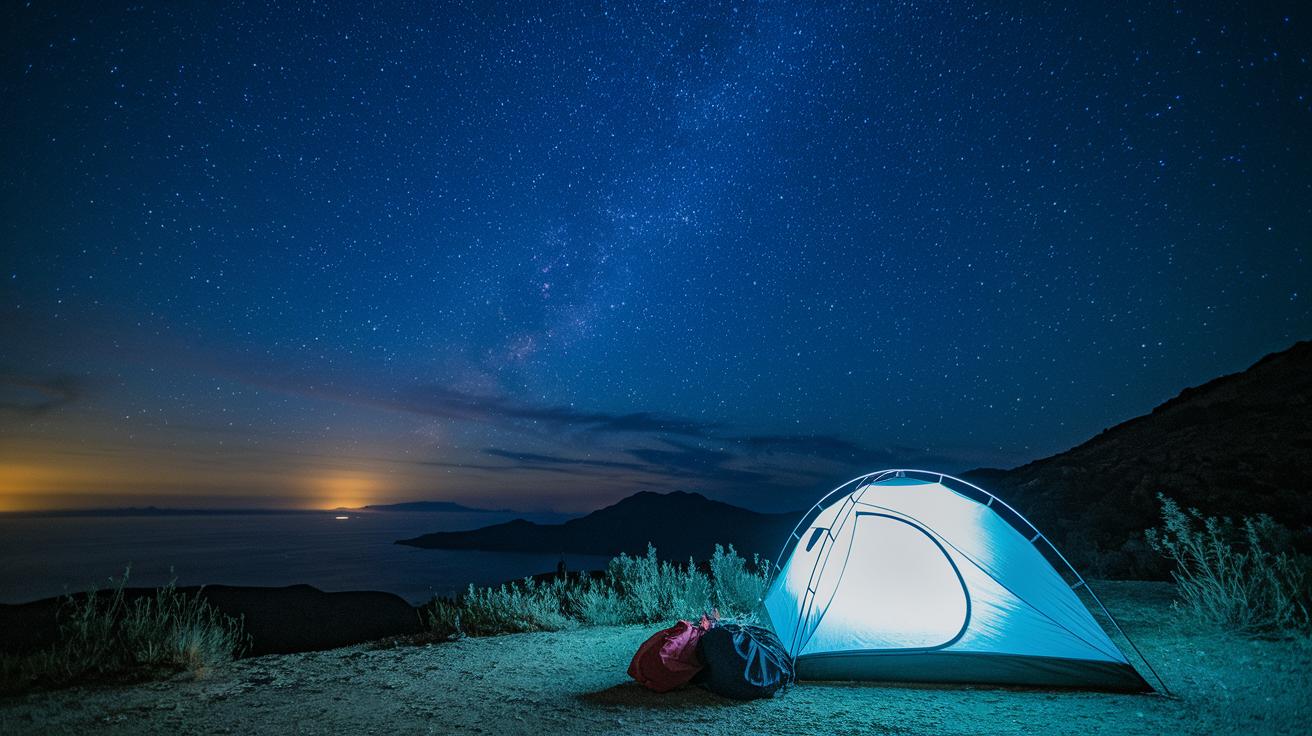
Get ready for a camping adventure like no other. In the Dominican Republic, Pico Duarte serves up a seven-hour hike that leaves you with two cool camping choices. You can choose a spot just two hours from the top and fall asleep under a sky full of stars, or pick a quiet valley camp where nature wraps you in its calm. Imagine setting up camp after a long trek, with the soft evening light making every leaf sparkle.
At Aldea Ecologica in Bayacanes, you get a real eco-friendly hostel vibe. You can choose to pitch a tent, sleep in a bed, or even book a room. Plus, you might even lend a hand on the organic farm, it's a great way to feel the island's heartbeat.
Bahoruco Beach brings a rustic feel in a laid-back surf town. Here, local folks look after you while tents tucked under trees by a gentle river add a warm, homey touch.
Caño Hondo offers a snug camping option right on a hotel’s grounds, complete with natural river pools. It’s a neat starting point to explore the wonders of Los Haitises National Park, giving you a mix of comfort and wild adventure.
Just a short 10-minute trip from town, Cabarete Camping has you covered with handy outdoor showers, private bathrooms, a grill, picnic tables, and plenty of trees for hanging a hammock. It’s all about convenience with a tropical twist.
At Bahía de las Águilas, you can set up a spot on the beach where the water dances in many shades of blue along the park’s edge. Just be sure to pick your spot carefully to avoid the tides, nature here is as dynamic as it is beautiful.
Caribbean Camping Booking and Regulations
Planning a camping trip in the Caribbean? It's good to remember that setting up a tent without a proper permit isn't allowed in many areas. Most parks and protected spots need you to have a permit or pay a small fee. For example, the park guards at Bahía de las Águilas will point you to safe spots away from the water's edge so your tent stays dry and secure. It’s always a smart idea to call the local park office on each island to check the rules and learn how to get your permit.
Book your campsite well ahead of time. That way, you dodge any last-minute surprises and have enough time to work any permit costs into your budget. Think of it like planning a perfect day at the beach: first, check the weather, then pack your sunscreen and snacks. Here are some simple tips to help you get ready:
| Tip | Why It Helps |
|---|---|
| Check local rules | Know what’s needed before you arrive |
| Confirm fees | Avoid surprises by asking the park office or host |
| Practice Leave No Trace | Keep the area beautiful for everyone |
When you double-check these details, you can soak in that clear, starry Caribbean night without worry. Respecting these rules not only keeps you safe but also helps preserve these natural spots for all to enjoy.
Essential Gear for Caribbean Camping
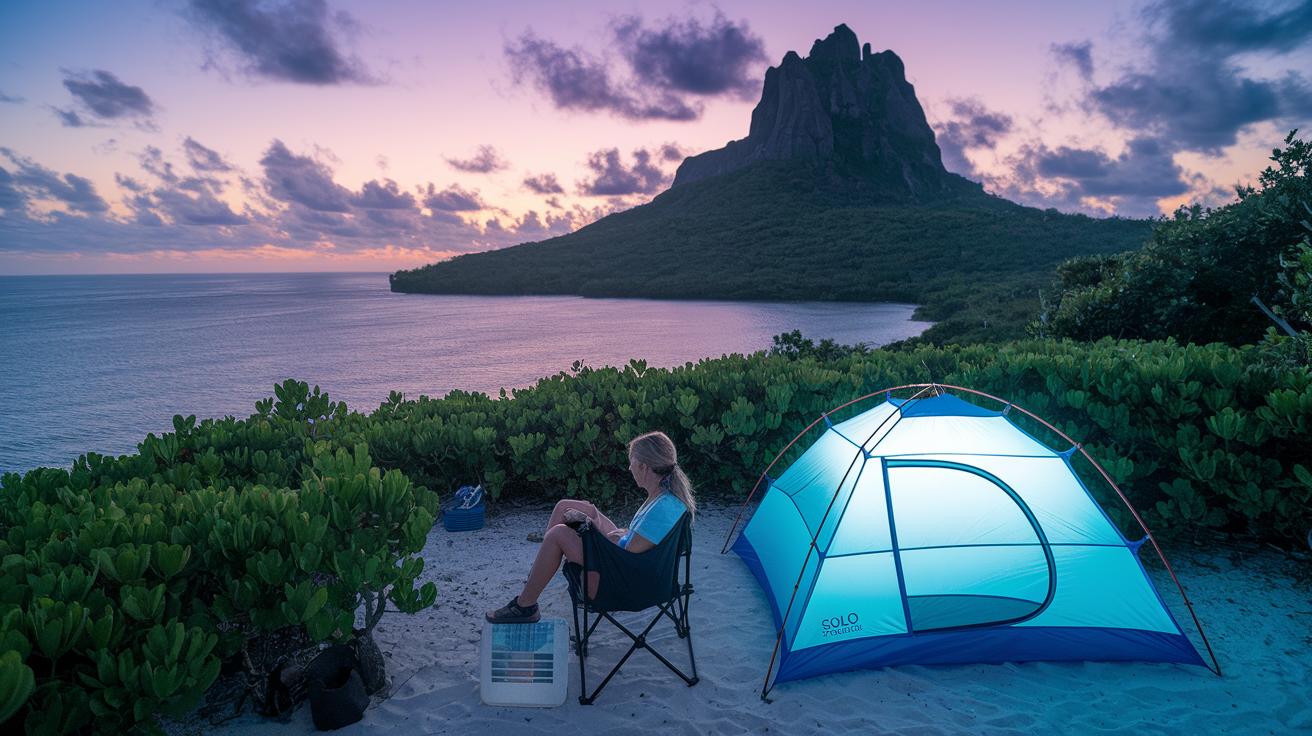
When you camp in the Caribbean, you need to be ready for steamy air, sudden showers, and bright sunshine. With the right stuff, every tropical night under the stars feels magical. A top tip is to choose a UV-protected and waterproof tent that also has a strong rainfly. Even a simple tent can be your safe haven when a quick tropical shower rolls in, turning a stormy night into a snug little oasis under twinkling skies.
Keep your gadgets charged with solar or hand-crank chargers. These little lifesavers make sure you can snap pictures of that amazing sunset or call someone if you need help. A portable water filter is also a gem, it lets you safely drink from a fresh stream or catch rainwater. And when the night air gets breezy and bugs start buzzing, a DEET-based spray or an electronic repellent will help keep the pesky critters away so you can just enjoy the lovely scene.
Don’t forget a broad-spectrum sunscreen to protect your skin from the harsh rays when you're out and about all day. And, of course, pack a simple first-aid kit with a few extras for any little cuts or scrapes you might get in the heat. Take a minute to check each item before you head out. Spending a bit of time on these simple steps means you can relax and truly enjoy the warm, inviting Caribbean night.
Seasonal and Weather Considerations for Caribbean Camping
If you're planning a camping trip in the Caribbean, get ready to sync with the island vibe. From December to April, the weather is clear and sunny, with temperatures around 30°C (87°F). Rain is rare and days are bright, making it feel like you’re camping in your very own sunlit paradise, though prices might be a bit steeper.
From June to November, the weather can be a bit more challenging. Storms are more frequent and the humidity is higher, so it’s smart to pack a few extra items for sudden rain or gusty winds. Checking local weather reports, like those on a "caribbean island weather guide", can help you plan your trip by giving you the scoop on temperatures, rainy periods, and the best travel times.
Remember, every island has its own microclimate. For example, higher spots like the Constanza hillsides are noticeably cooler than the seaside. With a mix of warm nights by the water and crisp mountain air, your camping gear should be as versatile as the island itself. So take a little extra time to plan, pack smart, and enjoy every moment, each season brings its own unique charm.
Safety and Survival Tips for Caribbean Campers
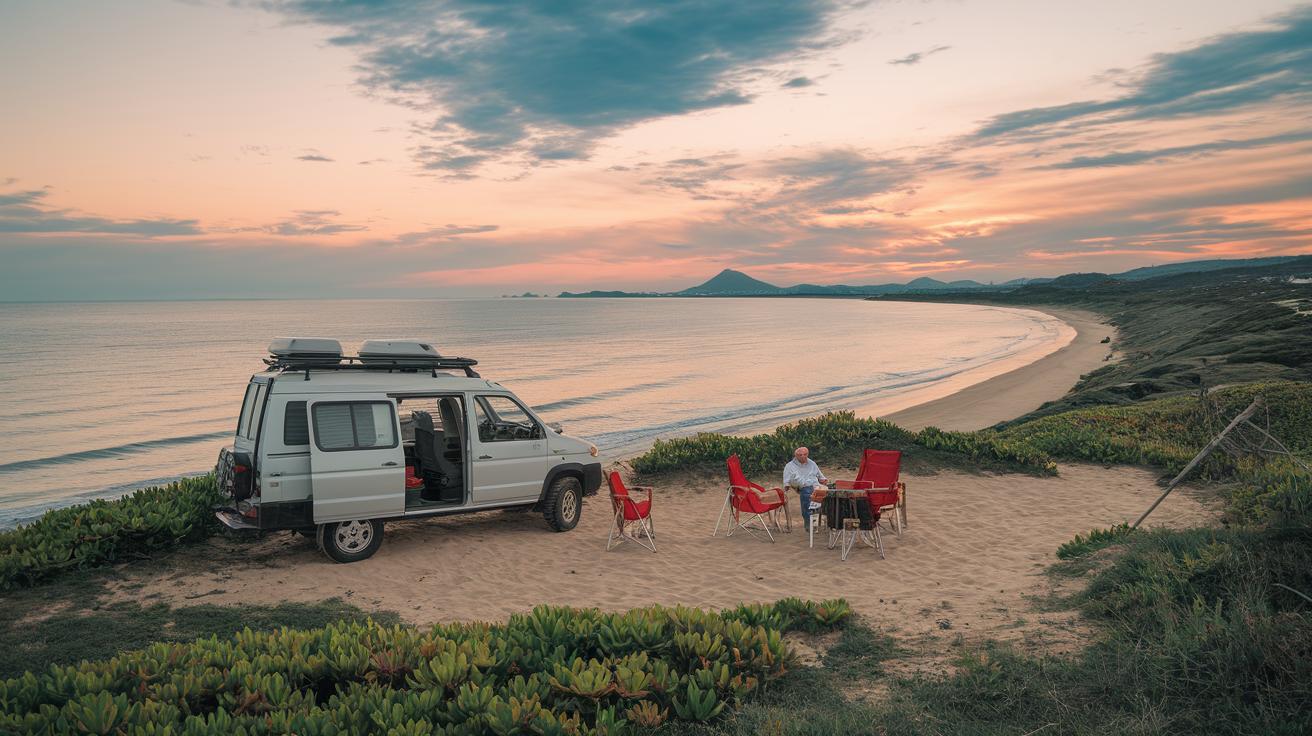
Camping in the Caribbean? First things first, make safety your number one concern. After dark, steer clear of quiet, lonely areas. Instead, chat with local guides or park staff, just like the friendly folks you might meet at Bahoruco Beach, who know the safe spots for setting up your tent.
When you’re at tidal beaches like Bahía de las Águilas, choose a campsite that's a bit higher than where the tide reaches. This little trick keeps you dry and away from unexpected waves. And if you plan to camp near the water, be extra careful; set up your tent far from areas where the water might surge.
It can also help to carry a personal locator beacon or a satellite messenger. These gadgets are lifesavers in spots where cell service is spotty. Plus, keeping a list of nearby clinics on each island is like having a mini health guide in your pocket for any minor scrapes or unexpected mishaps.
| Tip | What to Do |
|---|---|
| Stick to Familiar Paths | Check in with local guides and follow well-used routes. |
| Safe Tent Placement | Set up your tent on higher ground if near water. |
| Emergency Gear | Carry a locator beacon to stay connected. |
Keep these tips in mind, and you’ll soak in the beauty of the Caribbean knowing you’re well-prepared. Enjoy every sun-kissed moment and have a great adventure!
Sample Caribbean Camping Itineraries and Nearby Attractions
Imagine a three-day adventure in the Dominican Republic for those who love a mix of rugged camping and local charm. Picture starting with a seven-hour hike that ends with sleeping under a star-filled sky near Pico Duarte. The next day, you’ll head over to Jarabacoa's riverside spots, where you can easily pitch your tent next to gently flowing water, all while watching for local critters. By mid-day, make your way to Rancho Ruissenior, where the cool mountain air and friendly locals offer a refreshing break from the wild outdoors. As night sets in, enjoy a hearty farm dinner loaded with fresh fruits and vegetables, a meal that perfectly captures the island's vibrant culinary spirit.
If you’re drawn to a mix of beaches and culture, consider a four-day journey through the Eastern Caribbean. Start with a laid-back beach camp in Antigua, where you can relax on one of more than 365 pink and white beaches. Next, treat yourself to a snorkeling tour in the Bahamas, where two-tank dives cost about $120, followed by an exciting boat trip to Pig Beach for roughly $220. For a touch of heritage, visit Jamaica’s Dunn’s River Falls with an entry fee around $24 and dive into music history at Kingston’s Bob Marley Museum for about $25. And if you’re up for a little extra adventure, you might want to explore the Hato Caves in Curaçao for $9 or take a fun replica pirate ship tour in Nassau for around $13.50.
Final Words
In the action, your Caribbean camping adventure brings together budget planning, weather insights, campsite recommendations, and gear tips to make camp under the stars feel like home. The blog outlined everything from setting your daily allowance to selecting safe, eco-minded spots for your wild nights and local trips. Each section provides a clear, easy-to-follow strategy for blending relaxation with cultural experiences. With this caribbean camping guide, you’re ready to enjoy memorable nights beneath the tropical sky and create lasting experiences on the islands.
FAQ
Free Caribbean camping guide
The free Caribbean camping guide offers handy tips and listings for island campsites, including booking advice and local insights, making it easier for campers to plan an affordable and enjoyable outdoor experience.
Camping in the Caribbean and Can you camp on the Caribbean islands?
The topic of camping in the Caribbean explains that designated camping spots exist across the islands with specific permits and local rules, allowing campers to experience nature safely and affordably.
Cinnamon Bay Campground
The Cinnamon Bay Campground refers to a popular site known for its scenic settings and close proximity to clear blue waters, offering visitors a unique blend of natural beauty and essential camping amenities.
Waitukubuli National Trail
The Waitukubuli National Trail is a renowned long-distance footpath in Dominica that invites hikers to explore lush landscapes and immerse themselves in the island’s rich cultural and natural heritage.
Virgin Island Campground
The Virgin Island Campground indicates camping areas in the Virgin Islands where visitors can set up tents near pristine beaches, with local facilities available to support a relaxed, outdoor lifestyle.
What is the 200 rule for camping?
The 200 rule for camping means maintaining a safe distance—typically 200 feet—from water bodies or sensitive areas, a guideline designed to protect natural resources and ensure campers’ safety.
Which Caribbean islands are not worth visiting?
The question on which Caribbean islands are not worth visiting highlights that opinions vary. Each island has its unique features, so recommendations often depend on personal interests rather than a universal ranking.
What is the big 3 of the Caribbean?
The big 3 of the Caribbean generally refers to three islands known for their standout offerings, though the specific trio can vary. Many travelers consider factors like culture, scenery, and activities in their top picks.
