Destinations
Eco-Friendly Caribbean Islands: Sustainable Travel Options Compared
By tomboon
November 23, 2026
Field Notes
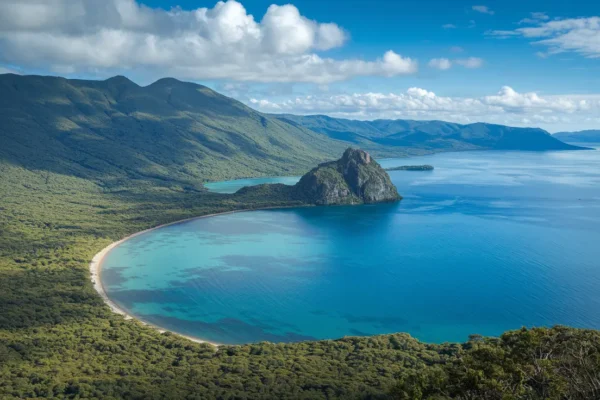
Not every Caribbean island that calls itself eco-friendly actually earns the name, and some resorts greenwash while the island keeps running as usual.
If you want a clear, practical breakdown of what’s really happening on the ground, where conservation meets community, and which islands match your travel goals, this guide cuts through the noise.
We compare six islands across five real-world factors, accommodation practices, conservation access, energy and water measures, community benefit, and transportation, so you can pick the most responsible option without getting lost in marketing.
Best Eco-Friendly Caribbean Islands at a Glance
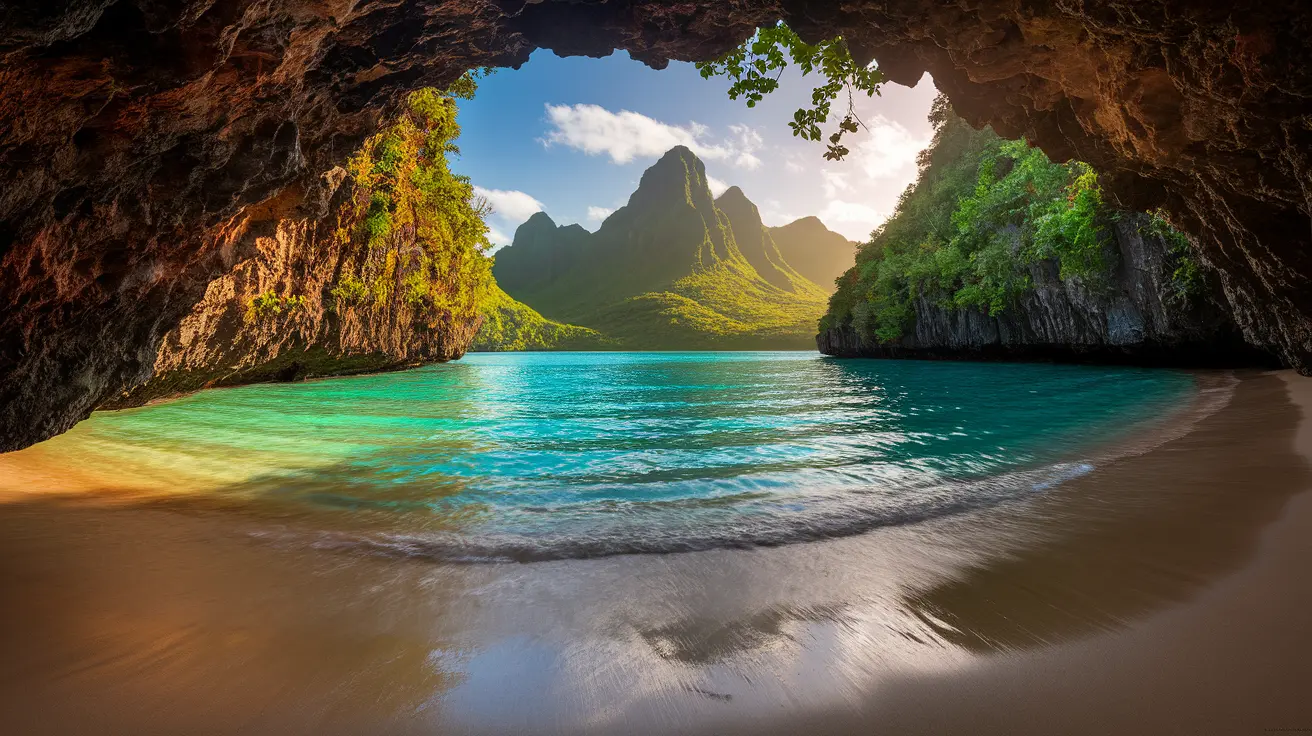
If you’re trying to figure out which Caribbean island fits your idea of responsible travel, here’s the short version. Dominica leads for nature led ecotourism, with rainforest immersion, organic farming, and marine conservation woven into properties like Secret Bay. Aruba stands out for travelers who want a resort that actually explains its operations, with Bucuti & Tara’s solar power and reef restoration work. St. Lucia is the pick for eco luxury, anchored by Jade Mountain’s local materials and farm to table kitchen. Bonaire deserves a mention for marine focused trips, though its current program details still need confirming. Nevis offers the best value of the four resort examples we have solid data on. And Antigua works for travelers mixing resort comfort with creative cultural tourism, even though its island wide sustainability evidence is thinner than the rest.
Before you jump into the table, here’s how we scored things. Each island gets a 10 point editorial score built from five factors: accommodation practices, conservation access, energy and water measures, community benefit, and transportation practicality. These are planning scores, not certifications, so think of them as a starting point for your own research, not a stamp of approval. When something wasn’t documented in the sources available to us, we labeled it as missing rather than assuming it reflects poorly on the destination.
| Island | Best For | Eco-Stay Evidence | Conservation Focus | Lower-Impact Activities | Starting Price Evidence | Editorial Sustainability Score |
|---|---|---|---|---|---|---|
| Dominica | Rainforest immersion and nature-led travel | Secret Bay: sustainable villa materials, energy-efficient systems | Marine conservation, organic farming, community support | Guided rainforest hikes, farm visits | From $650/night (Secret Bay) | 8.5/10 |
| Aruba | Transparent resort operations | Bucuti & Tara: solar power, efficient lighting, water conservation | Coral reef restoration, beach clean-ups | Guest-accessible clean-ups and reef projects | From $450/night (Bucuti & Tara) | 8/10 |
| St. Lucia | Eco-luxury travel | Jade Mountain: local materials, renewable energy, organic farming | On-site organic farming, sustainable design | Farm-to-table dining, spa with organic products | From $1,100/night (Jade Mountain) | 8/10 |
| Bonaire | Marine-focused travel | Not documented in the supplied sources | Marine relevance noted, but program status requires verification | Likely diving and snorkeling, pending confirmation | Not documented in the supplied sources | 6/10 (pending verification) |
| Nevis | Best value among quoted examples | Nisbet Plantation: energy reduction, water management | Support for local farmers, organic cuisine sourcing | Garden cottage stays, local-ingredient dining | From $395/night (Nisbet Plantation) | 7.5/10 |
| Antigua | Resort sustainability paired with culture | Jumby Bay referenced elsewhere; island-wide evidence incomplete | Sea to Shore Arts Festival (cultural, not conservation focused) | Cultural festival participation | Not documented in the supplied sources | 6.5/10 (incomplete island-level evidence) |
Quick recommendations:
- Best overall: Dominica, for the combination of rainforest access, community ties, and documented conservation work.
- Best for marine conservation: Bonaire, with the caveat that current program details need confirming before you book.
- Best for luxury: St. Lucia’s Jade Mountain, for eco conscious travelers who still want a high end stay.
- Best value: Nevis, where Nisbet Plantation delivers sustainable touches at the lowest quoted rate.
- Best for culture: Antigua, for travelers who want creative and cultural tourism alongside their beach time.
One thing worth remembering as you plan. A single eco resort doesn’t make an entire island sustainable. Always compare property level evidence directly, and treat island wide claims with a bit of healthy skepticism until you’ve checked the specifics yourself.
How the Eco-Friendly Caribbean Island Sustainability Scores Work
(((alt-img2)))
The scores in this guide are a travel planning tool, not an official certification. Think of them the way you’d think of a friend’s packing list. Useful, organized, and based on real research, but not a government seal of approval. We built them from publicly available property descriptions and program claims, then weighted them toward the things that matter most to eco conscious travelers. Verified practices over marketing language.
Here’s the part most people forget. Island level policy and individual property performance are two different things. A country can have strong environmental regulations while a specific resort does the bare minimum, or the reverse. So when you’re comparing options, keep those two layers separate in your head, because
Final Words
Pick your priority and start there. Dominica is the top nature-led choice; Aruba shows clear resort-level practices; St. Lucia is the eco-luxury pick; Bonaire suits marine-focused travelers but needs current verification; Nevis gives the best value; Antigua mixes resort sustainability with culture though island-wide evidence is incomplete.
We used an editorial scoring tool and focused on property-level proof, marine programs, energy, water, waste, and community benefit. Verify certifications and operating data before you book.
Use the eco-friendly Caribbean islands comparison sustainable travel options checklist, and you’ll be ready for a thoughtful, lower-impact trip.
FAQ
Q: Which Caribbean island is best for nature-led ecotourism?
A: The best island for nature-led ecotourism is Dominica, thanks to deep rainforest immersion, community-supported stays, organic farming, and marine conservation-linked lodges like Secret Bay.
Q: Which island is best for eco-friendly resorts with clear operational practices?
A: Aruba is best for travelers wanting resorts with clear operational practices; Bucuti & Tara shows solar power, energy-efficient lighting, water conservation, beach clean-ups, and reef restoration opportunities for guests.
Q: Which island is best for high-end eco-luxury?
A: St. Lucia is best for high-end eco-luxury, with Jade Mountain using local materials, renewable-energy systems, organic farming, farm-to-table dining, and luxury spa products.
Q: Which island should marine-focused travelers consider?
A: Bonaire should be considered by marine-focused travelers, but current protected-area rules, program details, and operator credentials need verification before booking.
Q: Which island offers the best value among the sampled eco-resorts?
A: Nevis offers the best-value option among the sampled examples, with Nisbet Plantation combining historic charm, energy and water measures, and local-food sourcing at lower quoted starting rates.
Q: How do the editorial sustainability scores work?
A: The editorial sustainability scores are ten-point planning scores assessing accommodation practices, conservation access, energy and water measures, community benefit, and transport practicality, not official certifications.
Q: What evidence should I check before booking an eco-resort?
A: You should check certifications (Green Globe, LEED, EarthCheck), renewable-energy share, water and waste metrics, community ownership, conservation partners, recent operating data, and certificate dates.
Q: How can I verify marine conservation programs offered to guests?
A: You can verify marine programs by checking protected-area status, operator permits, group sizes and anchoring rules, reef-monitoring data, published outcomes, and certified guide credentials.
Q: Are renewable-energy, water savings, and waste-diversion numbers reported for the properties?
A: Reported renewable-energy, water savings, and waste-diversion numbers are not provided in the supplied sources; ask properties directly for measured percentages, reporting periods, and verification.
Q: What low-impact activities should I choose on an eco-friendly Caribbean trip?
A: Choose reef-safe snorkeling, responsible diving with permitted operators, guided rainforest hikes, data-linked beach clean-ups, non-contact wildlife observation, and organic farm visits; avoid touching coral or feeding wildlife.
Q: How do I reduce transport-related emissions while island hopping?
A: Reduce transport emissions by choosing fewer flight segments, staying longer, using ferries when safe, booking shared or electric transfers, walking or cycling locally, and avoiding unnecessary day-trip flights.
Q: Are the quoted nightly rates reliable for booking?
A: The quoted nightly rates are historical (from October 24, 2023) and require direct confirmation; always verify current total price, taxes, fees, transfers, minimum stays, and cancellation terms.
Q: What should I pack and do to be an eco-responsible traveler in the Caribbean?
A: Pack a reusable water bottle, reef-safe sunscreen, reusable bags and utensils, lightweight rain gear, and follow wildlife-safe habits, local rules, and respectful cultural practices.
Q: How do I choose the right sustainable Caribbean option for my priorities?
A: To choose, rank priorities, set a full trip budget, minimize route emissions, verify certifications and operating data, confirm conservation outcomes, check local ownership, then book with responsible operators.