Destinations
Caribbean Islands Compared: Best Ferry-Linked Multi-Island Routes
By tomboon
November 24, 2026
Field Notes
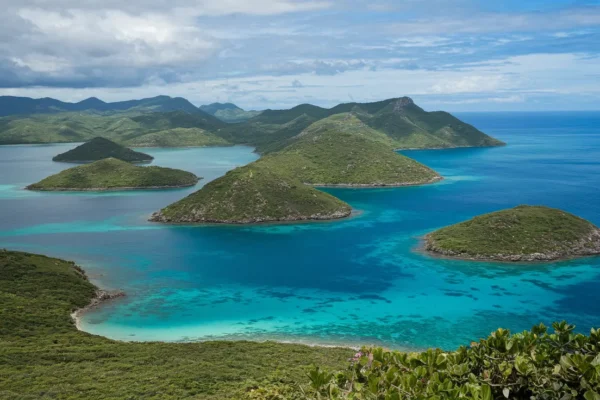
Think you can island hop the entire Caribbean without flights?
Most travelers who try to stitch distant regions together lose half a day or more to flights and layovers.
This guide compares ferry-linked island clusters, ranks them by how easy they are to hop, and shows real crossing times, sample itineraries, and when a short flight actually saves you time.
Pick your cluster by trip length and vibe, and you’ll trade planning headaches for more sand under your feet.
Easiest Caribbean Island Clusters Ranked

If you want the simplest version of Caribbean island hopping, pick one compact cluster and stay there. Travelers who try to stitch together distant regions, say the Bahamas and the Grenadines, in a single trip usually lose days to flights and layovers instead of beach time. The clusters below are grouped by how many islands you can reasonably link without that headache.
| Rank | Island Cluster | Ideal Duration | Overall Ease | Best Traveler Type | Headline Connection Example |
|---|---|---|---|---|---|
| 1 | St Martin, Anguilla, and St Barth | 4 to 6 days | Very easy | Couples, first timers, short-hop lovers | St Martin to Anguilla ferry |
| 2 | St Thomas, St John, Tortola, and nearby Virgin Islands | 4 to 7 days | Easy | Families, snorkelers, beach hoppers | St Thomas to St John ferry |
| 3 | St Vincent and the Grenadines | 5 to 7 days | Easy to moderate | Sailors, slow travelers, honeymooners | St Vincent to Bequia ferry |
| 4 | Grenada, Carriacou, and Petite Martinique | 5 to 7 days | Moderate | Quiet-island seekers, divers | Grenada to Carriacou ferry |
| 5 | Guadeloupe, Dominica, and Martinique | 6 to 9 days | Moderate | Hikers, culture travelers, French Caribbean fans | Martinique to Dominica ferry |
| 6 | Nassau, Eleuthera, Harbour Island, and the Exumas | 5 to 8 days | Moderate | Boaters, photography-focused travelers | Nassau to Exumas ferry |
| 7 | Trinidad and Tobago | 4 to 6 days | Moderate | Culture and nature combo travelers | Trinidad to Tobago ferry |
| 8 | Aruba, Bonaire, and Curaçao | 7 to 10 days | Flight dependent | Divers, independent planners comfortable flying | Flight linked, not ferry linked |
That ranking is a starting point, not the whole plan. Head to the route matrix for actual crossing times and fares, the sample itinerary section for day-by-day builds, and the transport alternatives section if your cluster of choice, like the ABC islands, leans more on flights or private charters than scheduled boats.
Caribbean Ferry Route Map and Practical Island Groupings
(((alt-img2)))
There’s no single Caribbean ferry network that links every island like a subway map. It’s closer to a handful of separate regional systems, some dense, some thin, and a few islands with almost no public boat service at all. Assuming your next island is “just a short ferry away” is one of the most common planning mistakes we see.
That’s why it helps to think in groupings instead of a straight line down the map. Some clusters are built for ferry hopping. Others mix boats with short flights. And a few are really flight first destinations that happen to sit close together on a map, just not on a schedule.
Ferry First Island Clusters
The Leeward mini loop of St Martin, Anguilla, and St Barth runs on frequent short crossings, with St Martin acting as the main hub for onward departures. The USVI/BVI network works the same way, with St Thomas serving as the jumping off point for St John and Tortola.
Further south, the Grenadines chain strings together St Vincent, Bequia, Mustique, Canouan, Union Island, Mayreau, and Tobago Cays, with St Vincent as the gateway island. Grenada connects to Carriacou on a similar model, and Trinidad links to Tobago on its own dedicated route. Selected Bahamas connections round out this group, generally radiating out from Nassau.
Mixed Ferry and Flight Corridors
The French Caribbean corridor, Guadeloupe, Dominica, Martinique, and St Lucia, blends longer ferry legs with the option to fly when a crossing is infrequent or impractical. Puerto Rico and the Virgin Islands fall into a similar mixed category, as do outer Bahamas routes and the smaller islands of Saba and St Eustatius. A regional flight can fill in a missing link or save you from a long, low frequency sailing. We’ll walk through exactly when that trade makes sense in the transport alternatives section.
Flight First Island Groups
Aruba, Bonaire, and Curaçao sit close together on a map, but don’t expect to island hop between them by public ferry. These are flight first islands, plain and simple.
For the finished version of this guide, picture an annotated map with solid lines marking frequent scheduled ferries, d
Final Words
Pick a compact cluster and keep moving. That’s the quickest way to low-friction island hopping and fewer same-day risks.
You’ve got the ranked clusters, the ferry route map, realistic sailing times and fares, operator types, sample 3/5/7-day plans, booking timing, season and insurance advice, and passport and baggage must-dos. Use the route matrix for crossing details and the itinerary section for day-by-day plans.
This guide brings Caribbean islands compared for multi-island itineraries and ferry connections into one place so you can pick dates, reconfirm sailings, and travel with confidence.
FAQ
Q: What are the easiest Caribbean island clusters to hop?
A: The easiest Caribbean island clusters to hop are compact corridors like St Martin–Anguilla–St Barth, the USVI–BVI network, and the Grenadines, because they offer frequent short crossings and minimal transfers.
Q: How do I pick the right cluster for my trip length and travel style?
A: You pick the right cluster by matching trip length and vibe: short breaks favor St Martin or USVI, a 7-day adventure suits the Grenadines, and flight-first ABC islands suit quick hops and diving trips.
Q: Which clusters are ferry-first, mixed, or flight-first?
A: Ferry-first clusters include the Leeward mini-loop, USVI/BVI, Grenadines, Grenada–Carriacou, and Trinidad–Tobago; mixed corridors link the French islands and Puerto Rico; Aruba, Bonaire, Curaçao are flight-first.
Q: When should I choose flights or private charters instead of ferries?
A: You should pick flights or charters when a ferry leg exceeds 90–120 minutes, runs only a few times weekly, or when a private boat gives direct routing and better timing for groups.
Q: How far ahead should I book ferries and accommodations?
A: You should generally book ferries 4–8 weeks ahead for December–April, up to 12 weeks on constrained routes, and at least three months for Christmas–New Year; low season can be 1–14 days.
Q: How much should I budget for inter-island transport on short trips?
A: You should budget roughly USD 40–150 for 3 days, USD 100–400 for 5 days, and USD 150–700 for 7 days, and carry some local cash for small ticket offices.
Q: What passport, customs, and check-in rules should I expect on inter-island ferries?
A: You should expect passport checks, entry forms, and possible customs; arrive 30–60 minutes before international ferries and 15–30 minutes for local water taxis, and check visa rules for every stop.
Q: What luggage limits and baggage rules apply on ferries?
A: You should expect small high-speed vessels to limit luggage to about 20–30 lb soft bags, while conventional ferries allow more; always confirm excess-bag charges and storage options with the operator.
Q: How does seasonality affect ferry frequency and reliability?
A: You should know peak season mid-November to mid-April often increases departures 25–50% but raises demand and fares; hurricane season June–November, especially August–October, brings higher cancellation risk and fewer sailings.
Q: What should I do if a ferry is canceled or delayed?
A: You should request written confirmation from the operator, ask about rebooking or refunds, contact your insurer, keep receipts and tickets, and explore alternative flights or charters if needed.
Q: Are day trips practical between specific islands?
A: You should plan day trips when crossings are under about 60 minutes and frequent; crossings of 90–120 minutes or routes with few daily departures are usually poor day-trip choices.
Q: How do different vessel types compare for comfort and reliability?
A: You should expect high-speed ferries to save time but be more sensitive to rough seas, conventional ferries to be steadier and carry vehicles, and water taxis to offer local flexibility with fewer amenities.
Q: How do I verify ferry operators and buy tickets safely?
A: You should verify operator websites or official ticket offices, check refund and weather policies, confirm purchasing channels, and recheck operator details immediately before booking.