Have you ever thought about making a difference while soaking up the Caribbean sun? Picture starting your day by tidying up a sandy beach or caring for local animals, then spending your afternoon exploring lively streets and colorful markets. Volunteering here lets you dive into meaningful work while enjoying the relaxed island vibe. Whether you’re helping protect nature or supporting community efforts, each project offers a special way to connect with the culture. This guide shows you how a little helping hand can add extra sparkle to your Caribbean getaway.
Caribbean Volunteer Travel Guide Brightens Your Trip
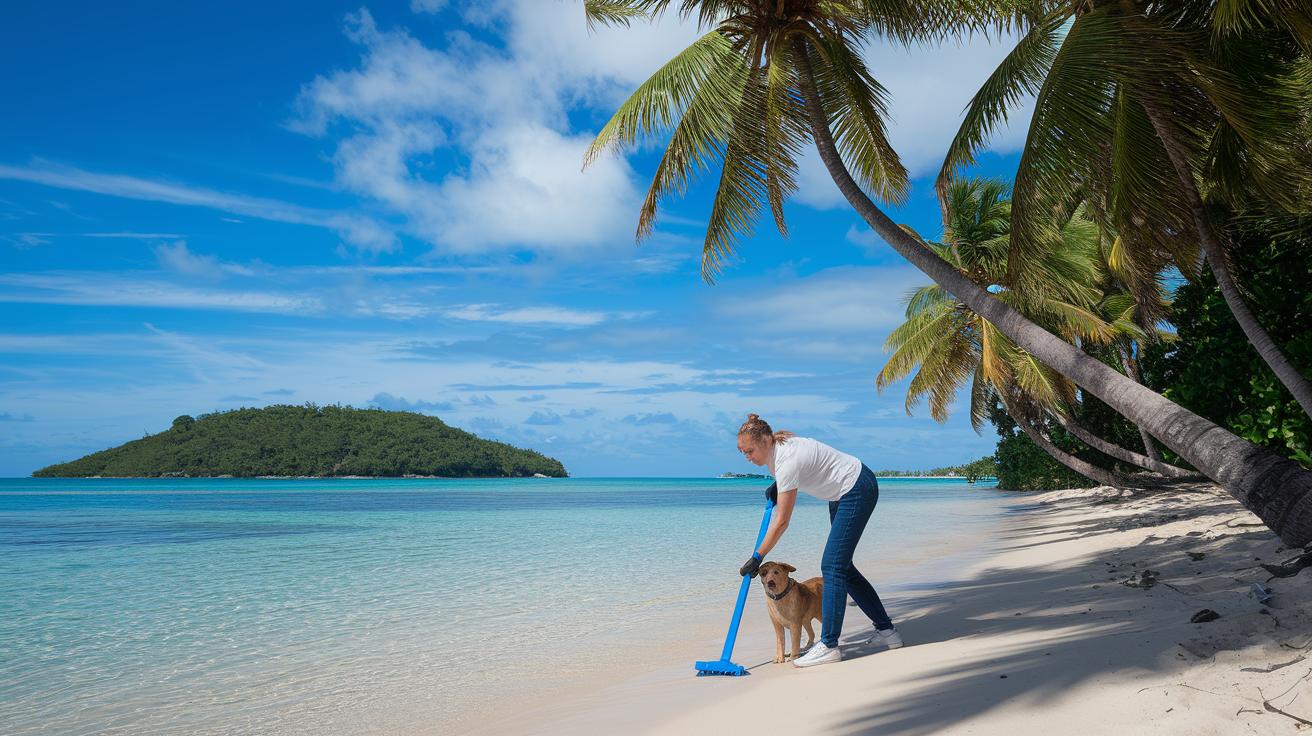
In the Caribbean, volunteering blends meaningful work with plenty of sunshine. You can join projects that care for nature, help animals, or support communities after tough storms. For instance, the Aruba Reef Care Project welcomes over 800 volunteers each year to tidy up beaches and nurture coral reefs. And if water isn't your thing some days, the Donkey Sanctuary even offers a land-based option for divers and snorkelers. There's truly a project to match every interest.
Over in Jamaica’s St. Mary Parish, a friendly Animal Care Project invites you to care for abandoned dogs. Imagine spending cool mornings feeding, bathing, and walking these loving pups before exploring local markets or quiet coastal streets in the afternoon. Plus, you can choose to stay in shared dorms or with welcoming local families so you really feel a part of island life.
If you're up for even more adventure, consider Fathom’s seven-day sailing trips in partnership with Princess Cruises. These trips mix disaster relief work in places like Puerto Rico with cultural tours across several islands. It’s a great way to help communities while also soaking in the rich local traditions.
Over in the Dominican Republic, the Amigos de las Americanas program offers a four-week immersion that builds a youth sports league. Volunteers live with host families, take part in local activities, and sharpen their language skills along the way. And then there’s the Belize Wildlife Volunteer Adventure, where you get to track the endangered West Indian Manatee through mangrove lagoons, along the sea, and in winding rivers. Some weeks even include visits to the Port Honduras Marine Reserve, imagine how cool that must be!
International Volunteer HQ also runs projects in places like Puerto Rico, Belize, Jamaica, and Trinidad & Tobago. Whether it’s helping out with a medical internship, teaching in classrooms, or working on conservation efforts, you'll find an opportunity that clicks with you. If you’re curious about more options, check out their handy "list of caribbean islands" link.
Every program here mixes service with local cultural exchange. While you lend a helping hand, you become part of the warm, rhythmic pulse of Caribbean life, a journey that touches your heart as much as it makes a difference.
Planning Your Island Service Expedition: Destinations and Timing
When you set out on a service expedition in the Caribbean, picking the right time is the secret to a smooth adventure. Think of it like making your favorite tropical punch, you need that perfect mix of sunny weather and fewer crowds.
The dry season, usually from December to April, is a sweet spot for volunteering. The temperatures are just right, and you get to enjoy your work without too many rain checks. On the flip side, the rainy and hurricane months, from June to November, especially August to October, are best approached with a backup plan, much like having an umbrella handy during a quick shower.
For example, islands like Puerto Rico and the US Virgin Islands are at their best between November and May. During these months, the clear skies and pleasant breeze make it easier to support disaster relief efforts and enjoy local cultural projects. In Jamaica and Belize, November through June is ideal for activities like caring for animals and marine conservation work. Meanwhile, Aruba welcomes helpers all year, though you'll find a bit more calm from September to November.
Imagine planning your day like you’re tossing together a fresh tropical salad: start with checking the weather, plan around your volunteer schedule, and stir in a dash of each island’s local flavor.
| Island/Region | Best Volunteer Season | Notable Program Focus |
|---|---|---|
| Puerto Rico | Nov–May | Disaster relief & cultural tours |
| Jamaica | Nov–Jun | Animal care & community support |
| Belize | Nov–Jun | Marine conservation & wildlife research |
| Aruba | Year-round (lowest rain Sep–Nov) | Reef care & sustainable tourism |
| Dominican Republic | Dec–Apr | Youth sports & community immersion |
Budgeting Your Tropical Charity Adventure: Cost Essentials
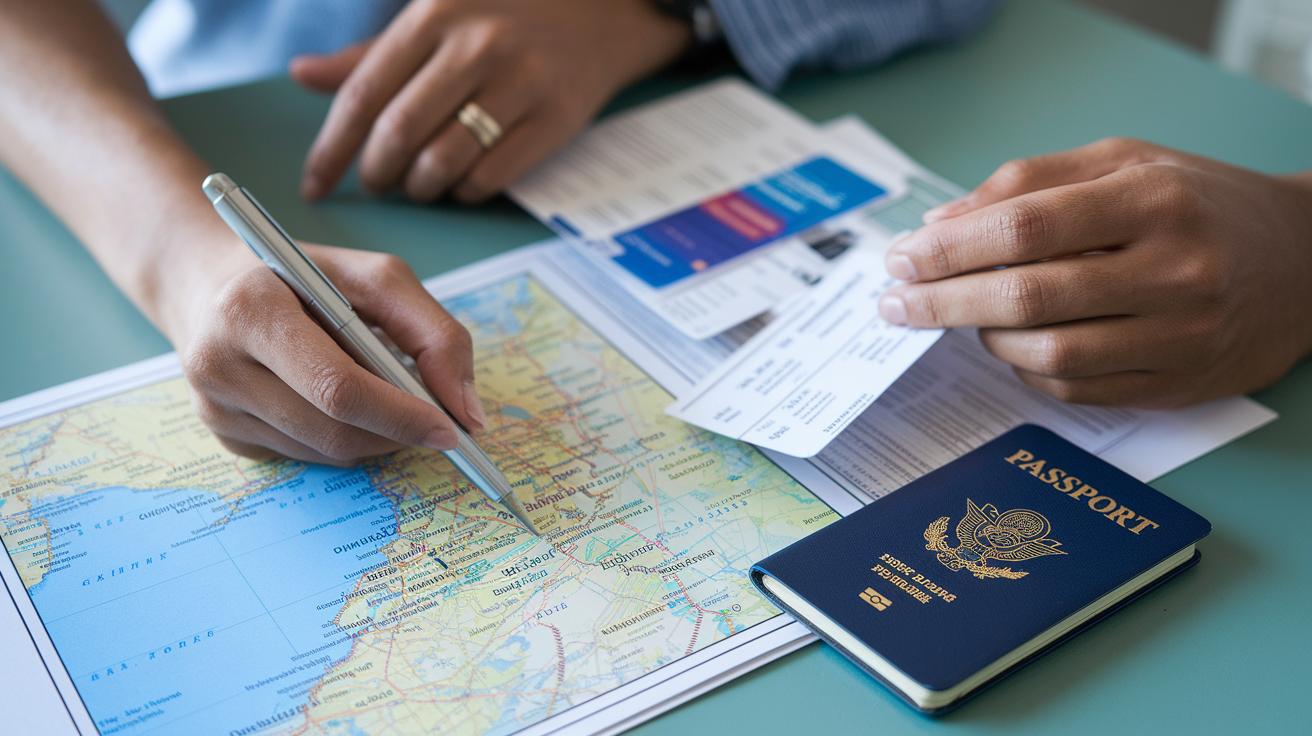
Planning your tropical charity adventure is a bit like whipping up your favorite island meal, every ingredient matters. Program fees can range from about $500 to $2,500 per week, depending on the type of service work you choose and how long you plan to stay.
And then there’s travel. Round-trip airfare from U.S. cities usually runs between $300 and $800, so it’s smart to set that money aside early on. Plus, travel insurance, which gives you a little extra peace of mind, typically costs around $50 to $100. You might also need a visa, so depending on where you’re from, be prepared to pay anywhere from nothing up to $100.
When it comes to where you’ll stay, many programs offer options like a host-family arrangement for about $20 a day or dorm-style lodging for roughly $15 a day. Meals are a key part of the experience. Some programs include three home-cooked meals per day, but if you decide to enjoy a meal out, plan to spend around an extra $10 to $15 daily. Local transportation will generally cost you about $5 to $10 per day to explore the area and really soak it all in.
Remember to account for other essentials too, like vaccinations, which can be around $100, and it's a good idea to have an emergency fund of roughly $200. Breaking down your expenses this way can help keep things clear and manageable, ensuring your tropical charity adventure is as exciting as it is affordable.
Application Advice for Community Aid Journeys
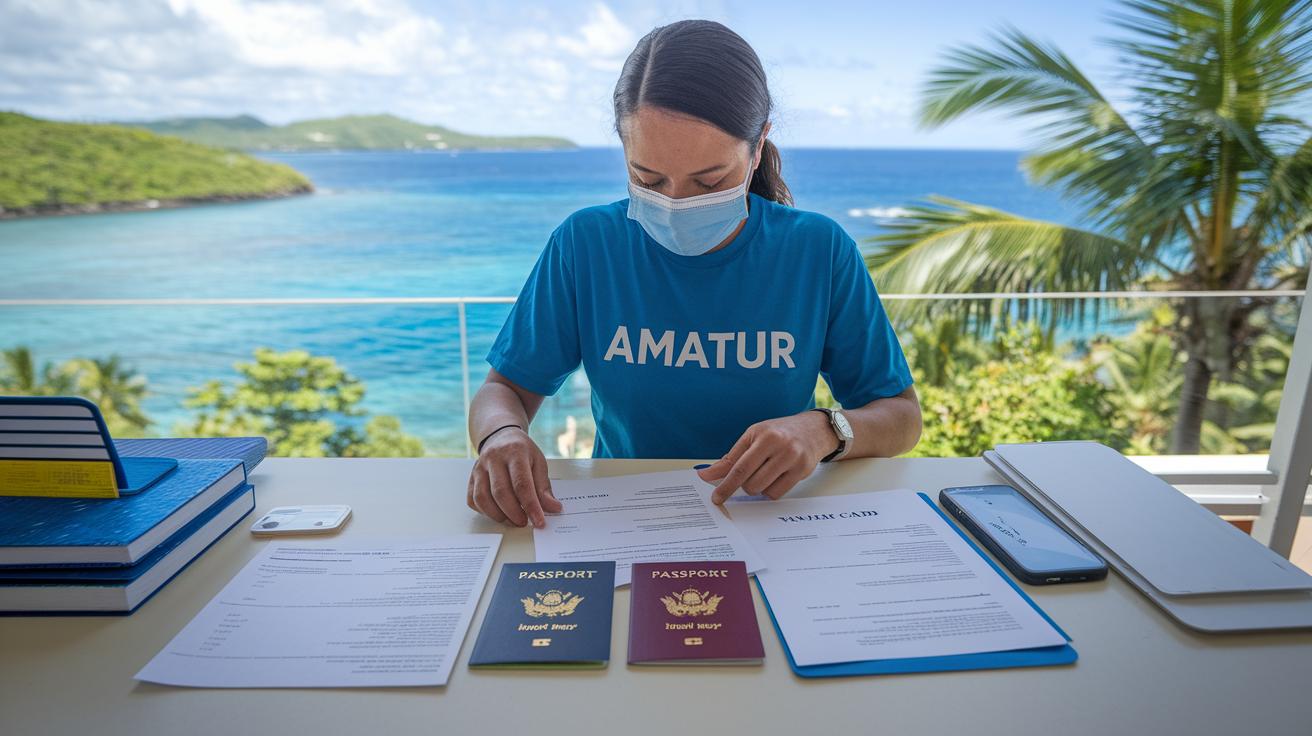
Getting ready for a community aid journey in the Caribbean starts with making sure you meet the basic requirements. You’ll generally need to be at least 18 years old, have some useful skills or training (like teaching or medical know-how), and be comfortable using the local language. Plus, keep your vaccinations up-to-date so you can jump right in.
Before you start your application, collect these important documents: a valid passport (with at least six months left), a letter from the program saying you're accepted, a current CV or resume, proof that you’re up-to-date on vaccinations, and any references you might have. These papers are the building blocks for your application and help guide you through the visa process.
Here’s an easy checklist to follow:
- Look up trusted NGOs and ask for detailed program information.
- Fill out the online application and pay any needed deposit.
- Get the required visa or permits based on your travel destination.
- Buy travel insurance that covers you for the whole volunteer period.
Most programs will also set up an orientation session and introduce you to a local NGO friend when you arrive. When you follow these steps, you'll feel more confident and ready to make a real difference on your Caribbean community aid journey.
Accommodation Advice Abroad for Island Service Projects
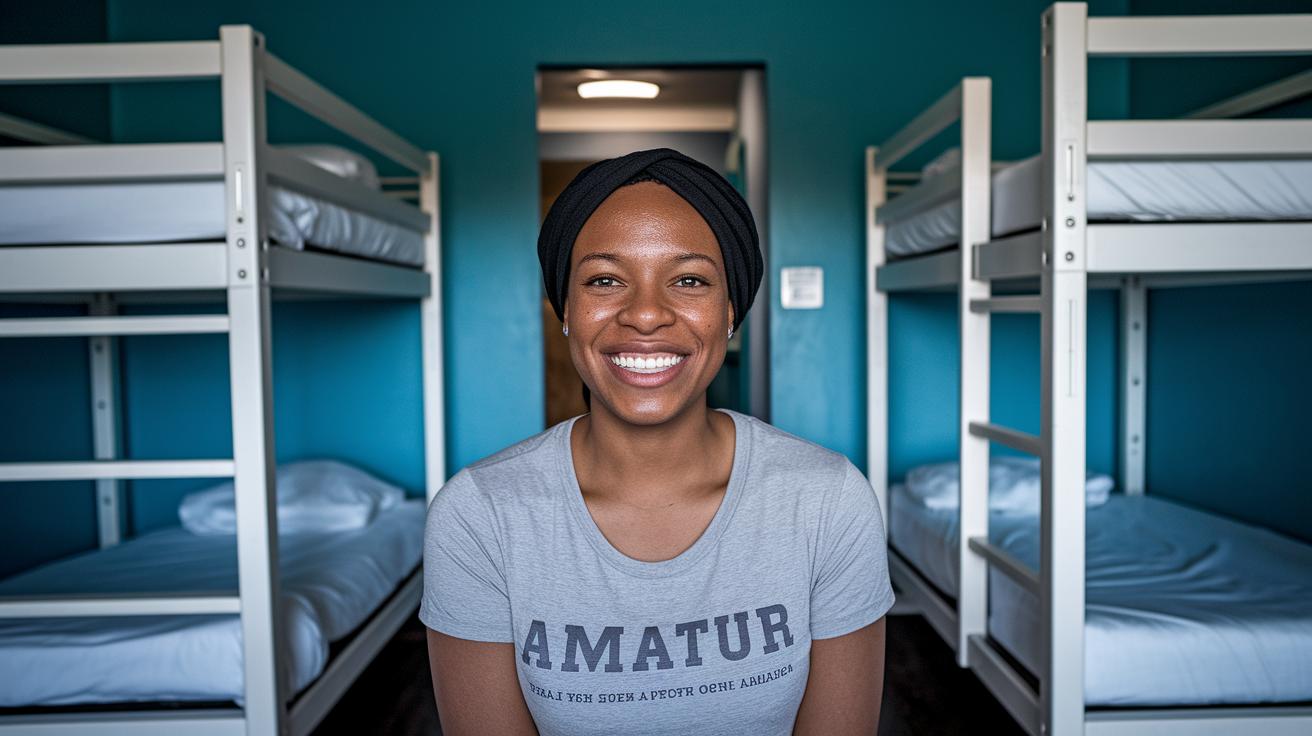
When you volunteer in the Caribbean, your place to sleep is part of the fun. In Jamaica, many helpers stay in dorm-style housing near Ocho Rios. They share bathrooms, share meals, and share stories, making every evening feel like a warm get-together with new friends.
Over in the Dominican Republic, some projects let you live with a local host family. This means you get delicious home-cooked meals and the chance to try out your language skills in a relaxed setting. It truly feels like joining a welcoming family and enjoying traditions up close.
If you join a marine project in Belize, get ready for a unique stay. Volunteers often sleep in charming stone cabanas on a private island about 26 miles from Placencia. Weekdays come with three tasty meals provided, while weekends let you wander off to explore eco-resorts and bustling local markets.
In Puerto Rico, you might end up in a cozy guesthouse or even a university dorm. Organized group transport makes getting around a breeze. No matter what you choose, you'll enjoy a perfect mix of comfort and local flavor that makes your service project an unforgettable cultural adventure.
Immersive Cultural Exchange Missions in the Caribbean
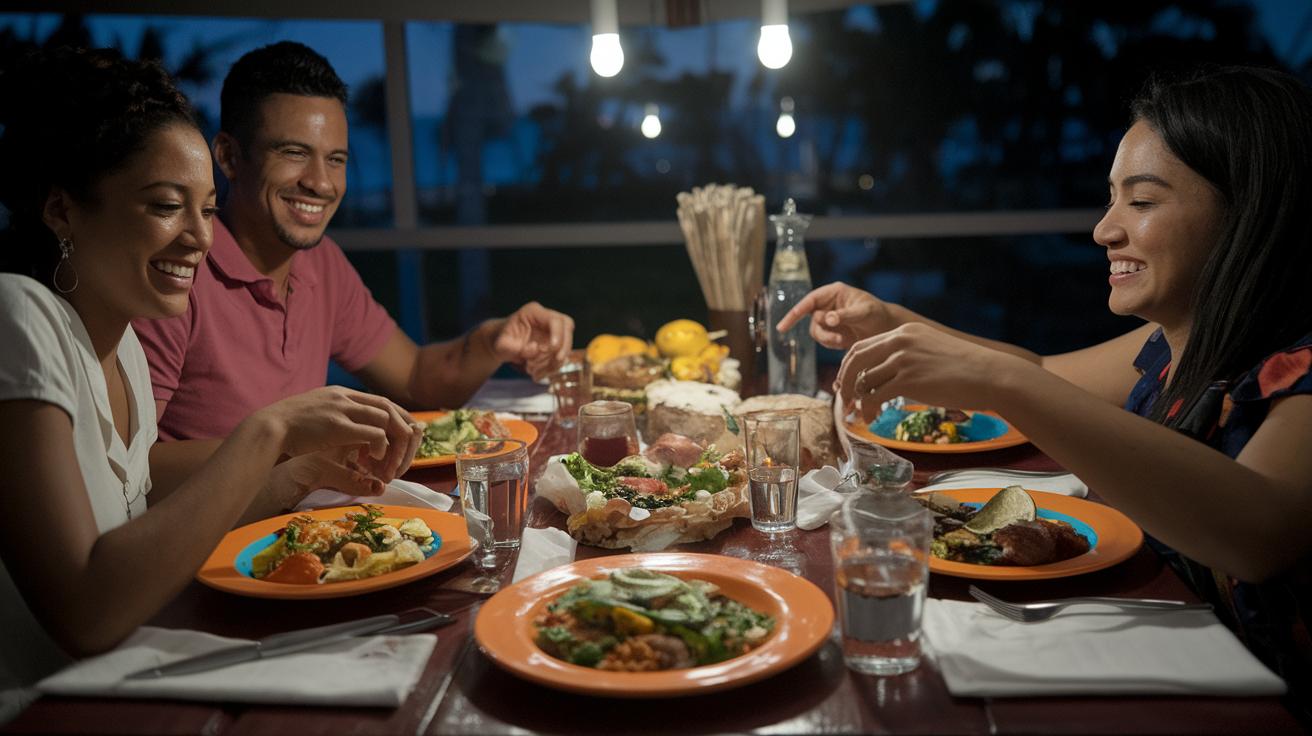
Volunteering in the Caribbean is more than just lending a hand, it’s about diving into the everyday rhythm of island life. Imagine staying with a local family in Puerto Rico or the Dominican Republic where every meal turns into a lively chat in Spanish. These experiences not only boost your language skills but also let you savor the genuine taste of Caribbean traditions. One volunteer even said, "I joined a family dinner and, between the laughter, food, and quick Spanish phrases, I felt like a local in no time."
Local markets come alive with bright colors and friendly vibes. Picture strolling past stalls brimming with fresh fruits and handmade treasures while vendors share warm smiles and little stories about their lives. Then, there are the festivals, like patron saint days, where the streets burst into music, dance, and cheerful parades. It’s a down-to-earth way to learn about the island’s history and customs firsthand.
No trip to the Caribbean is complete without exploring its hidden gems. Think about wandering through the historic cobblestone streets of Old San Juan, where vibrant murals catch your eye at every turn, or taking a refreshing tour through the El Yunque rainforest and feeling nature’s cool mist. And when the evening comes, visiting a bioluminescent bay can turn a simple night into a truly magical experience.
Many programs also include fun cross-cultural workshops that give you a peek into local customs and smart ways to communicate. These sessions, along with a bit of sensitivity training, help you understand the island’s unique way of life. Each activity is a fresh opportunity to embrace a new culture and create memories that light up your journey in the Caribbean.
Safety Practices Abroad: Health Precautions and Emergency Planning
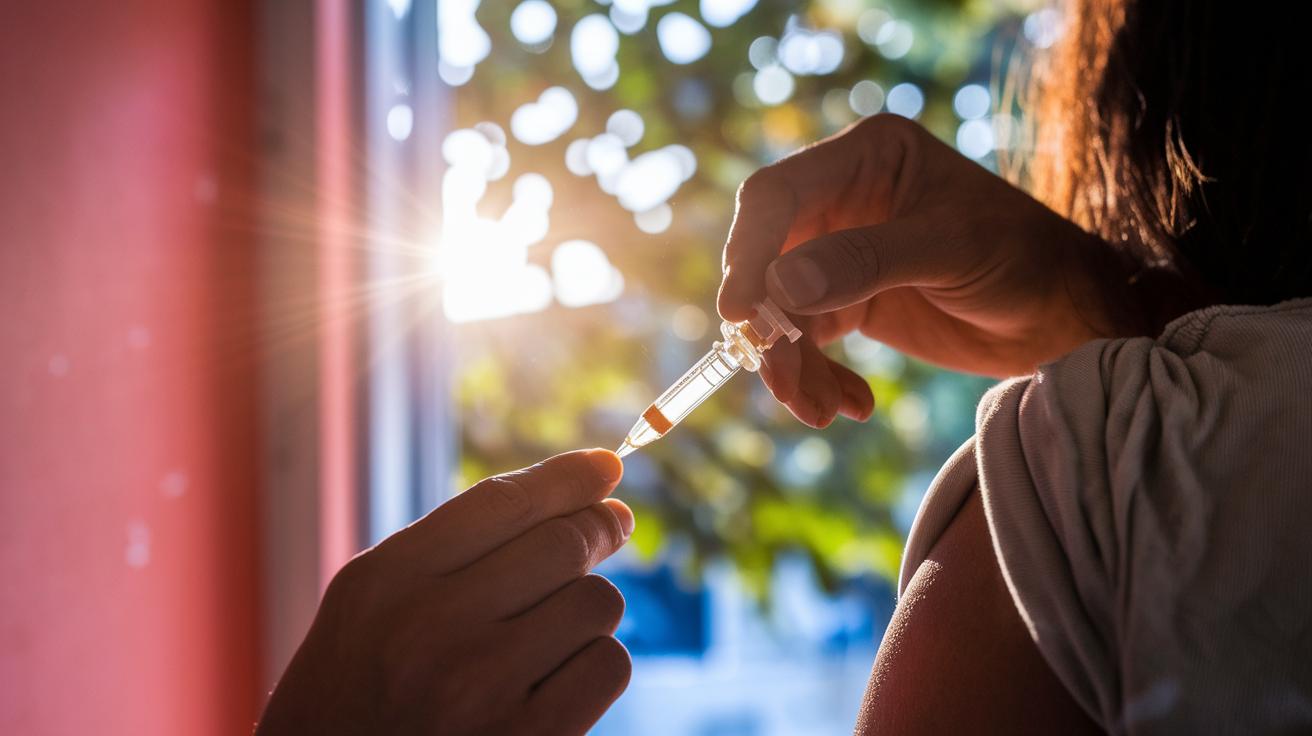
Before you set off on your Caribbean volunteering adventure, make sure you're caught up on essential shots like hepatitis A and typhoid. These vaccines act like a protective shield, reducing your chances of catching any pesky illnesses and letting you enjoy your trip with peace of mind. Also, grab travel insurance that covers medical evacuation, it’s like having a backup buddy if anything health-related pops up unexpectedly.
When you land, you'll join an in-country orientation that feels more like a friendly briefing than a lecture. They'll share project-specific safety tips, so if you're part of a marine program, you might need a PADI dive certification (a certification that shows you're trained to dive safely). This quick rundown helps you get comfortable with local safety practices while keeping you relaxed and secure.
Keep an eye out for weather alerts, especially during hurricane season. The islands often have plans ready if severe weather strikes, and it’s best to follow local NGO instructions without delay. For added safety, carry a list of emergency contacts, note nearby clinics and hospitals, and keep photocopies of your important documents. Consider it like packing a trusty first-aid kit, you’re ready for anything that comes your way.
Crafting a 7-Day Service Abroad Itinerary for Caribbean Volunteers
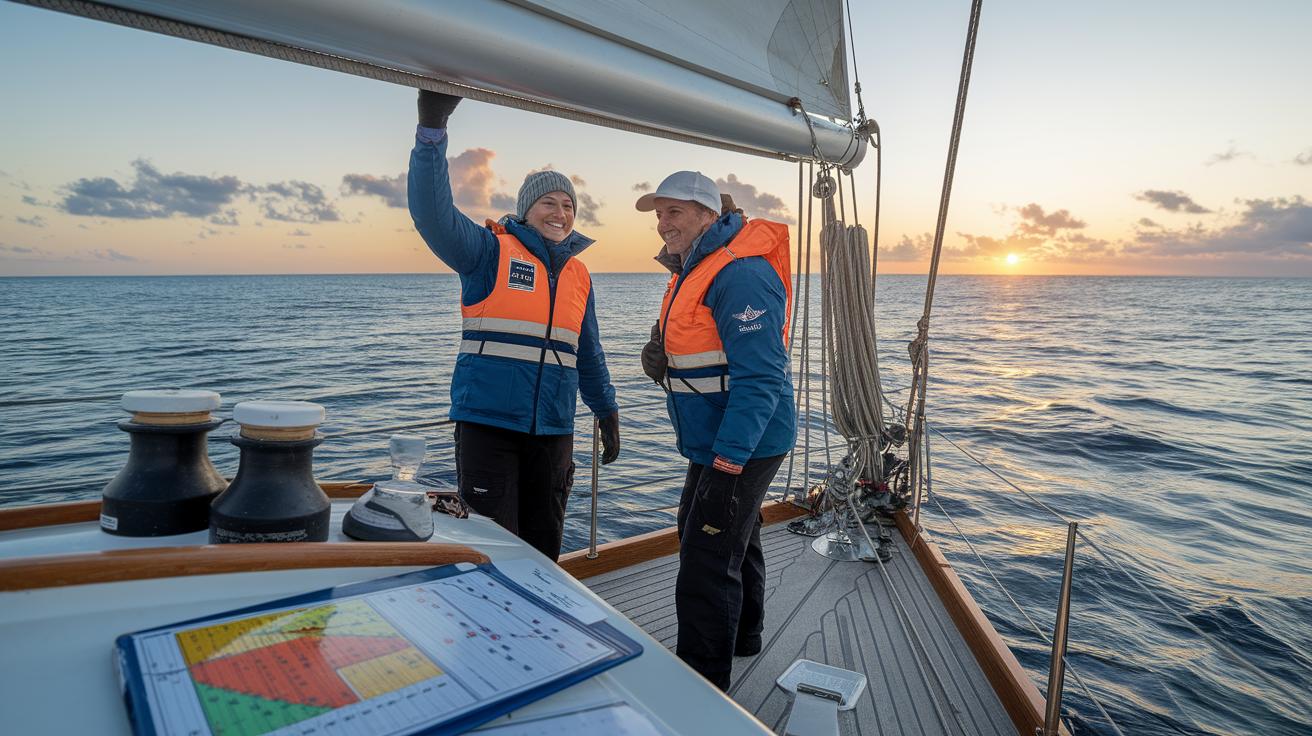
Picture yourself setting sail on a journey that mixes hands-on service work with bursting local culture. This simple 7-day plan, inspired by a Puerto Rico sailing trip, balances morning service work, afternoon cultural adventures, and relaxed evenings to unwind.
On the first two days, you kick things off by boarding the vessel and joining orientation sessions along with disaster-relief training (a beginner’s course to help in emergencies). Think of these days as stirring up the perfect tropical cocktail where every part adds a special flavor. These sessions ease you into the work ahead while you pick up key skills.
Day 3 turns the focus to helping a local town rebuild. Imagine spending your morning fixing community spaces and chatting with local leaders in the afternoon about how your help makes a real difference.
Day 4 is a dive into local history. You’ll wander through Old San Juan, walking old streets, checking out local art, and tasting traditional dishes that tell the island’s story.
Day 5 brings you closer to nature with a marine debris cleanup in the morning. Later, you gather with your team to chat about what nature taught you during the clean-up.
Day 6 is truly magical, a visit to a bioluminescent bay where the water glows at night. This rare sight lets you connect with nature in a truly enchanting way.
By day 7, you take a moment to reflect on everything you’ve done. A final debrief and a little ceremony to celebrate your hard work wrap up the trip, followed by goodbyes and getting ready to head home.
| Day | Morning Activity | Afternoon Activity | Evening |
|---|---|---|---|
| Day 1 | Boarding and orientation | Basic disaster-relief training | Team bonding time |
| Day 2 | Disaster relief training | Skills development sessions | Onboard chill time |
| Day 3 | Community rebuild project | Hands-on repair work | Team feedback |
| Day 4 | Cultural tour in Old San Juan | Explore the historic district | Taste local cuisine |
| Day 5 | Marine debris cleanup | Environmental review | Team reflections |
| Day 6 | Visit to a bioluminescent bay | Guided nature walk | Nighttime bay tour |
| Day 7 | Debrief and certificate ceremony | Farewell gatherings | Departure preparations |
Every part of this itinerary is designed to give you a real taste of Caribbean service and culture, leaving you with memories that last.
Assessing Program Impact and Case Studies of Local Projects
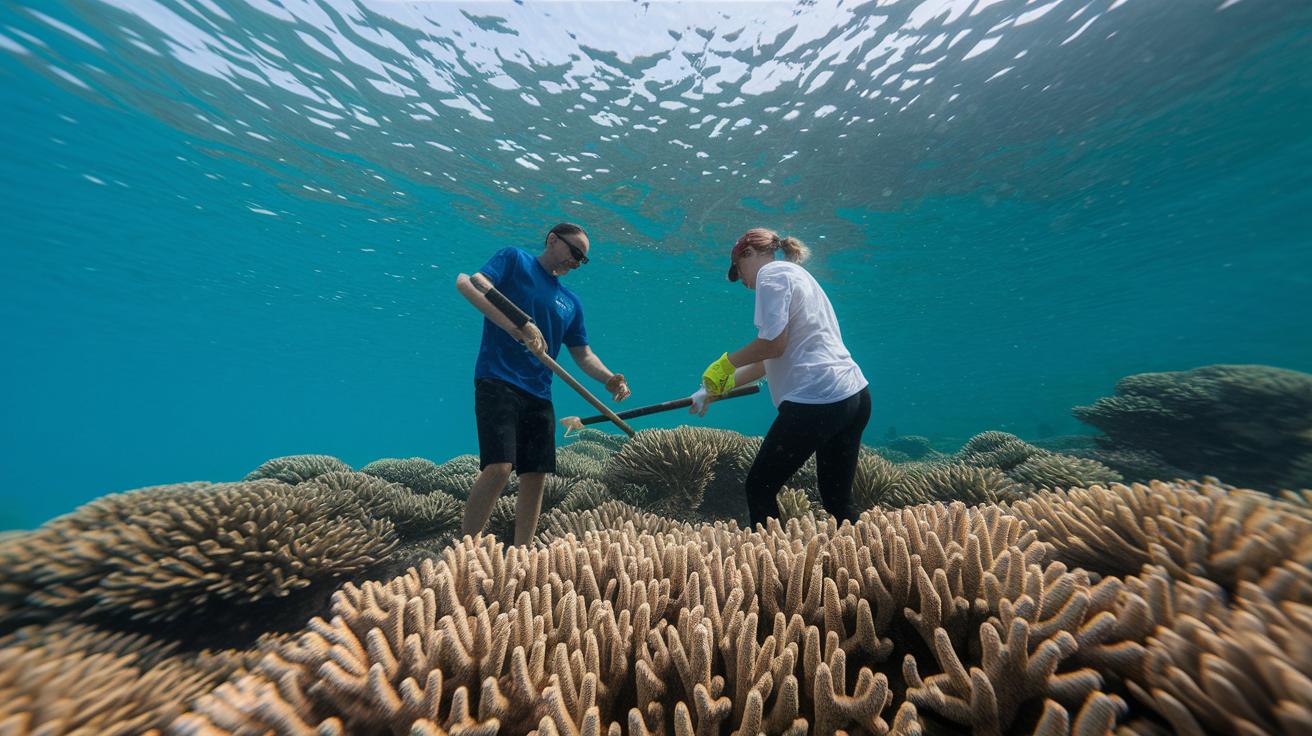
Caribbean volunteer programs truly make a difference that you can see and feel. In Aruba, the Reef Care project brings together over 800 helpers each year. They pick up nearly 2 tons of trash and survey 3 kilometers of reef. This work not only cleans up the ocean but also fills the community with pride. One volunteer said, "It felt incredible to see our work cleaning the ocean."
In Jamaica, the Animal Care Project takes care of more than 50 dogs every week. Thanks to the volunteers, local adoptions have jumped by 30 percent, giving many stray animals a loving home. It’s a clear sign that caring hands can change lives.
In Belize, the Wildlife Adventure program gathers important information on the endangered West Indian Manatee. Volunteers study these creatures in mangrove lagoons, the ocean, and jungle rivers. This crucial data helps local communities set up rules to protect this rare species.
Fathom’s hurricane relief project has also done amazing work. They have rebuilt over 300 buildings in areas hit hard by the 2017 storms. Their community workshops continue to help everyone recover and move forward. Meanwhile, the Amigos de las Americanas group has started five youth sports leagues, engaging more than 200 children in learning teamwork and leadership. These stories show that Caribbean volunteer programs really deliver results you can measure and feel.
Reflective Service Travel Narratives from Caribbean Volunteers
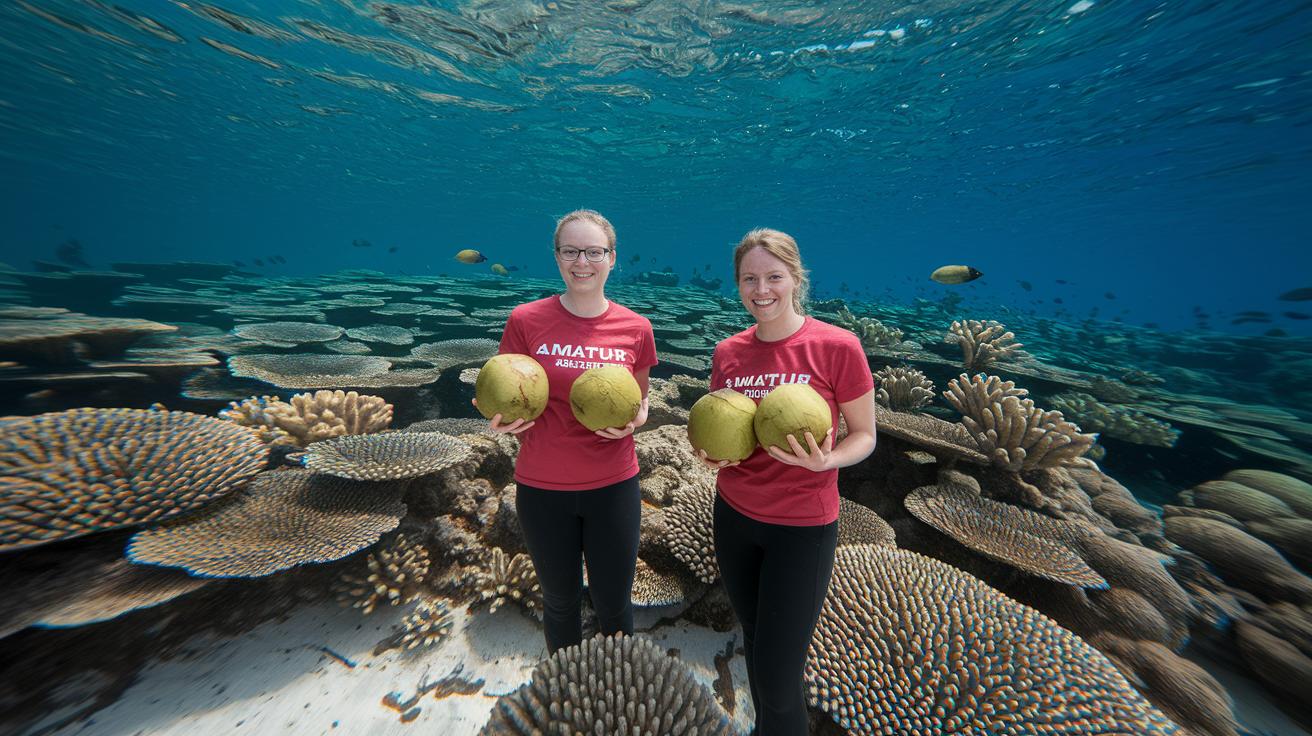
Volunteers leave the islands with memories that warm their hearts, like stories shared over fresh coconut water. They often talk about the thrill of swimming among colorful coral reefs or feeling the rush while zip-lining through green rainforests. These adventures not only boost confidence but also help sharpen communication skills. One volunteer mentioned, "Staying with my host family taught me more Spanish than any class ever could." Mixing with locals and joining in the joyous festivals creates moments that spark personal growth and lifelong friendships.
Every story hints at change and learning. Volunteers say they pick up new language skills and a deeper respect for local traditions. They share how lending a hand in community projects helps build better ways to connect with others. They also remember dancing at local celebrations and feeling the warm Caribbean community spirit. One reflective comment said, "The true connection I made with the locals let me see the Caribbean from a completely new angle." These heartfelt accounts spread across many travel stories, shining a light not just on service work but on the journey of finding oneself.
For more cultural encounters and travel tips, check out lonely planet travel guides.
Final Words
In the action, this piece took you through a mix of service opportunities, cultural insights, budgeting tips, and sample itineraries to help you plan a stress-free trip. We explored projects like beach cleanups, animal care, and local heritage events, all tied together in our Caribbean Volunteer Travel Guide. Each section offered clear steps so you can dive right into your service abroad experience with confidence. Remember, every step is a chance to connect, learn, and grow, making your Caribbean trip truly unforgettable.
FAQ
Frequently Asked Questions
Q: What are the main volunteer opportunities in the Caribbean?
A: The volunteer programs in the Caribbean offer work in environmental care, animal welfare, community aid, and cultural exchange. They let you help local projects while enjoying island life.
Q: How do volunteer programs in Latin America and the Caribbean compare to other regions?
A: The volunteer programs in Latin America and the Caribbean combine service with tropical living. They offer local support, cultural immersion, and hands-on tasks amid vibrant island settings.
Q: How can volunteering include free travel and accommodation?
A: The volunteer programs sometimes cover lodging and travel expenses, such as dorm-style housing or host-family stays. This lets you focus on your work while keeping costs low.
Q: Are there options for short-term volunteer trips, like a week abroad?
A: The volunteer programs can include short-term projects, such as seven-day service trips that balance work, cultural outings, and orientation sessions to make the most of your time.
Q: What makes a volunteer abroad program one of the best?
A: The best volunteer programs offer clear support, measurable impact, and cultural activities. They connect you with trusted local partners and have positive reviews from past participants.
Q: How do I plan a volunteer vacation from the USA in Caribbean locations?
A: Planning a volunteer vacation involves choosing a project that fits your travel dates and interests, checking seasonal weather, budgeting for costs, and following application guidelines.
Q: What should I know about the application process for Caribbean volunteer projects?
A: The application process requires meeting age limits, sharing relevant skills, updating vaccinations, and preparing key documents. Many projects include orientation sessions to guide you through the steps.
