Have you ever noticed how a Caribbean joke feels just like a warm hug from an old friend? Caribbean humor is filled with rich stories and sunny memories passed down through families over the years. Imagine sitting at a lively family gathering, where a light tease connects the past with the present. This playful wit not only puts a smile on your face but also celebrates the island spirit of strength, togetherness, and pride. In this post, we take a closer look at how cheeky banter captures the true heart of Caribbean life, keeping traditions alive and adding a spark of joy to every laugh.
Caribbean Humor’s Role in Shaping Island Identity

Caribbean humor grew from a rich mix of history, blending echoes of colonial days, waves of migrations, and treasured local legends. Picture yourself at a seaside family gathering, where a quick, playful jab during a call-and-response moment makes everyone smile. That lighthearted teasing is a small, but heartfelt, glimpse into how island identity comes alive.
On any given evening, you'll find local comedians sharing lively jokes on stage, in funny TV clips, or even on popular apps like YouTube and TikTok. Their routines are like living stories passed down over generations. Imagine strolling through a busy market, laughing along as someone pokes fun at everyday quirks in local politics or amusing mishaps. It's a vibrant celebration of resilience, where humor helps islands rise above challenges and cherish small wins.
Caribbean wit does more than just entertain. It reflects the true soul of island life through familiar expressions and cheeky exchanges. A simple comment about the weather might secretly pay tribute to past migrations or local traditions. In truth, every joke, every smile, weaves together a community that stands united, using laughter as its common language.
Historical Evolution of Caribbean Humor Traditions
Caribbean humor has a rich past that started growing back in the mid-1900s. Local storytellers would take everyday island life and spin it into unforgettable tales. Early on, performers mixed wit with true-to-life stories, capturing the sound and spirit of the islands. One early star, John Agitation, whose real name is Ramdeen Ramjattan, began his journey in 1951 in Trinidad and Tobago. His frank style and cheeky take on social and political events, shaped by colonial history, set the tone for a humor tradition that reflects life as it really is.
In the 1960s, Jamaica saw the rise of Oliver Samuels, who brought lively characters to life. His acting resonated with the common experiences of his neighbors, making people laugh and feel connected. Then by the 1980s, political sketches started gaining popularity. Comedians like Sprangalang used satire to poke fun at local leaders and social issues, turning everyday quirks into cherished comedic art.
| Year | Figure/Trend | Significance |
|---|---|---|
| 1951 | John Agitation’s debut | Pioneered the art of local storytelling in comedy |
| 1960s | Oliver Samuels’s TV roles | Introduced character-driven humor that echoed daily Jamaican life |
| 2000s | YouTube/TikTok expansion | Helped Caribbean satire reach audiences around the globe through digital media |
As the year 2000 rolled around, digital platforms like YouTube and TikTok gave Caribbean comedy a fresh twist. Comedians began sharing their work with a global audience, blending traditional storytelling with modern satire. This evolution has kept the playful exploration of cultural identity and social commentary alive. Each new chapter adds a colorful layer that continues to charm locals and visitors alike.
African and Indigenous Roots of Tropical Wit
Caribbean humor has deep roots that come from both African beats and local indigenous tales. African rhythms often set the stage for jokes, much like a drummer providing a secret beat to a storyteller. Picture a local comic tapping his foot in sync with an invisible drum, that natural rhythm makes every punchline feel just right. It shows that humor is not only about words but also the energy and movement behind them.
Indigenous storytelling adds its own special spice with proverbs and smart puns that still charm us today. Think about elders sharing clever sayings that bring a smile even on tough days. These stories are rich in both wisdom and wit, giving the island a unique and playful style of comedy.
Then there is the fun language of Creole, where local expressions like "Wepa" and "¡Ay, Dios Mío!" burst out with a light, cheerful energy during festivals. These words remind us that laughter is a bridge linking generations and cultures, inviting everyone to join in the joy. This blend of rhythmic beats, age-old stories, and lively language keeps Caribbean humor a lively art form full of warmth and undeniable charm.
Caribbean Humor as Social and Political Commentary
Caribbean humor is so much more than just quick jokes and funny remarks. It’s a cool way to push back against the powers that be while laughing at the silly rules we live by. On stage at Trinidad’s Alternative Comedy Festival and over at Barbados’ "Laff It Off," local performers mix smart jokes with real feelings to poke fun at government and the divide between rich and poor. They use simple, everyday words to show that a good laugh can stand up to authority. For example, Sprangalang took his sketches and turned them into friendly digs at political leaders, inviting his audience to see power in a whole new light.
Back in 1989, something special happened when Ramjattan won an election by using his wit and local charm. This win showed everyone that humor can be a powerful act of community and change. By blending satire with everyday challenges, comedians keep sharing a unique kind of social comment that speaks to people from all walks of life. This spirit of funny, down-to-earth critique shows the deep cultural strength in Caribbean communities, where sharing a laugh can protect and energize everyone.
Local comic shows and TV specials have also caught on to this style, turning serious issues into moments that feel light and unifying. The clever jokes remind us that even when life throws tough times our way, there’s always room for humor to bring people together. Caribbean humor, with its mix of political jokes and honest social reflections, stays lively and true. It doesn’t just make us laugh, it encourages us to speak up and see things clearly.
Storytelling Techniques in Antillean Comedy
Caribbean humor transforms everyday stories into lively performances, reminding you of a warm, sunny day on the beach. Local comics kick off with a friendly call-and-response, imagine a comic tossing out a playful question and then replying with a punchy answer, much like echoing a favorite tune at a family dinner. This simple trick makes the moment feel close and spontaneous.
Another favorite is using character caricatures. Comedians love exaggerating the quirks of a well-known local figure until these traits come alive on stage. Picture a comic mimicking a neighbor famous for his big expressions, turning an ordinary habit into the highlight of the night.
Then there’s narrative irony. A well-timed twist can turn a steady story into a burst of laughter. Think about a tale that starts off calm, only to end with a cheeky remark like "La familia es todo." It’s a playful reminder that even in tough moments, family always brings a smile.
Simple phrases like "Comer es un placer" and "No hay problema" do double duty. They echo cherished cultural values while neatly tying the jokes together. With these methods, Antillean comedians not only spark laughter but also keep beloved folk comedy traditions shining brightly, showing that humor truly lies at the heart of island life.
Festivals and Media Platforms Showcasing Caribbean Comedy
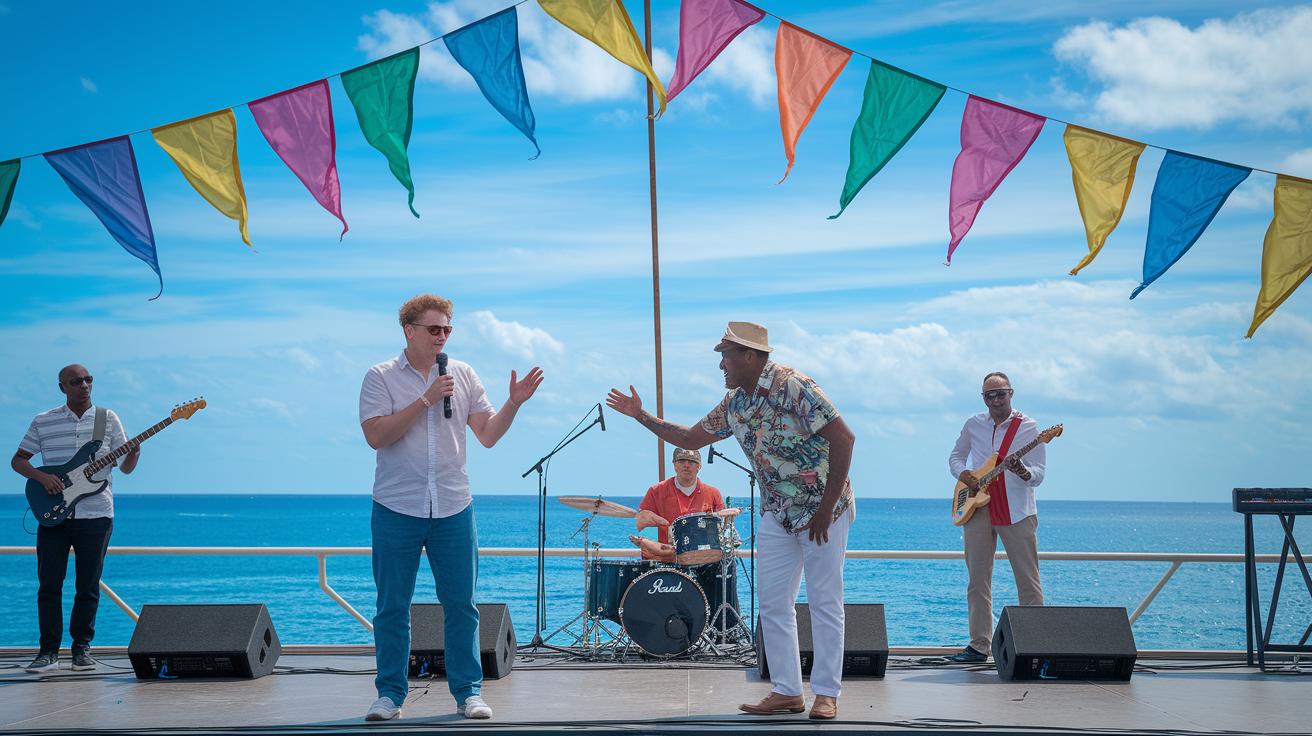
Caribbean humor truly comes alive at vibrant festivals and on digital platforms that capture the island vibe. Every event is a mix of playful political jokes and music-infused comedy that turns public spaces into lively hubs for laughter. Imagine a place where the gentle sea breeze and rhythmic beats set the scene for stand-up shows brimming with everyday wit and quirky puns.
In Trinidad, for instance, the Alternative Comedy Festival is a local hotspot. Talented performers deliver humorous political commentary paired with musical skits, leaving audiences with unforgettable moments. Then there's Barbados, where the Crop Over celebration lights up with shows like “Laff It Off.” Here, outdoor antics and televised comedy bring smiles to everyone’s face.
Over in Kingston, Jamaica, the Phoenix Theatre Show hosts stand-up nights that blend seasoned humorists with fresh local talents, all sharing their humorous take on island living. And guess what? The comedy isn’t limited to live shows. Digital channels widen the horizons as creators like Majah Hype share engaging sketches on Instagram and YouTube, playfully comparing different sides of Caribbean culture. Then, in Puerto Rico, carnival skits spill out into the streets, inviting everyone to feel the infectious energy of the islands.
| Festival/Platform | Location | Description |
|---|---|---|
| Alternative Comedy Festival | Trinidad | Political satire and musical skits that entertain |
| Laff It Off | Barbados | Televised comedy during the Crop Over celebration |
| Phoenix Theatre Show | Kingston, Jamaica | Stand-up nights featuring both veteran and emerging talent |
| Puerto Rico Carnival Skits | Puerto Rico | Street performances and TV broadcasts full of island spirit |
| Majah Hype Digital Sketches | Online | Instagram and YouTube clips that explore Caribbean life |
Modern Island Comedy Trends and Global Reach
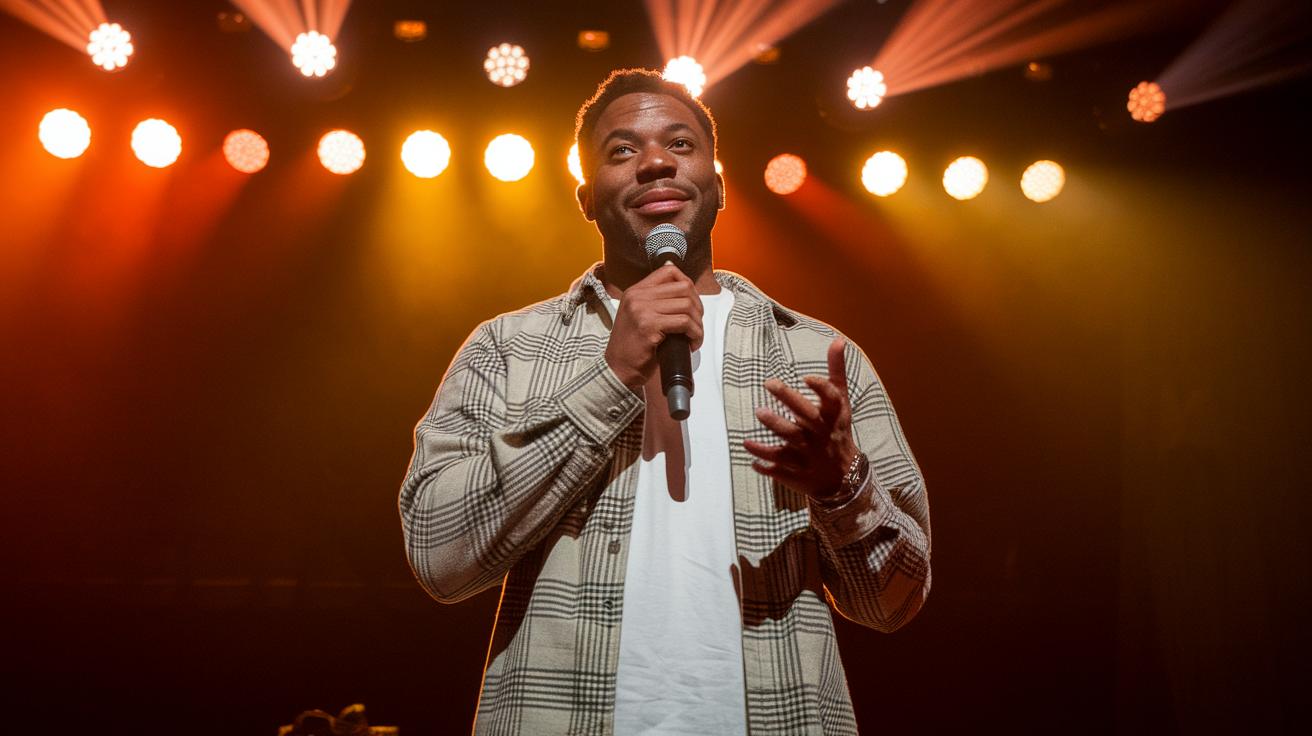
Caribbean humor is spreading its warm, playful spirit across the globe. Online clips, like those by Majah Hype, mix the timeless charm of island wit with the unexpected twist of real-life storytelling. Imagine watching a video where someone laughs and says, "I told my neighbor, 'Island time means we never rush – except when the rum's on the table!'" It really brings the island vibe to life.
Live comedy shows have taken center stage in cities like London, Toronto, and New York. These performances let you feel the heartbeat of Caribbean culture firsthand. Picture yourself at a New York show where the comedian winks as he observes, "Ever notice how Caribbean chill meets city buzz? It’s like swapping flip-flops for sneakers without missing a beat." The energy is light, genuine, and full of local flavor.
Local talent is now shining worldwide, letting everyone experience the true taste of island life. Next, as these acts continue to travel and delight audiences, they remind us that humor can be a bridge connecting cultures, one laugh at a time.
Final Words
In the action, the blog uncovered the evolution of island humor from its roots in African and indigenous expressions to its role in social and political commentary. It wove in storytelling techniques and celebrated festivals that keep the spirit of local comedy alive.
Every element of the piece highlights how caribbean humor shapes a rich cultural identity. This vibrant interplay of history, wit, and community leaves us feeling uplifted and ready to savor the magic of island life.
FAQ
What is Caribbean humor and its cultural significance?
Caribbean humor is a lively mix of history, local storytelling, and witty banter that reflects the community’s resilience and creativity. It mirrors the island spirit in everyday conversations.
What defines Caribbean culture and lifestyle within the Caribbean islands?
Caribbean culture blends family traditions, dynamic music, distinctive art, and flavorful food. It is marked by a warm, relaxed lifestyle shaped over generations by diverse indigenous, African, and European influences.
What characteristics define Caribbean people?
Caribbean people are celebrated for their warm hospitality, strong spirit, and creative flair. Their friendly nature and deep-rooted traditions highlight a unique community vibe and sense of pride.
What is Caribbean literature?
Caribbean literature tells tales rooted in island life, mixing folklore, personal narratives, and social reflections. Writers use vivid language and local expressions to capture the islands’ unique charm.
What religions are practiced in the Caribbean?
Caribbean religious life is diverse, including forms of Christianity, African-influenced practices, and remnants of indigenous beliefs. This blend creates a rich spiritual landscape that reflects the region’s complex history.
What cultural influences and flavor profiles shape the Caribbean?
The Caribbean draws on African, European, and indigenous roots, creating distinct musical beats, culinary tastes, and artistic styles. This cultural mix produces a bold and unforgettable regional flavor.
Why is Caribbean culture important to our identity?
Caribbean culture plays a key role in forming a strong identity by celebrating traditions, music, food, and shared history. It creates a profound sense of belonging and pride among its people.
What cultural differences are evident within the Caribbean?
Cultural differences across the Caribbean show up in unique dialects, varied cuisines, and distinct music styles. Each island exhibits its own customs, making the region a patchwork of vibrant traditions.
