Ever wonder if island hopping could feel as gentle as a cool Caribbean breeze? Most people think traveling among these lively islands is a hassle, but it really isn’t.
There are plenty of ways to get around. You can choose from quick small planes, friendly ferries, or other easy options that won’t break your budget. We’ve gathered simple cost tips and advice so you can move from one tropical gem to the next with ease. Imagine planning your day like mixing your favorite fresh tropical salad, start with the basics, add a little adventure, and enjoy every moment.
Guide to Caribbean Transportation: Modes, Costs & Essentials
When you set out to explore the Caribbean, you’ll find lots of ways to travel across its colorful islands. Picture yourself boarding a small, regional plane landing on a quaint airstrip, or hopping on a ferry where you can almost feel the warm sea breeze on your face.
Planning your budget is easy with these clear cost hints. Many travelers spend around $190 a day covering rides, places to stay, and delicious meals. Knowing what each mode usually costs helps you plan your perfect island getaway.
Here's a quick breakdown:
Remember, seasonal trends can change these costs. Peak times, from December through April, can mean higher fares and more crowded schedules, while off-peak months might save you 20-30% on fares. The relaxed, friendly local vibe is a big part of the Caribbean charm, so always check local service hours and any seasonal changes as you plan your adventure.
Caribbean Maritime Transport: Ferries, Boats & Hydrofoils
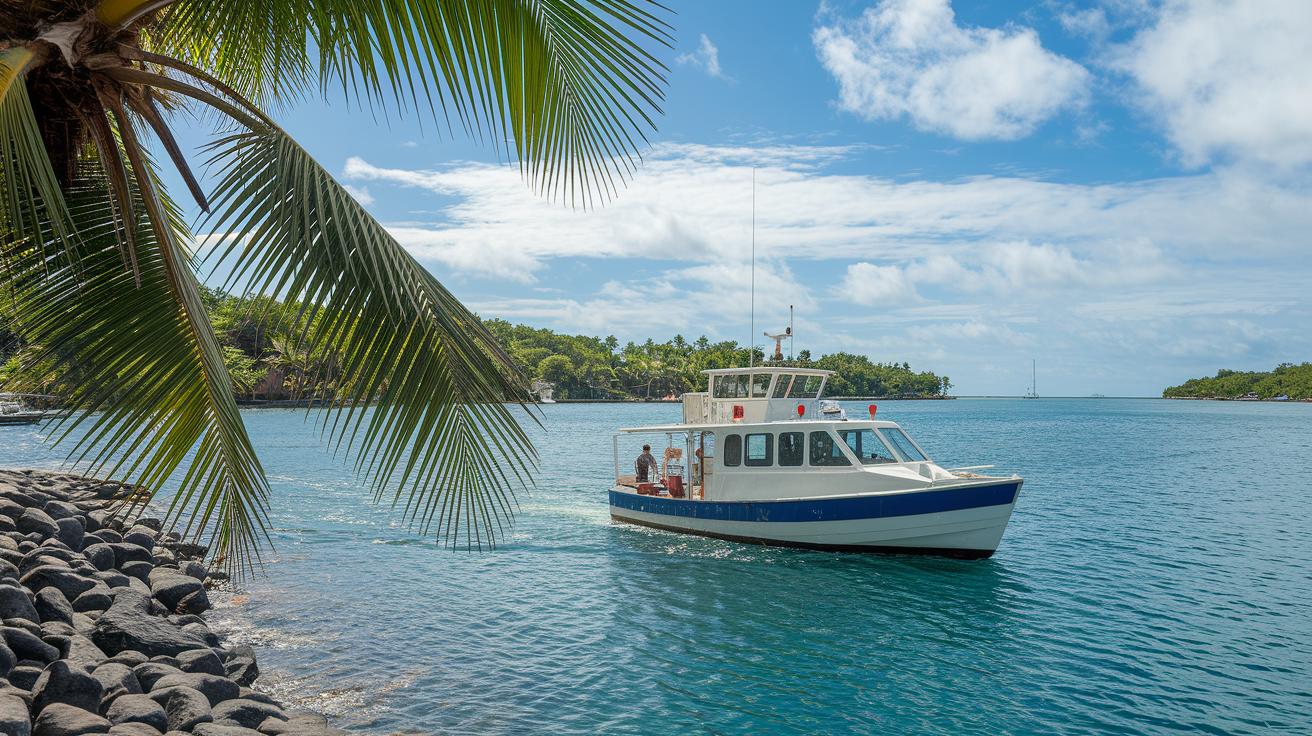
Imagine cruising the Caribbean Sea, where you feel the cool ocean breeze and see stunning island views. Whether you're hopping on a scheduled ferry along the main island corridors or grabbing the chance for a last-minute boat tour, each trip offers a little adventure. For some routes, ferries run every hour, but on smaller islands, departures might be fewer. Sure, spontaneous trips are fun, but a bit of planning goes a long way for smooth sailing.
| Vessel Type | Route | Typical Cost |
|---|---|---|
| Scheduled Ferry | Main island corridors | $20–$50 USD |
| High-Speed Hydrofoil | Popular inter-island hops | $30–$60 USD |
| Scheduled Boat Tour | Bahamas and surrounding areas | Starting at $220 USD |
| Private Charter | Ad-hoc coastal trips | Varies by captain |
When it comes to getting your ticket, you can book online or simply buy at the terminal. Booking early often means better fares, which is a bonus during busy tourist months. Some operators throw in cool extras like rides to interesting inland spots. So, next time you’re at the ticket counter, ask if there are flexible options or if a snack or drink comes along, it might just make your trip even more enjoyable.
Seasonal shifts can also change things up. Rainy weather might mean fewer departures or a slight delay for the speedy hydrofoils. Checking the schedule before departure helps keep surprises at bay. And remember, safety is always a top priority. Make sure there are enough life vests and listen carefully when the crew explains safety procedures. Local captains and resort shuttles always emphasize these details, ensuring your ride is as secure as it is beautiful.
Caribbean Air Travel: Regional Flights & Booking Strategies
Imagine zipping between the islands on a small, cozy turboprop that seats only 6 to 10 people. These intimate flights offer a friendly, local vibe with breathtaking views from every window. Just be ready for a bit of a trade-off, there’s usually no air conditioning and you’re allowed just one 15 kg bag plus a small personal item.
Flying during the quieter shoulder months can save you up to 20-30% on tickets, while the busy peak season from December to April brings higher fares and packed cabins. With such petite planes, every detail matters, from your carry-on limits to catching the right departure time.
- Book well in advance to secure a spot.
- Use airline apps to catch updates on departures.
- Pack smart with one 15 kg bag and one personal item.
- Keep an eye on shoulder season deals for better prices.
- Check airline policies on extras like snacks and drinks.
Arriving early at the airport can make check-in a breeze, even if the counters have fewer staff. Plus, if you’re planning to catch a connecting cruise, syncing your arrival with the cruise schedule can save you stress and help you keep your travel plans smooth. Enjoy every moment of that island-to-island adventure!
Caribbean Land Mobility: Buses, Taxis & Rideshare Services
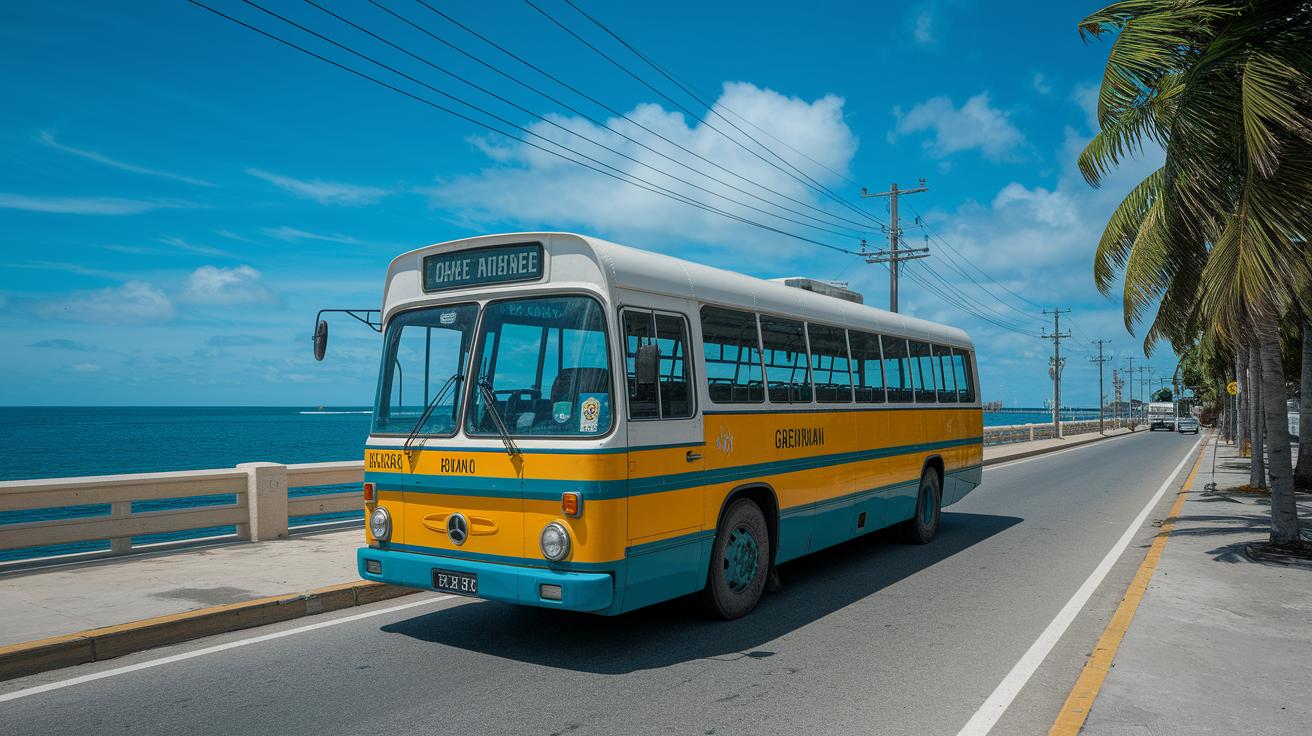
Traveling around the island is a breeze with the local ground transport. Whether you’re running errands or setting out for a short adventure, buses and taxis help you soak in every bit of the island vibe without breaking the bank. It’s like riding the pulse of everyday Caribbean life, with plenty of room for surprises along the way.
Public Bus Networks
In places like Grenada, you’ll find that buses cover different parts of the island. The main island is split into zones 1 through 9, while zone 10 will take you over to Carriacou. These buses run from Monday to Saturday, starting bright and early at 6 am and keeping on until about 9 pm. So whether you’re an early bird or enjoy a late evening ride, there’s a bus for you. And with fares usually between $1 to $3 USD, you get a genuine taste of local life without spending a lot. Tickets are often bought right on the bus or at small counters at major stops, you really feel the local flavor with every purchase.
Taxis & Ride-sharing
Sometimes you need a ride that’s a bit more direct. Taxis here generally
Caribbean Car Rental & Driving Requirements
Renting a car in the Caribbean gives you the freedom to explore at your own pace. Picture yourself driving along sun-kissed beaches and winding your way through charming, hidden villages. With your own set of wheels, every corner holds the promise of a new, delightful view.
| Agency | Age Min. | Daily Rate (USD) | Insurance Cost (USD) |
|---|---|---|---|
| Enterprise | 25+ | $60–$100 | $15–$25 |
| Dollar | 25+ | $60–$100 | $15–$25 |
| Alamo | 25+ | $60–$100 | $15–$25 |
| Local agency | 21+ | $60–$100 | $15–$25 |
Online booking sites make it a breeze to compare prices and check rental rules. You can even check out different insurance options, basically extra protection on your journey, or see if you might be all set if you already have coverage. One little tip: if you're under 25, some local agencies might ask for a small extra fee. Many travelers choose these local deals to save a few bucks while still enjoying the freedom of their own ride.
If you’re up for shorter trips or a bit of adventure, think about renting a scooter. It’s a fun and budget-friendly choice. The coastal roads are smooth and inviting, but if you plan to explore the island’s interior, map out your route first. Those roads can be a bit narrow and dim at night. Enjoy your ride, feel the warm breeze, and let the island’s laid-back spirit guide you on every twist and turn.
Caribbean Transportation Planning: Tools, Budgeting & Safety Tips
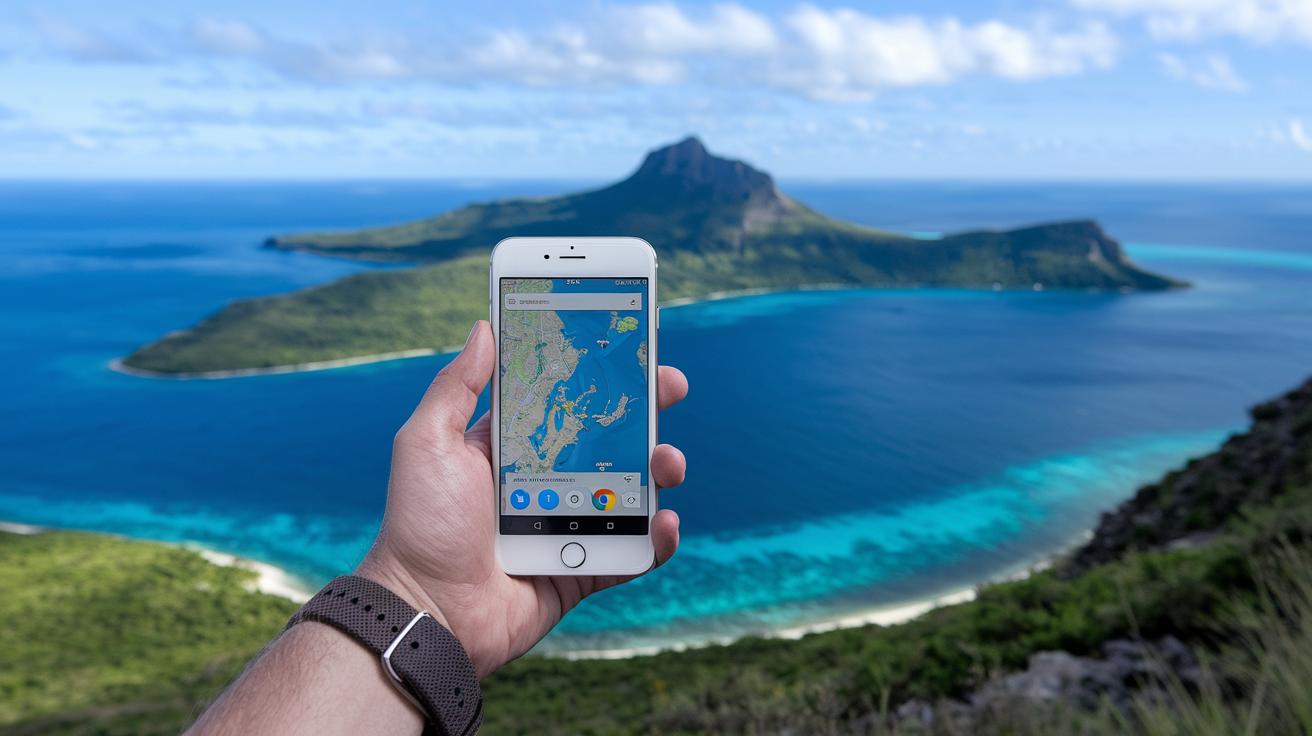
Planning your Caribbean adventure ahead of time helps everything run smoothly. Using handy digital tools can make finding your way a breeze, help you stick to your budget, and keep safety in check. When you take a few minutes to plan, you might snag off-peak deals, stay connected with a local SIM (a small chip that lets your phone work in another country), and even match your schedule with local traditions.
Here are some favorites:
- Google Maps – gives you live updates on your route, traffic, and nearby spots.
- Maps.me – a great offline map option that works even when the network is spotty.
- TripIt – neatly organizes all your travel details into one clear plan.
- Rome2rio – lets you compare different ways to hop around the islands.
- Guide to Caribbean Mobile Connectivity and SIM Options – offers tips for choosing and buying a local SIM to help you stay in touch (https://caribiana.com?p=1875).
| Tool/Platform | Key Features |
|---|---|
| Google Maps | Live navigation, traffic updates, and local business info |
| Maps.me | Offline maps, flexible route planning, and points of interest |
| TripIt | Easy itinerary organization, syncing bookings, and handy alerts |
Traveling in the Caribbean is not just about getting from A to B, it’s also about soaking in the local vibe. Locals love it when visitors pay attention to the rules, like driving on the left side in Jamaica or the right side in Puerto Rico. It never hurts to have emergency contacts ready and to double-check that the buses, ferries, or taxis you use meet safety standards (like having life-vests and clear exits). And if you want to explore in an eco-friendly way, consider hopping on e-bikes or shared shuttles to discover those secret corners of the islands. This thoughtful planning keeps your journey not only fun but also safe and connected.
Final Words
In the action, this guide covered sea, air, and land options to help you choose the best ride for your island escapes. We shared tips on costs, schedules, and smart booking so you can plan your trip with ease. Planning ahead with digital tools and staying mindful of seasonal changes makes a big difference. This friendly caribbean transportation guide brings you closer to the heart of island life and smooth travel experiences. Enjoy your exploration and soak up every sunlit moment on your trip!
