Have you ever wondered if the old pages of Caribbean writings hide a special world? Caribbean literary heritage feels like a warm sunset that brings together the islands’ rich past with their lively present. Chatting with local authors or exploring cherished texts is like sitting on a sandy beach, soaking up stories that spark new ideas. These collections are like little jars filled with colorful traditions and timeless wisdom. Today, we dive into why Caribbean literature still charms readers and keeps the deep connections between history and today alive.
Caribbean literary heritage: Radiant Cultural Brilliance

Caribbean literary heritage is a vibrant treasure chest that keeps the islands’ history and soul alive. Its stories, passed down from long ago, even before colonial times, capture both the magic of old traditions and the everyday pulse of modern Caribbean life. The UK-based Caribbean Literary Heritage project brings this legacy to life through relaxed, friendly interviews with writers like Karen Lord and Merle Collins. Blog posts from June 2018 and events such as the 25th Miami Annual Sunrise Ancestral Remembrance show that these stories continue to inspire and connect us to the past.
- Stories shared orally long ago, full of myths and wonder
- Early printed works created under the influence of missionaries and plantation life
- Postcolonial writings that explore the journey toward decolonization
- Modern tales and digital publications that speak to today’s experiences
All these forms help bring the islands’ past and present together. They remind us how Caribbean writing has grown and evolved over time, showing that every voice matters in telling the story of a rich, colorful culture. Whether you’re a scholar or simply curious, exploring these narratives helps unlock a deeper understanding of the region and sparks conversations that bridge generations.
Historical Evolution of Caribbean Literary Heritage
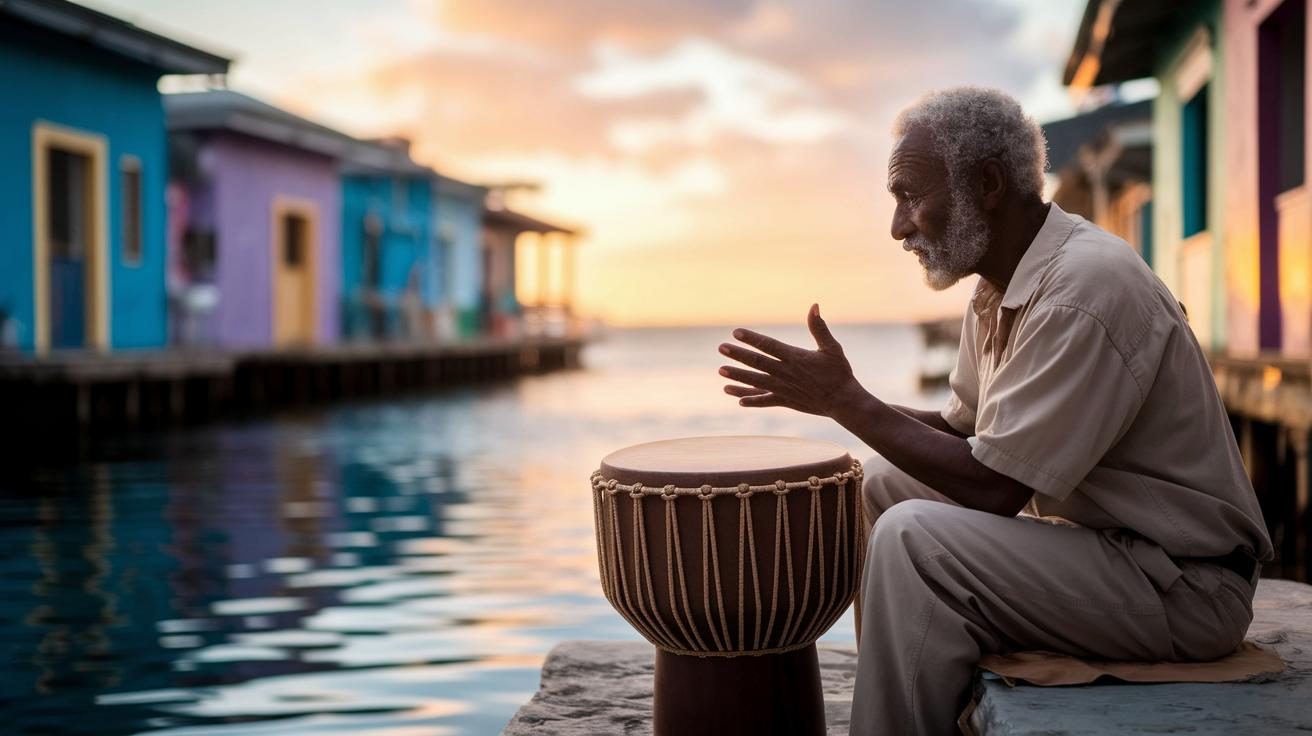
Before the colonial era, Caribbean islands came alive with oral storytelling. People would share myths and legends that captured the beauty of island life and its natural wonders. These spoken tales live on in written forms today, keeping old symbols and familiar images alive. Even early sketches of Caribbean identity hint at the style later echoed by voices like Marcus Garvey.
During colonial times, missionaries and plantation records started gathering many of the islands’ stories. They printed accounts of local folklore and everyday life, even though some ideas were shaped by outside views. These early records wrote down native traditions and first encounters, mixing rituals and live storytelling that still spark inspiration in modern works about figures such as Bob Marley.
After World War II, a wave of nationalist writings changed the Caribbean literary scene. Writers started challenging foreign ideas by highlighting local voices and their own concerns. Emerging during key times of remembering their ancestors, these texts beautifully mixed political ideas with the art of storytelling.
By the late 1900s, the world of publishing opened up to include writings in multiple languages and Creole, a mix of local tongues. The literary scene grew more colorful as authors embraced different styles beyond traditional forms. Today, this evolution continues to shape Caribbean literature, as the region remains devoted to nurturing its rich cultural legacy.
Key Contributors to Caribbean Literary Heritage
In the early 1900s, bold writers sparked a fresh literary wave in the Caribbean. They broke away from old ideas and told their island stories in simple, heartfelt language that felt just like a chat by the seaside.
Take pioneers like V.S. Naipaul and Merle Collins, for example. These early decolonial voices turned the focus inward, exploring what it meant to be Caribbean. Their work burst with rich cultural details, as if you could taste the history on your tongue. In the Ten Questions archive, their balanced mix of honest critique and celebration shines through, helping readers connect with life after colonial rule.
Then came mid-century voices such as Paule Marshall and Julia Alvarez. Their writings, filled with warmth and genuine empathy, looked at migration and the feeling of searching for home. They painted characters so real you could almost hear their stories, blending the unique island life with broader global challenges.
Today, authors like Kei Miller and Ingrid Persaud are taking Caribbean literature to new places. They mix old-school storytelling with modern digital twists and local Creole expressions. Their creative flair adds a vibrant beat to the enduring legacy of Caribbean literary heritage, ensuring that every new story is part of a grand, ever-growing mosaic.
Postcolonial Narratives in Caribbean Literary Heritage
After independence, the islands saw a burst of new voices shaping powerful stories. Local writers began to rethink old histories and create fresh ideas about identity. Their work, filled with the rhythm of native language and heartfelt passion, felt like a celebration of a region finding its true self.
Authors like Winston James and Frantz Fanon shared tales of struggle and rebirth. In books such as Holding Aloft the Banner of Ethiopia and The Wretched of the Earth, they took readers on journeys filled with real challenges and deep hope. These stories remind us of past hardships while speaking to a strong desire for change and justice.
Today, Caribbean stories weave together the past and present. Writers blend local traditions with influences from around the world to form a mix of old and new. This rich tapestry of words helps keep the vibrant spirit of the islands alive, connecting each page to the deep roots of Caribbean heritage.
Preservation and Archives of Caribbean Literary Heritage

Imagine a treasure trove of stories from the Caribbean. Digital and print projects work hard to protect this rich literary past. They gather rare manuscripts, local newspapers, and modern e-books that share the vibrant spirit of the islands. Libraries and research centers join forces to keep both old documents and new digital records safe, so no story ever gets lost.
Over in the UK, the Ten Questions project shines with its neat interview archive. The website is organized with friendly sections like My Account, Log In, About, Editorial Team, Current Issue, Book Reviews, and even a style guide for authors. It’s been updated since 2015, making it easy to jump in and explore. Picture taking a quick snapshot of the online archive or watching a short video clip of an author sharing their journey, it truly brings the archive experience to life.
Scholars also dive into these texts with mixed reviews and book features. They look at Caribbean writings alongside stories from across the Atlantic, exploring the culture, history, and art behind the words. These reviews invite you to see well-known works in a new light and to discover fresh insights into familiar themes.
As Caribbean authors experiment with digital storytelling and blend different cultures in their narratives, there is a growing need to preserve works in many languages and formats. This modern approach makes sure that both timeless texts and new digital creations continue to inspire readers and researchers for generations to come.
Final Words
In the action, this piece walked us through academic insights on Caribbean literary heritage. We explored early oral stories, colonial printed texts, and modern expressions that reveal the deep connection between local writings and cultural identity.
The article also highlighted key writers and the preserved archives that keep this heritage alive. Embracing caribbean literary heritage can spark an appreciation for how culture and creativity blend, much like a sunlit stroll along a shifting shore. Enjoy the endless charm of these island tales.
FAQ
Q: What is Caribbean literary heritage and who are its key authors and books?
A: Caribbean literary heritage refers to the region’s printed and recorded writings, shaped by local authors and their texts that mirror cultural life and history. These works capture the unique Caribbean narrative.
Q: What is the Digital Library of the Caribbean?
A: The Digital Library of the Caribbean is an online collection that offers access to historic texts, photos, and multimedia from the region. It provides a useful tool for students and researchers exploring Caribbean culture.
Q: What role do early digital archives and Caribbean Archives play?
A: Early digital archives and Caribbean Archives hold rare materials and texts that outline the region’s literary past. They bring light to historical documents and enhance research about the Caribbean’s cultural record.
Q: Who are some of the notable figures in Caribbean literary heritage?
A: Key figures include authors featured in interview projects, such as Karen Lord and Merle Collins, who have shared their work and insights. Their contributions help keep the region’s literary history alive.
Q: What digital resources support studies in Caribbean literature?
A: Digital resources like dedicated online libraries and archival projects offer searchable collections and multimedia content. These tools allow scholars and enthusiasts to explore the evolution of Caribbean writing easily.
