Have you ever thought about the hidden treasures beneath those sparkling Caribbean waves? Our scuba diving guide lets you glide into an underwater world where vibrant fish swirl around you, mysterious shipwrecks tell their old stories, and the clear blue water feels like a cool embrace.
Imagine planning your dive like packing for a perfect beach day. First, you gather your must-haves, then add a few fun extras to make the adventure even more special. Here, we share simple planning tips, the best times to dive, and local insights that help you make every moment under the sea truly unforgettable.
Caribbean Scuba Diving Guide: Key Planning and Preparation

Diving in the Caribbean is like discovering a hidden treasure. The water is clear and warm, letting you see a lively underwater world filled with over 500 kinds of fish, colorful coral, and even some cool shipwrecks. Think of planning your dive like packing for a fun trip, you start with the basics and then add in a few extra touches. I always book my 7 a.m. dives so I can catch that beautiful underwater glow.
The best time for diving is from December to April when everything is just right. If you're after a deal, you might find lower prices right after Thanksgiving or before Presidents’ Day. Early morning dives at 7 a.m. or late afternoon outings at 4 p.m. are usually less crowded, giving you a clear view of vibrant coral gardens and mysterious blue holes. And if you finish your PADI Open Water course (a beginner’s scuba diving class) before you arrive, you can spend more time exploring the depths.
Good planning is key. It can help to check out a Caribbean trip planning guide for tips on gear, booking tricks, and the best local dive spots. Whether you’re looking for a calm glide over shallow reefs or an exciting trip to a wreck site, make sure your plan has safety checks, a water temperature around 78–84°F, and a clear outline of your day. Each dive is a chance to see nature’s own show underwater. So, confirm your bookings, double-check your dive certification, and get ready to let the sun and sea fill you with wonder. Dive smart, stay safe, and soak in every breathtaking moment beneath the Caribbean waves.
Top Caribbean Dive Destinations and Signature Sites
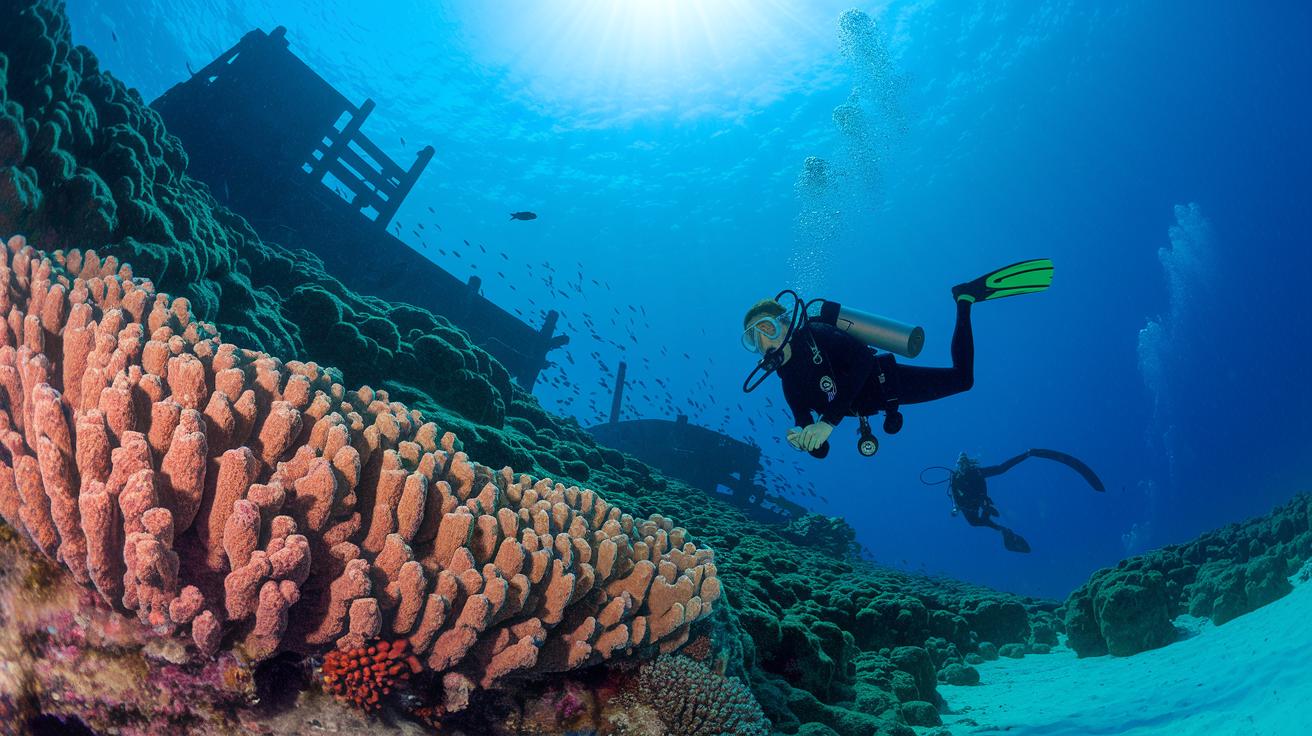
Caribbean diving is like stepping into a magical underwater world where every dive tells a different story. Each site has its own charm and lively marine life that feels straight out of a dream.
-
Cayman Islands: Here, you can go on wall dives and explore old shipwrecks. You will swim along bright coral walls and enjoy crystal clear water that lets you see up to 100 feet. Imagine the excitement when you spot a huge coral wall sparkling in the sun.
-
Bonaire: Shore diving here is easy and fun. You can simply step off the beach and into warm, clear water full of hidden treasures waiting to be discovered.
-
Bahamas: In these waters, you can dive into deep blue holes or even join shark-encounter adventures. It feels unbelievably thrilling to be so close to sleek, graceful sharks as they glide by, reminding you that the ocean is full of secrets.
-
Roatan: Thanks to nonstop flights from cities like Atlanta and Denver, Roatan is a top pick. It is home to the famous West Bay Reef, and after a day of diving, you can relax at the new Kimpton Grand Roatan which opened in 2023.
-
Cozumel: This spot is a paradise for underwater photography. Catch a glimpse of the adorable toadfish with its bright yellow edges and bold stripes that create a picture you will always remember.
-
British Virgin Islands: Here, private charters let you dive in the soft light of early morning and again when the day turns to night. Each time, the changing light brings out the magic of the underwater world.
-
Turks & Caicos: Every dive in the barrier reefs feels like a festival underwater. The thriving coral gardens and busy marine life make each moment a joyful celebration of nature.
Caribbean Marine Life and Reef Ecosystems
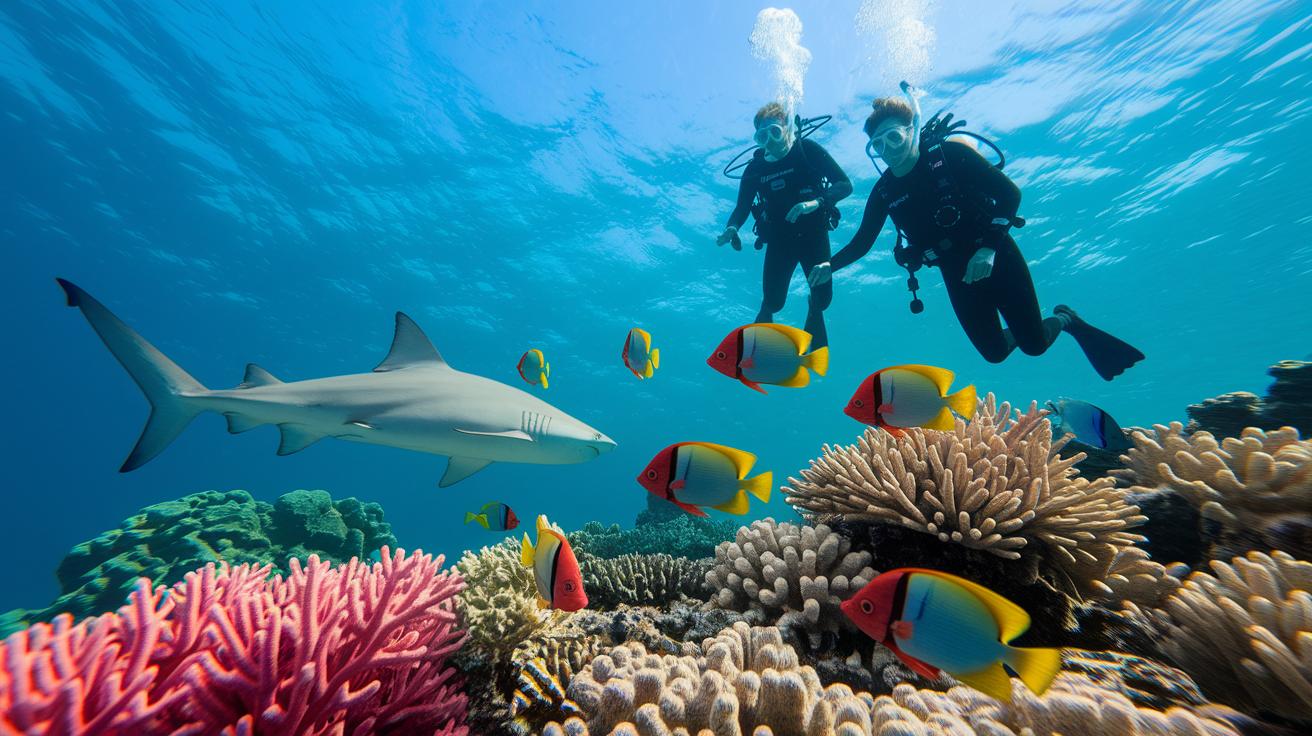
Dive into the Caribbean, and you'll quickly see a lively underwater world. Over 500 types of fish paint the ocean in bright colors, making every moment feel magical. You might find yourself gliding next to sleek angelfish, playful parrotfish, and even a nurse shark quietly cruising by. The coral here covers almost 10% of the world’s reefs. They come in different styles like fringing, barrier, and patch reefs, all blending together to make a beautiful, ever-changing picture. These reefs are safety spots and dining areas for many sea creatures, turning your dive into a real-life adventure story.
For many macro divers, the splendid toadfish is a real surprise. This little fish, with its bright yellow body accented by splashes of black, blue, and white, makes every dive feel like finding hidden treasure. And while you explore, keep a lookout for graceful green and hawksbill turtles, elegant eagle rays, and curious stingrays that add extra wonder to your experience. Each dive is a chance to feel the vibrant energy of a tropical marine ecosystem, where every creature plays its part in nature’s own colorful masterpiece.
| Species | Typical Depth Range | Common Location |
|---|---|---|
| Parrotfish | 10-30 ft | Shallow coral reefs |
| Angelfish | 10-40 ft | Barrier reefs |
| Nurse Shark | 20-60 ft | Blue holes & channels |
| Splendid Toadfish | 15-35 ft | Macro diving spots |
| Hawksbill Turtle | 20-50 ft | Coral gardens & open sea |
Seasonal Conditions and Dive Logistics in the Caribbean
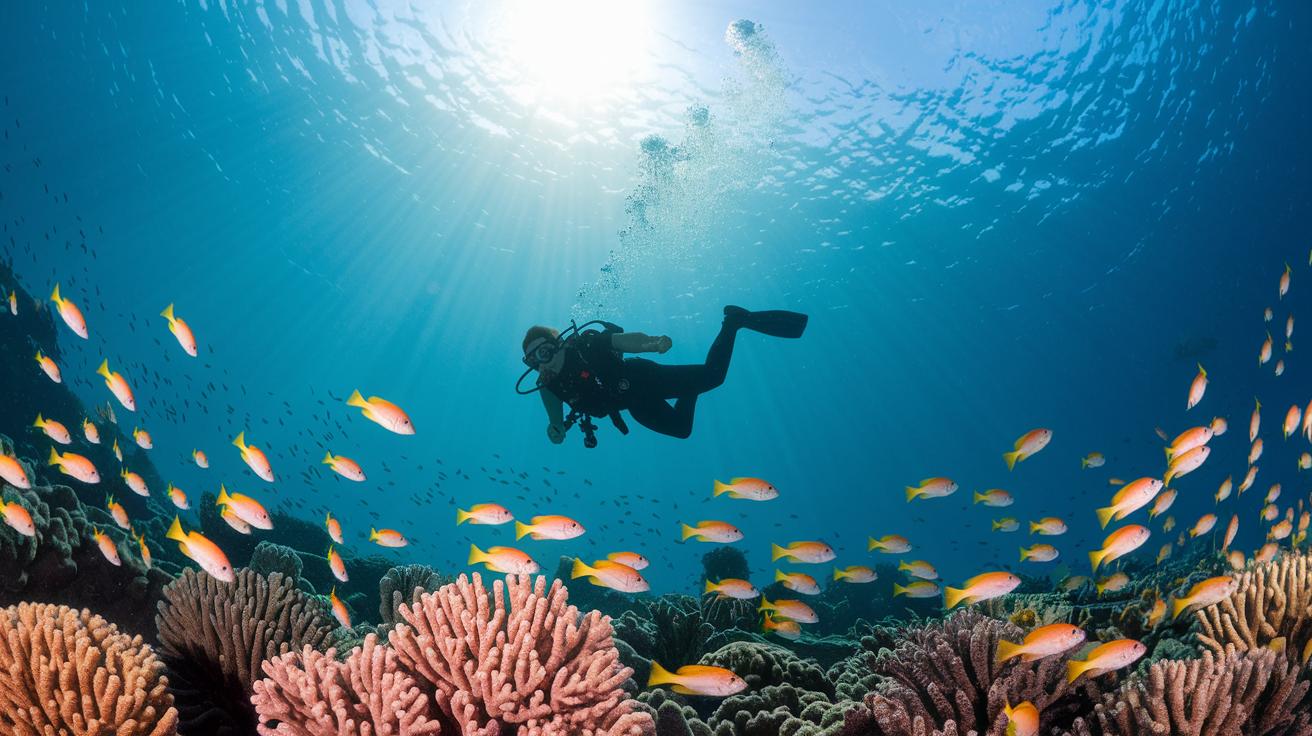
In the British Virgin Islands, the current gently guides you along a natural underwater path, almost as if the sea is giving you a soft hug. You can feel the flow as it carries you past a lively display of colorful fish, a scene that's as soothing as a quiet Caribbean afternoon.
Over in Bonaire, the waters are calm and peaceful, giving you plenty of time to really enjoy every detail of the underwater world. It's like taking a slow stroll through a vibrant underwater garden where each moment feels unhurried.
Many liveaboards and dive charters offer trips that stretch over several days, so you get to experience the unique vibe of each location. Imagine starting your adventure with a dynamic dive in the current-rich British Virgin Islands, then moving on to the laid-back, clear waters of Bonaire. Each spot brings its own special flavor to the dive.
When planning your dive days, keep an eye on the local currents and weather. This way, you'll have a dive that feels perfectly tuned to the natural rhythm of the sea, letting you explore without any unnecessary repeats.
Dive Certification and Training in the Caribbean
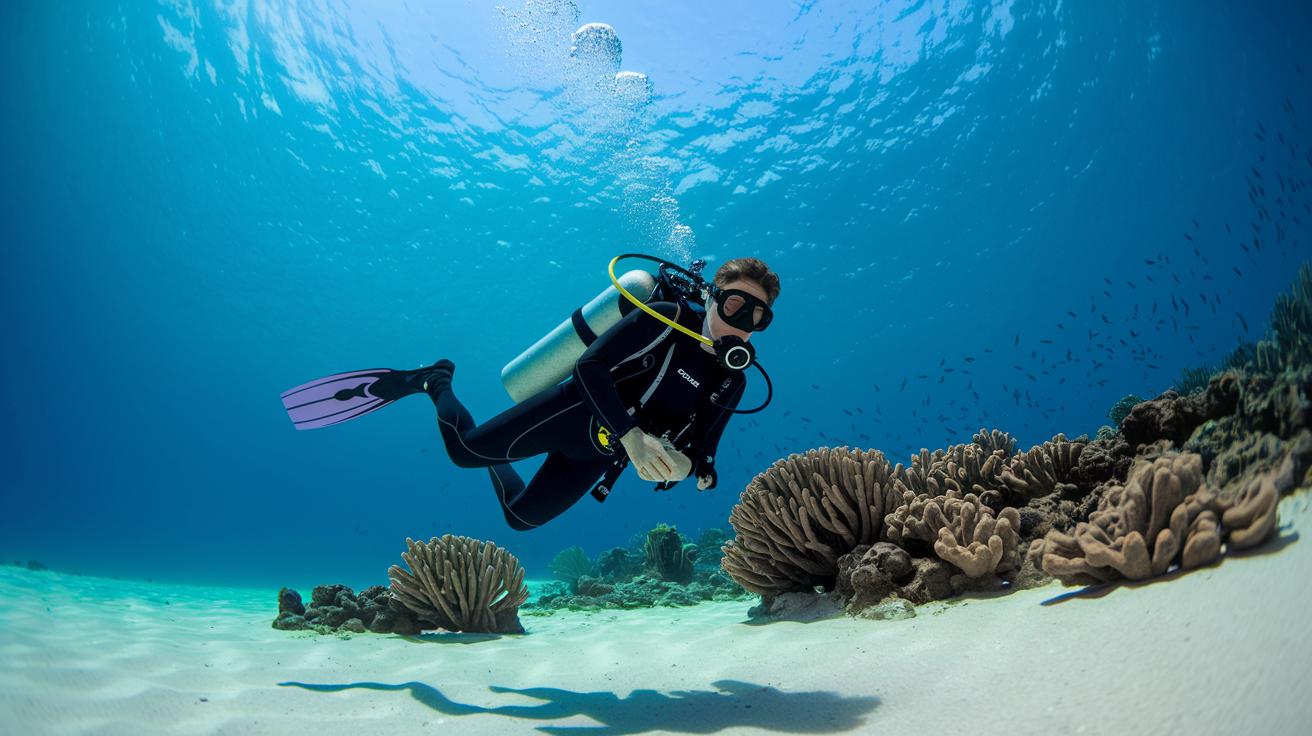
When you get scuba certified in the Caribbean, you'll be in the water in no time and feel safe doing it. Local dive schools offer classes for everyone, whether you're just starting out or looking to dive deeper. Many people choose friendly PADI courses like Open Water, Advanced Open Water, Night Diver, or Divemaster. Finishing your Open Water referral before you leave means more time splashing around and less time in the classroom.
Most courses keep things relaxed with a great teacher-to-student ratio, usually one instructor for every six divers. This setup means you get the personal attention you need. And if you're ready for a bit more adventure, many resorts also offer SSI dive training, a trusted system similar to PADI that helps you build your skills while enjoying the clear, warm waters.
Getting proper training does more than boost your underwater skills; it also builds your confidence to lead others beneath the waves. Professional certifications like Divemaster let you guide dives and connect with the ocean on a whole new level. Imagine leading a dive tour, using your training to let others see the vibrant coral reefs and fascinating marine life up close.
So, start your training early. That way, when you arrive on the island, you'll be ready to dive straight into the underwater wonders with total confidence.
Key Scuba Gear and Safety Tips for Caribbean Diving
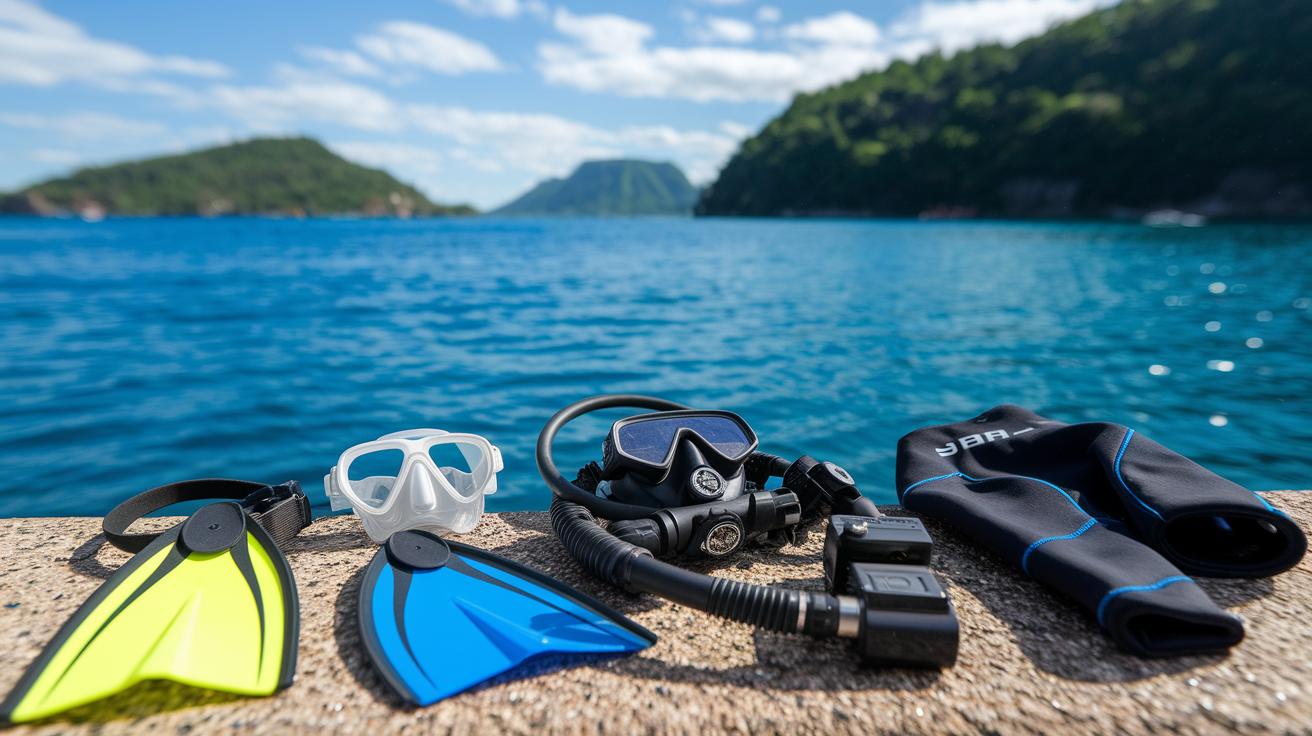
Before you jump into the clear blue Caribbean waters, make sure you have all your gear checked off. A quality mask, snorkel, and fins are your basics. Then you need a buoyancy control device (BCD, which helps you move smoothly underwater), a regulator, dive computer, and a snug 3 mm wetsuit. All this gear not only makes your dive comfortable but also lets you focus on the stunning underwater world around you.
Here's a simple checklist to get you started:
- Mask, snorkel, and fins
- BCD, regulator, and dive computer
- 3 mm wetsuit for warm, tropical waters
- A small photography kit with a housing and macro lens to capture rare marine life, such as the charming toadfish
Don't forget a few health essentials. Keep some alcohol-based ear drops to prevent discomfort, reef-safe sunscreen that protects your skin while caring for the coral, and a bit of topical Benadryl if you ever get a coral irritation. These little extras help you enjoy your dive without any worries.
Safety comes first on every dive. Always do a buddy check with your dive partner before heading into the water. This means double-checking that everyone is ready and all gear is secure. Also, keep a respectful distance from the reef. This simple rule protects the delicate sea life and helps preserve the beauty of the ocean.
Adding dive insurance with evacuation coverage is another smart move. Think of it as a safety net that gives you the freedom to explore every hidden corner beneath the waves. So, relax, take your time, and let the ocean do its magic.
Caribbean Scuba Diving Guide: Radiant Underwater Wonders

Caribbean scuba diving is all about soaking in the magic beneath the waves. Imagine plunging into clear blue waters where every dive feels like stepping into a secret world. Around places like the BVI and near Key West, divers can explore historic shipwrecks like HMS Rhone and USNS Vandenberg , remnants of a bygone maritime era that sit among thriving marine life.
Night dives bring a whole new vibe. After sunset near Grand Cayman and Cayman Brac, the water lights up with bioluminescent plankton, making it look almost magical. With red-filter video lights in hand, divers glide through dark waters, and suddenly you catch a glimpse of rare creatures like the brilliant toadfish or the sneaky frogfish. It's an experience that's both eerie and beautiful.
For the underwater photographer, every dive is a chance to capture a living masterpiece. The unique color of the toadfish, with its eye-catching pattern, and the quirky shape of the frogfish coming to life in low light, are moments you'll cherish. And those red-filter lights? They turn the dark sea into a natural canvas, highlighting every colorful detail.
Being eco-friendly is a big part of the adventure too. Many diving operators encourage using reef-safe sunscreen to keep fragile corals and creatures safe. There’s also a no-touch rule in many spots, helping maintain the natural beauty of the ocean floor. Some tours even include picking up marine debris, giving divers a chance to protect the sea while enjoying its wonders.
Whether you're new to scuba diving or a seasoned explorer, there’s something special for everyone in the Caribbean. Each trip respects the ocean with simple, eco-friendly steps, ensuring that every dive is as sustainable as it is unforgettable. By following these guidelines, you become a part of preserving the vibrant underwater world for years to come.
Final Words
In the action, we broke down the steps of planning a Caribbean scuba diving guide. We talked about when to dive, best sites to explore, and the gear to pack for a safe, exciting dive.
The post covered dive certification steps, eco-friendly tips, and how to enjoy the vibrant marine life in slow, relaxed water. Enjoy your dive, and may your experience be as unforgettable as a day spent under warm Caribbean waters.
FAQ
Caribbean scuba diving guide pdf
The Caribbean scuba diving guide pdf offers a compact resource with detailed dive locations, seasonal tips, essential gear lists, and certification advice to help you plan your trip efficiently.
Free Caribbean scuba diving guide
The free Caribbean scuba diving guide provides a complete overview of dive destinations, planning tips, safety guidelines, and local highlights—all available at no cost for quick and accessible planning.
Caribbean scuba diving guide for beginners
The Caribbean scuba diving guide for beginners explains required certifications, recommended gear, and safe dive spots. It simplifies early dive planning to boost your confidence and make your first dives enjoyable.
Best scuba diving in Caribbean for beginners
The best scuba diving in the Caribbean for beginners offers calm waters, easy-to-access reefs, and clear visibility. Spots like Bonaire’s shore dives create a safe, friendly environment perfect for new divers.
Best Caribbean scuba diving guide
The best Caribbean scuba diving guide delivers a detailed overview of top dive sites, seasonal strategies, safety tips, and local marine highlights to help you maximize your underwater experiences.
Best diving Caribbean November
The best diving in the Caribbean in November features milder conditions, fewer crowds, and attractive pricing, giving you a relaxed dive experience while still providing rich marine life and clear waters.
Best diving Caribbean December
The best diving in the Caribbean in December offers calm seas, clear water, and vibrant marine encounters as the islands hit peak season; early planning and pre-trip referrals make the most of your dive time.
Scuba diving the Caribbean, Bonaire, Cayman Islands, Turks and Caicos Islands, Belize, Curaçao, Dominica
Scuba diving across these Caribbean spots provides a mix of experiences—from Bonaire’s shore dives, Cayman Islands’ wall dives, Turks and Caicos’ barrier reefs to Belize, Curaçao, and Dominica’s unique underwater scenes—ensuring something special for every diver.
