Ever wonder how a burst of bold adventure turned the Caribbean into a lively mix of cultures? In 1492, fearless sailors landed on these warm, sunlit shores, sparking a tale filled with power moves and busy trade. Their daring steps mixed with local traditions, creating a blend you can still feel in the air today. This story shows how early explorers reshaped the islands, leaving behind a colorful legacy that shines in every sun-kissed spot.
Caribbean Colonial History: Colorful Legacy

Back in the late 15th century, European explorers set out on daring journeys across unmapped seas, eager to explore new worlds. In 1492, Columbus and his crew first stepped onto the sun-warmed shores of the Caribbean, sparking curiosity among many countries. Early trips like these did more than just add pages to history books, they set the stage for busy sea routes and bustling trade.
Soon after these first meetings, European nations started claiming these bright new lands. Spain led the way, and before long, France, Britain, and the Netherlands joined in. They set up systems of land grants and local administrations to control trade in gold, pearls, and timber. What began as adventurous exploration quickly grew into a planned strategy, paving the way for centuries of European influence.
| Year | Event |
|---|---|
| 1492 | Columbus lands in the Caribbean |
| 1503 | Introduction of the encomienda system |
| 1511 | Conquest of Cuba |
| 1522 | Establishment of the Santo Domingo council |
| 1539 | Construction of the San Juan fortress |
| 1555 | Arrival of French forces in Haiti |
| 1605 | Dutch privateers make their mark |
As time went on, the effects on the native peoples became very real. The Taíno and other indigenous groups saw their traditional ways shaken by these sudden changes. New trade routes blossomed, linking local communities with broader markets for things like sugar and timber. And even though these shifts brought many struggles, they also helped form the vibrant, mixed cultural tapestry that makes the Caribbean so unique today.
Spanish Era in Caribbean Colonial History
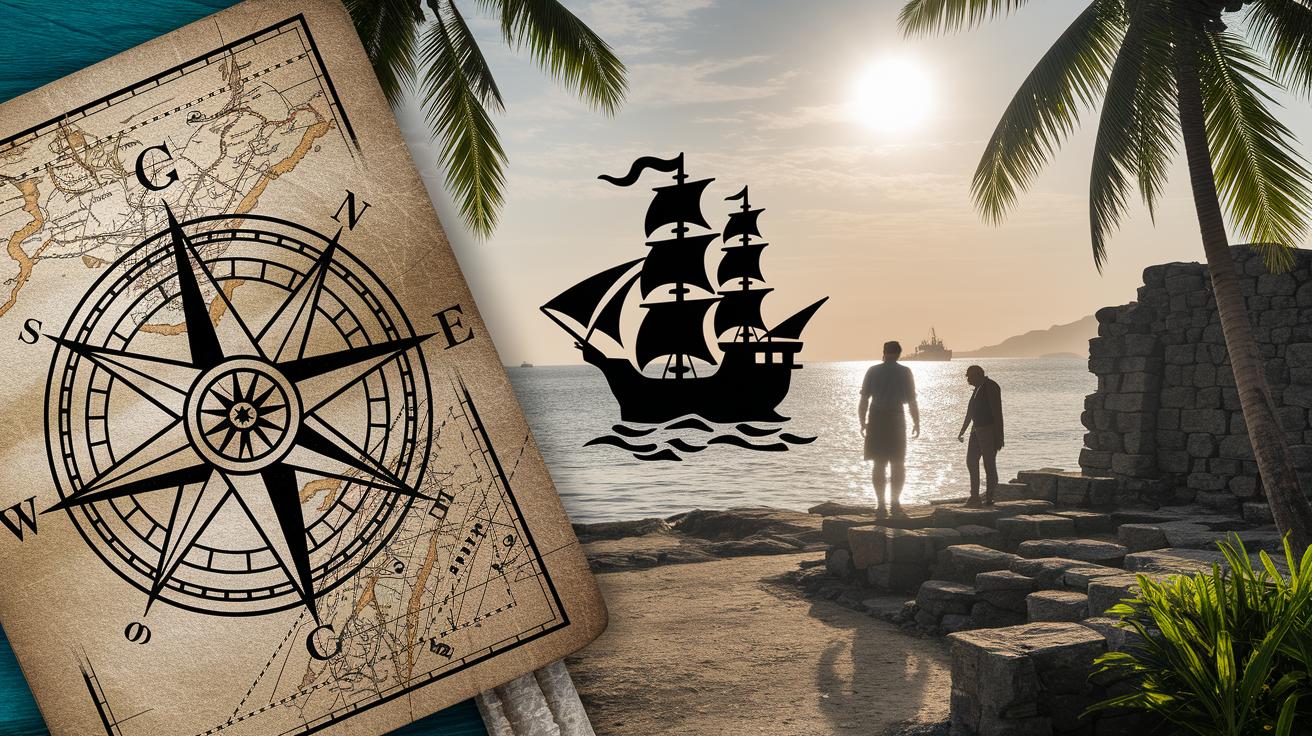
In 1492, Columbus set sail into the unknown and opened a whole new world for Spain. His daring trips sparked a wave of exploration that let Spanish adventurers claim much of the Caribbean's sun-drenched islands. They mixed with the locals and spread Spanish influence, which you can still feel today in the vibrant language and culture.
And then there was the power of strong military might. The Spanish built impressive forts to guard key harbors. Take La Fortaleza in San Juan, built in 1539, it stands as one of the oldest and most remarkable forts in the region. Or consider Castillo San Felipe de Barajas in Cartagena, finished in 1657; its robust design still inspires awe. These structures weren't just built for defense; they showed the empire's determination and helped control important sea routes that connected diverse worlds.
At the same time, Spanish authorities pushed for a cultural shift by encouraging religious change and refined map-making. Missionaries worked to establish Catholic parishes, inviting Taíno survivors into communities where European and local traditions blended. Meanwhile, talented explorers like Juan de la Cosa produced detailed maps that captured the islands in a way no one had before. This mix of strength, faith, and discovery laid the groundwork for the Caribbean's rich heritage for generations.
French Era in Caribbean Colonial History
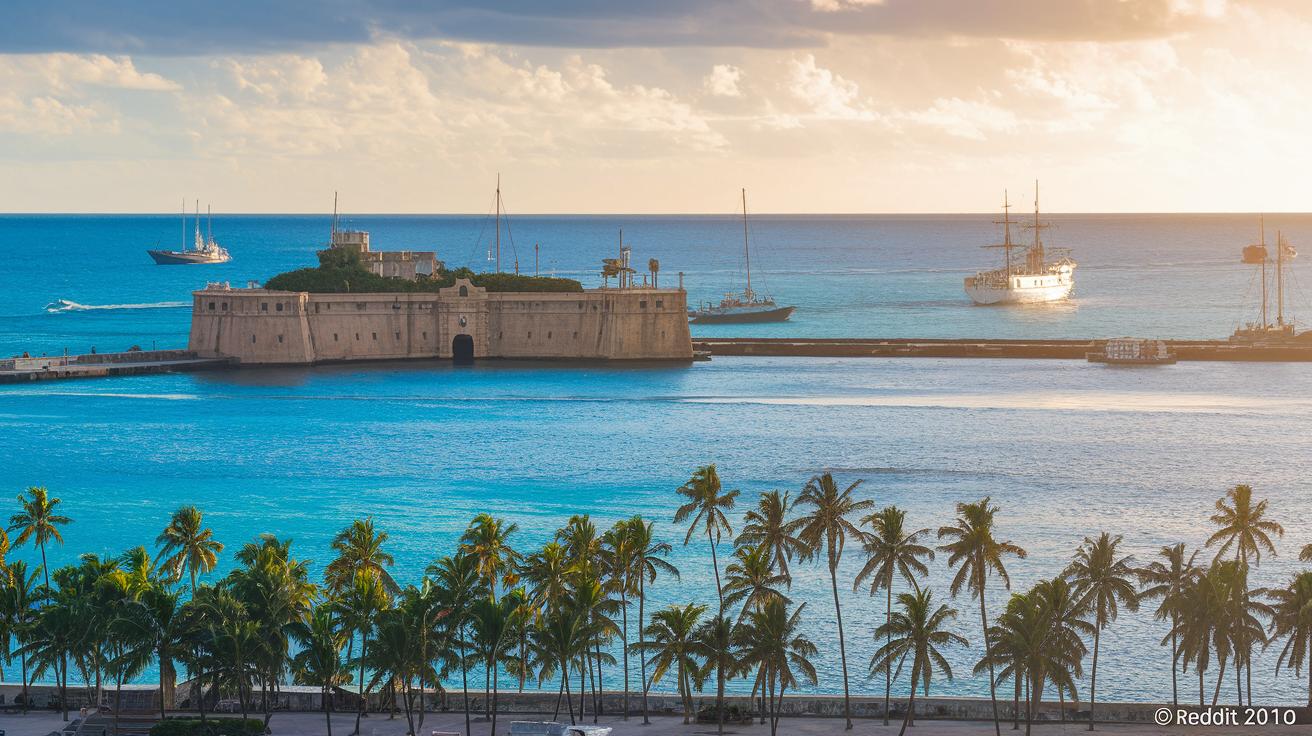
France arrived in the Caribbean back in 1635 by taking over Martinique and Guadeloupe. Over time, these islands were organized as overseas departments, and you'll still notice that they use the euro today. The French set the stage for a thriving sugar plantation economy that deeply touched local lives.
As the sugar plantations spread across the islands, French officials put in place systems to protect and grow these valuable resources. Busy ports buzzed with trade linking Caribbean harbors to European cities like Nantes and Bordeaux, spreading French culture and boosting the islands' economic importance.
- Fort Saint-Louis (Martinique, 1693)
- Fort de la Reine (Guadeloupe, 1702)
- Fort Napoléon (Martinique, 1720)
French influence didn’t just stop at economics. It planted roots that run deep in everyday Caribbean life. Local laws still reflect French administrative styles, and the French language remains a proud marker of cultural identity. Even the early missions helped set up educational systems that continue to mold legal and cultural practices. All this means that French traditions blend seamlessly with the relaxed, sun-soaked rhythm of island living, a true legacy felt in every corner of these vibrant communities.
British Era in Caribbean Colonial History
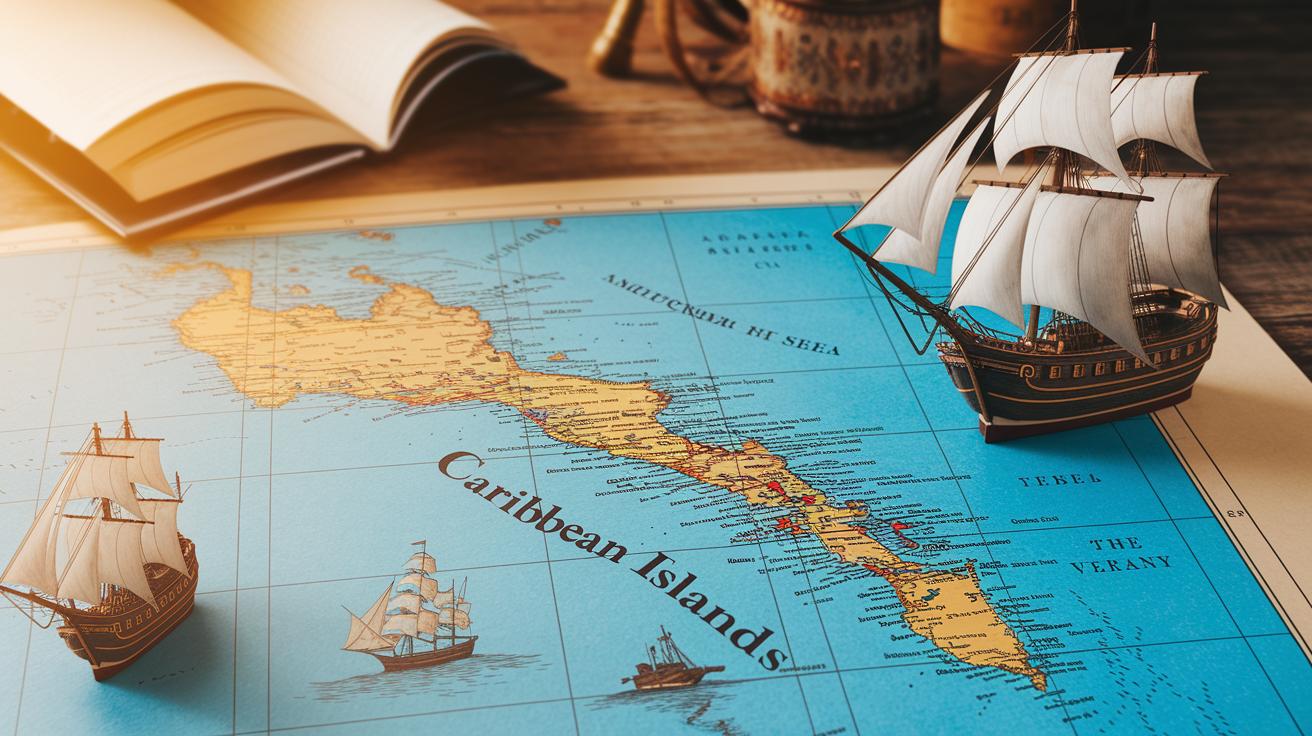
Britain started building its Caribbean empire by taking over Barbados in 1627, Jamaica in 1655, and Trinidad in 1797. They wanted to boost trade and set up key bases in the islands. They weren’t just chasing money; they also wished to shape local governments. Even today, you can see little hints of their influence in the Caribbean's politics and culture.
Naval power was a big part of their plan. Port Royal, founded in 1655, was a busy base that helped launch military actions and trade voyages. Imagine ships loaded with sugar, tobacco, and molasses bouncing back and forth between the Caribbean and Europe, filling British banks and merchant houses with wealth. This steady flow of goods linked the islands to global markets and made British control even stronger.
The plantation systems relied heavily on forced labor, which made deep social divides and set up long-lasting economic structures. This harsh system not only influenced the islands’ social classes but also left a mark on Caribbean society that can still be felt today.
Dutch Era in Caribbean Colonial History

Back in the day, the Dutch set up key bases all over the Caribbean. They landed on Curaçao in 1634, on Aruba in 1636, and on St. Maarten in 1648. These spots soon grew into busy trading hubs where the Dutch handled goods like salt, fabrics, and spices. Their islands became important stops on the transatlantic routes, linking European markets with Caribbean treasures. It almost feels like these ports greeted traders with warm smiles, promising steady exchanges and lively commerce.
Meanwhile, Dutch privateers added a bold twist to the story. Sailing with special permission called letters of marque (which let them legally attack enemy ships), they took on Spanish and Portuguese fleets, shaking up the sea lanes. Their daring adventures helped weave the Caribbean into a vast global trade network led by the Dutch Republic. This clever mix of setting up settlements and daring privateering really defined the Dutch influence across the region.
Plantation Economies and Slavery in Caribbean Colonial History

From the 1600s to the 1800s, the Caribbean changed a lot thanks to sugar farms and big plantations. In places like Jamaica, Martinique, and Barbados, planters set up huge estates that relied on the forced work of enslaved Africans. These people were brought across the Atlantic using well-known routes, and by about 1780, sugar production was at its highest. Every year, islands produced more than 500,000 tons of sugar, which helped build a strong market and a lasting economy in the region. Their hard work, the very real harsh treatment they suffered, and the growing bond among them left deep ethical wounds, a painful part of history that still shapes the islands’ culture and identity today.
Life for the enslaved was incredibly tough. Working conditions were brutal, and loss was a constant companion, yet their spirit of resilience shone through. Their forced journey and survival played a big role in forming the African diaspora culture in the Caribbean, influencing music, food, and religious practices. Even in such sorrowful times, many vibrant cultural traditions emerged as signs of hope and strength. These stories not only changed who lived where but also still echo in the way Caribbean people speak, cook, and celebrate their shared heritage.
| Colony | Peak Crop | Annual Output |
|---|---|---|
| Jamaica | Sugar | 200,000 tons |
| Martinique | Sugar | 150,000 tons |
| Barbados | Sugar | 100,000 tons |
| Hispaniola | Coffee | 30,000 tons |
| Trinidad | Cocoa | 20,000 tons |
Some major moments marked these times, such as Tacky’s War (1760), the Haitian Revolution (1791–1804), Vincent Ogé's Conspiracy (1790), the Demerara Rebellion (1823), and the Amistad Revolt (1839). Each event tells us more about the struggles and the fight for dignity that echo through Caribbean history.
Resistance and Indigenous Responses in Caribbean Colonial History
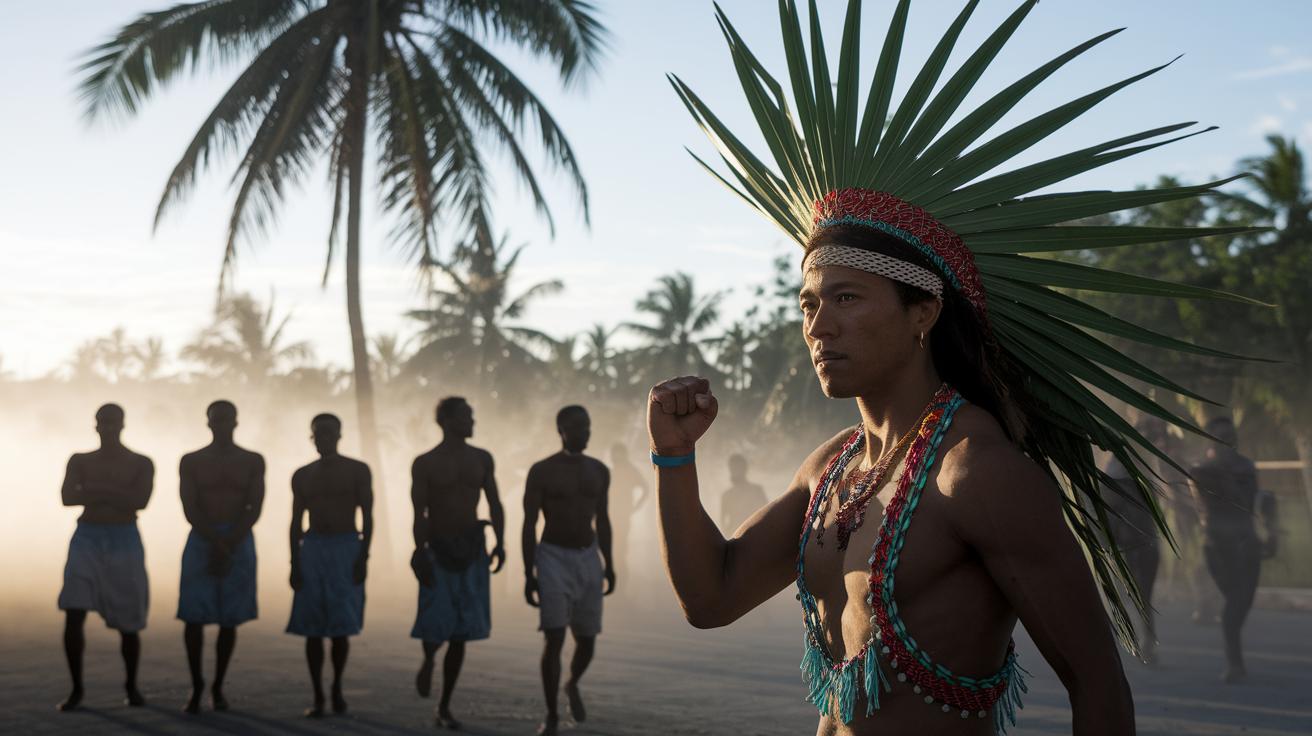
Right from the start, the Taíno and other native communities held their ground with fierce determination. They didn’t let new colonizers simply take over; instead, they fought hard to protect their land and keep their way of life alive. Their brave actions set the stage for later revolts by enslaved Africans, who, dealing with brutal forced labor, also refused to accept their imposed lives.
Here are some key moments that capture this spirit:
- Taíno Uprisings (1511–1530)
- Tacky’s War in Jamaica (1760)
- Haitian Revolution (1791–1804)
- Bussa’s Rebellion in Barbados (1816)
- Demerara Slave Uprising (1823)
- Baptist War in Jamaica (1831)
These acts of defiance sparked deep cultural shifts across the Caribbean. Early uprisings didn’t just challenge the colonizers, they also helped reimagine how power and society could be organized. The united resistance of indigenous communities and enslaved Africans paved the way for a rich Afro-diasporic heritage that still resonates today. Their courage has helped preserve native languages and customs, reminding us that cultures grow and evolve through struggle. Ever notice how the resilient spirit of these islands feels like a warm, inspiring breeze?
Post-Colonial Legacies of Caribbean Colonial History

Since the mid-1800s, many Caribbean islands began writing a brand new chapter in their history. Haiti, for example, took a bold step toward self-rule back in 1804. Later on, islands like Jamaica and Trinidad & Tobago celebrated their freedom in the early 1960s. These moments marked a time when colonial powers stepped aside, letting local voices lead the way. And even in places like Martinique and Guadeloupe, where full independence wasn't declared, the push for self-determination sparked everyday conversations about identity and culture. Old systems slowly made room for new laws about land, but many economies still relied on big crop exports, creating a unique mix of old traditions and fresh ideas.
- Haiti – 1804
- Dominican Republic – 1844
- Jamaica – 1962
- Trinidad & Tobago – 1962
- Barbados – 1966
- Bahamas – 1973
As these nations embraced independence, they also faced tough socio-economic challenges that still influence life today. Changes in land ownership meant that while traditional practices evolved, many islands continued to depend on a single crop, making their economies sensitive to market ups and downs. At the same time, the blending of languages, religions, and customs, like the everyday use of Papiamento, helped shape distinct local identities. This vibrant cultural mix, born from both indigenous roots and Afro-diasporic traditions, comes alive in lively festivals, colorful neighborhoods, and even in simple, everyday chats. It’s a reminder that the struggles and successes of the past continue to live on in the heart of the Caribbean.
Final Words
In the action, we sailed through European exploration and early imperial influences, showing how indigenous societies changed with new maritime routes and trade networks. We explored how Spanish, French, British, and Dutch eras each left their mark, shaping fortifications, cultural shifts, and ethical travel practices. We also saw how resilient local responses paved the way for a rich legacy. Every chapter of Caribbean colonial history reveals new layers of human spirit and cultural blending. Enjoy this timeless glimpse into the past and look forward to more bright moments ahead.
FAQ
What is the timeline of Caribbean colonial history?
The Caribbean colonial history features key events starting with Columbus’ 1492 landing, the establishment of early colonies and trade networks throughout the 16th and 17th centuries, and evolving political changes into the modern era.
Who colonized the Caribbean?
The Caribbean was colonized primarily by Spain, France, Britain, and the Netherlands, each leaving distinct cultural, linguistic, and legal legacies that continue to influence the region.
When did colonialism begin in the Caribbean?
Colonialism in the Caribbean began in the late 15th century with Christopher Columbus’s voyage in 1492, initiating European expansion and significant changes to indigenous societies.
Why did the British colonize the Caribbean?
The British established colonies in the Caribbean to secure strategic naval bases, expand trade through transatlantic commerce, and cultivate cash crops like sugar using plantation systems.
Which ethnic group came to the Caribbean first?
The indigenous peoples, such as the Taíno and Carib, were the first to settle in the Caribbean long before European explorers arrived and introduced colonial rule.
What are some examples of British Caribbean colonies?
Notable British Caribbean colonies include Barbados, Jamaica, Trinidad and Tobago, the Bahamas, and the British Virgin Islands, all of which played important roles in regional history.
How can I access reliable resources on Caribbean colonial history?
Reliable resources include detailed Wikipedia articles and historical PDF documents that offer comprehensive timelines and overviews, helping to illuminate the impacts of colonial rule in the Caribbean.
What are the effects of colonialism in the Caribbean?
Colonialism in the Caribbean reshaped cultural identities, demographics, and economies, creating lasting influences on language, social structures, and local traditions that persist today.
