Ever wonder why your photos sometimes miss that genuine island vibe? It might be because your camera isn’t set up just right. When you switch to manual mode, you can control the light using settings like aperture (how wide your lens lets light in), shutter speed (how long your camera takes each shot), and ISO (how bright or dark your image comes out).
This simple trick makes a big difference whether you're snapping sunlit beaches, colorful street scenes, or lively markets. Soon, you’ll learn how a few adjustments can capture the true feel of the Caribbean in every picture. Get ready to see these islands in a fresh, eye-opening way.
Caribbean Photography Essentials: Techniques and Settings
Manual mode is your secret weapon for capturing the bright, lively spirit of the Caribbean. When you switch to manual, you control the aperture (that’s the size of the opening in your lens), shutter speed (how long your camera sensor sees light), and ISO (how sensitive your camera is to light). This trio, called the exposure triangle, lets you adjust quickly, whether you're snapping a sunlit beach or a softly lit lagoon.
Every island has its own vibe, so it helps to change up your settings based on what you see. For example, try a wide aperture at Cornwall Beach to get those dreamy, blurred backgrounds, and use a fast shutter speed to freeze surfers riding the waves. In the textured streets of Old San Juan, a careful ISO choice keeps details sharp. And when you’re near waterfalls, a slower shutter speed with an ND filter (which cuts down extra light) makes the water look silky and smooth.
Here's a quick cheat-sheet for some settings:
| Scene | Aperture | Shutter Speed | ISO | Notes |
|---|---|---|---|---|
| Beaches | f/8 | 1/200 sec | 100 | Clear water and a sharp horizon |
| Waterfalls | f/16 | 1/4 sec | 200 | Use an ND filter for smooth effects |
| Markets | f/5.6 | 1/100 sec | 400 | Great for indoor lighting |
| Colonial Streets | f/7.1 | 1/250 sec | 100 | Highlighting architectural details |
| Bioluminescent Lagoons | f/2.8 | 1/15 sec | 1600 | Captures that mystical glow |
And here’s another tip: try using the rule of thirds to place key parts of your scene just off-center. Imagine framing a row of palm trees or a
Caribbean Lighting Insights and Timing
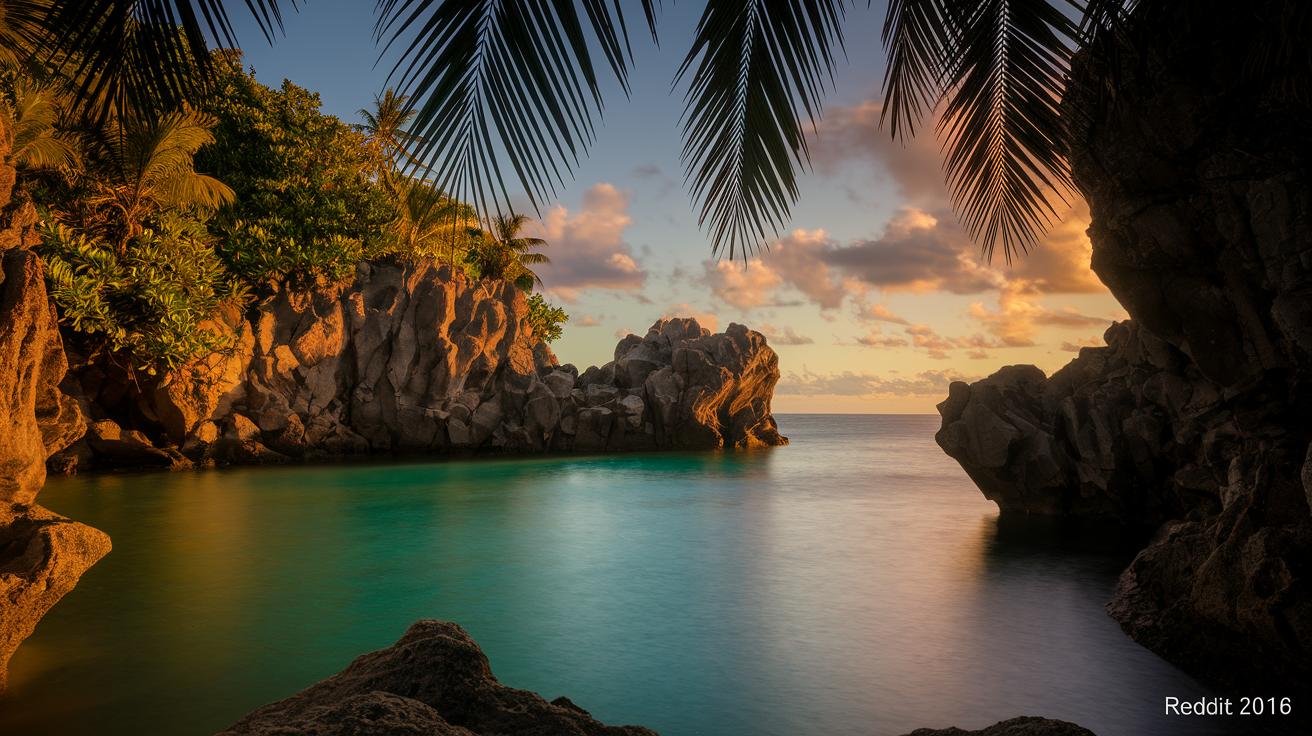
Caribbean light casts a spell on every photo you take. During the golden hour, warm and soft light makes beaches and old landmarks glow. Think of The Baths or Mustique bathed in a gentle golden hue that seems to make everything shine.
Early in the morning, the sky fills with a soft, pastel glow that slowly lifts the low-horizon clouds. At spots like Playa Chiquita, this gentle light transforms the landscape into a peaceful scene, setting a calm mood for the day and helping you decide when to snap that perfect shot.
Under the clear night sky, the magic continues. Imagine a bioluminescent lagoon like Jamaica’s Luminous Lagoon, where the water sparkles under moonlight. With a high ISO and wide aperture (which lets in more light), you can capture the dancing glow and dramatic shadows created during sunsets. Checking local weather guides can help you plan sessions around these ideal moments, from Tobago Cays to Grand Cayman, timing is key when the night sky meets radiant waters.
| Time Period | Ideal Sky Conditions | Recommended Locations |
|---|---|---|
| Golden Hour | Soft, warm light | The Baths, Mustique |
| Dawn | Pastel hues, lifting clouds | Playa Chiquita |
| Dusk | Deep shadows, vibrant glow | Tobago Cays, Grand Cayman |
Caribbean Photography Hotspots: Top Locations and Tips
The Grenadines
Imagine a group of 32 islands, each with its own charm. Mustique lights up with fiery sunsets, while Tobago Cays invites you to dive into a world beneath the waves. Every spot here feels relaxed, making it easy to capture the magic of island life.
• Tip: Shoot during sunset when natural light creates stunning silhouettes against the horizon.
The Baths (Virgin Gorda)
Step into a natural wonder on Virgin Gorda where giant granite boulders and winding tidal pools create a maze of light and shadow. It’s a perfect place to tell a visual story, with nature’s textures mixing beautifully with the expansive sky.
• Tip: Use a polarizing filter to boost contrast and saturate those eye-catching colors.
Dunn’s River Falls (Jamaica)
Jamaica's Dunn’s River Falls is nothing short of spectacular. Water tumbles down in a terraced cascade of 180 feet, offering a perfect scene to play with long-exposure photography. You might even capture water that looks smooth and silky.
• Tip: A tripod and an ND filter will help smooth the water while keeping every detail around you sharp.
Old San Juan (Puerto Rico)
Old San Juan is a blend of history and modern charm. Cobblestone streets and pastel colonial buildings come alive early in the morning with soft, diffused light, setting the perfect stage for urban storytelling.
• Tip: Early morning shots help capture gentle shadows and soft, natural light.
Seven Mile Beach (Grand Cayman)
Imagine a stretch of powdery white sand lined with graceful palm trees. Seven Mile Beach is just that, a place where every picture tells a story of laid-back Caribbean vibes and lifestyle moments.
• Tip: Try different framing techniques to naturally include the palms and shoreline in your images.
Montego Bay (Jamaica)
Montego Bay combines the buzz of local culture with serene coastal beauty. From the vibrant energy near Cornwall Beach to the calm vibes at Doctor’s Cave Beach, there’s a mix of lively and tranquil scenes waiting for your lens.
• Tip: Experiment with creative angles to capture both the excitement of local life and the peaceful ocean views.
Caribbean Photography Gear: Equipment Recommendations
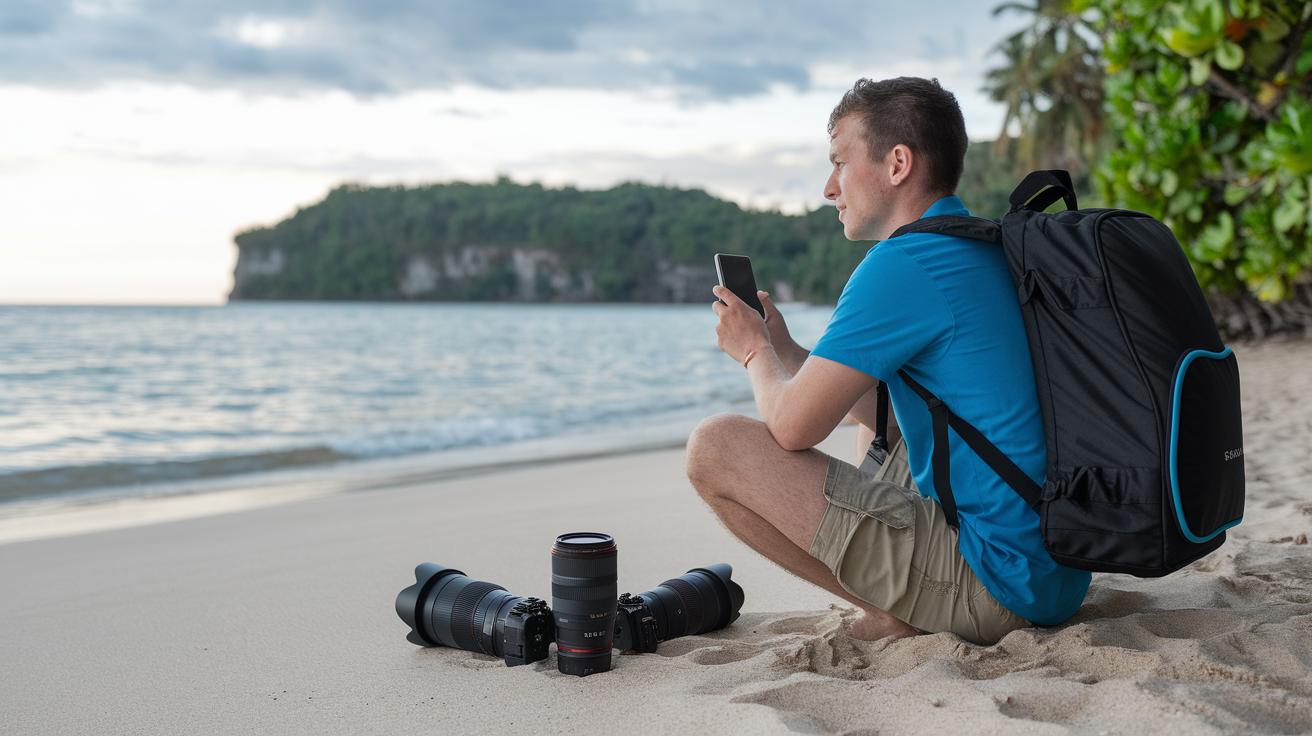
When you're off to the islands, you'll want a camera that can keep up with all your adventures. A solid camera paired with a couple of versatile lenses and just a few filters lets you snap every vibrant moment. For underwater or lagoon shots, a waterproof housing is a must – it keeps your gear safe when you're exploring beneath the surface.
Pairing a fast prime lens (great for low light and detail) with a wide-angle lens means you can capture both close-ups and sweeping beach views. And if the bright sun is causing unwanted glare on the water, a polarizing filter cuts that out so every color pops. When you find a gorgeous waterfall, like Dunn’s River Falls, an ND filter is perfect for creating that silky, long-exposure effect.
Don’t forget the extra support gear, either. A lightweight carbon-fiber tripod is your best friend on sandy or uneven ground, keeping your shots crisp even when the breeze picks up. And always pack spare batteries and high-capacity memory cards – you'll want to keep snapping photos during those long, exciting days of island exploration.
Here's a quick checklist to help you out:
| Item | Purpose |
|---|---|
| Waterproof housing | Protects your camera for underwater or lagoon shots |
| ND filter | Creates smooth, long-exposure effects at waterfalls |
| Polarizing filter | Reduces glare and enhances natural colors |
| Wide-angle lens | Captures expansive beach and island views |
| Prime lens | Delivers sharp detail and shines in low light |
| Carbon-fiber tripod | Provides stable support on varied terrains |
| Spare batteries & memory cards | Keeps you shooting all day on your island adventure |
This setup lets you travel light while still being fully prepared to capture the Caribbean's breathtaking scenes. Enjoy every snapshot and let the magic of the islands inspire you!
Caribbean Photography Guide: Vibrant Islands in Focus
Flying your drone across the Caribbean skies is an adventure filled with wonder. Before you take off, check the local rules and fly responsibly. It’s like planning a fun day at the beach, enjoy the view while keeping everyone and everything safe. In spots such as Punta Uva, flying at a mid-level altitude lets you see the lush coastlines and deep blue seas in one breath-taking shot. Adjust your settings so your camera captures the island’s natural light and vibrant colors perfectly.
Diving into underwater photography is just as magical. When you explore the coral reefs, make sure your camera has a sturdy underwater case, almost like a protective shell. Rely on the soft glow of natural sunlight and tweak your white balance so the colors stay true to life. A polarizing filter can help cut through surface glare, revealing every brilliant detail of the underwater world.
Sometimes, the energy of the island is too lively to capture in just one frame. Using high dynamic range (HDR) techniques with burst mode will help you document everything from balancing bright skies with the deep blue sea at Tobago Cays to capturing quick-moving waterfalls or bustling marine life. These methods ensure you don’t miss a single exciting moment.
| Drone Setting | Tip |
|---|---|
| Fly at mid-level altitude | Capture balanced coastlines and inviting ocean views |
| Adjust ISO, aperture, and shutter speed | Get the perfect light for sunny island days |
| Use GPS-based positioning | Keep your framing steady and reliable |
| Monitor battery levels | Ensure your drone is powered for long, adventurous sessions |
| Underwater Setting | Tip |
|---|---|
| Set white balance manually | Capture the true colors of coral and marine life |
| Use a polarizing filter | Reduce surface glare for crystal-clear details |
| Opt for a wide aperture | Let in more light beneath the waves |
| Choose fast shutter speeds | Freeze every lively moment under water |
Caribbean Photo Editing: Post-Processing Warm Scenes
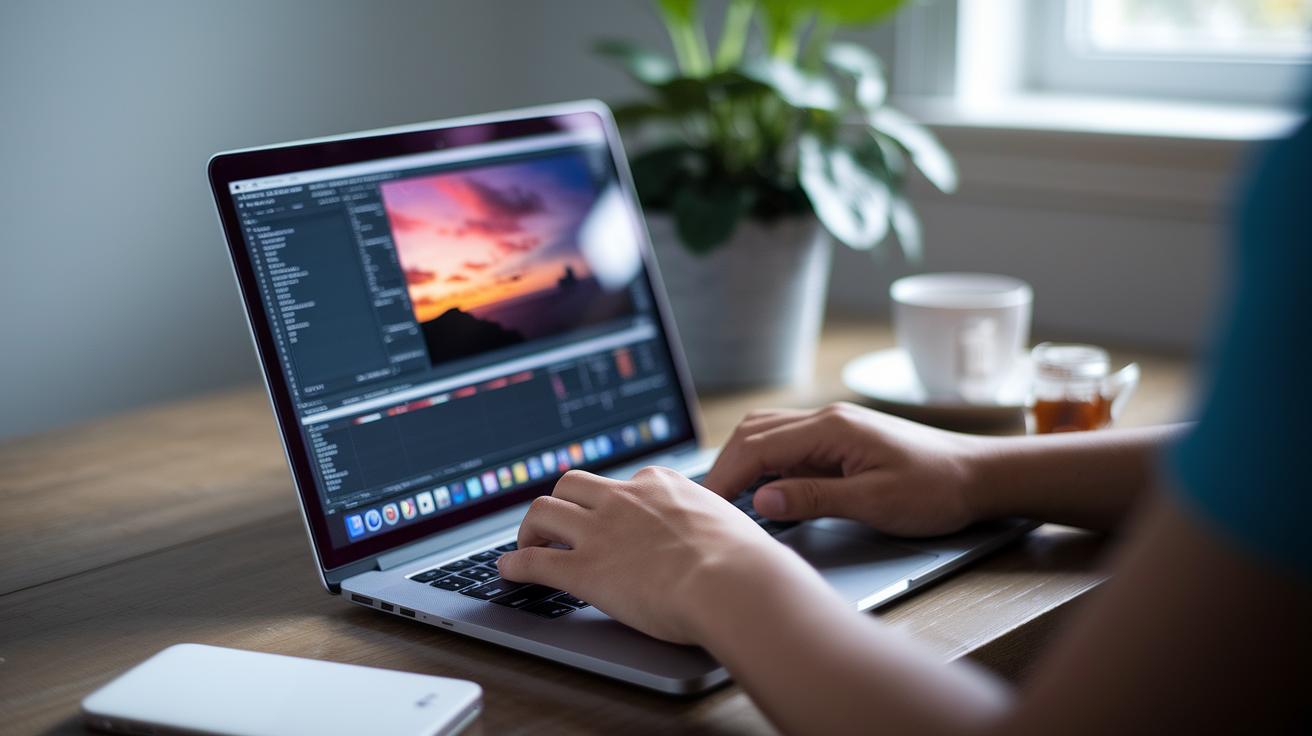
Get ready to bring your photos to life with your favorite desktop editing tool. When you work on your images at home, you can easily adjust color, contrast, and brightness to capture that warm Caribbean glow. Imagine changing the color temperature until your photo shines like a tropical sunset, boosting the blues and greens that your filter caught, and balancing bright skies with shimmering water, just like a day spent by the beach.
And if you're editing on the go, apps like Snapseed and Lightroom Mobile have you covered. These apps come with ready-made presets that mimic the soft light of dawn or the deep hues of a sunset. Play around with the settings, and you'll be able to bring that laid-back, sun-kissed island vibe to every picture.
- White balance tuning
- Saturation boost
- Shadow/highlight adjustments
- Cinematic LUT application
- Selective color pops
- Noise reduction
Final Words
In the action, we covered how to use manual mode and the exposure triangle to capture those genuine Caribbean moments. We broke down shutter speeds, aperture tweaks, and rule-of-thirds tips to frame unforgettable island scenes. We also shared insights on golden hour lighting, essential gear, and editing tips for soft, warm images. This caribbean photography guide aims to boost your confidence and add a spark of fun as you capture the magic of the islands. Enjoy every sunlit click!
FAQ
What is the 20 60 20 rule in photography?
The 20-60-20 rule in photography means dividing an image into three zones: 20% for the foreground, 60% for the main subject, and 20% for the background to create balanced composition.
What are the 7 C’s and 5 C’s of photography?
The C’s in photography are guidelines that help you capture better images. Some lists include five elements like composition, color, clarity, contrast, and creativity, while others add connection and context.
What is the 3/4 rule in photography?
The 3/4 rule in photography means placing your subject off-center by about three-quarters of the frame, which creates a dynamic and balanced composition by leaving space for background details.
