Ever notice how Caribbean talk can feel like music to your ears? It’s a lively blend of Spanish, English, French, and local words that paints a colorful picture of history and flavor. Before the age of smartphones, you could wander through bustling market streets and hear voices sharing stories, dreams, and old traditions. This blog dives into how these mixed voices created a special cultural vibe on every island, showing that language is more than just words, it’s a heartbeat of the Caribbean.
Caribbean Language Influences Spark Cultural Brilliance
The Caribbean keeps a lively history of languages that's as colorful as a sunset on the beach. Picture a mix of European, African, and native voices blending together to create about 70 living languages across 7,000 tiny islands, each with its own spark. It's like a local chef tossing in secret spices to a favorite recipe. Ever think about how, before modern gadgets, people in bustling markets would hear snippets of different languages dancing around them? It was a vibrant mix of survival and creativity that filled the air.
Back in the day, European tongues such as Spanish, English, French, and Dutch were like the first building blocks for everyday speech. Over time, these words mingled with African and indigenous traits, crafting unique dialects that tell heartfelt stories of resilience and change. In places like Jamaica and Suriname, communities known as Maroons even developed their own secret ways to speak while escaping harsh colonial life. These special speech patterns later took on a life of their own and became beloved parts of Caribbean culture.
Today, every word and phrase carries whispers of history and a touch of magic. The Caribbean's language evolution isn’t just about grammar or vocabulary, it’s a living story of contact, twists, and heartfelt collaboration. Each sound you hear is a reminder of the islands' enduring spirit, a celebration of their cultural brilliance, and a testament to the power of community.
Colonial Impact on Caribbean Language Influences
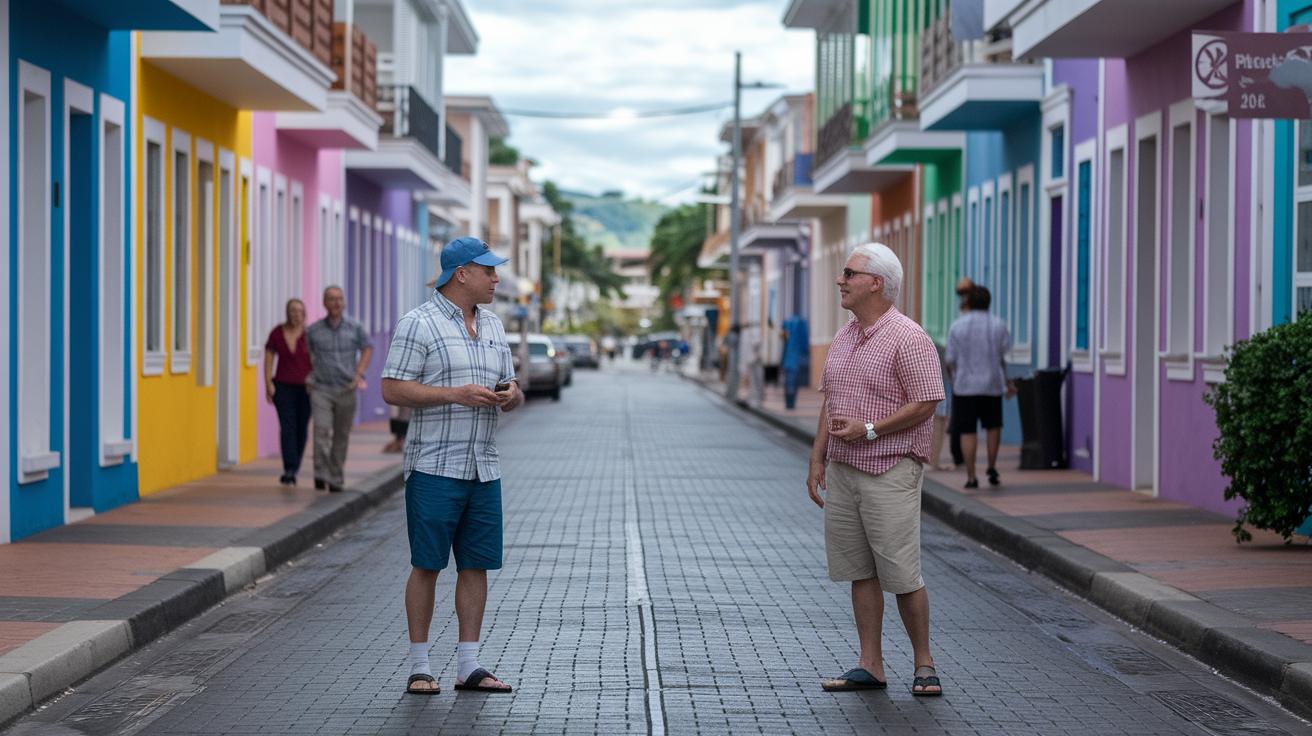
Starting in 1492, when Columbus first arrived, Spanish quickly became a favorite language in the Caribbean. Today, you can hear it spoken by about 28 million people in Cuba, the Dominican Republic, and Puerto Rico. Picture locals exchanging everyday words that carry tales from long ago, blending history with life on the islands.
British English also found its way here through colonial schools, and now nearly 15% of the population speaks it either as a first or second language. It shows up in business and tourism, mixing classic tones with local flavor to create a sound that's uniquely Caribbean. Think of it like a trusted recipe, spiced up with island charm.
French, too, has left a bright mark. With around 12 million speakers in Haiti, Martinique, Guadeloupe, Dominica, and Saint Lucia, you can enjoy both polished French and its lively creole counterpart in daily conversation. It’s like listening to a classic tune that’s been remixed with fresh, local beats.
Dutch holds a special spot in smaller territories such as Aruba, Curaçao, Bonaire, Saba, Sint Eustatius, and Sint Maarten. About 320,000 people speak Dutch, and its influence is felt as it mingles with English, French, and Spanish. This blend adds another vibrant layer to the rich tapestry of Caribbean languages.
African Heritage in Caribbean Language Influences
African roots beat at the heart of Caribbean speech, infusing creole languages with a lively rhythm you can almost dance to. These languages blend European words with grammatical patterns from West and Central Africa, creating a sound and structure that's truly unique. Picture a conversation where the smooth flow of African language meets the clear notes of European speech. Take Haitian Creole, for example, it’s spoken by over 10 million people, with most words borrowed from French while its grammar carries a deep African influence. It’s like listening to a tale told with both a familiar tune and a dash of exotic flair.
Then there’s Jamaican Patois, another bright example of this blend. This take on English mixes in tones and vocabulary from African languages, giving it a vivid style shared by around 2.5 to 3.2 million people. Imagine greeting a friend with a blend of classic English and the rhythmic beats of African speech. And over on the ABC Islands, Papiamento shows its own Afro-Caribbean charm, especially when locals talk about food, greetings, and everyday customs.
When you listen closely, Caribbean language isn’t just spoken, it’s truly felt. Every word carries whispers of ancient African sounds, creating a sparkling character filled with cultural depth and brilliance.
Indigenous Tongues and Caribbean Language Influences
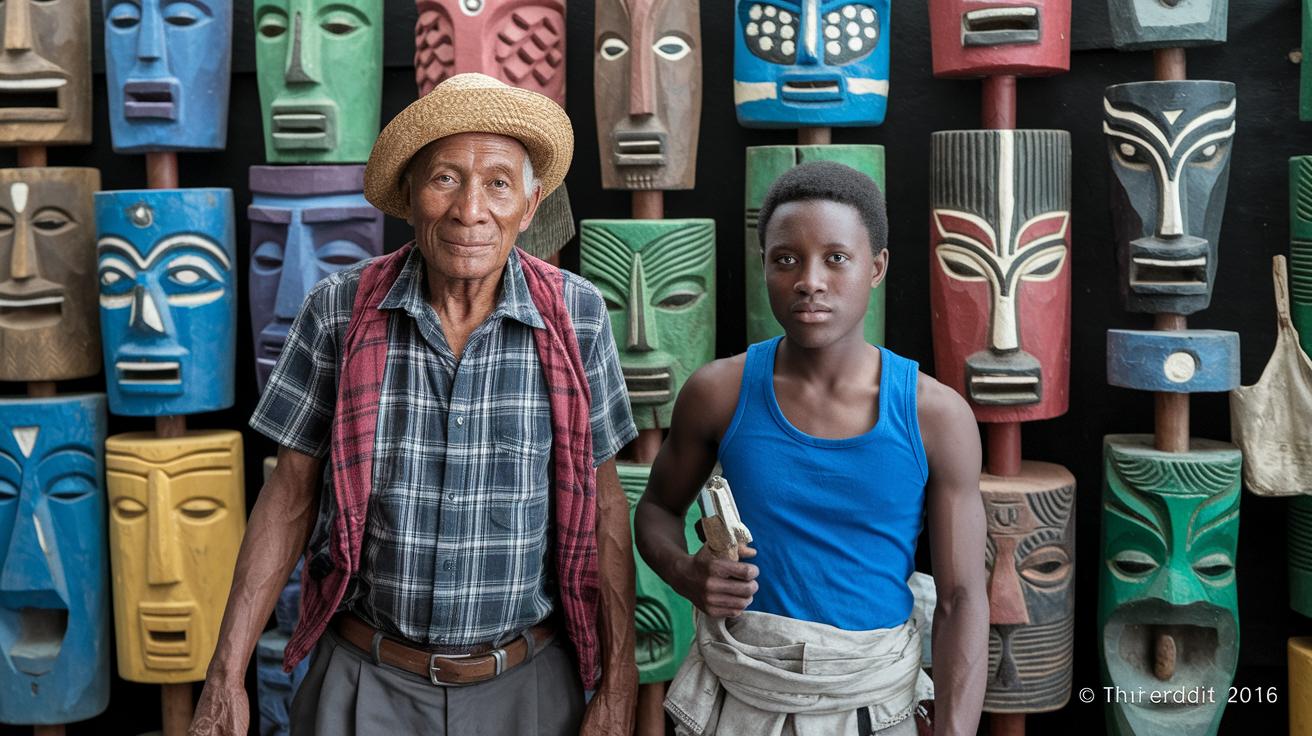
The original inhabitants of the Caribbean have left a lasting mark on the way people speak in the region. Long ago, the native Arawakan and Cariban languages helped give names and identity to places like Belize, Guyana, and Dominica. Ever since, words such as Jamaica and Tobago echo the voices of early island communities, keeping memories of ancient traditions fresh in our minds.
In cozy communities across Guyana and parts of Trinidad, you can still hear traces of Carib and Lokono in everyday speech. Locals pass down special words that bring to mind indigenous customs, natural landmarks, and old stories from generation to generation. These expressions do more than name a place, they carry the spirit and history of the first peoples, letting us feel the presence of their voices in our modern Caribbean language.
It’s like taking a gentle stroll on a sunlit beach; you might not see every wave, but you feel the rhythm of the tide. Each word and phrase whispers the story of a land that has always been, a reminder of a deep, unbroken connection to the very first voices echoing across these beautiful islands.
Creole Formation and Caribbean Language Influences
Haitian Creole began its journey on 18th-century plantations when people from different backgrounds needed a way to chat. It mixes French words with African sentence styles and those special local twists. Ever notice how a simple “Bonjou” sounds extra warm? That’s because this language has become a proud token of identity in Haiti.
Papiamento found its roots on the ABC Islands where Portuguese, Spanish, Dutch, and West African words came together quickly. The language feels like a gentle sea breeze, filled with stories of old colonial days and rich local traditions. Imagine greeting someone in the morning with a word that flows like your favorite Caribbean tune, it’s that fresh.
Jamaican Patois grew out of British English mixed with West and Central African influences. Its rhythm and lively expressions mirror the beat of reggae music and street chatter. Every phrase has a playful twist, as if the words are dancing along. It’s a language that shouts community spirit and everyday magic.
French-based Kweyol is spoken in the quieter parts of Trinidad, St. Lucia, and Dominica. Here, people often switch between Kweyol and English, blending hints of French with local flavors. It’s a language that feels both practical and poetic, a friendly conversation between yesterday and today on the island shores.
Contemporary Diversity of Caribbean Language Influences

Caribbean language shows a rich mix of history and modern flair. Imagine strolling through Kingston and hearing someone start with a formal greeting in English before effortlessly switching to a familiar creole, saying, "Hey, kya k'apo?" It’s a warm nod to community pride that you can almost feel.
Everyday chats, whether in a cozy cafe or a lively classroom, reveal this blend of old and new. Locals might casually use both standard French and Creole just to add a personal touch while sharing a fun fact. It’s like each conversation carries a bit of the island’s colorful history and its vibrant present.
Official languages like Spanish, English, French, and Dutch stand alongside spirited creoles, creating an ever-evolving tapestry of words and traditions. The result is a lively expression of identity that stays true to its roots while flowing seamlessly with today’s rhythms.
Final Words
in the action, diverse voices come together to show how caribbean language influences have shaped our islands. We traveled through historical foundations, the impact of colonial languages, African contributions, indigenous echoes, and the creative spark of creole forms.
These layers mix to form today’s dynamic tapestry of speech, with each part adding flavor and identity. The rich blend of tongues offers a true taste of the islands' spirit and may inspire your next memorable visit.
FAQ
How many languages are spoken in the Caribbean and where do they come from?
The Caribbean is home to around 70 languages that come from European colonial powers, African substrates, and indigenous tongues of the area’s early inhabitants.
What are the three main cultural influences on Caribbean languages?
Caribbean languages are shaped by three main forces: European colonial languages, African-based language patterns, and indigenous expressions carried through place names and local words.
What is meant by Caribbean Creole language and Caribbean language Patois?
Caribbean Creole language and patois refer to unique speech forms blending European vocabulary with African and indigenous grammatical rules, commonly used in everyday conversation across the islands.
What are some examples of Caribbean English?
Caribbean English features distinct vocabulary and pronunciation influenced by local culture, as seen in the variations spoken in Jamaica, which reflect a fusion of British English and regional linguistic traits.
How have indigenous Caribbean languages influenced modern language?
Indigenous Caribbean languages, though many have faded, still influence modern speech through place names and specific words, keeping a link to the early cultures of the islands.
Is the Caribbean mostly Spanish?
While Spanish is dominant in parts of the Caribbean, the region is multilingual with significant influences from English, French, Dutch, and various creoles that enrich its linguistic diversity.
What is a Caribbean language translator?
A Caribbean language translator is a tool that converts regional dialects and creoles into standard language forms, helping speakers understand and share the island’s unique expressions.
