Ever wondered why a simple hello in the Caribbean feels like a warm hug from a dear friend? In these sunny isles, even a casual greeting can open the door to new friendships. Imagine stepping off the plane and hearing a cheerful "Wah gwaan?" from a local in Jamaica or catching a respectful nod from an elder; each small act carries a piece of the island’s heart.
When you take the time to embrace these greetings and customs, you start to connect with the spirit of the islands. It’s like adding a pinch of salt to a delicious meal, it brings out all the vibrant flavors of community and kindness. So next time you visit, let every friendly word remind you that island traditions can make your journey truly unforgettable.
Essential Caribbean Local Customs for Respectful Travel
When you visit the Caribbean, you'll quickly notice that every island has its own vibrant beat. A friendly "hello" or a local greeting like Jamaica’s "Wah gwaan?" instantly makes you feel welcomed. In this sunny region, people speak English in Jamaica and Barbados, Spanish in Cuba and the Dominican Republic, and French or Creole in Haiti and Guadeloupe. If you’re curious about all these unique features, check out the definition of Caribbean culture at Caribiana.com for more details.
Family comes first here, and locals show deep respect for elders by using titles like Mr. or Mrs. It’s a place where the pace of life is relaxed, and the idea of "island time" means that plans can be flexible without missing out on genuine interactions.
When you’re out exploring, being thoughtful matters a lot. Always ask if it's okay to take photos, especially in quiet, rural spots where privacy is cherished. At local eateries, a tip of 10 to 15 percent is typical unless a service charge has been added, a nod to the balance between heartfelt hospitality and easygoing island living.
Taking these respectful steps lets you connect more deeply with the people and the culture, turning a vacation into a real-life experience full of warm moments and friendly smiles.
Caribbean Greetings and Social Etiquette
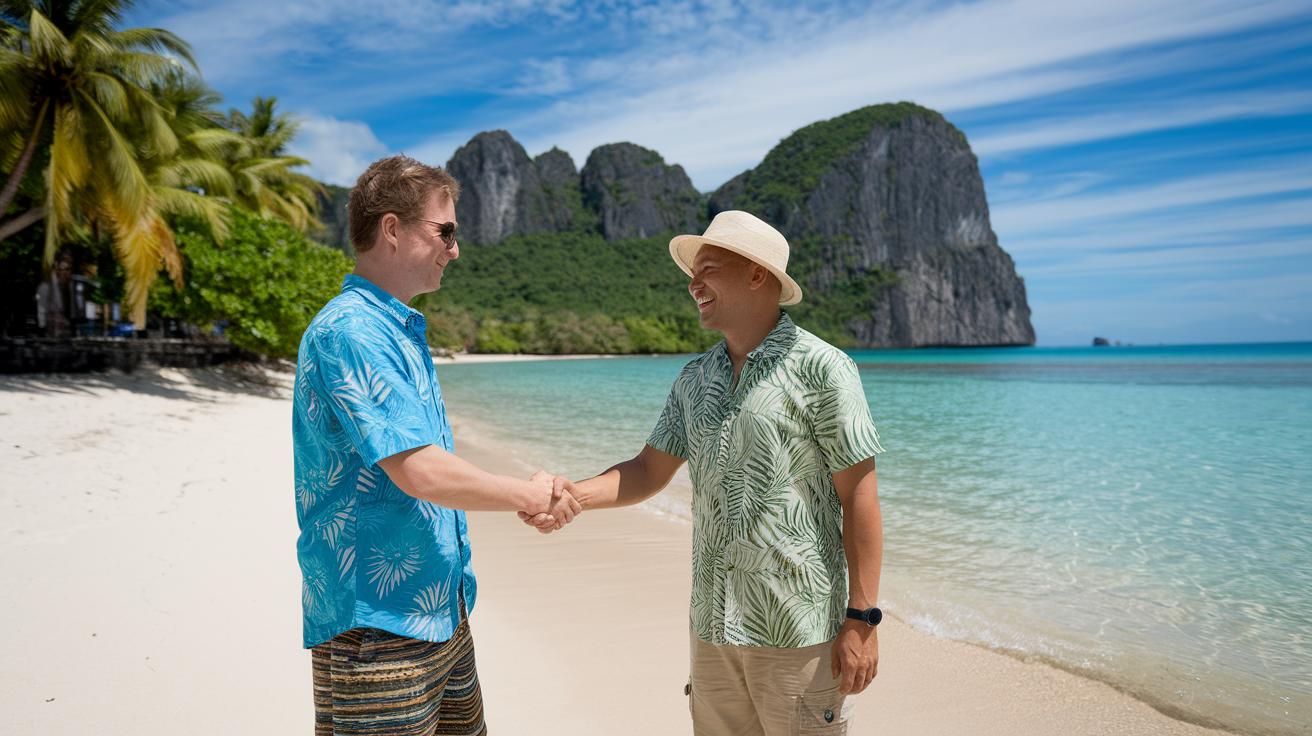
When you arrive on these warm islands, making a good first impression is key. A friendly hello and a genuine smile can open the door to true island connections. Whether it’s a firm handshake with kind eye contact or a light hug with close friends, your greeting shows you respect local customs. Every island has its own way of saying hello, think of Haiti’s "Bonjou" or Martinique’s "Bonswar", each word a small piece of its cultural heart. It’s also important to show extra respect when meeting elders by using titles like Mr., Mrs., or Doctor. In truth, that simple greeting sets the tone for memorable interactions and lets you truly experience the magic of the Caribbean.
Simple tips:
- Standard handshake combined with eye contact
- Using local salutations like "Wah gwaan?"
- Light embrace among acquaintances
- Addressing seniors with honorifics
- Asking permission before initiating physical contact
Dress Codes and Public Behavior in the Caribbean
On Caribbean islands, blending comfort with respect is part of the vibe. When you're at the beach or lounging by a resort pool, casual beachwear works great. But in towns, churches, or during local festivals, it's best to opt for more modest clothing that shows you honor the culture. Locals really appreciate outfits that match the setting. And if you visit a private home or a religious site, it's a nice touch to remove your hat. This mix of relaxed style and polite manners lets you feel at home while basking in the island sunshine.
In public areas, keeping the volume low is a friendly nod to everyone around you. It’s also smart to follow local rules, like smoking regulations, so that shared spaces stay welcoming. For business meetings, arriving 10 to 15 minutes early is the norm. Meanwhile, social events tend to unfold on "island time," letting things flow naturally without rush. These little habits help you connect with locals and truly enjoy the rich traditions that make island living special.
Caribbean Dining Customs and Food-Related Rituals
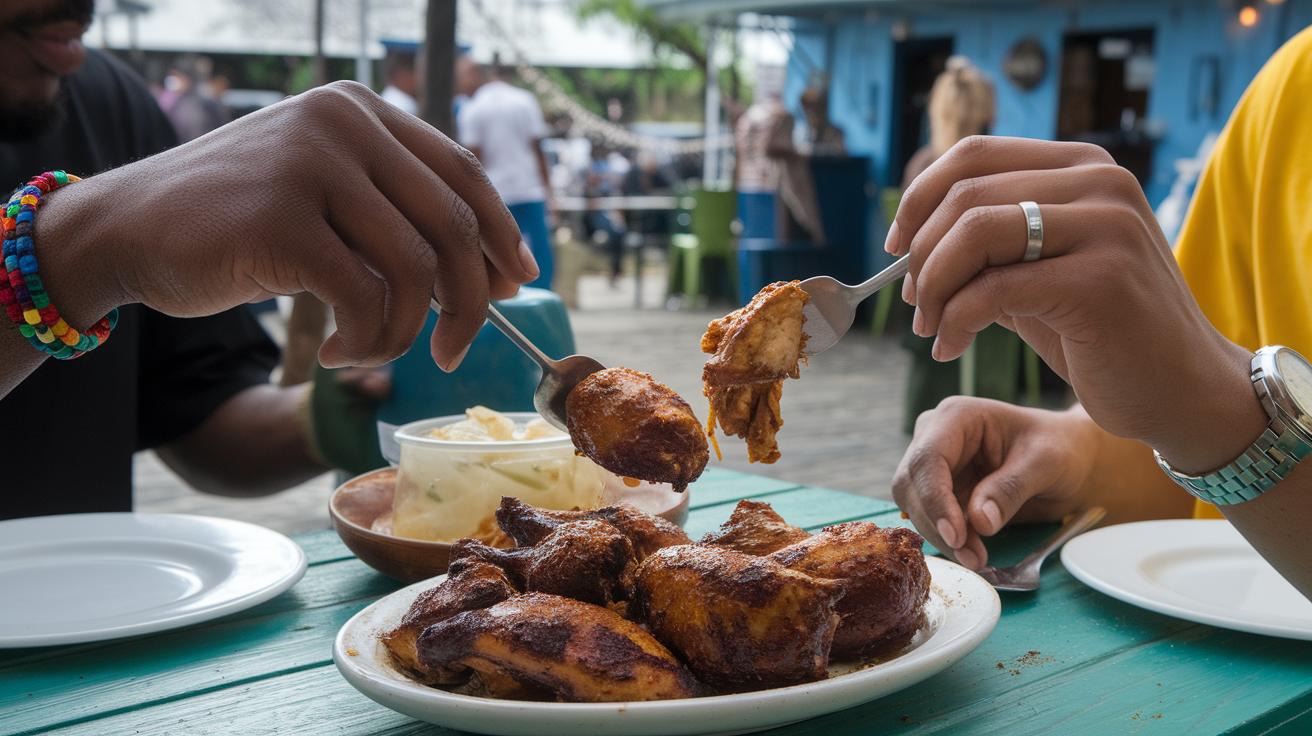
Caribbean food is all about sharing and community. Try a plate of spicy Jamaican jerk chicken or a warm and hearty Trinidadian roti. Savor fresh Barbadian seafood and bite into seasonal tropical fruits that burst with flavor. Imagine sitting at an outdoor food stall, where the air is filled with the enticing aroma of grilled spices. It’s like being part of a joyful neighborhood gathering, where every meal tells its own story.
When it’s time to sit down, there are a few simple ways to show respect. Typically, you wait for the host to start eating before you dig in. Many folks use utensils, but it’s also perfectly fine to use your right hand for certain dishes. And if you’re sharing plates, pass them to the right to keep the conversation and the good vibes flowing.
Tipping is usually between 10 and 15 percent unless a service charge is already included, which shows a heartfelt thanks for great service. For more details on these dining traditions and the values behind them, have a look at Caribbean cultural values and traditions on caribiana.com?p=586.
Participating in Caribbean Festivals and Rituals
Trinidad Carnival bursts onto the scene every February to March, filling the air with lively calypso tunes, energetic soca beats, and dazzling parade bands in colorful costumes. The Bahamas Junkanoo, celebrated on December 26 and January 1, sees locals filling the streets with contagious dance moves and upbeat parades. These festivals invite you to truly feel the spirit of island life with every vibrant beat and splash of color.
The roots of these celebrations stretch back to African heritage mixed with colonial traditions. Over time, they have grown into community rituals that honor both history and the colorful cultures of the islands. Locals blend time-honored customs with modern art and music, creating events that pulse with the energy of generations past.
When you join in the fun, be sure to embrace the local customs. Wear bright, festive clothing to match the mood, and follow parade routes and safety signs closely. It’s always friendly to ask before taking photos of performers, and small gestures like offering bottled water or a snack can go a long way in showing respect.
Respecting Regional Variations in Caribbean Customs
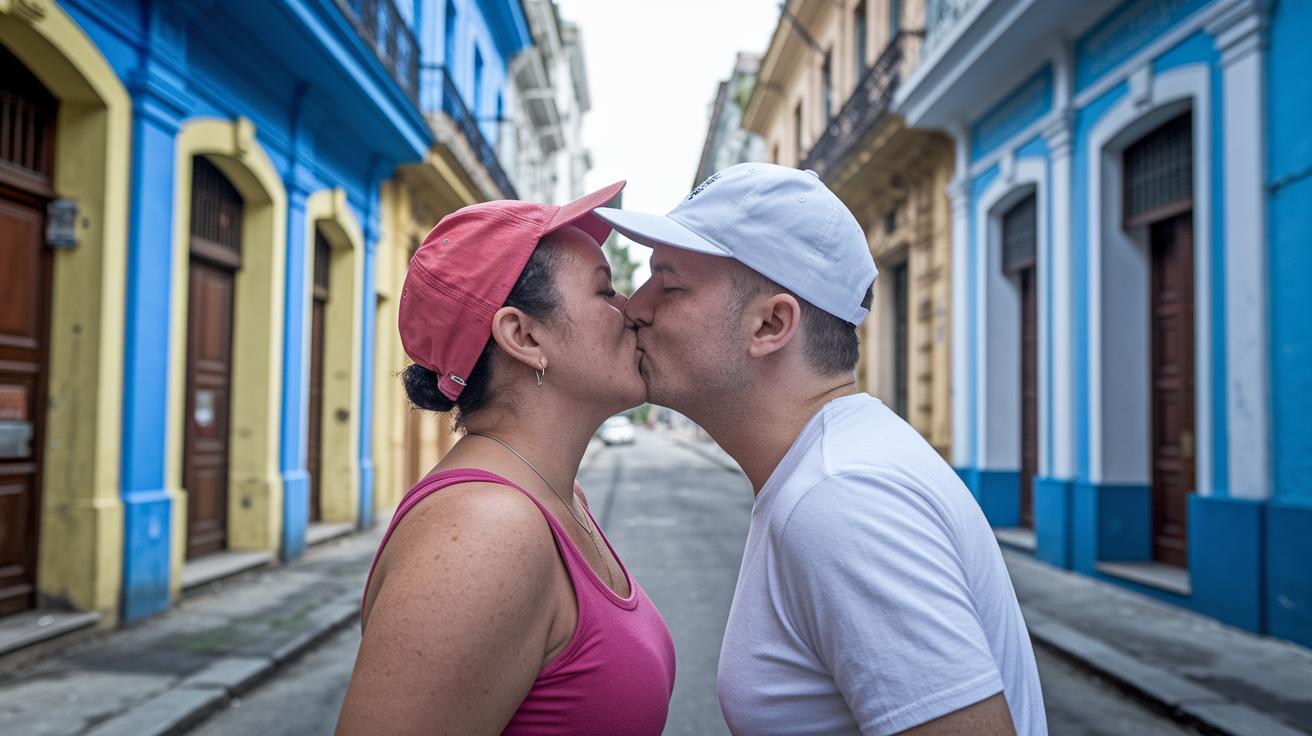
On the Anglophone islands, locals often greet each other by first name while sharing a light, friendly chat. In places like Cuba and the Dominican Republic, you might be greeted with a quick kiss on both cheeks that instantly feels warm and inviting. Daily life here shows these differences too, shops and restaurants in many Spanish-speaking areas open later, and mealtimes can stretch into the afternoon. One traveler said, "I arrived at 2 PM and found most places still closed until a late, hearty lunch began," which really highlights the relaxed vibe.
Then there are the festivals that burst with local flavor. Cuba’s Parrandas are full of high energy and lively tunes, while Trinidad’s Carnival gets you moving with its infectious rhythm. Mealtimes change from one island to the next as well. On Spanish-speaking islands, lunch lasts longer and dinner happens late, giving you plenty of time to savor the food. In contrast, Anglophone areas stick to shorter, more set meal periods. And if you visit Francophone islands like Guadeloupe and Martinique, a friendly "Bonjour" sets the stage for either a quick snack or a leisurely, multi-course meal.
Practical Tips for Cultural Immersion in the Caribbean
Dive into the heart of Caribbean life by exploring its traditions with genuine curiosity. The islands burst with a mix of languages, music, and art that invite you to jump right into local routines. Imagine chatting with someone over a quick hello or a few simple words, it’s like sprinkling a little extra magic on your day.
Every corner of these islands, from sun-soaked beaches to bustling markets, offers a chance for a warm encounter. Taking a moment to pick up local greetings not only shows respect but also builds a friendly bond with the community. And don’t forget, using reef-safe sunscreen lets you enjoy those clear blue waters while keeping the ocean as vibrant as ever.
- Learn a few essential greetings and phrases.
- Pick up eco-friendly habits for beaches and reefs.
- Support local markets and eateries.
- Join community-led tours and workshops.
- Bring small tokens of appreciation for your hosts.
Every tip is a little invitation to connect deeper with island traditions. Picture yourself laughing with a local vendor or strolling through a charming coastal village, it's those personal touches that turn a holiday into a truly heartfelt adventure.
Final Words
In the action, we explored key tips for respectful travel in the Caribbean. The post highlighted warm greetings, appropriate dress, dining rules, festive etiquette, and practical strategies for cultural immersion. It shared simple steps to appreciate diverse island customs in a friendly, relaxed way.
Each section offered bite-sized advice to help you confidently enjoy local interactions and responsibly participate in vibrant festivities. This caribbean local customs guide brings island social protocols to life, ensuring your trip is memorable and stress-free.
Enjoy every moment under the sun and keep embracing the spirit of the islands!
FAQ
What does a Jamaica Caribbean local customs guide tell you?
A Jamaica Caribbean local customs guide tells you about warm greetings like “Wah gwaan?”, respect for elders, and a relaxed pace of life that visitors can enjoy while immersing themselves in island social protocols.
What are the common Caribbean culture traditions?
Caribbean culture traditions include friendly greetings, family values, colorful festivals, and unique culinary practices that showcase the region’s mix of languages and heritage in everyday life.
What are some Caribbean culture facts?
Caribbean culture facts highlight a mix of languages, heartfelt greetings, special dining customs, and festive rituals that all stem from a blend of indigenous, African, and colonial influences.
How does Caribbean culture shape identity?
Caribbean culture shapes identity by blending lively music, warm social interactions, and strong family ties, all creating a unique and welcoming way of life rooted in rich local history.
What is the history of Caribbean culture?
Caribbean culture history is woven from the threads of indigenous customs, African heritage, and colonial influences, forming vibrant traditions seen in language, festivals, and daily social practices.
What is Caribbean culture?
Caribbean culture is a blend of diverse languages, warm greetings, festive celebrations, and deep family values that create an inviting, relaxed atmosphere across the islands.
What values are cherished in Caribbean culture?
Caribbean culture values include respect, close family bonds, a friendly approach to life, and a genuine interest in hospitality, which invite visitors to feel at home in the islands.
What are five major aspects of Caribbean culture mentioned?
Five major aspects include warm greetings, strong family ties, diverse languages, distinctive dining customs, and vibrant festivals, all reflecting the heart of island living.
How are customs observed in countries like Jamaica, Barbados, The Bahamas, Saint Lucia, and Mexico?
Customs in these regions stress respectful interactions, varied local greetings, specific dress codes, friendly dining etiquette, and a laid-back approach to life that makes each place unique.
