Ever wondered if old traditions still whisper their wisdom today? Caribbean native cultures, passed down from times before Columbus, carry a bright and lively spirit. Groups like the Taíno and Kalinago keep their ancient ceremonies and everyday practices alive, sharing colorful stories and a deep love for nature. Even now, you'll hear echoes of these customs in the way people talk, the art they create, and even the local dishes they serve. In this piece, you'll see how these cherished traditions continue to shape and inspire island life.
Overview of Caribbean Indigenous Cultures: Origins, Traditions, and Modern Impact
Caribbean indigenous cultures go way back to pre-Columbian times when groups like the Taíno made their homes in small villages called yucayeques, led by wise chiefs known as caciques. They thrived on farming, hunting, and deep spiritual traditions. The Taíno held lively ceremonies called areyto, where music, dance, and storytelling mixed together to honor gods like Yocahú. Picture a warm night under the Caribbean sky with people gathered in batey plazas, playing games that told wonderful creation stories.
Then, in 1493, Christopher Columbus arrived, marking one of the first meetings between European explorers and the island’s native tribes, especially the Kalinago. Even today, the Kalinago call a 3,000-acre piece of Dominica home, keeping their old meeting houses and sustainable traditions alive. Although their native language isn’t spoken anymore, everyday life shows the clever, resourceful ways handed down by their ancestors.
Modern Caribbean culture still carries hints of these rich traditions. The Taíno legacy pops up in everyday language, local dishes, festivals, museums, and school lessons that keep ancestral practices vibrant. Meanwhile, the Kalinago have blended the old with the new by welcoming ecotourism and preserving crafts like basket weaving with larouman reeds. This mix not only keeps their heritage alive but also helps support community well-being.
Key elements of these cultures include:
- Structured villages with respected community leaders.
- Ritual ceremonies and sacred sites that teach both locals and visitors about their rich past.
- An inspiring blend of ancient wisdom with modern sustainable practices, exemplified by moments like electing Sylvanie Burton as the first Kalinago head of state.
These enduring cultures remind us that the spirit of Caribbean indigenous traditions is as vibrant today as it ever was.
Taíno Heritage and Arawak Traditions in Caribbean Indigenous Cultures

Taíno culture was all about native spirituality and old traditions. Their little communities, known as yucayeques and led by a cacique (a local chief), mixed everyday life with sacred customs. Imagine joining a small gathering where gentle chants, soft talks, and the rhythmic beat of ceremonial drums make you feel the pulse of history under a bright Caribbean sky.
Areyto ceremonies were a lively mix of music, dance, and storytelling to share legendary myths and creation tales. Picture a performer moving gracefully as a warm breeze passes by, reciting a chant that has been carried through generations. Nearby, carved figures called cemíes reminded everyone of their deep bond with something greater, tying memories to spirit in a quiet corner.
Traditional chants and festive gatherings were the heart of the Arawak heritage, weaving together customs shared across the islands. It’s like each celebration tells a new part of the same timeless story, inviting you to feel the magical connection of the Caribbean.
Archaechaeological Sites and Artifacts of Caribbean Indigenous Cultures
Get ready to step back in time as you explore places that share the story of ancient Caribbean life. At Centro Ceremonial Indígena Caguana in Utuado, only about 1.5 hours from San Juan, you'll find wide-open plazas and carved panels that show off the artistry of long-ago people. It's like wandering through a living museum where each carving softly tells its own tale. Imagine yourself walking on old stone paths that seem to carry the echoes of laughter and long-forgotten celebrations.
Head a little further south to the Centro Ceremonial Indígena de Tibes near Ponce, where you'll discover two special ceremony plazas, seven ball fields, hidden tombs, and striking stone figures called cemíes. Here, small treasures like stone blades and necklaces offer a real glimpse into the spiritual and everyday life of the Taíno people. It's like putting together a big, interactive puzzle where each piece has its own secret story.
In Jayuya, stop by Piedra Escrita along the Río Saliente and marvel at the petroglyphs etched into the rocks. Nearby, the El Sol de Jayuya murals brighten rock walls with symbols of old religious beliefs. Exploring the caves, tombs, and special plazas here gives you a close-up look at ancient life and traditions. These sites show us the magic of the past, letting us connect with a heritage that still glows with meaning today.
Cultural Preservation Efforts in Caribbean Indigenous Cultures
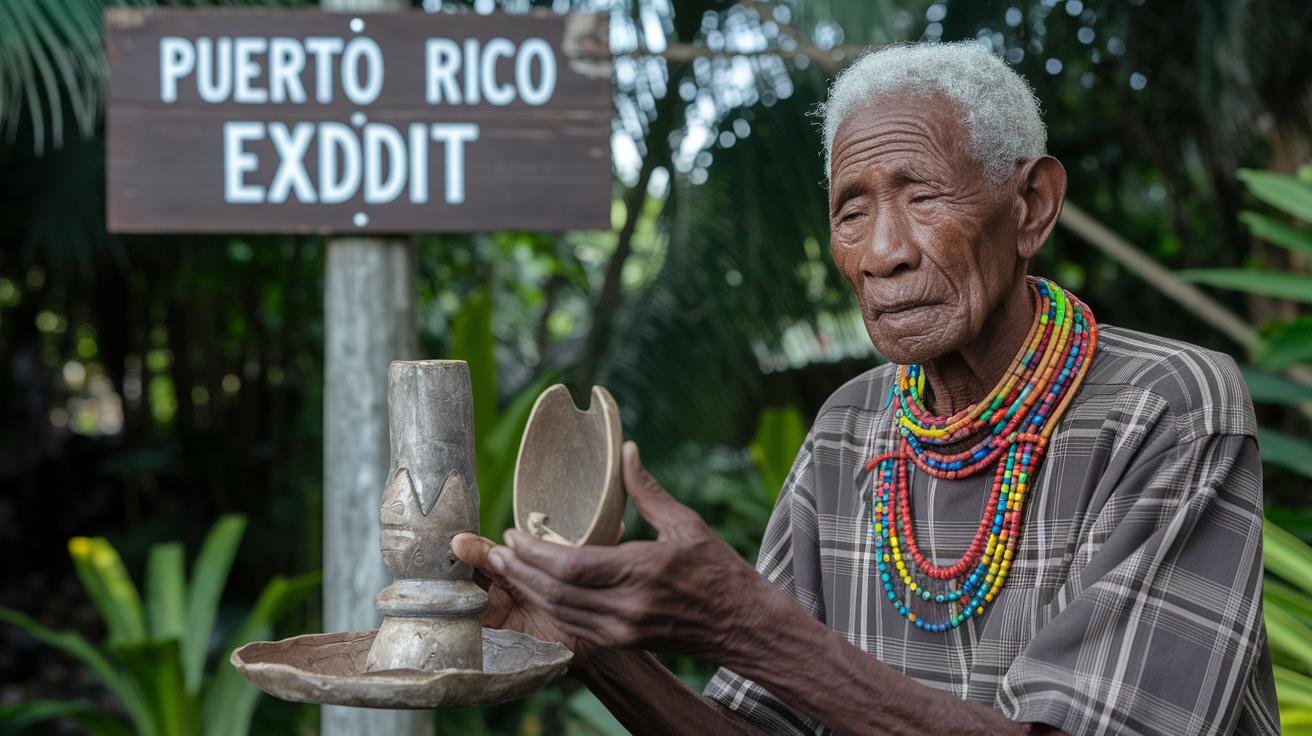
New projects across the region help local communities reconnect with their roots while keeping old traditions alive. In Puerto Rico, small exhibitions run by locals and easy-going language workshops let everyone experience Taíno customs up close. For instance, you might see a display with a sign that reads, "Every artifact beats with a story of survival – our past lives through each piece."
The Taíno Route not only helps preserve historic sites but also creates jobs. Local guides, many of whom are elders, share heartfelt memories along pathways once walked by their ancestors. Imagine a guide saying, "Every step carries the pride of our people."
In Kalinago communities, craft cooperatives bring elders and youth together to make traditional baskets from larouman reeds. A local craftsperson might remark, "We weave our legacy into every basket." These efforts boost community pride and support local incomes.
Sylvanie Burton’s election as head of state marks a fresh wave of indigenous self-representation, blending ancient wisdom with modern policy. Meanwhile, Environment Minister Cozier Frederick is using traditional insights to shape greener practices.
- Local exhibitions build community pride
- Sustainable tours create local opportunities
- Craft cooperatives bridge generations
- Indigenous leadership redefines sustainable policy
Final Words
In the action and excitement of discovering Caribbean indigenous cultures, we explored the roots of ancient village life, traditional ceremonies, and the art of sustainable heritage care. We saw how local sites and hands-on experiences bring these traditions to life for every traveler. The blend of old customs with modern conservation efforts makes the islands a lively classroom for all who visit. Embrace the warmth and spirit of the Caribbean, and let these timeless traditions brighten your travels.
FAQ
Frequently Asked Questions
What happened to the indigenous people of the Caribbean?
The indigenous people of the Caribbean faced dramatic changes after European contact, with disease and displacement impacting their communities. Their traditions and practices have survived through centuries despite these challenges.
Are there still indigenous people in the Caribbean and do Taíno people still exist?
The Caribbean is home to living indigenous communities like the Kalinago, and many people trace their roots to the Taíno. Their cultural heritage is celebrated through festivals, art, and revived traditions.
Who are the Kalinago people?
The Kalinago people are an indigenous group native to the Caribbean, particularly in Dominica. They maintain traditional skills like basket weaving while blending modern practices to preserve their cultural identity.
What race were the Taíno and are native Caribbeans black?
The Taíno and native Caribbean peoples are the original inhabitants of the islands with distinct identities. They are not typically classified as black but are recognized for their unique cultural and historical backgrounds.
What is indigenous Caribbean art?
Indigenous Caribbean art features crafts and carvings that reflect ancient customs, such as Kalinago basket weaving and Taíno ceremonial figures. These art forms express the deep-rooted cultural heritage of the region.
Who are the Arawak people and what is their connection to the Caribbean?
The Arawak people are among the original groups in the Caribbean, influencing the Taíno social structures and traditions. Their language and customs continue to shape the cultural fabric of the islands.
What are the main indigenous cultural groups in the Caribbean?
The primary indigenous groups in the Caribbean include the Taíno, Kalinago, and Arawak peoples. Their rich heritage, practices, and contributions form a cornerstone of the islands’ diverse cultural legacy.
