Destinations
Caribbean Islands Compared: Prime Surfing Swells Revealed
By tomboon
November 23, 2026
Field Notes
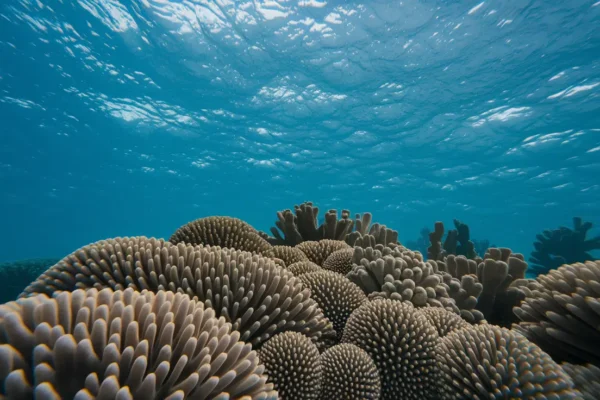
Think the Caribbean is all gentle blue lagoons? Think again—some islands get winter swells that can test the best surfers. It all comes down to which side faces the Atlantic and the timing of winter storms, so some coasts light up while others barely ripple. This guide compares the top surf islands, reveals their prime swell months, and gives a quick decision matrix to pick the right spot for your skill level and travel window. You’ll also get clear notes on wave size, crowds, and the logistics that usually trip people up.
Quick Decision Matrix For Choosing A Caribbean Surf Destination
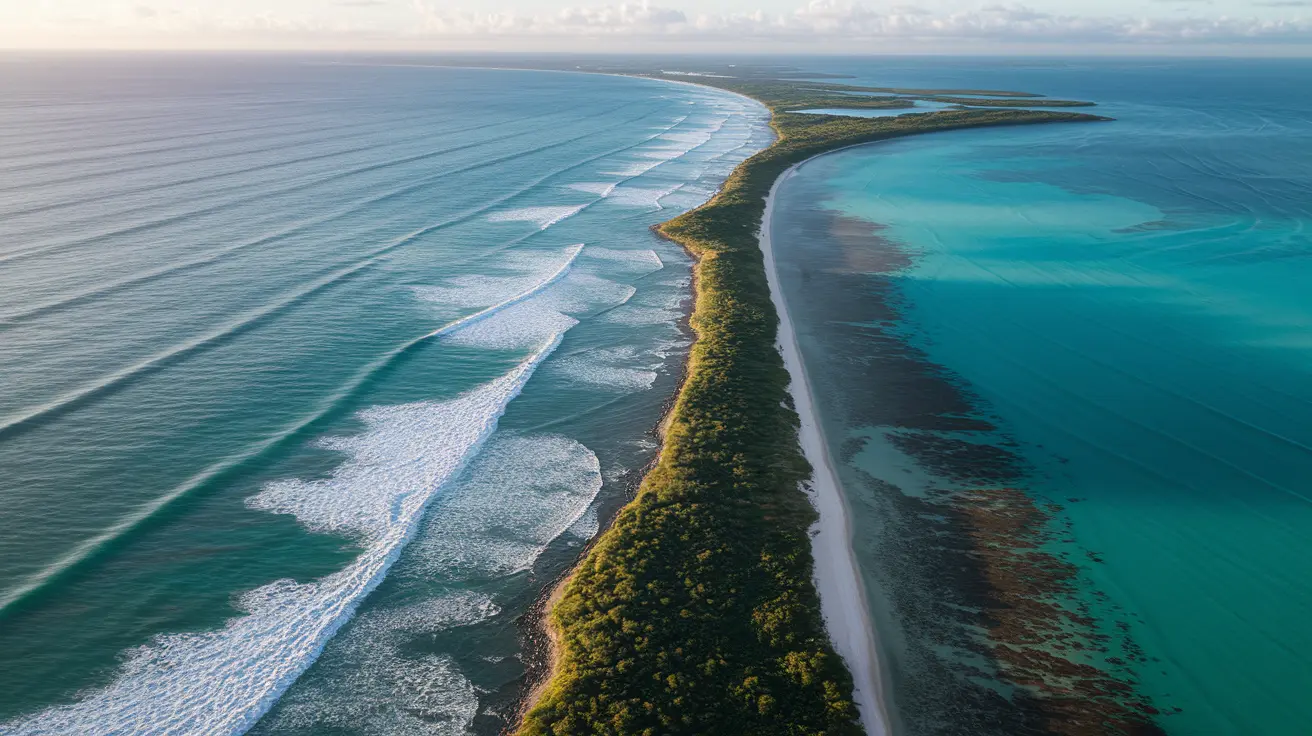
If you’re wondering why some Caribbean beaches barely ripple while others churn out real waves, it comes down to geography. Atlantic-facing coasts catch way more swell than the calm, turquoise shores tucked inside the inner sea. That’s the rule behind nearly every solid wave in the region.
The matrix below is built on seasonal patterns, not day-to-day forecasts. Think of it as a starting point for narrowing your options, not the final word before you book flights.
Here’s the quick version, if you’re short on time:
- Best for beginners: Dominican Republic, particularly the lesson-friendly zones at Encuentro
- Best for intermediates: Barbados, thanks to its mix of beach, reef, and point-style waves
- Best for advanced surfers: Puerto Rico, especially its powerful northwestern reef breaks
- Best travel windows: January through February for the strongest overlap of winter swell, March through April for warmer and generally less intense conditions, and November through December if you want to catch things early
| Rank | Island | Best Coast Or Spot | Wave Quality | Consistency | Peak Months | Typical Surf Height | Main Break Type | Recommended Skill | Wind Exposure | Water Conditions | Crowds | Access And Lessons | Indicative Daily Cost |
|---|---|---|---|---|---|---|---|---|---|---|---|---|---|
| 1 | Barbados | Bathsheba (Soup Bowl) and south coast | High | Consistent | Dec to Feb peak, Nov to Apr window | 3 to 8 ft, larger possible | Reef, beach, point | Intermediate to advanced, beginner options south coast | Strong Atlantic exposure | Warm, 26 to 29°C | Moderate to busy | Easy road access, broad lesson availability | US$130 to 250/day |
| 2 | Puerto Rico | Rincón, Aguadilla, Isabela | High | Strong in winter | Dec to Mar, peak Jan to Feb | 4 to 10 ft, larger pulses | Reef, point | Intermediate to advanced | Variable, cleaner mornings | Warm, rip current risk | Busy at known breaks | Good roads, rentals, lessons | US$140 to 280/day |
| 3 | Dominican Republic | Encuentro, Cabarete | Good | Reliable | Nov to Mar | 3 to 7 ft | Reef, beach | Beginner to advanced by zone | Moderate trade winds | Warm | Moderate | Easy lesson and camp access | US$90 to 190/day |
| 4 | Guadeloupe | Le Moule, Port-Louis, Le Helleux | Good, swell-dependent | Moderate | Dec to Mar | 2 to 6 ft | Reef, beach | Intermediate to advanced, some learner areas | Moderate | Warm | Light to moderate | Rental car often needed | US$120 to 230/day |
| 5 | Martinique | Tartane, Anse Bonneville | Good | Moderate | Dec to Mar | 2 to 6 ft | Reef, point | Intermediate to advanced | Trade wind exposure | Warm | Generally light | Rental car useful, lessons near Tartane | US$130 to 240/day |
| 6 | Jamaica | Boston Bay, Bull Bay | Variable, enjoyable | Variable | Jan to Mar | 2 to 5 ft | Beach, reef, cobblestone | Beginner to intermediate, advanced on bigger swell | Variable | Warm | Usually light | Local guidance helpful | US$100 to 210/day |
| 7 | Trinidad and Tobago | Sans Souci, Mount Irvine | Variable,
Final WordsMatch your skill to the season and coast. The quick decision matrix pairs islands with typical wave sizes, consistency, peak months, and daily costs so you can narrow choices fast. Then use the calendar, the how-breaks explainer, and the spot-level profiles to plan lessons, rentals, transport, and safe flat-day alternatives. Use peak months, skill fit, access, and budget together — think Caribbean islands compared for surfing and best swell seasons — and you’ll pick a trip that’s realistic, safe, and genuinely fun. FAQQ: Which Caribbean island has the best beaches for swimming?A: The Caribbean island with the best beaches for swimming is often the Bahamas, Turks and Caicos, or sheltered south coasts like Barbados; they offer shallow, clear water, unlike exposed Atlantic shores with stronger currents. Q: What swell is best for surfing?A: The swell best for surfing is long-period Atlantic groundswell (around 10–16+ second periods); longer periods bring more power and cleaner, well-formed waves ideal for reef and point breaks in winter months. Q: What Caribbean islands are not safe to travel to right now?A: The Caribbean islands not safe to travel to right now change frequently; consult your government travel advisories, local news, and airlines, and check regional crime, health, and weather warnings before booking. Q: Which Caribbean island has the best weather?A: The Caribbean island with the best weather depends on season; Barbados often has the most reliable dry season December–April and warm sea temps year-round around 26–29°C, making it a safe bet for sunny travel. |