Have you ever thought the Caribbean was just about beaches? Think again! Tucked away under a warm sun, you'll find mountain ranges inviting you to discover a hidden escape from the usual sandy shore. These high peaks serve up crisp air and views filled with hints of old stories and nature’s charm. The islands mix lush, green slopes with a touch of volcanic mystery, creating a scene that's both surprising and beautiful. Take a moment to imagine standing there, feeling that cool breeze and soaking in history, and you'll see why these elevated wonders have a tale that’s all their own.
Essential Overview of Mountainous Caribbean Islands
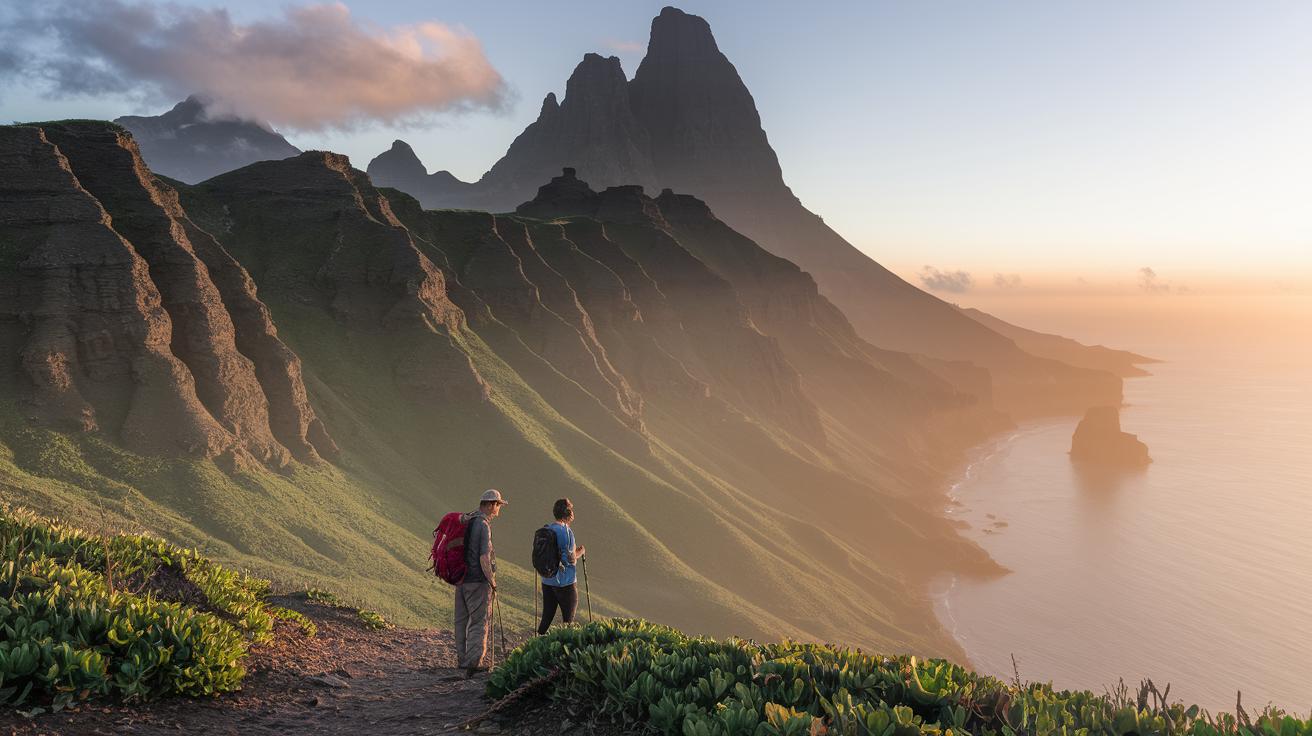
Mountainous Caribbean islands are hidden gems offering tropical highland escapes that feel like secret retreats. Picture yourself at the foot of ancient volcanic domes, steep ridges, and peaks that gently meet the coastal waters. In the Dominican Republic, you can marvel at Pico Duarte, which soars over 10,000 feet, while in Cuba, Pico Turquino reaches 6,500 feet. Each of these views tells its own unique story through nature's beauty.
Imagine the Blue Mountains in Jamaica where the peaks, high around 7,000 feet, mix with the rich aroma of fresh coffee roasting in the breeze. And think about St. Lucia’s twin Pitons, rising right from the sea to create a dramatic silhouette that captivates the eye. These sights remind you that the Caribbean isn’t just about sandy beaches, it’s also about majestic mountain escapes. Then there’s Guadeloupe’s La Soufrière, an active stratovolcano at about 4,800 feet, sharing hints of the island’s fiery past, while Dominica’s Morne Diablotins, reaching roughly 4,700 feet, invites you to explore its rugged, dormant volcanic charm.
These islands blend lush, lower-elevation coastal areas with wild, highland terrain. They offer adventures for nature lovers who enjoy tropical highland getaways where the weather changes with every climb. Whether you’re an avid hiker or just someone who loves soaking in amazing views, the varied landscapes invite you to experience the Caribbean’s natural splendor up close and personal.
Top Volcanic High Peaks and Island Voyages
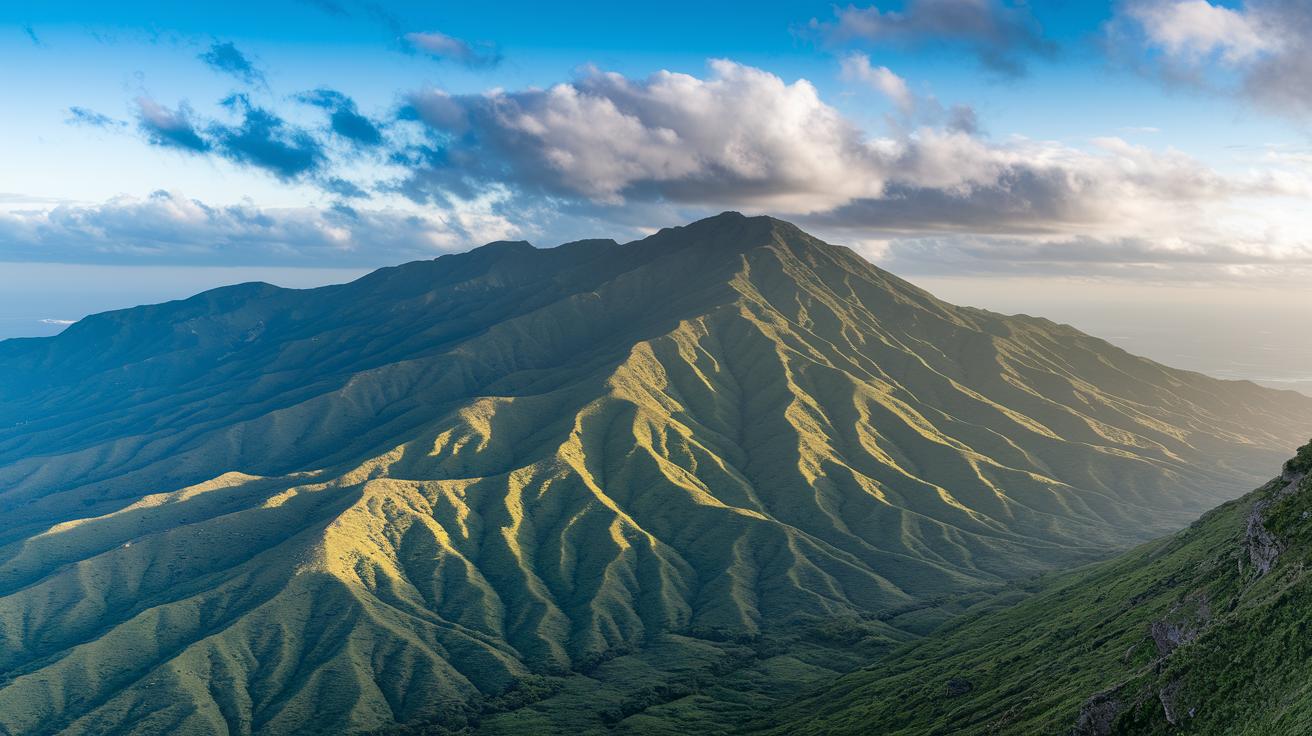
Caribbean high peaks are a real treat. They don't just offer amazing views; they also tell a story about the island's geology. Today, we blend a close-up look at how each peak came to be with the magic of island adventures.
Take Pico Duarte in the Dominican Republic. It soars to 10,084 feet, and fun fact: it wasn't made by a volcano. Instead, it rose thanks to shifting tectonic forces. So, before you imagine every tall mountain as a volcano, remember that some, like Pico Duarte, are nature’s own monuments, lifted by the earth itself.
Over in Jamaica, Blue Mountain Peak stands 7,402 feet tall. This peak carries hints of old volcanic eruptions, adding a mysterious charm. Meanwhile, Cuba's Pico Turquino, which reaches 6,588 feet in the Sierra Maestra range, shows clues of past volcanic activity mixed with its lush surroundings. Then there's Guadeloupe’s La Soufrière, an energetic volcano at 4,810 feet that still shows signs of activity, and Dominica’s Morne Diablotins, a quiet 4,747-foot peak that holds its ancient volcanic secrets.
| Peak Name | Island | Elevation | Volcanic Status/Geologic Formation |
|---|---|---|---|
| Pico Duarte | Dominican Republic | 10,084 ft | Non-volcanic uplift |
| Blue Mountain Peak | Jamaica | 7,402 ft | Ancient volcanic remains |
| Pico Turquino | Cuba | 6,588 ft | Sierra Maestra formation |
| La Soufrière | Guadeloupe | 4,810 ft | Active stratovolcano |
| Morne Diablotins | Dominica | 4,747 ft | Dormant volcanic dome |
This mixed overview connects cool volcanic history with the endless charm of Caribbean island journeys. It gives you neat facts without beating around the bush, letting you appreciate every peak's story.
Hiking Trails and Ridge Adventures Across Caribbean Highlands
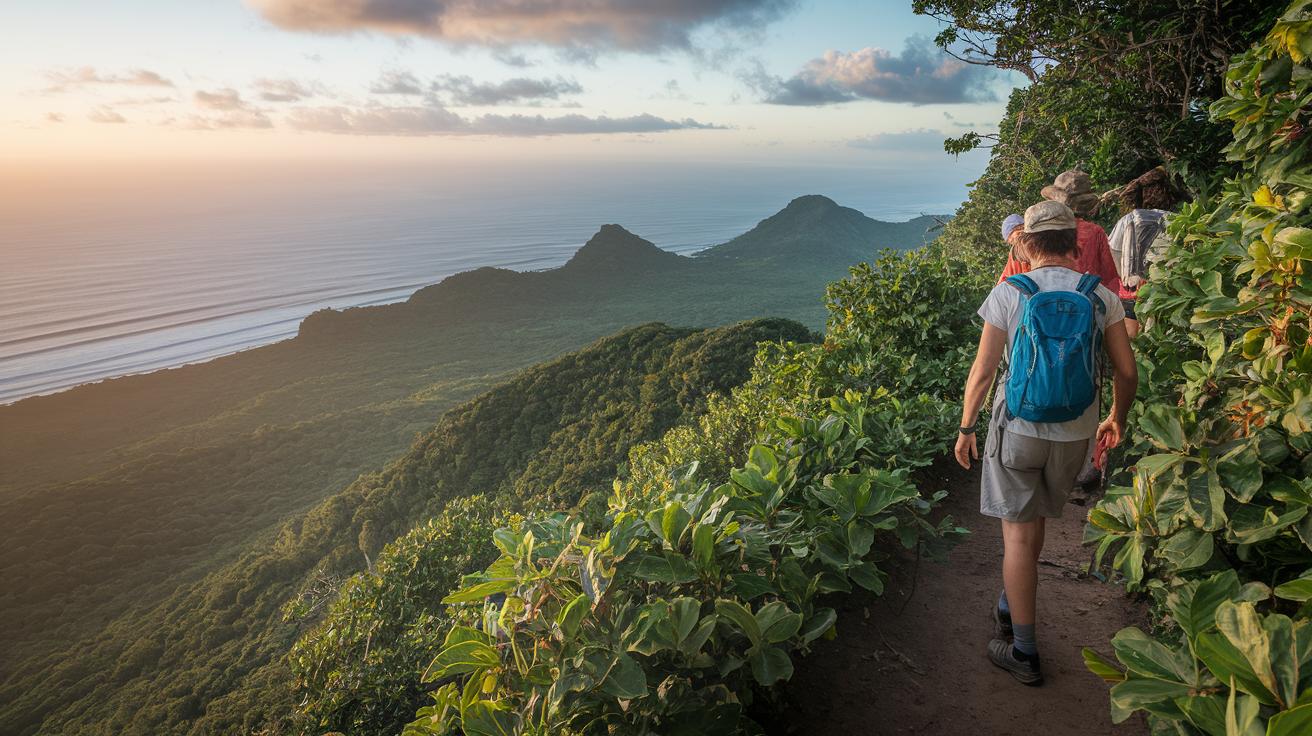
Caribbean highland trails offer a special kind of escape that lets you truly feel the soul of the islands. Imagine booting up Antigua’s Mount Obama (Boggy Peak) Trail for a 7-mile walk that takes you 1,300 feet higher into a world of lush, tropical greens. The path gently hugs the coastline, filling your ears with the soft echo of waves far off in the distance. It’s a perfect mix of a good workout and soaking in the natural beauty of island life.
Over in Dominica’s Morne Trois Pitons National Park, you’ve got a range of circuits from 3 to 12 miles. Each trail winds through cool rainforests, past sparkling waterfalls, and along vibrant routes that feel like nature’s own gift to you. For more details, check out the national park itineraries here: https://mauisky.com?p=2320. Then there’s Jamaica, where the Blue Mountain Peak track covers 5 miles and lifts you to a cloud forest summit. Think of cool mists and the irresistible aroma of roasted coffee greeting you with a fresh perspective. Puerto Rico’s El Yunque trails invite you to meander through several 2- to 4-mile loops in a dense rainforest that bursts with rich, soothing sounds and colors. And in St. Kitts, the Mount Liamuiga hike, a neat 3-mile route along a volcanic crater rim, rewards you with rugged volcanic edges and the calm of coastal views.
When planning your trek, think of it like gearing up for a fun day out. Pack plenty of water, slip on a pair of sturdy shoes, and always check the weather first. Keep an eye out for:
- Clear, well-marked paths
- Scenic viewpoints that offer breathtaking panoramas
- Natural rest stops where you can take a breather
- Chances to spot local wildlife
- Trails of different lengths that suit every fitness level
Climate, Microclimates, and Biodiversity of Caribbean Mountain Uplands
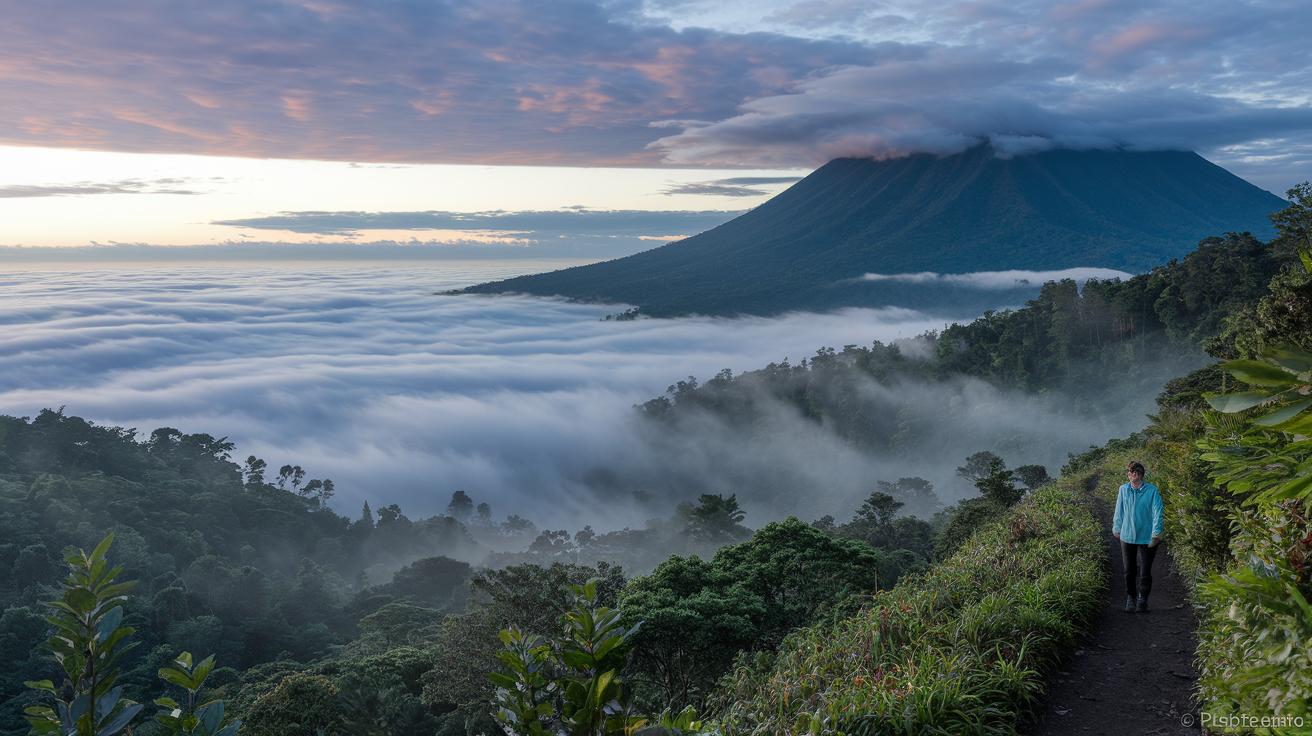
Caribbean mountain uplands let you experience tropical views where the air changes the moment you start climbing. At sea level, the weather is warm and gentle, but as you ascend, the temperature drops by about 10 to 15°F for every 1,000 feet. That cool, crisp air feels like nature’s refreshing invitation to explore further.
Down at lower elevations, the climate is mild with roughly 40 inches of rain each year. This rain nurtures lush lowland rainforests and vibrant mangrove edges. Climb higher into the cloud forests, and you might see as much as 80 inches of rain annually. The constant mist feels magical, helping unique plants and animals, like rare orchids and cheerful birds, to flourish in the cool heights.
Each island is like a patchwork quilt of different climates. In the mid-elevation woodlands, every rustle of leaves seems like a quiet secret from nature. Up in the cloud forests, fog gently wraps tall trees, creating cozy pockets of high moisture. This blend of weather zones not only makes the scenery extra beautiful but also supports a wide variety of life.
Standing on those slopes, you can see how warm coastal breezes meet the refreshing chill of higher altitudes. It reminds you that every layer, from the soft sandy shores to the lofty peaks, has been crafted by nature into a living art gallery.
Hazards, Conservation Efforts, and Eco-Tourism Initiatives
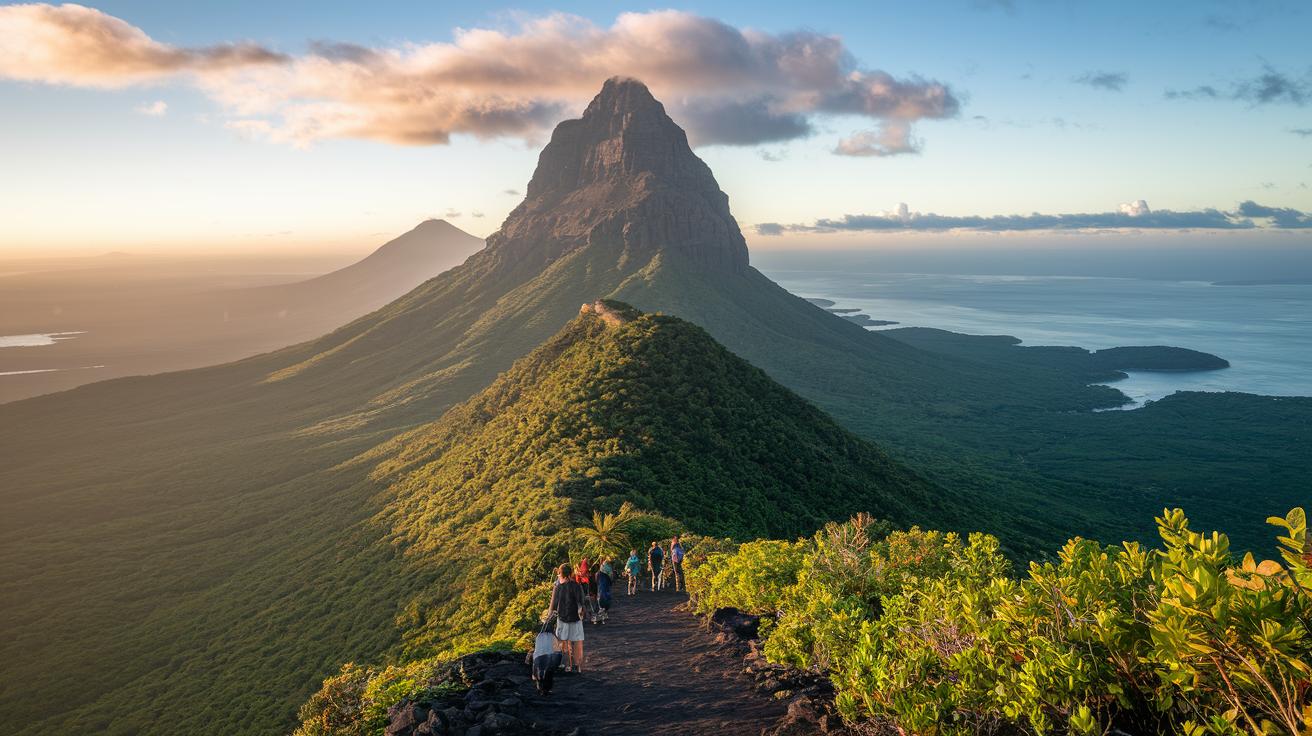
The Caribbean mountains aren’t just about breathtaking views; they also show nature’s wild side. Back in April 2021, the La Soufrière eruption forced 16,000 people to leave their homes, a clear reminder that these islands are constantly shaped by powerful seismic events. Even past tremors in the Lesser Antilles have left lasting impressions, while issues like deforestation, erosion, and water pollution keep challenging the land.
When you visit, you quickly see nature’s beauty mixed with real risks. Imagine exploring a quiet mountain summit or joining a conservation tour that highlights both the stunning scenery and nature’s untamed strength. It’s like taking a walk on the wild side, where every step tells you a story.
Across ten islands, including Antigua, Jamaica, Cuba, Grenada, and St. Lucia, a program called GEF-IWEco kicked off in 2016. This project is busy restoring watersheds, promoting agroforestry (growing trees and crops together), and reforesting worn-out lands. Not only do these efforts help heal the environment, but they also open up awesome mountain eco-adventures.
Picture yourself on a rugged trail with a friendly local guide who explains how the islands have evolved after seismic shakes and how new trees are slowly taking root. By choosing eco-friendly tours and sustainable trips, you become part of this ongoing journey, experiencing firsthand the raw energy and genuine beauty of the Caribbean highlands.
Planning Mountainous Caribbean Island Trips: Logistics and Local Insights
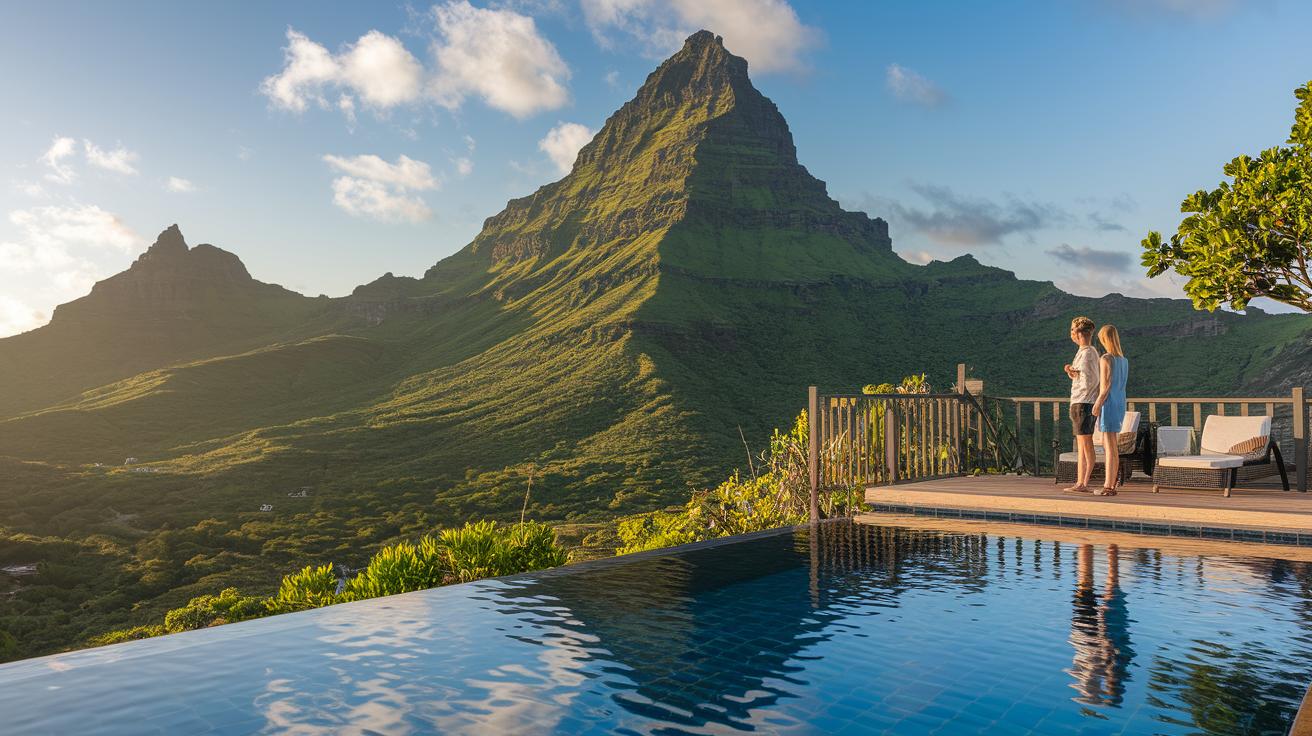
If you're dreaming of a mountain adventure in the Caribbean, plan your visit during the dry season from December to April. This is when the skies are clear and the warm air makes exploring rugged peaks and lush valleys a joy. Major airports like Santo Domingo, Kingston, and Port-au-Prince serve as friendly entry points that connect you quickly to your tropical haven. Step off the plane, and you’ll feel the island’s vibrant energy with every turn offering a new breathtaking view.
For a mix of luxury and nature, think about staying at a top eco-resort. Ladera Resort in St. Lucia treats you to 37 cozy suites with sweeping views, while Cabrits Resort in Dominica is set near a beautiful national park that brings you closer to nature. Plus, you can really dive into the local vibe with transport options like guided 4×4 tours, mule trails winding over steep ridges, or bumpy buses that visit quiet mountain villages.
Before you set off on your adventure, it’s smart to check out a few essentials like visa rules, currency exchange options, and travel packages that work best for you. Here’s a simple checklist for planning your trip:
- Travel during the dry season for the best weather
- Fly into one of the major airports to make transfers a breeze
- Pick a resort that offers both comfort and a touch of nature
- Try local transport to get a genuine taste of island life
If you’re looking for advice tailored to your dream vacation, custom Caribbean tour itineraries might be just what you need. Enjoy planning your escape and soak in every sunny moment!
Final Words
In the action, we explored the magic of the mountainous caribbean islands, from majestic peaks and volcanic high spots to refreshing trails and unique climates. We looked at local conservation efforts and neat travel tips that make planning easy. Each part of our talk invited you to feel the cool mountain air and experience the island’s rich culture. Enjoy every step of your trip as you uncover the hidden charms and warm spirit of these Caribbean highlands.
