Have you ever felt a sudden spark of change that lights up your world? In the Caribbean, passionate actions and honest voices have been shaking up art and storytelling in ways that surprise everyone. Over the years, locals have turned tough pasts into fresh, bold expressions of who they are. It’s like watching a beautiful blend of heartfelt defiance and deep local pride, where every sound and color tells a story of struggle and renewal. Today, we dive into those brave moments and explore how they continue to shape Caribbean culture for the better.
Historical Foundations of Caribbean Cultural Narratives and Social Movements
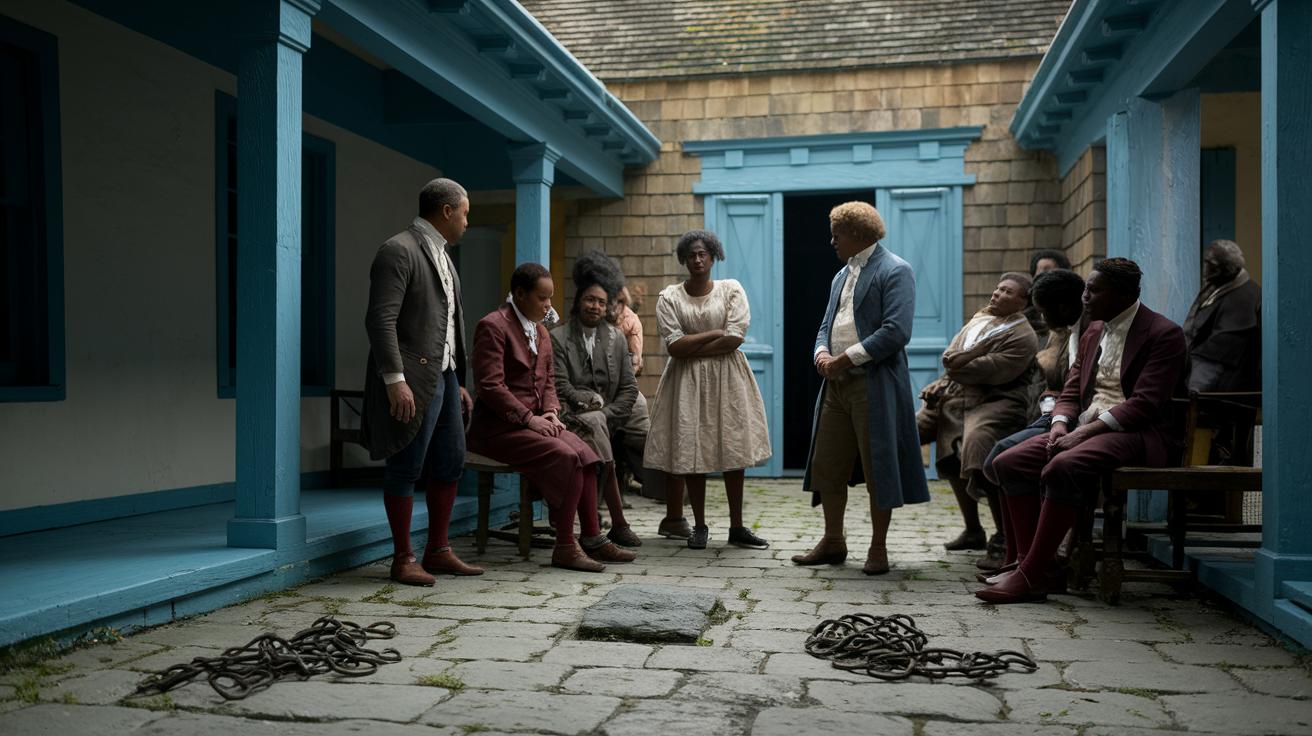
From the late 1400s to the 18th century, European colonizers laid down harsh rules and forced people into hard labor. Spanish, French, and British leaders tried to wipe out native traditions and ways of life. Yet, even under strict control, small communities secretly passed down stories of defiance that later inspired moving artistic expressions. The Haitian Revolution (1791–1804) turned brutal oppression into a powerful fight for freedom, sparking slave uprisings and giving new hope to those dreaming of liberty.
After these early struggles, everyday folks began to shape a new narrative. The deep injustice and strict social rules pushed people to start grassroots movements that filled local art and storytelling with their experiences. This quest for freedom changed political lines and transformed old art forms, setting the stage for fresh Caribbean cultural identities. These heartfelt stories remind us how passion and perseverance can spark change, and they continue to shape the vibrant life of the Caribbean today.
Resistance Art and Oral Histories: Dissident Voices Redefining Caribbean Narratives
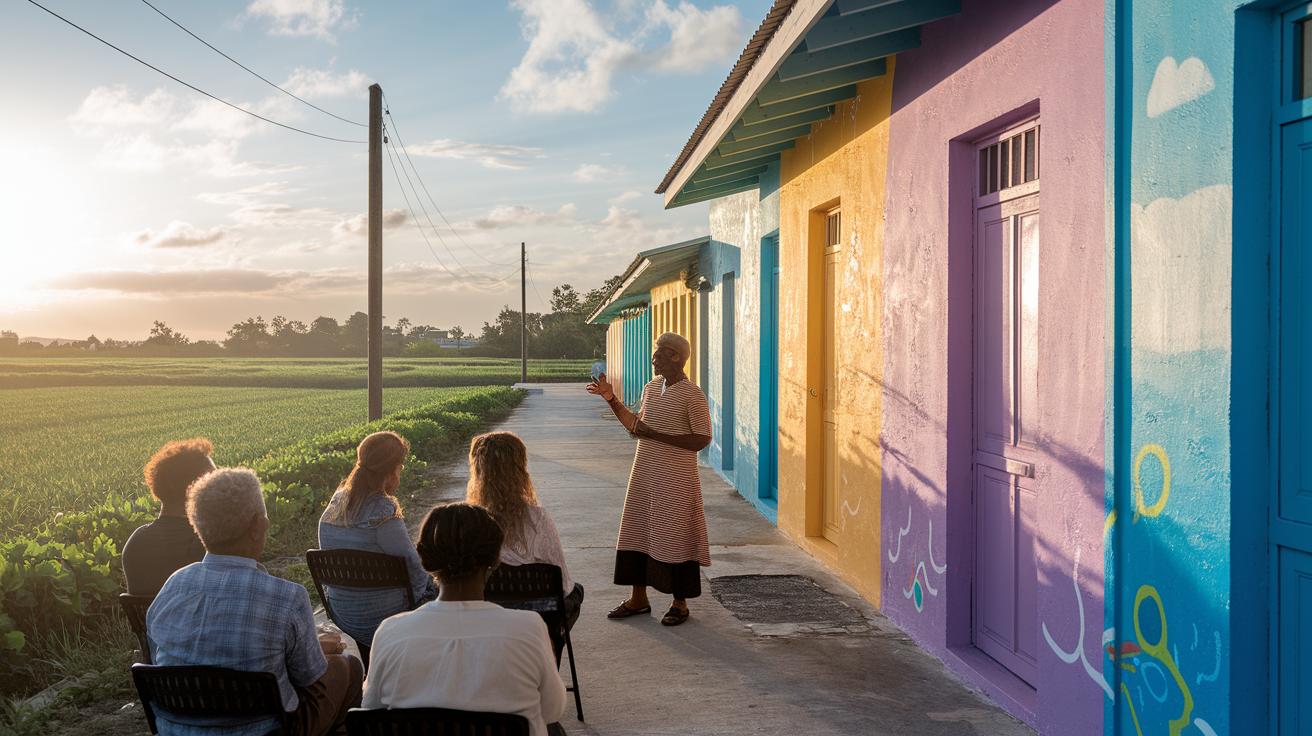
Scholars mix old texts, history, and community research to shine a light on forgotten memories. They show us how art becomes a record of resistance. Oral histories are key here, they capture true stories of people fighting for freedom that often go unheard in official records. Imagine hearing a local storyteller say, "The fields whispered our defiance at every turn," as if the warm breeze carried secrets of rebellion across the Caribbean night.
Artists and community activists take these stories and turn them into powerful art that challenges the usual narrative. Take, for instance, exhibitions inspired by the work of Firelei Báez in Boston or the rich collections that safeguard marginalized voices. These projects honor our shared cultural heritage and help keep deep-rooted traditions alive by making sure every voice, no matter how small, is part of the ever-changing story of social change.
Scholarly research and community passion come together to reshape Caribbean stories, transforming them into vibrant tales of social justice and resilience.
Musical Protest and Island Artistic Expression Shifts Under Social Movements
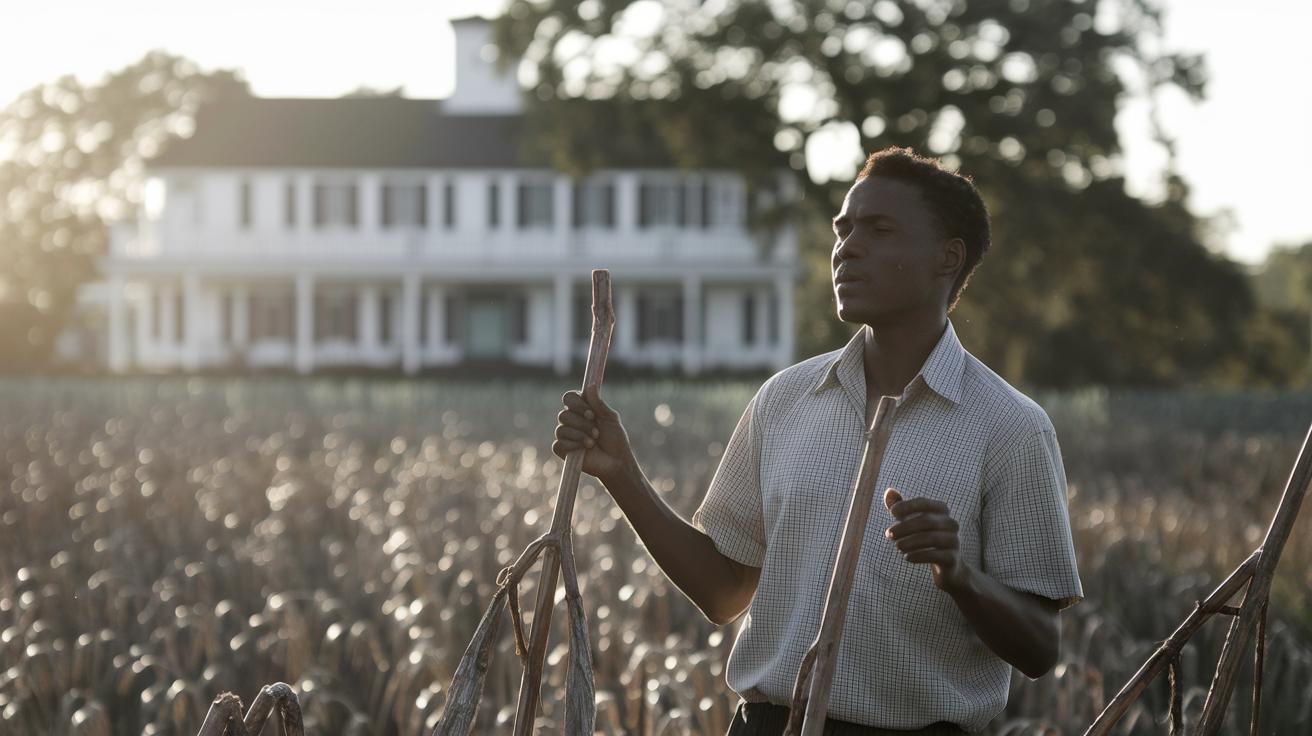
Back in the days of big plantations, work songs weren’t just simple tunes, they were secret signals of unity. Imagine a laborer softly humming, "Our hearts beat as one," as if that gentle melody was a quiet promise for a brighter future. These songs, sung in the sugarcane fields, subtly pushed back against the harsh rules set by colonial masters.
Then, in the 19th and 20th centuries, calypso music took the stage as a fun and clever way to poke fun at those in power. Ever heard a calypso pirate's playful verse like, "Sing a song that just might say what you dare not speak?" With a steady beat and a twinkle in its rhythm, calypso gave islanders a chance to share their frustrations and dreams without risking harsh punishment.
Over time, those raw field chants turned into full-blown musical movements. The simple beats grew into rich, layered melodies that captured the struggles and stories of the community. Music became a canvas where locals could reimagine their heritage and power, turning every note into a celebration of identity and history.
And then, picture this: a street performer blending into a busy crowd, his song quietly calling for change. It’s a reminder that sometimes, even the smallest note can carry the bold spirit of a people ready to stand up for what they believe in.
Carnival and Festive Resistance: Revolutionary Change in Caribbean Cultural Narratives
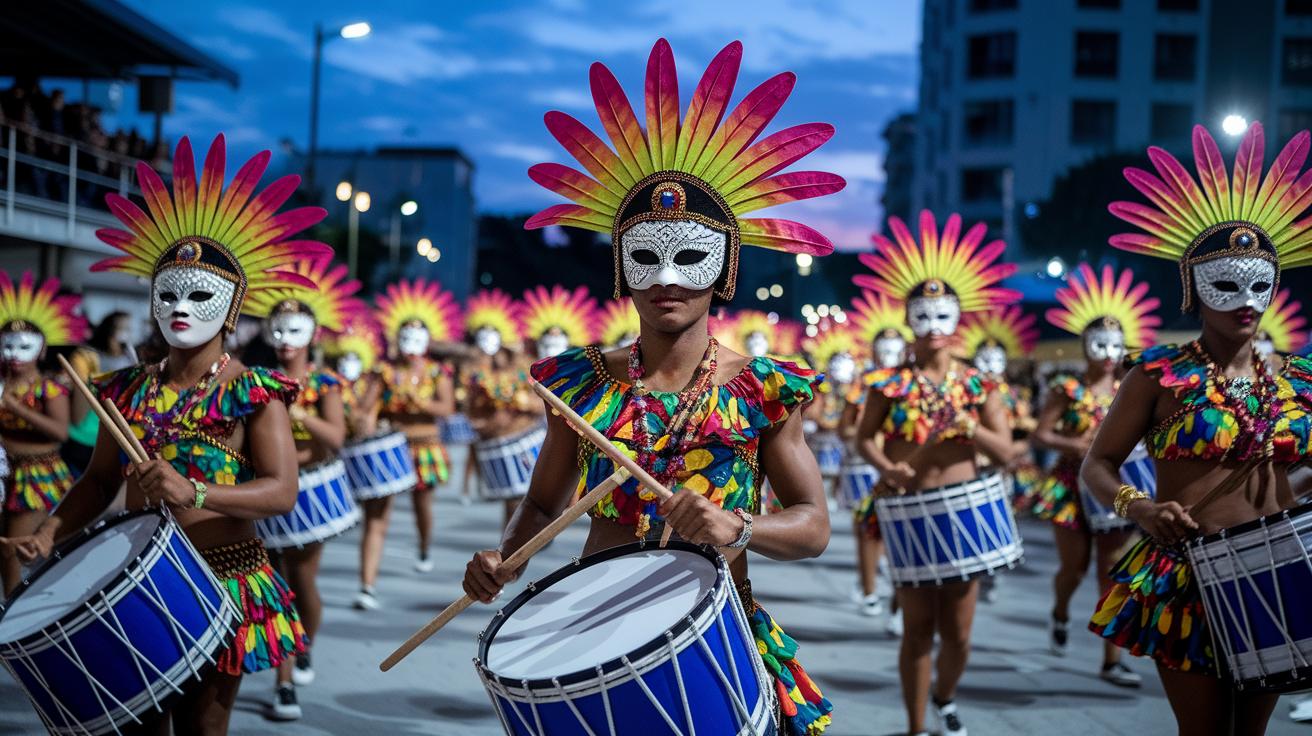
Back in the 1800s, Trinidad Carnival was more than just a big party, people turned it into a secret stage for protest. Clever, funny acts and mimicry helped them poke fun at strict colonial laws. The bright costumes, lively music, and spirited dances became a special way to quietly say, "We won't be controlled!"
Picture a parade where every mask and every step carries a hidden story. Under dazzling colors and pounding drumbeats, performers wink at unfair rules, each move gently nudging against injustice. These moments showed how humor and art could be strong tools to stand up against those in power.
As time went on, these joyful displays grew into a deeper form of protest. Every rhythmic beat and well-practiced dance move helped the community unite, showing off a strong cultural identity. Carnival wasn't just about letting loose anymore, it became a place where old traditions were reimagined and given fresh meaning.
After independence, young people carried this vibrant legacy forward. Their energy revived old customs, turning festivals into exciting stages for cultural change. With playful satire and dynamic performances, they sparked a lasting pride and spirit of resistance that still shines in the Caribbean today.
Contemporary Diaspora Debates and Social Movement Legacies in Caribbean Cultural Narratives
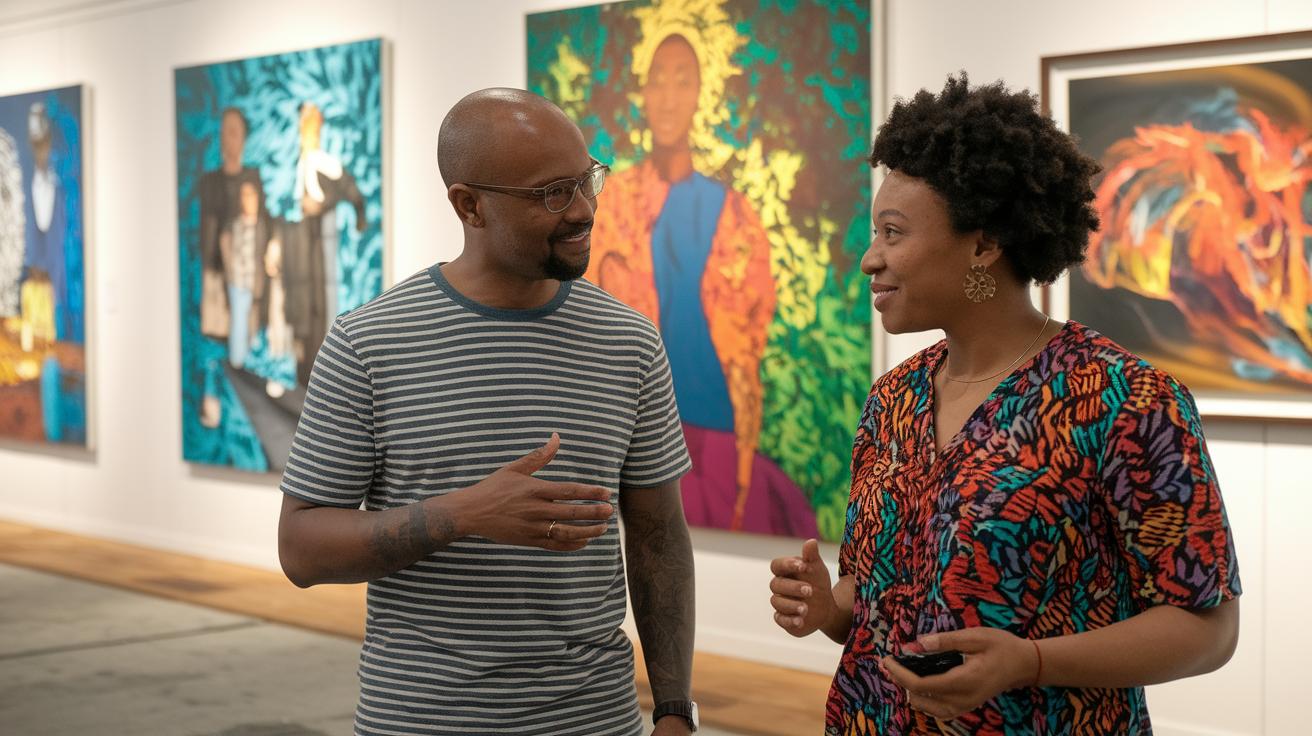
New voices from the Caribbean diaspora are asking fresh questions and telling new cultural stories. Back in the 1960s, the Caribbean Artists Movement started when islands were ready to leave colonial days behind. The artists mixed well-known island images with bold, new techniques to celebrate an Afro-island identity. Their work sparked lively chats about our shared roots, urging everyone to see old tales in a fresh light.
Big events like the Age of Revolutions exhibit and the Atlantic Exiles ERC Project played an important part in this change. These gatherings helped artists and thinkers swap ideas and build a sense of unity across borders. They showed how rethinking our past can transform the way we see art and culture.
Even street beats from New Orleans brought a cool twist to Caribbean art. The energetic dance moves and local rhythms mixed island sounds with urban vibes, sparking exciting new styles and vibrant expressions. This blend of creative forces shows that stepping away from old ways and embracing new ideas keeps our cultural dialogue alive.
Step by step, these modern expressions have pushed aside old views and carved out new spaces for identity. Every performance and curated show reminds us that our heritage is a living, changing conversation filled with passion and resilience.
Final Words
In the action, the blog takes us through Caribbean history, from early colonial times and stirring emancipation movements to vocal oral histories and revolutionary music forms. It shows how festive resistance, seen in Carnival’s evolving traditions, and modern diasporic discussions continue to shape island lore. Each section reminds us of the impact of social movements on caribbean cultural narratives. The vibrant spirit of the Caribbean shines through these accounts, leaving us with a warm sense of hope and excitement for every new discovery.
FAQ
How does culture impact the Caribbean region?
The culture in the Caribbean region influences community life by blending local art, festive music, and oral storytelling, which helps shape unique island identities and preserve shared histories.
How does movement affect culture?
The movement affects culture by sparking fresh creative expressions in music, art, and festivals. It reshapes traditions and gives communities a lively way to express their voices.
What are the social issues in the Caribbean?
The social issues in the Caribbean include lingering effects of colonial rule, economic challenges, and community conflicts. These factors continue to influence how local traditions and cultural practices develop.
What is the impact of social movements?
The impact of social movements is seen in transformative art, protest music, and revived festivals that encourage communities to reframe their histories and celebrate collective resilience.
