Ever wondered if safe travel in the Caribbean is just a tall tale? With a bit of smart planning, your island getaway can be as smooth as a calm sea. We’ve gathered trustworthy safety tips and practical advice to help you set off with confidence. Think of your trip as a bowl of fresh tropical fruit, each safety tip adding a unique, refreshing flavor. Here are five simple Caribbean safety tips that let you relax and feel secure while soaking up the warm island sun.
Key Safety Foundations for Caribbean Travel

When planning a Caribbean getaway, knowing a bit about safety can help you feel at ease. For instance, the U.S. State Department rates some islands like Anguilla, Barbados, St. Barts, Cayman Islands, Aruba, British Virgin Islands, and Martinique as Level 1. This means you can stick to your usual travel habits without worry. But if you're headed to Turks and Caicos, that's a Level 2 rating, so a little extra care is in order. Trusted rankings from groups like the World Safety Index add even more confidence when picking your destination. Think of it as tossing together a tropical salad: start with the basic safety ingredients and mix in all the details that make each island special. Aruba, for example, has a great record with very low violent crime, which makes it a popular choice for safe travels.
Hurricane season lasts from June through November, with the busiest months being August and September. However, islands such as Aruba, Curaçao, and Bonaire sit a bit south of the main hurricane track, giving them a more relaxed vibe even during stormy times. On top of that, tap water in places like Aruba, Barbados, Cayman Islands, St. Barts, and Martinique is treated and safe to drink, which is one less thing to worry about. At the same time, there have been some recent reports of more theft and robberies in busier spots like Nassau and Freeport, so sticking to popular and well-marked tourist areas is a smart move. Many solo female travelers share that islands like Aruba, Barbados, St. Barts, and Cayman Islands feel welcoming and secure, thanks to their reliable safety measures and low rates of gender-based issues.
Caribbean Crime Prevention: Tips for Safe Island Visits

When you're soaking up the Caribbean sun, it's a good idea to stay aware of what's happening around you. Islands like Aruba and Anguilla are known for being safe, but in places like Nassau or Freeport you might hear about more robberies and petty thefts targeting visitors. So, planning ahead can really save you a headache.
Here are six easy tips to help keep your island adventure smooth and secure:
- Stick to busy, well-lit spots where both locals and tourists gather.
- Keep your valuables safe by using the hotel safe and not flashing expensive items around.
- Handle money transactions in lively areas, and try not to carry too much cash when you’re out and about.
- Use only licensed taxis or recognized ride-share services instead of random rides.
- Be extra cautious in areas known for trouble, and listen to local advice about safety.
- Instead of wandering alone after dark, it’s best to join a group or travel with someone you trust.
Following these steps will let you relax and enjoy the island vibes while staying safe.
Handling Natural Hazards in the Caribbean
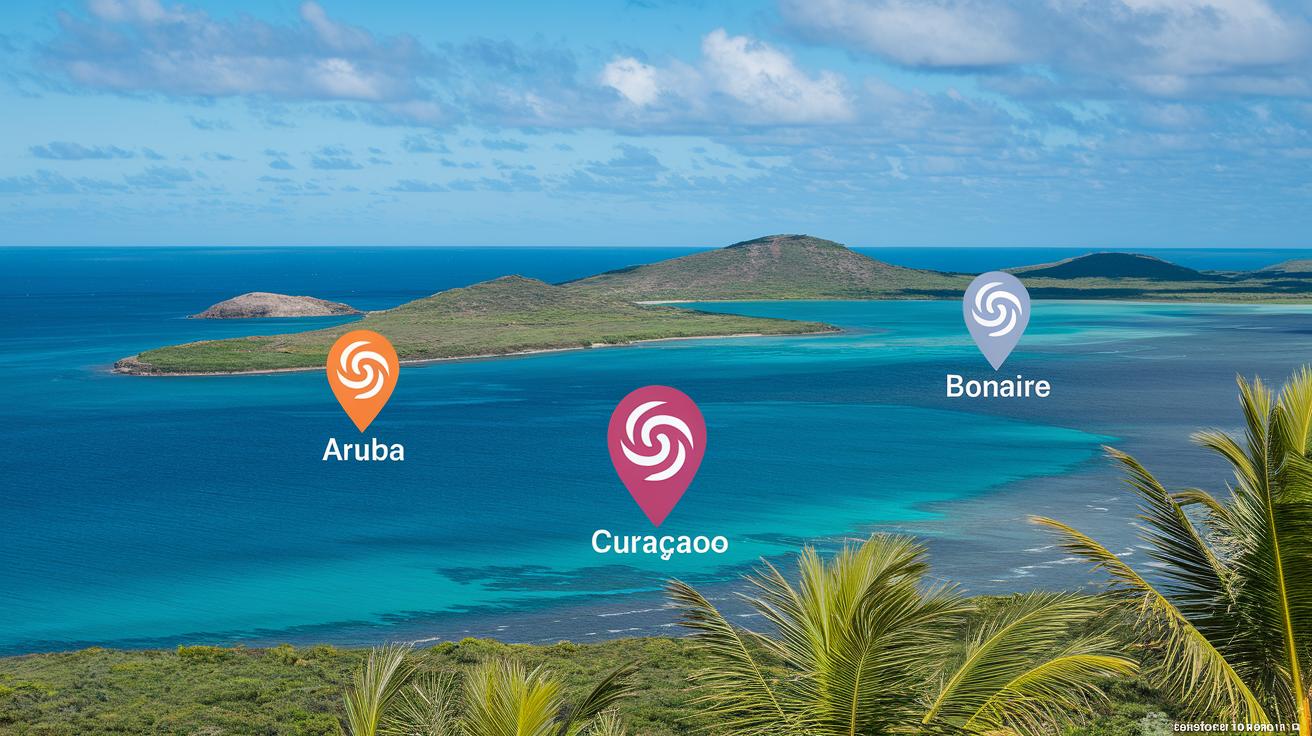
In the Caribbean, Mother Nature sometimes reminds us to be cautious. Hurricanes are most common from June through November, with the heaviest storms usually hitting in August and September. But if you visit islands like Aruba, Curaçao, and Bonaire, you’ll likely find fewer rough weather days since they sit below the main storm route.
It’s smart to mix hurricane safety with your everyday travel tips. Before you head out, catch local broadcasts or check updates from trusted sources like the U.S. State Department. And, find out where you can go if you need a safe place nearby.
Make sure you pack an emergency kit with the basics, water, non-perishable food, flashlights, spare batteries, a first-aid kit, and extra copies of your travel documents. It also helps to ask your hotel or local authorities about emergency plans, such as safe shelters or evacuation routes.
Keep your travel plans flexible so you can easily adjust if weather conditions change. Combining these steps with your usual safety measures will help you tackle both local security concerns and any weather surprises.
Health & Medical Precautions in the Caribbean
When you’re exploring dreamy islands like Aruba, Barbados, Cayman Islands, St. Barts, and Martinique, you can relax knowing the tap water is treated and safe to drink. However, in other spots you might hear that bottled water is the way to go. So, it’s a good idea to ask your hotel or check online before you head out, something like, “Is the tap water drinkable here?”
In the heart of these tourist hubs, you’ll usually find a small clinic or pharmacy nearby. It’s wise to know where the nearest hospital is before you dive into your adventures. When you’re planning your trip, take a minute to look up local health tips and double-check the clinic hours. It’s just like making sure your first-aid kit is ready to go when needed.
Also, pack a basic first-aid kit with bandages, antiseptics, and pain relievers. And don’t forget to note down the local emergency contact numbers. I always remind myself, “Before I set out, I make sure I know the quickest route to the clinic.” Taking these easy steps means you can fully enjoy the warm Caribbean vibes with peace of mind.
Cultural & Community Safety in the Caribbean

When you visit the Caribbean, showing respect and knowing local customs makes all the difference. Islands like Aruba, Barbados, St. Barts, and the Cayman Islands welcome you with open arms, and they have a reputation for being safe and friendly. Local traditions often suggest wearing modest clothes at religious sites, kind of like dressing up nicely when visiting a friend’s special event.
Getting help from local police is pretty easy. People on the island know who to ask for directions or advice. For example, a friendly shop owner might advise, "Stay in the busy parts of town," to help you feel secure.
Here are some friendly tips for a safe trip:
- Follow local customs and dress in a way that feels respectful.
- Chat with local authorities to see if there are any new safety tips.
- Join in community programs if you get the chance.
- Keep an ear out for community updates about any changes.
These simple actions not only help you stay safe, but they also create a warm connection with the local community, making your Caribbean adventure that much more memorable.
Caribbean Safety Planning: Insurance & Emergency Contacts

When you’re getting ready for a trip to the Caribbean, taking a few extra steps can really help you relax and enjoy your stay. It’s a good idea to jot down the 24-hour emergency hotline numbers for the U.S. embassy or consulate, as well as the local emergency contacts. Each island can be different, sometimes you dial 911, other times 999, so a little prep work can go a long way.
Before you leave, print out a small list of key numbers. Include your embassy’s hotline, the local police, and the nearest hospital. Also, check with your insurance company to make sure your plan covers medical evacuation, which can be a big help when you’re in a remote spot without fancy medical care.
And hey, staying updated is important too. Keep an eye on travel alerts from trusted sources so you know about any sudden changes. For more details, you might want to look at guides such as the Caribbean Trip Planning Guide and the Essential Travel Insurance Guide. Safe travels and enjoy the sunshine!
Securing Accommodation & Transport in the Caribbean
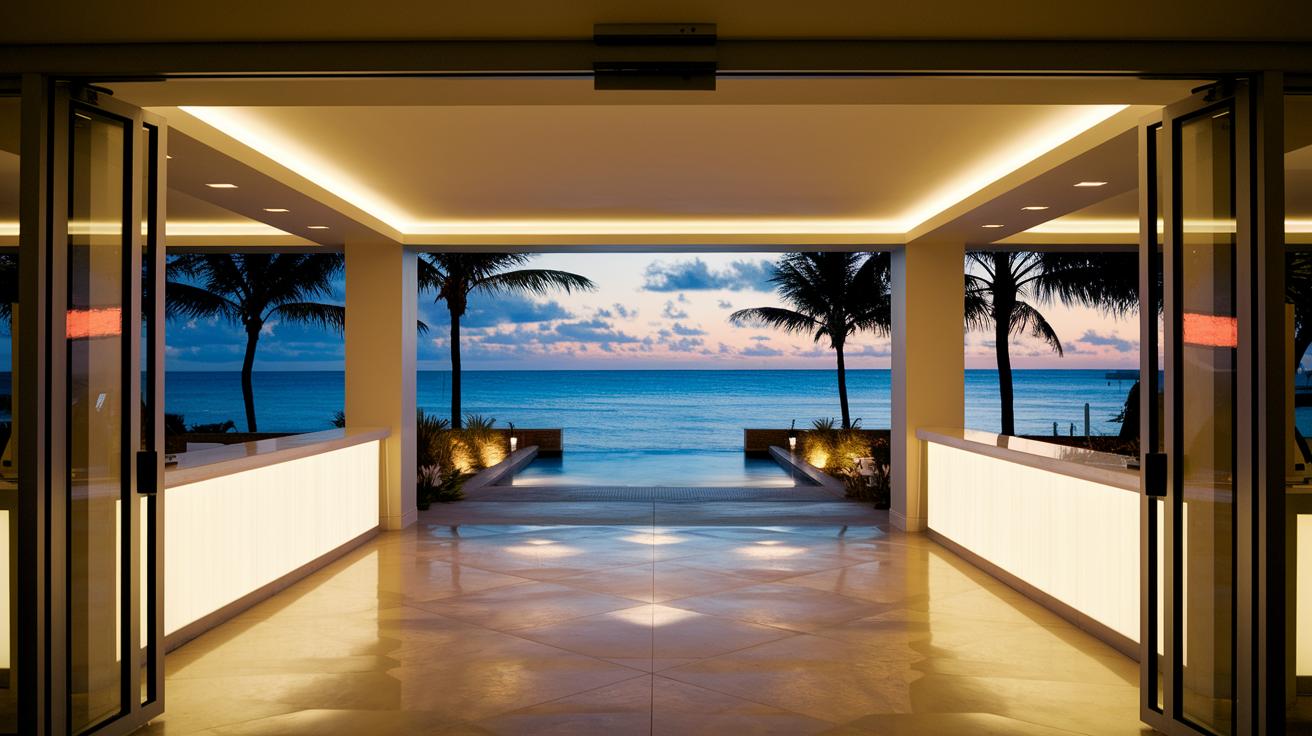
When planning your stay in the Caribbean, it’s important to check that your lodging has strong security measures. Many resorts in popular areas offer round-the-clock security, secure in-room safes, and keycard entry. This helps you relax and enjoy the Caribbean breeze knowing you’re well protected.
When you arrive at the hotel, ask about their safety features. Look for signs like bright, well-lit entrances and controlled access, which can really boost your sense of comfort. Before you sign any rental agreement, take a moment to double-check the safety details. Knowing that a property offers things like nonstop surveillance or quick emergency help can add an extra layer of ease.
For getting around on your trip, stick with licensed taxis or well-known ride-share apps. Using trusted transport options helps keep things simple and safe. And if you’re cruising, rest assured that cruise lines perform security screenings before boarding to make sure everyone’s safe.
Here are five simple tips for secure travel:
- Confirm that your hotel provides 24-hour security and controlled access.
- Check if your room has a safe for your valuables.
- Read through your rental agreement to spot any safety clauses.
- Choose licensed taxis or reputable ride-share apps for your journeys.
- Verify that the cruise line carries out security checks before you board.
Safest Caribbean Destinations Ranked for 2025

We gathered the latest updates from the World Safety Index and Global Peace Rankings for 2025. This new data checks crime trends, emergency response times, and how prepared local healthcare systems are. It focuses on what to expect ahead rather than repeating old scores.
| Island | Safety Rating | Notes |
|---|---|---|
| Anguilla | Level 1 | Expected boost in emergency services and fewer minor crimes |
| Aruba | Level 1 | Scored 88/100 with stronger public services |
| Barbados | Level 1 | Regular safety updates and effective local law enforcement |
| British Virgin Islands | Level 1 | Improved healthcare readiness along with tighter crime monitoring |
| Cayman Islands | Level 1 | Trusted resort security paired with well-planned transport services |
| Martinique | Level 1 | Upgraded public services including treated tap water and refreshed healthcare data |
| St. Barts | Level 1 | Top-tier security measures and promising public safety improvements |
Final Words
In the action, you’ve seen how to stay safe while exploring Caribbean gems. We covered island safety ratings, weather alerts, and ways to keep your belongings secure. Handy tips on water quality, local health resources, and cultural respect helped set the scene. We even looked at insurance and trusted transport options so you can relax more on your trip. Remember, this caribbean safety guide is here to help you experience the islands with confidence and ease. Enjoy every sun-kissed moment!
FAQ
What are the most dangerous Caribbean islands to visit?
The most dangerous Caribbean islands to visit are highlighted by rising crime rates and safety alerts. Locations like Nassau and Freeport are often mentioned due to increased armed robberies, so travelers should exercise extra caution.
What are the safest Caribbean islands for living, visiting, and family-friendly stays?
The safest Caribbean islands for living, visiting, and family-friendly stays consistently score well on trusted safety and peace indexes. Islands such as Aruba, Barbados, and the Cayman Islands offer secure environments, low crime, and excellent tourist infrastructure.
Which Caribbean islands are safe from hurricanes?
The Caribbean islands that are safe from hurricanes are typically found south of the main hurricane belt. Islands like Aruba, Curaçao, and Bonaire encounter fewer tropical storms, providing a safer option during peak hurricane months.
