Ever wondered if the heartbeat of old Caribbean communities still sparkles along the shores? The islands are steeped in history, taking us back to the days of the Taíno, when vibrant villages celebrated nature every day. Today, you can catch that feeling in every story shared around a warm campfire or in the joyful dance under the open sky. Caribbean cultures beam with pride, inviting you to step into a world where age-old traditions mix with the gifts of nature to create a lively, colorful beat of life.
Caribbean indigenous cultures glow with pride
The Caribbean shines with a rich heritage that has grown over many years. Long ago, the Taíno people lived here in small communities called yucayeques, think of them like friendly villages led by local chiefs. They grew foods like cassava and maize, fished in bright, glistening coastal waters, and built their lives around the gifts nature offered. Today, you can still see their spirit in lively festivals and the way locals share stories around campfires.
The Taíno also expressed their deep feelings with traditional dances called areytos. These rhythmic dances happened in open areas known as bateyes, where people celebrated life and honored gods like Yocahú. Imagine watching a dance under the open sky, feeling the beat echoing through the crowd. Even now, community events capture that same energy, making you feel like you’re listening to a story that’s been passed down through generations.
When European explorers arrived, things began to change in small ways. On his second journey in 1493, Christopher Columbus met the strong and proud Kalinago people. Today, many Kalinago still call home a 3,000-acre reserve in Dominica. They keep their traditions alive by weaving palm baskets, each piece a symbol of their enduring culture and ability to adapt to new times.
Across the region, ancient sites like Caguana in Utuado and Tibes in Ponce speak quietly of days gone by. With old plazas, ball courts, petroglyphs, and carved figures called cemíes (which are like sacred statues), these sites let us step back into a world of artistry and community warmth. Each stone and carving tells a tale of the resilient spirit that continues to shape the Caribbean's vibrant story.
Major Indigenous Peoples of the Caribbean
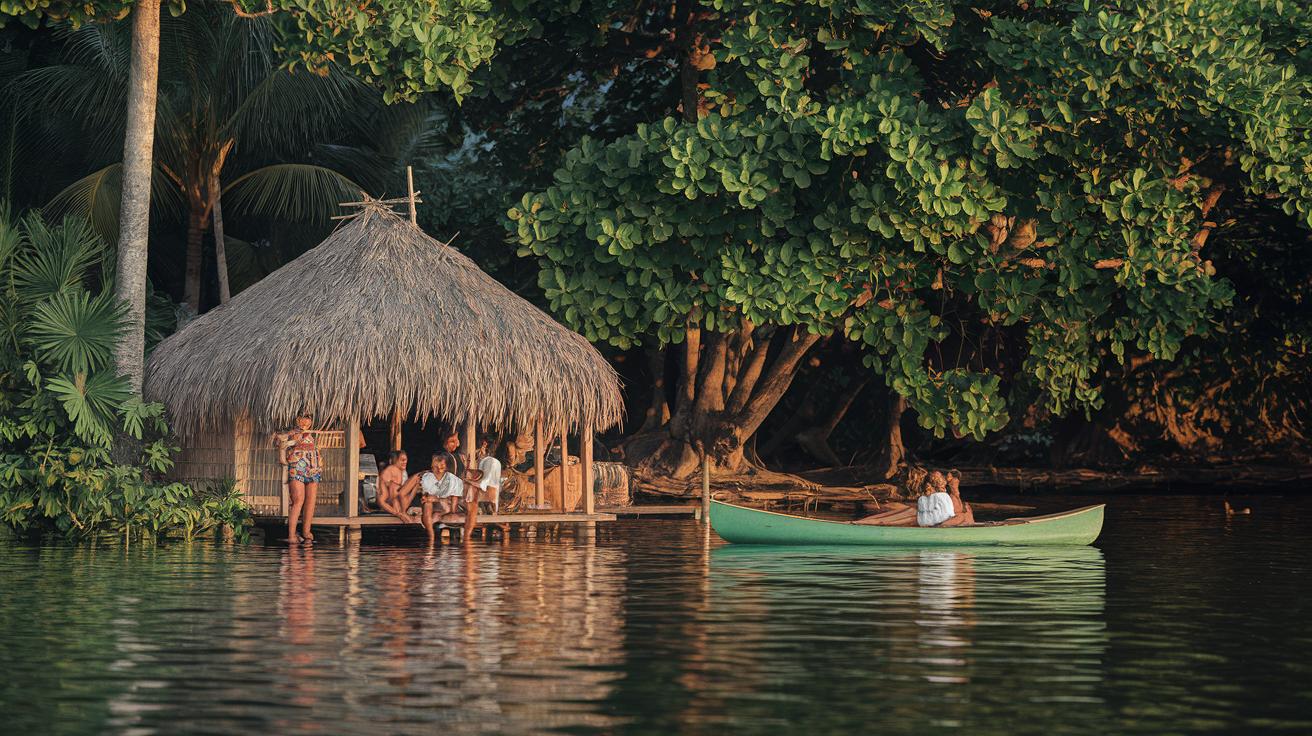
The Caribbean islands hold a treasure trove of history and tradition thanks to the native peoples who once roamed these shores. Imagine strolling along sandy beaches and ancient trails where communities once celebrated the beauty of the land and sea. Their daily lives, whether tending small gardens or gathering fruits by the shore, told stories of creativity, survival, and a deep connection to nature that still inspires us today.
-
Taíno: Picture a lively village in the Greater Antilles around AD 1000, where the Taíno people built close-knit communities called yucayeques. These little hubs, run by local leaders, were buzzing with activity, from carefully tending cassava and maize crops to crafting stone sculptures called cemíes that held deep spiritual meaning.
-
Kalinago: Now, think of the Kalinago, residents of the eastern Caribbean who still call Dominica home on a vast 3,000-acre reserve. Even though their original language has faded over time, their spirit endures in the way they govern themselves as a community and keep old traditions alive, like the art of palm basket weaving that turns nature’s raw materials into beautiful, useful creations.
-
Ciboney: Before the Taíno arrived, the Ciboney made their mark along the coasts of western Cuba and Hispaniola. They were clever foragers who left behind traces of their way of life in the form of neat piles of shells and simple stone tools, each one a reminder of their intimate relationship with the sea and shore.
Each group paints a vivid picture of Caribbean heritage, offering us a glimpse into a past where life was a balanced harmony of hard work, respect for nature, and vibrant cultural traditions.
Caribbean Indigenous Rituals, Ceremonies, and Oral Traditions
In bateyes, locals gather for lively communal dances called areytos. They honor deities like Atabey and Yocahú with steady drum beats and call-and-response songs. Imagine each drum beat echoing stories from long ago, blending ancient traditions with the vibrant pulse of today.
In quiet, sacred spots, carved stone figures called cemíes quietly tell their own tales. People believe these figures hold spirits that influence everything from the harvest to daily well-being, even during tough times. Their rough, timeless features remind us of a shared past and the wisdom passed down from our ancestors.
At sites such as El Sol de Jayuya and Piedra Escrita, ancient petroglyphs add another layer to these traditions. These rock carvings feature sun symbols, animal shapes, and signs of legendary stories. Picture running your fingers along the worn stone, each mark softly sharing secrets of the old days with you.
Oral epics, shared like treasured family stories, keep local legends alive. They tell of brave caciques and mystical shaman journeys into other realms. These heartfelt tales mix myth with everyday life, inviting each listener to explore a world where the magic of the past meets the spirit of the present.
Archaeological Discoveries and Heritage Sites of Caribbean Indigenous Cultures
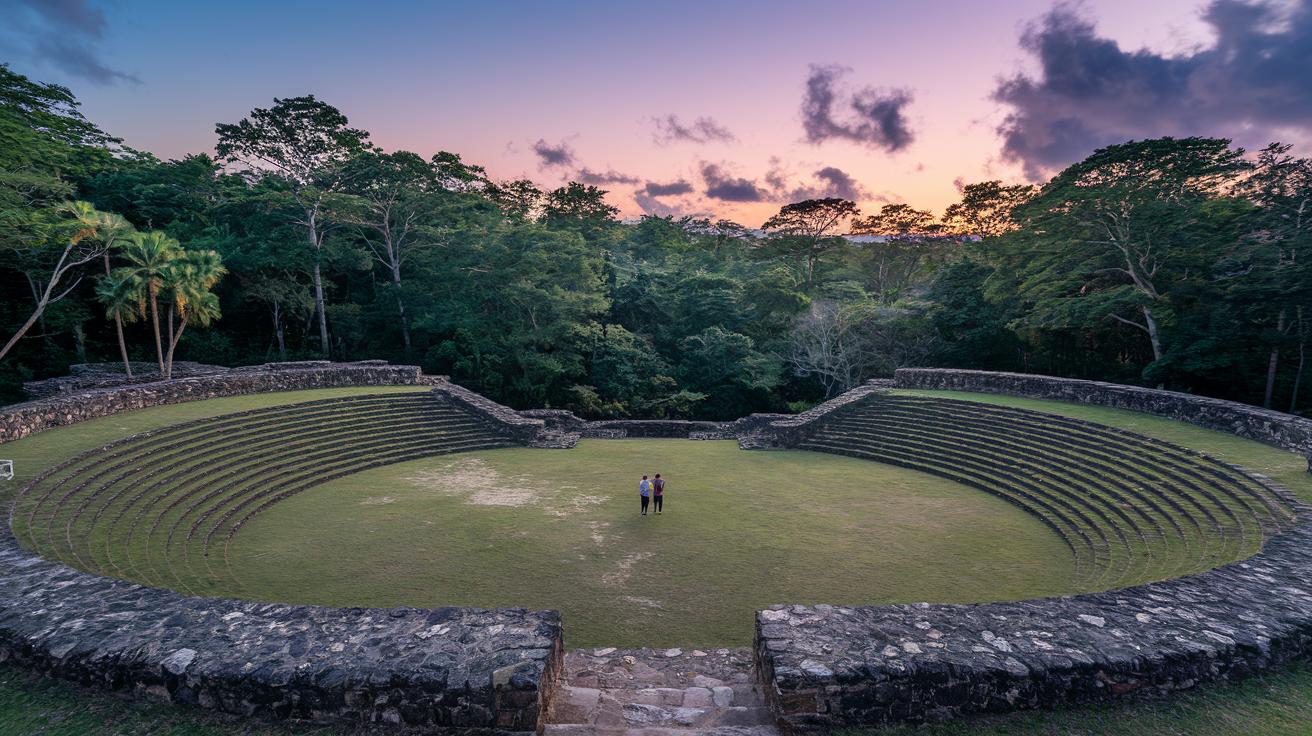
Deep in the Caribbean, ancient ruins whisper the stories of native peoples who once thrived here. Exploring these sites feels like a chat with the past, where every stone holds memories of warm community life.
One standout spot is the Centro Ceremonial Indígena de Caguana in Utuado, Puerto Rico. This place features nine neat, rectangular plazas, ball courts for friendly games, and large stone markers that early locals revered. It’s as if you can almost hear the echoes of ancient celebrations.
Another treasure is the Tibes Ceremonial Center in Ponce. With its 21 circular plazas and solid foundation walls, this site tells a tale of renewal. Stone carvings here, full of age-old symbols, invite you to imagine a time when rituals and community spirit molded the land.
Along the Saliente River, the Piedra Escrita site offers a different kind of wonder. Over a hundred rock carvings, filled with symbols of the sun and various animals, showcase the artistry of pre-Columbian hands. It reminds you of how creativity can brighten even the oldest landscapes.
At Cerro Puntas, the site known as El Sol de Jayuya treasures some of the earliest petroglyphs. Its carvings of a sun deity light up a heritage that blends natural beauty with human craftsmanship, evoking a sense of timeless wonder.
These heritage sites shine a light on the skill and creative spirit of early Caribbean peoples. Each stone tells a story of community, art, and endless innovation, a legacy that still feels close to home on these sunlit islands.
| Site Name | Location | Date Range | Key Features |
|---|---|---|---|
| Caguana Ceremonial Center | Utuado, Puerto Rico | AD 1200–1450 | 9 plazas, ball courts, stone monoliths |
| Tibes Ceremonial Center | Ponce, Puerto Rico | Pre-1530 | 21 circular plazas, foundations, petroglyphs |
| Piedra Escrita Petroglyphs | Saliente River, PR | Pre-Columbian | 100+ glyphs of solar and animal motifs |
| El Sol de Jayuya | Cerro Puntas, PR | Pre-Columbian | Ancient sun deity carvings |
Influence of Indigenous Cultures on Modern Caribbean Identity
The Caribbean today is a mix of old and new. Here, ancient traditions blend with modern life in ways that respect nature and our planet. Think of festivals like Puerto Rico’s Areyto or Dominica’s Kalinago Week. They light up with dance, music, and crafts, reminding us of folk healing and our deep bond with nature.
Places like Museo de Las Américas in San Juan and Dominica’s Barana Aute center offer fun, hands-on lessons. Locals share the timeless stories and skills of the Taíno and Kalinago peoples, almost like a cool ocean breeze that refreshes your spirit and teaches you to care for the earth.
On the political side, milestones add to this modern identity. In 2023, Sylvanie Burton took the lead as Dominica’s first Kalinago head of state, a proud moment that brings the community together. It’s a powerful reminder that indigenous voices continue to shape the way we live today.
Then there’s ecotourism that connects the past to the present. Tours in the Kalinago Territory let you see firsthand how ancient ways still guide modern environmental care. These adventures blend culture and sustainability, showing us how to live in balance with nature while keeping traditions alive.
Preserving and Reviving Indigenous Craftwork and Traditions
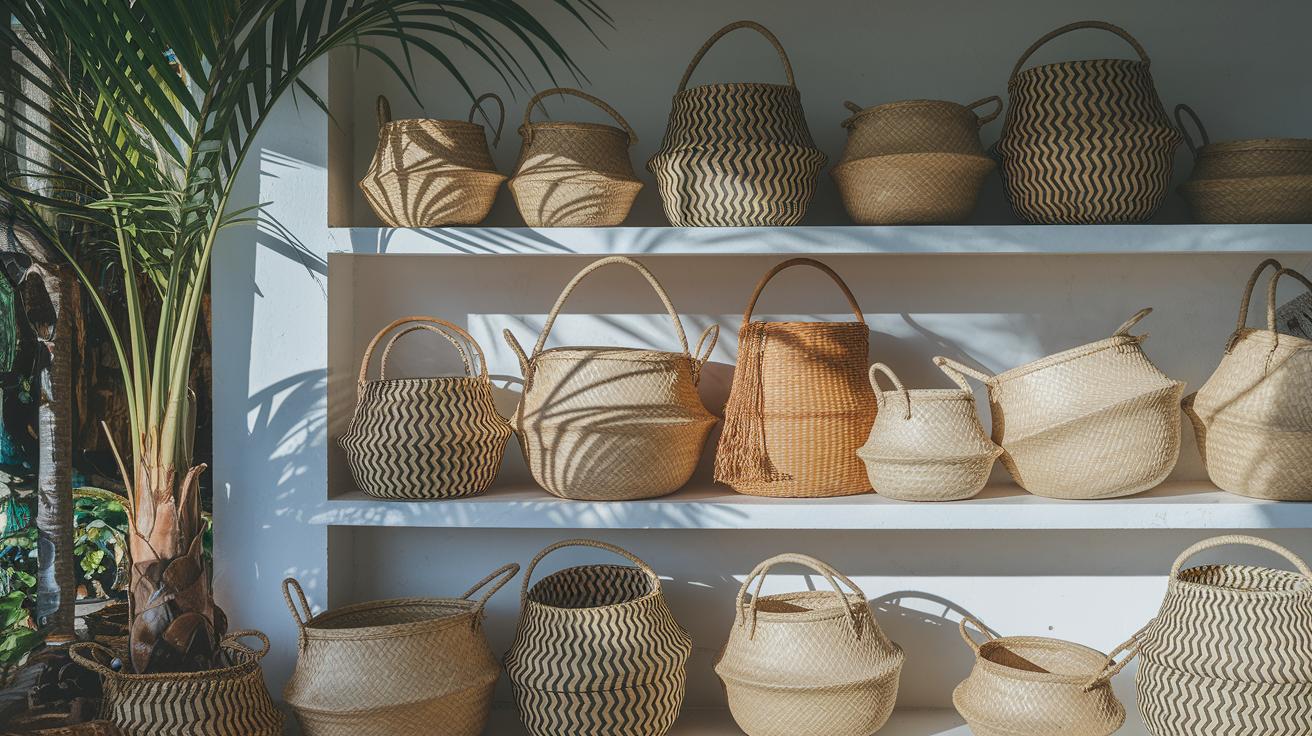
Since the 1970s, the Kalinago community has kept their creative spark alive with a charming gift shop selling palm-woven baskets. Each basket brings a piece of precolonial history to life, woven with care and a steadfast love for sustainable living. It’s like stepping into a living story where every fiber holds a memory of the past and a promise for the future.
In Puerto Rico, local artisans honor the spirit of the Taíno people by making clay cemíes (small statues used in ancient rituals) and engraved pottery inspired by artifacts from as early as AD 1200, found in places like Tibes and Caguana. Every year, bustling markets in both Dominica and Puerto Rico burst with life as vendors display shell jewelry, wood carvings, and woven textiles featuring ancestral patterns. These vibrant gatherings are like a lively exchange between the old ways and new ideas, inviting everyone to appreciate the tactile beauty of indigenous design.
Regional workshops also play a big role in keeping traditional herbal remedies alive. Here, participants dive into the secrets of local plants and learn how families have relied on these natural treatments for generations. In these warm, interactive sessions, the wisdom of medicinal herbs is passed on, ensuring that the art of healing remains a cherished part of Caribbean heritage.
Final Words
In the action, our article immersed us in the lives of native groups, a peek into their ancient ceremonies, unique craftwork, and historical sites that anchor today’s cultural scene. We touched on agricultural roots, traditional dances, and even modern eco-friendly practices that keep local customs alive.
Exploring caribbean indigenous cultures gives you a real taste of authenticity. Enjoy the buzz of cultural festivals, try local crafts, and let every step guide your trip with the warm spirit of the islands.
FAQ
Who are the indigenous people of the Caribbean?
The indigenous people of the Caribbean include groups like the Taíno, Kalinago, and Ciboney. These communities have a rich heritage marked by traditional agricultural practices, communal living, and unique cultural ceremonies.
What happened to the indigenous people of the Caribbean?
The indigenous peoples faced significant changes after European contact, with diseases and colonization impacting their communities. Still, their descendants and cultural practices continue to contribute to the Caribbean’s diverse identity.
Are there still indigenous people in the Caribbean?
Yes, many indigenous communities remain today, such as the Kalinago on Dominica and descendants of the Taíno in Puerto Rico. They honor their heritage through festivals, craftwork, and community initiatives.
Are native Caribbeans and Taíno people black?
The native peoples of the Caribbean, including the Taíno, are recognized as indigenous rather than black. Their identities are rooted in their native ancestry and distinctive cultural traditions passed down through generations.
What are the 13 Caribbean nations?
The 13 Caribbean nations represent a mix of island and mainland countries, each enriched by indigenous, African, European, and Asian influences that shape the region’s overall cultural and historical narrative.
What are the 4 ethnic groups in the Caribbean?
The four main ethnic groups in the Caribbean are indigenous peoples, Africans, Europeans, and Asians. This blend creates the region’s multifaceted cultural identity, reflecting a history of varied influences and traditions.
What race is native to the Caribbean?
The natives of the Caribbean are identified as indigenous. Their heritage is linked to ancient groups like the Taíno and Kalinago, whose distinct cultural traditions continue to be celebrated in the islands.
