Have you ever thought about how the Caribbean’s lively music, dance, and food tell their own hidden story? These islands carry a rich African soul that has been nurtured over time. Centuries ago, Africans brought their cherished customs here during hard days, and now those traditions burst into life in every beat and every taste.
Today, if you listen closely, you can hear the heartbeat of drum rhythms mingling with the aroma of savory spices. It’s like feeling a gentle nudge from history itself, a reminder of strength, resilience, and a cultural pride that still shines in every corner of the Caribbean.
African Influences in Caribbean Cultural Foundations
Did you know that African people first arrived in the Caribbean as early as the 15th century during Spanish and Portuguese rule? Many were forced to migrate even more during the 18th century when the British brought over large numbers of enslaved people. Most of these individuals came from West African nations like Nigeria, Ghana, Senegal, and Benin, and they belonged to tribes such as the Yoruba, Igbo, Mandinka, and Kongo. Over centuries, resilient cultures merged to form a vibrant cultural heritage that remains a proud part of Caribbean identity.
Imagine working on a vast sugar plantation where nearly two-thirds of the enslaved Africans toiled under harsh conditions. In Jamaica alone, almost one million people were brought between 1606 and 1842, and Barbados saw nearly 500,000. This forced migration, known as the Triangular Trade (a trade route between Europe, Africa, and the Caribbean), drastically changed the very makeup of the islands. The intense work and daily interactions on these sugar estates blended the unique customs of different African regions, sparking a mix of traditions that forever changed the cultural landscape.
Every day on the islands, African traditions meshed with both European and Indigenous practices. Picture the lively rhythm of Caribbean music, the upbeat dances, the savory foods, and the heartfelt language, all touched by African spirit. This fusion continues to shine in storytelling, festive songs, and delicious local dishes, all of which celebrate a legacy that is both a tribute to past struggles and a jubilant celebration of life.
African Influences in Caribbean Music and Dance Patterns
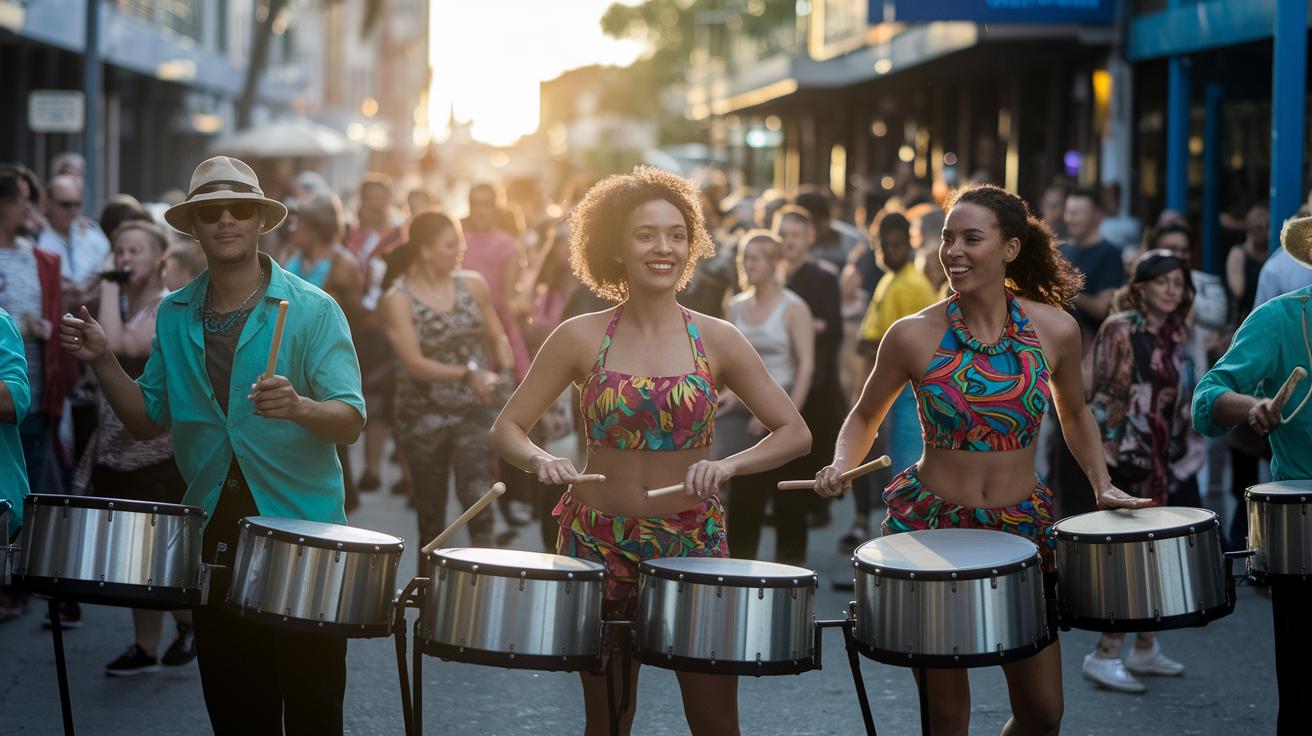
Caribbean music and dance get their spark from the timeless beat of African drums and the friendly call-and-response style. Reggae, calypso, soca, and dancehall all carry hints of traditions where simple beats and lively singing brought communities together. Imagine a soft drum roll in the distance that brings back memories of old family gatherings, reminding you that every beat tells a story.
Local musicians mix these old influences with a splash of island flavor to create tunes that make people move and smile worldwide. They use instruments like steel pans, maracas, and tambourines that echo the vibrant rhythms from West Africa. There are more than 30 regional genres that grew from these deep-rooted traditions, featuring spontaneous singing and group chants inspired by Yoruban and Mandé customs. It’s like adding a dash of history to a burst of island spirit, with every song and dance celebrating a rich past.
| Genre | West African Influence | Key Instrument |
|---|---|---|
| Reggae | Drumming and call-and-response | Steel pans |
| Calypso | Storytelling rhythms | Maracas |
| Soca | Energetic beats | Tambourines |
| Dancehall | Modernized percussion | Electronic drum patterns |
African Influences on Caribbean Culinary Traditions
African food traditions have been weaving their magic into Caribbean cooking for centuries. Enslaved Africans, resourceful and creative, turned simple ingredients into dishes bursting with flavor. They used ingredients like okra, yams, and plantains, and mixed in spices such as allspice, nutmeg, and the fiery Scotch bonnet pepper to create meals that tell tales of hardship and joyful celebration alike.
These dishes are like whispered stories passed down through generations, capturing both the struggles and the exuberance of island life. They let you taste history with every bite, carrying the vibrant spirit of Africa into every Caribbean meal.
- Jerk Chicken – This dish is marinated in a zesty blend of Scotch bonnet peppers, allspice, and nutmeg that gives it a bold kick.
- Rice and Peas – A hearty mix enriched with okra and yams, bringing to life traditional African staples.
- Callaloo – A savory comfort food that mixes plantains with leafy greens for a rich, satisfying bite.
- Oxtail Stew – Originating from creative “slave pot” recipes, this stew transforms less-favored cuts into something truly robust with spices that warm the soul.
- Pig’s Feet Soup – Slow-cooked with tender pig’s feet and local flavors, this soup sings with aromatic, soulful seasoning.
Each one of these recipes is a delicious reminder of a deep cultural legacy. They honor a past filled with both hardship and resilience while celebrating the innovative spirit that continues to shape Caribbean cookery today.
African Influences in Caribbean Religious and Spiritual Practices
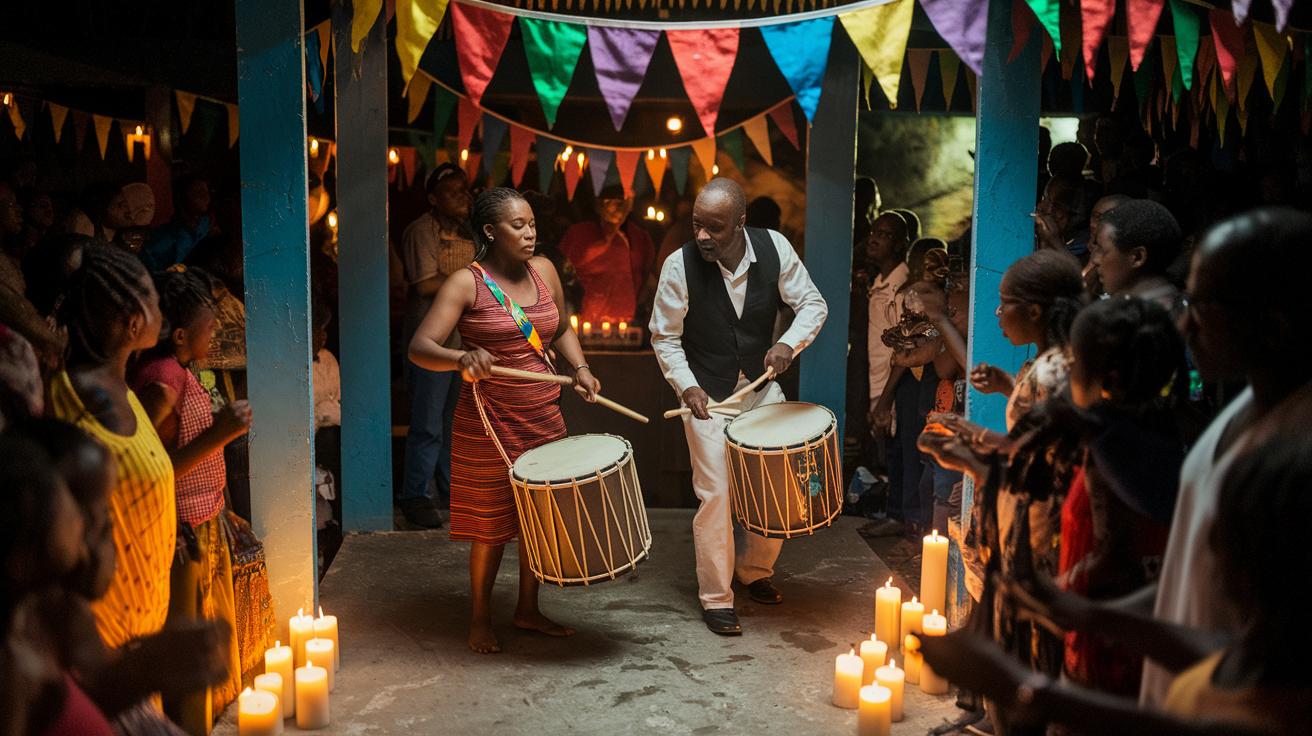
Across the Caribbean, African traditions and Catholic customs have fused into spiritual practices that speak of resilience and a deep-rooted sense of belonging. These blended rituals emerged during tough times when communities were pushed to migrate and endure oppression. Drumming, call-and-response chants, and spirit possession ceremonies became heartfelt ways to honor ancestors and find refuge. And even now, these traditions nurture pride and unity throughout the islands.
Haitian Vodou
In Haiti, Vodou mixes African gods with Catholic saints. This creates vibrant rituals full of meaning. Folks here use drumming and dancing to call on the loa (divine guides who protect, help, and heal). It’s a living link to ancestral wisdom and a source of strength when times get rough.
Cuban Santería
In Cuba, Santería revolves around the worship of orishas (spiritual messengers rooted in African beliefs). Practitioners honor these forces through music, dance, and carefully choreographed ceremonies. Each ritual not only bonds the community together but also bridges the gap between the past and present.
Jamaican Obeah
In Jamaica, Obeah focuses on healing and protection through rituals steeped in West African customs. With intimate chants and symbolic acts, these practices work to restore balance and well-being. They offer guidance and comfort in everyday life, helping people navigate challenges with renewed hope.
African Influences in Caribbean Creole Languages
Creole languages like Haitian, Papiamento, and Jamaican Patois were born long ago, from the 1600s to the 1800s, when people speaking different languages came together. They blended African ways of speaking with European words to create new, handy languages for everyday life and trade. This mix brought diverse cultures into one warm conversation and gave communities a unique identity.
Many of these creoles still show hints of African language, such as simple grammar and a musical, rhythmic speech that feels like a gentle beat. Their special word order and choice of words bring to mind the traditions of West Africa. It’s like catching the soft pulse of age-old stories in every conversation, where each word carries a piece of history.
Everyday storytelling and folktales in these creole languages help keep African traditions very much alive. Common sayings and parables are passed down through casual chatter, linking today’s speakers with their cultural roots. This vibrant way of talking not only preserves precious history but also fills people with genuine pride in who they are.
African Influences in Caribbean Visual Arts and Crafts

African styles bring a bright burst of color to Caribbean art, echoing old-world traditions in everything from lively paintings to lovingly made objects. Each bead in intricate beadwork and each curve in ceremonial masks tells a story passed down over generations, reminding us of the strength and heritage of African ancestors.
Island makers have been using textile methods like strip weaving and tie-dye for years, techniques that come straight from Yoruba and Akan traditions. Crafts like straw weaving, pottery, and wood carving hold onto unique African designs and mix them with local customs. This blend of old and new creates a style that celebrates both history and fresh, creative spirit.
- Beadwork with detailed African designs
- Pottery made with time-honored techniques and local clays
- Textile patterns inspired by traditions like strip weaving and tie-dye
- Mask-making that keeps its ceremonial meaning alive
Today, local artists continue this journey by mixing classic techniques with modern ideas. Their work, whether bright paintings or carefully crafted baskets, speaks to deep roots while adding a lively twist that fills the Caribbean with a strong sense of pride.
African Influences in Caribbean Festivals and Resistance Narratives
Before modern parades, enslaved Africans secretly gathered to celebrate with their own special rhythms and dances. They blended age-old African rituals with local religious customs into vibrant pre-Lenten events. Think about it, these secret meetups, full of rhythmic drumming and soulful energy, were the seeds of today’s Emancipation Day parades and festivals like Junkanoo.
Artistic flair is everywhere in these celebrations. Drumbeats, improvised chants, and energetic dances fill the air like a lively conversation between past and present. The costumes and masks, bursting with vivid hues, remind us of traditional African masquerades. It feels like stepping into a world where history and creativity join hands.
These community festivals are so much more than a fun time out. They’re heartfelt gatherings where stories of resistance, hope, and resilience echo through every song and dance. Each performance, whether a folk tale or a spirited dance, is a loving nod to a shared history and the enduring strength of community.
Final Words
In the action, we've explored how African influences in Caribbean culture have shaped traditions from music and dance to culinary delights and language. Each part of the post highlighted the deep roots and lasting marks that history has left on modern Caribbean life.
Our recap reminds us that every beat, flavor, and word reflects a rich past. This celebration of culture leaves us excited, hopeful, and eager to experience these unique, heartfelt traditions.
FAQ
What defines Afro-Caribbean culture?
Afro-Caribbean culture is defined by its roots in African traditions blended with Caribbean customs, evident in music, food, language, and religious practices that have evolved over time through shared history.
How has African influence shaped the Caribbean?
African influence in the Caribbean is reflected in everyday life, from unique culinary techniques and spicy dishes to creole languages and rhythmic music patterns that have become central elements of island identity.
What is the difference between Black African and Black Caribbean identities?
Black African identities directly connect to native African cultures, while Black Caribbean identities mix African heritage with local island experiences, creating a distinct blend of traditions, flavors, language, and spiritual practices.
Is Caribbean African?
Caribbean African refers to individuals whose ancestry traces back to Africa, showing how African heritage continues through adaptations in food, music, language, and cultural expressions across the Caribbean islands.
Did Caribbean people originate from Africa?
Caribbean people largely descend from Africans brought to the islands through forced migration, with their cultural legacies merging with European and indigenous influences to produce a rich, blended heritage.
What Caribbean food is influenced by Africa?
Caribbean food influenced by Africa includes dishes like jerk chicken, rice and peas, and callaloo, which use ingredients and spice blends introduced by African ancestors and adapted to local tastes.
How is African history still seen in Caribbean languages?
African history is seen in Caribbean languages through creole formations that blend African syntax with European words, preserving oral storytelling and cultural nuances passed down through generations.
