Ever had a sip of Caribbean rum and wondered what makes it taste so magical? Imagine stepping into a place where old traditions meet breezy island days. Picture endless sugarcane fields, quiet rooms where the magic begins, and sunny cellars where simple sugar turns into a smooth drink. Every rum tour feels like a little adventure through history, sharing secrets hidden in every sip that brings back warm memories. In this post, we'll take you on a journey to experience a true taste of Caribbean tradition.
Overview of Caribbean Rum Distillery Tour Options and Experiences

Caribbean rum tours let you dive into a long history that began in old sugarcane fields. These tours take you on a journey from the bright, bustling cane fields of Barbados, Jamaica, and Puerto Rico to the cool, quiet spots where rum comes to life in fermentation rooms and cozy barrel cellars.
Step into a world where age-old traditions blend with the fresh, gentle scents of island breezes. Imagine walking through vibrant fields of sugarcane under the warm Caribbean sun, with the sweet smell of crushed cane around you. At every stop, friendly guides explain how simple sugar juice transforms into a spirit full of character. For example, at the Mount Gay Rum Distillery, around since 1703, you even get a taste of coral-filtered water, which helps create a smooth, distinct rum.
Then there’s the Appleton Estate in Jamaica, where you’re welcomed into an open-air tour among lush rows of cane. The guides share easy-to-understand insights about fermentation methods passed down through generations. In Martinique at Habitation Clément, your attention shifts to rhum agricole, a unique spirit made directly from sugarcane juice, a method that’s special to the French Caribbean. Over at Angostura, the tour takes you through a museum and a blending area, celebrating every step of making rum. And if you’re up for a modern twist, Don Q mixes traditional heritage with innovative production methods.
Overall, these tours serve up a genuine Caribbean adventure full of sensory treats, cultural stories, and the lasting legacy of Caribbean rum.
Featured Caribbean Rum Distilleries and Tour Highlights
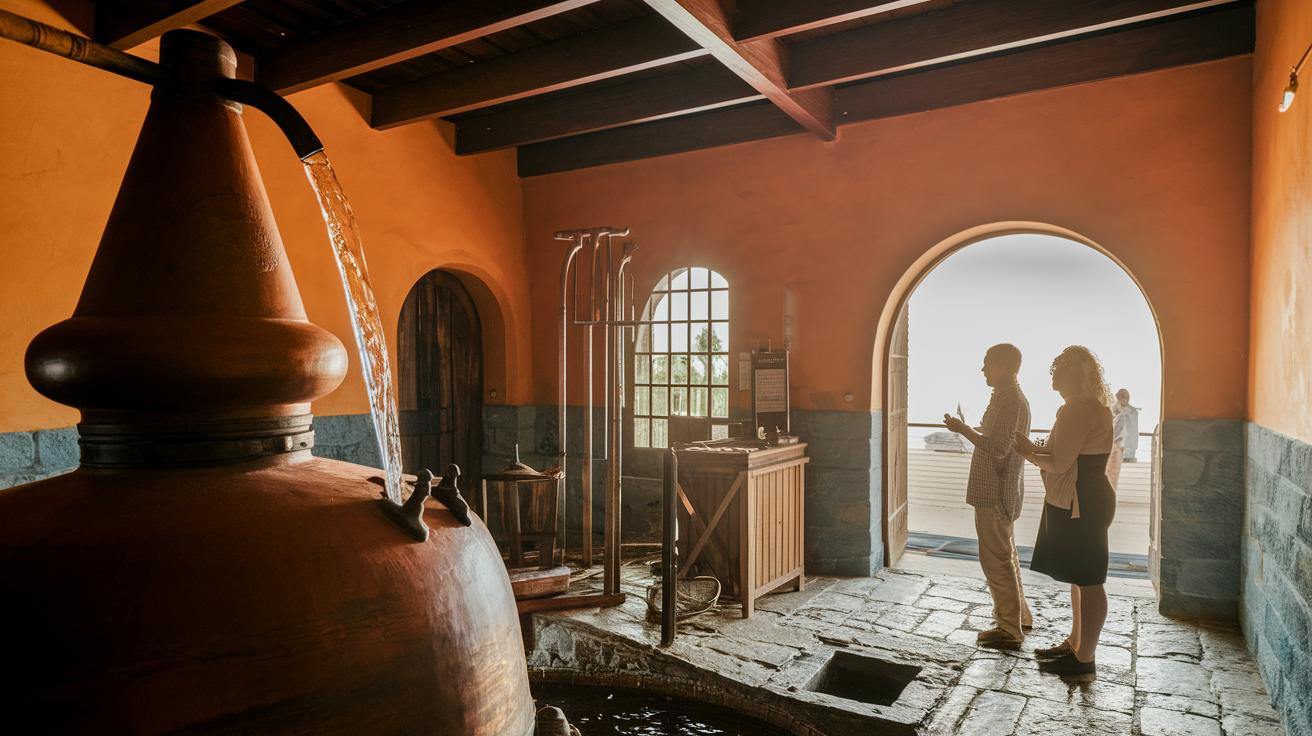
Step into a world where history dances with flavor. At Mount Gay Rum Distillery in Barbados, you taste rum made with coral-filtered water that adds a fun twist. Ever hear that the recipe dates back to 1703? It’s amazing to see techniques that have lasted for centuries.
Next, swing by the St. Nicholas Abbey Rum Factory at Cherry Tree Hill. Here, you get a firsthand look at traditional pot-still methods used since the 17th century. One friendly guide even said, "Before this rum became famous, each batch was crafted by hand." It’s like stepping back in time!
Then head over to Jamaica’s Appleton Estate in Santa Cruz. A walk through vibrant sugarcane fields leads to snug barrel house visits, where every detail of aged perfection comes to life. In Port of Spain, the Angostura facilities let you explore a bitters museum and catch live demonstrations of rum blending. It’s a real treat for your senses!
Over in the Dominican Republic, Brugal opens its aging cellars to show how white and dark rums develop their distinct characters. And out in Puerto Rico at Don Q in Ponce, history and modern flair mix together on display through heritage exhibits and a sleek approach to distillation.
On the sunny island of Martinique, Habitation Clément in Le François brings you close to the world of rhum agricole, made from fresh cane juice that bursts with island flavor. Lastly, at Jamaica’s Hampden Estate in Trelawny, you can wander through bamboo tunnels on a 1753 sugar plantation and feel the history in every step.
| Distillery | Location | Tour Highlight |
|---|---|---|
| Mount Gay Rum Distillery | Barbados (Exmouth Gap) | Coral-filtered water tastings |
| St. Nicholas Abbey Rum Factory | Barbados (Cherry Tree Hill) | Handcrafted pot-still methods |
| Appleton Estate | Jamaica (Santa Cruz) | Sugarcane field tours and barrel house visits |
| Angostura | Port of Spain | Bitters museum and rum blending demos |
| Brugal | Dominican Republic | Cellar viewing of white and dark rums |
| Don Q | Puerto Rico (Ponce) | Heritage exhibits and modern distillation |
| Habitation Clément | Martinique (Le François) | Rhum agricole insights from fresh cane juice |
| Hampden Estate | Jamaica (Trelawny) | Bamboo tunnel tour on a historic sugar plantation |
Planning Your Caribbean Rum Distillery Tour Experience
Tour Schedules
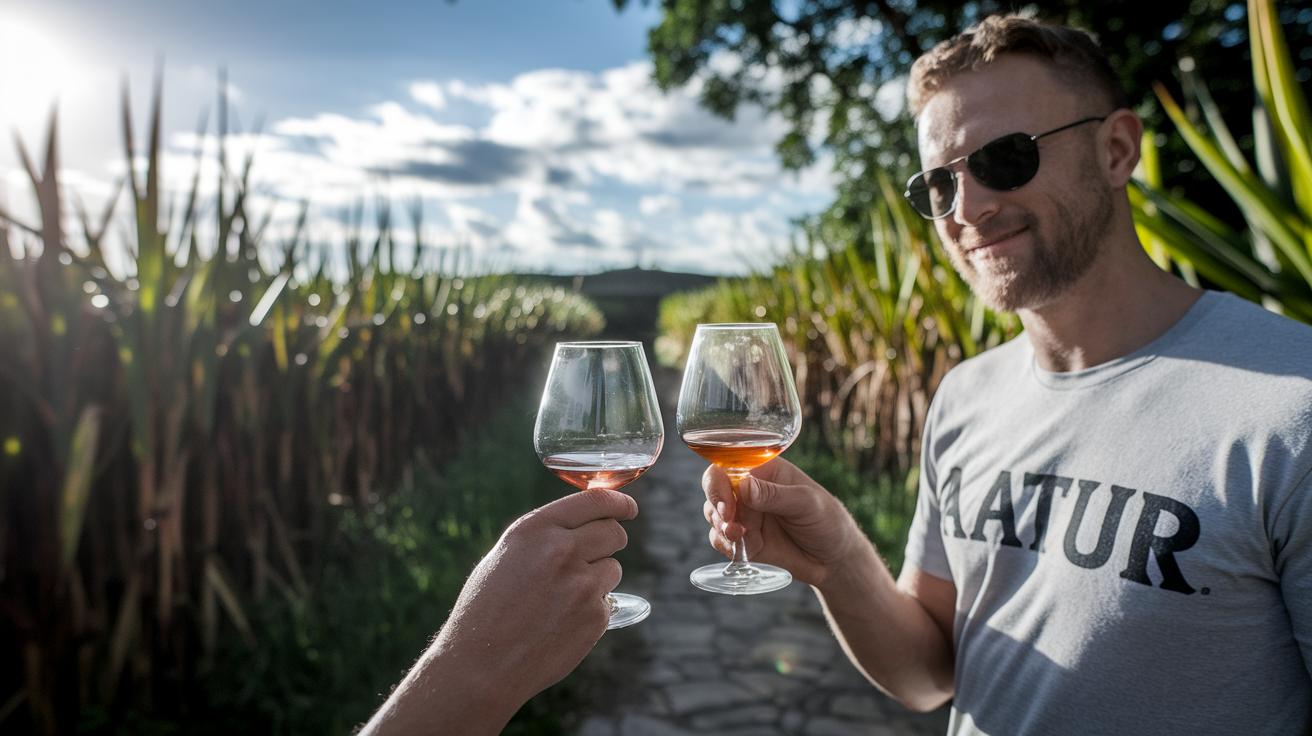
Caribbean rum tours are set up to fit all kinds of plans. You can join an early morning tour that kicks off around 9 AM, when the air is cool and the soft light makes a stroll through the cane fields feel extra special. If you prefer the warmth of noon, a midday tour brings you right into the buzz of the distillery under a bright, clear sky. Or choose an afternoon tour for a more laid-back vibe as the day winds down. Each adventure lasts about 45 to 90 minutes, giving you plenty of time to listen to fascinating stories, learn about the craft, and even enjoy a tasting or two. One guest put it well: it was a perfect mix of history and flavor, like chatting with an old friend.
Pricing & Ticketing
The tour prices are pretty moderate, matching the hands-on experience you get. Your ticket usually covers a guided tour of the production spots, displays that tell the story of rum-making, and, of course, some delicious tastings. Paying is a breeze too, most tour sites welcome both cash and credit cards. As one visitor mentioned, the fee felt spot on for all the history and quality you experience during the tour.
Booking Tips
It’s a good idea to book ahead, especially when lots of travelers are heading your way. Reserving your spot in advance means you can pick the tour that suits you best, whether you’re up for the lively chatter on a group tour or looking for a more personal, private experience. Group tours bring a friendly, shared energy, while private ones let you dive deeper into the story behind every barrel. And don’t forget to check the cancellation policy before you book. For a full guide on planning your Caribbean adventure, visit the Caribbean trip planning guide at https://caribiana.com?p=4696.
Authentic Caribbean Rum Distillery Experiences: From Cane Fields to Cellars
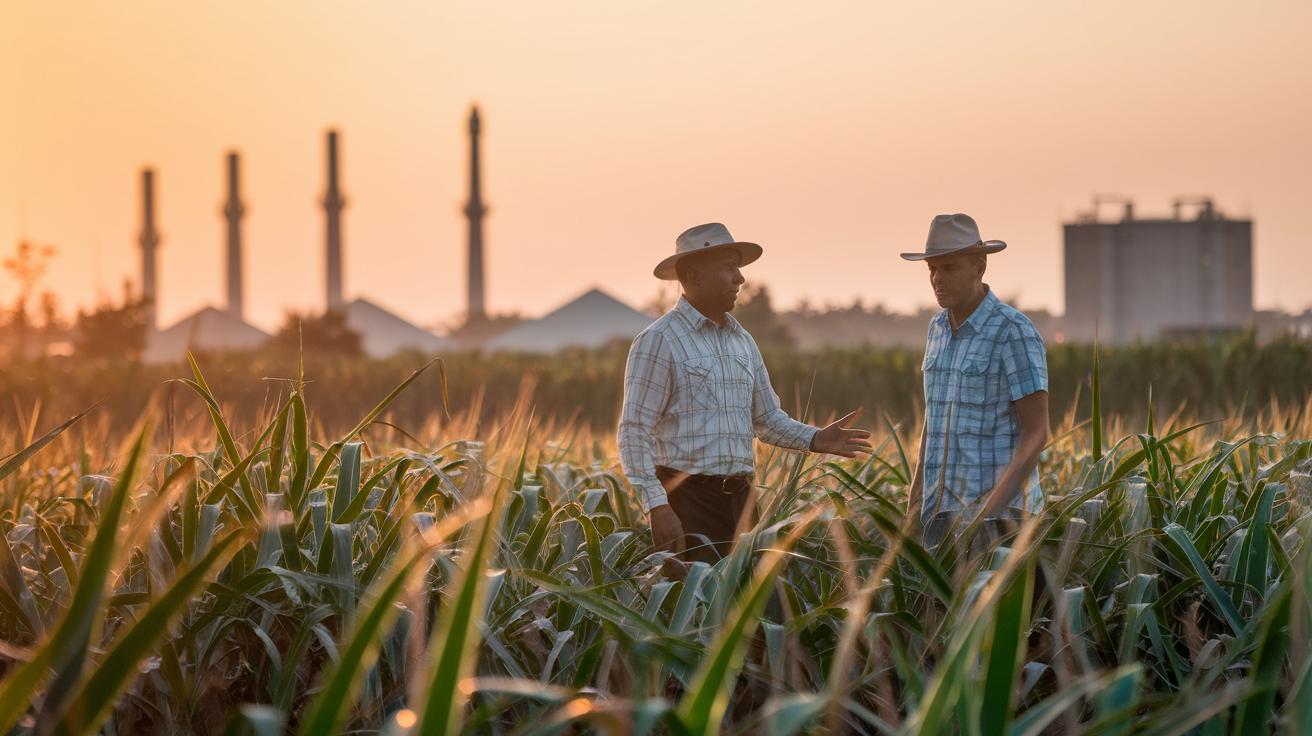
At Appleton Estate, you'll step into a place where every sugarcane stalk has its own secret tale. As you stroll through the fields, you learn that even small changes in the weather signal the right time to harvest the cane. A guide might say, "Before sunset, the warm air gives us hints about when to cut," letting you in on traditions that have been passed down over the years.
At St. Nicholas Abbey, your guide will share behind-the-scenes details that you won't hear on regular tours. They'll point out how tiny adjustments in both pot and column stills come from practices kept secret for generations. One might explain, "We tweak the stills based on subtle signs from the brewing process," offering you a personal peek into the art of local distilling.
Mount Gay goes beyond its historic barrel houses. Here, you wander through aging cellars where a special method uses the natural island breeze to deepen the spirit's flavor. A cellar master might confess, "Our barrels breathe in the tropical air, which brings out richer tastes," a little secret usually reserved for the insiders.
At Habitation Clément, your visit is more than just walking along multi-level paths. You'll hear rare stories from the estate's archives about how the island’s unique mix of sun and shade shapes the flavor of its rhum agricole. A local curator might share, "The balance of sun and shade here creates a taste like no other," giving you a glimpse into the careful craft behind each sip.
The History and Production Methods of Caribbean Rum Distillery Tours
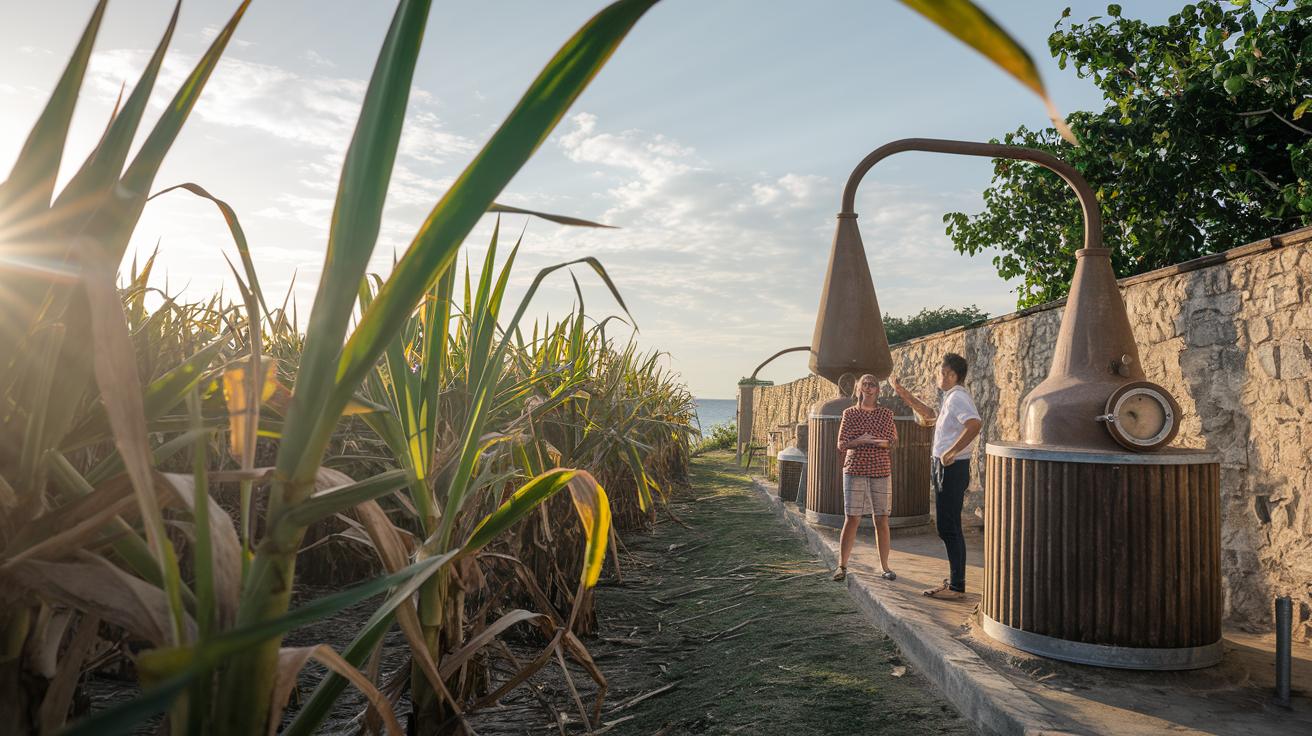
Picture yourself stepping into the warm past of the Caribbean. Back in the 1600s, when sugarcane estates were the heart of the islands, people discovered how to turn sweet cane juice into a spirit that still delights us today. You might even hear a friendly guide say, "This method has been refined over centuries, turning simple cane juice into a legendary elixir."
Today’s distillery tours bring you close to that magic. You get to see how every stage of the process was once a careful craft. It all begins when raw cane juice or molasses meets natural yeast, basically letting nature do its work to transform sugars into alcohol. Next, the liquid is carefully separated in classic stills that have set the standard for generations. Finally, the rum is left to mature in oak barrels, a step that deepens the flavor and gives it a rich, inviting color.
| Step | Description |
|---|---|
| Fermentation | Yeast transforms cane juice or molasses into alcohol. |
| Distillation | Classic stills separate the alcohol from the mix. |
| Aging | The spirit matures in oak barrels, gaining flavor and color. |
Every sip of Caribbean rum is like tasting a piece of history. It invites you to enjoy a blend of tradition and handcrafted skill that has been passed down through the ages.
Traveler Reviews and FAQs about Caribbean Rum Distillery Tours

Many travelers love these tours because they mix history with real tastes and experiences. One visitor said, "Every step of the tour felt like a true taste of history, from learning old-fashioned methods to joining in a blending workshop." Others mention the beautiful views of sunlit estates and the rare chance to see how rum is made behind the scenes. These tours combine local stories, expert traditions, and a charming look at traditional methods that leave visitors feeling both connected and inspired.
Some guests note that the tours can get a bit busy during peak times, but they agree that choosing early hours or off-peak days makes for a more relaxed visit. In truth, the mix of culture, history, and live demonstrations creates an inviting vibe that makes every tour feel authentic.
FAQs that often come up include:
- Accessibility: Most locations have gentle paths and tidy facilities, making them friendly for visitors with limited mobility.
- Age restrictions: The tours are generally open to those aged 12 and up, and many families say that the guides make sure even younger visitors stay engaged.
- Photo policies: You can usually take photos, although some indoor areas may limit pictures to keep the tasting experience private.
- Best times of year: Many suggest going early in the morning or during the off-peak season when it’s a bit cooler and the crowds are smaller. This way, you snag a more personal and unhurried experience.
Reviewers agree that the mix of friendly commentary and hands-on fun creates a memorable trail of Caribbean flavors.
Sample Itineraries for Caribbean Rum Distillery Tours
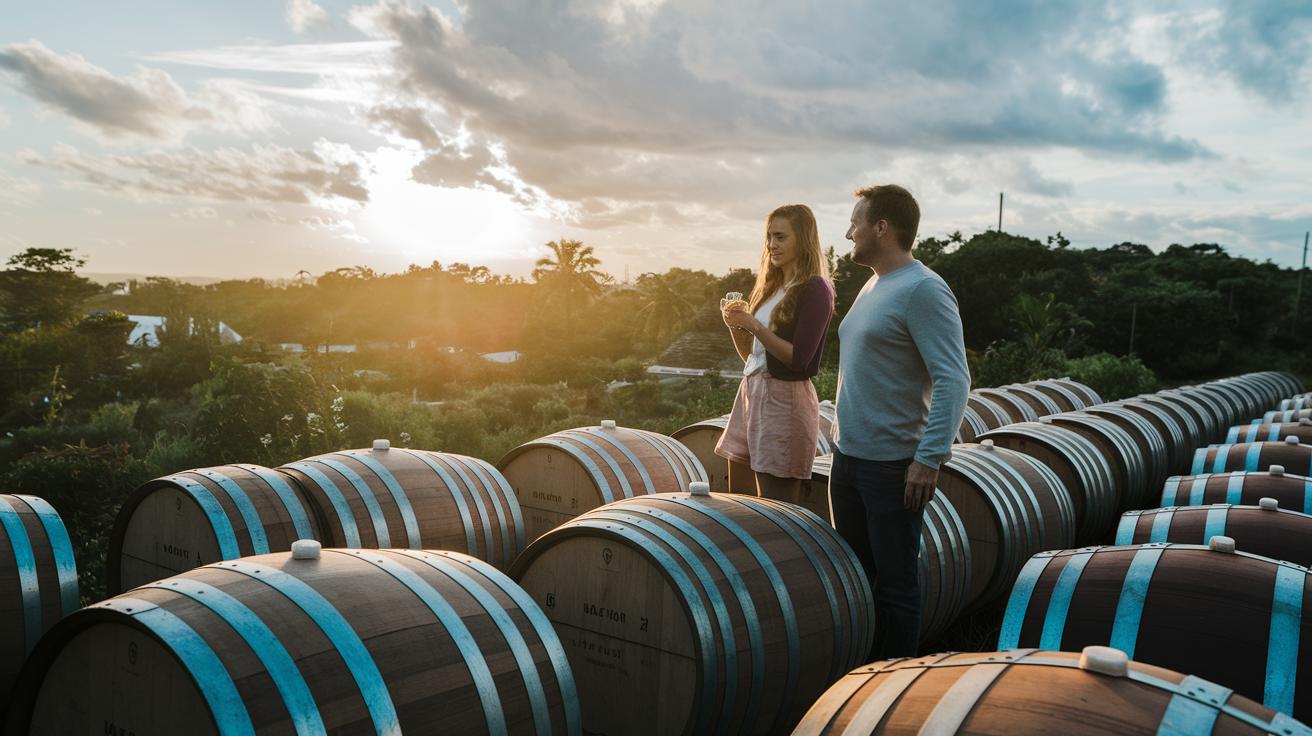
- 5-Day Barbados & Jamaica Route
Imagine spending five sunny days exploring Caribbean rum distilleries. On your first day in Barbados, visit the historic Mount Gay Rum Distillery, founded in 1703, and treat yourself to a taste of their coral-filtered spirit. Next, on Day 2, wander over to the St. Nicholas Abbey Rum Factory at Cherry Tree Hill where you will see traditional pot-still methods in a quaint setting. Then, fly over to Jamaica on Days 3 and 4. There, you can stroll through the Appleton Estate in Santa Cruz, meander among lush sugarcane fields, and uncover the secrets behind the art of barrel aging. Finally, on Day 5, enjoy a relaxed visit at the historic Hampden Estate in Trelawny, walking through bamboo tunnels on an old sugar plantation trail. This journey mixes rich heritage with a modern twist, celebrating the true spirit of the islands.
- 3-Day French Caribbean Trip
Picture yourself on a compact three-day tour in the French Caribbean. Begin your adventure in Martinique at Habitation Clément in Le François, where you learn about rhum agricole (rum made from fresh sugarcane juice). On Day 2, take in the scenic beauty as you explore the estate grounds and cross charming multi-level footbridges that show how the land shapes the brew. On your final day, head to Guadeloupe at Longueteau Distillery in Capesterre Belle Eau, the region’s oldest still in operation since the late 19th century. This quick trip offers a perfect taste of Caribbean flair that will leave you wanting more.
- 7-Day Multi-Island Circuit
For those dreaming of a longer adventure, consider a seven-day tour across multiple islands. This circuit blends the best stops from the Barbados and Jamaica route while adding lively visits in Puerto Rico and the Dominican Republic. Imagine discovering the heritage at Don Q in Ponce and marveling at the impressive aging cellars of Brugal in the Dominican Republic. This extended journey offers a deep dive into the traditions of cane spirit making along with modern insights, crafting an unforgettable Caribbean experience. For more detailed ideas, check out best caribbean tour itineraries.
Final Words
In the action, our guide took you from lively sugarcane fields to intimate barrel-aging cellars. The article explored historical insights, local flavors, and booking tips that make Caribbean rum distillery tours so enticing. We highlighted must-visit distilleries and sample itineraries for planning a stress-free trip. Each section invites you to experience a taste of timeless Caribbean traditions and hands-on tour highlights. Enjoy exploring, savoring each moment, and making memories that echo the warmth of the islands.
FAQ
What are Caribbean rum distillery tours near California about?
Caribbean rum distillery tours for California-based travelers offer all-inclusive packages that combine flights with guided visits to Caribbean distilleries, where you explore historic sugarcane fields, fermentation houses, and tasting sessions.
What are Caribbean rum distillery tours near Texas like?
For those in Texas, these tours provide organized trips that cover travel to the Caribbean, guided explorations of traditional rum production facilities and scenic tasting sessions, showcasing authentic local techniques.
What are the best Caribbean rum distillery tours?
The best tours feature renowned estates such as Mount Gay, Appleton Estate, Angostura, and Don Q, offering immersive experiences that mix historical insights, production walkthroughs, and hands-on tasting sessions.
What is meant by a Caribbean rum cruise?
A Caribbean rum cruise weaves together ocean travel with stops at multiple islands, letting guests enjoy onboard rum tastings and guided visits to distilleries, all while soaking in breathtaking seascapes.
Which Caribbean island is most famous for its rum, especially one beginning with J?
Jamaica stands out as a famous Caribbean island known for its rum, with iconic distilleries like Appleton Estate that highlight centuries-old techniques and rich flavors developed through local tradition.
What is Florida Caribbean Distillers?
Florida Caribbean Distillers connects the Caribbean rum experience with events held in Florida, where visitors can attend tastings and educational sessions that celebrate the heritage and craftsmanship of rum.
What are Caribbean moonshine distilleries?
Caribbean moonshine distilleries are smaller, artisanal operations that produce uniquely handcrafted rums, offering a more intimate look at traditional methods and distinct flavors away from large-scale production.
What defines a Caribbean distillery?
A Caribbean distillery is one rooted in centuries of sugarcane cultivation and local craft, where traditional production methods merge with modern techniques to create the classic, rich rum flavors.
What are the best rum distilleries to visit in the Caribbean?
Top visits include Mount Gay, Appleton Estate, St. Nicholas Abbey, Habitation Clément, and Angostura; each offers detailed tours displaying production processes, historical insights, and curated tasting experiences.
Where is the oldest rum distillery in the Caribbean?
The oldest rum distillery is found in Barbados, with places like Mount Gay boasting a legacy that traces back to early sugarcane plantations and the dawn of Caribbean rum production.
How many rum distilleries are there in the Caribbean?
The Caribbean is home to dozens of rum distilleries, ranging from large historic estates to small, artisanal operations, all contributing to a rich legacy of rum-making across the region.
