Ever wondered if lending a hand in the sunny Caribbean could change your life? This friendly guide shows you how to use your skills for causes like taking care of the ocean or helping out with island health care.
It helps you pick a project that feels right for you, plan for unpredictable weather, and set a realistic budget. Think of it like planning a fun road trip, a little planning turns any challenge into an adventure.
Keep reading as we walk you through simple, clear steps that let you leave a real mark while enjoying all the vibrant charm of island life.
Planning Your Caribbean Volunteer Experience: Essential Steps
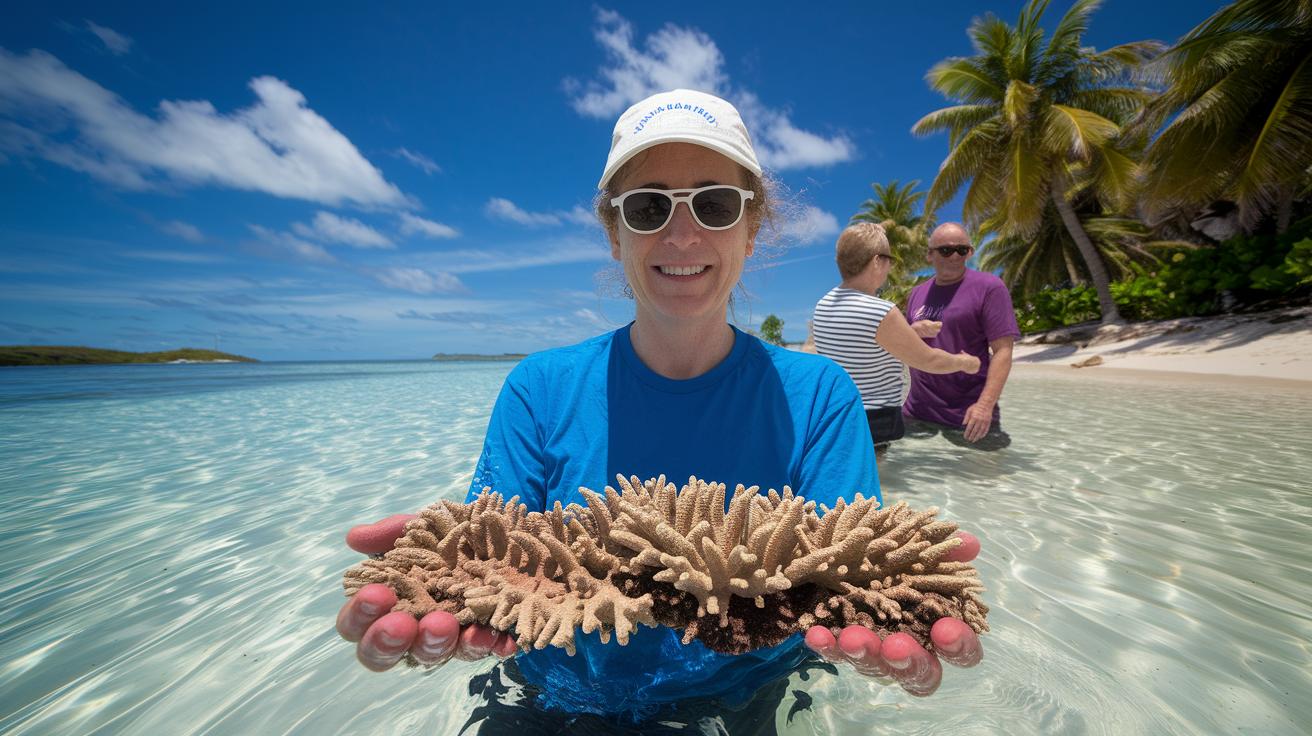
First, pick a Caribbean country that fits your passion. Maybe you want to help with education, care for marine life, or lend a hand with hurricane relief. If protecting coastal waters fills you with excitement, look for a program that focuses on saving coral reefs and marine creatures. Also, keep in mind that the weather can change in a flash, so always check if your travel dates avoid the hurricane season.
Then, dig a little deeper into finding a trustworthy volunteer program. Look for groups that work on community projects, saving the environment, or even offering basic health care. Most programs need volunteers who are 18 or older and who have some skills, whether it’s teaching, basic first aid, or knowing a bit about nature. They also ask for current shots, like hepatitis A or typhoid, to keep everyone safe. One volunteer mentioned, “Getting my vaccinations made me feel ready to jump in.”
Next, sketch out a simple plan for your trip. Write down your application deadlines, visa details (some places let you visit without a visa for a short time, while others need a permit), and the start date of the program. It helps to create a budget, too. Here’s a quick look at what you might need:
| Expense | Estimated Cost |
|---|---|
| Program fees (per week) | $500 – $2,500 |
| Round-trip airfare | $400 – $800 |
| Travel insurance (per week) | $50 – $100 |
| Local transport (per week) | $20 – $50 |
| Meals (per day) | $10 – $20 |
Lastly, for more tips on putting it all together, check out the Caribbean Trip Planning Guide. It’s like having a chat with a friend who’s been there, helping you make every step of your journey as smooth as a beach stroll.
Caribbean Volunteer Program Comparisons: Top Projects and Costs
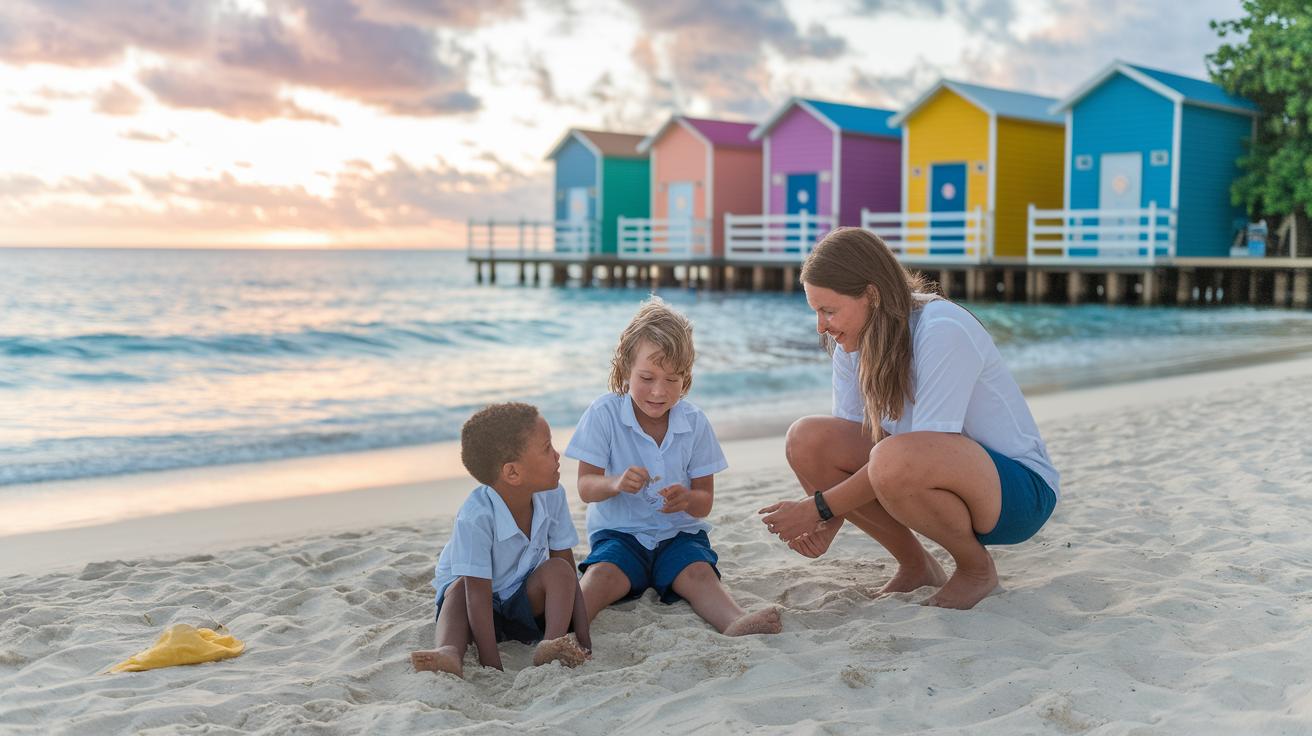
Check out these four amazing volunteer programs in the Caribbean that offer a mix of adventure and service. For example, if you're excited about a cultural exchange while soaking up island vibes, the Jamaica Community & Culture program in Ocho Rios is just the ticket. Imagine this: your mornings spent teaching local kids and your afternoons exploring historic sites, a mix of making a difference and having a blast.
Next, there's the Dominican Republic Education & Marine project in Punta Cana where you teach and help protect the reef. It’s a cool way to support local education and care for the ocean. Meanwhile, in Puerto Rico, the Hurricane Relief program in San Juan lets you help rebuild communities. It even gives you a chance to learn from past events like Hurricane Hugo in 1990 and Hurricane Maria in 2017.
If cleaning up the environment gets you pumped, the Aruba Reef Care Project might be perfect. More than 800 volunteers join in each year to clear up beach trash and survey reef stretches, all while connecting with nature. Programs usually last from one to four weeks, with fees ranging between $500 and $2,500 per week. Depending on the program, you might stay in dorm-style housing in Ocho Rios or live with local families, which really lets you taste the island life.
| Program Name | Location | Focus Area | Duration | Cost (per week) |
|---|---|---|---|---|
| Jamaica Community & Culture | Ocho Rios | Education & Cultural Exchange | 1–3 weeks | $600–$1,800 |
| Dominican Republic Education & Marine | Punta Cana | Teaching & Reef Conservation | 1–4 weeks | $700–$2,000 |
| Puerto Rico Hurricane Relief | San Juan Area | Disaster Recovery | 1–2 weeks | $500–$1,200 |
| Aruba Reef Care Project | Oranjestad | Beach Cleanup & Reef Survey | 1–4 weeks | $800–$2,500 |
Visa, Budget, and Accommodation for Caribbean Volunteering
Visa rules change depending on which island you visit. For trips under 30 days, many places like Jamaica and the Dominican Republic let you volunteer without a visa. Other islands might ask for a permit that costs between $25 and $75. Think of this like adding the perfect pinch of salt to your favorite dish, it brings everything together.
Airfare from big U.S. cities usually runs between $400 and $800 for a round-trip ticket. Most volunteer programs include lodging and meals, but it’s smart to have an extra $10 to $20 each day for local treats. Travel insurance, which covers things like medical evacuation (a backup plan if things go wrong), can cost about $50 to $100 a week. Plus, you should budget around $20 to $50 weekly for getting around.
Many Caribbean volunteer projects offer a choice between shared dorms near the project site or a homestay with a local family. Imagine staying with locals where every meal bursts with authentic flavor or settling into a dorm that soon feels like a second home.
Caribbean Cultural Immersion and Community Engagement Tips
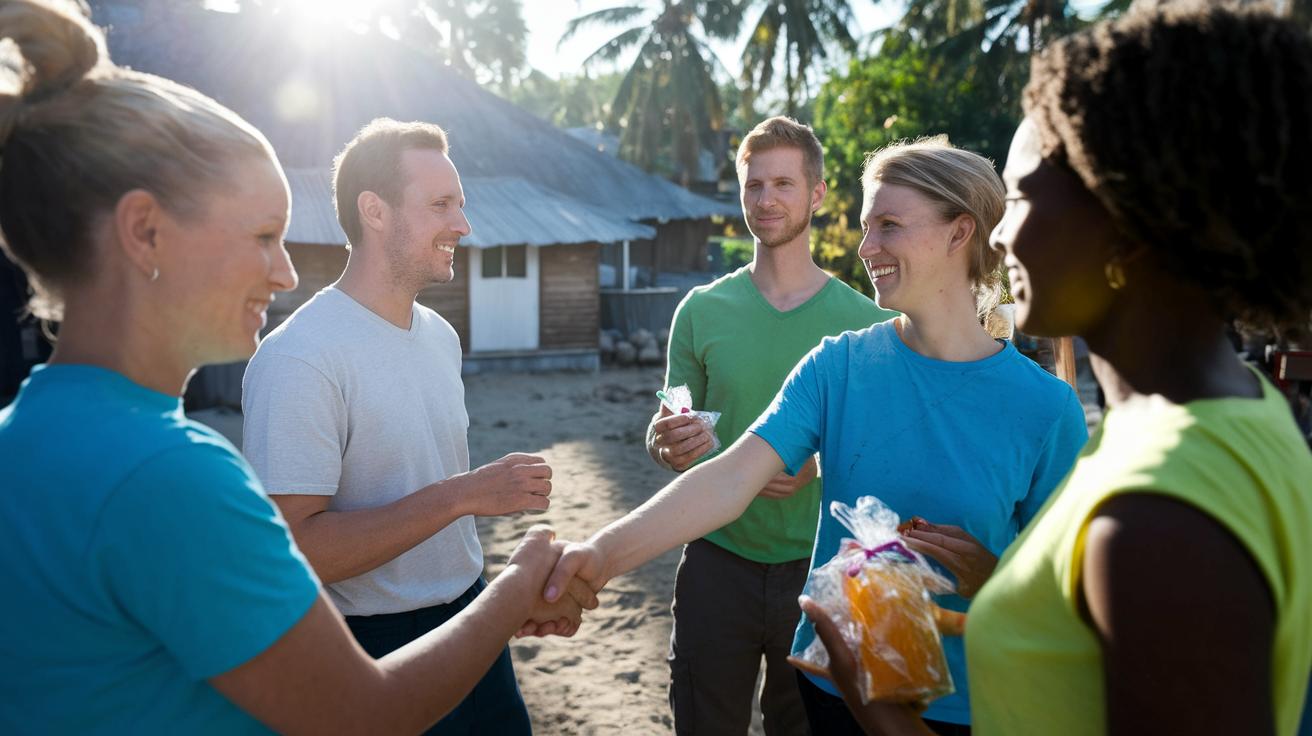
Volunteering in the Caribbean is more than just lending a hand; it’s a chance to connect deeply with local communities. Many volunteers say that staying with local families in places like Puerto Rico or the Dominican Republic not only improves their language skills but also gives them a true taste of island life. Orientation sessions help you get familiar with project goals and local customs, so you feel welcome right from the start.
When you arrive at community sites, greet everyone with a friendly handshake or a gentle hug. Dressing modestly shows respect and builds trust with the locals. Bringing along small gifts, like school supplies for children or a piece of local craft, can spark warm conversations and create lasting memories.
Taking time to learn a few basic Spanish or Haitian Creole phrases makes everyday interactions feel smoother and more personal. For extra tips on how to behave and chat with locals, check out the links to local etiquette and language advice.
Every friendly interaction enriches your experience, helping to build bonds that support sustainable connections with the community. Isn't it amazing how even small gestures can create lifelong memories?
Safety, Health Precautions, and Sustainable Practices for Volunteers
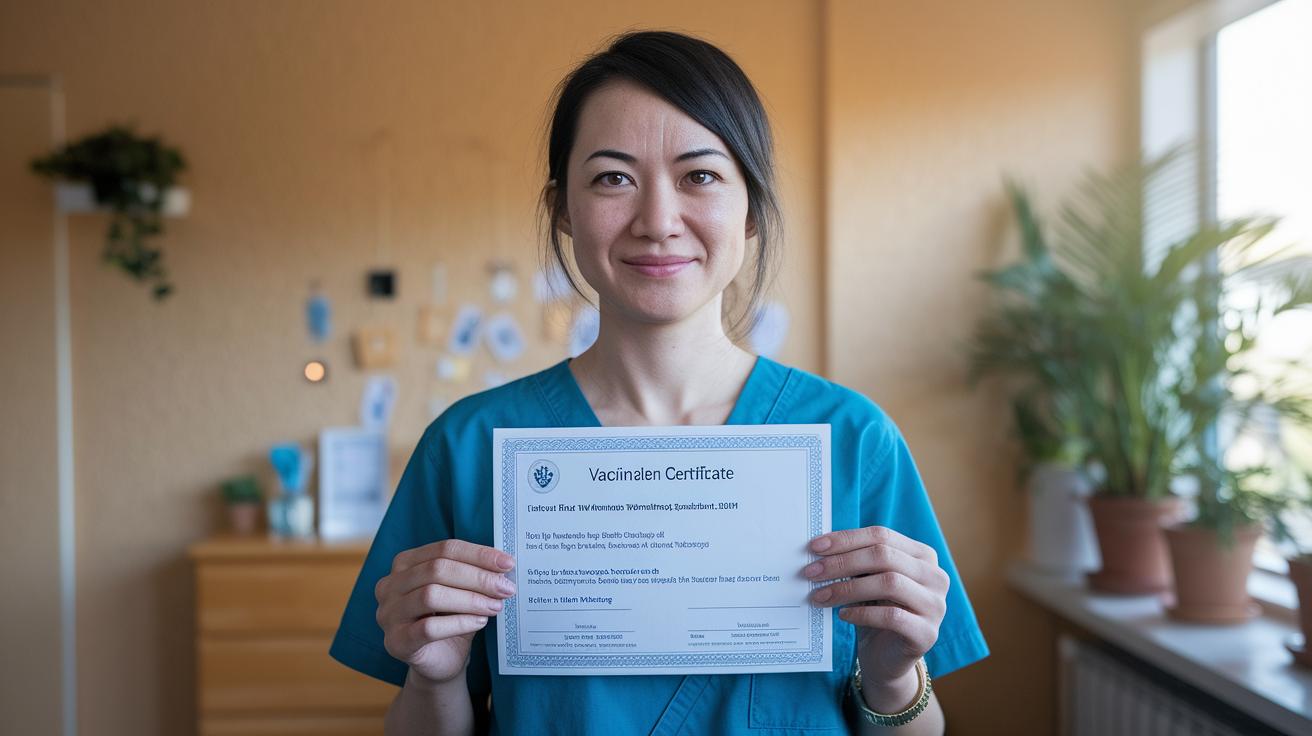
Taking care of yourself is just as important as the help you bring. Before you set off, make sure you have common shots like hepatitis A and typhoid. Local clinics might ask to see your immunization proof so you can feel secure while working hand in hand with the community. One volunteer even shared that seeing her vaccination certificate made her feel calm as she got involved with local projects.
Next, keep those bugs at bay. Use a bug spray with DEET and sleep under a mosquito net if you can. This simple step not only wards off pesky insects but also helps prevent diseases like dengue and Zika, letting you focus on lending a hand.
It’s also a smart move to pack travel insurance that covers medical evacuation. Most projects will walk you through emergency contacts and safety steps during their orientation sessions. Knowing what to do if things go sideways can really ease your mind.
Finally, remember to act in an eco-friendly way. That means cutting down on single-use plastics, eating at local spots, and following basic Leave No Trace guidelines when visiting beaches or parks. Your small, thoughtful choices can make a big difference for both the environment and the community.
Sample 7-Day Caribbean Volunteer Itinerary from the Volunteer Travel Guide
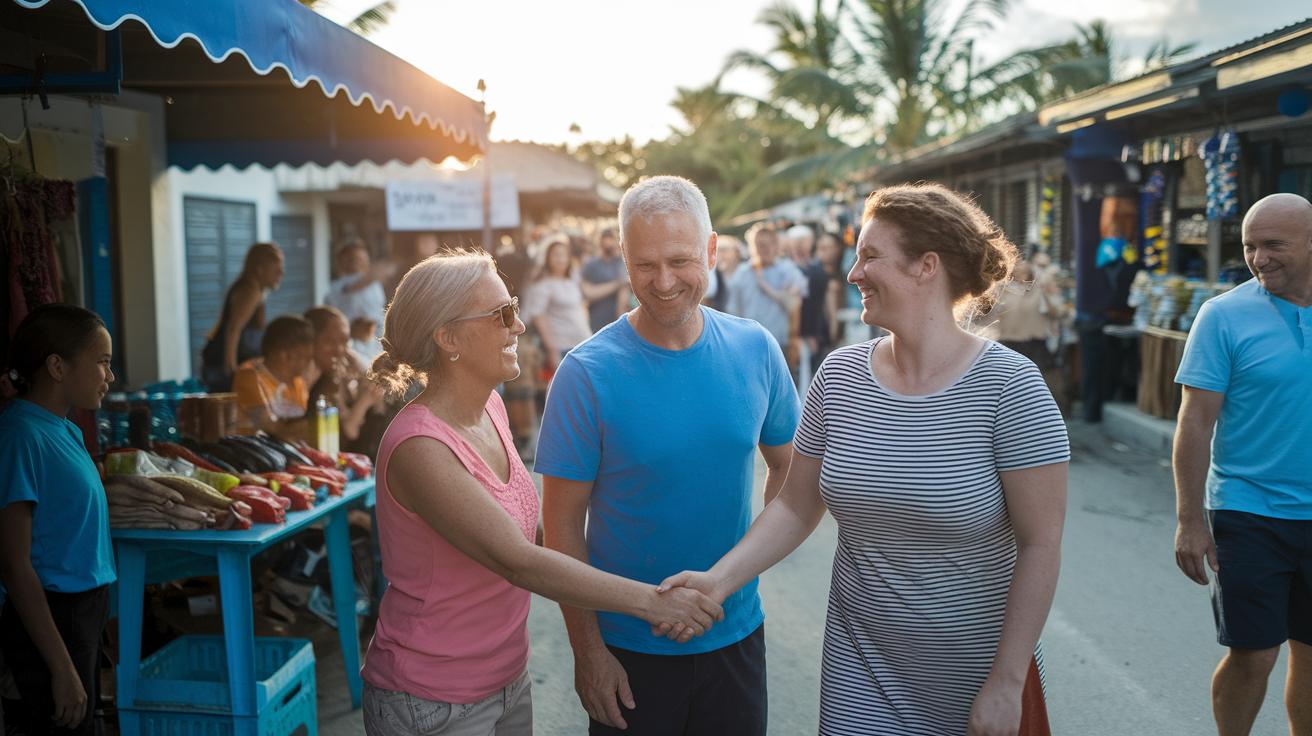
Imagine spending a week in the Caribbean where you help out and get a real taste of local life. On Day 1, you touch down on the island, join a friendly get-to-know-you session, wander around the site, and enjoy a dinner that welcomes you with a warm, laid-back vibe.
Then on Days 2 to 4, you roll up your sleeves for hands-on volunteer work. In the morning, you might be teaching children at a local school or checking out the beautiful coral reefs. Later in the day, you can wander through a museum, take a leisurely beach walk, or just relax in a sunlit square. Evenings are filled with local dinners that wrap up your day with a cozy island feel.
Next, on Day 5, you spend your morning on a full-day conservation project at a coastal reserve. In the afternoon, dive into a snorkeling trip where the colorful underwater world welcomes you like an old friend.
Day 6 brings a chance to switch things up, a day trip to explore stunning waterfalls or a stroll through a historic town, ending with a friendly cookout that makes saying goodbye tough. Finally, on Day 7, you join a project wrap-up, celebrate with the community, and get ready to leave with a heart full of memories.
| Day | Morning | Afternoon | Evening |
|---|---|---|---|
| 1 | Arrival & Orientation | Site Tour | Welcome Dinner |
| 2 | Teaching at Local School | Museum Visit | Homestay Dinner |
| 3 | Coral Reef Survey | Beach Walk | Local Music Night |
| 4 | Health Clinic Support | Market Stroll | Cultural Dance Show |
| 5 | Conservation Project | Snorkeling Excursion | Group Reflection |
| 6 | Waterfalls Day Trip | Historic Town Tour | Farewell Cookout |
| 7 | Project Debrief | Community Celebration | Departure |
FAQs on Caribbean Volunteer Trips
Q1: What age and skills are required?
Most programs want you to be at least 18. They might also expect you to have some background in areas such as teaching, nursing, or marine science (a field that studies ocean life). One volunteer mentioned that bringing along basic teaching skills really made things go smoother.
Q2: How do I apply?
It’s pretty simple. You fill out the program’s online application, upload your CV, include some references, and provide proof of your vaccinations. Then you pay any required deposit. Think of it like packing for a trip, you gather all the essentials before you set off.
Q3: When is the best time to go?
It’s best to avoid the hurricane season, from June to November. The ideal time to volunteer is between December and May when the weather is more stable and inviting. In fact, one volunteer said that choosing January made all the difference, with the calm weather enhancing the whole experience.
Q4: How do I measure impact?
Keep track of the hours you volunteer, listen to feedback from local folks, and check the outcomes, like the number of students taught or the area of the reef you helped survey. As one volunteer put it, recording every hour worked and every smile received really shows that your efforts made a difference.
Final Words
In the action of planning your Caribbean volunteer experience, you explored everything from selecting the right project and sorting out visas to creating a balanced 7-day itinerary. You learned how to handle budgets, accommodation, and even cultural tips to connect genuinely with local communities. This guide offers a clear, practical roadmap for an enjoyable, heartfelt trip rooted in sustainable practices. Use this caribbean volunteer travel guide as your trusted companion for a rewarding, stress-free Caribbean trip. Enjoy every sunlit moment!
FAQ
Frequently Asked Questions
What age and skills are required?
Volunteers must be 18 or older, and they should have skills that match the project’s focus, such as teaching, nursing, or marine science expertise.
How do I apply?
The application process involves completing an online form, submitting a CV, providing references, showing proof of vaccinations, and sometimes paying a deposit to secure your placement.
When is the best time to go?
The best time is during December through May when the weather is stable, while avoiding the hurricane season from June through November ensures a smoother experience.
How do I measure impact?
The impact is measured by tracking the number of service hours, gathering feedback from local community members, and reviewing tangible results such as the number of students taught or reefs surveyed.
