Ever wondered how our favorite island dishes turned into the amazing taste explosion we enjoy today? Imagine early cooks tending open fires, roasting cassava until it filled the air with a smoky warmth. Back then, every meal carried the simple yet vibrant spirit of the Caribbean.
Then, new settlers and hardworking folks added their own twists, blending old traditions with fresh ideas. It’s like a splash of cool water mixing with warm spices, creating flavors that dance on your tongue and bring a smile to your face.
Each little change over the years added a spark that makes Caribbean cuisine so rich and diverse. In this post, we’re taking a relaxed stroll through history to uncover three key shifts that transformed these simple dishes into the flavorful feasts we savor today. Stick with us, and get ready to discover the hidden layers behind these delightful culinary adventures.
Caribbean Cuisine: Historical Progression across Indigenous, Colonial, and Migratory Influences
Caribbean cooking got its start with the island's first people, like the Arawak and Carib. They gathered cassava, maize, fish, and fruits from nature, using simple methods such as open-fire roasting, smoking, and even baking in pits. It’s amazing to think that long before modern kitchens, these early cooks created flavors that still dazzle our taste buds today.
When Europeans arrived around 1492, they brought new ingredients like sugarcane, citrus, wheat flour, and olive oil. Spanish explorers mixed these with local foods, while French settlers introduced rich fats and dairy, and the British brought pork and beef. These new influences helped shape hearty stews and marinated dishes, creating a delicious fusion of old and new.
African cooks later added their own magic by introducing okra, yams, and callaloo, and perfecting methods like one-pot stews and deep-frying. Ever tried rice and peas? This beloved dish is one of the tasty outcomes of their creative cooking traditions.
Then, Indian and Chinese workers brought exciting spices like curry, chopped garlic, and soy sauce, along with techniques for making roti and chow-mein styled dishes. Their contributions layered even more flavor into the mix, making modern Caribbean cuisine a true celebration of diverse cultures and shared secrets from kitchens across the world.
Indigenous Roots of Caribbean Culinary Tradition
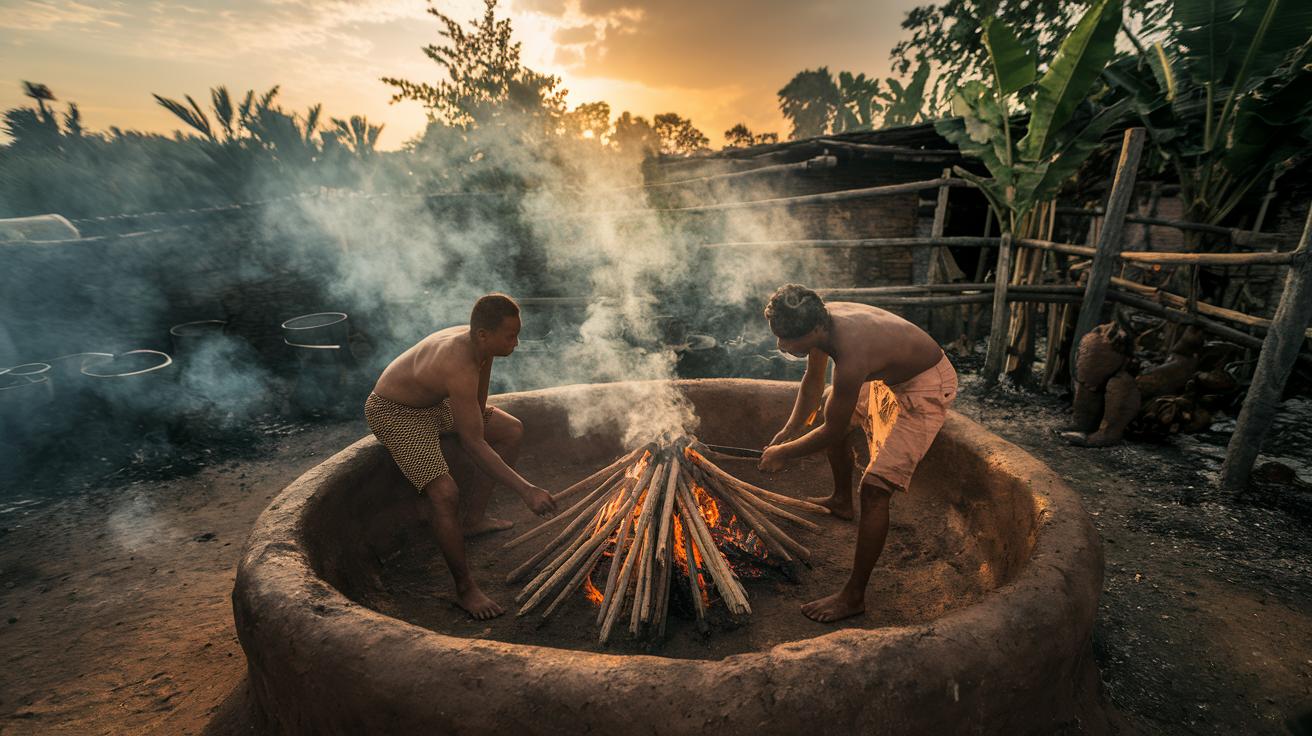
Did you know the Caribbean's rich flavors started with its indigenous people? They brought local ingredients together with unique cooking methods that still shine in kitchens today. They roasted food over open fires, smoked it slowly, and baked it in pits dug in the earth. These simple ways made dishes burst with a deep, smoky taste.
Here's a fun fact: Centuries ago, indigenous cooks roasted cassava to give it a special, earthy aroma that lingers in many Caribbean recipes even now.
Their trade routes spread spicy peppers and healing herbs, each adding layers of taste and a story of old. Today, modern kitchens keep these traditions alive, so every meal feels like a taste of history.
Colonial Era Transformations in Caribbean Cuisine
Spanish Explorations
Spanish explorers started arriving around 1492 and brought new flavors that still make our dishes shine. They introduced sugarcane, juicy citrus fruits, and even goats, sparking a fresh wave of tastes that we still savor today. On sun-drenched plantations, sugarcane wasn’t just grown, it was transformed into sweet syrups and rum. Just imagine the magic happening in those little kitchens, where sugarcane turned into the world-famous delights we enjoy now. Olives and olive oil also joined the mix, blending with local ingredients to create one-of-a-kind flavors that feel like a warm hug.
French Flavors
By the 17th century, French settlers added their own flair. They brought dairy products and a new twist with creole sauces, using something called roux (a simple blend of fat and flour) to thicken and enrich their sauces. This technique gave many dishes a rich, creamy texture that still lingers on the tongue. Think of it like this: a velvety sauce, infused with island spices, draping over hearty stews and veggie dishes, making each bite smooth and inviting. It was a sweet marriage of French finesse with the bold spirit of the islands.
British Touches
British influence also left its mark, adding a robust taste with pork, beef, and a hearty kick. They introduced spices like West African peppercorns which evolved into the fiery jerk flavors we know today, thanks to hints of allspice. Meat became a star on Caribbean plates, slowly cooked or grilled to perfection, bursting with flavor. In truth, the British brought a heartier, spicier side to the cuisine that mixes perfectly with the sweetness from Spanish ingredients and the creaminess from French chefs. It’s a blend that tells the story of the islands in every bite.
African Diaspora’s Influence on West Indian Taste Origins
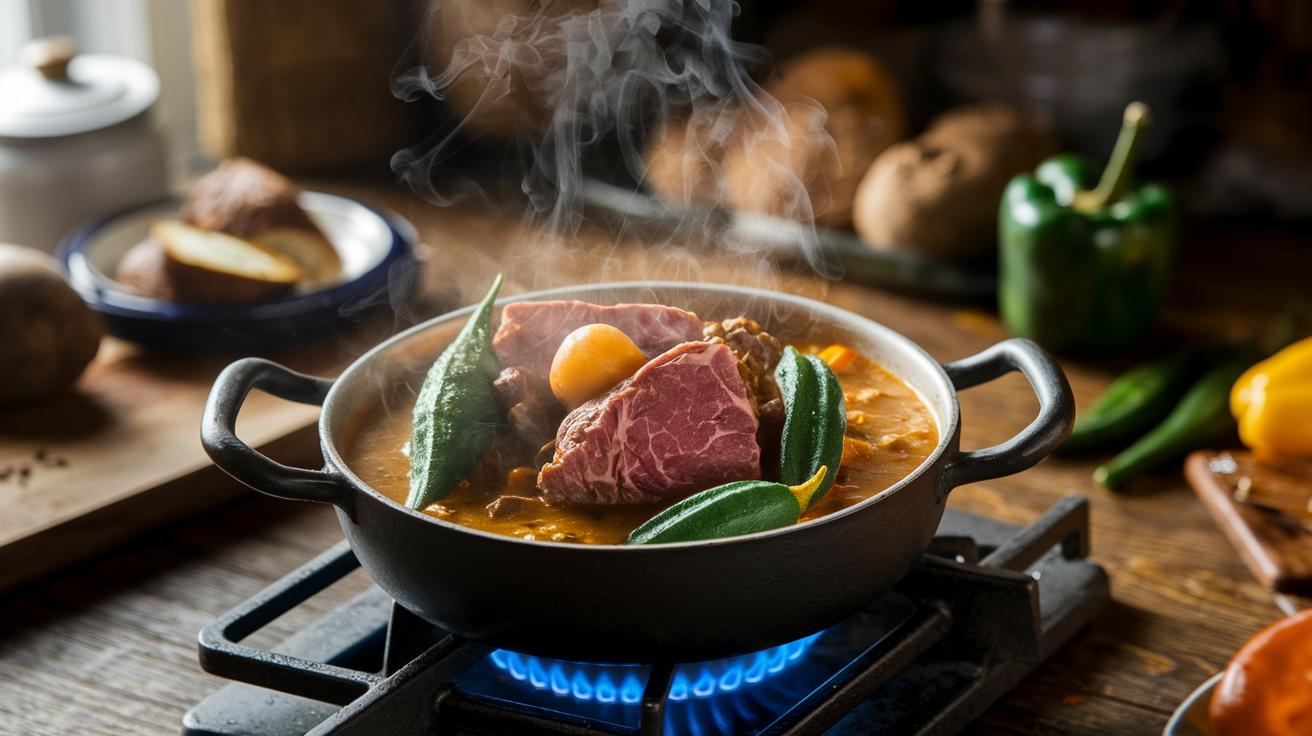
Enslaved Africans sent a burst of flavor sailing across the Caribbean that still makes our taste buds dance today. They introduced hearty ingredients like okra, yams, colocasia, and callaloo leaves. Picture a gentle simmer where tender meat, offal (the less common parts of an animal), legumes, and fresh aromatics mingle together, the very essence of the beloved one-pot stews we enjoy.
Imagine a cozy kitchen where a bubbling pot unites juicy meat, crisp vegetables, and a dash of spicy Scotch bonnet peppers until every spoonful tells its own flavorful story. In one small village, a simple stew recipe slowly transformed over generations as every cook added their special touch, eventually creating the signature dish that brought families and communities together.
This rich culinary tradition isn’t just about stews. It also blossomed into treats like deep-fried dough used in traditional festival and bun recipes that light up our celebrations. And then there’s rice and peas, a side dish that stands proudly as a cornerstone of West Indian meals, bursting with the bold, lively flavors that African cooks first introduced.
These cooking methods and special ingredients are more than just recipes. They stand as a warm tribute to the resilience and creativity of African culinary wisdom, celebrating every spice and every hearty dish that continues to light up Caribbean kitchens today.
Asian Immigration and Fusion Flavor Innovation in Caribbean Cooking
Between 1838 and 1917, Indian and Chinese laborers sailed to the Caribbean, each bringing their own special flavors. Indians introduced curry powders, dhal (a type of spiced lentil dish), and roti flatbreads, while Chinese workers brought soy sauce and chow-mein techniques that added a savory kick. Ever wondered how that bold, well-spiced curry goat first got its magic?
Today, Caribbean kitchens still burst with these blended flavors. In Trinidad, for example, doubles, a snack that started out simple, now become a playground of creative spice mixes and varied textures. Chinese-Caribbean fried rice bursts with both sweet and savory flavors. Imagine a chef having fun with a pineapple-soy glaze mixed into a classic jerk marinade, a playful nod to the old days with a modern twist.
Fusion in the Caribbean is more than mixing ingredients; it’s a heartfelt exchange of cultures steeped in history and creativity. Each dish is like a layered cocktail, you start with the basics, then add a surprising twist that delights the senses, much like the early culinary pioneers did in bustling markets and busy kitchens.
Regional Variations: Island Culinary Transformation across the Archipelago
| Island | Signature Dishes |
|---|---|
| Jamaica | Jerk chicken, ackee & saltfish, pepperpot |
| Trinidad & Tobago | Doubles (chickpea flatbread), pelau (rice-meat one-pot) |
| Puerto Rico | Mofongo (mashed plantains), tostones, arroz con gandules |
| Barbados | Cou-cou & flying fish, macaroni pie |
| Dominican Republic | Sancocho (meat stew), mangú (mashed plantains) |
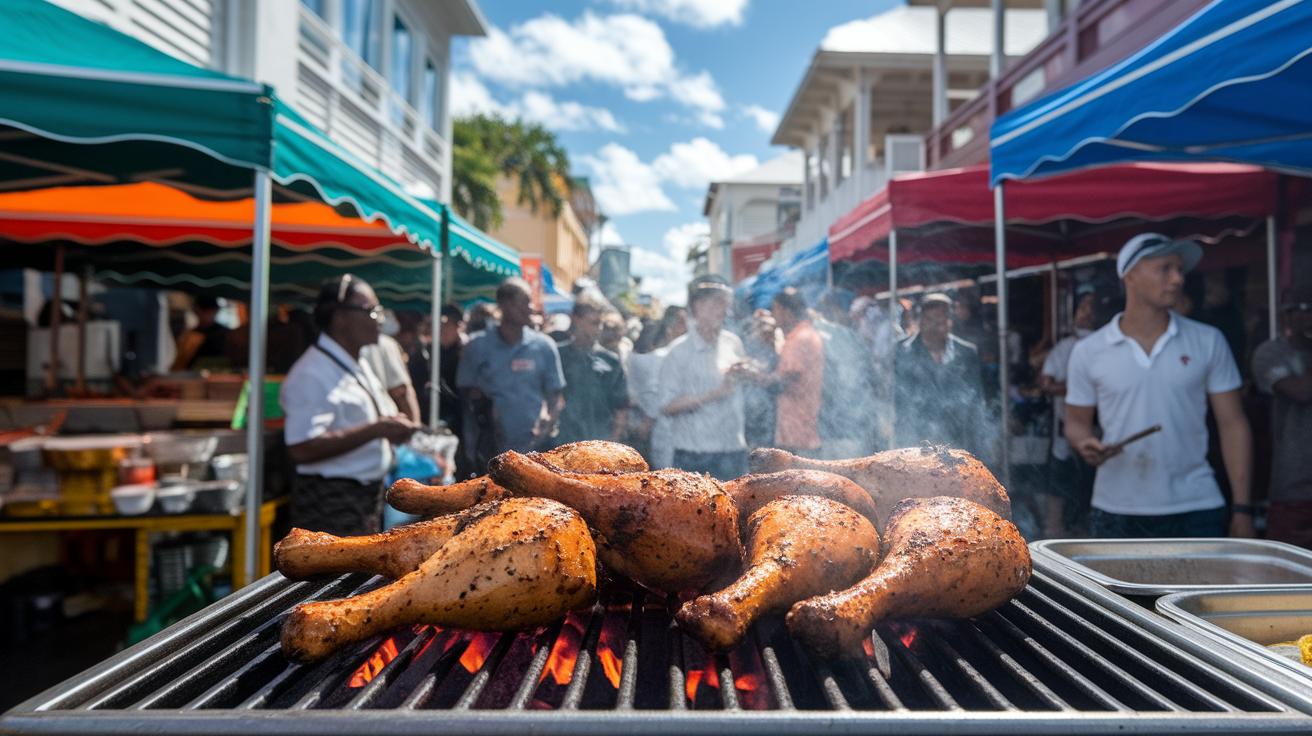
Each island offers its own unique culinary story, where every dish and every aroma brings you close to the heart of the region. Picture walking along a bright, busy street, the scent of spices mingling with the sea breeze as local cooks prepare their famous dishes.
In Jamaica, the sizzling jerk chicken and the tangy ackee & saltfish burst with flavor. Imagine biting into that smoky, spicy chicken fresh off the grill, each taste is a little celebration of island life.
Over in Trinidad & Tobago, dishes like doubles and pelau bring together layers of flavor. The doubles, a tasty chickpea flatbread, and a one-pot meal of rice and meat create a mix of sweet, spicy, and savory notes that make your taste buds dance.
Then there’s Puerto Rico, where comforting classics like mofongo and crispy tostones team up with arroz con gandules. These recipes are steeped in tradition while still surprising you with every bite, offering a refreshing twist on old favorites.
Barbados celebrates its culinary flair with cou-cou & flying fish paired with a side of macaroni pie. This dish blends modern techniques with comforting coastal ingredients that make you feel right at home.
Not to be forgotten, the Dominican Republic serves up hearty sancocho, a rich meat stew, and smooth mangú, mashed plantains that carry the warmth of family gatherings. Each dish here tells its own story of vibrant local culture and creative cooking.
Key Ingredients, Recipes, and Modern Culinary Innovations in Caribbean Cuisine
When you step into a Caribbean kitchen, you feel the magic of old traditions meeting new ideas. Chefs mix cherished island flavors with a modern twist, sparking a delight in every bite. Picture yourself in a bustling market, surrounded by bright heirloom peppers and lush tropical greens. Now imagine these local treasures joining forces with creative mixology where rum blends with guava and passion fruit, each spoonful feels like a beautiful surprise.
Chefs are also reinventing classic dishes to be more plant-friendly. Ever thought of a jackfruit "jerk" that still packs that spicy punch, or callaloo patties that remind you of a warm, home-cooked meal? Then there are fresh methods like molecular gastronomy, where techniques create airy citrus foams or gentle smoked-spice vapors that give traditional recipes an exciting new depth.
Here are some standout innovations making waves today:
- Farm-to-table dishes that highlight heirloom peppers and tropical greens.
- Mixology adventures featuring rum infusions with guava and passion fruit.
- Vegan versions of Caribbean classics such as jackfruit "jerk" and callaloo patties.
- Modern techniques crafting citrus foams and smoked-spice vapors.
- Creative spins on time-honored sauces using small-batch artisan methods.
- One-pot meals that blend fresh local herbs with trusted spices.
Every bite tells a story of creativity and tradition, showing how Caribbean culinary heritage can evolve into something fresh and truly unforgettable.
Final Words
In the action, we've sampled flavors that mix indigenous recipes with European techniques, African spices, and Asian twists. This melting pot of ingredients tells the story behind the evolution of Caribbean cuisine. Each section of our piece played its part, showing how centuries of cultural exchanges have created dishes that warm the heart and delight the senses. Picture yourself savoring these unique tastes under a radiant Caribbean sunset, where every bite is a celebration of history and vibrant local life. Enjoy the flavorful ride ahead!
