Ever wondered why your Caribbean photos just don’t capture that special glow? This handy guide gives you simple tips to help you snap those unforgettable island views using basic camera tricks.
Learn how switching to manual mode (where you control the light and color) can really change your pictures. Imagine the feel of a warm, sunlit beach or the cool vibes of a secret cove in every shot.
With a few easy tweaks, you can boost your photography skills and truly capture the heart of the Caribbean.
Core Camera Techniques for Caribbean Photography

Ever wondered how to capture the Caribbean’s magic perfectly in your photos? Start by switching your camera to manual mode so you can control the aperture, shutter speed, and ISO, these three settings make up what’s called the exposure triangle. This lets you capture everything from the deep blue ocean to the rich green landscapes with a natural, vibrant touch. Imagine snapping a shot where the sandy shore and a clear horizon share the same crisp focus, like watching local islanders perform on a beach, every detail alive and sparkling.
Golden hour in the Caribbean is like a little gift, it happens for roughly 10 minutes during sunrise (around 6 to 7 am) or sunset (around 6 to 7 pm). So, be ready to set up your camera quickly to grab that soft, warm glow. With the sun behind you, your subjects get bathed in gentle light, and harsh shadows fade away. Then, comes midday when the tropical light, between 12 and 2 pm, deepens the turquoise and green tones of the water, making every shot burst with brilliant color.
For those lively, action-packed moments, use a GoPro with a time-lapse feature set at 0.5 seconds. This setting is great for capturing fast-moving scenes, like the playful dance of waves or the hum of local energy. Try different shutter speeds too: sometimes you might want to freeze a splash of water in mid-air, and other times, a bit of motion blur can add a creative twist that tells the true spirit of the Caribbean.
Mastering Composition for Caribbean Photography
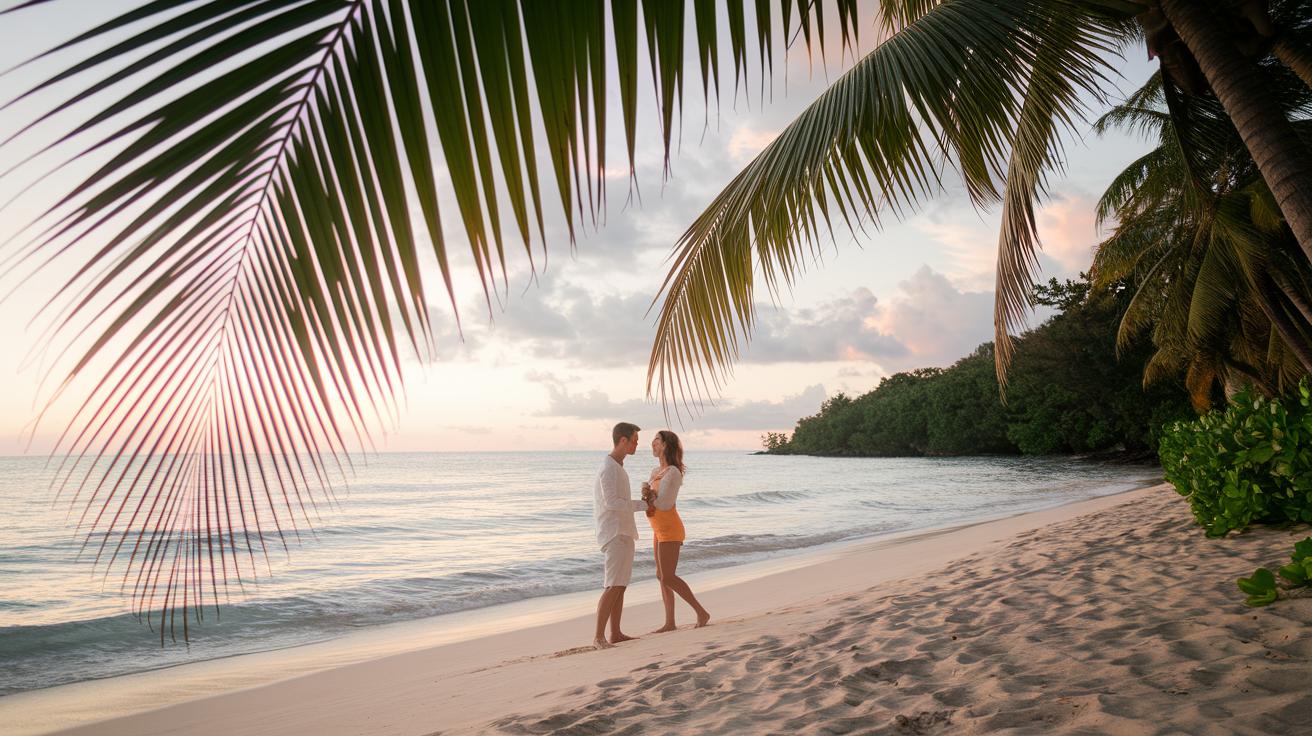
When you’re snapping pictures in the Caribbean, making your shot look just right can really bring your photos to life. Here are five simple ways to improve your shots instantly, like chatting with a friend about your favorite beach view.
-
20–60–20 Rule: Imagine your frame as a pie divided into three slices. Use 20% for the foreground, 60% for your main subject, and the remaining 20% for the background. For example, you might capture a palm tree up close, the lively beach in the center, and the soft, dreamy sky behind it.
-
3/4 Rule: Try not to put your subject exactly in the middle. Instead, move it slightly off-center so that the environment can add its own special story – much like the magic of a sunset that isn’t exactly in the center, making everything feel more dramatic.
-
The 5 C’s of Composition: Keep your eyes on composition, color, clarity, contrast, and creativity. This approach helps you fine-tune details so that every shot feels natural and inviting, as if it's a snapshot of real life by the sea.
-
Use Natural Frames: Look around for things like archways, overhanging branches, or even a cluster of coconuts to naturally frame your subject. They add a sense of depth and draw your viewers into the scene, almost like a hidden treasure waiting to be found.
-
Experiment with Vantage Points: Don’t be afraid to change your point of view – get down low or climb a little higher. Whether you're capturing the foamy crest of a wave or getting a bird’s-eye view of the coastline, switching up your angle can make your photo truly stand out.
Optimal Lighting for Caribbean Coastal Photography
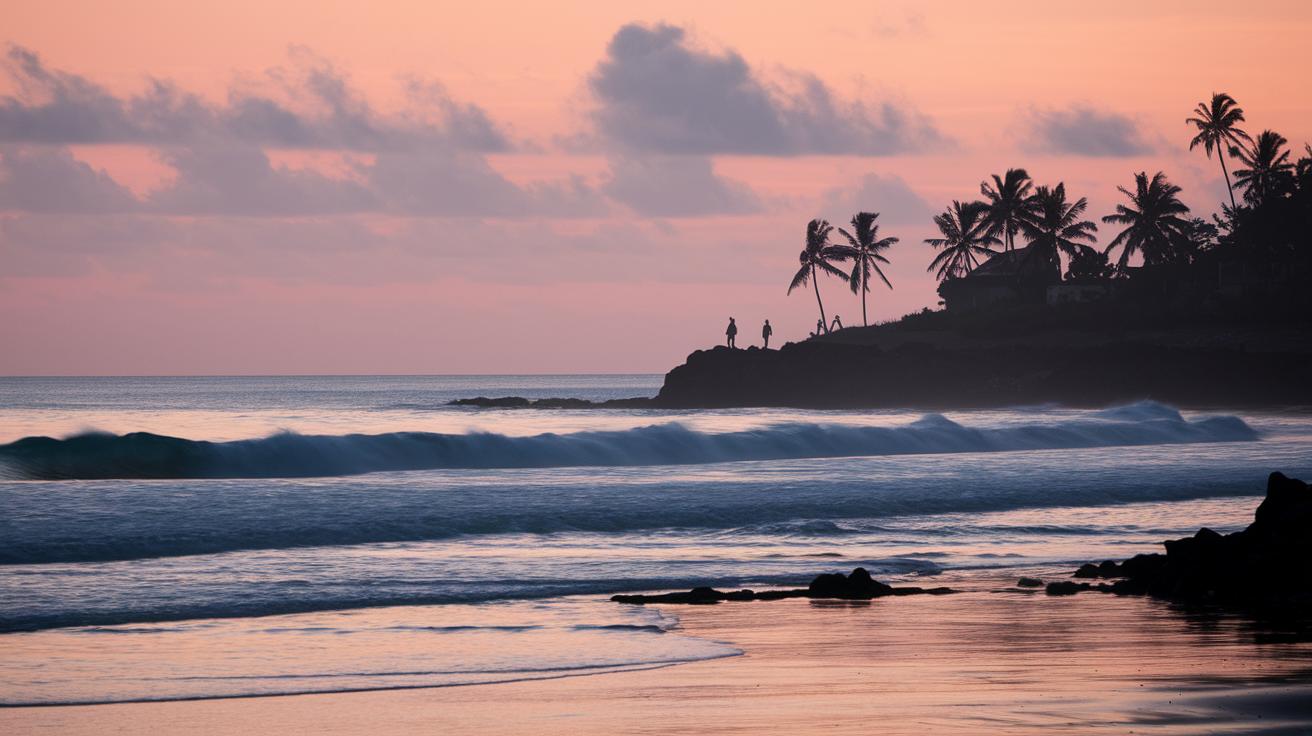
Lighting is everything when you're out capturing the stunning coastlines of the Caribbean. In this part of the world, your best shots depend heavily on timing. Early in the morning, as the sun peeks over the horizon, you get this soft, warm light that calms the waters and gently bathes the coast. It’s like watching an artist blend colors on a palette, perfect for those subtle silhouettes that tell a story.
Around midday, between 12 and 2 pm, the sunlight is at its strongest. This peak light deepens the vibrant blues and greens of the ocean, making every wave burst with life. The bold colors that come out during this time can really make your photos pop, showing off the natural beauty of the coastline.
Then comes the magic of sunset. As day slowly turns into evening, the sky fills with rich, dramatic hues. Shooting during this hour means you can capture backlit scenes that highlight the details and reflections along the shore. Keeping the sun behind you helps light up the foreground just right, so you avoid those pesky, harsh shadows and get a balanced shot.
| Time | Lighting Condition | Best Practices |
|---|---|---|
| Sunrise (approx. 6 am) | Soft, warm light with calm seas | Set up quickly to capture gentle silhouettes |
| Midday (12–2 pm) | Strong sunlight that deepens ocean tones | Use manual settings to keep colors vibrant |
| Sunset (approx. 6 pm) | Rich, dramatic skies over backlit scenes | Keep the sun behind to brighten the foreground |
So, next time you head to the coast, experiment with these different lighting conditions. You might just discover a whole new way to bring out the natural beauty of the Caribbean in your photos.
Essential Gear for Caribbean Photography
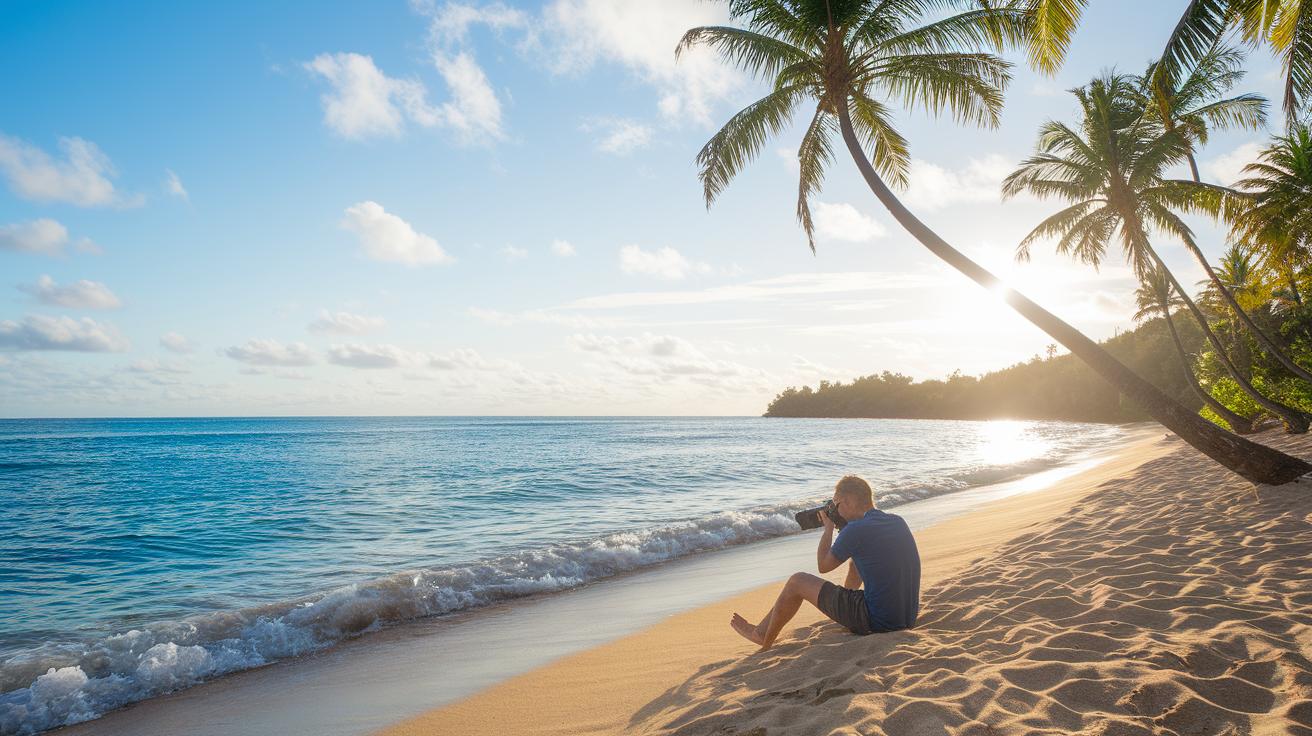
When you're out capturing Caribbean moments, having a dependable DSLR or mirrorless camera is key. Pair it with a zoom lens (24–70 mm) for detailed close-ups and a wide-angle lens (16–35 mm) for those sweeping beach views and cozy street scenes. For extra inspiration on capturing local culture, check out "Authentic Caribbean Island Experiences" (https://caribiana.com?p=4169).
Don't forget a polarizing filter. This handy tool cuts the glare under the bright tropical sun, making all the colors pop, from lush green foliage to the shimmering blue ocean, so every shot feels like a slice of paradise.
If you're planning to shoot near lagoons or dive underwater for a fresh perspective, pack waterproof housing or a dry bag. This protects your gear from the humid, salty air, letting you focus on capturing the magic of underwater life.
Also, consider bringing a GoPro. Its tough design is made for dynamic activities like snorkeling and boat trips, and its time-lapse feature (set at 0.5 seconds) perfectly captures the rapid changes of the vibrant seascape.
Choosing the right gear means you're set for every adventure. Whether you're exploring lively local markets or stumbling upon a quiet, secluded cove, your photos will truly reflect the rich, colorful spirit of the Caribbean.
Iconic Caribbean Locations and Itineraries for Photographers
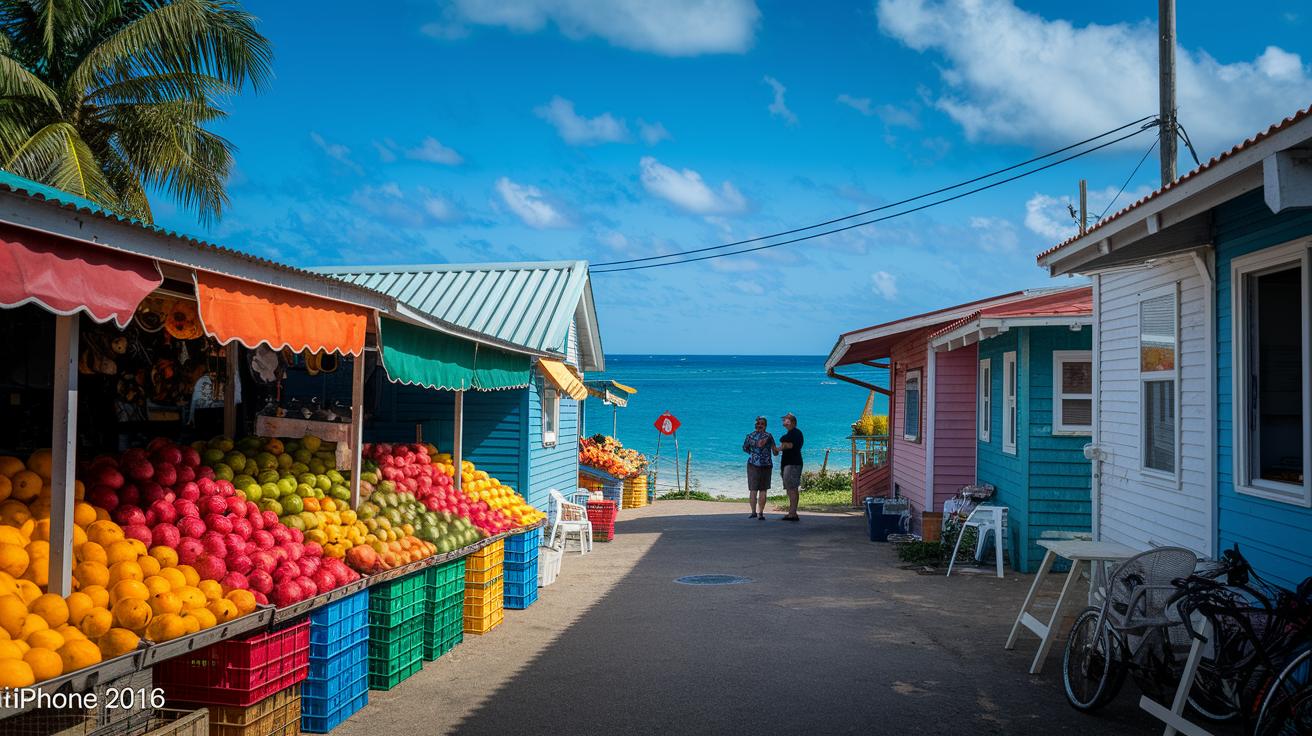
In 2024, we spent a week exploring some of the Caribbean’s most amazing spots to capture vibrant images. Imagine this itinerary as your personal invitation to snap photos of lively local culture and jaw-dropping landscapes.
Starting on December 15 in Antigua, you’ll hop on a thrilling Jeep safari that takes you to beautiful views in the south. Picture roadside shacks bursting with color and fruit stalls that seem to pop right out of a postcard. And then there’s the island’s famous legend of 365 beaches, a mix of rich history and endless chances for that perfect shot.
Next up is Grenada on December 17. Once there, dive into an underwater world at the UNESCO Underwater Sculpture Park, which is set between 5 and 8 meters deep. Sure, a little rain might cloud the water sometimes, but trust me, the mysterious statues behind the scenes make every picture magical.
Then on December 18, Saint Lucia welcomes you with dramatic volcanic peaks and Marigot Bay, dotted with sleek yachts and palm-lined shores. Here, nature’s raw beauty meets refined coastal charm, offering a unique contrast that will make your portfolio truly shine.
On December 20 and 21, Barbados reveals its dramatic side. You’ll have the chance to explore a catamaran wreck dive, part of a reef recovery project from 2002. Imagine mixing encounters with colorful Sergeant Major fish and visits to a celebrated luxury hotel, a blend of history and modern allure that gives your images an unforgettable story.
On December 24, Saint Kitts treats you to a Jeep safari through black sand beaches and wide roads bordered by tropical orchards. The burst of colors from bananas, mangoes, and avocados creates a vibrant backdrop that feels like a slice of paradise.
Then, on December 26, you get to experience Saint Maarten. This island charms with its split identity: 16 square miles of Dutch vibe alongside 21 square miles of French charm. Expect modern architecture and secret nooks that add a unique twist to your journey.
Finally, on December 27, Tortola invites you aboard a scenic boat ride to Virgin Gorda Baths. With turquoise currents, intriguing rock formations, and lively reef fish, it’s the classic Caribbean scene that every photographer dreams of capturing.
Post-Processing and Editing for Caribbean Imagery
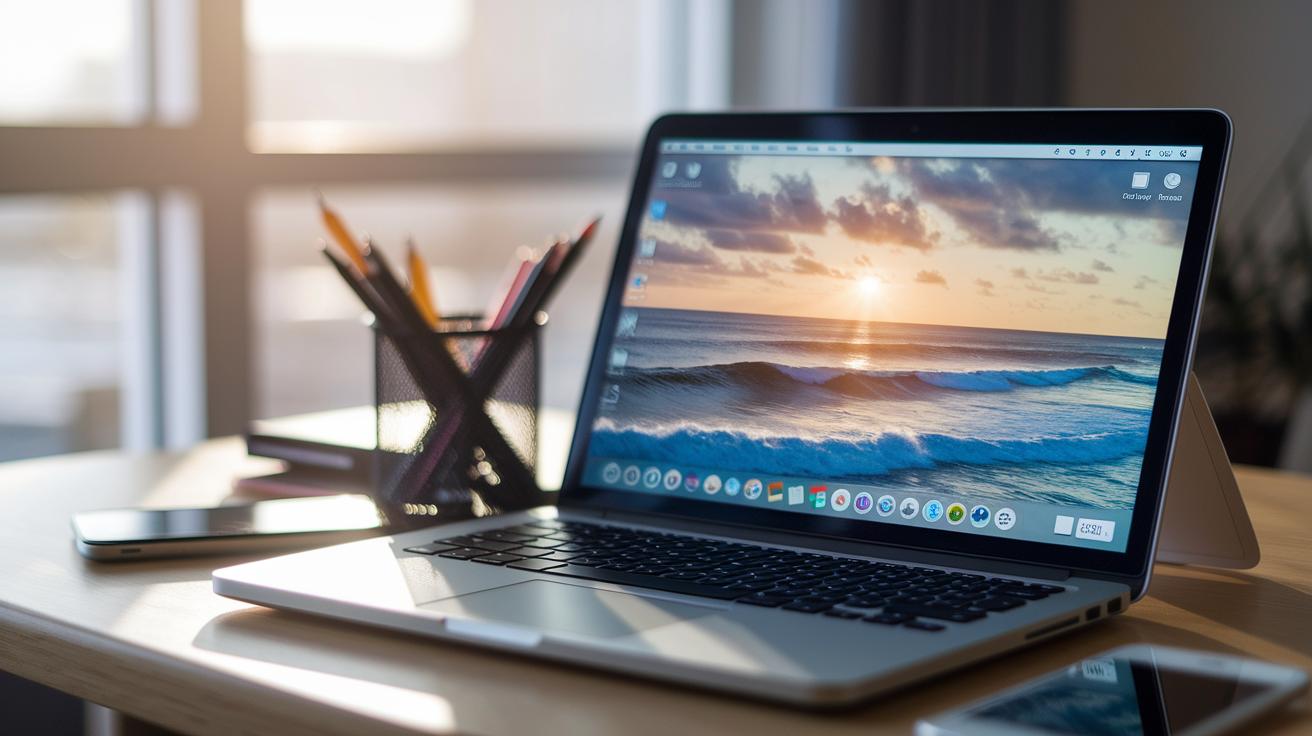
When you sit down at your desktop editor for a few moments, you can easily transform your Caribbean photos into lively memories that feel almost tangible. Picture this: a soft sunrise lending its warm glow to gentle waves. It all begins with a few simple adjustments using your favorite editing software, tools that let you play with color temperature, contrast, brightness, and saturation.
Here are four essential steps to guide your editing:
- Adjust the color temperature, contrast, brightness, and saturation to set the perfect mood and clarity for your shot. Think of it like mixing the perfect tropical cocktail, each small tweak adds its own unique flavor.
- Tame the blues and greens by slightly turning down the saturation. This trick keeps skin tones and skies looking natural rather than too bright or overdone. For instance, when editing a sunny ocean view, these gentle tweaks help maintain that true turquoise vibe.
- Use graduated filters or radial masks to highlight key areas like the sky or water. This draws the viewer’s eye naturally from one beautiful element to another.
- Save your custom presets, especially if you’re editing a series of time-lapse or wide-angle shots. This way, you keep your unique editing style consistent across every image.
By following these relaxed, yet effective steps, your Caribbean photos will capture the islands' natural hues, crisp details, and the genuine spirit of every sunlit moment.
Drone Use and Safety for Caribbean Aerial Photography
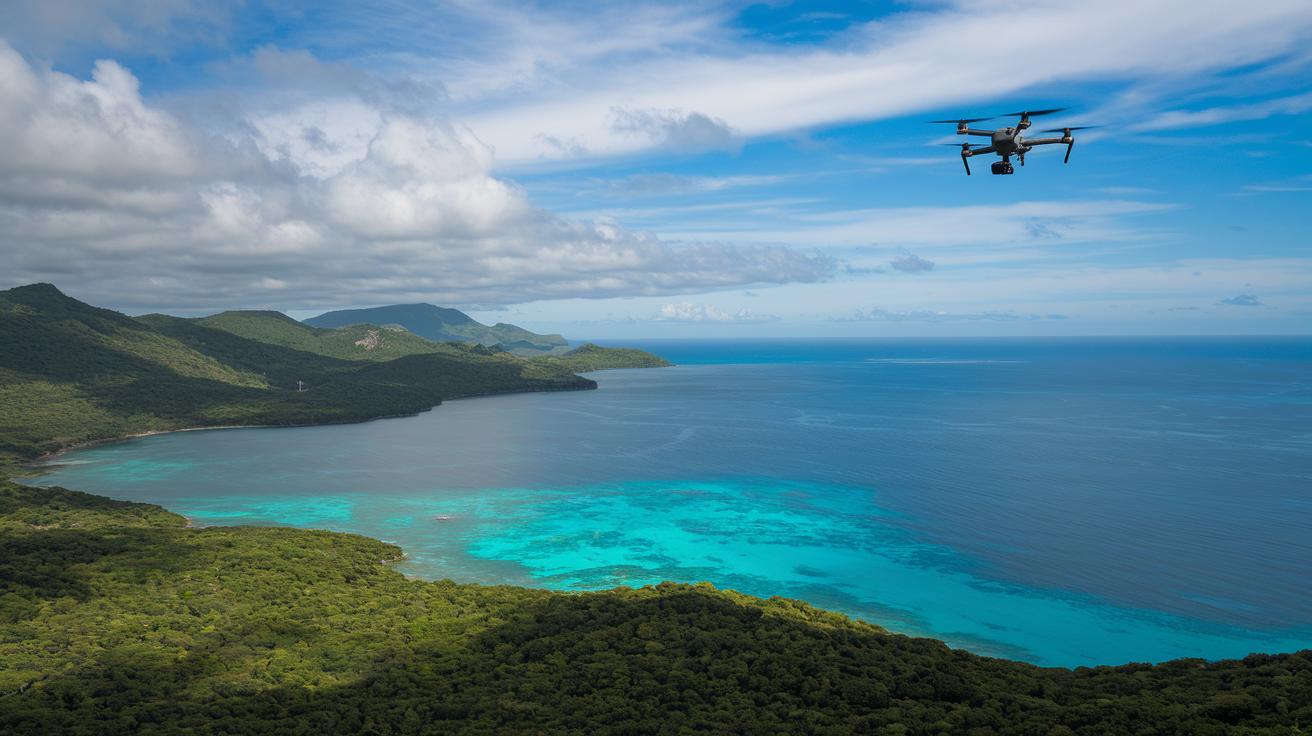
Flying your drone over a Caribbean island is like capturing a slice of paradise from the sky. Before you launch, take a moment to check the local rules on each island. Many places have special zones where drones aren’t allowed, and breaking these rules can lead to fines or even losing your gear. By following the rules, you can focus on enjoying the amazing views without any extra stress.
When you get ready to fly, keep your drone at a medium height. This height helps you catch the rich greens of the islands and the deep blues of the sea all at once. It also keeps the drone steady against strong coastal winds. So, always check the weather before you take off and keep an eye on it while you’re in the air.
Also, make sure you have any permits required by local authorities. These permits ensure that you can record those vibrant coastal scenes legally and without any hassle.
| Tip | Why It Helps |
|---|---|
| Check local drone regulations and no-fly zones | Keeps you out of trouble while flying |
| Fly at mid-level altitude | Balances capturing both lush land and brilliant sea |
| Monitor coastal winds and currents | Ensures flight stability and safety |
| Obtain any necessary permits | Lets you film legally and stress-free |
Keep these friendly tips in mind, and you’ll be setting off on a smooth and fun aerial adventure in the Caribbean. Enjoy every moment, and those breathtaking views!
Final Words
In the action, we explored manual camera settings, creative composition tips, and smart lighting tricks designed for Caribbean shots. The post broke down essential gear advice, mapped out iconic island spots, and offered tips on post-processing and safe drone use. Each section brings fresh insights to help you capture captivating and authentic images. Embrace these hands-on pointers from our caribbean photography guide and enjoy a trip filled with vivid memories and effortless photo moments under bright, warm skies.
FAQ
How do manual camera settings and timing boost Caribbean photography?
The manual settings and timing empower you to capture vibrant Caribbean images by controlling aperture, shutter speed, and ISO. Using golden hour or midday light creates natural brilliance and authentic color for your photos.
How does applying composition rules elevate island photo composition?
The composition rules, like the 20–60–20 rule and the 3/4 rule, help you balance foreground, subject, and background. This technique creates a dynamic and engaging frame that adds depth to island scenes.
How does lighting influence coastal Caribbean photography?
The optimal lighting conditions—whether soft sunrise, rich sunset, or peak sunlight—guide you in positioning the sun behind the camera. This approach prevents harsh shadows and highlights the beauty of ocean hues.
How can I choose the right gear for Caribbean photography?
The recommended gear, such as a DSLR or mirrorless camera with versatile lenses and polarizing filters, lets you capture both detailed landscapes and underwater scenes while protecting your equipment in tropical conditions.
How do iconic Caribbean locations enhance photography experiences?
Iconic spots like Antigua, Grenada, and Saint Lucia offer unique backdrops with colorful culture and scenic views. Each destination provides creative opportunities to capture the true essence of Caribbean life.
How does post-processing improve the vividness of Caribbean images?
The detailed post-processing steps help adjust color temperature, contrast, and saturation, ensuring that your images maintain natural hues and sharpness. This technique brings out the best in tropical scenes.
How does following drone safety practices benefit Caribbean aerial photography?
Adhering to safety practices and local regulations protects you and your equipment while capturing stunning aerial shots. Respecting no-fly zones and weather conditions ensures safe and compliant drone use over the islands.
