Have you ever wondered if Caribbean sailing is all fun, endless sunshine and gentle waves? Imagine spending a day on the water with a soothing breeze nudging you toward hidden coves and friendly little harbors. Picture it like whipping up your favorite tropical smoothie, a perfect mix of island charm and a burst of freedom. In this guide, we share safe coastal paths, simple wind tips, and secret spots where you can truly kick back. Get ready for an adventure that blends laid-back moments with just a hint of coastal excitement.
Caribbean Sailing and Yachting Travel Guide: Regions, Scope and Essentials
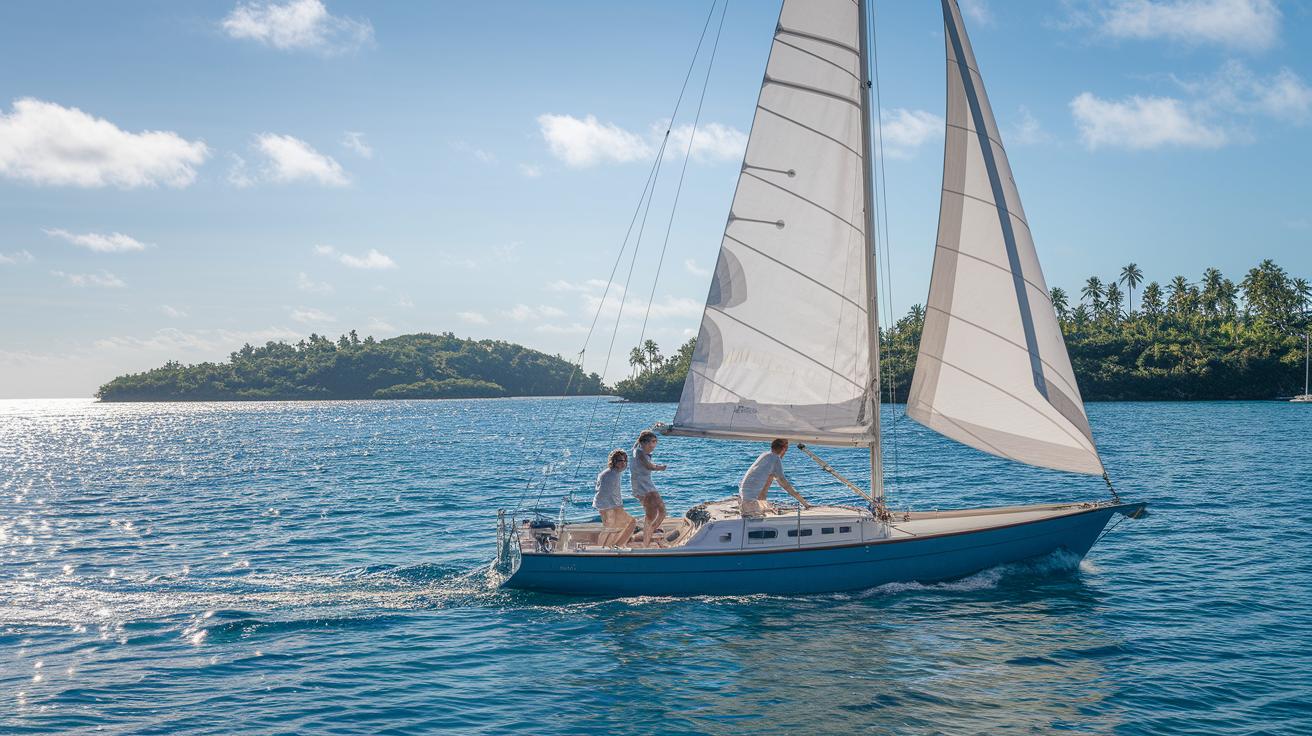
Sailing in the Caribbean feels like stepping into a sunlit adventure where sparkling waters meet lively island vibes. The region is split into three parts: the Virgin Islands (covering British, U.S., and Spanish spots), the Leeward Islands, and the Windward Islands. Each area has its own unique charm. For example, you might find the British Virgin Islands buzzing with energy, while the Spanish Virgin area offers a quiet retreat for those in search of peaceful moments. Whether you're planning a day sail, a week-long cruise, or even a series of mini escapes like a trip to Culebra, there's something here for everyone. The best time to set sail is from December to April when the trade winds, running at about 10 to 20 knots, blend perfectly with mostly dry, clear skies.
Thanks to local currents and steady winds, each coastal route reveals its own hidden treasures. Imagine spotting graceful turtles or vibrant coral reefs as you glide past island shores. This region welcomes both newcomers and seasoned sailors, with plenty of cozy anchor spots to rest and enjoy the view. Picture starting with a calm day sail around a quiet cove and then exploring lively harbors brimming with local flair. Ever felt that excitement as you chart a course for a safe, inviting anchorage before a day loaded with coastal discoveries? That's the true essence of Caribbean sailing, a blend of relaxation, exploration, and the simple joy of being out on the water.
Caribbean Sailing and Yachting Travel Guide: Smooth Sailing
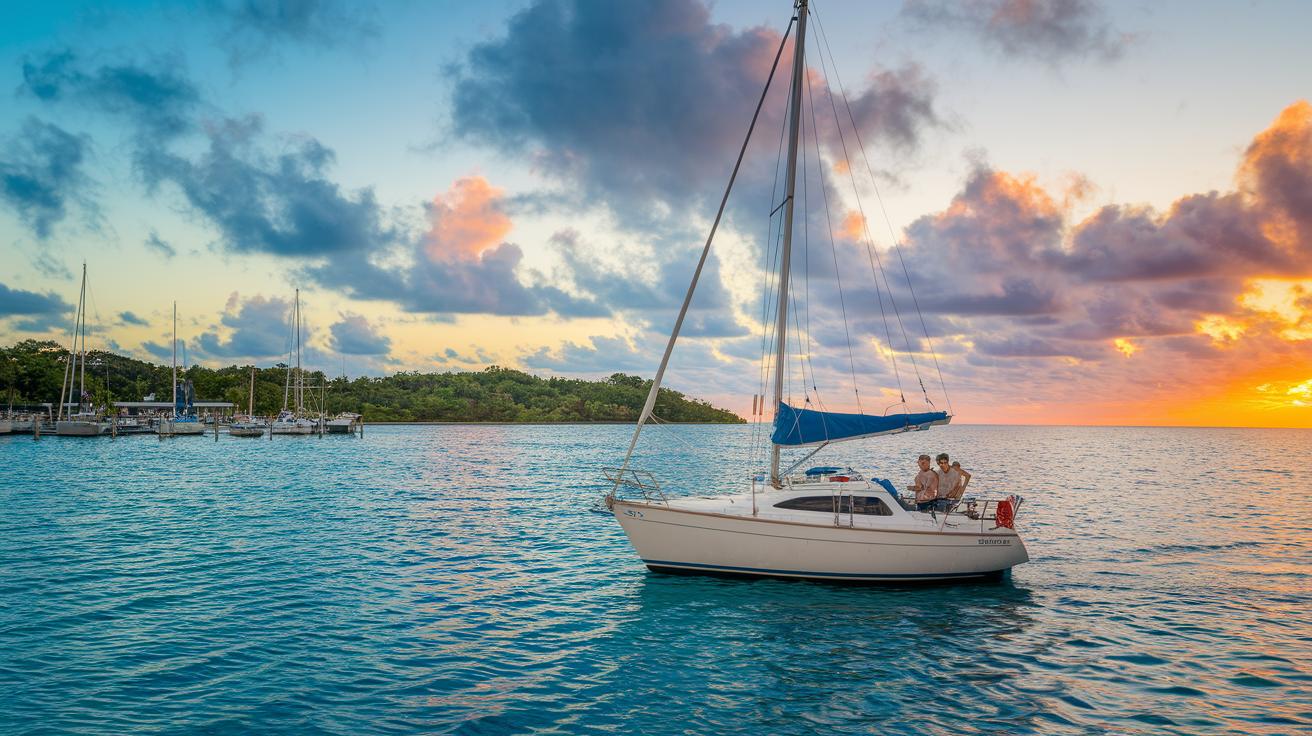
Planning a sailing trip around the Caribbean is a lot like mixing up a tropical cocktail, you need just the right blend of flavors to create a perfect day at sea. Start by checking out local winds and water conditions to pick safe harbors and pretty spots along your journey. Think of it like making your favorite smoothie: add a burst of island energy and a splash of calm coastal views to set the tone for a sunny adventure.
For those new to sailing, the British Virgin Islands and U.S. Virgin Islands offer friendly, sheltered waters with easy-to-reach marinas. It’s a gentle way to ease into island life. And if you’ve got more experience up your sleeve, try crafting a route that mixes busy provisioning stops with quiet, hidden coves. Keep an eye on the wind and let the ocean currents guide your way for a truly balanced adventure.
| Trip Type | Itinerary Details |
|---|---|
| Day Sail | St. Martin to Anguilla (30 NM round-trip) |
| 3-Day Loop | Culebra and Vieques loop from Fajardo |
| 5-Night Circuit | BVI circuit: Tortola → Virgin Gorda → Anegada → Jost Van Dyke → Tortola |
| Week-long Journey | Leeward Islands: St. Martin → St. Barths → Anguilla → Saba and back |
| Custom Trek | Grenadines chain via Carriacou and Union Island |
Finding the right route is like balancing flavors in your favorite dish. Match the direction of the wind with a mix of daylight sailing, cozy moorings, and lively port stops. Use the calm patches in local waters to practice your sailing moves and enjoy each island stop as a unique tropical experience that will leave you with memories as vibrant as a Caribbean sunset.
Caribbean Yacht Charter Advice and Vessel Selection
Bareboat vs. Crewed Charters
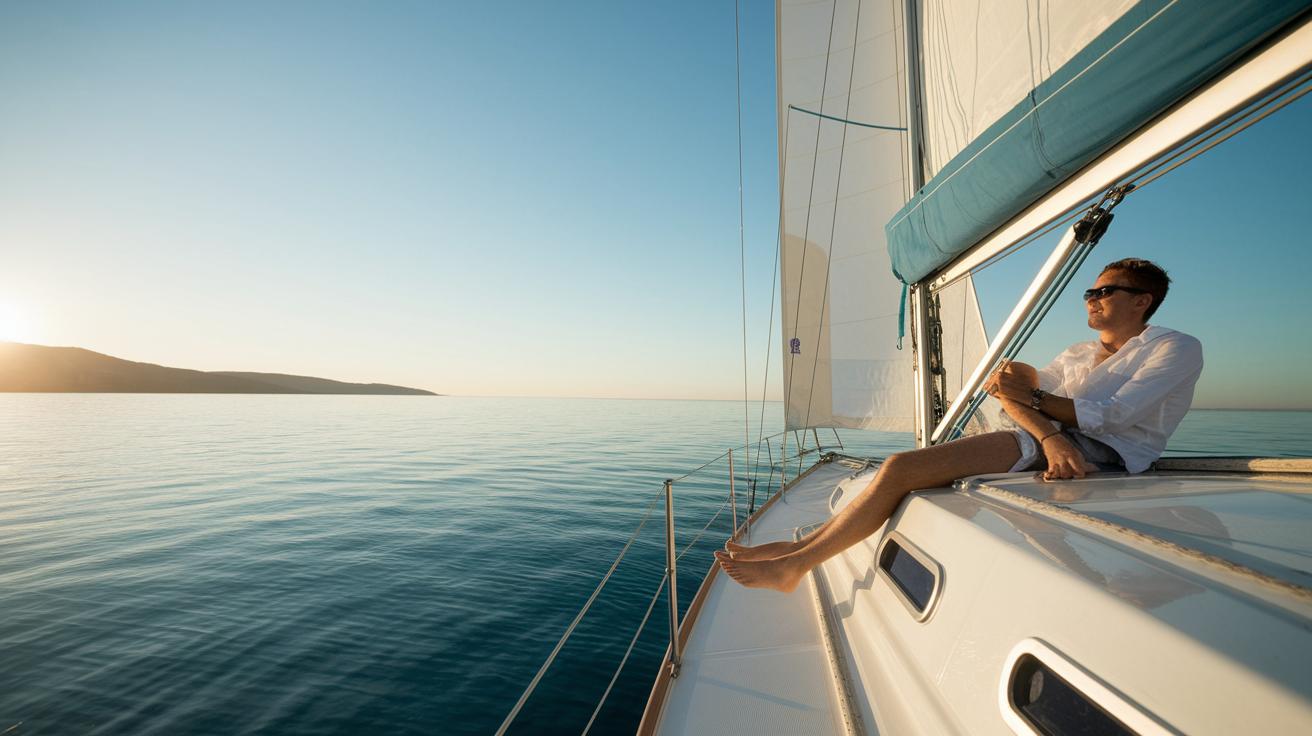
Choosing a bareboat or a crewed charter really comes down to how much you want to be in control of your journey and your comfort level at sea. If you enjoy the thrill of plotting your own course and handling the boat yourself, a bareboat charter is perfect for that self-sailing experience. It’s a cost-friendly option that lets you take the helm, much like preparing your own meal with a favorite recipe you trust. On the other hand, if you’re not as comfortable at sea or just want a little extra help, a crewed charter might be the way to go. With a seasoned captain and a dedicated crew by your side, you can simply kick back and enjoy the ride, just like having a friendly tour guide lead you through beautiful landscapes.
Monohull vs. Catamaran Choices
When picking the type of vessel for your trip, both monohulls and catamarans offer cool benefits for your Caribbean adventure. Monohulls bring a classic sailing vibe and are often easier on your budget, which is great if you appreciate the traditional feel of a yacht. Think of it as embracing the timeless charm of sailing without breaking the bank. In contrast, catamarans are known for their stability and spacious cabins, making them ideal for families or groups who need extra room. Many travelers love catamarans for their smooth ride and fuel efficiency, which helps make island-hopping feel even more relaxed. Whether you’re planning a route with simple GPS tools or looking for a touch of luxury on the water, knowing the differences can help you choose the vessel that fits your style perfectly.
Marina Guide Insights and Harbor Facilities Across Caribbean Ports
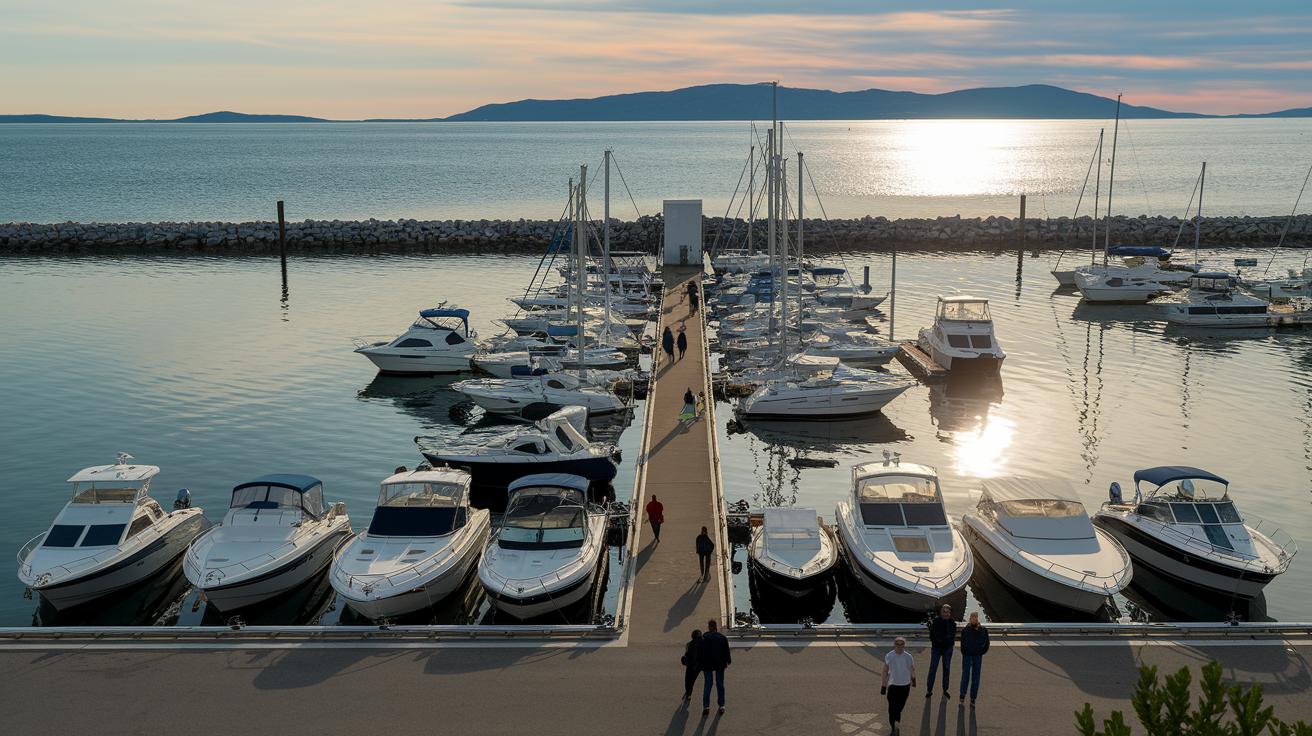
St. Martin is one of the best places to refuel and restock. Its marinas offer fuel, fresh water, and repair services you need to keep your boat sailing smoothly. After a long day at sea, you can grab a bite at a dockside restaurant or freshen up in the laundry; they even have Wi-Fi so you can check in with family or friends.
Over in the British Virgin Islands, especially around Tortola, you'll feel the buzz of busy charter boats. It’s a lively scene with all the essential amenities plus a true taste of local island life. Not far behind, the U.S. Virgin Islands provide solid support for skippers with easy-to-access services. And if you’re looking for something quieter, the Spanish Virgin sector offers a serene docking spot for those who like calm harbors.
The Windward Islands take things a bit slower. Their fewer boats create a peaceful vibe where you can kick back and enjoy the local flavor. Think of relaxing with a cool drink and a view of sparkling waters as you plan your next Caribbean adventure.
Caribbean Sailing Weather Forecasts, Wind Patterns, and Seasonal Recommendations
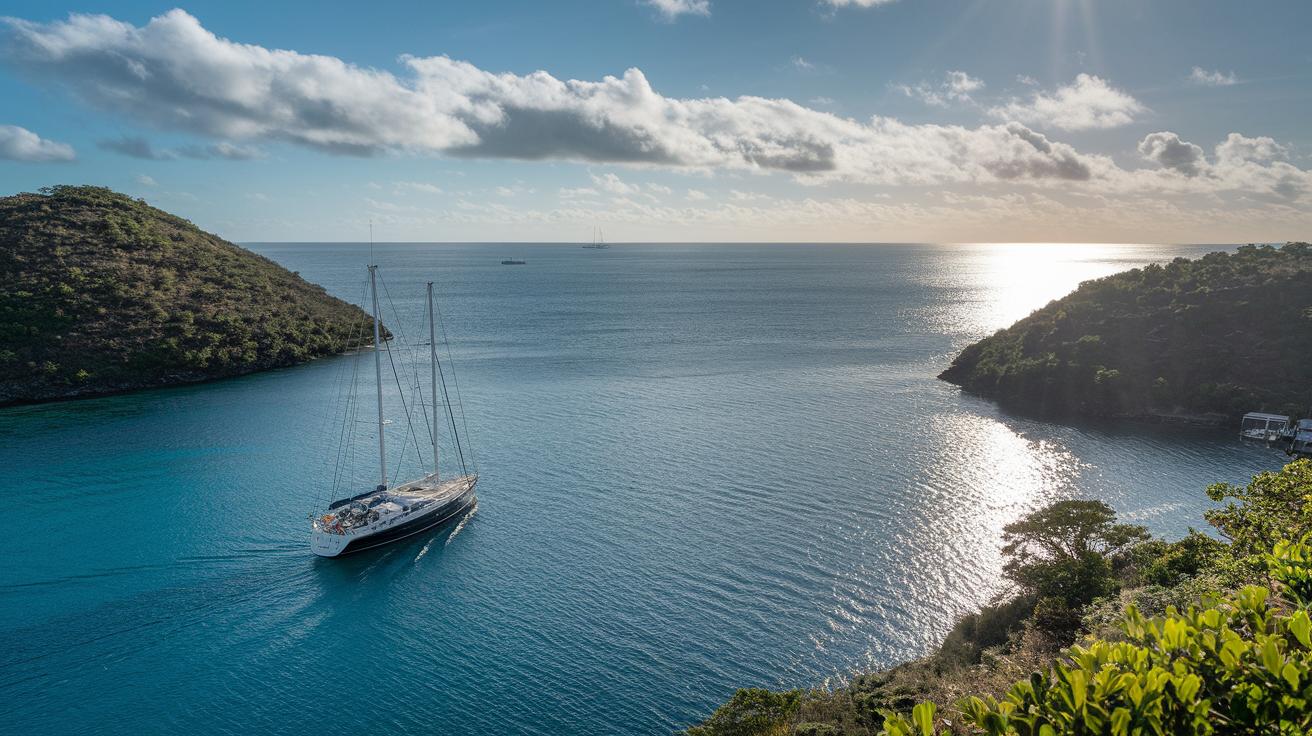
When the Caribbean sun shines from December to April, the breezy trade winds, blowing at about 10 to 20 knots, set the stage for a smooth sailing adventure. Imagine feeling that cool, steady breeze on your face while you glide by sunlit coves and lively harbors. In the Leeward Islands, the constant easterly winds work like a natural guide for your boat. The nearly dry days mean you can explore each island with ease and enjoy a peaceful journey on calm seas.
Between June and November, things can get a bit unpredictable. Hurricane season means the sky might darken quickly and wind patterns could suddenly shift. Sometimes, little whirlpools caused by Atlantic currents can change the feel of your anchorage. This is the time to check your weather forecasts and ocean charts often, like you would your morning coffee routine. It also helps to be well-prepared with safety gear and a plan in case the weather turns on you.
| Month | Avg. Wind (knots) | Rainfall (in) | Sea Temp (°F) |
|---|---|---|---|
| December | 10-20 | 1-2 | 78-82 |
| January | 10-20 | 1-2 | 78-82 |
| February | 10-20 | 1-2 | 78-82 |
| March | 10-20 | 1-2 | 79-83 |
| April | 10-20 | 1-2 | 80-84 |
| May | Variable | 2-3 | 82-86 |
Caribbean Seafaring Safety Protocols and Local Maritime Regulations
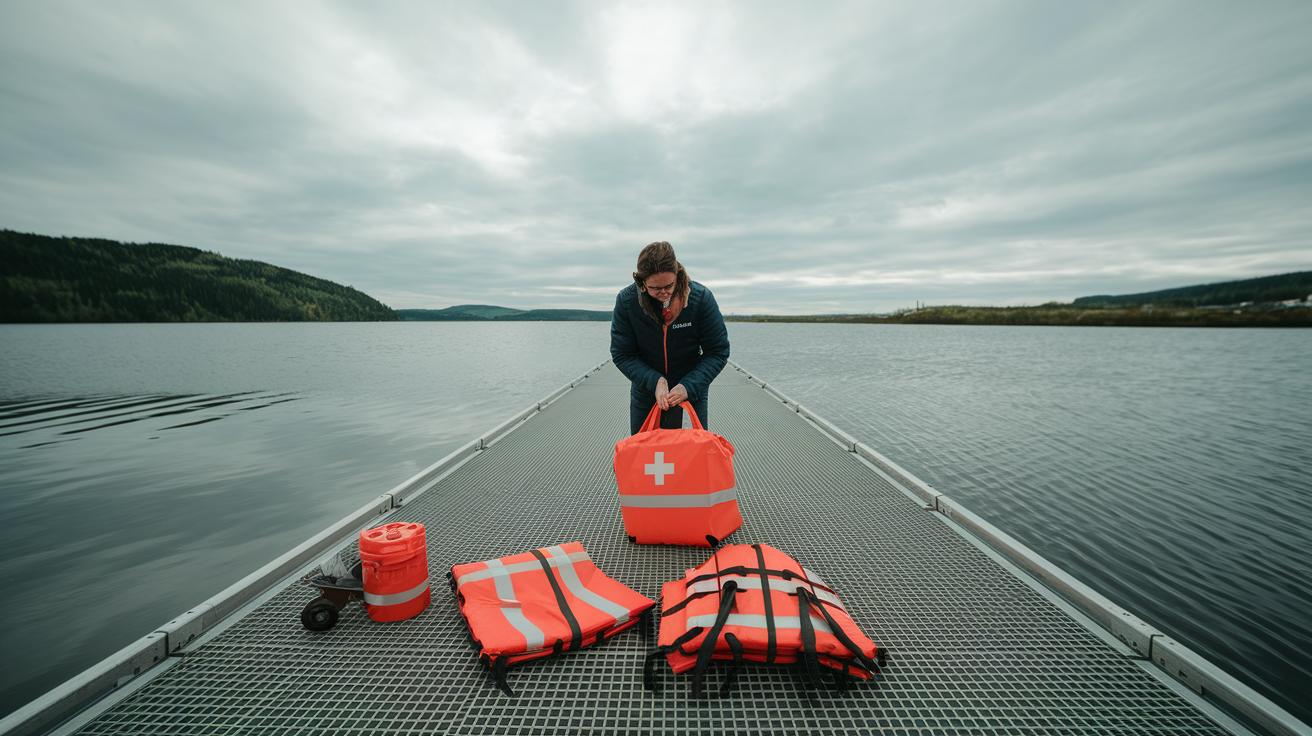
Being safe on the water means having the right gear and knowing the local rules. Make sure you have the essentials with you, like life jackets, fire extinguishers, flares, and a first-aid kit. For instance, before you head out, check that each life jacket fits snugly, kind of like testing your seatbelt before a car ride.
Always be prepared for any emergencies. Keep a close watch on VHF Channel 16 for any distress signals and be ready to respond if needed. When anchoring your boat, choose a spot where the seabed is sandy or muddy, as it helps keep your vessel secure. And remember, permit requirements like customs clearances or port fees can change from one place to another, so check the local maritime rules before entering a new area.
Sailing at night needs extra attention. Use AIS (a tool that shows nearby traffic) to stay aware of other boats, set your navigation lights properly, and slow down when the visibility is low. I heard a sailor once mention that when the fog rolled in, taking it slow and trusting the navigational equipment made all the difference. Following these steps not only keeps you safe but also shows respect for local guidelines.
Keeping up with safety tips and local rules ensures that every Caribbean voyage is both secure and truly enjoyable.
Caribbean Island Hopping Tips and Hidden Cove Discoveries
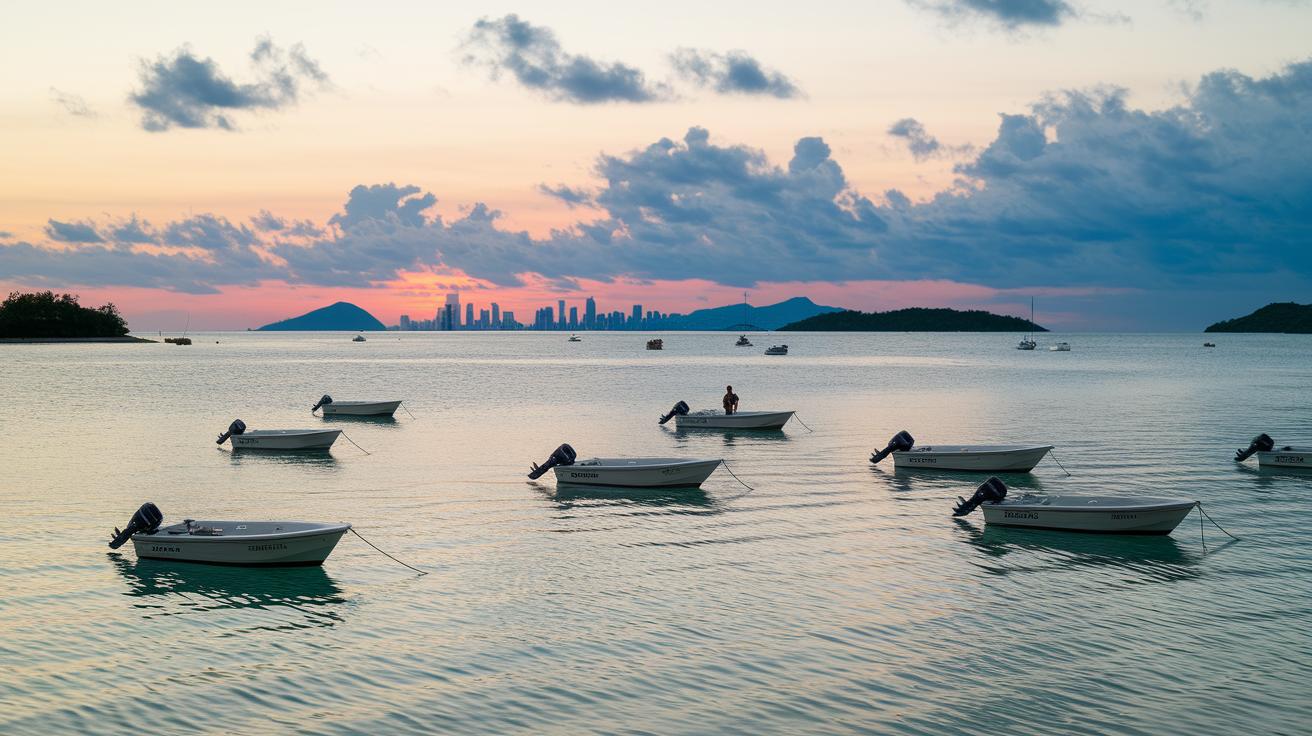
Have you ever felt the thrill of discovering a quiet anchorage? Expert sailors know that picking calm spots can transform a Caribbean getaway. Take Mustique, for example. It has a neat, polished vibe that's perfect for a chill day on the water. Before you drop anchor there, check the swell patterns because a small shift in the wind might stir up bigger waves, even for a pro.
Next, hop over to Jost Van Dyke. You'll love how a quick dinghy ride lands you at White Bay, where the famous Soggy Dollar Bar awaits with its laid-back spirit. Imagine soaking in the island's relaxed pace while enjoying a cool drink between sails.
For those who adore nature, the Tobago Cays offer a marine park where you can get up close with brilliant coral reefs and even spot a turtle or two. Picture yourself snorkeling in clear, turquoise water, it really is like stepping into a tropical postcard.
Then there's Culebra's Flamenco Beach. Its inviting shallow waters and easy boat anchorages make it a wonderful spot for a simple day out. And if you want to avoid the crowds, try the quieter coves in the Spanish Virgin area. With fewer boats around, you'll have plenty of space to really relax and enjoy your island hopping adventure.
Caribbean Onshore Excursions, Local Cuisine, and Shore Dining Guides
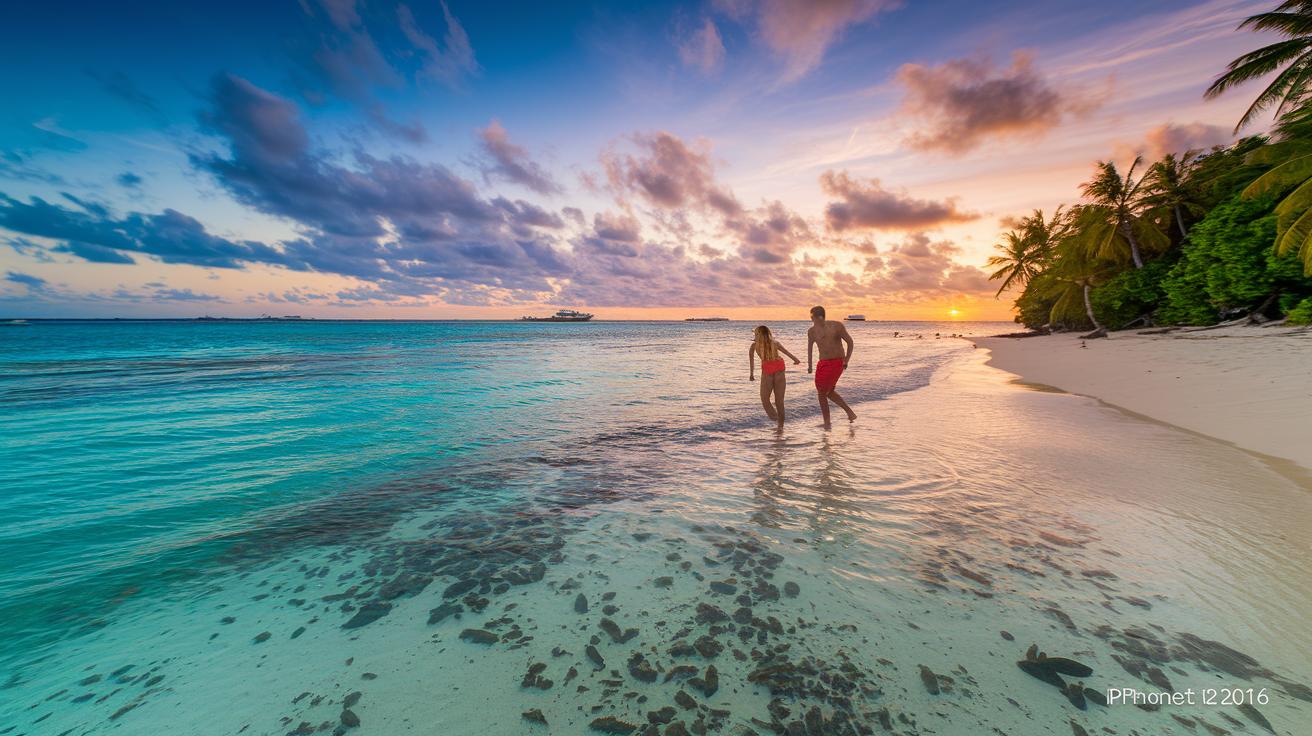
Stepping off your boat onto a glowing Caribbean shore feels like beginning a mini adventure. In the Tobago Cays, you can dive in to snorkel among friendly nurse sharks and bright, lively fish, a true underwater party. And over at Virgin Gorda, a climb up Gorda Peak treats you to views that look like they were lifted straight from a postcard.
When hunger sets in, the islands welcome you with irresistible local dishes. Think about savoring spicy jerk chicken in Jamaica, snacking on crispy conch fritters in the Bahamas, or enjoying a warm, tasty roti in Trinidad. Every bite tells a story of deep-rooted island traditions and passion for food. Next, imagine dining at a quaint beachfront spot in places like St. Martin, Antigua, or Grenada, where the sea sparkles as your background. You can picture it perfectly, a small table, the ocean stretching out behind you, and a meal that refreshes like a cool ocean breeze.
As you explore, remember to protect these natural treasures by using reef-safe sunscreen and following local waste rules. And why not join in a Friday fish fry or a lively beach festival? It’s a real celebration of island life, leaving you with memories that shine as brightly as a Caribbean sunset.
Caribbean Yacht Trip Budgeting and Cost Breakdown
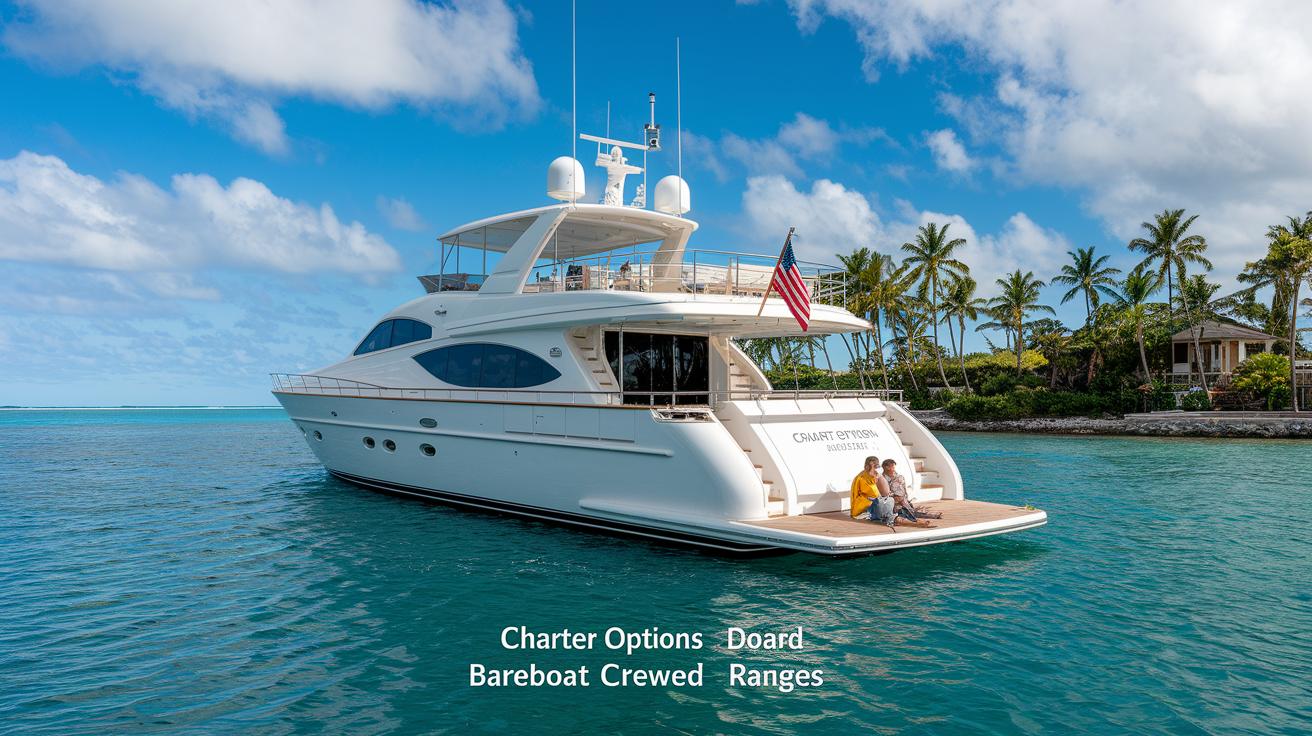
When you’re dreaming of a Caribbean yacht trip, it helps to know how your money will flow so you can relax and enjoy the adventure. There are many charter choices out there. If you choose a bareboat charter, you might spend about $2,500 per week. This option lets you steer your own course with plenty of freedom. But if a crewed experience is more your style, expect to shell out between $5,000 and $15,000 a week. The cost depends on the size of the yacht and what services are included. For a quick sea escape, day sails usually cost roughly $200–$400 per person.
Remember, the expense of your trip isn’t just about the rental. Think of it like making a tasty tropical salad: you add everyday extras too. You might spend around $50–$100 a day on food and supplies, pay about $5–$15 per gallon for fuel, and when you dock the yacht, fees are roughly $1–$4 per foot each night. Every little bit adds up, so a little extra planning can help you enjoy your getaway without any budget blues.
For those who want to splurge a bit, some high-end charters like the Oyster 745 through Oyster 885SII can cost over $20,000 per week. This is perfect for a lavish experience on the high seas. And if you’re planning for a group or traveling in the off-season, you might stumble upon some sweet package deals that keep your trip both memorable and affordable. Always weigh your options to find the best mix of comfort and cost for your dream maritime escape.
Final Words
In the action, we explored the varied charms of Caribbean sailing, from serene day sails and multi-stop itineraries to cozy marinas and local flavors that add spice to your trip. We highlighted stress-free planning tips, relaxed onshore excursions, and hands-on safety advice that make every cruise feel warm and welcoming. This Caribbean Sailing and Yachting Travel Guide wraps up our love for the sea, leaving you with a bright outlook for an unforgettable, sun-soaked escape. Enjoy every wave along your remarkable voyage.
