Ever thought island capitals might hide more than just pretty beaches? Caribbean cities mix history with modern flair in ways that surprise you. Walking down the warm, inviting streets of places like St. John's or Havana, you'll notice a blend of tradition and fresh change.
In this post, we take a relaxed tour of 14 unique capitals, each with its own charm and special attractions. We look at everything from old historic sites to the local tastes and smells of street food, proving these urban gems offer far more than you might think.
Caribbean Island Capitals Overview
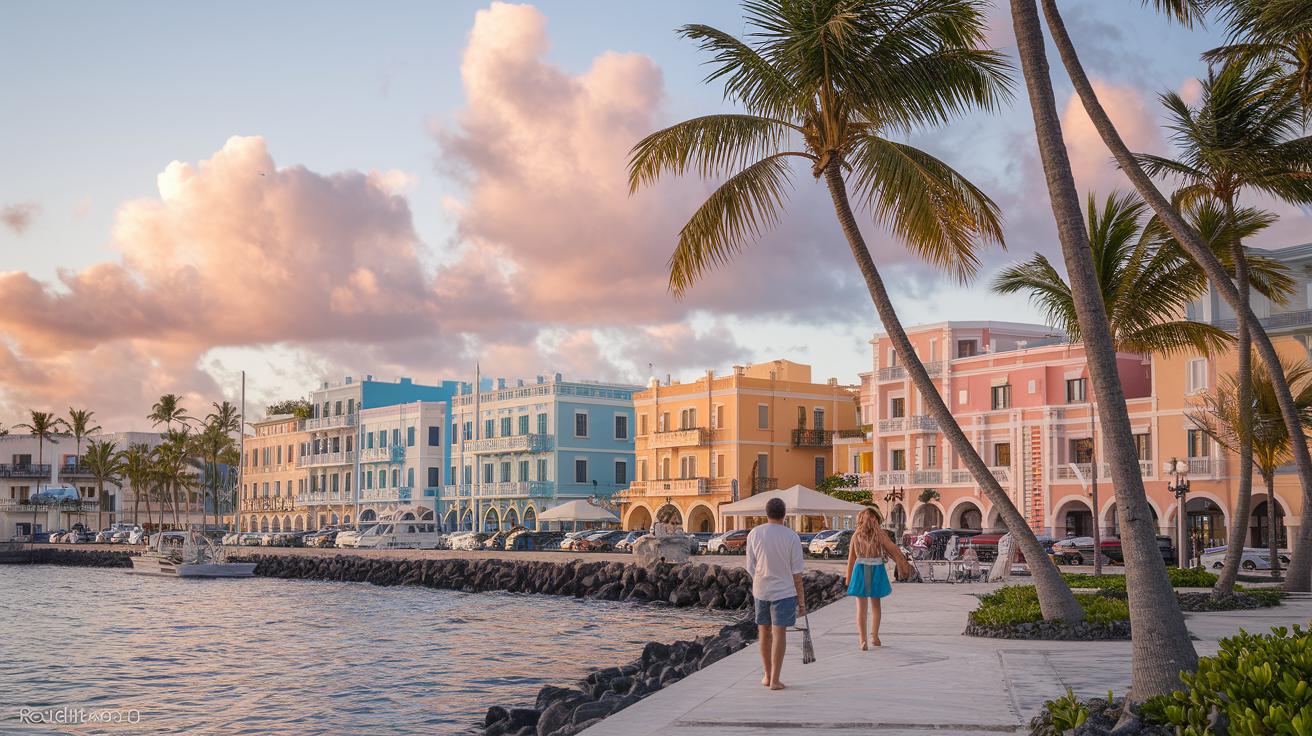
Let's take a breezy tour through 14 Caribbean capitals, ranging from independent nations to one overseas region. Each city bursts with its own island charm, rich history, and a warm, vibrant local scene. Ever seen St. John's in Antigua and Barbuda? Its deep natural harbor and friendly vibe will make you feel right at home. And then there's Basse-Terre in Guadeloupe, where every street whispers tales of culture and legacy. These capitals mix an important local role with a unique flavor, perfect for anyone dreaming of an upscale yet true Caribbean escape.
Below is a simple table that pairs each island nation with its capital and a standout feature. It’s an easy way to see what makes each spot special, whether it’s stunning old colonial buildings, peaceful harbors, or lively historic markets. This tidy layout is your quick guide to the urban delights that charm both culture buffs and luxury travelers.
| Island | Capital | Key Significance |
|---|---|---|
| Antigua and Barbuda | St. John’s | Deep natural harbor and a lively local spirit |
| Bahamas | Nassau | A bustling hub of tourism with charming colonial sites |
| Barbados | Bridgetown | A historic port city filled with memorable landmarks |
| Cuba | Havana | A cultural center rich with beautifully preserved colonial charm |
| Dominica | Roseau | A blend of modern touches and natural beauty |
| Dominican Republic | Santo Domingo | The oldest European settlement with a beating cultural heart |
| Grenada | St. George’s | Picturesque harbor views and charming local markets |
| Haiti | Port-au-Prince | The center of political, economic, and cultural activity |
| Jamaica | Kingston | The biggest city known for its influential music and dynamic energy |
| Saint Kitts and Nevis | Basseterre | A quaint port town steeped in intriguing history |
| Saint Lucia | Castries | A natural harbor lively with cultural and commercial buzz |
| Saint Vincent and the Grenadines | Kingstown | A vibrant harbor paired with rich local commerce and history |
| Trinidad and Tobago | Port of Spain | An energetic mix of industry and cultural celebration |
| Guadeloupe | Basse-Terre | An administrative hub steeped in deep local cultural roots |
For a deeper dive, check out the Ultimate Caribbean Island Guide and explore the Caribbean islands known for their historical landmarks.
Regional Breakdown of Caribbean Capital Cities
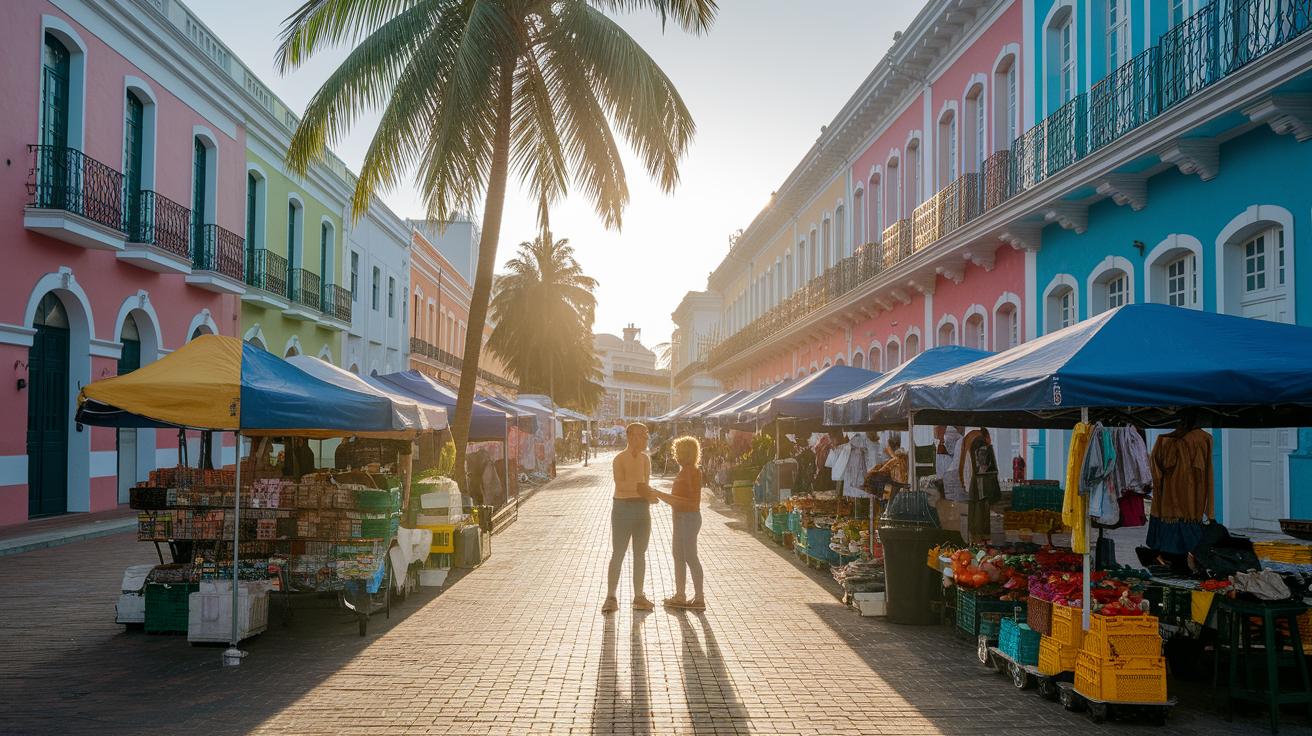
The Caribbean is a patchwork of language zones that shape local governments and day-to-day life. These language roots run deep, mixing history and local flavor so visitors can really feel the vibe of each place when they step into a new city.
English-Speaking Capitals
Take a stroll through the ten English-speaking hubs, St. John's, Nassau, Bridgetown, Roseau, St. George’s, Kingston, Basseterre, Castries, Kingstown, and Port of Spain, and you’ll notice the warm blend of old British influences and lively Caribbean customs. Here, the familiar hints of colonial history mix with modern touches, creating communities that are both welcoming and rich in story. Every corner feels like a nod to history and a promise of a vibrant, bustling present.
Spanish-Speaking Capitals
Havana and Santo Domingo burst with the pulsating energy of the Hispanic Caribbean. Walk the colorful streets and the festive plazas, and you’ll sense a lively charm rooted in a long colonial past. The blend of old world flair and lively local traditions creates an atmosphere that’s both spirited and inviting, a perfect recipe for those who love to soak up culture and fun.
French-Based Capitals
In Basse-Terre and Port-au-Prince, you get a taste of a unique Francophone touch. These capitals showcase a subtle mix of structured French influences and the easy, relaxed rhythms of the Caribbean. Their public spaces and local designs tell a story of blending worlds, making each visit feel like a quiet conversation with history and modern creativity.
These regional differences aren’t just about language, they help set the stage for what visitors can expect, from the way cities are run to the everyday local color that makes the Caribbean truly one-of-a-kind.
Cultural and Historical Highlights of Caribbean Capitals
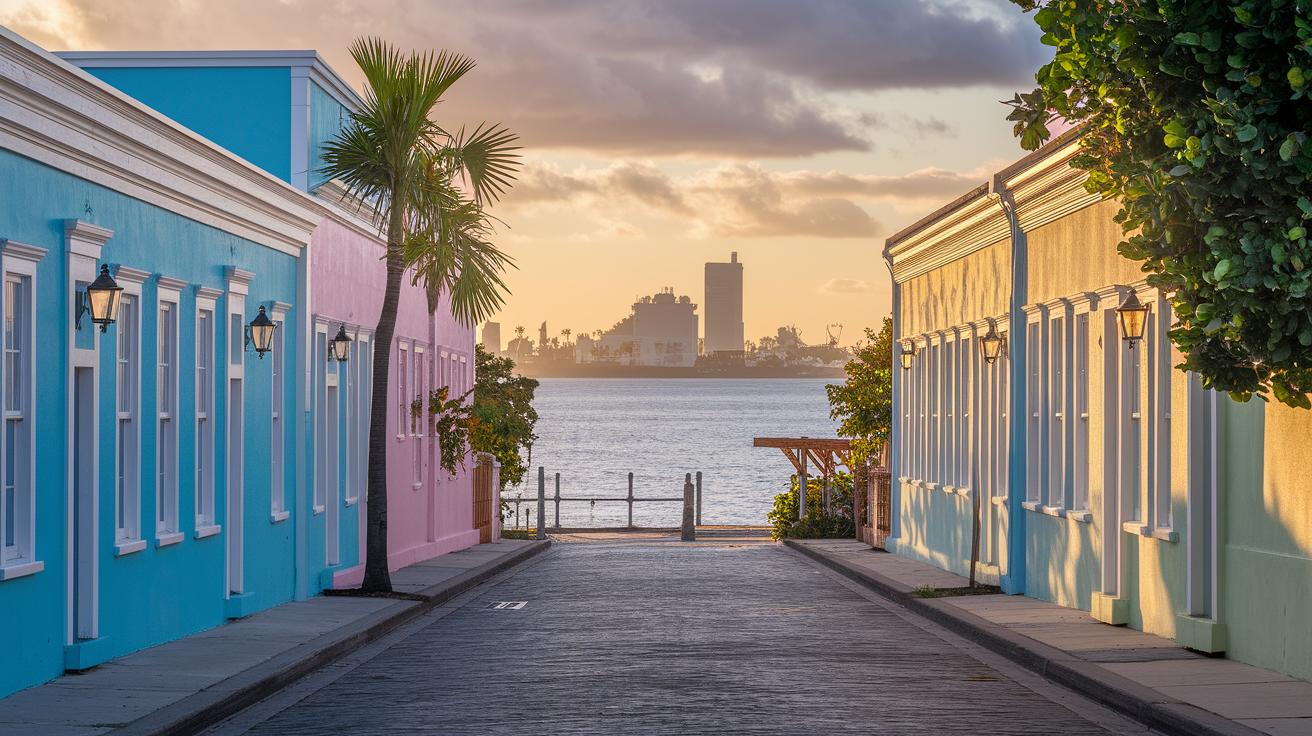
Caribbean capitals are like living history books. Every street and building tells a story of the past. In Nassau, for example, the downtown historic area shows off beautiful colonial buildings that whisper tales of early trade and adventure. Bridgetown boasts charming port landmarks and solid colonial forts that invite you to experience history up close. Then there’s Havana, where old colonial houses, wide open plazas, and thick city walls remind you of days when every corner buzzed with lively cultural stories. Santo Domingo, with its Zona Colonial dating back to 1498, is one of the oldest European settlements in the Americas, with streets that quietly share secrets of early settlers and time-honored traditions.
Modern touches blend nicely with these historic vibes across the islands. In St. George’s, a French-style waterfront and busy spice markets burst with local flavor, making it hard not to smile. Over in Port-au-Prince, colorful outdoor markets nestle right beside grand government buildings, showing a mix of old and new in everyday life. Kingston lights up with museums and music spots that celebrate its rich sound while reviving urban charm. Basseterre’s neat Georgian public buildings and classic cathedral fronts add a touch of refined grace. Both Castries and Kingstown impress with harbor views, old sugar-trade offices from the 1700s, and colonial warehouses, while Port of Spain mixes early 20th-century public buildings with the famous Queen’s Park Savannah. Each city carries a unique legacy that captures the heart and soul of the Caribbean.
Mapping the Capitals of the Caribbean Islands
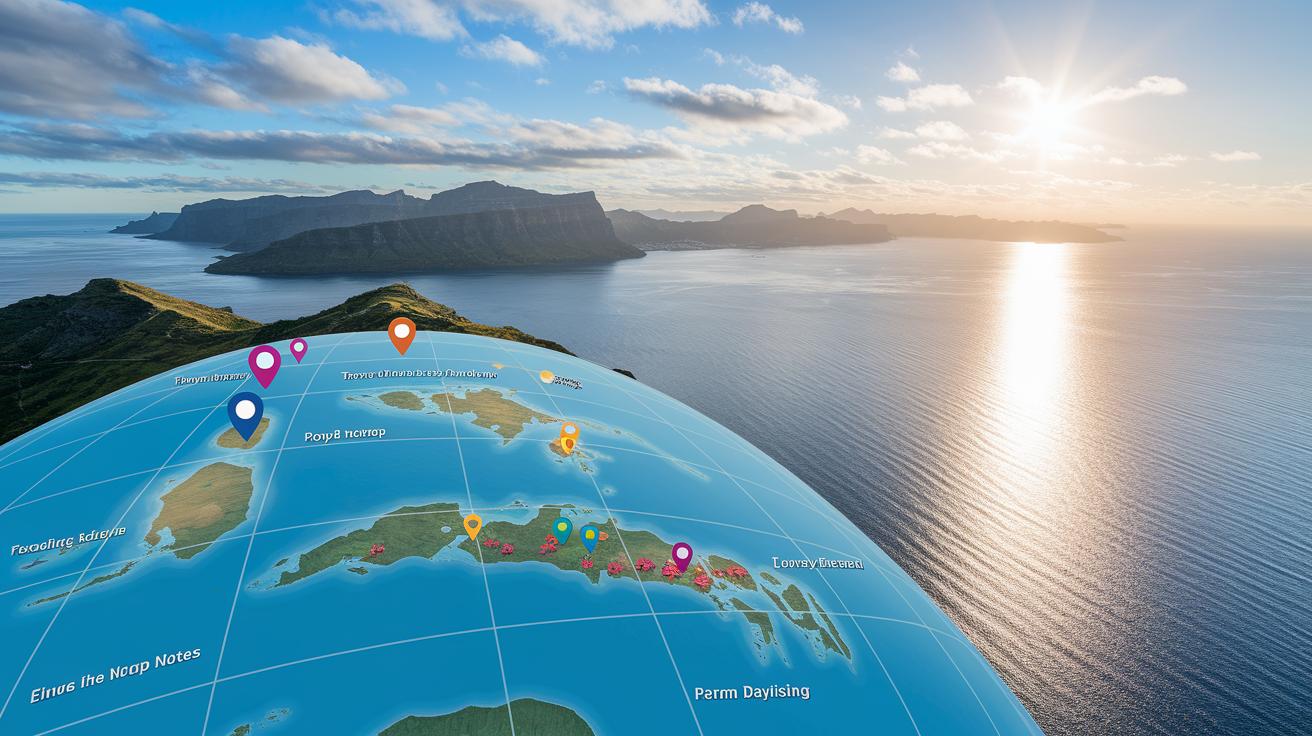
Imagine an interactive map that brings fourteen vibrant capitals to life, stretching from the sunny Bahamas in the north to Trinidad and Tobago way down south. Some of these island gems are just a short hop away, less than 100 miles apart, while others, like Havana and Bridgetown, are over 700 miles apart. It’s like charting out your ideal island-hopping adventure, giving you a clear picture of the distances and the unique layout of these bustling urban spots.
Now, picture clicking on a marker to reveal fun pop-up notes with cultural tidbits and snippets of history. Easy-to-use zoom controls let you explore clusters of nearby capitals, while different colors mark out areas by language, whether it’s English, Spanish, or French. This neat visual guide not only helps you plan your travel route with ease but also gives you a warm glimpse into the rich mix of traditions and vibes that make the Caribbean so special.
Travel Planning with Caribbean Capital Cities in Mind
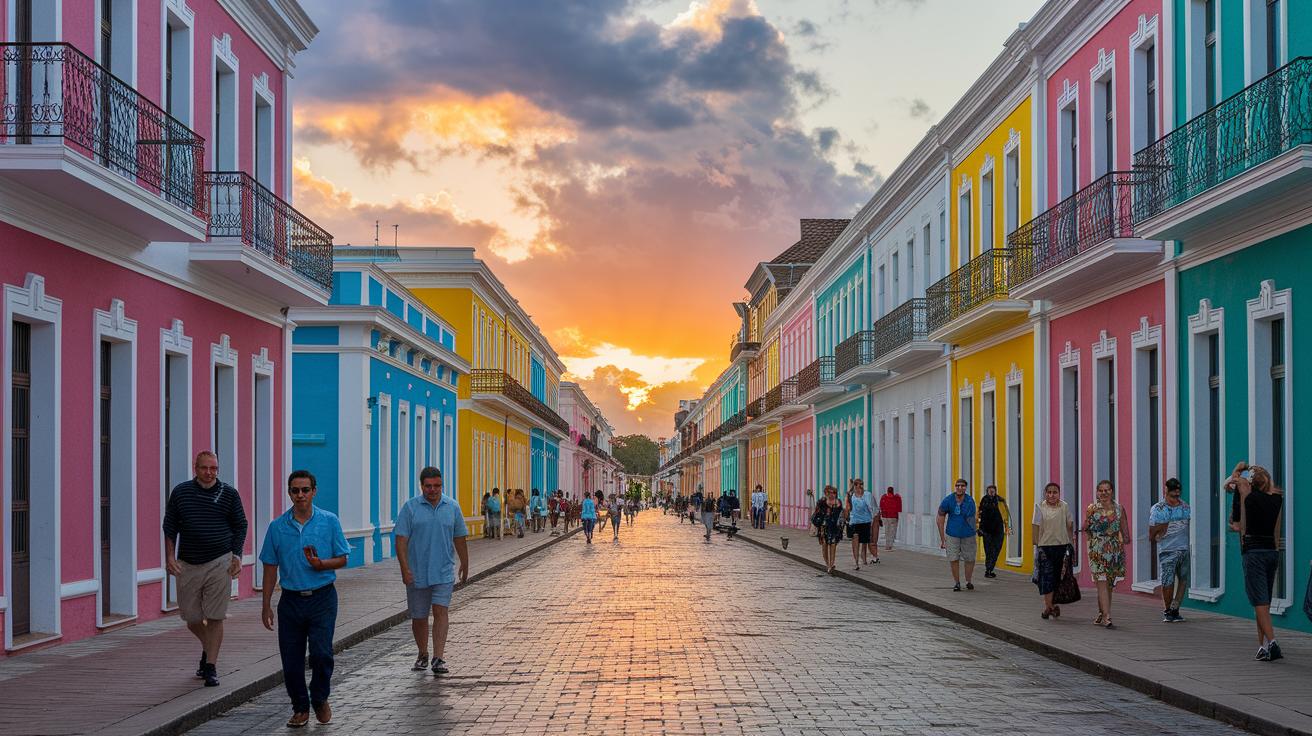
There’s something magical about Caribbean capitals. They aren’t just stops on your island journey, they’re lively centers where history, culture, and modern energy mix together. Imagine strolling through streets buzzing with life, where centuries-old stories blend seamlessly with the island’s laid-back vibe.
When you choose a city stay, you’re in for an authentic taste of island life. It’s like enjoying a colorful local buffet: one moment you’re soaking in the old-world charm of historic sites, and the next, you’re feeling the pulse of today’s urban comforts. And trust me, nothing beats sampling local flavors where every corner tells a story.
Every capital has its own unique beat. In Havana and Santo Domingo, consider joining a guided walk through colonial districts, each cobblestone practically whispers a secret from the past. Over in Nassau, you can mix duty-free shopping with visits to weathered forts and a relaxed stroll along the waterfront. Then there’s Bridgetown, where nearby rum distilleries and the lively Garrison Historic Area make history come alive for real. Kingston tempts you with live music and festivals by the water, while Port of Spain lights up with its famous Carnival in February. Meanwhile, Roseau offers a blend of city tours and nature trips, and St. George’s charms with its spice and nutmeg markets. Basseterre surprises with its historic Circus roundabout and colonial buildings, and Castries delivers a delightful combo of craft markets and harbor cruises.
Plan your island adventure like you’re setting up a treasure hunt, schedule a longer stay around a cultural event or seasonal festival. Whether it’s Carnival or a bustling market day, timing your visit just right will ensure you experience the real spirit of these vibrant cities.
Final Words
In the action, this post brought you a lively peek at Caribbean capitals, mixing colorful history, cultural highlights, and practical planning tips. It shared the charm of colonial streets, interactive maps, and hands-on travel guides that make every visit feel personal.
Each section connected local vibes with useful insights for planning stress-free trips. Embrace the magic of caribbean islands capitals and get ready for a trip that feels both enlightening and full of heart.
FAQ
What does the Caribbean islands capitals quiz offer?
The Caribbean islands capitals quiz offers a fun way to test your knowledge of island capitals, letting you learn about local history and culture through engaging questions.
What information does a Caribbean islands capitals map provide?
The Caribbean islands capitals map shows where each capital is located, helping you visualize island positions and plan trips between these unique administrative hubs.
What does the list of Caribbean countries and capitals PDF include?
The PDF list includes the names of Caribbean countries, their capitals, and basic details like currency symbols and flag designs, making it a handy printable reference.
What are the 26 Caribbean countries and capitals?
The list of 26 Caribbean countries and capitals covers sovereign states and territories, offering a complete snapshot of island governance, culture, and local monetary symbols.
What does Caribbean islands capitals and currency information cover?
Caribbean islands capitals and currency information covers the administrative centers along with details of local monetary systems, helping travelers understand spending and commerce.
How many Caribbean countries are there?
When referring to Caribbean countries, there are typically 26 sovereign states and territories, each with its own capital and unique local culture.
What is shown on the Caribbean countries map?
The Caribbean countries map shows national borders, capital locations, and flag designs, providing a visual guide to the diverse group of island nations.
What do Caribbean countries’ flags and capitals details include?
Caribbean countries’ flags and capitals details include the color schemes and symbols of each nation paired with their administrative centers, highlighting cultural and national identity.
What is the capital of all the Caribbean islands?
No single capital exists for all Caribbean islands; each nation has its own capital, such as Kingston in Jamaica or Havana in Cuba, reflecting distinct local legacies.
What are the 13 Caribbean islands?
The term “13 Caribbean islands” can refer to a select group known for their cultural or touristic charm, including well-known names like Jamaica, Barbados, Cuba, and The Bahamas.
What is considered the big 3 of the Caribbean?
The big 3 of the Caribbean usually refer to standout islands like Jamaica, Barbados, and Cuba, each famous for unique local flair, cultural history, and popular tourism appeal.
What does the list including Caribbean, Jamaica, The Bahamas, Africa, Barbados, and Cuba represent?
This list highlights several Caribbean nations and, with Africa mentioned, hints at the significant ancestral influences that shape the rich cultural tapestry across these island capitals.
