Ever thought that limiting travel to some Caribbean spots might actually make vacations safer while boosting our optimism? There's some buzz about a new draft policy that could change how travelers enter the region. The plan is all about setting clear rules to guide who can come in, which might make organizing your tropical escape a breeze. You might find it surprising that these stricter travel rules could lead to smoother planning and a more secure visit. In truth, experts see a brighter future for Caribbean getaways, and we're here to share the details with you.
Caribbean Travel Ban Boosts Travel Optimism

U.S. officials started chatting about a new draft policy in mid-March 2025 that looks at 43 countries for possible travel bans. It's part of a long process to keep travel safe and manage who comes in. They want to send out clear travel warnings and explain which places might have tougher entry rules. This update has got both policymakers and travelers talking as they wait to hear more.
The draft breaks down the rules into different levels. For instance, Cuba may end up on a “Red List” where all visas are stopped, while places like Haiti could see limits on certain visas like those for business, study, or work. Other countries such as Venezuela, Antigua & Barbuda, Dominica, St. Kitts & Nevis, and St. Lucia are also part of the discussion. Many travelers and travel experts are keeping a close eye on these changes as they plan their trips.
Now that most Caribbean islands have waved goodbye to COVID-19 health rules like testing and quarantine, the focus has shifted to security and controlled travel. Many folks are feeling more optimistic about visiting the Caribbean, believing that even with stricter visa rules, planning a sun-soaked getaway might soon be a bit easier.
Reasons Behind Caribbean Travel Ban Measures
The new travel rules come from worries about safety, immigration, and stopping terrorism, not from health scares. Leaders want to keep things safe by watching how people move and patching up regional weak spots. Picture this: you're setting off on a vacation and feeling at ease because you know extra measures are in place to handle any risks. They’re tightening the borders to make sure travel benefits aren’t misused and to keep regional security a top priority. In short, the goal is to create a steady system that helps people move in a safe, organized way over the long run.
These updated rules build on ideas first set up in 2017. Back then, a similar policy sparked a lot of legal debates and went through several court reviews before it finally paved the way for tighter immigration control. Remember the buzz? After intense discussions, the revised plan reshaped how travel permissions are handled. This change shows that officials are learning from past experiences to craft smarter, safer travel rules for everyone.
Affected Caribbean Nations and Cruise Itinerary Adjustments
Caribbean travel rules have turned things upside down for resort fans. Starting March 16, places like Aruba, the Cayman Islands, St. Maarten, and Trinidad are keeping international visitors away from their resorts for about two to four weeks. Meanwhile, visa rules are adding another twist. For example, Cuba isn’t issuing any visas at all right now, and Haiti has tightened its rules for nonimmigrant visas, like those for business, study, and exchange visitors. These changes are part of a wider effort to keep travel safe and smooth, and both tourists and officials are responding quickly.
| Country/Island | Restriction Type | Duration/Notes |
|---|---|---|
| Aruba | Resort Closure | 2-4 weeks starting Mar 16 |
| Cayman Islands | Resort Closure | 2-4 weeks starting Mar 16 |
| St. Maarten | Resort Closure | 2-4 weeks starting Mar 16 |
| Trinidad | Resort Closure | 2-4 weeks starting Mar 16 |
| Cuba | Full Visa Suspension | Effective immediately |
| Haiti | Partial Nonimmigrant Visa Restrictions | Effective immediately |
Travel planners and local guides are quickly shifting their schedules to handle these changes. Some travelers are exploring other destinations, while others are waiting for more hints from local tourism boards. It shows just how much the Caribbean is balancing safety with giving guests a warm welcome.
Cruise operators aren’t sitting still either. They're tweaking routes to skip ports that are affected by these new measures. Many ships are heading to nearby islands that have fewer restrictions but still offer that unique tropical vibe. In truth, cruise lines are adjusting their stops with new schedules so guests can enjoy the experience safely. They’re working closely with local experts to make sure every voyage goes off without a hitch. For more detailed tips on how cruises change their routes in times like these, check out the Caribbean cruise planning guide at https://caribiana.com?p=3079.
By rerouting ships and changing port calls, cruise operators are doing their best to let travelers enjoy the sun and sea safely, even with all these new rules. This flexible approach helps ensure a secure, memorable cruise where you can still soak up the Caribbean magic.
Official Advisories and Entry Protocols Amid Caribbean Travel Ban
Government folks from Canada, the UK, and many European nations are keeping a close watch on how visitors enter the Caribbean. While there isn’t a full ban in place, the EU has raised flags over some programs that let people buy citizenship (kind of like a shortcut to becoming a citizen) and recommends staying alert. At the same time, the Dominican Republic is tightening up its immigration checks, especially for Haitian travelers. Reuters and The Guardian, trusted news outlets, explain that these steps are part of a plan to adapt to a quickly changing travel security scene. It's a smart move to check multiple government updates as you plan your trip.
Officials now use extra safety measures at borders. Travelers might face more in-depth document checks, need to complete a brief visitor questionnaire, and sometimes go through random screening. These steps are similar to measures seen in the US and other tropical regions, aiming to reduce risks and keep everyone safe. Many see these precautions as a way to clear a safe path for travel rather than adding unnecessary hassles. Detailed guidance from consulate offices and official travel notices can help you know what to expect when you reach the border.
| What to Expect | Details |
|---|---|
| Document Checks | Thorough looks at your travel documents at key points |
| Visitor Questionnaires | Simple forms to share your travel details |
| Random Screenings | Surprise checks to boost safety |
| Consulate Updates | Regular travel tips and news from local embassies |
If you're planning a getaway, be sure to keep an eye on consulate travel notices. Updated travel rules and border safety measures will help you plan your Caribbean trip with confidence. Enjoy your adventure and stay safe!
Impact of Caribbean Travel Ban on Tourism and Investment
New travel limits have got both vacationers and investors a little on edge. Experts are saying that U.S. travelers might cut short trips by 10 to 15 percent, almost like tightening belt tips before a storm. Meanwhile, people eyeing citizenship through investment are growing more hesitant, thanks to swirling rumors, and even local Caribbean residents and expats are feeling mixed vibes about future travel.
- U.S. traveler bookings might soon dip by 10 to 15 percent.
- Programs that offer citizenship in exchange for investments are facing some investor caution because of potential extra rules.
- Caribbean locals and expats are left a bit uncertain as travel guidelines keep on shifting.
Even with these current hurdles, many believe the travel scene will bounce back, just like your favorite beach bar shaking off a slow day. Local businesses are already rethinking their plans, much like a cozy seaside café trying out a new menu when business picks up. There's a real sense of hope that fresh ideas and revamped tour packages will gently bring back the confidence of travelers. And if you're in the mood to plan your next adventure, check out some handy tips on avoiding common mistakes at caribbean travel planning mistakes to avoid.
Monitoring Updates on Caribbean Travel Ban Developments
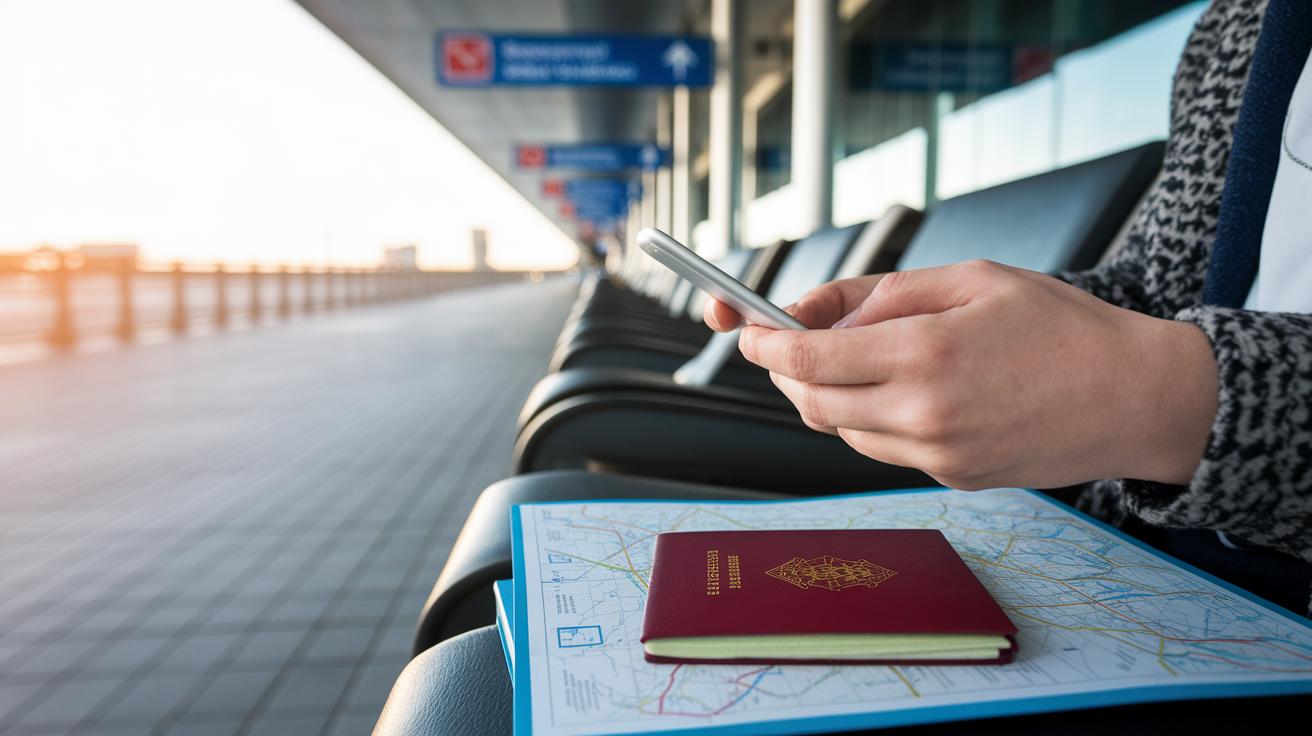
Have you noticed the new changes in travel rules? Recent embassy updates are changing how border checks work, and travelers are feeling the impact. For example, one popular island updated its entry steps last month, triggering quick alerts for visitors.
There are a few key places to check for the latest info. First, the U.S. State Department shares urgent travel notices, like when daily screening checks become necessary. Next, Caribbean tourism boards post local news, such as new public health and visa screening steps. And finally, embassy bulletins confirm changes, like new document rules that can shift travel plans.
Keep an eye on these sources so you’re always ready for any travel tweaks along the way.
Final Words
In the action, we reviewed the essential facts on the Caribbean travel ban status, policy measures, and cruise itinerary changes. We also looked at official advice and the effects on tourism and local investment.
Staying updated on these changes is key for a stress-free Caribbean travel experience. Keeping track of government updates helps travelers adjust plans and embrace the warm island life. Staying informed about any caribbean travel ban developments can lead you to a smoother, memorable trip under a sunlit sky.
FAQ
Q: What is the latest U.S. travel ban update and advisory outlook?
A: The latest U.S. travel ban update indicates ongoing reviews of restrictions with varying advisory levels for Caribbean countries based on security and immigration concerns. Check current State Department advice for details.
Q: Which Caribbean island is safe to travel right now?
A: The safest options depend on recent rules. Many Caribbean states have lifted past entry measures, and islands like Aruba typically remain open. Always check local advisories and state guidance before planning your trip.
Q: What Caribbean countries are on the travel ban or no-travel list, and where should travelers avoid going?
A: The list shows Cuba with full visa suspension and Haiti facing partial limits. Some other islands may have restrictions too, so checking updated advisories is key before you head out.
