Ever thought about the secrets the sea might be hiding? Imagine warm, clear waters filled with hidden treasures and surprising creatures waiting to be discovered.
Scuba diving in the Caribbean isn’t just about soaking up the sun. It’s like unwrapping a mystery with every dive, revealing a whole new world beneath the waves.
Whether you opt for a quick day trip or a private charter, there’s a dive that fits your style perfectly. So why not take the plunge and let your underwater dreams come to life?
Scuba Diving Tours in the Caribbean: Sea Bliss
If you've ever dreamed of exploring a sunlit underwater paradise, you’re in for a treat. The Caribbean is like a giant playground with more than 700 islands, each surrounded by clear and warm waters that welcome divers of any skill. Imagine starting your day on a liveaboard trip where each sunrise uncovers a new underwater marvel, like discovering a secret treasure chest beneath the waves.
When planning your tropical dive adventure, you can choose a simple day trip to a nearby reef for a couple of dives or go for a private charter that lets you set the pace. Some tour operators even add cool extras, like a quick snorkeling session or an SSI course (that’s a hands-on class where you learn scuba basics and get digital tools like certification cards and logbooks).
There are many ways to dive in the Caribbean. Resort day trips are great if you want a safe and comfy experience with local marine life up close, while liveaboard safaris lasting from two to seven nights allow you to check out a bunch of dive spots in places like the Bahamas, Cayman Islands, and even the Dominican Republic. And if you pick a private charter, you can plan your own route, making your trip extra special and personal.
Think of planning your dive vacation like choosing your favorite tropical fruit, mix, match, and enjoy the flavors that suit your taste best.
Best Caribbean Scuba Diving Tour Destinations
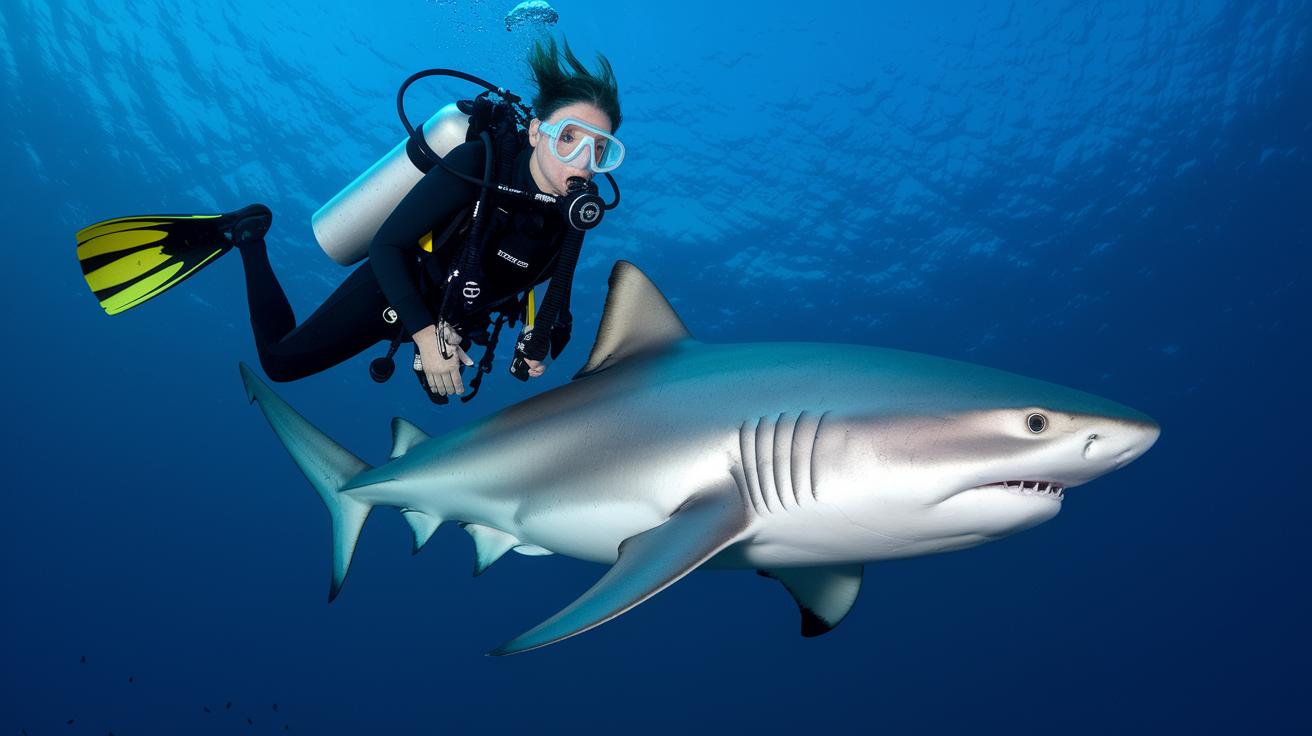
The Bahamas are a diver's delight. Picture yourself gliding near Tiger Beach, where you might spot tiger, hammerhead, or bull sharks. You could even explore intriguing wrecks like the Austin Smith. It feels like the sea itself is inviting you in, with each dive rewriting what you thought you knew about underwater adventures.
The Cayman Islands will surprise you with over 350 dive spots. You can wander through amazing sites like Bloody Bay Wall or peek at the USS Kittiwake wreck. Imagine calm coral gardens and striking vertical walls, each dive unveiling a new underwater masterpiece.
In the Dominican Republic, liveaboard trips offer an experience you won't forget. Imagine snorkeling with humpback whales during their gentle breeding season. The soft spray of water and cheerful crew stories make every moment feel like a personal Caribbean celebration.
Then there's Saba, a small island with over 30 dive sites, all lovingly managed by the Saba National Marine Park. Monthly guided Coral Nursery dives let you witness the magic of reef restorations up close, offering a glimpse into local conservation in a way that fits divers of every skill level.
For a visual guide to these standout islands, check the Caribbean islands map guide. Each destination offers something unique, from thrilling shark encounters to intimate reef explorations, so you can pick the dive that feels just right for you.
Caribbean Scuba Diving Tour Packages and Itineraries
Liveaboard charters now come with clear plans showing when you leave, how long you'll be traveling, and extra treats on board. You can set off from Nassau or Grand Bahama on trips that last anywhere from 2 to 7 nights. Some trips even offer night dives, gear rentals right on the boat, and fun sunset cocktail hours. For example, on one 4-night trip, guests got a special wake-up call and a cabin upgrade, all for around $1,200 each.
Resort-based day tours are easy to understand with straightforward prices and fun extras like guided shore adventures. These half- or full-day dives (usually 2 or 3 dives) sometimes include a tasty beachside lunch or a friendly local guide who shows you hidden coastal spots. One tour started with a dive briefing and ended over a lovely meal in a quiet cove, with prices starting at $150 for each diving session.
Private and small-group charters now share all the details you need, like the exact time of departure, how many people can join, and even special itineraries that might include SSI training (a set of lessons on diving skills) or on-board clinics. Some of these exclusive trips also include extras like underwater photography sessions or gear rentals. For instance, one charter that started at 7 AM offered a dive orientation, a range of dives for both beginners and seasoned divers, and even an optional photography lesson underwater.
Safety and Equipment for Caribbean Scuba Diving Tours
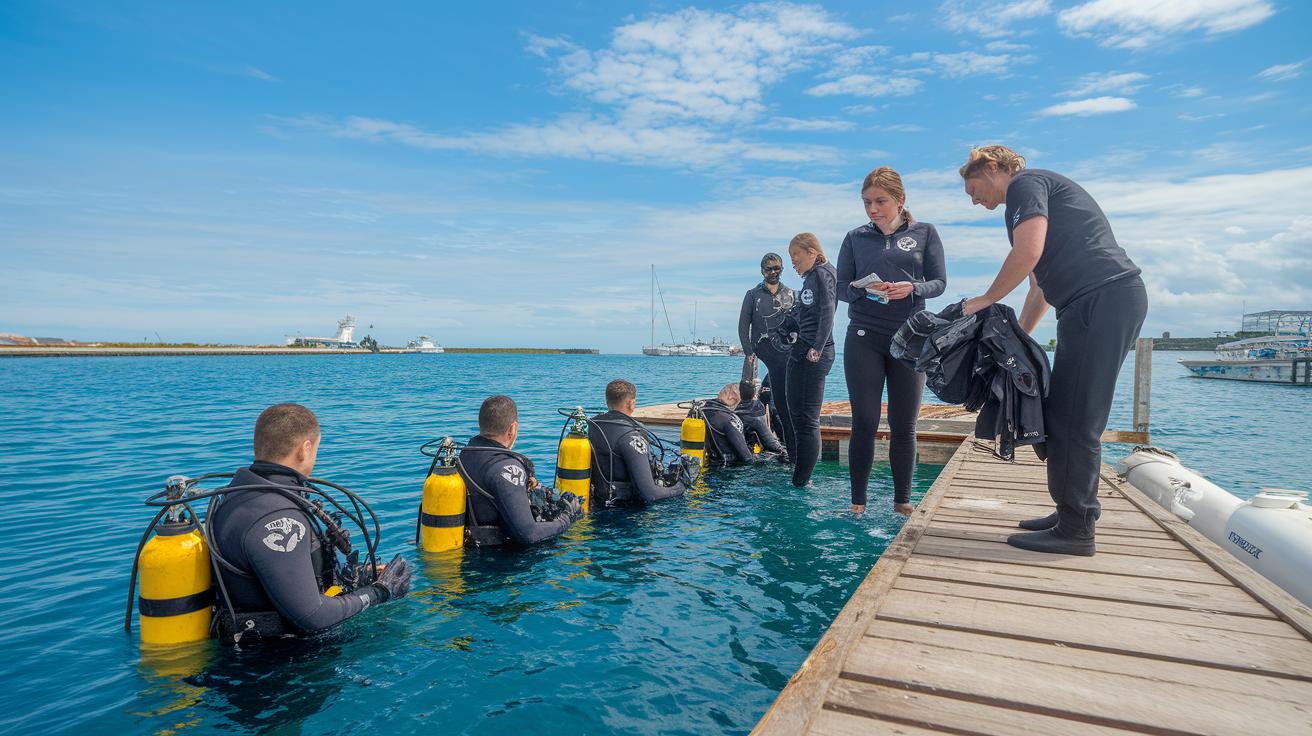
When diving in the Caribbean, safety is always the top priority. At Sea Saba’s Fort Bay dive center, you get a friendly and professional atmosphere. Right when you arrive, knowledgeable staff inspect your gear to make sure everything is working properly so you can feel safe underwater.
Every dive starts with a careful check. Local experts offer certified immersion training (a hands-on way to learn diving) for both beginners and seasoned divers. And before you jump into the water, you will hear a clear, step-by-step pre-dive briefing that explains what to expect. Some tours even offer buoyancy regulation clinics. These help you get comfortable with how the water feels, almost like the gentle push of a Caribbean tide.
The dive center also uses a digital platform that keeps all your dive details in one easy spot. With SSI’s digital system, you can quickly access your certification, log your dive experiences, and review learning materials, like keeping your travel memories safe on a digital island.
Starting October 8, 2024, all visitors to Saba need to fill out a digital embarkation/disembarkation form. This extra step shows how much the island cares about keeping everyone safe while adding a bit of structure to your adventure.
Every safety workshop is another chance to pick up new diving tips while you explore the amazing Caribbean underwater world. With strict routines and a warm, local touch, you’ll always be well-prepared. So get ready to dive in and make unforgettable memories in the deep blue!
Reviews and Ratings of Caribbean Scuba Diving Tours
Diving fans can't stop talking about the amazing experiences they've had in the Caribbean. Sea Saba has been welcoming divers since 1985, and for good reason. Their boats aren’t overcrowded, and the dive teams are true pros. One diver even said, "Sailing with Sea Saba felt like joining an exclusive club where every dive was a fresh, safe thrill." It really feels like you're part of something special.
In the Bahamas, shark-dive adventures are a big hit too. Visitors often describe their encounters with tiger, hammerhead, and bull sharks as both thrilling and safe. One guest mentioned, "I never thought I’d come so close to these magnificent creatures without any worry." This shows just how much the area values fun and safety at the same time.
Over in the Cayman Islands, the tours get high marks because of the crystal-clear reefs and friendly, knowledgeable guides who make every dive memorable. And don’t miss out on the liveaboard trips in the Dominican Republic, they’re famous for unique wildlife moments, like unforgettable whale snorkel excursions that leave you in awe.
If you’re ready to book a tour with trusted experts, check out locally guided tours caribbean for top-rated recommendations that match your style and interests. Enjoy the adventure!
Booking Tips for Caribbean Scuba Diving Tours
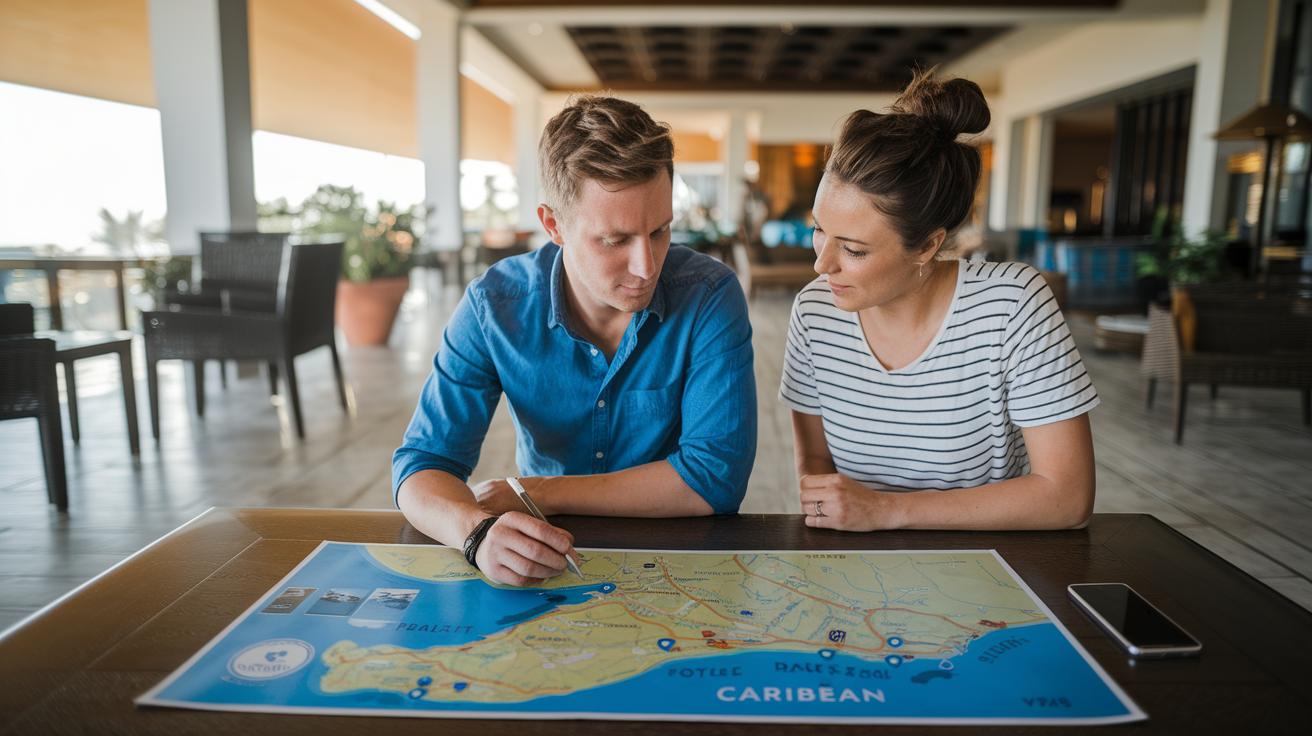
Planning your island dive trip well ahead can make your Caribbean getaway even more special. The best diving season here is from December to April, so it's a good idea to book your tour three to six months in advance. This way, you secure your spot on the most popular tours and have plenty of time to design your perfect underwater adventure.
Think of it like packing your beach bag, every detail matters. Start by checking out dive site maps to find the best spots near where you'll be flying in. For example, Nassau’s Lynden Pindling International Airport is a major hub that makes traveling a breeze and keeps your trip stress-free.
Next, why not use digital tools like the SSI app? It's great for storing your certification cards, updating your digital logbook (a record of all your dives), and browsing helpful learning materials. Imagine it as a friendly guide that helps plan each dive day.
Before you head out, double-check the local entry rules. For instance, Saba now requires visitors to fill out a simple digital embarkation form. Sorting out these details in advance means you can relax and focus on the clear, warm waters and stunning underwater views waiting for you.
Plan smart, and your diving holiday will feel as refreshing as a gentle island breeze.
Sustainable Scuba Diving Tours in the Caribbean
Saba is a top choice for divers who care about the environment. Every second Thursday, the Saba Conservation Foundation leads a Coral Nursery dive where you can see the amazing work of reef rehabilitation up close. Imagine gliding gently past little corals that are nurtured by caring hands, each movement reminding you of the island's love for its sea life.
Local dive operators team up with marine parks to share stories and tips about protecting the reefs. A friendly guide might say, "Take your time and let the sea speak to you." They encourage you to swim slowly and mindfully, using gentle techniques like keeping your buoyancy in check and finning with care to help keep the reefs vibrant and clear.
These conservation sessions also give simple, low-impact diving tips, turning every dive into a chance to protect the crystal clear waters you explore.
Final Words
In the action, we took a close look at scuba diving tours in the caribbean. We highlighted various packages, from resort day trips to liveaboard charters, and pointed out top dive spots and safety measures. The post also shared practical tips for booking a smooth trip while taking an eco-friendly approach. Each section was crafted to help you plan a stress-free dive that connects you to the clear blue waters and local culture. Enjoy every splash and let your dive trip be filled with sunny memories.
FAQ
What are the best luxury and dive resort options for scuba diving in the Caribbean?
The best luxury Caribbean dive tours and all-inclusive resorts offer stunning underwater views, expert guidance, and PADI-certified options, giving divers an upscale and hassle-free diving experience.
What makes Caribbean scuba diving great for beginners?
Caribbean scuba diving stands out for beginners by offering clear, warm waters, gentle currents, and diverse marine life, making it a welcoming and safe choice for new divers ready to explore underwater.
What is the best time of year for diving on the Caribbean coast?
The best time for Caribbean diving usually falls in November and December, when calm seas and pleasant weather create ideal conditions to explore vibrant reefs and enjoy a memorable underwater experience.
What types of dive packages are available in the Caribbean?
Caribbean dive packages include liveaboard trips, group cruises, stay and dive packages, and tailored travel bundles that suit various schedules and skill levels, ensuring a dive trip that fits your needs.
What Caribbean island is known for the best scuba diving?
The Cayman Islands are often highlighted for their top-quality scuba diving, featuring over 350 sites, vibrant reefs, intriguing wrecks, and excellent visibility that cater to both new and seasoned divers.
What does the 120 rule in scuba diving signify?
The 120 rule in scuba diving represents a safety guideline related to dive time or depth limits established by training agencies; always review your current certification standards for exact details.
How does the 1/3 rule apply in diving?
The 1/3 rule in diving means that divers should use no more than one-third of their air supply during a dive, ensuring a safe reserve remains for the ascent and any unexpected situations.
How does Caribbean scuba diving compare with Pacific scuba diving?
Caribbean scuba diving is known for its clear, warm waters and abundant coral reefs, while Pacific sites tend to offer cooler temperatures and a different array of marine life, giving each region its unique flavor.
