Have you ever wondered how ancient traditions still shape our everyday lives? On Caribbean islands, customs run deep, blending native rituals, catchy African beats, old European ways, and even hints of Asian flavor into one lively mix.
This special blend of histories makes every meal and festival feel like stepping into a cherished memory. Picture families gathered around tables, laughing under the warm sun and sharing stories that connect centuries of traditions. It’s like the islands whisper a reminder: these old customs aren’t just relics, they’re the heart of community, making every celebration unforgettable.
Caribbean Cultural Values: Historical Roots and Influences
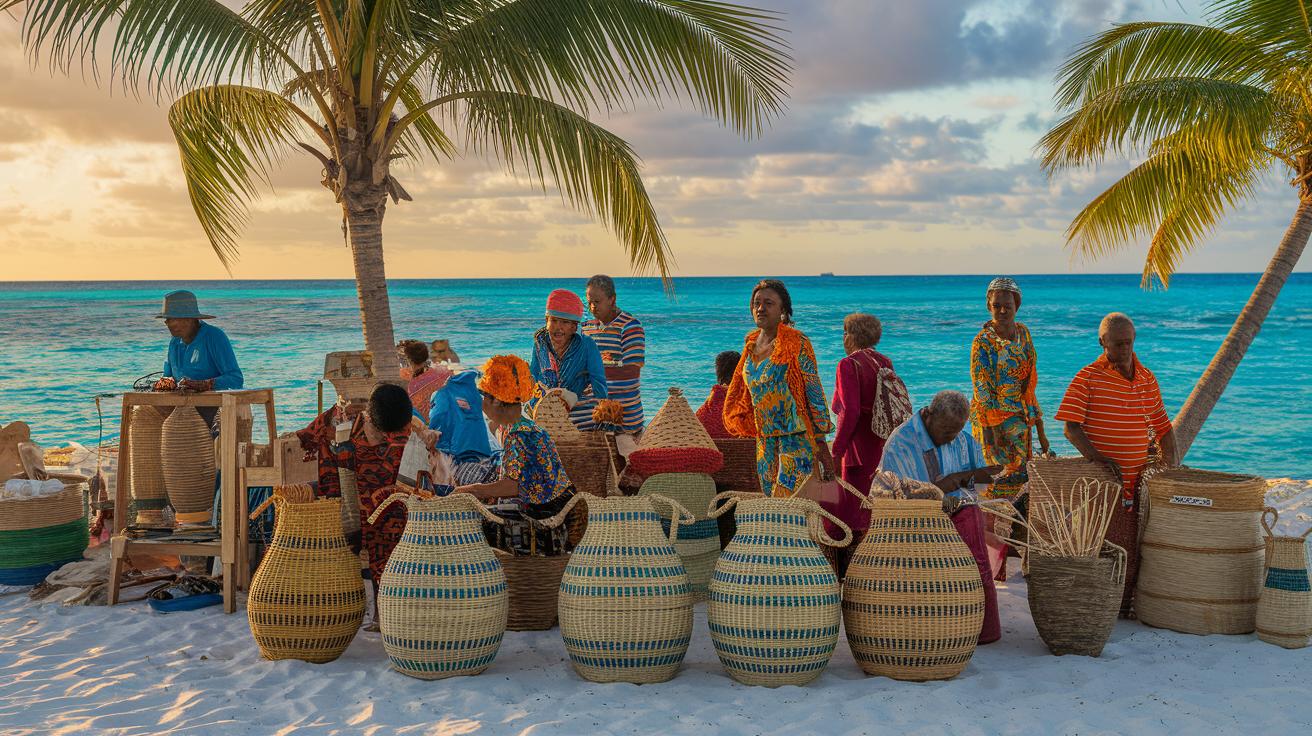
Deep in the heart of the Caribbean, you'll find a lively mix of traditions that come together like a colorful mosaic. Long before the rise of modern tourism, the islands were home to thriving indigenous communities. These native people developed farming methods and art that you can still see influencing local crafts today.
Over the years, Caribbean heritage has grown with a blend of ancient practices, a strong African influence from the days of transatlantic slavery, European customs brought by Spanish explorers and settlers from Britain, France, and the Netherlands, along with the unique traditions of Asian laborers who arrived more recently.
This rich mix creates a culture that celebrates community spirit, a blend of spiritual traditions, and creative expression. It shows us how values like respecting elders and enjoying community gatherings grew out of a long history of mixing customs and adapting to new ideas.
| Period | Influence | Key Impacts |
|---|---|---|
| Pre-Columbian | Taíno & Carib | Agricultural & artistic practices; native spiritual beliefs |
| 15th–17th c. | Spanish colonization | Catholic traditions; plantation systems |
| 17th–19th c. | British, French, Dutch rule | Creole languages; legal/political structures |
| 17th–19th c. | African slavery | Music, dance, culinary techniques; communal resistance |
| 19th–20th c. | Asian indentureship | New cuisines; multicultural communities |
Today, these historical threads are woven into every part of modern Caribbean life. They are a living reminder of the islands' rich past and continue to inspire traditions and values that bring people together.
Caribbean Cultural Values and Traditions: Lively Insights
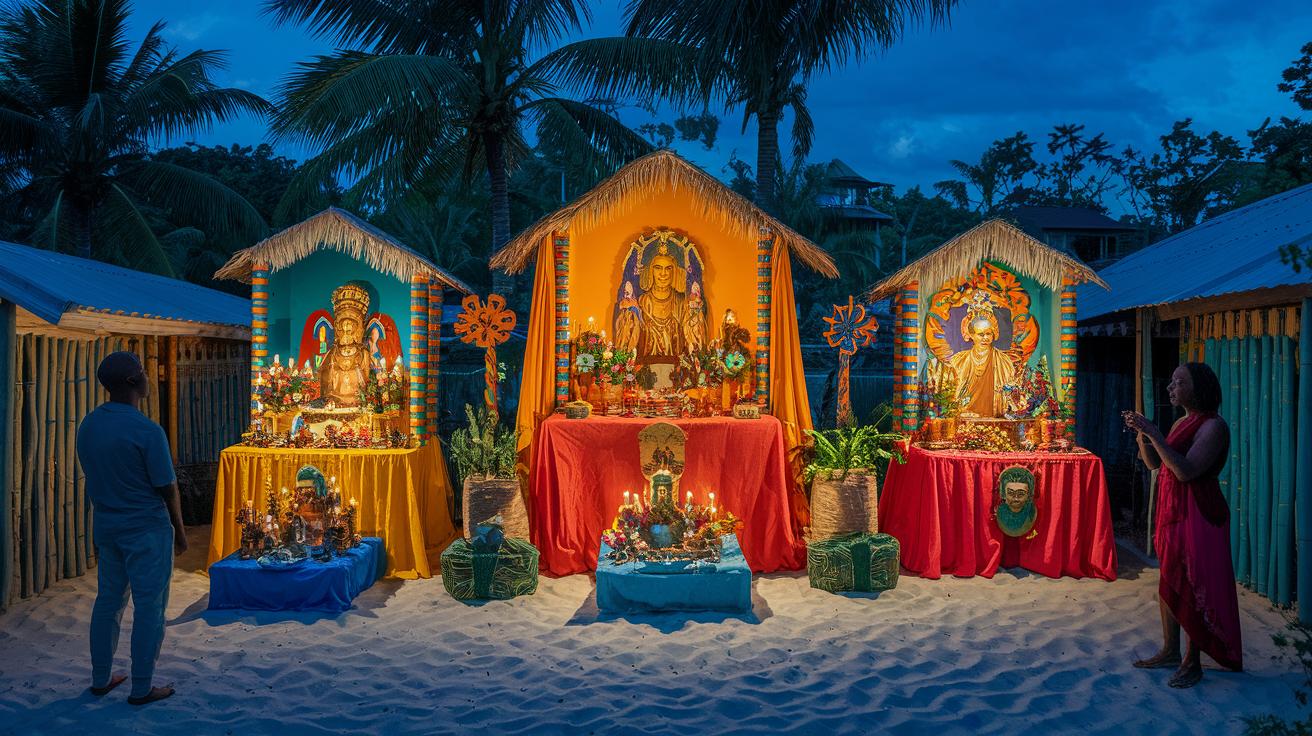
In the Caribbean, spiritual customs are a rich mix of many cultures. African traditions join with native practices and hints of European influence to create something truly special. Enslaved Africans even adapted Catholic saints into their own beliefs. It was a smart way to hold on to familiar ideas while facing tough times under colonial rule.
Ever seen a Haitian Vodou ceremony? Bright altars and rhythmic chants bring ancestral spirits into the present, making the experience almost magical. In Cuba, Santeria ceremonies light up the streets with lively drumming and a tangible energy that fills hearts and minds. Over in Jamaica, church gatherings mix soulful hymns with local storytelling, celebrating both Christian beliefs and the island's homegrown traditions.
In many rural communities, indigenous healing rites still thrive. People use plant remedies and ancient rituals passed down through the years. Think of it like creating a tropical stew: start with a base of native wisdom, stir in the bold touch of African customs, and add a dash of European tradition. Each ingredient helps keep the resilient and warm spirit of the Caribbean alive.
Family and Community Values in Caribbean Society
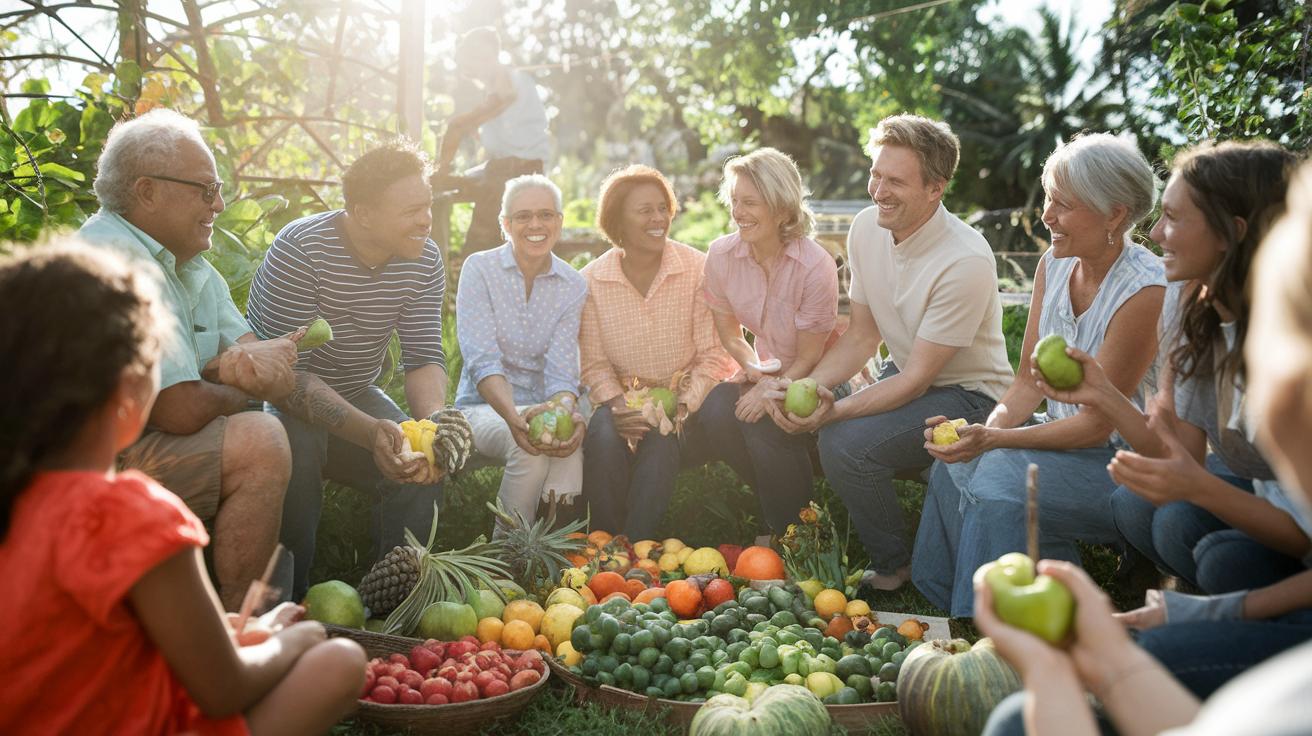
In the Caribbean, family is more than just parents and kids. It’s a vibrant network where grandparents, cousins, and close neighbors all share in the journey of life. Imagine a sunny afternoon when elders share treasured stories and neighbors swap fresh fruits and veggies, all while smiling warmly at one another. It feels as natural as breathing in the sweet island air.
Every day, small local groups and festive committees show how everyone has a say. Families join forces for seasonal harvests and community celebrations, with each person lending a unique hand. Picture locals gathered in a garden circle, each one sharing a special recipe or piece of old wisdom. This friendly teamwork is the very pulse of island life, building trust and respect.
Key aspects include:
- Strong bonds across generations that support daily activities and special celebrations.
- Sharing resources, where something as simple as lending a tool becomes part of everyday living.
- A deep respect for elders that inspires everyone to learn from their experiences.
These cherished values weave together a community where every person helps keep Caribbean traditions warm and alive.
Caribbean Festivals and Festive Traditions
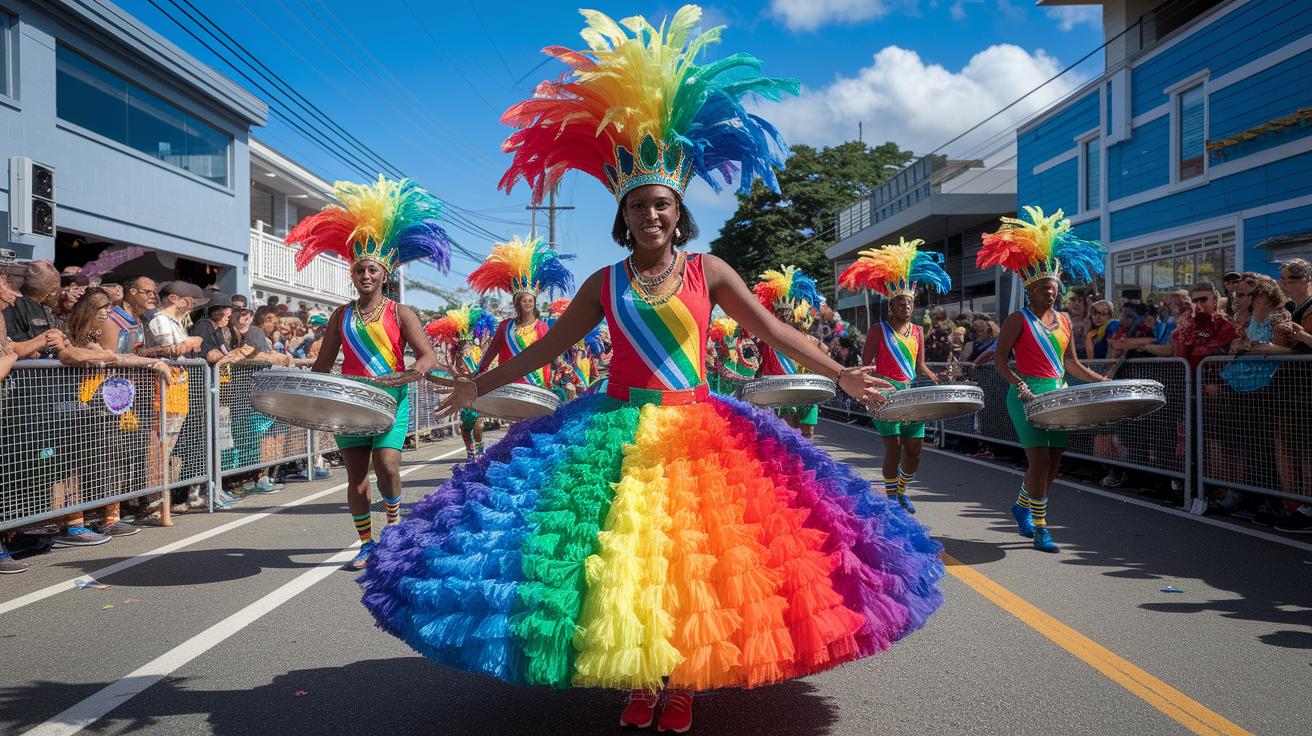
Caribbean festivals bring islands to life with bursts of color, warm rhythms, and a feel-good vibe that makes you smile. In Trinidad and Tobago, the pre-Lenten carnival lets you experience amazing costumes, steelpan competitions (think of it as drumming on polished metal) and lively music spilling into every street. Imagine wandering under a rainbow sky while the beat of the drums carries your spirit into the night.
Over in Barbados, the Crop Over festival lights up June with its energetic Soca concerts (Soca is catchy, upbeat Caribbean music) and street parties where everyone is invited to sing and dance. And then, there’s Junkanoo in the Bahamas, celebrated on Boxing Day and New Year’s Day, where parades bring the joyful clamor of cowbells and irresistible rhythms that make your heart dance. Each event mixes deep local traditions with fun, fresh twists, creating a magical mix of old and new.
Every May, the St. Lucia Jazz Festival fills the streets with a sweet blend of island beats and international jazz, turning everyday corners into impromptu stages for smooth, spontaneous dancing. Meanwhile, Jamaica’s Reggae Sumfest in July pulses with the soul of reggae and dancehall, drawing music lovers together in a celebration of cultural pride and neighborly spirit.
These festivals remind us how great it feels when everyone comes together. Every costume, beat, and laugh shares a bit of the islands' heart and soul.
| Festival | Highlight |
|---|---|
| Trinidad & Tobago Carnival | Dazzling costumes and steelpan competitions |
| Barbados Crop Over | Energetic Soca concerts and street parties |
| Bahamas Junkanoo | Vibrant parades with cowbell rhythms |
| St. Lucia Jazz Festival | A blend of local beats and international jazz |
| Jamaica Reggae Sumfest | Live reggae and dancehall in a festive atmosphere |
For more festival routes and easy cultural walks that feel like chatting with a local friend, check out cultural walking tours caribbean. Have you ever felt that warm, joyful energy of a Caribbean celebration? It’s a reminder that every moment here is as vibrant and unforgettable as a perfect island sunset.
Music and Dance Heritage Across Caribbean Islands
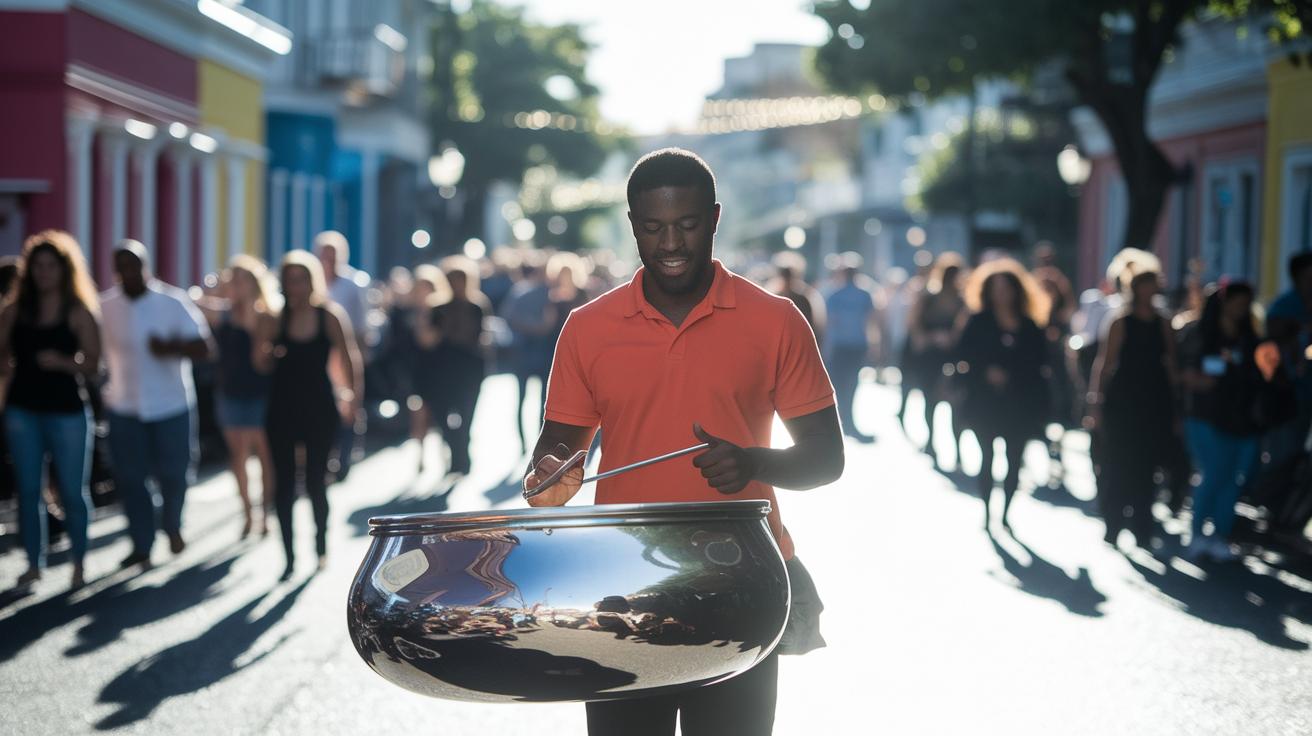
Caribbean music is a lively echo of everyday island life. Long ago, African rhythms merged with European instruments, creating a unique sound that still inspires. Take the Trinidadian steelpan from the 1930s, for example. Its bright notes can make you feel like you're strolling through bustling streets. Fun fact: before steelpans became a carnival staple, creative minds turned discarded oil drums into instruments that would capture the world’s attention.
Jamaican reggae, which emerged in the 1960s, perfectly reflects the people's hopes and struggles. Its smooth, soulful beats and thoughtful lyrics share local stories that resonate around the globe. Think of legends like Bob Marley, who not only changed music but also helped shape the islands' cultural identity. In Cuba, genres like son and rumba bring to mind lively scenes of spontaneous dance under skies lined with palm trees.
Dance in the Caribbean adds another layer to this vibrant story. Jamaican dancehall bursts with energy, blending rhythmic beats with expressive movement. Then there’s Haitian rara, a lively procession that turns public spaces into festive open-air stages. These dance forms mix entertainment with social commentary, giving a peek into everyday island living.
Caribbean folk music also holds a special place. In the Dominican Republic and Puerto Rico, styles like salsa, merengue, bomba, and plena carry centuries’ worth of memories and dreams. Picture a colorful festival where every performance is a conversation between the past and the present, and every beat tells a story of community, survival, and celebration.
Culinary Traditions Reflecting Cultural Fusion in the Caribbean
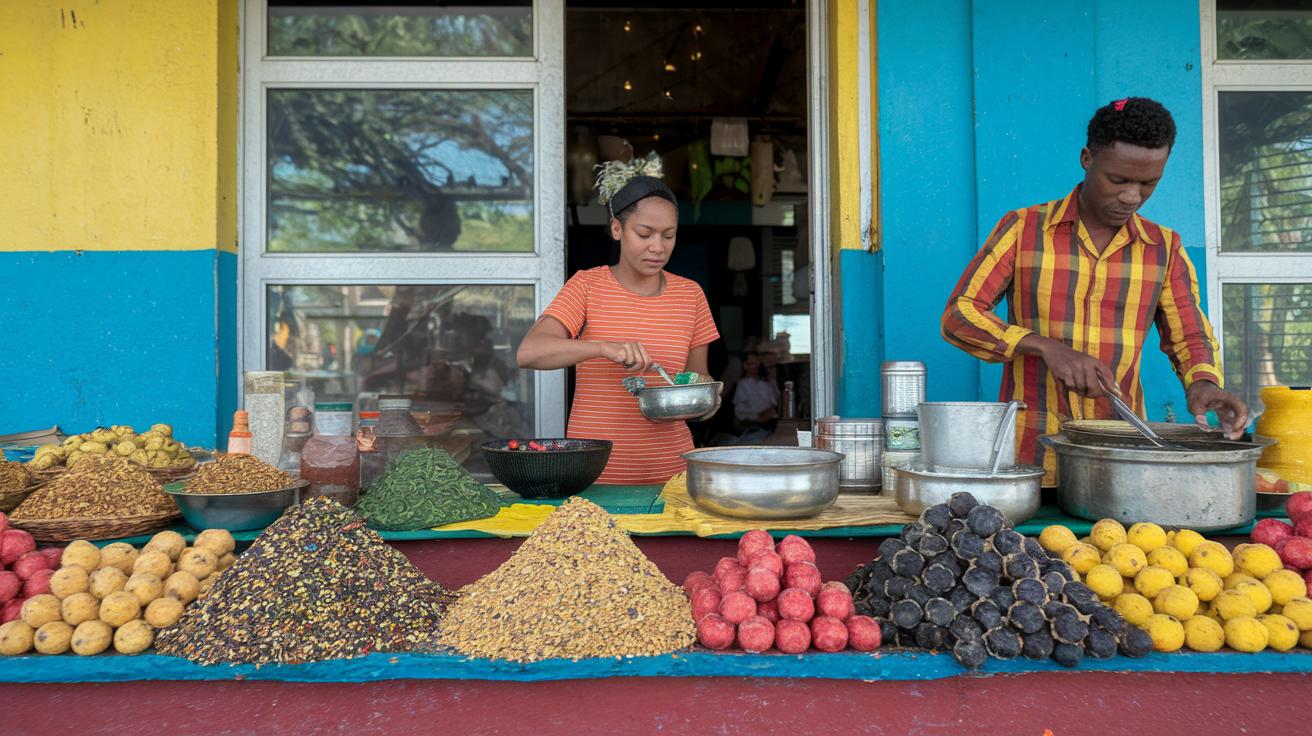
Caribbean food is like a joyful mix of flavors that have evolved over centuries. Every dish tells a story of native traditions teamed up with influences from Africa, Europe, and more. Take Jamaican jerk chicken, for example, it combines old Taíno smoking methods with a burst of West African spices that really bring out the sunny, bold taste of the Caribbean. And over in Trinidad & Tobago, roti is made using Indian flatbread techniques spiced with African curry, giving each bite a lively kick.
Local kitchens here are like playful little labs where age-old recipes are both cherished and reinvented. In Haiti, dishes like diri kole ak djon djon blend the deep, earthy flavor of African black mushrooms with classic French rice methods to create something rich and memorable. In Guyana, pepperpot mixes Amerindian cassareep, a thick, sweet sauce, with savory African meats, while Anguilla’s callaloo brings together native greens and African okra for a fresh, satisfying flavor.
| Dish | Island | Key Influences |
|---|---|---|
| Jerk Chicken | Jamaica | Taíno smoking; West African spices |
| Roti | Trinidad & Tobago | East Indian flatbread; African curry |
| Diri Kole ak Djon Djon | Haiti | African black mushrooms; French rice |
| Pepperpot | Guyana | Amerindian cassareep; African meats |
| Callaloo | Anguilla | Indigenous greens; African okra |
Every tasty dish is a warm reminder of the islands’ rich past and the blend of cultural traditions that continues to shape life in the Caribbean.
Language and Oral Storytelling in Caribbean Culture
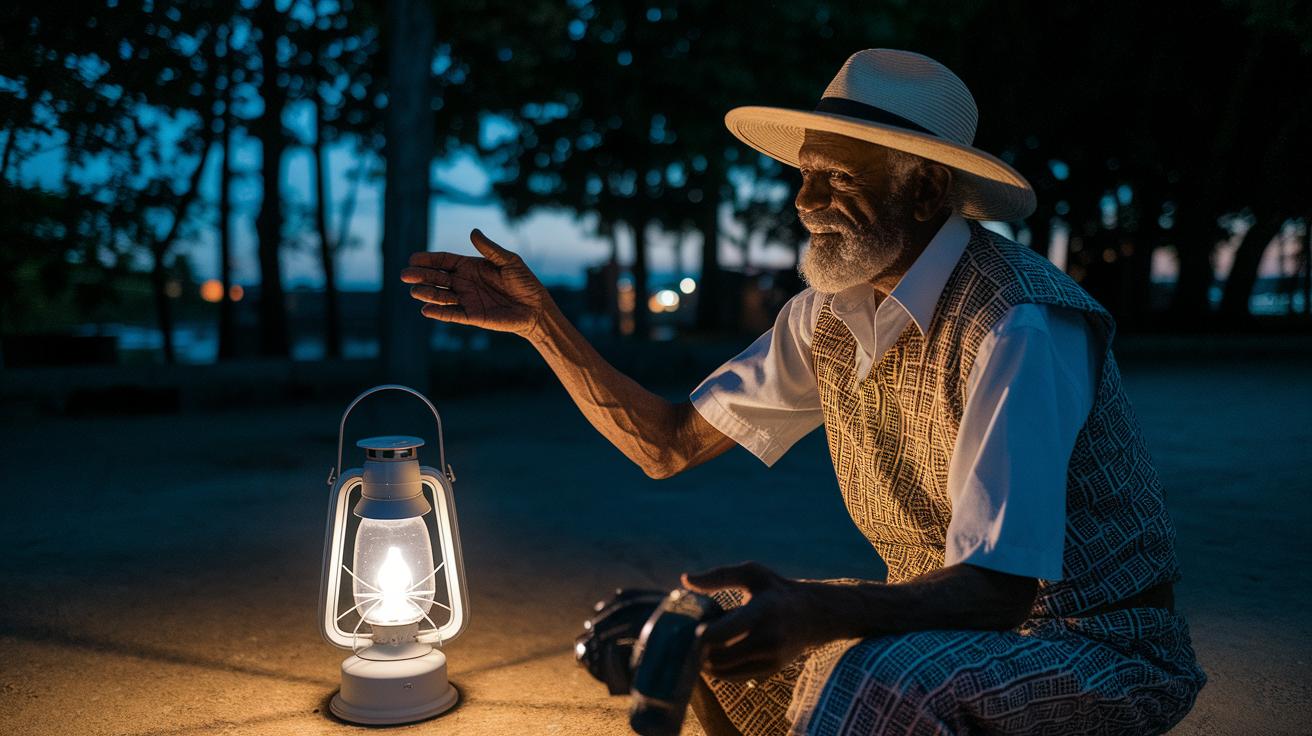
In the Caribbean, language is more than just a means to speak, it's a lively patchwork of history and memory. Official tongues like English, Spanish, French, and Dutch mix with vibrant Creole languages like Jamaican Patois and Haitian Kreyòl, born out of life on the plantations. These languages capture the spirit of centuries-old stories and cherished customs.
Oral storytelling is the heartbeat of this culture. Picture yourself on a warm night, listening to an elder share an Anansi tale in Jamaica, imagine a clever spider outsmarting everyone, its story filled with humor and wisdom like a secret family recipe. In Puerto Rico, Palomino folklore weaves history with simple moral lessons, while in the Bahamas, stories about Junkanoo origins are passed down, connecting each listener to the island’s roots.
Community elders, much like living legends, gather in small village circles to retell these narratives. Their warm, colorful words ensure that every piece of cultural wisdom is treasured and continues to echo across the islands.
Diaspora Dynamics and Preservation of Caribbean Cultural Legacy
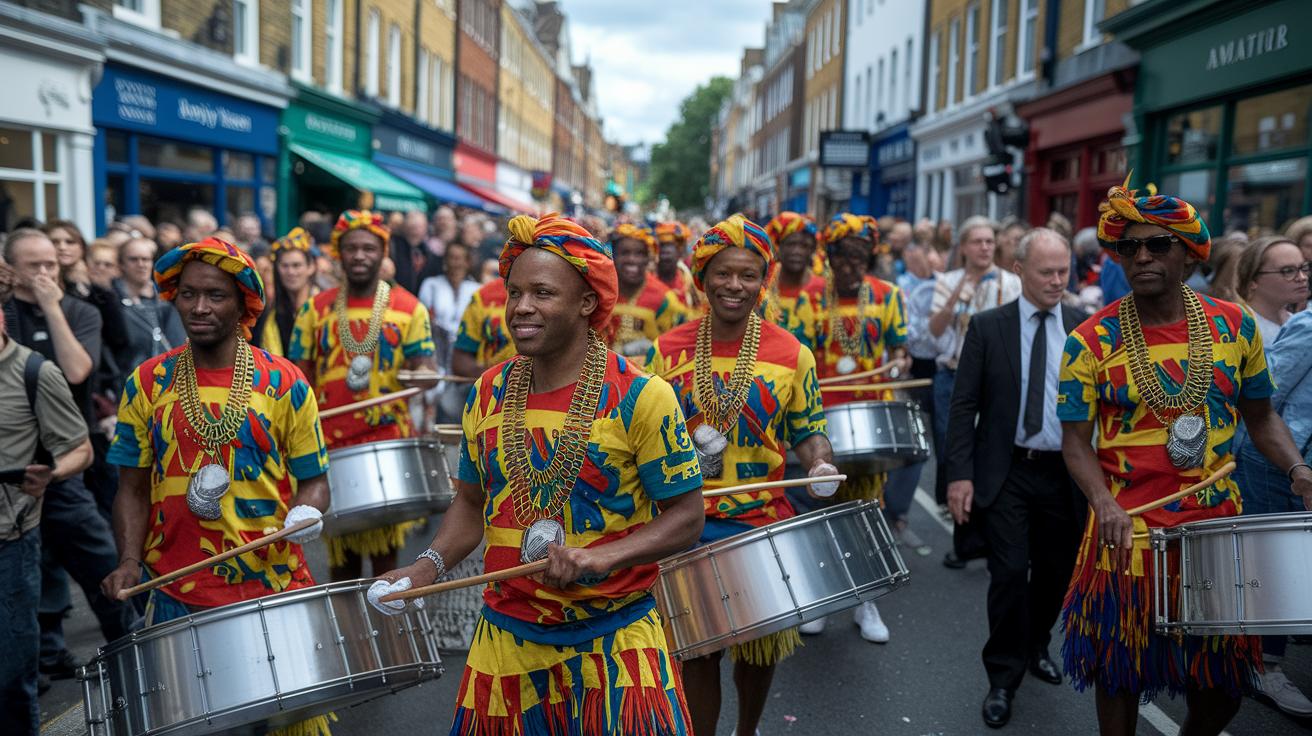
Caribbean immigrants in the US, UK, and Canada keep their island spirit alive with delightful energy. They throw festivals like Notting Hill Carnival and Carifiesta, where colorful costumes, the lively sound of steelpan, and infectious soca beats make you feel the warm embrace of home, even if you're far away. Local cultural centers pop up like little islands of art, music, and history, reminding everyone of the Caribbean vibe.
And it's not just about festive fun. Ongoing steelband and soca competitions add a vibrant pulse to city life. These gatherings celebrate traditional tunes while inspiring a mix of modern sounds, think hip-hop and reggae together, telling fresh stories that still honor the old ways.
Places like Toronto’s Caribbean Cultural Museum carefully collect everyday stories and cherished rituals to pass on to future generations. Community groups and creative spaces are busy preserving these traditions, ensuring every drumbeat and shared memory strengthens the lasting legacy of Caribbean values.
For a deeper dive into these rich cultural experiences, check out the Guide to Caribbean Art and Cultural Tours on Caribiana.com.
Final Words
In the action, this piece revives caribbean cultural values and traditions by weaving together history, music, language, and cuisine into a lively picture of island life. Each section paints a clear portrait of cultural blending, from colonial influences and Afro-Indigenous-European customs to family ties and spirited festivals. The article invites readers to soak in the warm, genuine charm of the islands and leave with a heart full of hope and a mind curious for more of the Caribbean’s timeless spirit.
