Las Terrenas on the Samaná Peninsula of the Dominican Republic has been quietly earning a reputation as one of the Caribbean's most charming hideaways. Vogue recently called it “the best Caribbean beach getaway you’ve never heard of,” and once you explore its palm-fringed beaches, colorful village streets and diverse restaurant scene, it’s easy to see why. Less crowded than bigger resort hubs, Las Terrenas blends Dominican warmth with a noticeable French and European expat presence, producing excellent food, boutique hotels and a relaxed pace. This guide breaks down beaches, activities, dining, where to stay and practical tips for visiting.
Las Terrenas: The Caribbean Beach Getaway You’ve Never Heard Of
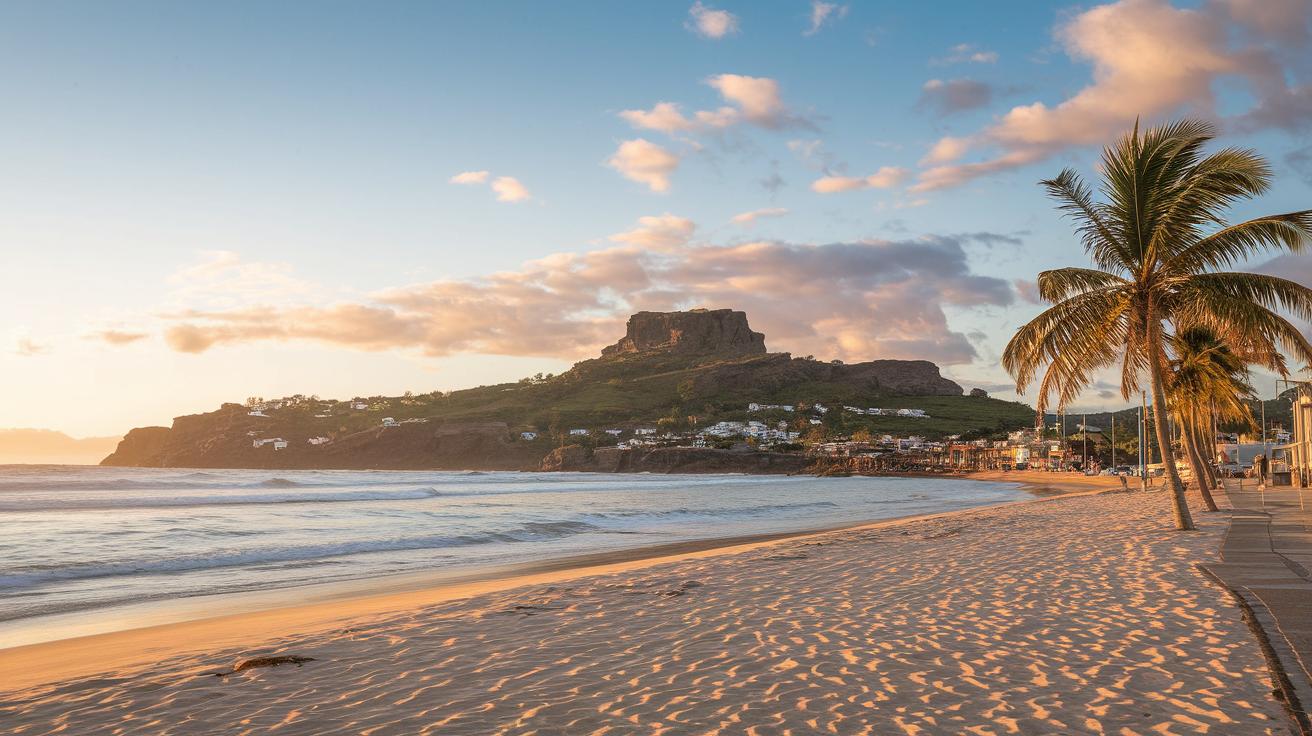
Las Terrenas on the Samaná Peninsula of the Dominican Republic has been quietly earning a reputation as one of the Caribbean's most charming hideaways. Vogue recently called it “the best Caribbean beach getaway you’ve never heard of,” and once you explore its palm-fringed beaches, colorful village streets and diverse restaurant scene, it’s easy to see why. Less crowded than the big resort towns, Las Terrenas blends Dominican warmth with a noticeable French and European expat presence, producing excellent food, boutique hotels and a relaxed pace. This guide walks you through beaches, eats, activities, lodging and practical tips.
Beaches & Natural Beauty
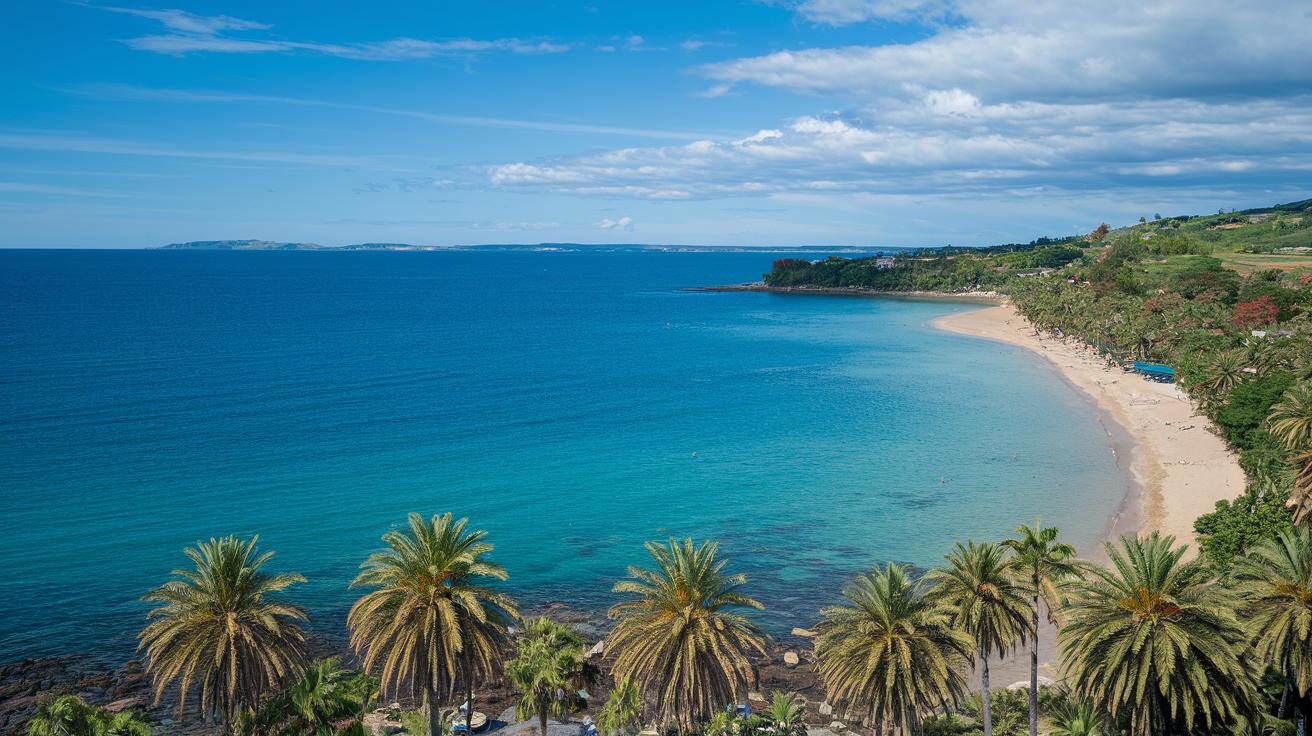
Las Terrenas’ coastline is its headline act: long, sandy beaches with turquoise water and clumps of coconut palms. Playa Bonita and Playa Cosón are two favorites , Cosón stretches for kilometers and is a kiteboarding hotspot, while Bonita is calm and family-friendly. Playa Las Ballenas is great for wide walks and sunsets. Offshore, small coves and isolated strips reward explorers; snorkeling is good around rocky outcrops. The nearby Samaná Bay and Los Haitises National Park add dramatic cliffs, mangrove channels and caves, making Las Terrenas as much about rugged nature and wildlife as it is sun and sand.
Food, Cafés & Low‑Key Nightlife
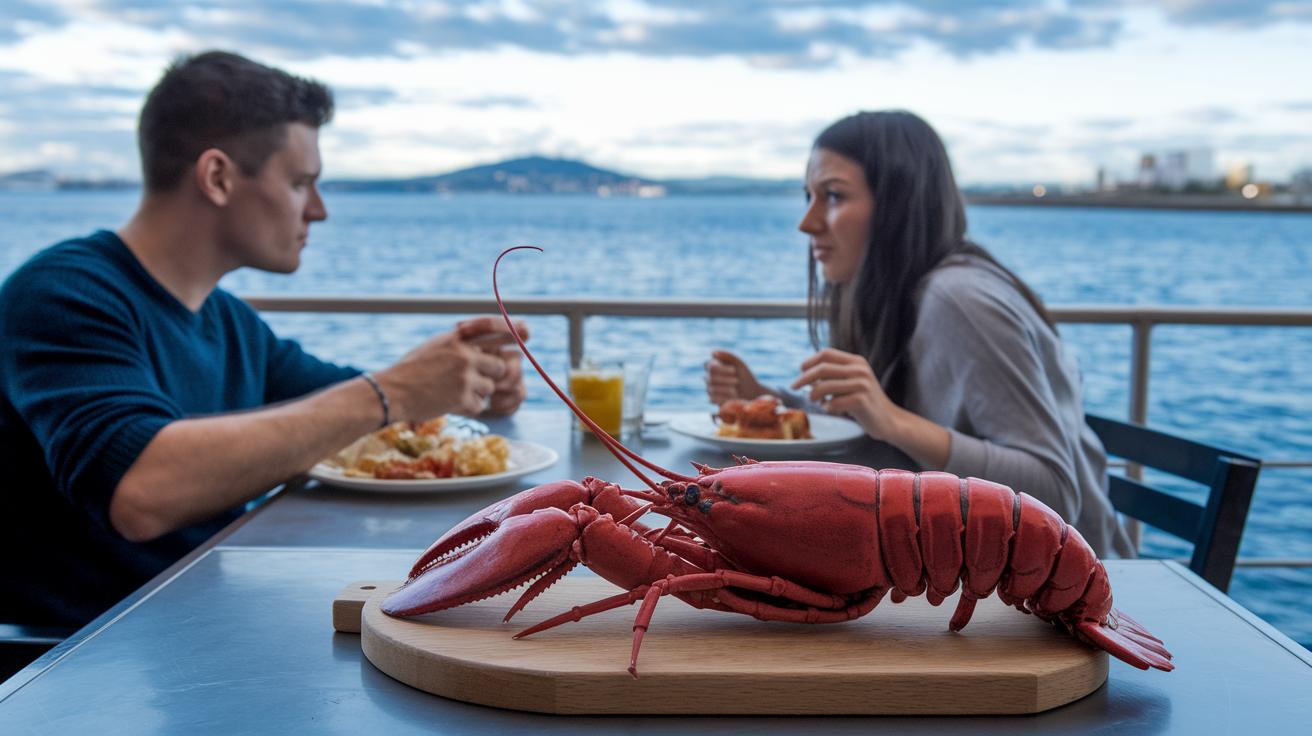
Dining in Las Terrenas reflects its multicultural population: fresh-catch seafood restaurants sit beside French bakeries, Italian trattorias and casual Dominican colmados. The seaside Avenida España and the village center are sprinkled with tapas bars, cevicherías and beach grills where lobster, fish and fried yucca dominate menus. Nightlife is relaxed , beach bonfires, live merengue or bachata at local bars, and intimate cocktail spots frequented by expats. Expect artisanal bakeries in the morning and late dinners in the evening. Foodies will appreciate farm-to-table offerings and markets selling tropical fruits and local specialties.
Outdoor Activities & Day Trips
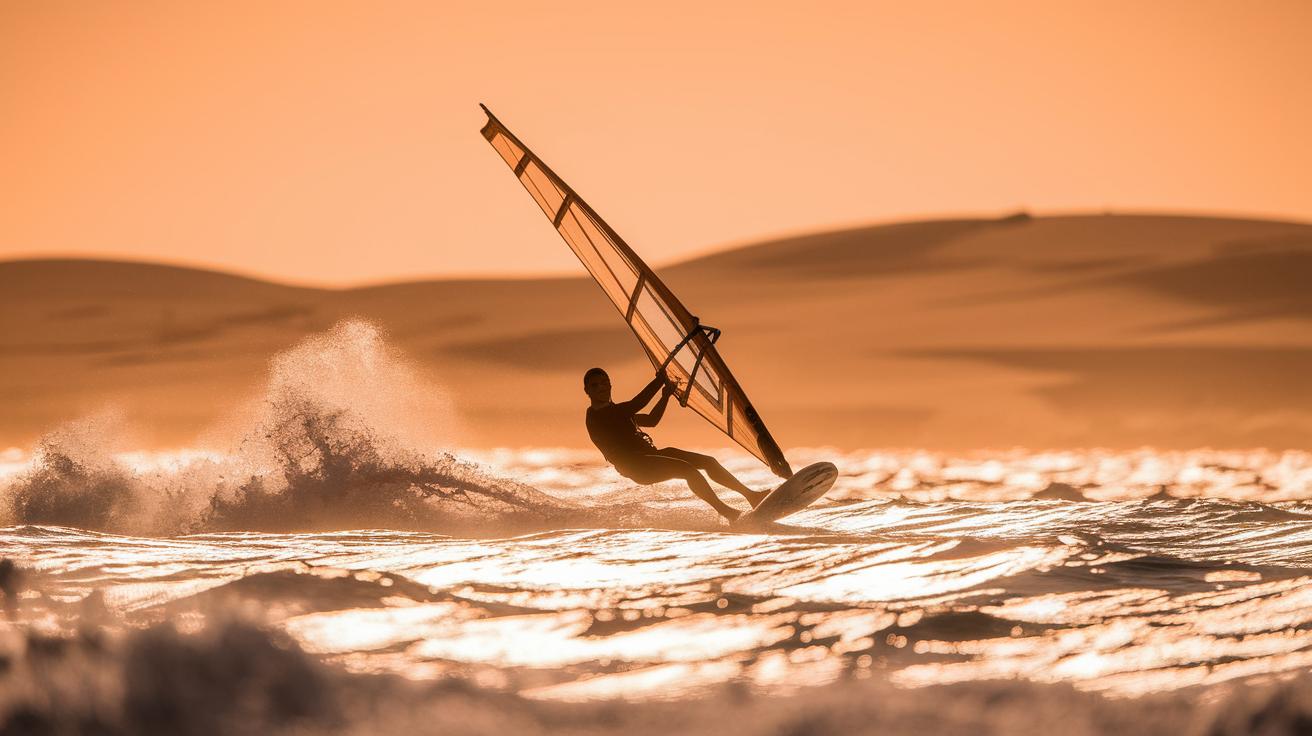
Active travelers find plenty to do. Windsurfers and kiteboarders head to Playa Cosón for consistent breezes, while anglers and divers chase reefs further out. Whale-watching expeditions leave from Samaná Bay between January and March, a once-in-a-lifetime sight as humpbacks gather to mate and calve. Inland, hike to El Limón waterfall, zip-line through the canopy or take horseback rides along quiet beaches. Kayak and boat trips through mangroves and to nearby islands are popular, and Los Haitises offers guided eco-tours into caves with Taíno pictographs and dense limestone karst scenery.
Where to Stay: Hotels, Villas & Inns

Accommodation in Las Terrenas ranges from low-key guesthouses to stylish boutique hotels and private villas. Small beachfront inns are perfect for budget-conscious travelers seeking immediate sand access, while renovated colonial houses turned B&Bs and European-run hotels offer design-forward rooms and pool terraces. Rent a villa for groups or families to enjoy private kitchens, gardens and direct beach access. Many properties are within walking distance of cafes and restaurants in town. Book ahead in high season (December–March) and look for ocean-view suites or villas with staff for a more pampered stay.
Getting There & Practical Travel Tips
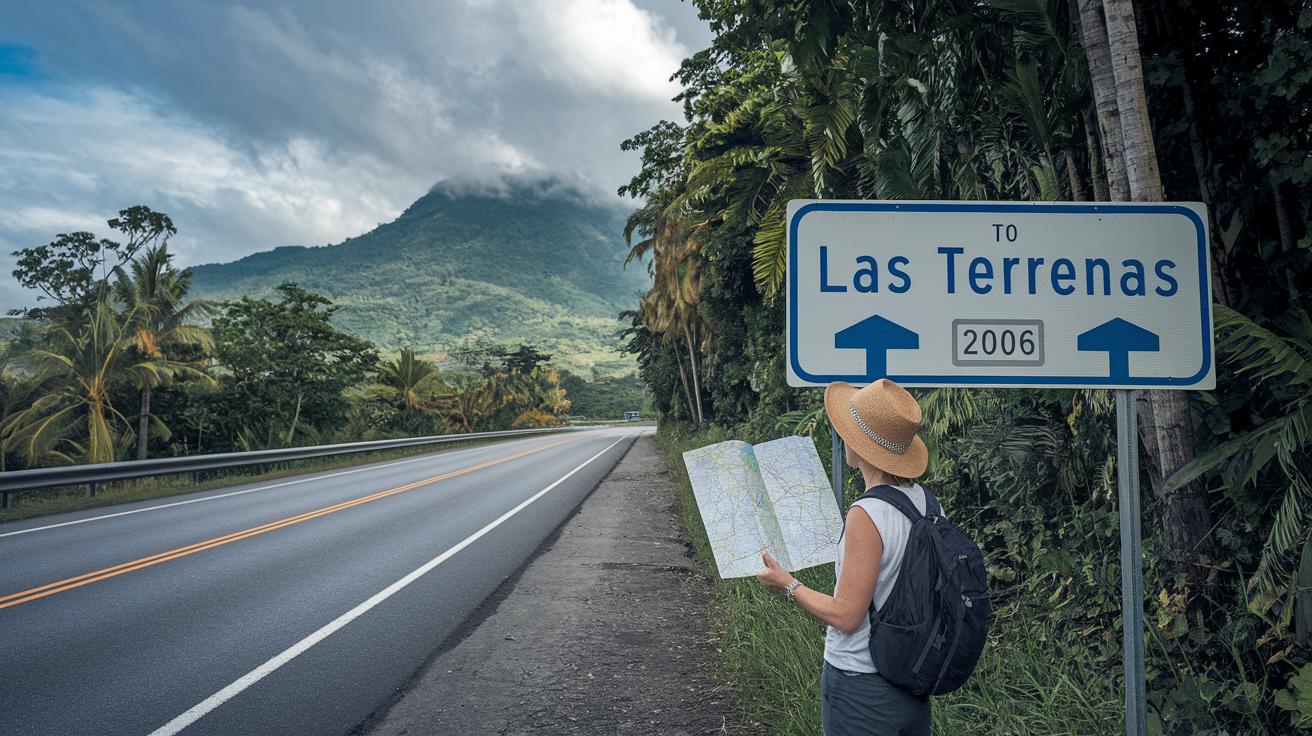
Getting to Las Terrenas is straightforward: the closest international gateway is El Catey–Samaná (AZS), about a 30–45 minute drive away; some travelers fly into Santo Domingo (SDQ) or Punta Cana (PUJ) and transfer by road. Roads are scenic but can be slow , expect at least two hours from Santo Domingo. Renting a car gives flexibility for exploring the peninsula, though taxis and private drivers are easy to hire. Bring pesos for small purchases, but many hotels and restaurants accept cards or dollars. Spanish is primary; English and French appear in tourist areas. Pack reef-safe sunscreen and insect repellent.
Best Time to Visit & Practical Advice
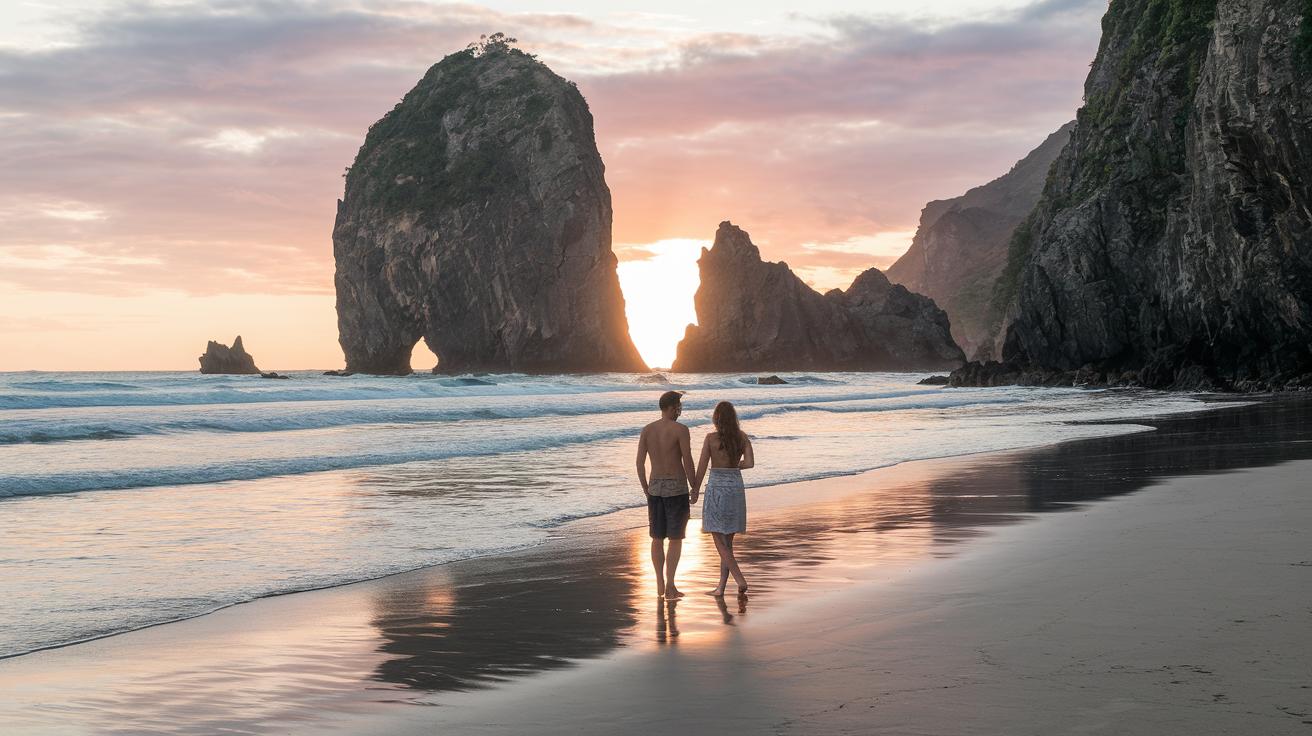
Prime season for Las Terrenas runs from December through March when the weather is dry, temperatures are pleasant and whale watching peaks. If you want lower prices and lush green scenery, consider May–June or September–November, but be mindful of Caribbean hurricane season mid‑June to November , check forecasts and travel insurance. Daytime highs hover in the mid‑80s°F (around 28–30°C) most of the year. Bring light clothing, a hat and a light rain jacket. Respect local customs, keep valuables discreet, and support family-run restaurants and local artisans.
Why It Feels Like a Hidden Gem
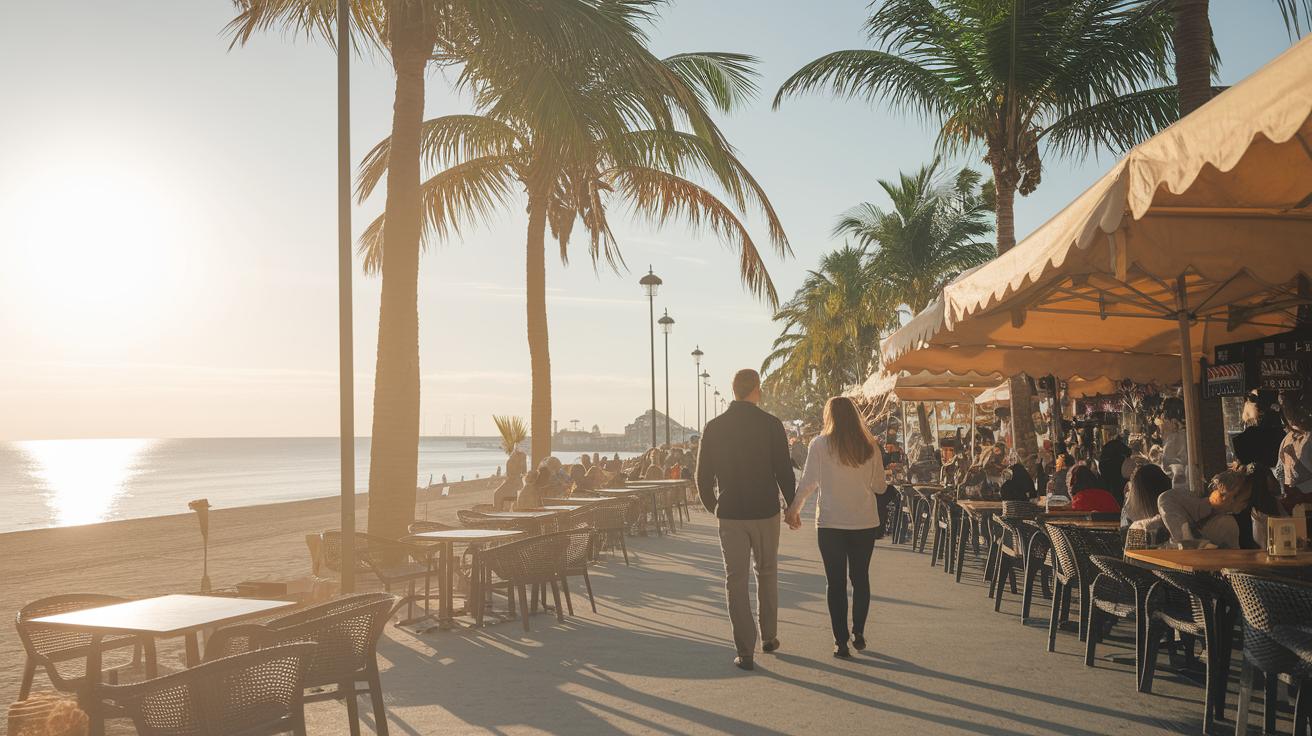
Las Terrenas feels like a place that escaped mass tourism by design: it has beautiful beaches, a compact town center, an international culinary scene and easy access to wild nature. Compared with overcrowded resorts, it offers variety , lively markets and quiet coves, affordable local eateries and boutique luxury. The mix of Dominican soul and European influence gives it a cosmopolitan but relaxed flavor. Whether you seek surf and adventure or slow beach days and fine dining, Las Terrenas offers value and authenticity, making it a compelling pick for travelers who want the Caribbean with a local, less‑traveled feel.
