Think 'Irish' and you probably picture green hills and pubs — not palm trees. Yet the Caribbean carries unexpected Celtic echoes. Two striking examples: Montserrat, nicknamed the 'Emerald Isle of the Caribbean' because of large 17th‑century Irish settlement and ongoing cultural ties; and Barbados, where the term 'Redlegs' historically describes a small, marginalized community descended from Irish and Scottish laborers brought to the island in the colonial era. This piece explores how indentured servitude, colonial policy and migration wove Irish threads into Caribbean life — from place names and parades to surnames and social memory.
Irish Footprints Across the Caribbean

Think 'Irish' and you probably picture rolling green hills, not palm trees. Yet several Caribbean islands preserve clear threads of Irish history. Montserrat is famously called the 'Emerald Isle of the Caribbean' for its large 17th‑century Irish population and cultural echoes; Barbados hides the story of the 'Redlegs,' descendants of Irish and Scottish laborers who lived in marginal poverty for generations. These threads , migration, forced and voluntary , shaped family names, holidays, and even local politics. Below we unpack the best‑known examples and the wider legacy across other islands.
Montserrat , The Caribbean’s 'Emerald Isle'

Montserrat’s Irish legacy is among the most visible in the Caribbean. Settled in the 17th century by English and Irish colonists, the island earned the nickname 'Emerald Isle' for both its verdant hills and Celtic heritage. St. Patrick’s Day is a public holiday here , not just for parades but as a complex remembrance of unrest and the island’s mixed African‑Irish past. Symbols, surnames and family stories still point to centuries‑old links. The narrative took a modern turn when volcanic eruptions in the 1990s displaced much of the population, scattering Montserratians across the UK and region while carrying Irish‑Caribbean identities into the diaspora.
Barbados and the Redlegs: A Hidden White Underclass
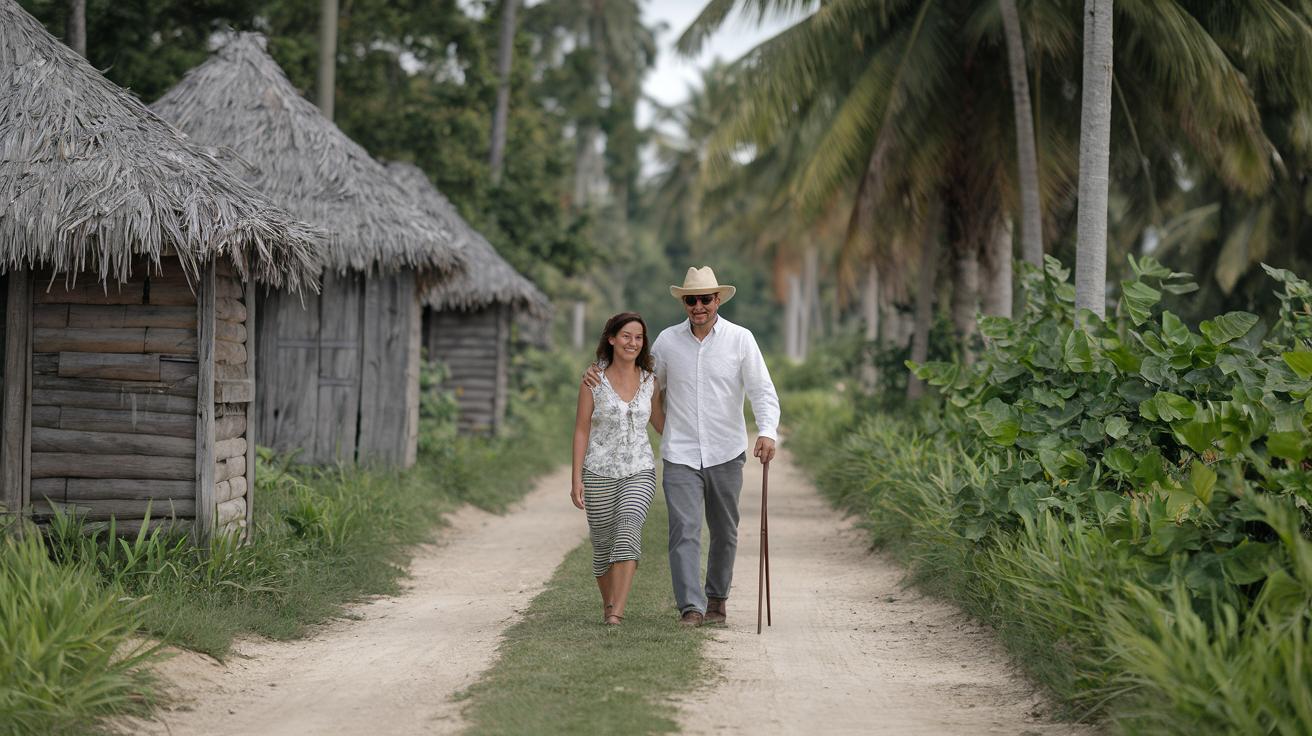
Barbados hides one of the Caribbean’s lesser‑known Irish stories: the Redlegs. The name applies to a small, historically marginalized community descended largely from 17th‑ and 18th‑century Irish and Scottish laborers and indentured servants. Over generations they were pushed off fertile coastal land, becoming an isolated rural poor. The exact origin of the label 'Redlegs' is debated , some point to sun‑scarred skin, others to class stigma , but the reality is clear: whiteness did not guarantee prosperity in a slave‑based economy. Contemporary scholars and activists have worked to document Redleg history and living conditions, bringing long‑overlooked narratives to light.
Irish Migration Beyond Montserrat and Barbados

The Irish presence wasn’t limited to a couple of islands. Across Jamaica, St. Kitts, Nevis, Antigua and other Leeward islands, 17th‑ and 18th‑century wars, settlement drives and labor demands brought Irish men and women as indentured servants, soldiers, clerics and small landholders. Over time many blended into Creole populations: some rose as planters, others remained laborers. Traces survive in surnames, Catholic parishes that persisted despite Anglican colonial dominance, and occasional place‑names. These patterns show how the Caribbean was remade by multiple migrations and coercions, with Irish threads woven into a larger multicultural fabric.
Cultural Echoes: Festivals, Names and Folklore
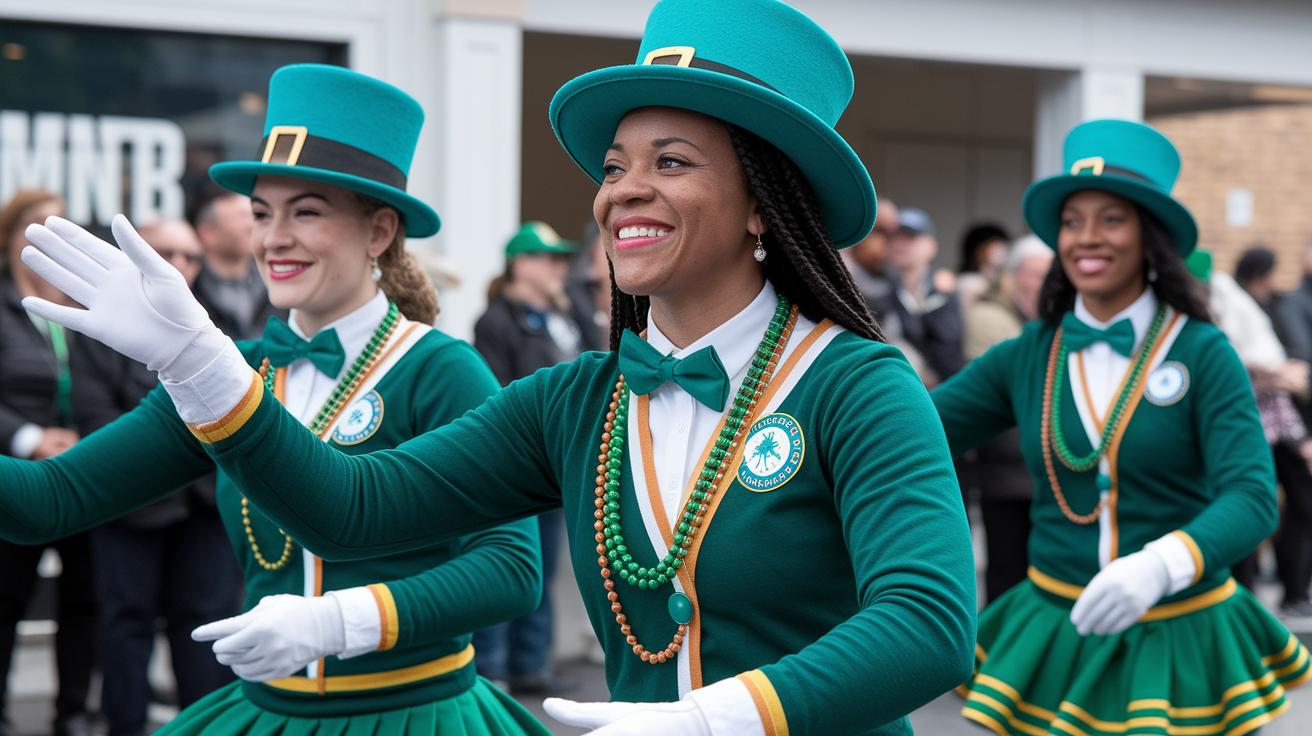
Cultural aftershocks of Irish migration show up in unexpected ways. Montserrat’s St. Patrick’s Day festival is the most famous example, but scattered islands host local parades, place names and family surnames of Irish origin. Church registers and legal archives trace Catholic worship and Irish clergy operating under Protestant colonies. Folklore and music sometimes carry ballads and storytelling styles that have been creolized over centuries. These cultural echoes complicate a tidy narrative: the Caribbean’s identity is a blend of African, European and Indigenous elements, and Irish influences are part of that complex tapestry.
Legacy Today: Diaspora, Scholarship and Identity
Modern Caribbean identities bear these Irish imprints in often invisible ways. Diasporas from Montserrat and other islands settled in the UK, US and Canada, carrying mixed heritages abroad. For communities like the Redlegs, scholarly attention and social support were limited for years, and disadvantage persisted. Historians now recover these stories through parish records, shipping lists and oral histories, showing how colonial labor systems blurred lines between servitude and slavery. Acknowledging the Irish dimension doesn’t excuse colonial harms; it deepens our understanding of how migration, coercion and cultural mixing created the Caribbean we know today.
