Ever wondered what would happen if the voices of old faded away? Indigenous languages in the Caribbean are so much more than just words. They hold a treasure chest of rich history and deep cultural pride.
Long ago, harsh rules tried to push these languages aside, yet you still hear them at family gatherings and local events. It’s like every conversation helps bring the islands’ past back to life while celebrating their true identity.
Join me as we explore how keeping these native voices alive not only strengthens Caribbean heritage but also builds a future that truly respects the past.
Indigenous Linguistic Heritage Shaping Caribbean Identity
Indigenous languages are the heart of Caribbean life. They tell a story of strength, showing how people held onto their culture even when faced with tough challenges like forced assimilation in Spanish-only boarding schools. Families lost touch with their native tongues as colonial powers pushed for uniformity, and harsh acts like taking land and violent suppression stopped these beautiful languages from naturally passing from one generation to the next.
Yet even in hard times, the islands still echo with vibrant voices. Locals keep their languages alive through spoken word and community gatherings, sharing stories that remind us of their deep cultural pride. These efforts have now caught the world’s eye with the UN declaring 2022 to 2032 the International Decade of the World’s Indigenous Languages. This international backing celebrates the Caribbean’s rich linguistic heritage and spurs local and academic projects to revive these unique voices. Every word reclaimed is a tribute to a resilient community whose spirit continues to shine bright.
Historical Evolution of Caribbean Indigenous Languages
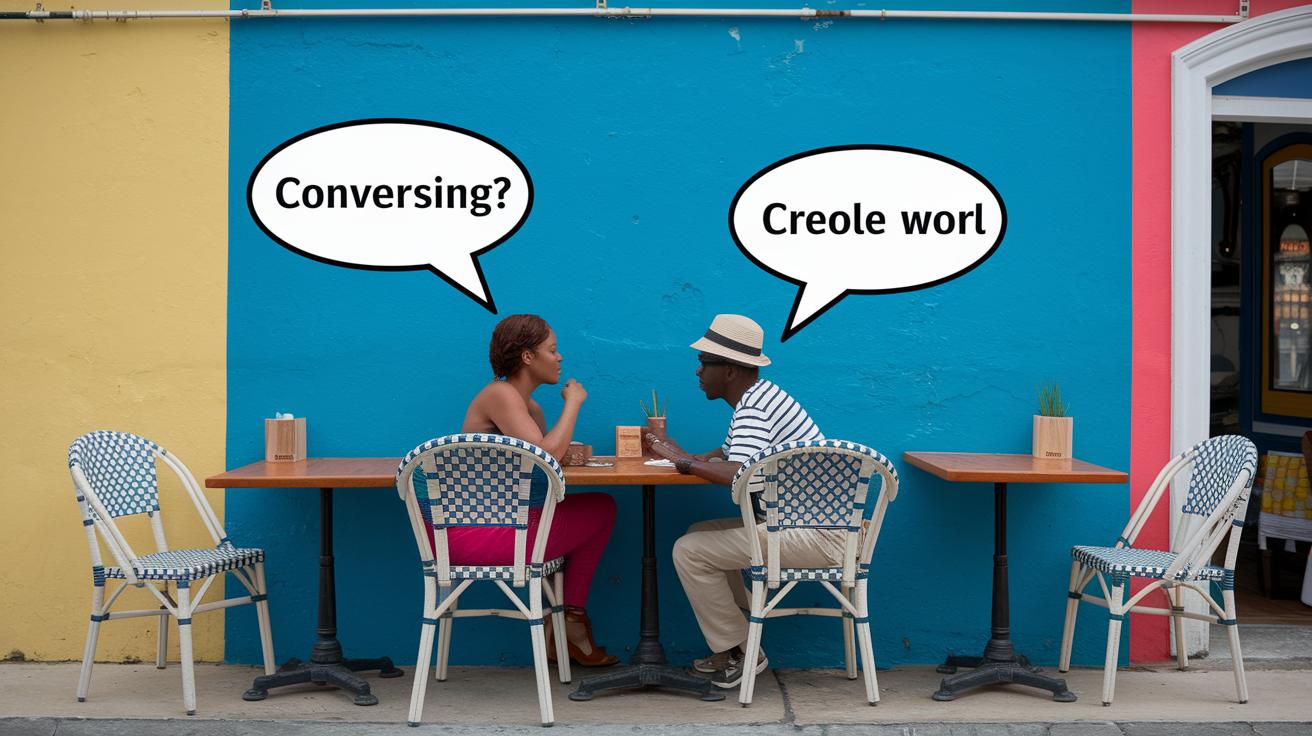
Caribbean Creole started off as a simple way for enslaved Africans and European colonists to chat and understand one another. It kicked off as a mix of words from French, English, Portuguese, Dutch, Spanish, and several African languages. Over time, that mix grew into a full language with rich, deep meaning. For example, Haitian Creole is spoken by about 11 million people, and islands like those in the Dominican Republic, Saint Lucia, Guyana, and even Cuba developed their own versions with special touches of Spanish and African words.
Early native recordings capture how people once spoke naturally, sharing casual stories at community gatherings. These recordings help us feel the vibrant buzz of life and the warm sound of storytelling. Local projects have worked hard to keep these lively voices from disappearing.
Scholars have pieced together phrases and idioms from elder speakers, showing us how simple pidgins evolved into languages full of character. Community efforts and archive work, like the cool Caribbean cultural heritage preservation projects, make sure every unique detail is recorded.
Every word spoken today carries history and culture, weaving together the voices of past generations. Ever wonder how a few mixed words can tell such a rich story?
Community and Scholarly Initiatives for Language Preservation
Across the islands, local projects are giving native languages a fresh, new life. In Puerto Rico and Trinidad, community groups record the everyday speech of elders and locals chatting away, turning these moments into digital archives that capture the true sounds of Caribbean life. They treat each word as a precious memory, keeping the heart and history of their community alive.
Scholars are joining in too, working hand in hand with local voices. Imagine upbeat workshops where elders, students, and scholars gather just like you would share stories over your favorite local dish. In these sessions, every story builds on the one before it, much like the sweet strum of a well-loved guitar. Using trusted research methods (a clear, step-by-step way to study language), they document ancient dialects and record everyday conversations that showcase the islands’ rich traditions. For a closer look, check out this example of Caribbean intergenerational cultural transmission.
Groups linked to the Smithsonian are also part of this vibrant work. For instance, the Higuayagua collective is guiding a community member, Bairaniki Mayowakanex Citò Colòn, as he learns Hiwatahia, a language that is deeply rooted in Indigenous history. At the same time, Kelsey Milian Lopez is diving into the Zapotec language, which comes in 30 to 75 unique local varieties. These projects do more than just record sounds; they capture the feelings and memories behind every phrase.
RichesKarayib’s INTERREG-Caribbean funding supports cultural programs like “Creole HeartBeat” that bring generations together in lively sessions filled with recording, chatting, and storytelling. These community-led projects are like living classrooms where ancient voices are preserved in a modern, digital archive.
Educational and Policy Frameworks Supporting Revitalization
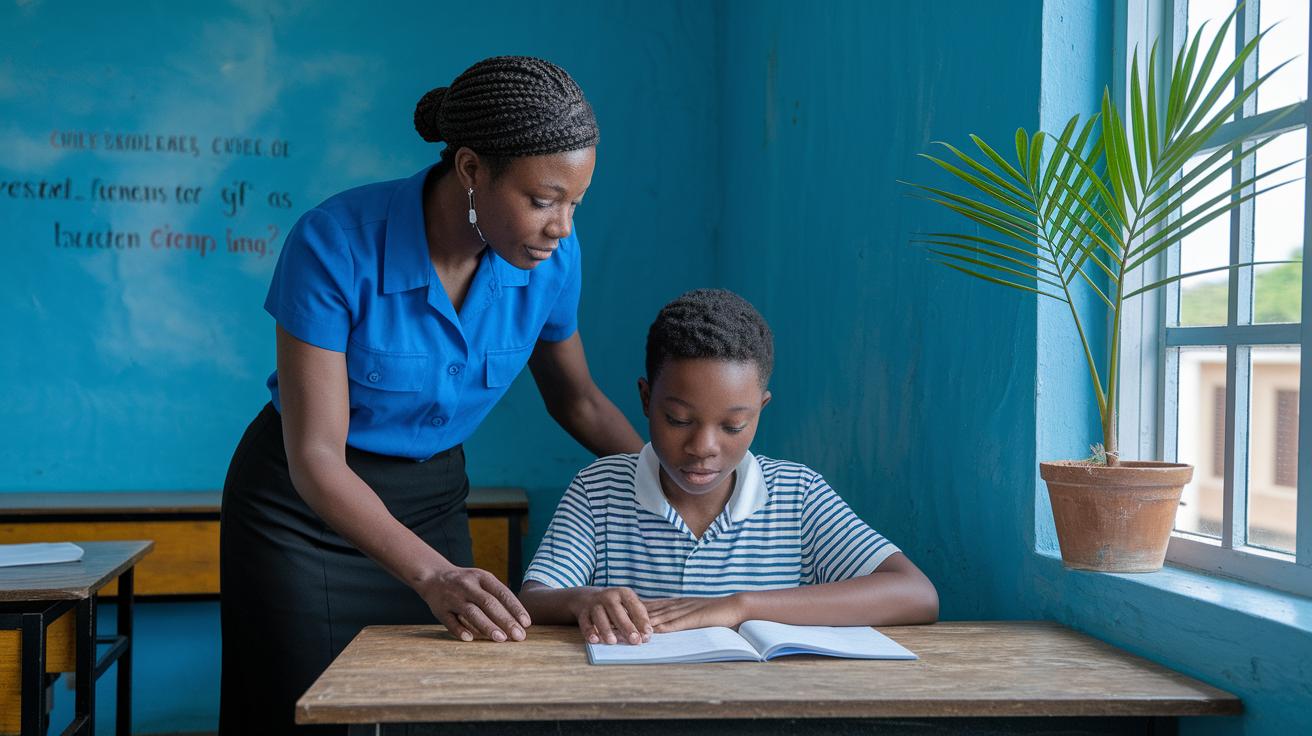
Caribbean governments and local schools are now changing the way they teach native languages. Many classrooms include Haitian Creole to help kids build reading and writing skills in a language that feels like home. One teacher shared, "Seeing students proudly read in Creole makes every lesson feel personal and alive." It’s like a breath of fresh Caribbean air in education.
Policy makers are taking big steps too. After the UN declared indigenous speech rights, countries started new laws to protect these languages. Local leaders are backing programs that let communities reclaim their traditional expressions. They hold workshops that give families the tools and confidence to pass down their unique way of speaking, much like sharing a cherished family recipe.
Regional events, such as CHIEF 2025 in Barbados, also celebrate language and heritage. These gatherings are vibrant, with cultural programs that spotlight time-honored storytelling and local folklore. Artists, poets, and historians come together to share oral tales that paint a picture of our rich heritage. It’s an invitation to feel the pulse and warmth of our island spirit.
All these efforts together help Caribbean communities build strong support for their heritage languages. Each school initiative and policy change is like lighting a small candle that reminds us preserving our indigenous language keeps our history and identity glowing brightly.
Technological Tools and Digital Archives for Language Documentation
Digital methods play a big part in keeping native voices alive. These modern ways let communities capture their language using mobile phones and other simple devices. For example, smartphone apps allow local people to record elders' stories anywhere, like at a fun festival where every word can feel as precious as a whispered secret. And there are cool kiosks, like the one the OECS tried in Saint Lucia, that bring technology right into community gatherings so anyone can easily add their piece to the archival puzzle.
Cloud storage keeps these recordings safe, while open-access repositories work like modern libraries, making sure everyone, from researchers to locals, can listen in. Every word captured turns into a living memory that you can almost feel.
Other handy tools include:
| Tool | Purpose |
|---|---|
| Online dictionaries | Preserve regional dialects |
| Interactive maps | Show how different variants spread across areas |
| GIS mapping systems | Track how language changes over time |
These digital projects create a network that guards the spoken word for the future. With neat gadgets and reliable digital storage, native languages continue to shine in Caribbean heritage by linking past voices with today's technology in a smooth, accessible way.
Case Studies: Unified Language Journeys in the Caribbean
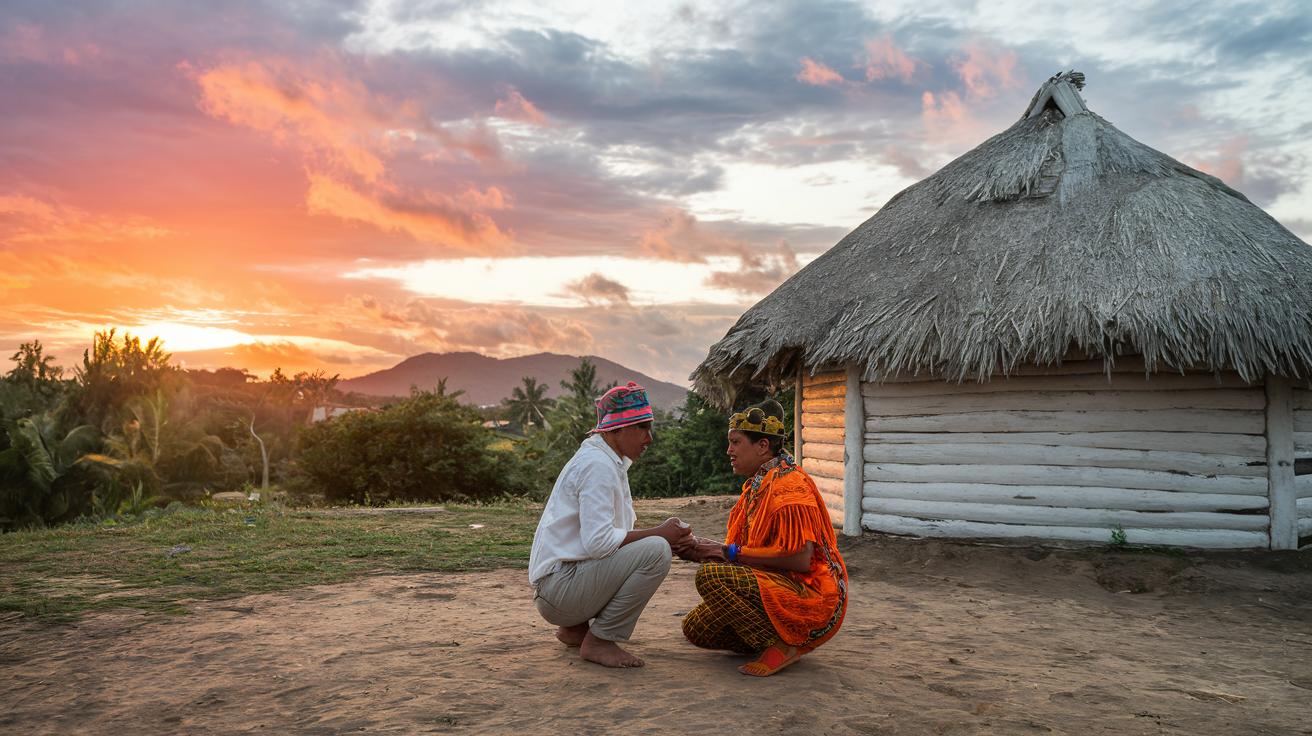
Meet Kelsey Milian Lopez, 26, and Bairaniki Mayowakanex Citò Colòn, 41. Their journeys into reviving old languages bring a warm Caribbean vibe to life. Kelsey is moving from beginner to a more confident speaker in Zapotec, a language with anywhere from 30 to 75 local versions. Think of it like mixing a local salsa: each ingredient brings a different burst of flavor. Before getting deep into her studies, Kelsey listened to elders share stories that painted lively pictures of community memories.
Bairaniki started learning Hiwatahia after joining the Higuayagua tribe in 2019. This language, linked to the Arawak tradition and enriched by six different roots, comes alive in his study sessions. Imagine a friendly circle where every lesson feels like a secret family recipe passed down over the years, with sounds swirling softly like the Caribbean breeze over ancient coastal dunes.
Both of their stories show how structured programs, community support, and mentoring (even from experts at the Smithsonian) work together to set clear goals. In truth, their language journeys mix formal lessons with a heartwarming, hands-on cultural experience, just like those little workshops you might find in a vibrant, sunlit Caribbean village.
Final Words
In the action of exploring Caribbean indigenous linguistic heritage, we saw how native tongues carry stories of the past. The blog shared insights from harsh colonial impacts to modern projects that record and celebrate these languages. Small community steps, tech tools, and policy support work together, proving that every effort counts. These collective strides pave the way for the preservation of indigenous languages in Caribbean heritage and invite us to keep the spirit of these vibrant cultures alive.
FAQ
Why are indigenous languages vital to Caribbean heritage?
Indigenous languages are vital as they shape unique Caribbean identity and honor cultural resistance against past language suppression practices.
How did colonial history affect Caribbean indigenous languages?
Colonial history affected indigenous languages through forced assimilation and land dispossession, which interrupted natural language transmission among local communities.
What role do community projects play in preserving Caribbean indigenous languages?
Community projects preserve indigenous languages by recording native speech, building digital archives, and fostering grassroots initiatives that pass cultural heritage to future generations.
How are educational programs supporting indigenous language revitalization in the Caribbean?
Educational programs support revitalization by integrating native tongues, like Haitian Creole, into school curricula and regional cultural events to boost language pride and literacy.
What technological tools help document and revive Caribbean indigenous languages?
Technological tools, including smartphone apps, digital repositories, and interactive maps, document and revive indigenous languages by making native speech accessible and preserving dialect histories.
What examples illustrate individual efforts in indigenous language revitalization?
Individual efforts, such as initiatives with Zapotec roots and Hiwatahia revival, show personal dedication and mentorship that drive the preservation and reawakening of native Caribbean tongues.
