Have you ever found yourself in a spot where two different blues come together in one stunning view? Picture yourself on a Barbados beach, where the calm Caribbean Sea meets the powerful Atlantic Ocean in a scene that feels like nature’s own painting. The turquoise shimmers softly as it blends into a deeper, richer blue, almost whispering secrets of long-ago days and hidden treasures. It’s like the ocean is inviting you to explore its many stories. Have you ever wondered how a simple view can feel so full of magic? Dive in, and let yourself be carried away by the wonder and history swirling in this breathtaking scene.
Mapping Where the Caribbean Sea Meets the Atlantic Ocean
Barbados is a dazzling jewel marking the spot where two mighty oceans come together. Here, you can stand and watch the clear line where the deep blue Atlantic meets the bright turquoise Caribbean. On a clear day, the colors blend softly to create a natural border that shows exactly where the two oceans connect. It’s a sight that makes you stop, smile, and appreciate nature’s art.
St. Kitts, once known as St. Christopher, brings a rich slice of history to this scene. This island, once spotted by Christopher Columbus, offers a gentle reminder of the days when brave sailors explored these waters. One side of the island is hugged by warm, calm Caribbean waters with smooth sandy beaches, while the other side faces the lively Atlantic with its energetic waves.
Here are a few simple tips to help you notice where the two oceans meet:
- Watch for a sharp change in color.
- Notice how the waves differ in size and energy.
- Look for natural markers like rocky cliffs or lush coastal plants framing the line.
| Island | Characteristic |
|---|---|
| Barbados | A clear meeting of two ocean worlds |
| St. Kitts | A historic island where unique water qualities blend |
These natural signs help you see exactly where the magic of the Atlantic and Caribbean becomes one.
Caribbean and Atlantic Ocean Meet: Mesmerizing Convergence
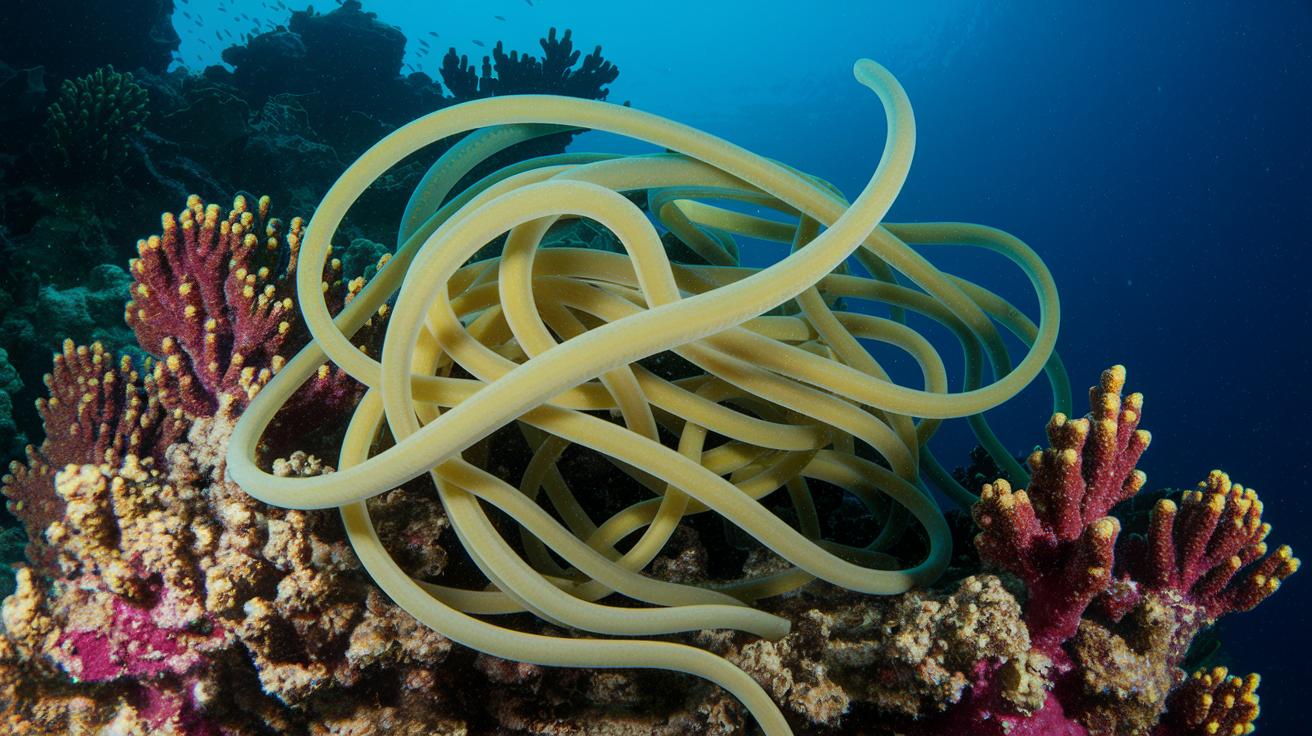
Right at the spot where the Atlantic and the Caribbean kiss, nature stages an incredible show. The two different waters mix together, creating special homes for a variety of sea life. Imagine coral-reef eels twisting and gliding with ease, their long, flexible bodies moving like ribbons in the gentle current. They flash in bright greens, sunny yellows, and intricate spotted patterns, making the underwater world feel like a living art gallery.
Snorkelers have a little secret to share. If you wander off the usual spots like Buccoo Reef, you'll discover hidden rocky outcrops where nature thrives in unexpected ways. These underwater hideaways draw in lots of life. Rays float slowly over soft sandy floors, while flounders melt into the background with their patterned skin, and playful crustaceans scurry about like busy little explorers.
Above the water, the sound of birds fills the air. In Tobago, you can listen to the calls of about a dozen unique bird species. Some of these birds are local, while others travel all the way from South America, the Arctic or even Europe during wild, stormy times. It’s like watching a living watercolor, where every gentle ripple and chirp adds to the magic of this vibrant natural blend.
This meeting point of oceans is like a natural laboratory where every shifting ripple tells a story. Scientists and curious visitors alike pause to marvel at how the currents weave and merge so seamlessly. Every little wave reminds us of nature’s quiet power and the beauty of things coming together.
Historical Context of the Atlantic-Caribbean Convergence
Christopher Columbus once named St. Kitts "St. Christopher." This simple act was one of the first times Europeans noticed a natural meeting spot where the energetic Atlantic waters mix with the soft, warm currents of the Caribbean. Back then, explorers relied on the lively clash between these two waters as a natural guide along their colonial routes.
Every ripple and shift in the ocean's color told a story for those early sailors. They used these natural cues to find new lands and reach bustling markets, turning the sea into a living map. Fast-forward to today, and this special convergence still shows up in modern cruise routes. For example, a seven-day, five-port cruise from San Juan unexpectedly stopped at Barbados, giving travelers a delightful peek into history. This surprise halt reminds us that the blend of past and present continues to light the way along our endless blue horizons.
Ocean Currents and Water Properties at the Meeting Point
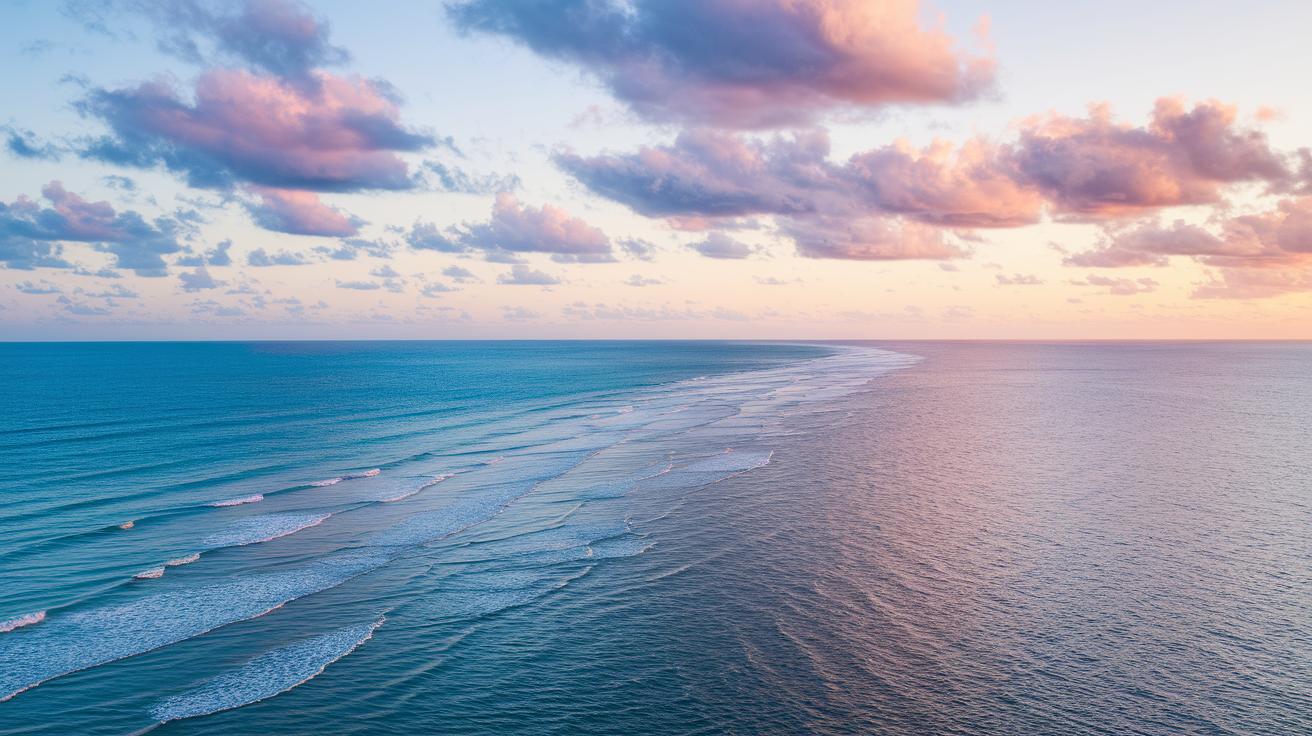
At the spot where the Atlantic meets the Caribbean, nature puts on a lively show. The cool, salty Atlantic pushes its way into the warm, softer Caribbean waters. This blend creates swirling currents that shape everything around, both seen and unseen. It’s like watching nature do a gentle dance along the island edges as cooler meets warmer.
You might even notice slight changes if you’re by the shore. The mixing creates tiny borders where the cool ocean meets the tropical sun. Imagine standing at a beach and watching water change its personality right before your eyes, each wave tells its own little story of science and history.
The salt levels change slowly, creating differences in water density that even a casual observer can pick up on. These water shifts not only change the sea’s color but also create unique homes for marine life. And as temperature fronts move ever so slowly, they bring along nutrients that help underwater life flourish.
In truth, this meeting of two seas is like nature’s own laboratory. Researchers study this mix to learn more about how our oceans work. It’s a place where science and the beauty of the sea come together in a truly captivating way.
Climate and Weather Patterns at the Caribbean-Atlantic Confluence
When Atlantic and Caribbean waters meet, nature puts on a playful show. The warm tropical sun lights up the day, while sudden bursts from storms cool the surface and change the look of the sea. You might feel the shift in the air as the steady trade winds create soft breezes or stir up a few gusts that ripple the water. On a clear day, take a closer look at the water's edge, you can see hints of different colors where these forces mix.
Seasonal storms add even more drama to the scene. During hurricane season, you might even spot European birds making a surprise visit, showing that weather can affect life both on and off the shore. Picture yourself on a sunny beach when a brief squall rolls in, dark clouds gathering and waves starting to dance, a quick reminder of nature's mood changes. This change not only gives the coast a fresh, dynamic look, it also tweaks the water’s temperature and saltiness, nudging the local marine life into a small, new routine.
All around, the mix of tropical warmth and stormy energy creates a living, ever-changing canvas that feels as mesmerizing as a Caribbean sunset.
Caribbean and Atlantic Ocean Meet: Mesmerizing Convergence
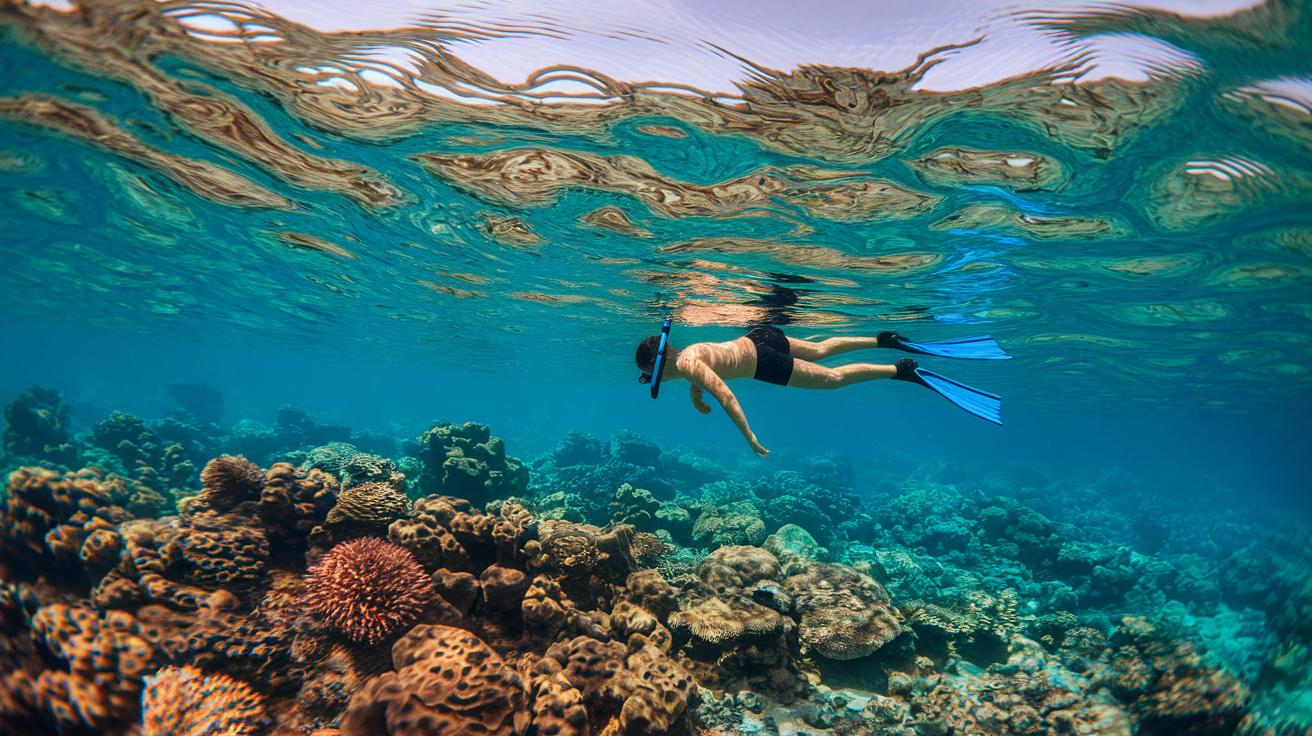
If you're planning a trip to where two amazing oceans meet, start with some real-life fun. Begin with a snorkeling trip at Heavenly Bay on the east side of Castara Bay. The calm, clear water will take you right up to a nearby reef where you can see bright fish and colorful coral, and feel like you're part of the meeting between the two oceans.
If you're up for more adventure, why not try a local boat charter? Renting a small boat lets you discover quiet water paths, hidden clear pools, and secret coves along the coast. The friendly boat captains often share handy tips about the best spots where the Atlantic slowly wins over the Caribbean. One traveler even said, "I missed my planned stop, and an impromptu call from Barbados let me see a beautiful line on the water, a moment I captured forever on film."
Also, check out interactive coastal maps at local visitor centers. These maps show island-studded routes and mark perfect spots to anchor your boat and snap photos of the water’s dramatic color change.
- Check local schedules for boat charters.
- Ask around about weather and water clarity for the day.
- Bring waterproof gear to capture those special moments on the water.
These tips make for a hands-on guide to exploring the stunning blend of two converging waters. It's a chance to witness firsthand where the Atlantic and Caribbean create a mesmerizing dance right before your eyes.
Final Words
In the action of exploring this blend of water, we uncovered where clear seas mark the line between vibrant environments. We spoke about mapping the meeting point, noted marine life shifts, and revisited a rich history of seafaring. Practical tips offer a smooth way to witness this spot firsthand, where the caribbean and atlantic ocean meet in a spectacular display of nature's blend. It leaves us with a warm, hopeful outlook, inviting you to experience this remarkable coastal magic for yourself.
FAQ
Q: What does the Caribbean Sea and Atlantic Ocean meet map show?
A: The map shows where the Caribbean Sea and Atlantic Ocean meet, highlighting key points like Barbados where their waters clearly blend.
Q: What color is the Pacific Ocean?
A: The Pacific Ocean is seen as deep blue and can show hints of turquoise near shallow, sunlit areas.
Q: How do the Caribbean Sea and Gulf of Mexico differ?
A: The Caribbean Sea features clear, vivid waters around island nations, while the Gulf of Mexico has broader, mixed coastal and deep water regions.
Q: What does a Caribbean Sea map reveal about its countries?
A: The map points out island nations and coastal regions, offering a visual guide to cultural and natural highlights in the area.
Q: Does Portugal touch the Atlantic Ocean?
A: Portugal has a long Atlantic coastline, giving it a rich maritime history and stunning seaside views.
Q: Where is the Caribbean Sea located?
A: The Caribbean Sea lies between the Atlantic Ocean and Central America, bordered by many islands and coastal countries.
Q: What connects the Atlantic Ocean to the Caribbean?
A: The Atlantic Ocean and Caribbean Sea mix along points near islands like Barbados and St. Kitts, where the water’s features connect visibly.
Q: Which two oceans meet in the Bahamas?
A: In the Bahamas, Atlantic waters blend with those of the Caribbean, creating a unique mix of ocean characteristics.
Q: Which two seas are known not to mix?
A: Some water layers with different salinity levels, like those near the Sargasso Sea, sometimes remain distinct and do not fully mix.
