Have you ever wondered if an island could feel like a never-ending sunshine party? Curacao is exactly that kind of hidden gem. Its bright, colorful streets and pleasant weather feel like walking through a postcard, and the locals greet you like an old friend.
Every step you take here tells a story. There’s a mix of old-world charm and a fresh, modern beat that makes every corner interesting. It’s like history is whispering secrets while today's vibe makes it all come alive.
Stick around and let's discover Curacao together with fun, bite-sized travel tips that lead you right into the island’s warm, welcoming arms.
Curacao Caribbean Island: Essential Overview of Culture, Geography & Attractions
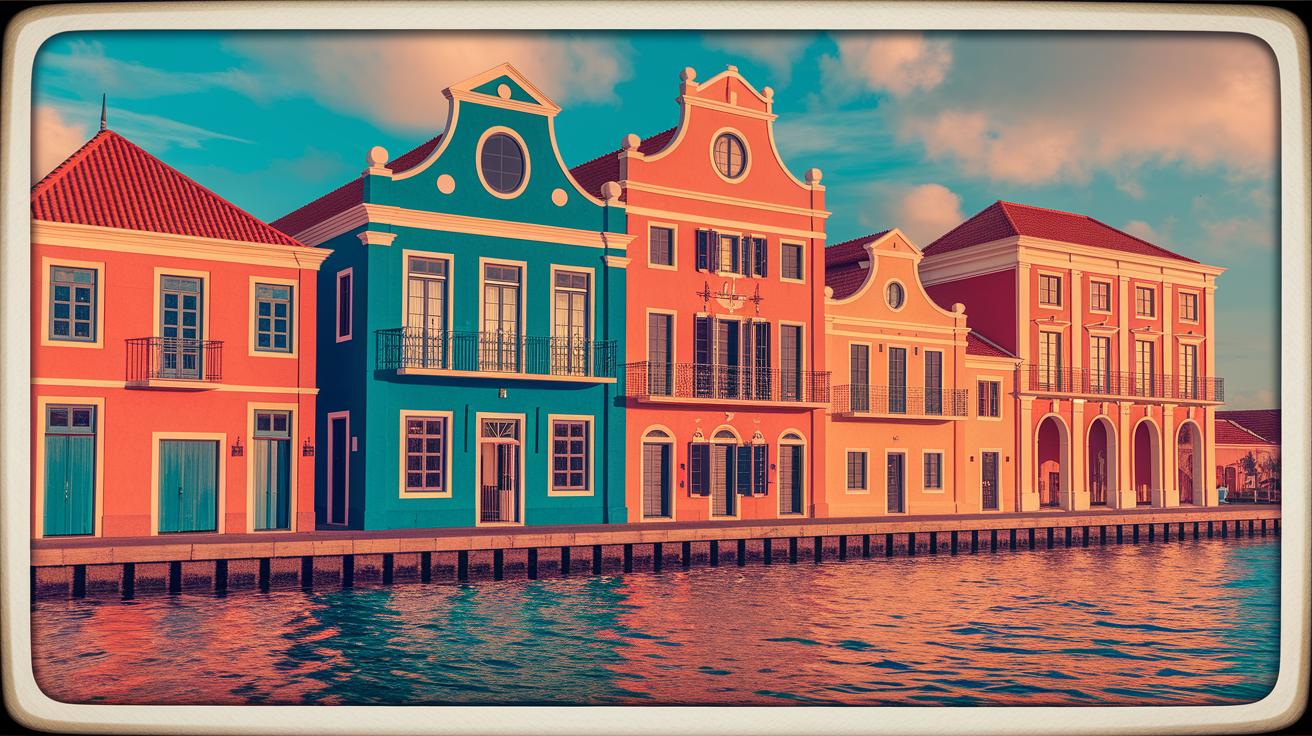
Curacao first appeared on maps back in 1499 when Alonso de Ojeda sailed these parts. Nestled about 40 miles north of Venezuela, this gem in the southern Caribbean Sea is part of the ABC islands, Aruba, Bonaire, and Curacao. The island mixes old-world charm with a modern touch, and thanks to its dry climate, gentle trade winds, and safe spot below the hurricane path, you can expect perfect, sunny weather year-round.
Willemstad, the heart of Curacao, is a real treat. This capital town, recognized as a UNESCO World Heritage site, is famous for its bustling Handelskade waterfront. Those brightly painted buildings, originally colored to soften the harsh glare of the Caribbean sun, make you feel like you’ve stepped into a living postcard. It’s a scene that feels magical, inviting you to explore the island’s unique vibe.
On Curacao, you’ll hear Papiamentu and Dutch as the everyday languages. Still, you don’t have to worry since English is widely spoken, making it easy to chat with the locals. This blend of cultures and rich history gives Curacao a special appeal for anyone looking for travel tips or planning a journey using a Caribbean island guide. Every street corner bursts with natural beauty, lively energy, and cultural stories that stay with you.
Every bit of Curacao tells a story, from its charming vintage buildings to its modern beachside cafes. So, grab a local treat, have a friendly chat with a resident, and let yourself get lost in the island’s sunny, relaxed rhythms.
History & Dutch Colonial Influence on Curacao Caribbean Island
Long before Europeans mapped the area in 1499, the Arawak people lived here, giving Curacao its first rich culture. When Sephardic Jews arrived in the mid-1600s, they blended their traditions with the local way of life. You can still visit the Mikvé Israel-Emanuel synagogue in Willemstad, built in the 1650s. This spot, known as the oldest surviving synagogue in the Americas, lets you feel the echoes of past beliefs and community spirit.
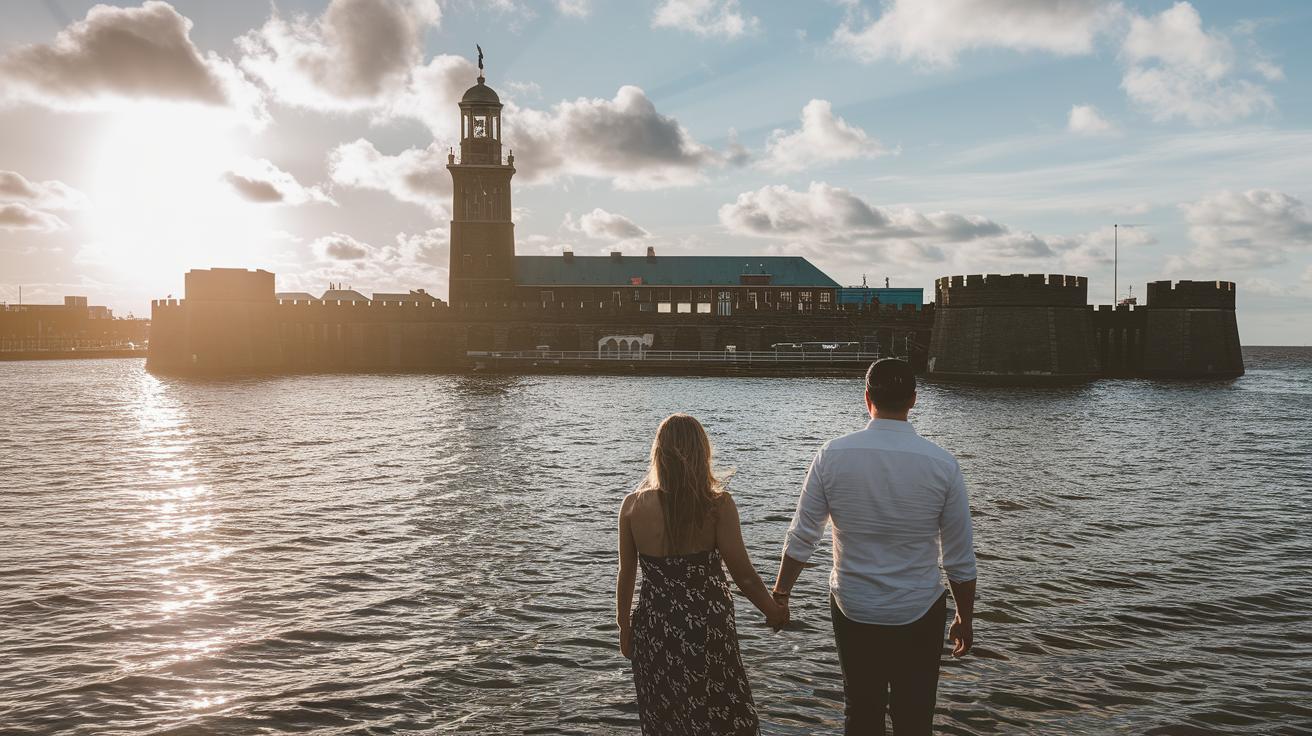
Take a stroll by Fort Amsterdam, built in 1634, which still stands proudly over Willemstad harbor with its four cannon-armed bastions. It reminds us of a time when old colonial empires guarded their treasures. Scattered around the island are plantation landhuizen, relics from the days of sugar, aloe, and indigo cultivation. Imagine a local guide telling you, "These walls have seen centuries of change," as you wander among these historic estates. This living history shows how Dutch and Sephardic touches still shape Curacao's unique charm.
Top Attractions & Cultural Heritage Tours on Curacao Caribbean Island
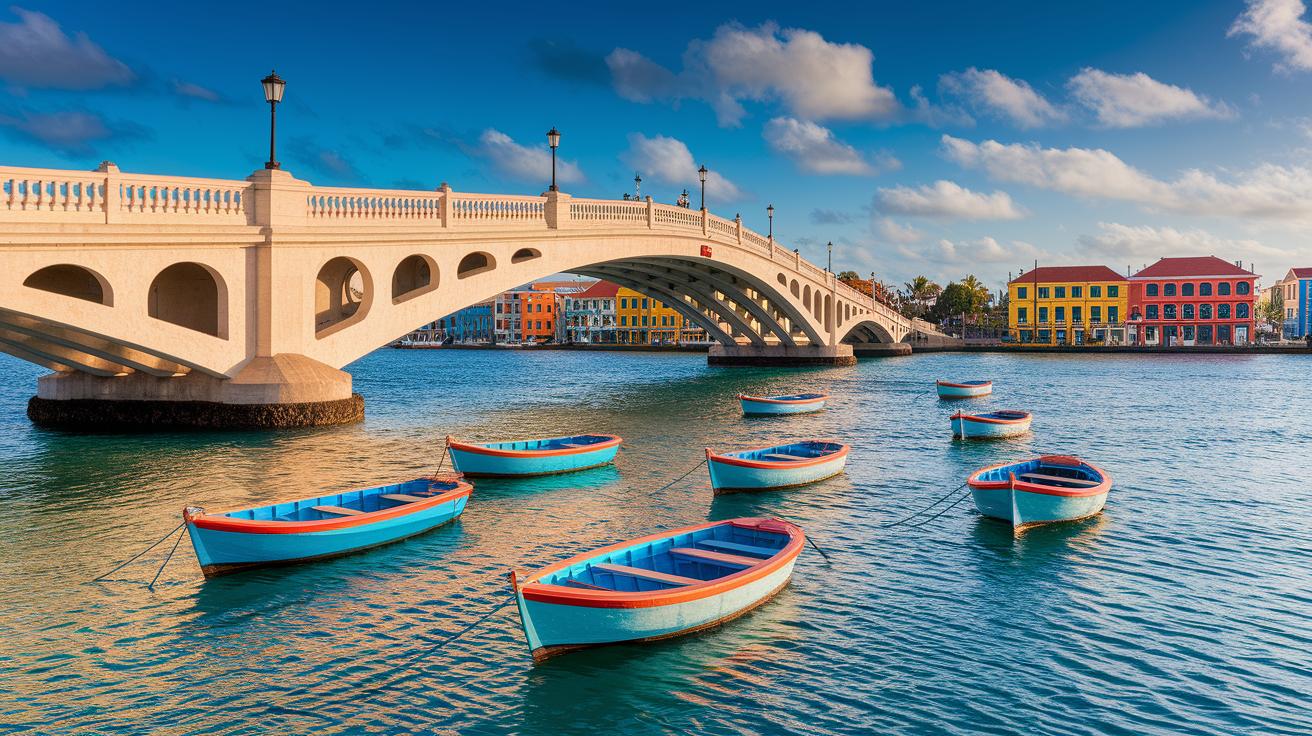
Curacao radiates sunny vibes and interesting history wherever you go. Picture stepping onto the Queen Emma Bridge, fondly known as the Swinging Old Lady, while boats float gently below and you take in breathtaking views of lively neighborhoods. Ever wondered why locals say that crossing this bridge links two vivid worlds? It’s a charming mix of energy and history that truly captivates you.
Next, take a trip to the Blue Curacao Factory at Landhuis Chobolobo. Since 1896, this spot has been offering a hands-on taste of local tradition. Here, you get to see and learn how the famous liqueur is made, blending unique local flavors with time-honored techniques. It’s like stepping into a little time capsule where every sip tells a story.
Curacao also delights art lovers with its vibrant street art. Wander through the districts of Otrobanda and Punda and notice how walls transform into vivid canvases. Murals here talk about real issues, from everyday struggles to the beauty of marine conservation, so you feel the island’s creative pulse and deeper social tales with every glance.
Then, take a short drive to Fort Beekenburg, built in 1703. As you stroll near well-preserved coastal cannons overlooking Spanish Water Bay, you can almost hear a local remark: “This fort isn’t just a relic, it's a keeper of countless island stories.” The weathered stones and the cool, salty breeze make every moment here feel truly special.
And be sure not to miss a visit to the Mikvé Israel-Emanuel synagogue. Stepping inside is like a gentle journey back to the 17th century, where Sephardic traditions still echo in every corner. It’s a quiet reminder of the deep history that weaves together the fabric of Curacao’s cultural heritage.
Beach Highlights & Water Sports at Curacao Caribbean Island
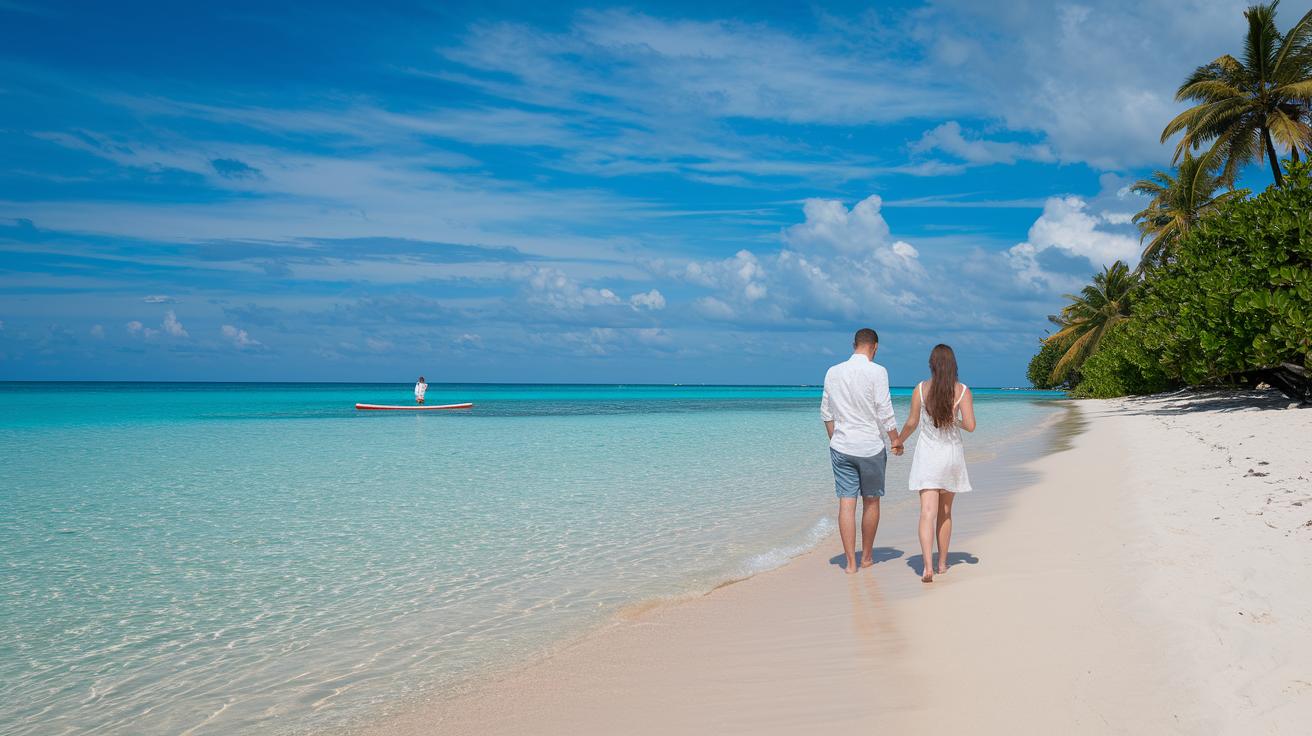
Jan Thiel Beach and Mambo Beach are absolute must-sees if you’re in the mood for sunny travel vibes. These spots offer comfy resorts, cabanas right on the sand, and lots of water-sport rentals to get you moving. Imagine renting a paddleboard and gliding over clear blue water while feeling the warm island sun on your face. It’s like stepping into a postcard where every wave greets you with a smile.
Kenepa Grandi, also known as Grote Knip, is a real treat with its bright turquoise waters and natural spots perfect for cliff jumps. One minute you’re relaxing on soft white sand, and the next, you’re laughing after an exciting jump into cool, refreshing water. And then there’s Playa Kalkí, a hidden gem that rewards the adventurer in you with a short 20-minute hike through scrubland, leading to a quiet, pristine beach that feels light years away from the usual crowd.
For those who love scuba diving, the tugboat wreck near Boca Santa Cruz is like an underwater playground. Picture vibrant, colorful fish weaving through rusty metal pieces, creating a living mosaic beneath the waves. This dive spot is famous around here, with each dive unveiling a new, vibrant underwater world.
Shete Boka National Park is another spot you shouldn’t miss. It shows off wild coastal inlets and mysterious underground caverns that invite you to explore nature’s raw beauty. The park’s rugged charm stands in a lovely contrast to the island’s calmer beaches, giving you a taste of a different kind of thrill.
If you’re up for a day trip, consider a visit to Klein Curacao. A two-hour ferry ride (about US$130 per person) takes you to an island retreat complete with a hearty breakfast, snorkeling gear, and a cozy beach house where the gentle sound of the ocean sets the perfect mood.
Savoring Local Cuisine & Nightlife on Curacao Caribbean Island
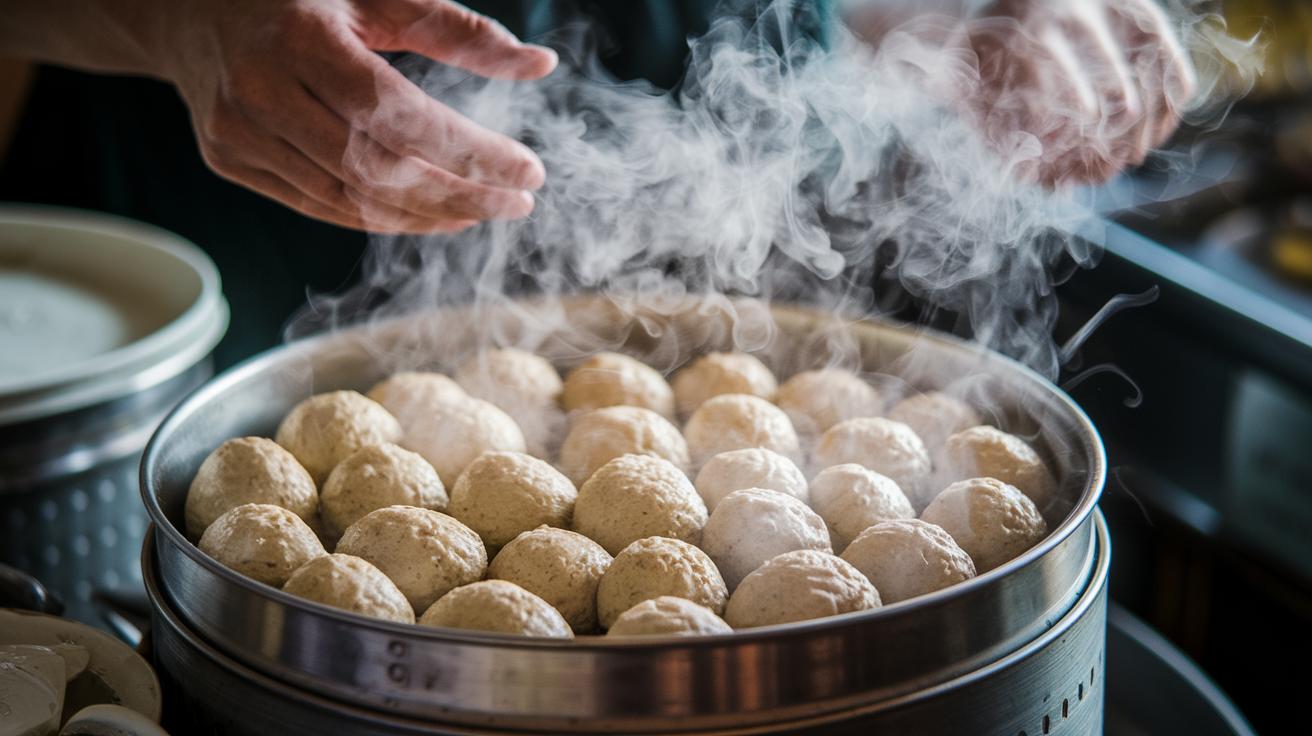
Curacao has a food scene as warm and bright as its sunny days. In Willemstad, you can wander through Plasa Bieu and discover street-food treasures where local dishes like keshi yena and stobá burst with flavor. Imagine biting into a warm, spiced keshi yena that fills you with the island's vibrant energy. You’ll also get to taste comforting Dutch-inspired bites such as raw herring, bitterballen, and stroopwafels for a twist on your culinary adventure.
When night falls, the island transforms into a lively stage filled with music and delicious treats. Picture dining by the water at a favorite spot like El Gordo, where Mexican-Caribbean fusion dishes mix beautifully with the coastal vibe, or chilling at Sea Side Terrace near Mambo Beach. Here, you can sip on a frozen drink under a starlit sky while soft island rhythms set the perfect mood. The relaxed, friendly energy of Curacao’s nightlife makes it easy to chat with locals and fellow travelers, sharing smiles and stories.
For a one-of-a-kind experience, consider a tour of Landhuis Chobolobo. You’ll learn how Curaçao liqueurs are made, with flavors coming in blue, green, red, yellow, orange, and clear. This blend of tasty treats and festive evenings truly captures the joyful spirit of Curacao.
Planning Your Stay: Accommodations & Transportation on Curacao Caribbean Island
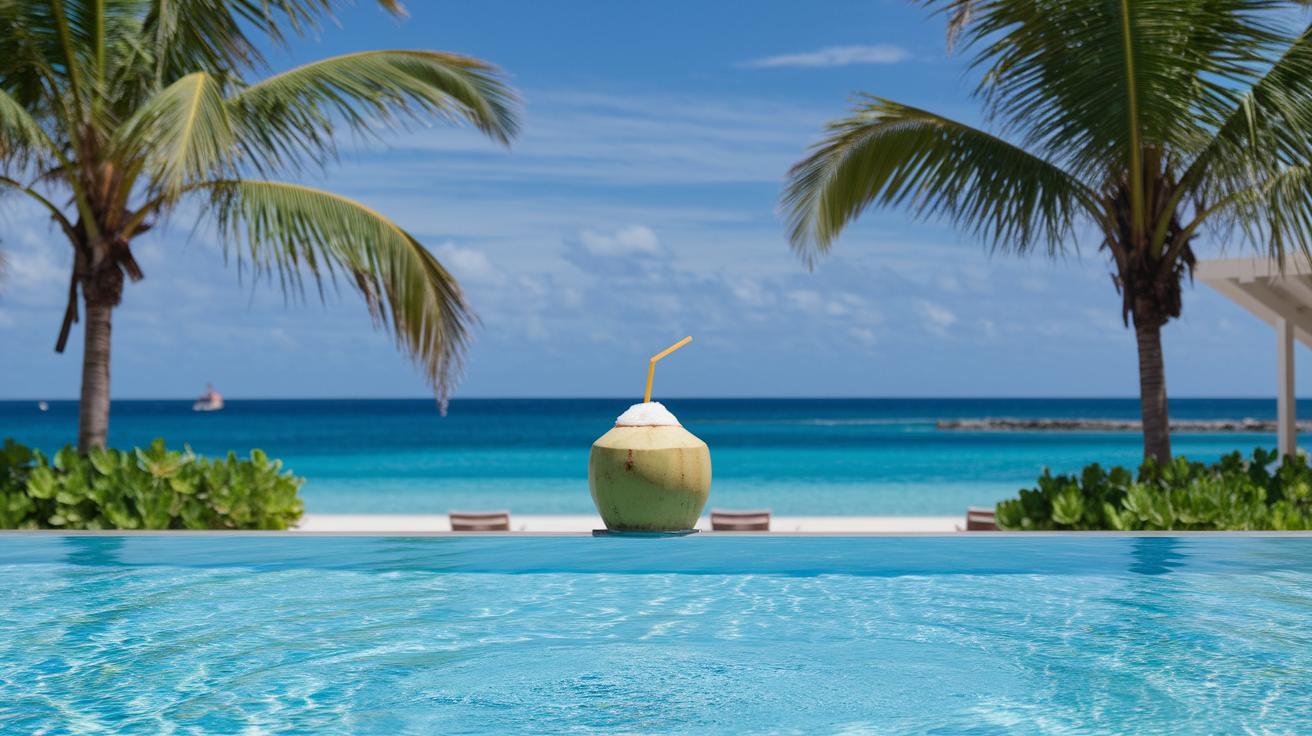
Willemstad has a little something for everyone. If you're dreaming of a luxurious break, check out Dreams Curaçao Resort. Once a Hilton and refreshed in 2019, it offers a calm escape with a sandy beach, a spa, and cozy rooms. Just picture waking up to the gentle sound of waves while sipping a cool coconut drink by the pool. And if you're keeping an eye on your budget, there are plenty of comfortable hotels and guesthouses around the area that keep things affordable without skimping on charm.
Getting around the island is a breeze. Public buses run roughly every two hours, making them a simple and quiet way to travel between local sights. There are also privately run minibusses that stop on request so you can travel at your own pace. If you plan to explore the far-off beaches or the quiet spots in Westpunt, renting a car might be the best bet. Imagine cruising along sunlit coastal roads, the wind in your hair, and stopping at hidden coves along the way.
Taxis are another option, though a ride into central Willemstad can run up to about US$40, so they're best for shorter trips when you need to save time. Plus, Hato International Airport is just 10 kilometers northwest of Willemstad. There are direct flights from Miami that take about three hours, making your arrival and departure smooth and easy.
For a blend of comfort and convenience, consider different lodging choices in the city center or along the coast. Curious about which spot fits your tastes and budget best? Visit caribbean travel ideas for more details.
With so many great options for where to stay and how to get around, planning your visit feels as refreshing as a dip in the island’s clear, blue waters.
Ideal Itineraries & Day Trips on Curacao Caribbean Island
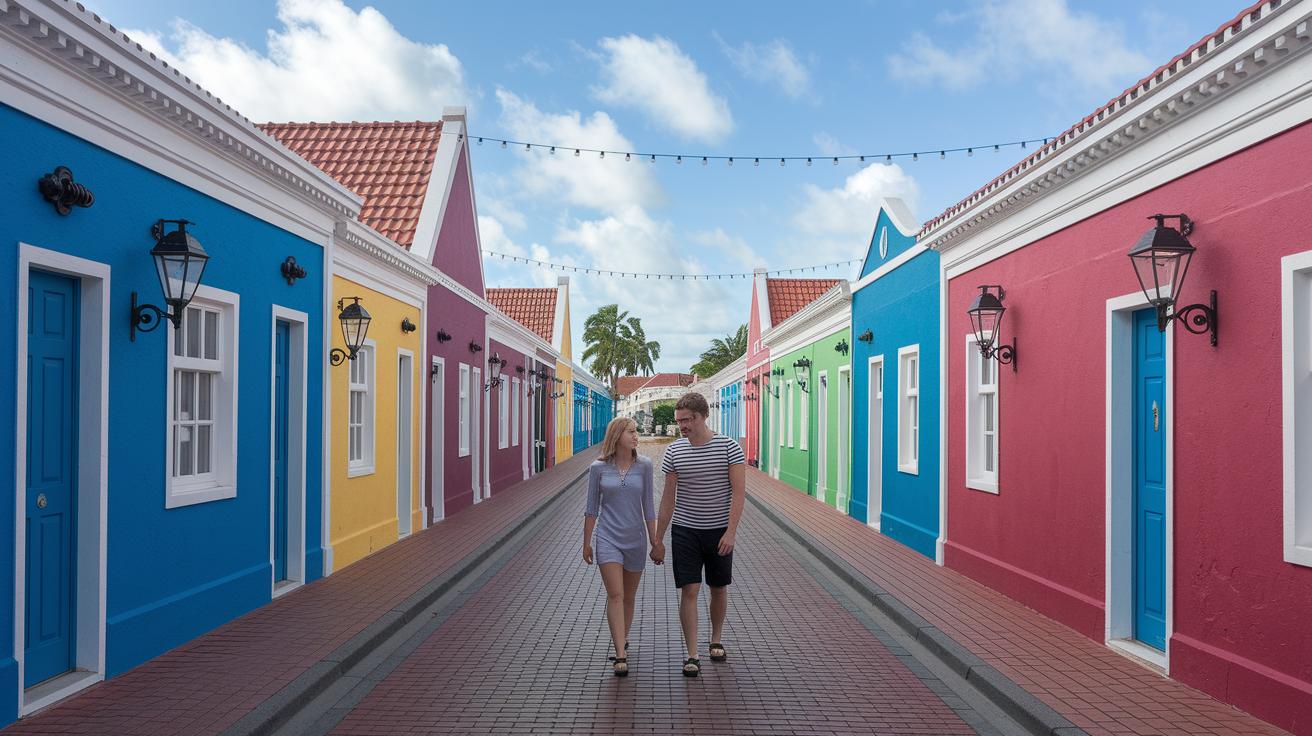
Imagine planning your adventure on Curacao like a fun chat with a friend. You can mix hands-on guided tours with exploring on your own time, discovering the island's secrets at your pace. Picture yourself strolling through the colorful streets of Willemstad and then relaxing on a quiet, hidden beach. For example, on Day 1 you can wander through Punda and Otrobanda, where every turn brings a splash of vibrant history and lively street scenes.
Here’s a simple week-long plan that might feel just right:
- Day 1: Explore the charming neighborhoods of Punda and Otrobanda, letting the local vibe set the mood.
- Day 2: Unwind at Jan Thiel Beach, soaking in the clear blue waters and warm sunny skies.
- Day 3: Visit Shete Boka National Park, where rugged coastlines let you feel nature’s raw beauty.
- Day 4: Try a tugboat dive and discover an underwater world teeming with life.
- Day 5: Tour historic landhuizen and a local distillery where you can learn about the famous Curaçao liqueur.
- Day 6: Take a day trip to Klein Curacao on a catamaran. Enjoy snorkeling and a relaxing break at a cozy beach house.
- Day 7: End your trip with some free time to shop or wander around and soak in more local charm.
If you feel like switching it up, think about a jeep or sailing charter. Imagine riding along sunlit coastal roads or cruising on a boat while the cool sea breeze whispers the island’s secrets. Whether you prefer self-guided adventure or a more organized tour, these plans are a great way to explore Curacao in a relaxed, sun-kissed style.
Practical Tips: Weather, Currency & Safety on Curacao Caribbean Island
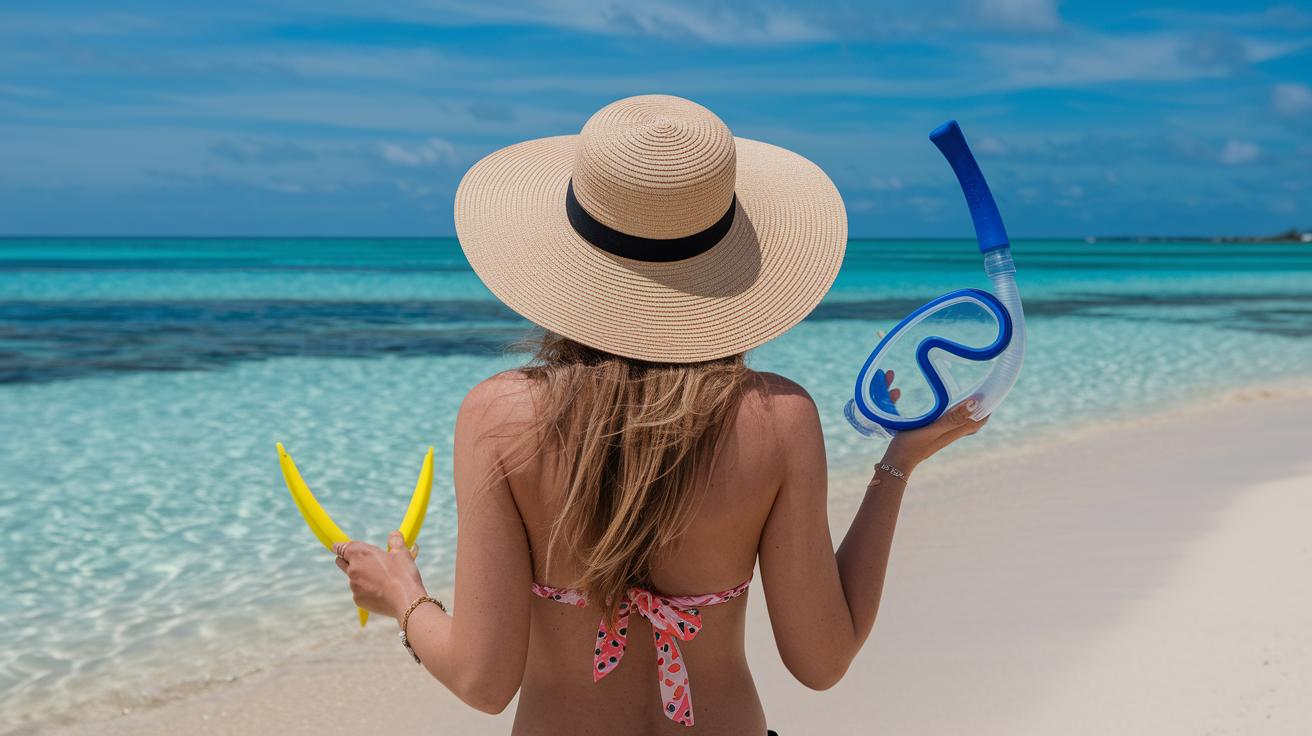
Curacao basks in dry, sun-drenched days all year round, making it feel like an endless beach party. The island sits nicely below the hurricane belt, so you rarely have to worry about wild storms. The biggest draw is its peak season from January through April when the weather feels extra inviting. So pack light but smart: slap on some SPF 30 sunscreen (that’s your sun shield), bring a wide-brim hat to keep cool, water shoes to explore rocky shores, and a solid snorkeling mask so you don’t miss a beat underwater. Oh, and don’t forget a dry bag to protect your electronics, plus a little seasickness remedy for smoother boat trips. Imagine cruising along the coast with your dry bag secure, the ocean breeze in your hair, and the world unfolding around you.
Currency is no big deal here either. Curacao uses the Netherlands Antillean Guilder (ANG), but US dollars work just as well since they’re close to a one-to-one exchange. While you can stroll the streets with ease, it’s wise to keep an eye on your valuables and avoid leaving them in parked cars. A little common sense goes a long way in letting you relax and soak up every friendly, sunlit moment on the island. With these simple tips, you’ll be set for a carefree adventure, enjoying every bit of Curacao’s stunning landscapes and warm local vibes.
Final Words
In the action, our post tackled every side of Curacao Caribbean Island, from its lively culture and historical landmarks to sun-soaked beaches and local cuisine stops.
We looked at the island's history, tasted its food scene, and broke down practical tips for a smooth trip.
Practical advice on accommodations and travel means makes planning this getaway a breeze.
Your time on curacao caribbean island is set to fill your days with excitement and relaxed moments under the sunny sky.
FAQ
What are Curacao Caribbean Island things to do?
Curacao offers an array of activities, from exploring colorful historic sites like Willemstad to relaxing on beautiful beaches, sampling local cuisine, and taking scenic cultural tours around the island.
What hotels and resorts are available on Curacao Caribbean Island?
Curacao hosts diverse lodging options, including beachfront resorts with luxury amenities and budget-friendly hotels, allowing travelers to enjoy a comfortable stay while soaking up the sun and local charm.
What does a Curacao Caribbean Island vacation involve?
A Curacao vacation blends relaxing beach days, fascinating cultural tours, and memorable culinary experiences amid historic waterfronts and scenic attractions that capture the island’s laid-back vibe.
How do I read a Curacao Caribbean Island map?
A Curacao map highlights key landmarks such as historic Willemstad, popular beaches, and resort areas, making it easier to plan your day and explore the island’s top attractions.
What can I expect from a Curacao Caribbean Island tour?
A guided island tour introduces you to historical sites, charming neighborhoods, scenic coastal views, and local art, offering a well-rounded glimpse into Curacao’s rich cultural heritage.
How is Curaçao pronounced?
Curaçao is pronounced as “Kur-ah-sow,” emphasizing the first syllable to capture its authentic local sound.
Who are the people of Curacao Caribbean Island?
The people of Curacao are warm and diverse, blending influences from Dutch, Caribbean, and Latin cultures that create a friendly and inviting community.
What country does Curaçao belong to?
Curaçao is a constituent country within the Kingdom of the Netherlands, meaning it self-governs while maintaining ties to the Dutch monarchy.
What do I need to know before going to Curaçao?
Before traveling, learn about the island’s sunny, dry climate, the local Papiamentu and Dutch languages, currency details with US dollars accepted, and common safety practices on the island.
What is the island of Curaçao known for?
Curaçao is celebrated for its vibrant, colorful architecture, pristine beaches, compelling history, and delicious local foods that showcase its unique blend of cultural influences.
Is Curaçao very expensive?
Curaçao offers a range of price options, with budget-friendly choices as well as upscale resorts and dining, making it accessible for travelers with different budgets.
How does Curacao compare to other Caribbean islands like Aruba, Sint Maarten, Bonaire, Dominica, and Barbados?
Curacao provides a distinct charm with its rich history and colorful urban scenery, complementing other islands by offering unique cultural insights, relaxed beach vibes, and personalized local experiences.
