Have you ever held something that whispered old stories? Traditional Caribbean crafts take everyday items and turn them into charming pieces of art. Each creation, whether it's a hand-molded clay pot or a woven basket, carries memories of family and island traditions. Like a warm breeze bringing the sound of the sea, these crafts remind us of nature’s beauty and tales passed down through generations. In this post, we explore how these simple, special creations connect us to the rich and joyful culture of the Caribbean.
Overview of Traditional Caribbean Crafts
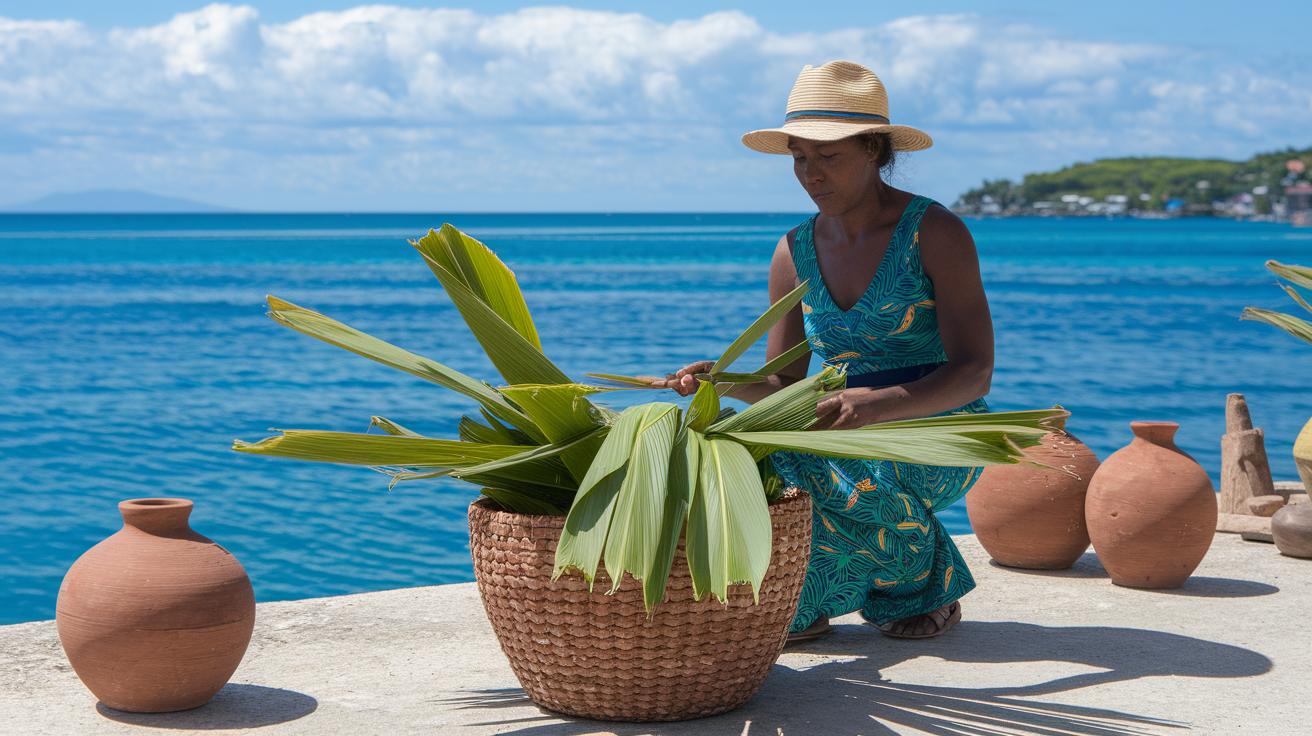
Traditional Caribbean crafts celebrate the lively spirit of the islands. They mix age-old local skills with techniques brought by African and European cultures. You can feel the island vibe in every handcrafted piece that’s been passed down in families and nourished by the natural beauty around them. Whether you wander through a busy seaside market or join a hands-on workshop with a local artisan, you’ll see how simple materials like banana leaves, clay, and even recycled ocean plastics can be transformed into something truly special. This magic happens across islands such as Saint Lucia, Dominica, Trinidad & Tobago, Barbados, Anguilla, Guadeloupe, and Martinique.
Local artisans use trusted methods to shape clay into pottery that mirrors nature’s soft curves and bright colors. Weaving turns natural fibers into everyday baskets and decorative pieces that feel both useful and charming. And when it comes to metalwork, recycled bits of metal are given a new life as jewelry and ornaments that reflect the region’s mix of cultural influences.
Below are six main craft styles you might come across:
- Pottery: Hand-shaped clay pieces made from local red and white clays.
- Weaving: Baskets, hats, and decorative items created from sisal, khus khus grass, or banana fibers.
- Metalwork: Unique jewelry and ornaments fashioned from reused oil drums and scrap steel.
- Basketry: Crafted from natural, renewable fibers that blend practical use with style.
- Textile art: Involving methods like batik dyeing and the creation of patterned fabrics.
- Jewelry: Pieces made from sea glass and coral beads that capture the gentle spirit of the sea.
Every craft tells a story of shared traditions and care for nature, offering you a small window into the joyful artistry that makes Caribbean culture so unique.
Historical Roots of Caribbean Island Handicrafts

Caribbean island handicrafts are a story of many generations coming together. Long ago, the Carib people began working with local materials, laying the foundation for skills in pottery and weaving. Over time, these methods mixed with African techniques and European ideas from the colonial era. For example, many potters still use hand-molding methods learned from West African traditions, often passing these skills from mother to daughter in coastal villages.
Weaving carries its own deep history, with patterns that echo traditional Carib basketry. In small, tight-knit communities, experienced artisans share their craft with the younger generation, keeping old techniques alive. Think about it, sitting with a local craftsperson and hearing how every line and curve tells a piece of history can feel truly magical.
These traditions aren’t frozen in time. Today, historic artistry meets everyday life as African influences and European methods blend to create unique, celebrated forms. Every handcrafted item, whether it’s a pot, a woven basket, or a beautifully designed fabric, offers a warm, tactile link to a cherished cultural heritage.
Signature Craft Traditions Across Key Caribbean Islands
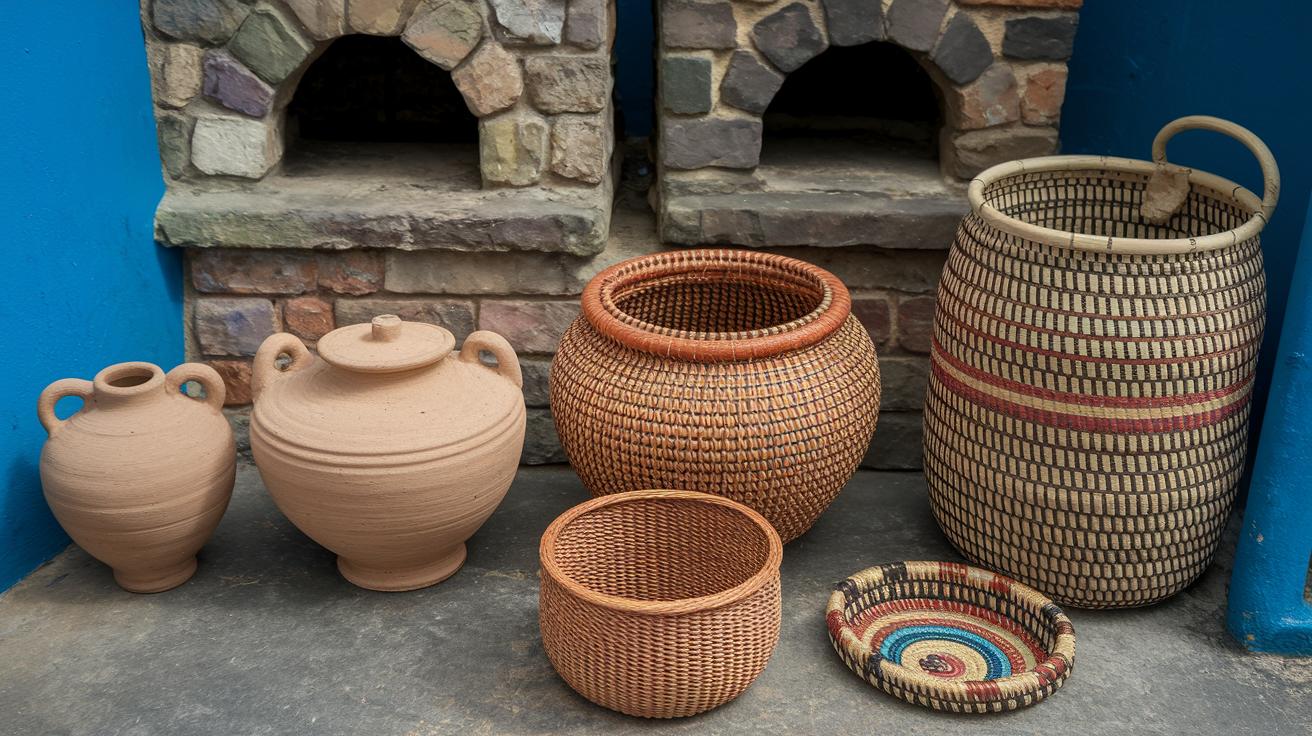
| Island | Craft Type | Materials | Distinctive Feature |
|---|---|---|---|
| Saint Lucia | Clay Pottery | Local red and white clays | Traditional kilns and hand-molding techniques |
| Dominica | Basketry & Hats | Banana fibers | Intricate weaving passed through generations |
| Trinidad & Tobago | Metal Jewelry | Recycled metal pieces | Forging and soldering combining diverse motifs |
| Barbados | Pottery & Basketry | Local clays and palm fibers | Wheel-thrown glazed pottery with floral designs |
| Anguilla | Basketry | Palm leaves | Hand-woven baskets with natural textures |
| Guadeloupe | Jewelry | Shells and driftwood | Creative use of coastal treasures |
| Martinique | Textile & Ceramic Art | Cotton for batik, local clays | Bold batik dye work and unique ceramic forms |
Traditional Caribbean crafts open a window into the heart and soul of island living. In Saint Lucia, you can feel the warmth of history as local artists shape clay using wood-fired kilns, a process that echoes the island’s natural beauty and clever use of local resources.
Down in Dominica, banana fiber baskets are crafted with care using weaving techniques passed down through generations. It’s like watching everyday materials transform into pieces of art that carry family stories and local heritage.
Over in Trinidad & Tobago, artisans turn recycled metal into stunning jewelry. They blend old-fashioned soldering with fresh design ideas, turning what might seem like scrap into something truly special. And in Barbados, vibrant wheel-thrown pottery and palm baskets mirror the island’s bright floral landscapes with every graceful curve.
In Anguilla, master weavers work magic with palm leaves to create baskets that are both useful and beautiful. Meanwhile, Guadeloupe brings a coastal twist by turning shells and driftwood into unique jewelry pieces that remind you of the sea’s treasures. Martinique bursts with creativity too, its batik textiles and one-of-a-kind ceramics capture the lively spirit and natural charm of the island.
Every one of these crafts is a living story. They connect locals and visitors alike, inviting everyone to experience the touch and feel of Caribbean creativity and the enduring spirit of the islands.
Materials and Techniques in Handmade Tropical Art
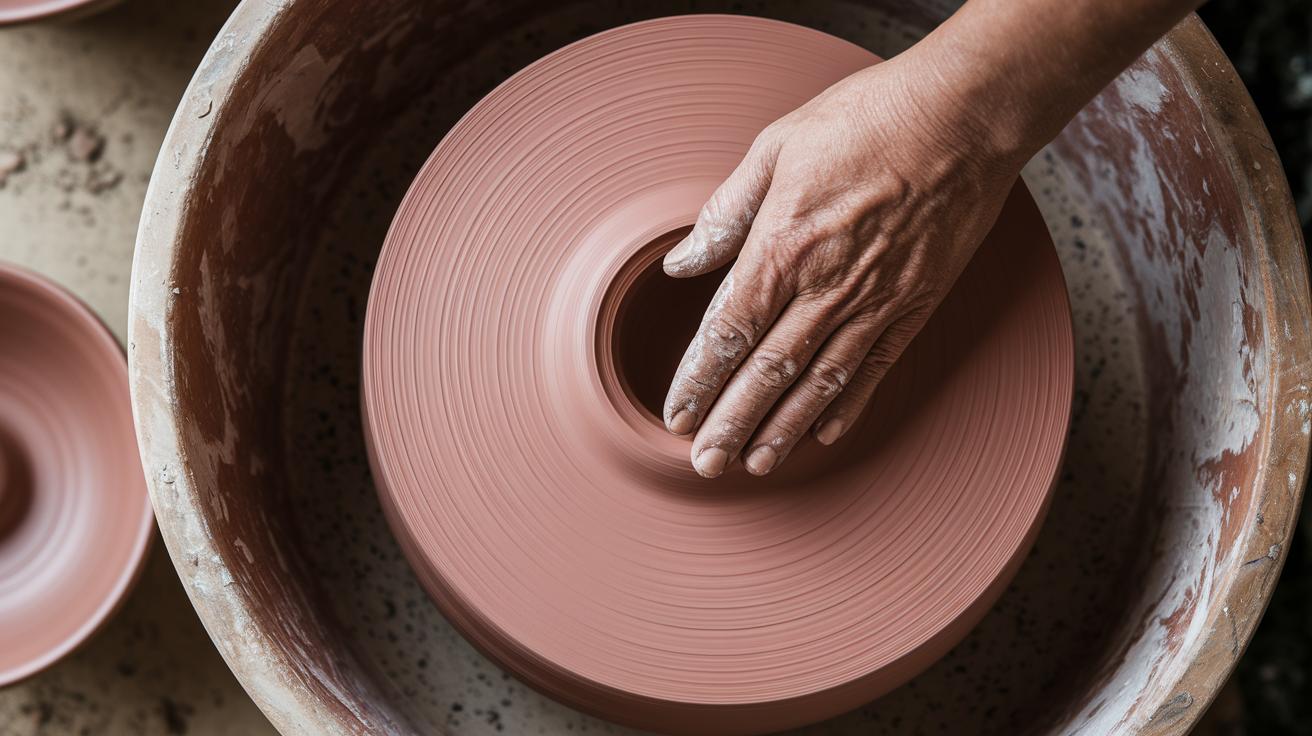
Caribbean artisans have a special knack for turning everyday materials into beautiful works of art. They use local resources that you can feel and see in every piece they create. For instance, potters mix red and white clay found locally to shape their unique ceramics. They fire these creations in wood-fueled kilns, a timeless method that helps capture the soft, earthy colors of the region.
Weavers, too, embrace age-old traditions by combining sisal, khus khus grass, screw pine, and banana leaves. They follow techniques passed down from their elders, crafting baskets, hats, and eye-catching decor that feel both warm and meaningful. It’s like weaving a story of the island into every fiber.
Then we have the metalworkers, who take old oil drums and scrap steel and turn them into one-of-a-kind ornaments and useful items. Batik dyers also bring their creative spirit into play by using natural dyes and a special wax-resist method on cotton. The result is textiles rich with the vibrant colors of the tropics.
Other artists bring their own magic to the craft. Some polish sea glass and conch shells into delicate accents that remind you of a peaceful seaside day. Meanwhile, mahogany carvers work with native wood to shape figures that echo tales of the past. Each method is a blend of creativity and love for nature, keeping the true spirit of Caribbean traditions alive.
Profiles of Contemporary Caribbean Artisans
In La Pointe, St. Lucia, young potters begin learning the craft around age 15 with the warm help of their mothers. Picture a teen carefully shaping clay while her mom shares time-tested techniques, every piece echoing a cherished family memory.
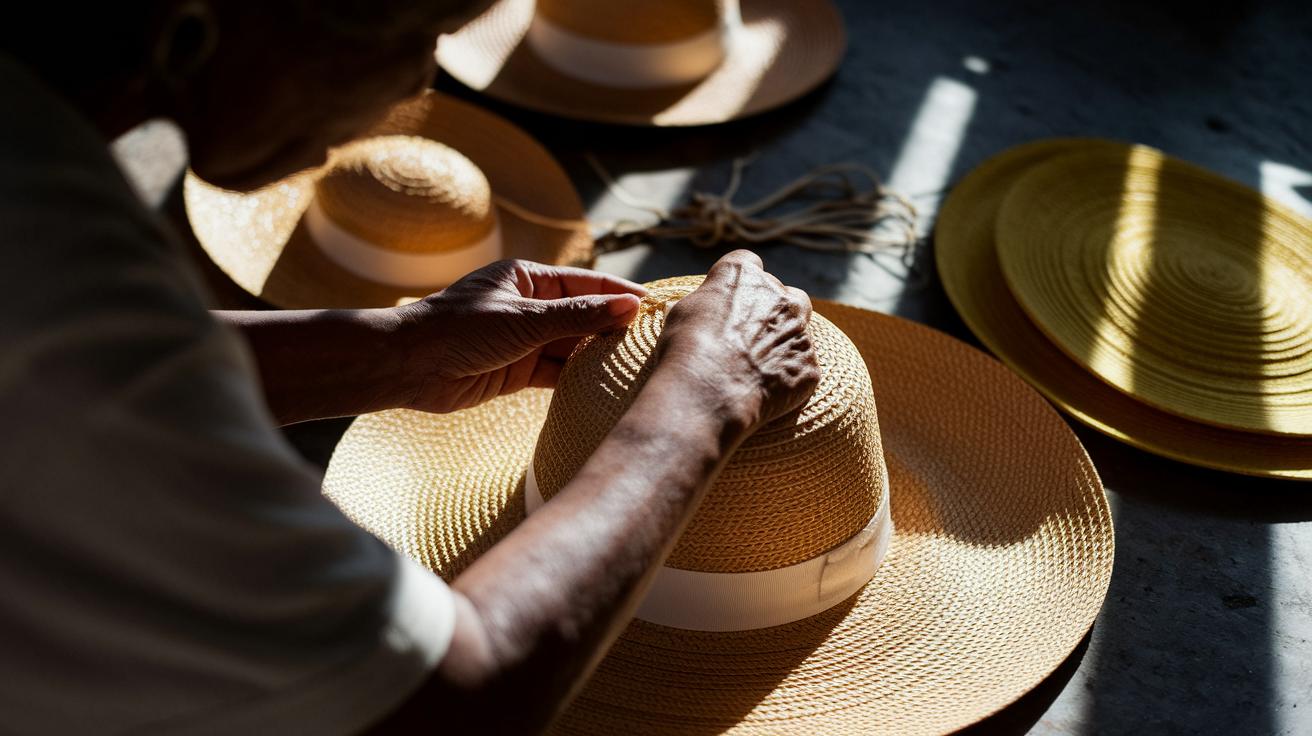
Over in Dominica, family-run studios keep the art of banana-fiber weaving alive. Imagine a cozy workshop where a grandmother patiently teaches her granddaughter the tricks to craft detailed hats and baskets. One local even says, "Every weave feels like the heartbeat of our island."
Down in Trinidad, small groups of friends work together to create metal jewelry that beautifully blends Indian filigree with African-inspired designs. Their crafts sparkle with pride, and one artisan mentioned, "Every time I solder, I’m weaving our diverse heritage into the design."
In Guadeloupe, shell artists join forces in village cooperatives, turning naturally found shells into bright and lively decor that echoes coastal life. And in Martinique, batik dyers carefully preserve age-old patterns in their workshops, applying a wax-resist method much like painting treasured memories on fabric.
All these stories show how each artist adds their personal touch to a shared island tradition, celebrating a living legacy of indigenous craftsmanship.
Where to Find and Purchase Authentic Crafts in the Caribbean

Community markets and waterfront bazaars are great spots to begin your journey into Caribbean craft traditions. Picture bustling stalls filled with the warm scents of the sea and the lively chatter of local vendors. You can find handwoven baskets, special pottery, and many other handmade treasures that reflect the island's vibrant culture. And if you’re curious for a guided tour, check out the Caribbean Local Markets and Bazaars Travel Guide, it’s like having a local friend share the stories behind each beautiful piece.
Next, wander into museum gift shops in places like Barbados and Guadeloupe. These shops display carefully chosen items that echo time-honored island traditions and rich cultural history. Around craft festivals in Dominica and Martinique, you'll see live demonstrations where artisans show you how each item is made, watching them work is like catching a glimpse of magic in motion.
For those who love the comfort of home, online cooperatives connect you with certified artisan groups. It’s easy to order genuine crafts without leaving your couch. And then on St. Lucia, boutique galleries highlight premium creations, from hand-thrown pottery to intricately woven baskets, that capture the true island spirit.
Each of these venues gives you a unique way to experience the craft culture of the Caribbean, making every purchase feel like a personal piece of the islands’ joyful artistry.
DIY and Workshop Opportunities for Craft Enthusiasts
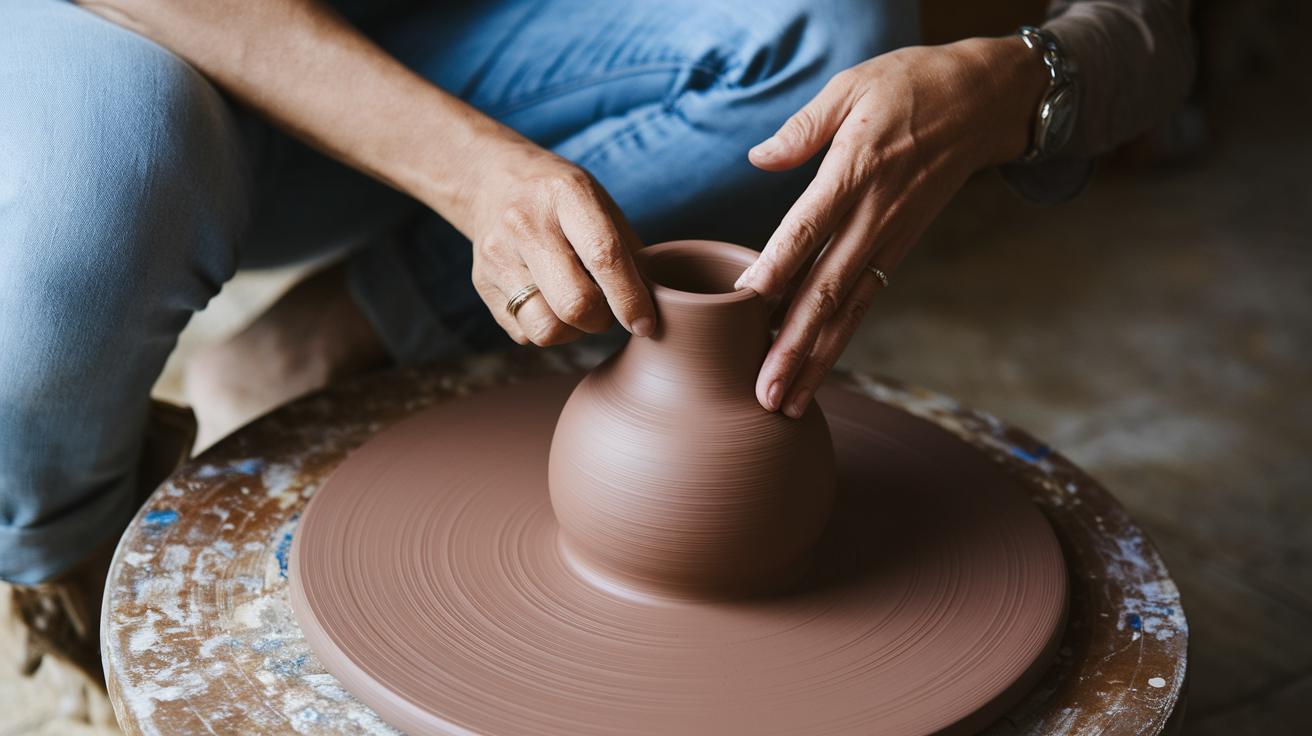
Island life invites you to roll up your sleeves and discover the heart of Caribbean crafts in person. In St. Lucia, you can join a half-day pottery lesson that shows you how to shape red and white clays by hand. Imagine the soft clay squishing between your fingers as a friendly potter guides you step by step, each touch connecting you to the island's vibrant past.
Over in Dominica, local weavers host casual banana-fiber hat tutorials. You get to work with natural fibers, following easy, clear directions that turn the process into a fun little adventure. And in Trinidad, local jewelers offer weekend workshops where you learn simple metal forging techniques. One artisan even remarked that every gentle strike of the hammer feels like you're shaping a piece of history.
In Martinique, you can join batik sessions that let you play with guided dye techniques and create textiles with patterns that are all your own. And if you happen to be far away, virtual classes bring these immersive, hands-on craft experiences to you, connecting you with talented Caribbean artisans from anywhere in the world.
Sustainability and Preservation of Timeless Craft Techniques
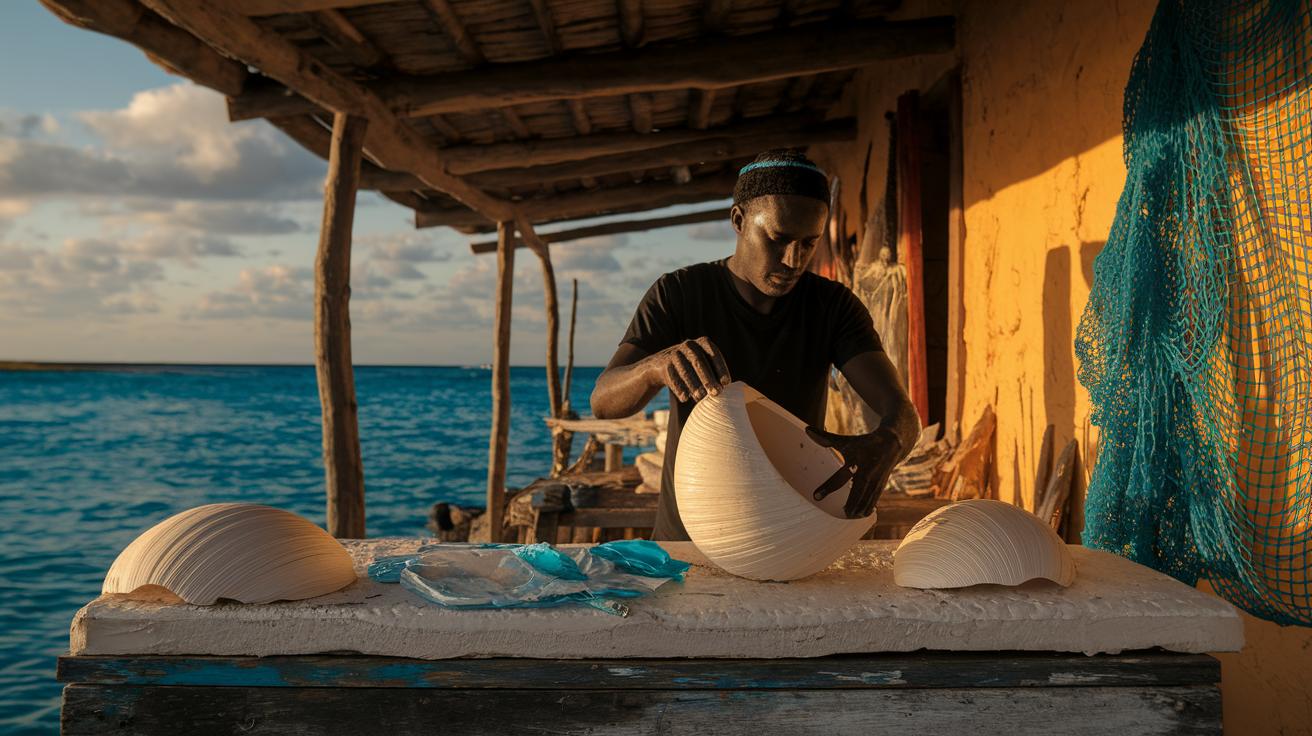
Caribbean makers really know how to mix caring for nature with keeping age-old traditions alive. Many local artisans find creative ways to reuse ocean plastics and coconut shells. Imagine a friendly potter saying, "Every bit of plastic and coconut shell becomes a tale of strength and beauty." These eco-friendly methods not only help reduce waste, they also add fresh life to crafts that have been handed down for generations.
Next, there’s a cool project called SARSEA, which started on October 28, 2025. They collect sargassum (a type of seaweed found on beaches) to turn into handmade baskets. This project brings local communities together and supports art that respects both tradition and the environment. As our climate changes and tourist interests shift, local craft teams are blending recycled materials with classic techniques. This mix helps keep the old ways safe for the future.
By using eco-smart ideas alongside a deep respect for their heritage, Caribbean artisans create works that celebrate both cultural history and nature. It's a refreshing reminder that modern life can honor the past without harming our beautiful planet.
Final Words
In the action, we explored the rich layers of Caribbean craft traditions. We shared insights from local makers, from pottery to woven hats, highlighting the people and processes behind these fantastic creations. The blog walked you through hands-on workshops, sustainable practices, and spots to pick up authentic pieces. It was all about celebrating traditional caribbean crafts in a way that feels personal and meaningful. The warmth of these stories reminds us that every piece carries a bit of the Caribbean spirit. Enjoy your next craft-filled adventure!
FAQ
Q: What are some traditional Caribbean crafts for kids and preschoolers?
A: The question points to crafts that are easy and fun for little ones, often using natural materials like banana leaves, clay, and shells to introduce children to island customs in playful, hands-on ways.
Q: What does Caribbean art history reveal about artists and art projects in the region?
A: The question shows that Caribbean art history features a blend of local and imported techniques. Local artists use folk art, pottery, and weaving to honor generations and turn common materials into vibrant works.
Q: What crafts are traditionally Jamaican?
A: The question explains that traditional Jamaican crafts involve handmade works created from natural resources like wood, clay, and fibers. Jamaican artisans typically produce basketry, pottery, and woven textiles that echo the island’s culture.
Q: What are some Caribbean traditions?
A: The question suggests that Caribbean traditions include a rich mix of local music, dance, and handcrafted art. Islanders keep cultural customs alive through storytelling, community workshops, and hands-on crafting methods.
Q: What is the most well-known art form in the Caribbean region?
A: The question implies that the signature art form is folk art, with expressive handmade pottery, weaving, and wood carving that embody the creative and lively spirit unique to the islands.
Q: What are examples of Indigenous crafts?
A: The question indicates that Indigenous crafts feature items made from local natural materials such as banana leaves, clay, shells, and fibers. Traditional techniques passed down within communities help keep these practices alive.
