Ever wonder if the Caribbean hides the best windsurfing spot for you? Picture yourself gliding over bright blue waters with a friendly breeze pushing you along. In this guide, I’ll share some islands where beginners can enjoy calm lagoon rides while seasoned windsurfers chase faster, playful winds along sandy shores. Down here, the islands blend safe, welcoming spots with a dash of excitement so that every board turn feels like a warm, sunlit celebration.
Windsurfing in the Caribbean: Top Island Destinations
Imagine the Caribbean as your playground for windsurfing, a place where gentle trade winds (steady air that makes sailing fun) whisper at just the right speed all year long. The warm water, keeping a cozy 25 to 28 °C, feels like a big, welcoming hug whether you’re just starting out or already know your way around a board.
Bonaire is pure bliss for beginners with calm lagoon breezes that let you glide without worry. Then there’s Cabarete in the Dominican Republic, where the wind picks up to 20–30 knots, creating a flat-water beach break that helps build your confidence step by step.
If you’re looking for a little challenge, Aruba mixes reef-break waves with wind speeds of 15–20 knots, stirring up an exciting ride. And for those who prefer softer, quieter vibes, Turks and Caicos offers gentle, sandbar-driven chop at 10–15 knots, perfect for learners trying their skills.
Guadeloupe wraps things up with a secured lagoon that breezes in at 20–25 knots, giving you both safety and a bit of thrill. Each island brings its own flavor, whether you’re into a consistent gentle breeze or a surfer’s splash in reef-break waves, there’s a spot that perfectly fits your style. Next, you’ll find detailed profiles that help you pick the best windsurfing spot for your next adventure.
Seasonal Trade Winds and Ideal Months for Windsurfing
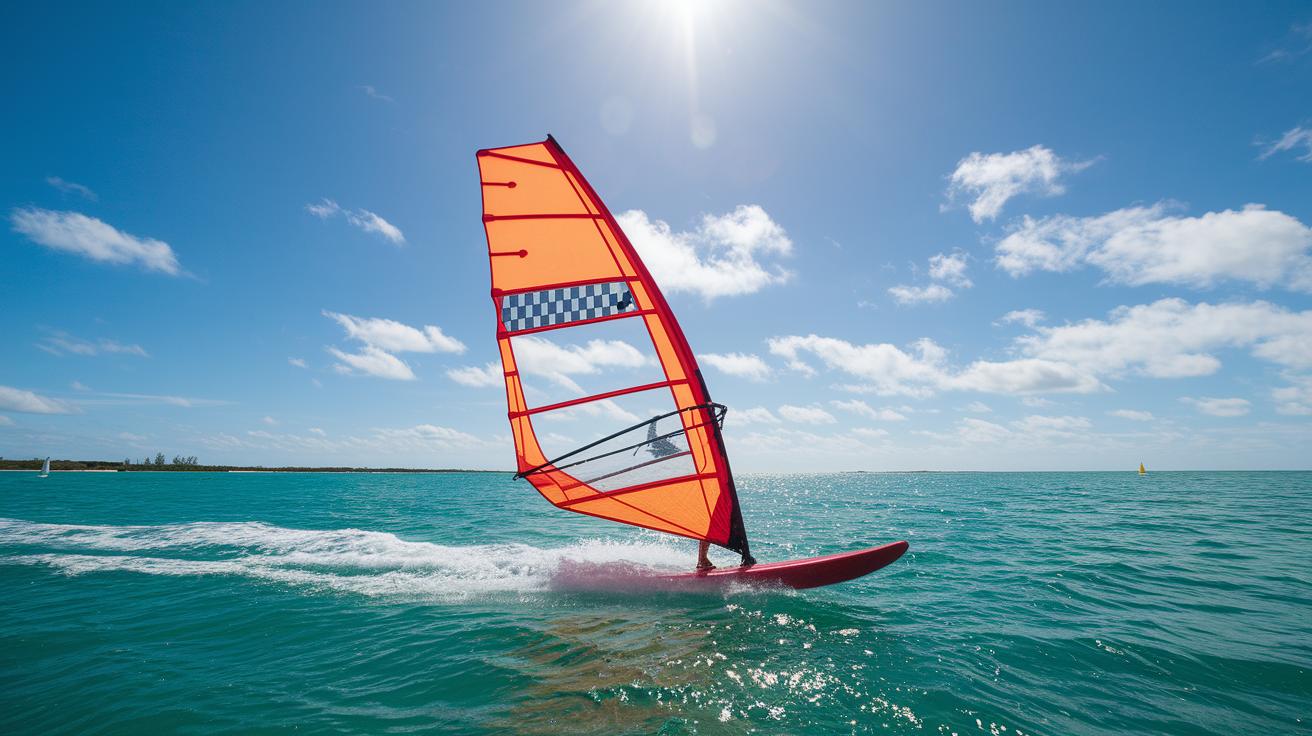
The Caribbean gets a steady breeze from the northeast all year long, usually blowing around 15 to 25 knots. This natural wind makes it a fun and friendly spot for windsurfing, giving off a playful yet reliable vibe. Plus, the water stays warm, about 25 to 28 °C, so whether you're just starting or already a pro, you'll have a smooth ride feeling the cool ocean spray and the gentle push of the wind.
From mid-December to mid-April, you'll notice the winds picking up to 20 to 30 knots, creating a lively scene perfect for high-energy sessions. On the other hand, during the summer months from June to August, the winds calm down to around 10 to 15 knots. This is especially great for new windsurfers who want to build their skills at a more relaxed pace. For more details on the wind patterns, check out the Caribbean island weather guide at https://caribiana.com?p=1385. Whether you’re after some adrenaline or a chill learning experience, choosing the right time really makes your windsurfing adventure a blast.
Caribbean Windsurfing Spot Profiles
If windsurfing excites you, finding the right spot is all about matching the wind, water, and your skill level. Think of it like crafting your favorite tropical smoothie: you start with a steady wind, mix in some calm water, and add just enough experience to make it perfect.
| Island | Spot | Wind Range (knots) | Water Type | Skill Level | Best Months |
|---|---|---|---|---|---|
| Cabarete (Dominican Republic) | Cabarete | 20–30 | Flat-water beach break | Beginner to expert | Dec–Apr |
| Bonaire (Kralendijk) | Bonaire | 15–25 | Shallow lagoon | Beginner to intermediate | Year-round |
| Aruba (Fisherman’s Huts) | Aruba | 15–20 | Reef break | Intermediate to expert | Jan–Jun |
| Turks and Caicos (Long Bay) | Long Bay | 10–15 | Sandbar-driven conditions | Beginner to intermediate | Nov–Feb |
| Guadeloupe (Lamentin Lagoon) | Guadeloupe | 20–25 | Protected basin | All skill levels | Dec–Apr |
Choose the spot that fits your skills and wind wishes, and get set for an amazing windsurfing adventure.
Windsurfing Schools and Gear Rental Options
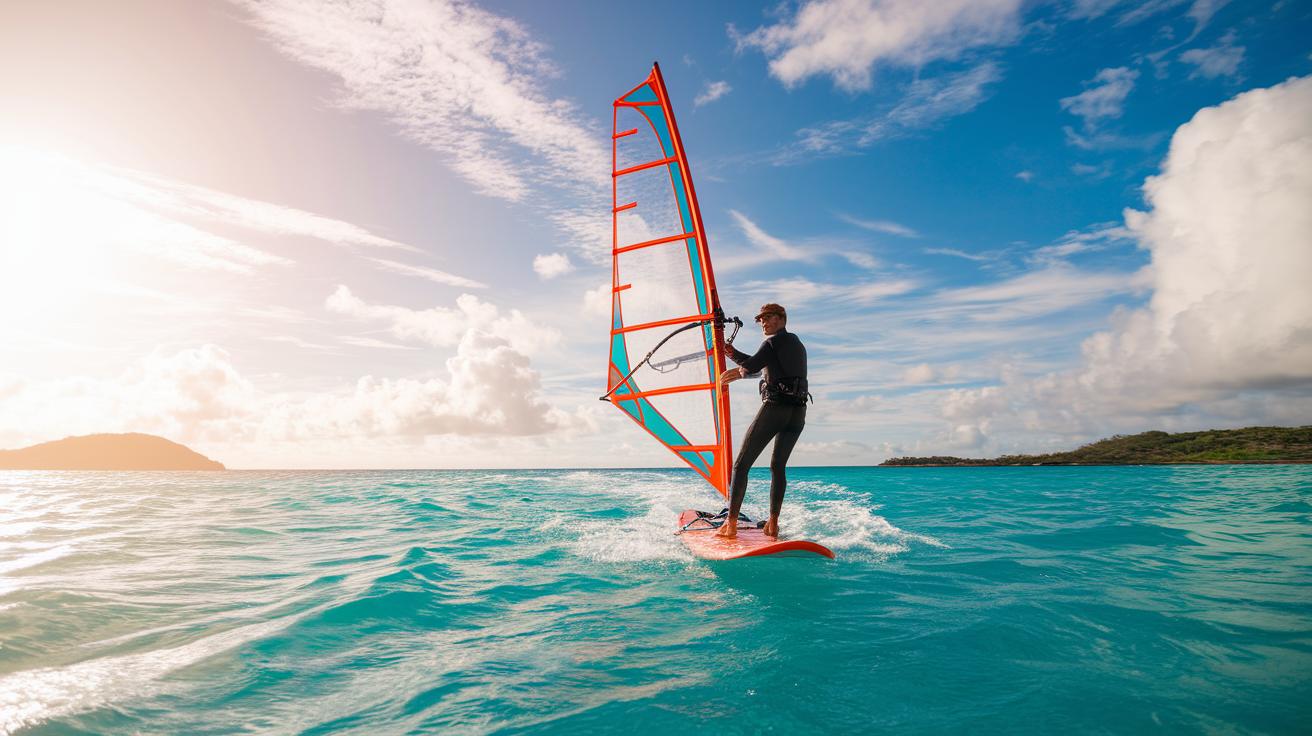
Caribbean islands are full of lively windsurfing schools and rental spots that bring you right into the surf. In hot spots like Cabarete, Bonaire, Aruba, and Turks and Caicos, you can easily book a guided lesson or rent a board to start riding the waves. The local experts here offer friendly, laid-back help for everyone, from first-timers to seasoned surfers. You really feel the island vibe as you learn and have fun.
In Cabarete, you’ll find over 10 windsurfing schools. Group lessons are around $70 per day, while private coaching goes for about $120 per day. Bonaire has a few centers near its calm lagoon with board rentals costing about $60 per day. Over in Aruba, you’ll get a board rental for roughly $50 per day at two main rental spots. Meanwhile, Turks and Caicos has a provider in Providenciales who rents boards for about $65 per day and offers lessons for around $100 per day. All these options are set up to help you build your skills with easy-to-follow guidance and clear certification of progress.
| Location | Group Lesson Price | Private Lesson Price | Board Rental Price |
|---|---|---|---|
| Cabarete | $70/day | $120/day | N/A |
| Bonaire | N/A | N/A | $60/day |
| Aruba | N/A | N/A | $50/day |
| Turks and Caicos | N/A | $100/day | $65/day |
It’s a good idea to book your lesson or rental ahead of time, especially when the winds pick up. Reserving early not only helps you lock in the best rates but also saves you from any last-minute stress. Whether you decide on a group session or a private lesson, planning ahead means more time enjoying the water and fewer worries about logistics. Get ready to ride the perfect Caribbean waves and create memories that will last a lifetime!
Caribbean islands for windsurfing: Bright Blue Bliss
Staying in the Caribbean while windsurfing truly feels like a mini-vacation every day. In Cabarete, you can book beachfront hotels for about $80 to $120 a night, so you're steps away from the water and a chilled-out vibe. Over in Bonaire, eco-lodges near the national park run about $150 to $200 per night, putting you right in the heart of nature. And if you’re looking to save a little, cozy Airbnb rooms start at just $70 a night, offering that local feel without stretching your budget.
Traveling between islands is part of the fun, too. A flight from Miami to Santo Domingo only takes around three hours, meaning you can hop from one island to another with ease. Car rentals run at approximately $35 a day, giving you the freedom to explore secret coastal spots at your own pace. Plus, an hour-long ferry ride between Aruba and Curaçao costs roughly $50 one way, adding a scenic twist to your adventure.
Mixing smart lodging choices with easy travel plans is like putting together your own tropical postcard. Each detail matters, from a snug room near the waves to a short flight or ferry that gets you out on the water sooner. This way, you spend less time organizing and more time enjoying the cool Caribbean breeze. It all adds up to more smiles and even more moments riding the wind and waves.
Caribbean islands for windsurfing: Bright Blue Bliss
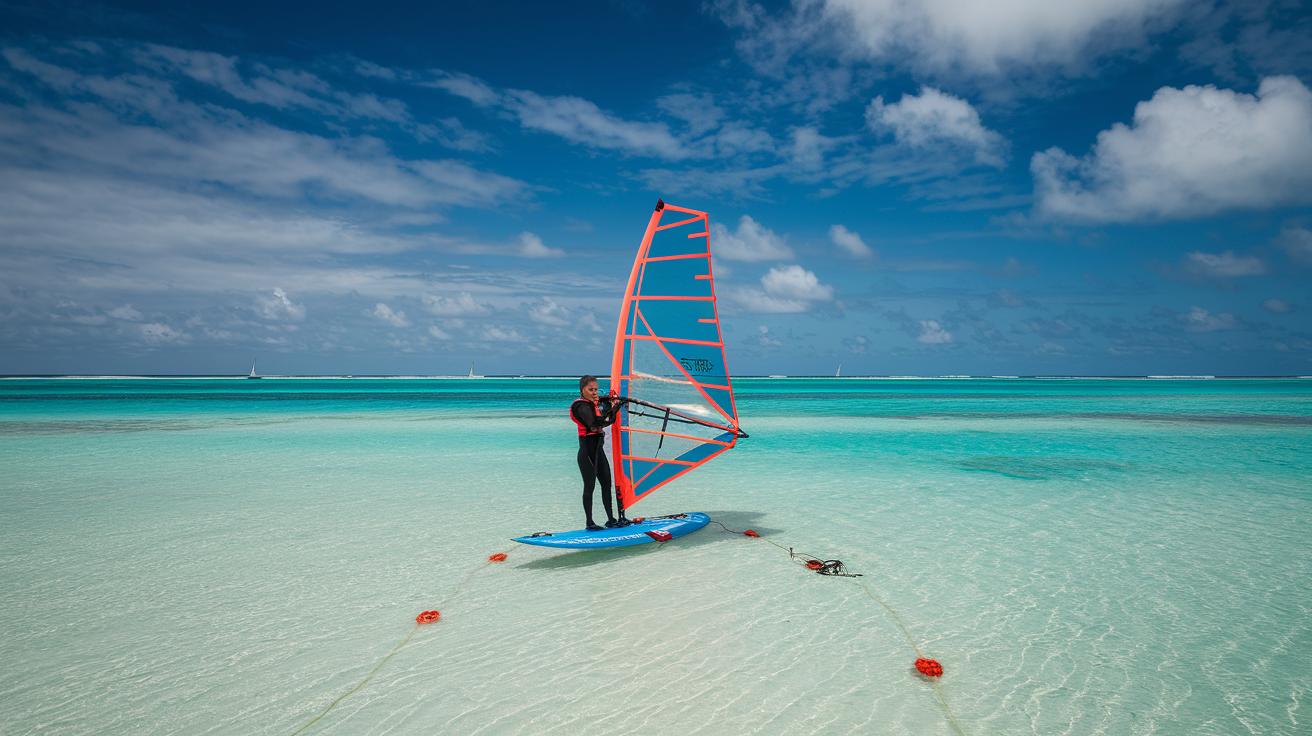
Before setting out, make sure to check the weather and pack the right safety gear. Life vests are a must in most spots so you stay safe on the water. A quick peek at local buoy warnings and tide reports can help you dodge any surprises. Think of it as your go-to checklist for a fun and secure windsurfing day in the Caribbean.
In Bonaire, you'll need a National Marine Park permit, which costs $45 a year. Over in Cabarete, Dominican Republic, strict no-anchoring zones protect the reefs, and Aruba marks off special windsurfing areas to keep things organized and safe. These rules are all about keeping both nature and visitors safe while you catch the wind.
Always have local emergency contacts ready and know the local safety steps. Windsurfing schools and local tour operators usually post emergency numbers, so save them on your phone. And speaking of phones, make sure yours is charged. Staying informed can make all the difference between smooth sailing on the water and a day with unexpected challenges.
Final Words
in the action from lively Caribbean trade winds to calm, warm waters, you've seen how each island brings its own flavor to windsurfing. We explored top spots, wind conditions, local instruction, and even tips for smooth planning. The advice here makes it easier to schedule your trip without stress, all while soaking up local culture. Embrace the waves with confidence, and let your spirit soar on each ride. Get ready to experience the Caribbean islands for windsurfing and create memories that last a lifetime.
FAQ
Q: Why is the Caribbean ideal for windsurfing?
A: The Caribbean is ideal for windsurfing because its steady trade winds, warm water (25–28 °C), and clear conditions offer an enjoyable experience for all skill levels.
Q: What makes islands like Bonaire, Cabarete, Aruba, Turks and Caicos, and Guadeloupe top windsurfing spots?
A: These islands stand out for their unique wind speeds and water types—from Bonaire’s lagoon breezes to Cabarete’s flat-water beach break—catering to beginners, intermediates, and experts alike.
Q: When is the best time to windsurf in the Caribbean?
A: The best time to windsurf in the Caribbean is from mid-December to mid-April with wind speeds of 20–30 knots, while a lighter wind period from June to August suits learners.
Q: How can windsurfers access schools and gear rental options in the Caribbean?
A: Windsurfers can easily access schools and gear rentals on islands like Cabarete, Bonaire, and Aruba, with daily lesson rates ranging from approximately $70 to private sessions of $120 and board rentals starting around $50.
Q: How should travelers plan accommodations and logistics for a Caribbean windsurfing trip?
A: Travelers find various lodging options—from beachfront hotels and eco-lodges to Airbnbs—and convenient travel routes like short flights, car rentals, or ferries, making it simple to mix windsurfing with a relaxing stay.
Q: What safety measures and permits should windsurfers be aware of when riding in the Caribbean?
A: Windsurfers should wear life vests, check local weather and buoy warnings, and follow permit rules such as Bonaire’s marine park permit, while observing designated windsurfing zones for a safe experience.
