Have you ever noticed that the Caribbean might surprise you with more than just sunny beaches and warm sands? Over 700 islands hide little natural treasures just waiting to be explored.
Imagine taking a stroll through a rainforest, hearing the soft calls of tropical birds, and catching a glimpse of animals in their own peaceful spaces. Each island has its own story, with winding trails and unexpected moments that make you feel truly alive.
This story shows you how every island can offer pure nature bliss. So if you’re ready to see the unique charm of Caribbean wildlife up close, get set for an adventure that touches your heart.
Caribbean islands for wildlife spotting: Pure Nature Joy
Caribbean islands let you dive into a true nature adventure. With more than 700 islands, every spot has its own charm and surprises waiting around the corner. In the Eastern Caribbean, picture wandering through lush rainforests where every step seems to whisper a story. Take Dominica, for example – 65% of this island is covered in tropical forest, and its 300 miles of hiking trails are like paths to hidden worlds where colorful parrots and native mammals play hide and seek. Imagine a quiet trail where each rustle of leaves might reveal a secret parrot family.
Then there’s Grenada, which mixes eco-friendly retreats with rare local birds, making every visit feel special. And over in Montserrat, you get the best of both worlds with nine rainforest trails paired with the thrill of coastal scuba diving. It’s like enjoying a peaceful jungle walk, and then switching to an underwater adventure.
Heading west into the Caribbean, Isla de la Juventud in Cuba is a must-see. This island is known for its rare Cuban Crocodile and enchanting caves at Playa Paraíso, where ancient art lingers in cool shadows. In Mexico, Isla Holbox offers unforgettable moments when whale sharks glide by and flamingos add a touch of magic during their seasonal visits. And in Belize, South Water Caye opens up to the magnificent underwater world of the world’s second-largest coral barrier, bursting with vibrant marine life.
Down in the Southern Caribbean, Aruba’s steady weather invites migratory birds to stop by, perfect for a relaxed bird watching walk. Meanwhile, Curaçao’s St. Christoffel National Park and nearby sea turtle nesting grounds create a serene backdrop where nature takes center stage.
| Island | Region | Notable Wildlife | Recommended Activity |
|---|---|---|---|
| Dominica | Eastern | Tropical birds, mammals | Hiking through rainforest trails |
| Grenada | Eastern | Endemic birds | Visiting eco-resorts |
| Montserrat | Eastern | Native wildlife | Rainforest walking and scuba diving |
| Isla de la Juventud | Western | Cuban Crocodile | Cave exploring at Playa Paraíso |
| Isla Holbox | Western | Whale sharks, flamingos | Wildlife spotting tours |
| South Water Caye | Western | Coral reef species | Snorkeling adventures |
| Aruba | Southern | Migratory birds | Bird watching walks |
| Curaçao | Southern | Sea turtles | National park exploring |
Each island offers a slice of Caribbean magic, making them perfect spots for creating lifelong travel memories. Enjoy the journey and let nature show you its colorful side.
Caribbean Islands for Wildlife Spotting: Terrestrial Encounters
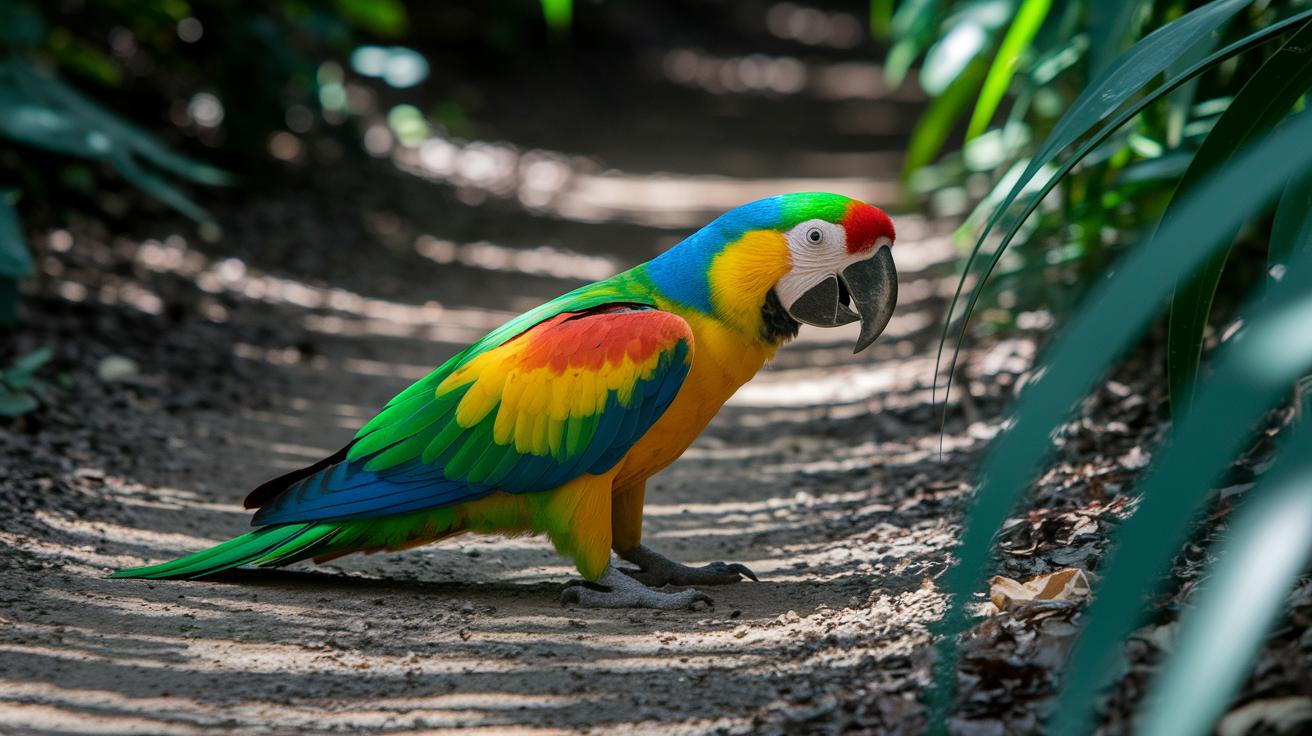
On Dominica, shaded trails invite you to enjoy the rich sounds and sights of nature. As you wander under the leafy canopy, keep an eye out for the Sisserou Parrot. This vibrant bird dances among the treetops, filling your walk with unexpected bursts of color.
Over in the Dominican Republic, wildlife tours add a fresh twist to your adventure. You can join a bird-watching group to spot lively Palmchats or opt for a reptile tour. These tours reveal unique species like the Rhinoceros Iguana, a reptile with a bold look, and the Hispaniolan Hutia, a native creature that rarely makes an appearance.
Then, in Isla de la Juventud, Cuba, you might find a quiet moment near the historic Playa Paraíso. Here, the rare Cuban Crocodile makes a subtle show, adding another layer to the island's rich cultural story.
Caribbean Islands for Wildlife Spotting: Marine Encounters
In the sun-soaked Caribbean, the inviting blue sea welcomes you to uncover its underwater wonders. Picture yourself skimming over thriving coral gardens where colorful fish flit about like nature’s confetti. Whether you're into diving deep, snorkeling with sea life, or hopping on a marine mammal cruise, these islands offer amazing encounters with nature.
Head to South Water Caye in Belize and you’re right next to one of the largest coral barriers on the planet. It’s a setting that makes you feel like you’ve landed straight in an underwater paradise. Over near Roatán, secret caves and lively coral patches beckon curious divers to dive into hidden realms beneath the waves. In Curaçao’s Shete Boka National Park, where sea turtles make their home, you can witness these gentle creatures doing what they do best. Montserrat’s unique volcanic reef shapes create a playground that excites both beginners and veteran divers, while off the shores of Culebra in Puerto Rico, crystal-clear waters and towering coral walls set the stage for an unforgettable snorkeling trip.
- Snorkel along the Belize Barrier Reef at South Water Caye (Caribbean snorkeling tours are available)
- Swim with sea turtles in Curaçao’s Shete Boka
- Explore mysterious underwater caves off Roatán
- Drift over 60-foot coral walls at Culebra
- Dive the volcanic reef slopes around Montserrat
Caribbean Islands for Wildlife Spotting: Bird Watching Destinations
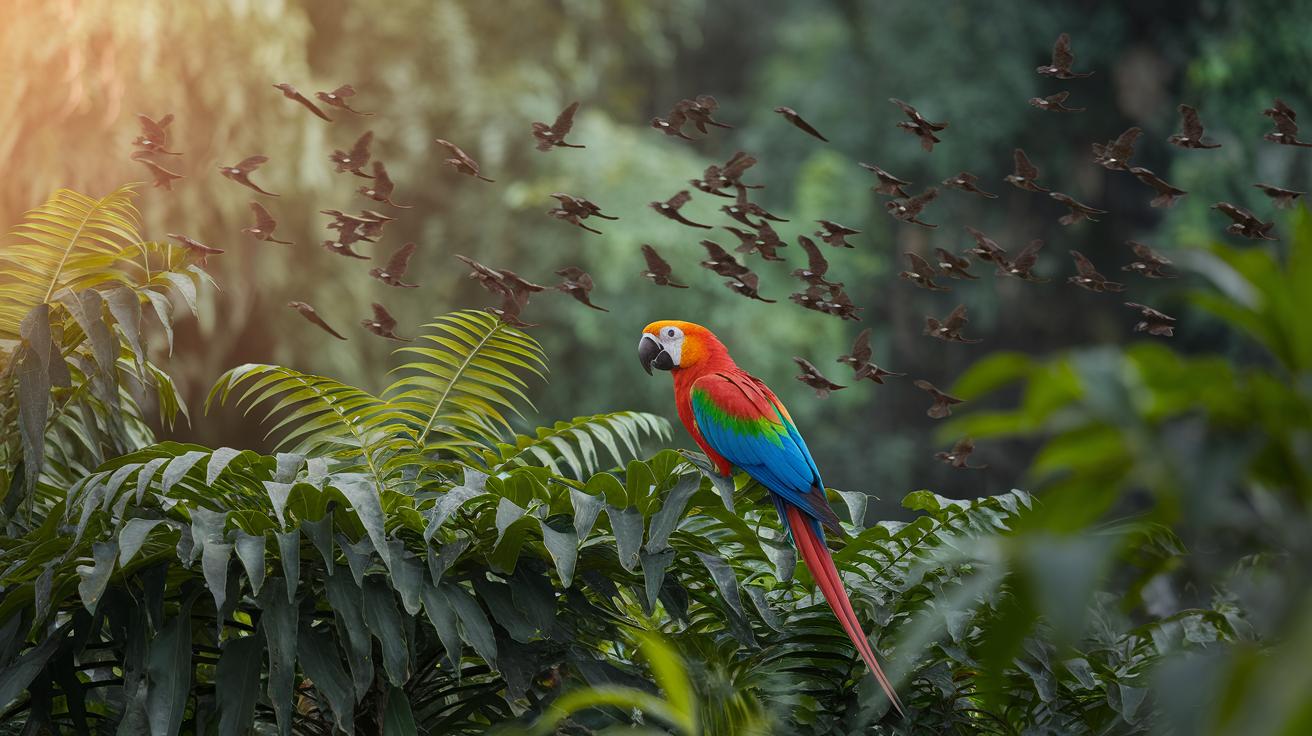
In the Dominican Republic, the Pico Duarte forests come alive with vibrant Palmchat flocks and the unique Sisserou Parrot. These birds add bright splashes of color to the deep green canopy, almost like nature putting on its own private show. Imagine wandering along and suddenly catching sight of a Sisserou Parrot popping out between the trees, it turns a simple walk into a delightful surprise.
Then, over in the Grenadines, you'll find peaceful little islands that make a perfect setting for bird watching adventures. Quiet, untouched beaches are dotted with nesting seabirds and shorebirds native to the area. Picture joining a guided tour where every soft rustle of the wind suggests that these rare birds are just around the corner, inviting you to take a closer look.
And on the island of Saba, rugged coastal cliffs provide the ideal spot for breeding noddies and tropicbirds. Their gentle calls and elegant flights create a natural melody that can captivate anyone watching. A guided excursion here gives you the chance to see these marvelous birds in their natural world, leaving you with memories of pure, unspoiled nature joy.
Planning Sustainable Wildlife Trips to Caribbean Islands
When you're dreaming of a gentle wildlife adventure in the Caribbean, start by choosing eco-certified places to stay and tours that care for the environment. In Grenada, you can find eco-resorts that mix comfy lodging with efforts like tree planting and bird-friendly projects. Look for spots that help nature thrive.
Over in Saba, small gems like El Momo Cottages show their care with eco-certifications that prove they work hard to protect the local land and sea. And in Maria-Galante, Guadeloupe, the whole community gets involved with conservation, preserving both its culture and natural beauty for a truly sincere getaway.
Next, why not get a hands-on feel for conservation? Antigua offers fun volunteer chances like helping at mangrove restoration sites and coral nurseries. These experiences let you join nature’s healing process in a friendly, down-to-earth way.
Always chat with tour guides about how they care for the environment. For instance, some eco adventure tour groups make sure every activity leaves only a tiny footprint. They even share detailed eco guidelines so you know your trip is making a little difference.
By picking community-run tours and eco-certified stays, you not only get a closer look at nature’s wonders but also play a small part in protecting the Caribbean for years to come.
Seasonal Insights for Caribbean Wildlife Spotting
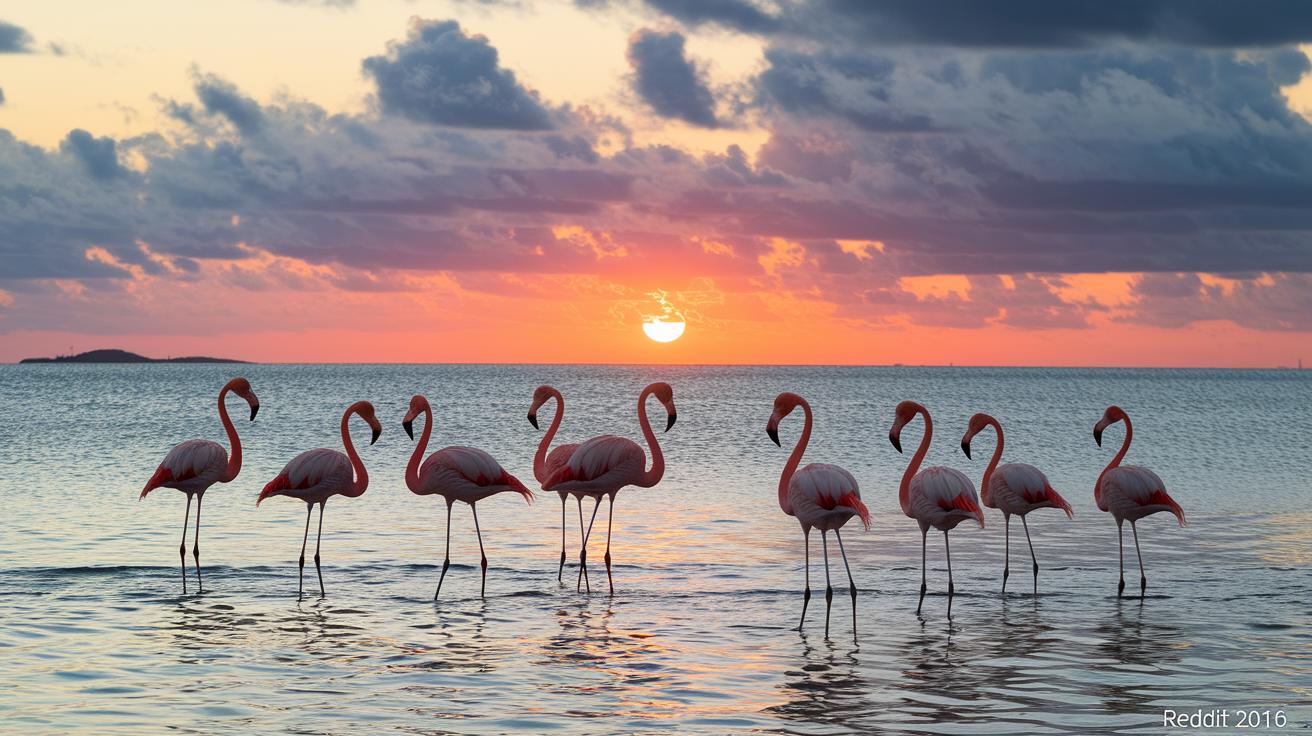
Winter in the Caribbean is like a burst of bright colors from December through February. In Aruba, you can spot winter visitors like flamingos lighting up the scene, while at South Water Caye, reef fish kick off lively spawning displays that feel almost like a secret underwater party.
Come spring, from March to May, everything changes. Curaçao’s salty shores become a playful stage where baby sea turtles take their first wobbly steps. Over in the Dominican Republic, migratory shorebirds fill the air with cheerful chirps, turning the coast into a natural open-air aviary.
During summer, from June to August, the waters in Montserrat are some of the clearest you’ll ever see if you love diving. Meanwhile, on Saba, busy seabird rookeries add a gentle, rhythmic soundtrack to the warm days.
As fall rolls in from September to November, Isla Holbox draws in large, graceful whale sharks that glide by like gentle giants. In the Dominican Republic’s forests, you might even catch a glimpse of Rhinoceros Iguanas, adding a surprising twist to a peaceful woodland stroll.
Timing your trip with nature’s cycles means you get a unique show each season, with every visit offering a fresh taste of the Caribbean’s wild spirit.
| Season | Key Wildlife | Recommended Island |
|---|---|---|
| Winter (Dec–Feb) | Flamingos, Reef Fish Spawning | Aruba / South Water Caye |
| Spring (Mar–May) | Hatching Sea Turtles, Shorebirds | Curaçao / Dominican Republic |
| Summer (Jun–Aug) | Peak Dive Visibility, Seabird Rookeries | Montserrat / Saba |
| Fall (Sep–Nov) | Whale Shark Aggregations, Rhinoceros Iguana | Isla Holbox / Dominican Republic |
Final Words
In the action, this article took you on a whirlwind tour of Caribbean islands for wildlife spotting, highlighting lush rainforests, vibrant coral reefs, and scenic bird-watching spots. We explored top regions, shared eco-friendly tips, and revealed the best seasonal insights to catch those unique animal encounters. Each section brought a slice of true island life, complete with practical advice for stress-free trips. Enjoy every moment of your Caribbean escape with unforgettable wildlife experiences and a spirit of sustainable travel.
FAQ
Frequently Asked Questions
What are the best Caribbean islands for wildlife spotting, as seen on Reddit and travel guides?
The best Caribbean islands for wildlife spotting often include Dominica, Curaçao, and Isla de la Juventud. Reddit and travel guides praise these spots for lush landscapes, diverse species, and eco-friendly activities.
What animals live in the Caribbean islands?
The animals in the Caribbean islands range from vibrant birds like the Sisserou Parrot to reptiles, small mammals, and marine species such as sea turtles. Each island offers a unique mix of native wildlife.
Are there any dangerous animals in the Caribbean?
Some islands feature animals that could pose risks, including certain reptiles like the Cuban Crocodile and a few snakes in remote areas. Taking proper precautions during excursions will help keep you safe.
What rare Caribbean animals can be found?
Unique species such as the Sisserou Parrot in Dominica and the Cuban Crocodile on Isla de la Juventud are considered rare. These animals thrive in specialized habitats and protected natural areas.
What land animals inhabit the Caribbean islands?
The land animals in the Caribbean include endemic birds, reptiles like iguanas, and small mammals found in lush forests and coastal zones, offering visitors a close look at diverse local ecosystems.
Where can I find Caribbean animal pictures?
You can find authentic Caribbean animal pictures on travel sites and photography blogs, where images capture colorful birds, marine life, and pristine landscapes that highlight the islands’ natural beauty.
What is known as the big 3 of the Caribbean?
The term “big 3 of the Caribbean” commonly refers to key islands celebrated for their wildlife and scenic nature, with Dominica, Curaçao, and Isla de la Juventud frequently mentioned as standout examples.
Which is the safest Caribbean island to visit?
Travelers often cite Aruba as one of the safest Caribbean islands due to its stable conditions, friendly locals, and well-developed tourism infrastructure that help ensure a worry-free visit.
Which island is known as the nature island of the Caribbean?
Dominica is widely known as the nature island because of its expansive rainforests, diverse wildlife, and well-preserved natural landscapes that offer an authentic eco-friendly experience.
