Ever thought the Caribbean was all about beaches and clear blue water? That's only part of the story. The mountains here tell tales of ancient earth movements and share a rich, local culture that welcomes everyone who dares to explore.
Imagine climbing towering peaks that challenge you and then unwinding with a warm cup of strong, local coffee. Along these rugged trails, every step feels like a walk through history. The paths invite you to experience breathtaking views and get a true taste of island life.
So next time you think of the Caribbean, remember the mountains, their stories, and the simple pleasures that make every journey unforgettable.
Caribbean Mountain Ranges: Geography, Cultural Context, and Hiking Highlights
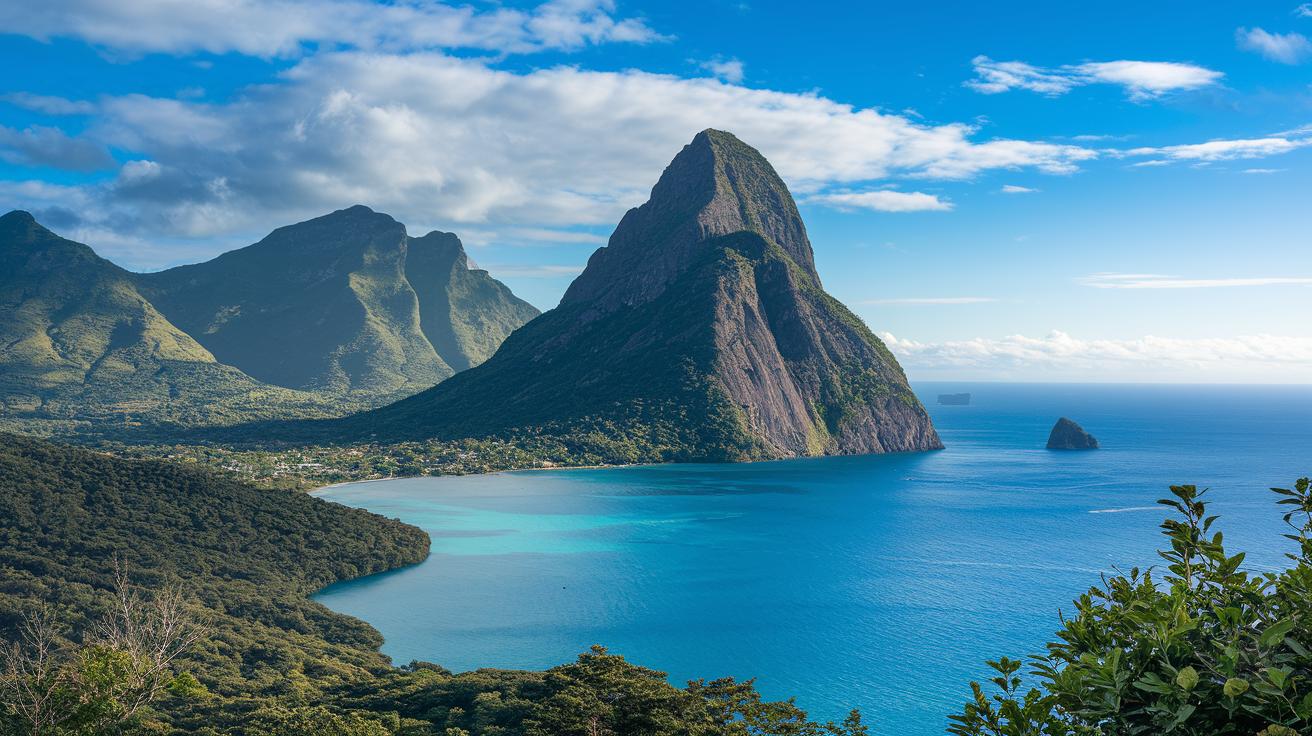
In the Caribbean, mountains rise boldly above sandy shores. Think of St. Lucia's twin Pitons, which look as if they’ve sprung right out of the sparkling sea. These highlands were formed over ages by tectonic clashes between the Caribbean, North American, and South American plates, giving the islands a mix of rugged peaks and gentle coastal stretches.
But the mountains aren’t just a pretty view, they're a doorway to local legends and inviting trails. Take Pico Duarte in the Dominican Republic, for example. It towers over 10,000 feet and welcomes hikers looking for a challenge and breathtaking scenery. Meanwhile, Jamaica’s Blue Mountains, rising to about 7,000 feet, treat visitors not only to sweeping views but also a deep coffee culture that’s woven into the island’s rich folklore. And let’s not forget Cuba’s Pico Turquino, or the volcanic vibes from Guadeloupe’s La Soufrière (4,800 feet) and Dominica’s Morne Diablotins (4,700 feet), each adding its own flavor to this natural mosaic.
Imagine planning a hike here like tossing together a light Caribbean salad: start with the refreshing taste of coastal breezes, mix in the excitement of high-altitude adventures, and finish with a sprinkle of cultural history. Whether you’re a seasoned trekker or just curious about island life, the Caribbean mountains invite you to explore nature and heritage in one rewarding outing.
Geological Origins and Volcanic Island History of Caribbean Mountains
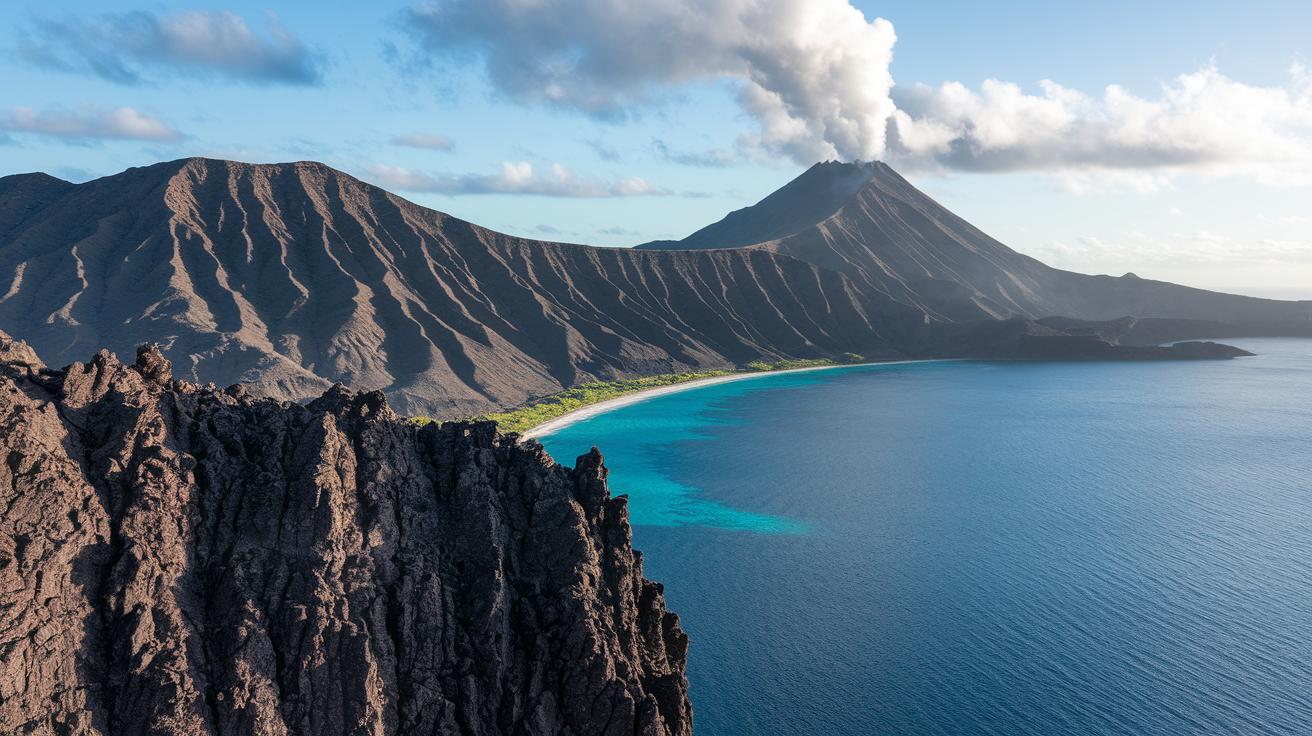
Imagine standing on a rocky edge where the earth’s old, fiery magic meets the endless blue sky. The stunning Caribbean mountains were formed by shifts deep below the ground, a process called geotectonic activity (that is, the movement of Earth’s plates that creates dramatic landscapes). Shifts between the Caribbean, North American, and South American plates pushed up mountain arcs that rise right from the sandy beaches. Over the years, these colliding plates shaped both active volcanoes and quiet, sleeping ones, forming wild landscapes that are as mesmerizing as they are unpredictable.
Big seismic events have also left their mark on this region. In 2021, an eruption on St. Vincent showed us nature’s raw power, while a 2010 earthquake in Haiti revealed just how unstable the ground can be. These events let us catch a glimpse of the ancient volcanic stories that continue to shape the Caribbean.
As you explore this land, imagine rocks that seem to whisper tales of a fiery past and shifting plates, drawing vivid maps of rugged peaks in your mind. For anyone curious to dive deeper into geology and volcano history, check out Travel Guide Books at https://mauisky.com?p=110.
This wild scenery not only treats you to breathtaking views but also invites you to step right into the earth’s ancient processes and living history.
Highest Caribbean Summits: Pico Duarte, Blue Mountains, Pico Turquino, and Beyond
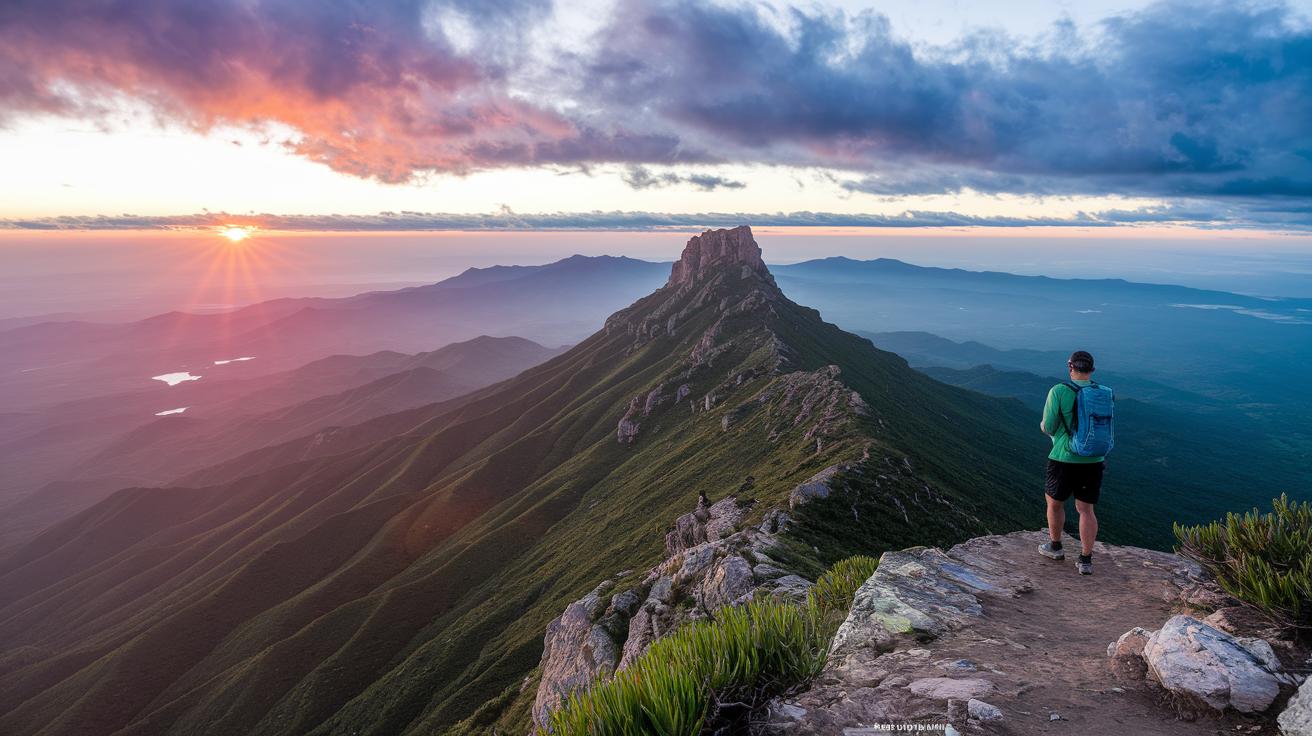
Pico Duarte is the tallest mountain in the Dominican Republic. Hikers are now noticing softer sunrise colors and a cooler morning breeze that hint at changing weather. A local trekker shared, "It feels like the mountain is quietly revealing weather secrets that have been hidden for years."
Over in Jamaica, the Blue Mountains have taken on a fresh, local vibe. Along with the familiar scent of coffee, locals spin little legends about the land. One coffee farmer remarked, "Every walk up these slopes feels like flipping through a diary filled with ancestral stories and rare traditions."
In Cuba, Pico Turquino along with the peaks in Guadeloupe and Dominica have their own unique charm. Locals say small shifts in cloud patterns and plant life are sparking new community tales and classic anecdotes that make these mountains feel extra special.
Biodiversity and Distinct Ecosystems in Caribbean Mountain Highlands
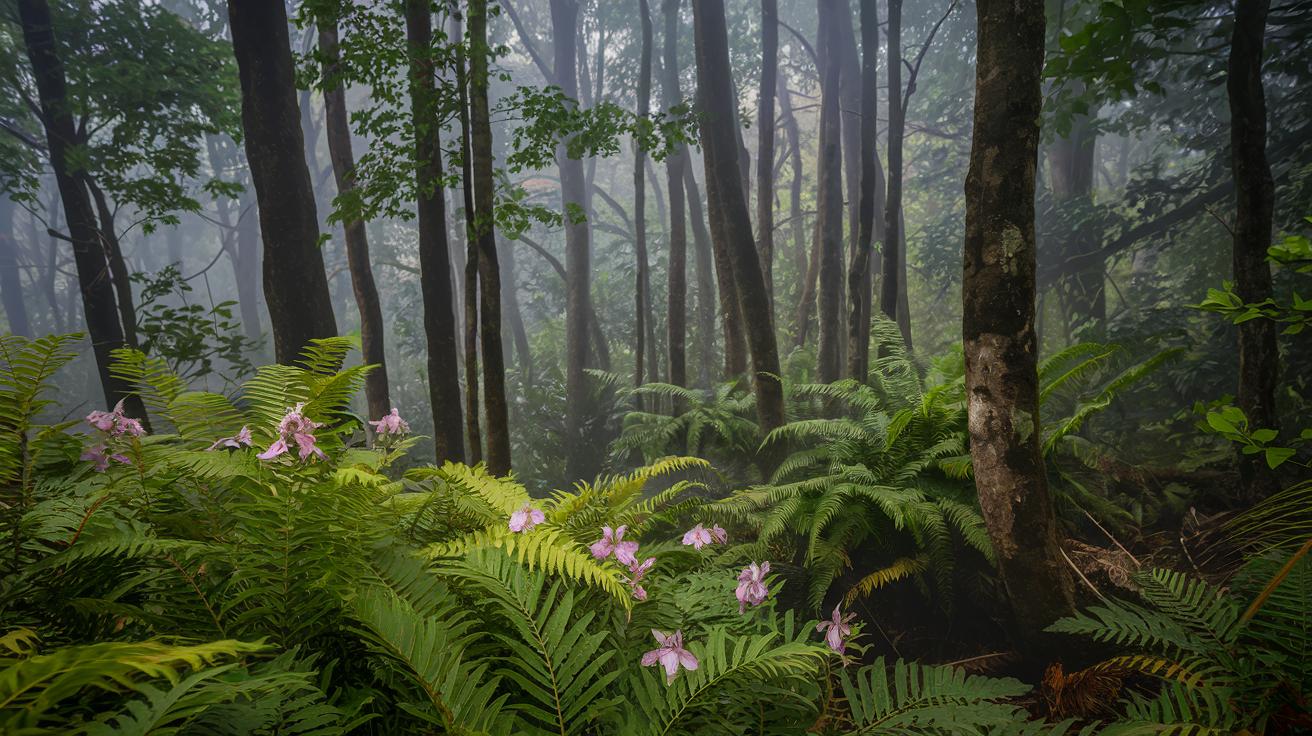
Every step you take up these mountains uncovers a new world of wonders. Down low, tropical rainforests and coastal wetlands buzz with life. Imagine the air full of the sweet scent of blooming flowers and gentle palm fronds rustling near the sea. As you hike higher, the scene shifts to pine woodlands and dreamy cloud forests where soft mists wrap around ancient trees.
Each elevation creates its own little climate, like a string of hidden nature spots. Think of rare orchids flashing bright colors against rugged rocks, while tree ferns curl gracefully like nature’s own art. Up above, lively birds flit from branch to branch, adding a cheerful soundtrack to the peaceful environment. One friendly local even remarked, "Every layer of these mountains tells a tale of moisture, light, and a touch of magic."
These unique mountain settings are a treasure trove for anyone who loves nature. The highlands act as a living lab where small shifts in temperature and humidity create different habitats with each mile. For nature lovers and curious adventurers, exploring these heights is like reading a vibrant book written by nature herself, inviting you to get up close with the incredible species that call the Caribbean mountains home.
Caribbean Mountains: Enchanting Culture & Views
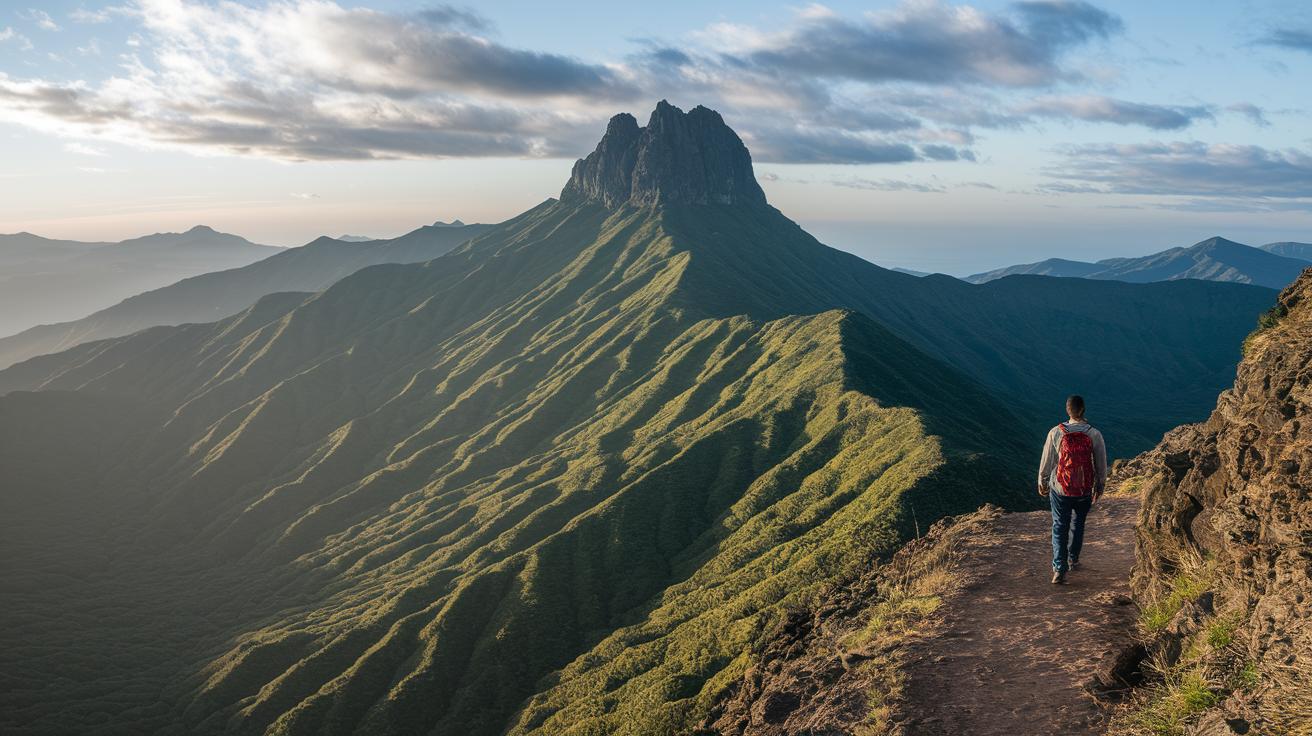
Trekking through the Caribbean highlands feels like entering a secret world. Imagine starting your day on the Pico Duarte main trail, a 21-mile round-trip that climbs about 6,000 feet. One local hiker said, "Stepping onto that rugged path felt like entering another world, where every stone and gust of wind whispers ancient island tales." It’s a journey where nature’s beauty meets a fun challenge, perfect for those who find peace in a good hike.
If you love island stories and breathtaking views, you might want to check out Jamaica’s Blue Mountain Trail. This 11-mile one-way trek with a 5,500-foot gain is filled with surprises, from the smell of fresh coffee to the gentle sounds of nature. And over in Dominica, the trails of Morne Trois Pitons in the National Park vary from steep climbs to softer paths lined with tropical greens, all wrapped in that wild island charm.
Imagine planning your hike like piecing together a treasure map, where every section of your route becomes a new chapter in your adventure. Whether you’re into exploring on your own or prefer a guided trek, having clear maps makes the whole trip feel extra special. For the latest trail info and helpful tips, Lonely Planet Travel Guides has some great resources to make your hike even more memorable.
| Trail Name | Island | Distance | Elevation Gain | Difficulty |
|---|---|---|---|---|
| Pico Duarte Main Trail | Dominican Republic | 21 mi round-trip | 6,000 ft | Strenuous |
| Blue Mountain Trail | Jamaica | 11 mi one-way | 5,500 ft | Strenuous |
| Morne Trois Pitons Trails | Dominica | Varied routes | Moderate gain | Moderate to Strenuous |
| Piton Peak Trail | St. Lucia | 5 mi loop | 2,000 ft | Moderate |
Planning out each step with detailed maps makes your adventure feel even more immersive. The mix of stunning views and vibrant culture makes every trail a unique piece of the Caribbean’s story.
Conservation Efforts and Ecosystem Restoration in Caribbean Mountain Regions
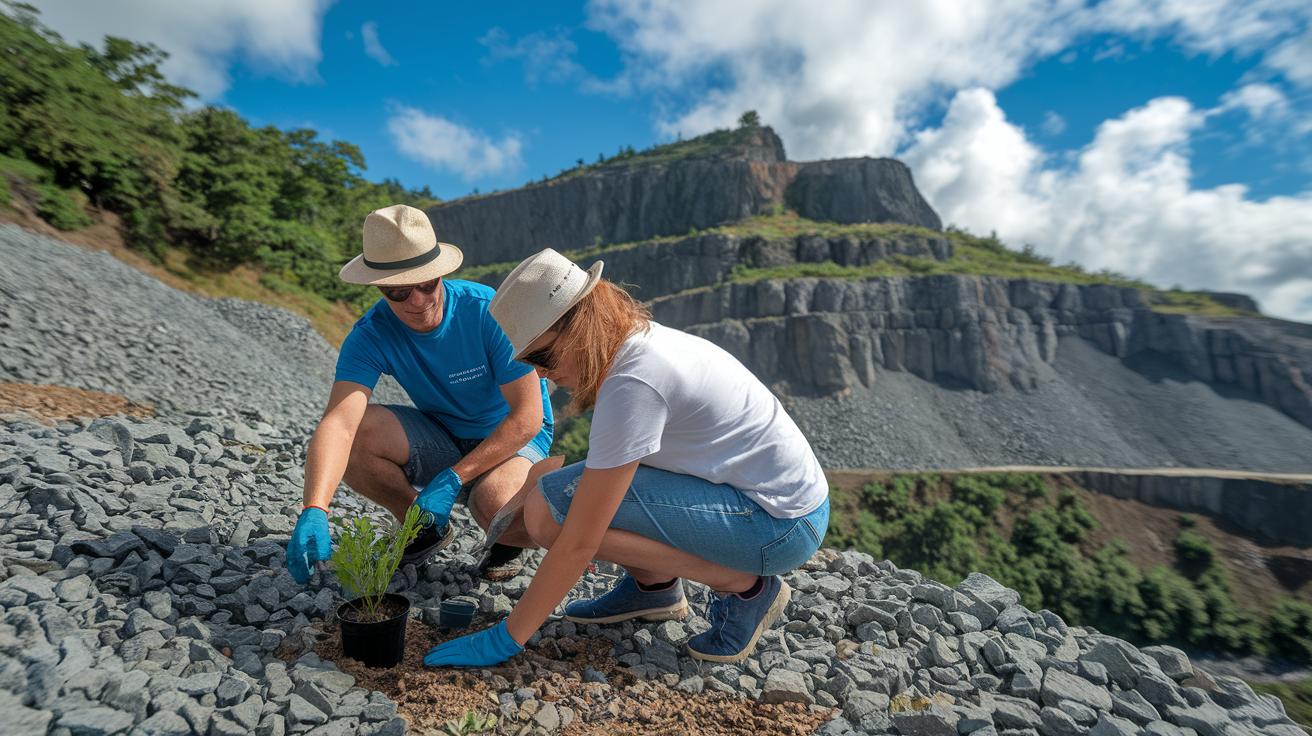
Our Caribbean mountains face real challenges like water pollution, soil erosion, and the loss of native plants from mining and deforestation. In response, many local projects have sprung up to protect natural parks and restore these treasured mountain areas. One standout project is the Integrating Water, Land and Ecosystems Management Project. Started in 2016, it reaches across ten islands with a clear goal: rejuvenate damaged landscapes through reforestation, better land use practices, and sustainable resource management.
Across the islands, everyday heroes are making a huge impact. In Barbados, teams are transforming old quarry sites into green areas that now support vibrant local flora and fauna. Near Soufrière in St. Lucia, small plant nurseries are busy growing native species to replace lost vegetation and revive natural habitats. Over in the Dominican Republic, focused work along the Higüamo River watershed is cleaning up the water and boosting habitat health, which creates a cleaner, stronger ecosystem.
In Grenada, post-hurricane forest restoration has touched many hearts. After fierce storms, teams replant native trees and stabilize the soil, helping the land heal while keeping its unique mountain charm. These projects not only protect nature but also help local communities by promoting sustainable tourism that honors the natural landscape.
Everyone from community members to government leaders is getting involved. By adopting sustainable practices and managing nature carefully, the Caribbean shows us how restoration and conservation can work together to preserve our beloved mountain regions.
Cultural Heritage, Folklore, and Indigenous Traditions of Caribbean Mountain Communities
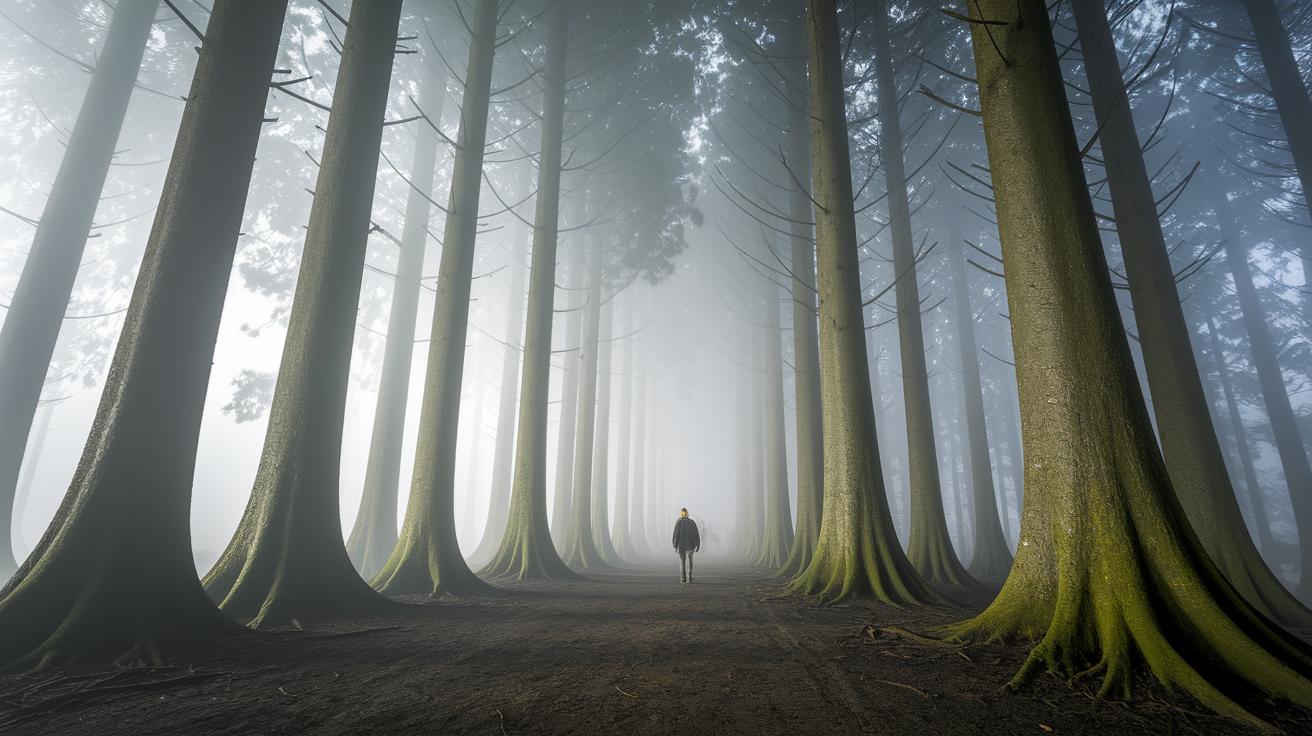
Caribbean mountains are more than just stunning scenery; they are living storybooks filled with legends, folklore, and traditions handed down over generations. Imagine trekking up the lush slopes of Trinidad and Tobago and hearing whispers about Papa Bois, a mysterious guardian said to care for the forest and all its creatures. Over in the Dominican Republic, locals share stories about the enchanting Ciguapas, a nod to the ancient Taino traditions, that captivate every traveler with a taste of magic.
Local festivals and community trails bring this heritage to life in the most charming way. Picture yourself in a small village where elders, full of warmth and wisdom, share tales about a revered peak, explaining how every rock and winding trail carries a secret memory of their ancestors. It’s like walking through a living museum where every step you take feels connected to a rich, historic past.
Festivals burst with traditional music, dance, and storytelling that echo the days when mountains were sacred places of ritual and celebration. Every beat and every sway of the dance invites you to feel the history and life of these communities. For those ready to dive deeper into these traditions, check out the Definition of Caribbean Culture at https://caribiana.com?p=405. Each path you wander on unveils more of the timeless wisdom and heartfelt traditions of the Caribbean.
Practical Travel Tips for Exploring Caribbean Mountains: Guides, Seasonal Planning, and Safety
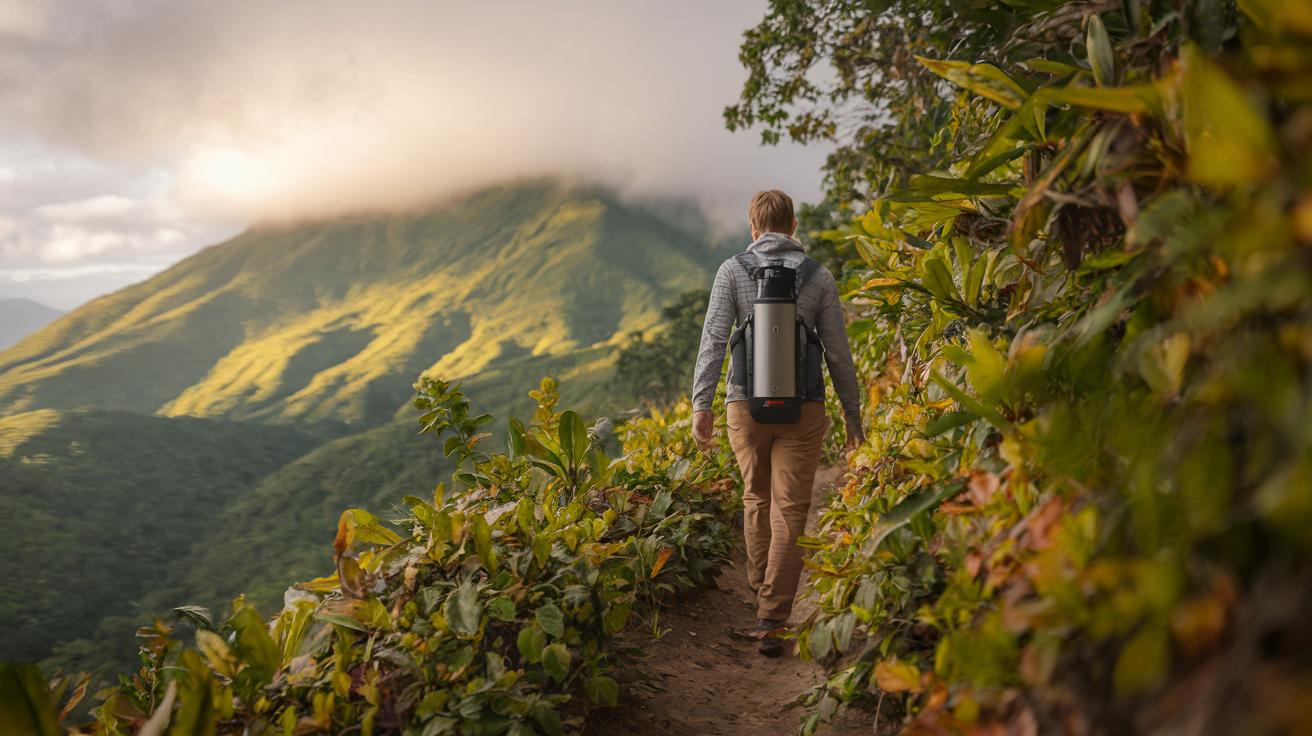
When you're planning a hike in the Caribbean mountains, keep in mind that the higher altitudes need extra care. The cool cloud forests can feel chilly, averaging around 50 to 65°F, even on sunny days. So, pack extra layers and try to schedule your trek outside the rainy season (June to November).
Make sure to pack smart. Bring clothes you can layer, a raincoat, and a water filter to keep your water clean on the go. One local hiker mentioned, "I always keep an extra rain jacket with me, because a sudden shower can turn a calm trail into a refreshing escape!" And don’t forget to check if you need permits before exploring national parks. This little extra step not only makes your trip smoother but also helps protect these special spots.
If you’re gearing up for a tougher climb, hiring a certified guide is a great idea. They boost your safety and share insider tips that can turn your journey into a memorable island escape. These guides know every twist and turn of the mountain trails, so you can relax and enjoy the amazing views without worry.
If you're planning to mix mountain treks with some island hopping, check out the Complete Guide to Caribbean Island Hopping for more details.
- Bring clothes you can layer, a raincoat, and a water filter.
- Check permit requirements for national parks.
- Consider hiring a certified guide for a safer adventure.
Following these simple safety tips will help you enjoy a Caribbean mountain adventure that’s both thrilling and safe.
Final Words
In the action, this article takes you through the dynamic world of Caribbean mountains, where stunning peaks rise straight from the coast and vibrant local culture thrives. We explored how ancient forces shaped these highlands and laid out practical tips for a smooth, eco-friendly trek. Real hiking trails, practical travel hints, and cultural insights spark excitement to step off well-worn paths. The magic of these Caribbean mountains invites you to embrace a relaxed and memorable escape. Enjoy every step along your island path.
FAQ
What does a Caribbean mountains map show?
A Caribbean mountains map shows the region’s highlands, peaks, and coastal elevations. It highlights how island cores rise abruptly from nearby beaches, providing a clear overview of the islands’ varied topography.
What defines Caribbean mountain ranges and which islands feature both mountains and beaches?
Caribbean mountain ranges form where tectonic activity lifts land, often right from the shore. Islands like St. Lucia and Jamaica have striking peaks and scenic beaches side by side, offering a mix of highlands and coastal charm.
What are the highest mountains and which islands have many peaks in the Caribbean?
Key peaks such as Pico Duarte, Blue Mountain Peak, and Cerro de Punta rank among the tallest. Islands like the Dominican Republic and Jamaica stand out for having several large mountains and extensive highland areas.
What do rivers contribute to the Caribbean landscape?
Rivers in the Caribbean carve valleys in rugged terrain, nourish tropical vegetation, and often trace the paths from mountaintops to coastal areas, playing an important role in the islands’ natural ecosystems.
What is meant by the “big 3” of the Caribbean?
The term “big 3” often refers to the three largest islands—Cuba, Hispaniola, and Jamaica—which are known for their notable mountain ranges and diverse natural settings that shape regional culture.
What is the Caribbean’s largest mountain?
Pico Duarte in the Dominican Republic is the Caribbean’s largest mountain. Its impressive height of just over 10,000 feet makes it a popular challenge for hikers seeking breathtaking vistas.
What does the term “the 13 Caribbean” refer to?
“The 13 Caribbean” usually points to a list of principal islands or territories recognized for their cultural or geographic significance in the region. Different sources may vary in their exact roster.
What is Pico Duarte?
Pico Duarte is the highest peak in the Caribbean, attracting many hikers with its challenging trails and expansive, scenic views of the Dominican Republic’s rugged interior.
What does Blue Mountain Peak offer?
Blue Mountain Peak in Jamaica offers cool high-altitude air, sweeping views, and surrounding slopes famous for coffee plantations, making it a must-visit for those seeking a refreshing highland experience.
What is Cerro de Punta?
Cerro de Punta, Puerto Rico’s highest point, provides panoramic vistas and a chance to experience the island’s elevated terrain firsthand, making it a notable landmark for visitors.
What is La Soufrière?
La Soufrière in Guadeloupe is a famous volcanic peak known for its active history and striking contrasts between lush lower slopes and a rugged summit that draws curious climbers.
What is Pic la Selle?
Pic la Selle is Haiti’s highest mountain. It features diverse ecosystems and demanding paths that reward climbers with expansive views and a peek into the island’s natural beauty.
What is La Grande Soufrière?
La Grande Soufrière in Saint Vincent is an active volcano recognized for its dynamic geological activity. It offers adventurers a close-up glimpse of pristine natural surroundings shaped by volcanic forces.
