Ever wonder what lights up the soul of the Caribbean? Under sunny palms, giant volcanoes have slowly shaped lush coastlines and rich lands over many years. These natural wonders show just how creative the earth can be, forming islands that mix stunning views with a warm, hardworking local vibe. In this piece, we dive into how hot, flowing rock built more than just the land, it built communities and traditions. Keep reading to see how these mighty forces continue to spark the magic of the Caribbean.
Understanding Caribbean Volcanoes: Geology, Eruption History, and Island Impact
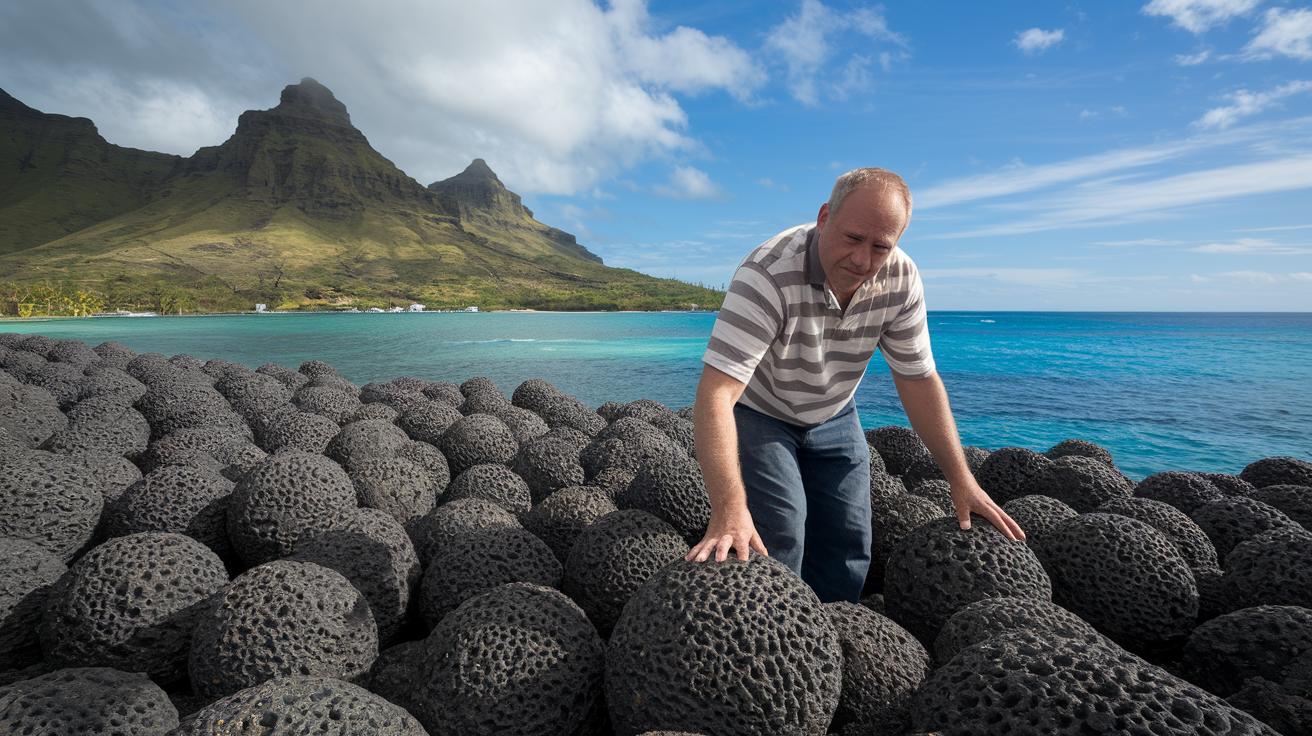
Caribbean volcanoes have been busy shaping these beautiful islands for millions of years. They’ve sculpted dramatic coastlines and gifted the land rich, fertile soils that make tropical crops flourish. Some volcanoes are still active, their peaks warm from more recent eruptions, while others quietly stand as reminders of a wild, fiery past.
These natural wonders have given us more than breathtaking views. Locals use volcanic stones, cooled over centuries, to build homes, paths, and other parts of island life. It's like nature supplied its own set of building blocks, and every stone tells a part of the story of the islands. Ever wonder how nature and culture blend so seamlessly in the Caribbean?
Even beneath the waves, volcanoes leave their mark. Underwater, their explosive force has carved out stunning cliffs, mysterious caves, and rugged boulder fields that call out to divers. The energy of past eruptions isn’t just in the legends, it’s written in the very land and sea. Geologists and locals alike keep exploring these clues to understand the islands’ colorful history.
At the end of the day, the volcanoes do more than just create dramatic landscapes. They enrich the soil for farmers and provide natural materials for everyday life, connecting the beauty of nature with the heart of island culture.
| Volcano | Island |
|---|---|
| Soufrière Hills | Montserrat |
| Soufrière Guadeloupe | Guadeloupe |
| La Soufrière | St. Vincent |
| The Quill | St. Eustatius |
| Kick ’em Jenny | Grenada |
Active Volcanoes of the Caribbean: Key Sites and Expedition Highlights
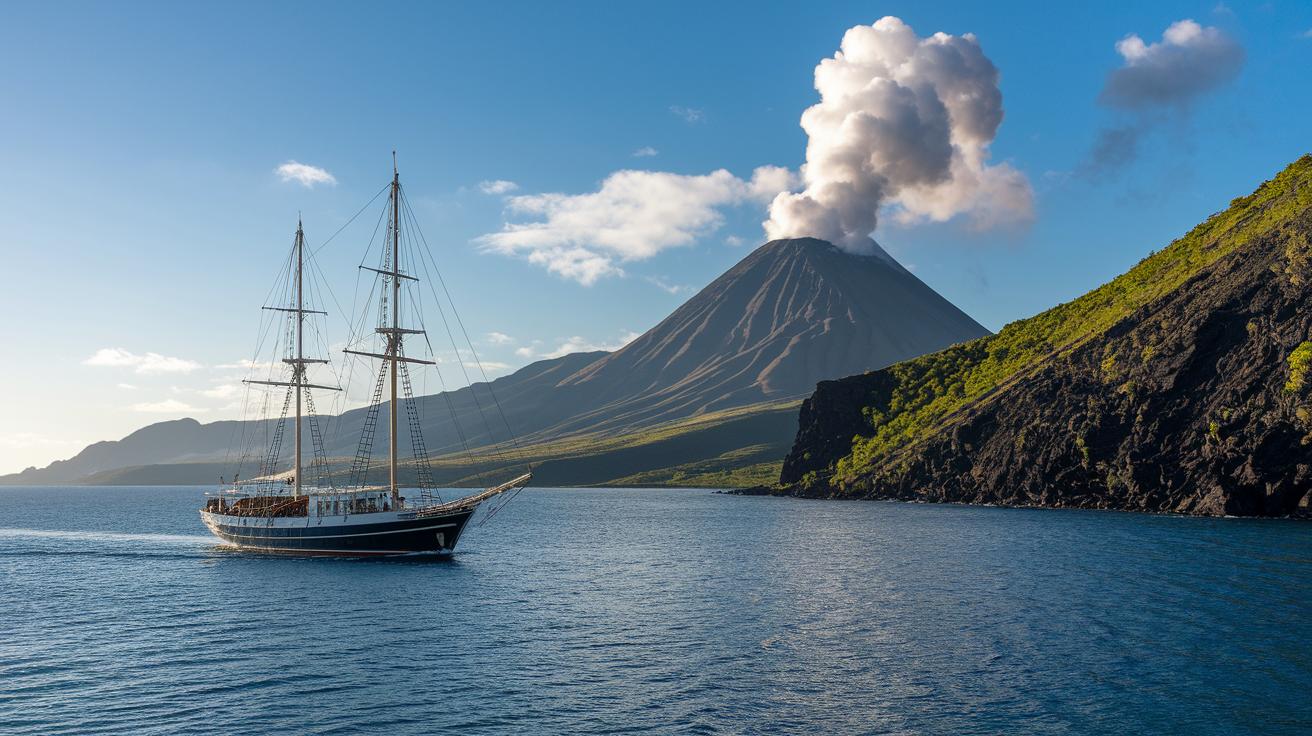
The active volcanoes in the Caribbean burst with a raw energy that can be felt up close. Schooner HERON's winter and spring trips take you right into these living landscapes where the ground is still buzzing with life.
Take Montserrat, for example. Soufrière Hills became famous during the 2002-03 eruptions, when massive lava flows reshaped the local area. It's a powerful reminder of nature's strength and how it continuously molds the island.
In Guadeloupe, Soufrière Guadeloupe keeps a steady, gentle rumble as experts carefully watch its vent activity. This means that visitors can safely learn about its behavior while truly experiencing its natural vibe.
Over on St. Vincent, La Soufrière stands tall with its long history of eruptions and mild seismic tremors, a sign of the volcano's busy inner workings. Whether you're an adventurer or a scientist, each volcano offers a real-life look at nature in constant change.
| Volcano Name | Island | Major Eruption | Notable Features |
|---|---|---|---|
| Soufrière Hills | Montserrat | 2002–03 eruptions | Extensive lava flows and frequent vent monitoring |
| Soufrière Guadeloupe | Guadeloupe | Multiple minor events | Steady vent emissions with expert observation |
| La Soufrière | St. Vincent | Documented eruptive episodes | Ongoing seismic pulses and geothermal activity |
Dormant and Extinct Caribbean Volcanoes: Structure and Research Focus
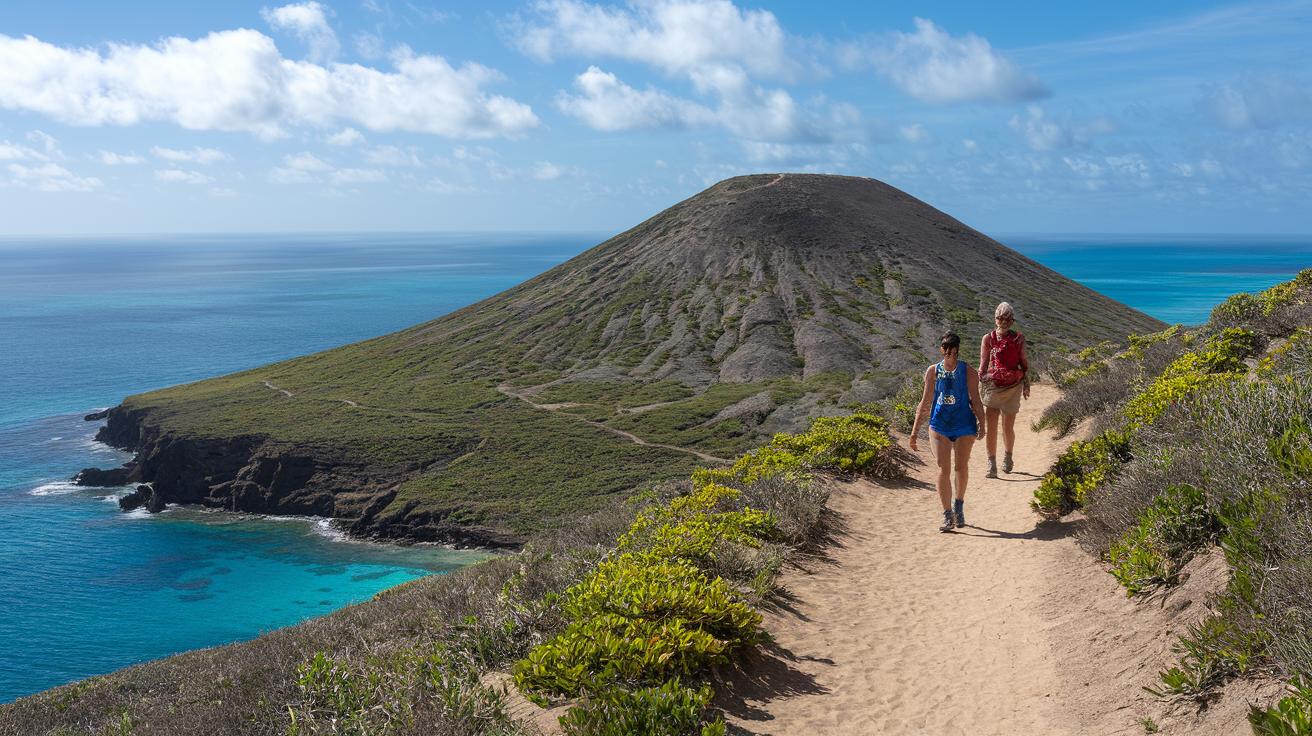
Have you ever wondered about the silent giants of the Caribbean? Many of these volcanoes have cooled over time, quietly sharing memories of their fiery past. Take the Quill on St. Eustatius, for example. It towers more than 600 meters above sea level, with a big crater that invites curious hikers along park trails. It’s like stepping into a living history book where nature softly recounts its wild stories.
The islands showcase all kinds of volcanic wonders. You’ll see steep stratovolcanoes, smooth lava domes, and deep calderas right next to steaming hot springs and even lakes that bubble gently. Every feature tells its own story of cooling lava and shifting land, a clear, natural diary of the earth’s playful yet powerful changes.
Below the waves, hidden volcanic fields add another layer of mystery. Natural cliffs, tucked-away caves, and boulder formations hold layers of ash and rock from ancient eruptions. Ongoing surveys are mapping these underwater marvels, revealing fresh details about how past volcanoes helped shape the unique character of the Caribbean seafloor.
Volcanic Hazards in the Caribbean: Monitoring, Risks, and Preparedness
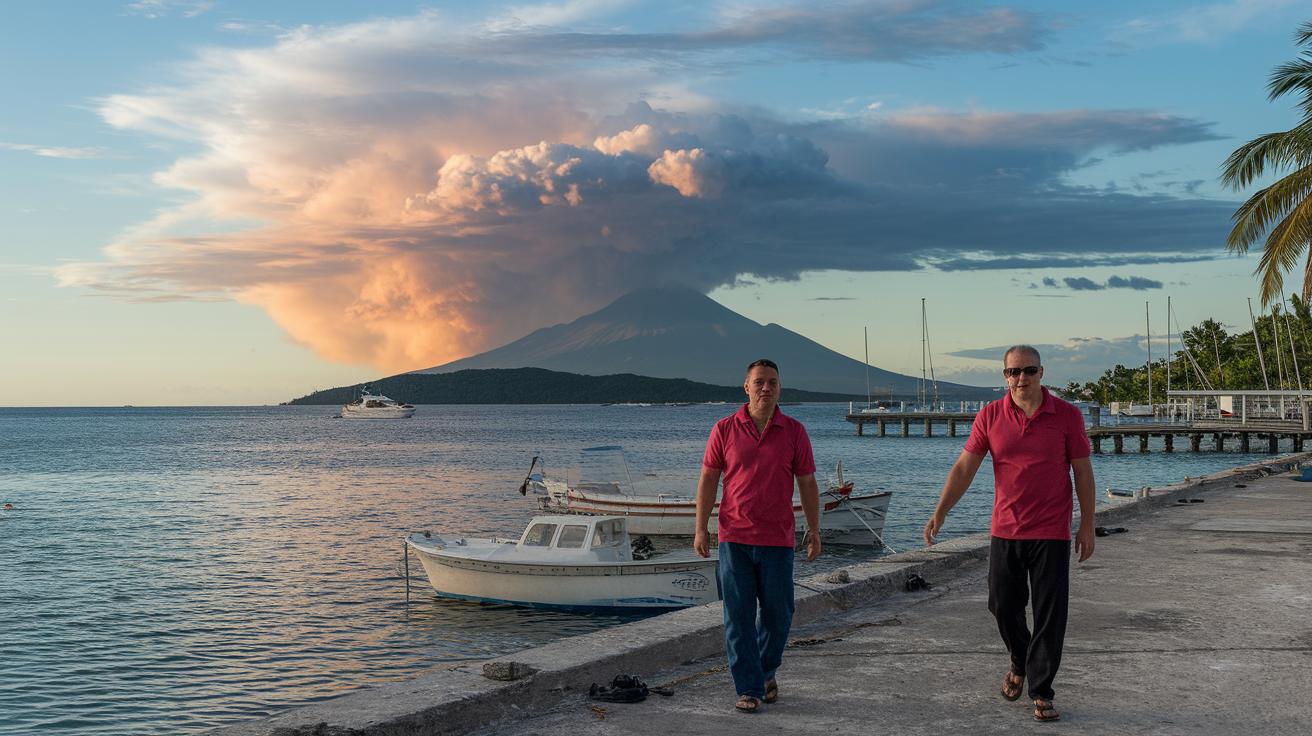
The Caribbean islands can surprise you with sudden lava flows, ash that drapes the land, and ground shuddering with tremors. It’s like nature’s own reminder that the earth is both stunning and powerful. Local experts are always on the lookout, keeping everyone in the loop as things change around them.
Local guides are a lot like friendly lookouts at a busy harbor. They watch for little hints – like a soft rumble or a change in the smell of the air – that tell us the volcano might be getting more active. Their advice is key to exploring safely while still enjoying the island vibe.
Communities here plan ahead with clear escape routes, marked trails, and rules that help protect nature. Memories of past events, like the 2002–03 Soufrière Hills activity, show just how important these plans are. By following these guidelines, we help keep everyone safe and respect the delicate balance of life and nature in these beautiful islands.
Experiencing Caribbean Volcanoes: Tours, Expeditions, and Local Engagement
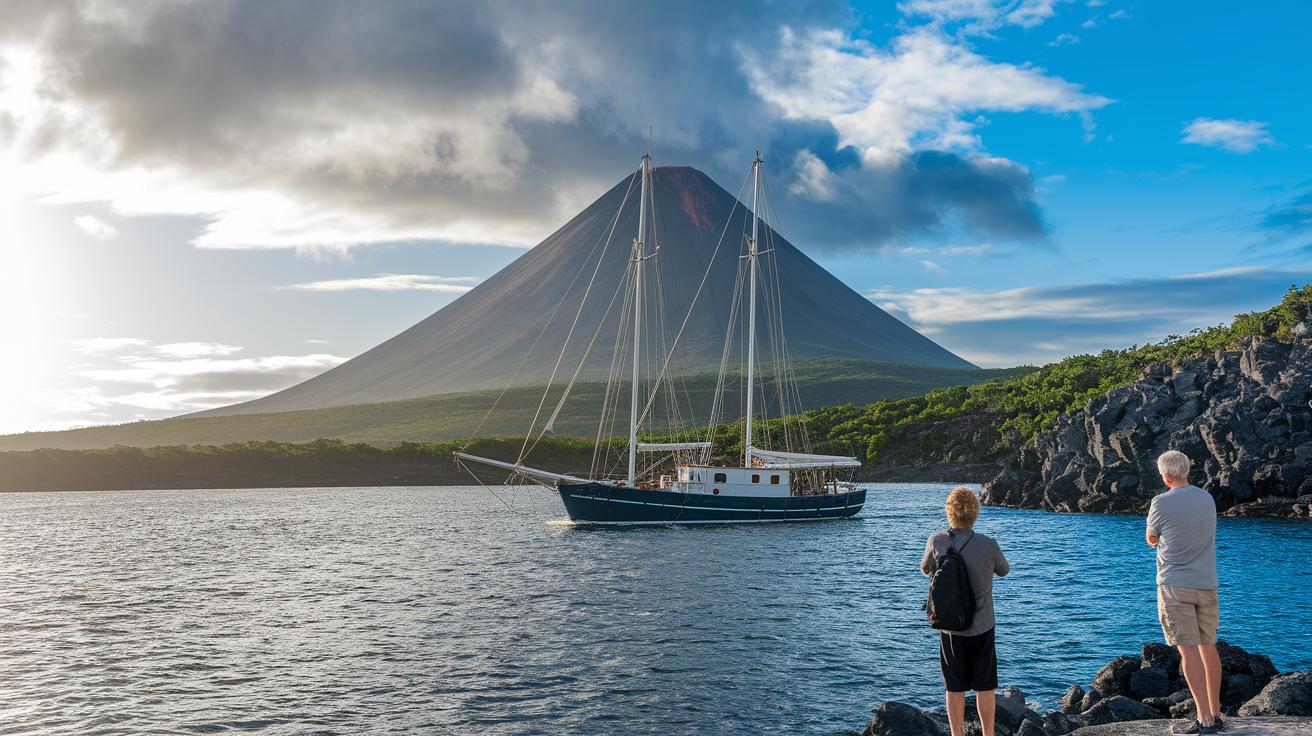
Step aboard the Schooner HERON and set off on a truly magical Caribbean adventure. There are three amazing voyages to choose from. In early December, join a Southbound trip departing from Montserrat's Gingerbread Hill. Then in early April, you can head back the other way. And if you're up for a bit of island hopping, there’s an expedition that takes you from Montserrat all the way to the Virgin Islands. Each journey gives you a hands-on glimpse into the captivating world of volcanoes.
Imagine listening to local experts while they share cool facts and stories, making you feel like part of the island family. You might find yourself checking out underwater cliffs up close or wandering rugged volcanic trails with a friendly, local guide. It’s kinda like mixing together your favorite tropical fruits, you get a perfect blend of learning and leisure.
There are plenty of ways to make the journey your own. Whether you love to wander on foot or dive into the cool ocean water, there's something for every adventurer. Custom options include:
| Activity | Description |
|---|---|
| Volcanic Hiking | Trek through trails with insights from local guides |
| Swimming | Take a dip in crystal-clear waters near hot springs |
| Sailing or Scuba Diving | Explore volcanic reefs in the inviting ocean |
Local guides are dedicated to keeping travel respectful and sustainable. Every step you take is designed to honor both nature and local traditions. So pack your sense of adventure and let the Caribbean volcanoes steal your heart.
Caribbean Volcanoes: Inspiring Natural Wonders
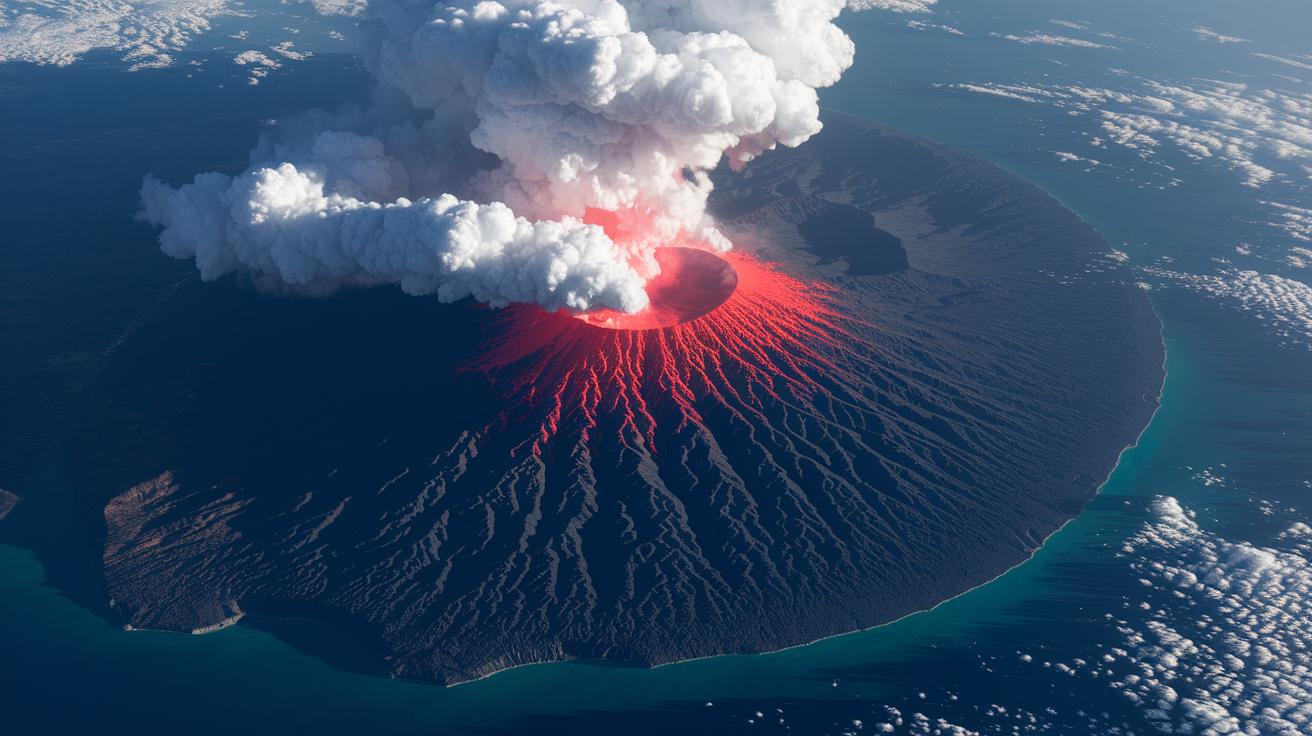
Have you ever marveled at how we now watch over Caribbean volcanoes? Thanks to smart satellites, we capture live heat shifts around vents and billowing plumes. These special cameras from space show us a real-time glimpse of volcanic warmth, almost like nature is sending out a little secret signal. And with digital sensors picking up tiny tremors, it’s like we’re hearing whispers of the volcano preparing to stir.
Modern simulation models, teamed with simple chemical tests, help scientists predict what a volcano might do next. By using methods like isotopic dating (a way to measure the age of materials) and unique geophysical pictures, experts can peer into a volcano’s hidden magma chamber. All these methods join forces to share the volcano’s story, making it feel like you’re exploring a high-tech lab right in the heart of the islands’ natural wonders.
Final Words
In the action, our discussion swept through the heart of the islands, revealing active eruptions, enduring dormant sites, and the careful monitoring of volcanic hazards. We shared stories of how local traditions mesh with modern technology, bringing caribbean volcanoes into vivid focus. The blend of scientific insight with warm, local engagement captures a colorful snapshot of these extraordinary destinations. Every detail, from tour highlights to innovative monitoring, invites you to embrace the magic of these natural wonders with an open mind and a spirit of wonder.
FAQ
What do Caribbean volcanoes maps and lists show?
Caribbean volcanoes maps and lists reveal volcano locations, features, and activity statuses. They help users quickly see where active, dormant, and older volcanoes are across the islands.
Which volcano is considered the most dangerous in the Caribbean?
Soufrière Hills on Montserrat is often seen as the most dangerous due to its history of destructive eruptions, including the 1995 event that had a major impact on local communities.
Which Caribbean volcanoes are dormant?
Dormant volcanoes in the Caribbean, like those on St. Eustatius, have long ceased erupting. They now offer scenic hiking trails and are a focus for geological study.
What should I know about Caribbean volcano eruptions, including the 1995 event?
Caribbean volcano eruptions range from mild lava flows to explosive events. The 1995 eruption of the Soufrière Hills volcano dramatically reshaped Montserrat and its surroundings.
What volcanic islands exist in the Caribbean?
Many Caribbean islands, such as Montserrat, St. Vincent, Dominica, and Guadeloupe, have volcanic origins. They feature active, dormant, or extinct volcanoes that add unique character to their landscapes.
How many volcanoes are there in the Caribbean?
The Caribbean houses several dozen volcanoes. Their diverse statuses—from active to extinct—offer a rich field for scientific insight and natural exploration.
Has any Caribbean island been wiped out by a volcano?
No Caribbean island has been completely wiped out by volcanic activity. While some islands, like Montserrat, have experienced severe devastation, they continue to support communities and culture.
Which huge underwater volcano is set to erupt in 2025?
Experts are monitoring a significant underwater volcano in the Caribbean predicted to show activity around 2025. It is closely watched to better understand its potential effects on the surrounding regions.
Is Jamaica a volcano?
Jamaica is not known for having any active volcanoes. Its landscape is shaped more by tectonic movements than recent volcanic activity.
Is the volcano in St. Lucia active?
The volcano in St. Lucia is currently dormant, with no recent eruptions. Its quiet state invites visitors to appreciate its geological past and the island’s scenic beauty.
