Ever wondered how nature’s secret fires make the Caribbean so unique? On some of these islands, nature sets the stage with hot vents and bubbling lakes, sights you won’t find in your average beach brochure. Think about Sulphur Springs, a place that feels like a drive-in wonder, or the bold peaks of Soufrière Hills where earth meets the sea in a fiery dance. In this piece, we dive into the steamy stories behind active volcanoes and show how these hot spots bring an unforgettable twist to Caribbean life.
Caribbean Islands with Active Volcanoes: Key Sites and Status
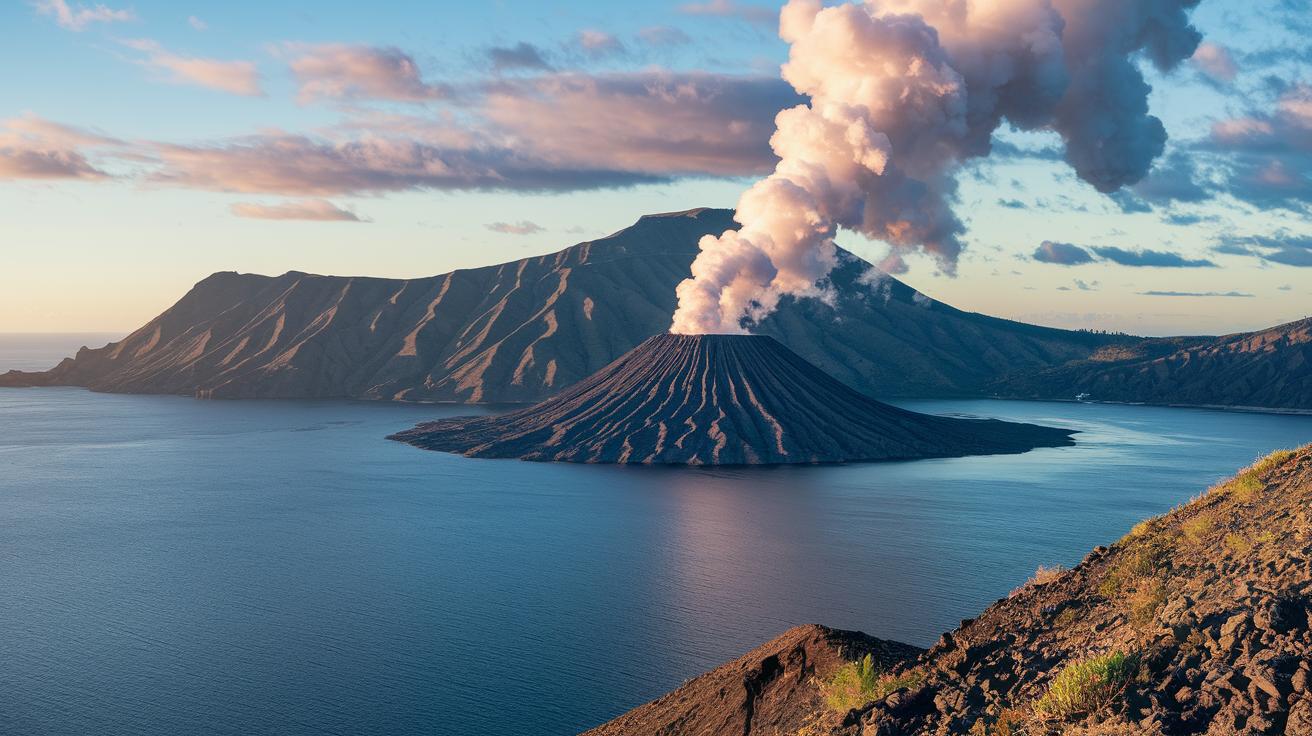
Before being recognized for its drive-in volcanic marvel, Sulphur Springs was already drawing in visitors curious about its unmistakable sulphur aroma. Caribbean islands let you experience live volcanic wonders that seem to whisper tales of fiery pasts and ever-changing landscapes. These active volcanoes are more than just nature's artwork, they’re a reminder of the powerful forces that shape these tropical gems.
Imagine strolling along a coast where towering mountains and hidden underwater vents mix with the gentle sea breeze. It’s like nature is putting on a show just for you, warm, dramatic, and a little mysterious.
Below is a table listing five main active volcano sites:
| Volcano Name | Type / Location | Recent Eruption / Activity |
|---|---|---|
| Soufrière Hills (Montserrat) | Stratovolcano | Major eruption: July 1995 |
| La Soufrière (St. Vincent) | Stratovolcano | Erupted: April 2021, displaced 20,000+ |
| Sulphur Springs (St. Lucia) | Caldera in Soufrière Volcanic Center | World’s only drive-in volcano |
| Boiling Lake (Dominica) | Geothermal hot spring | Within a 1,000-ft crater |
| Kick ’em Jenny (Grenada) | Active submarine volcano | Continuous low-level unrest; 6.2 miles north |
These volcanic hotspots capture the heart of the Caribbean vibe. Each site, from the smoky sunsets of Soufrière Hills to the bubbling, one-of-a-kind drive-in volcano at Sulphur Springs, shows how the islands are constantly shaped by nature’s drama. For further reading, check out list of caribbean islands.
Caribbean Volcano Types and Geological Processes
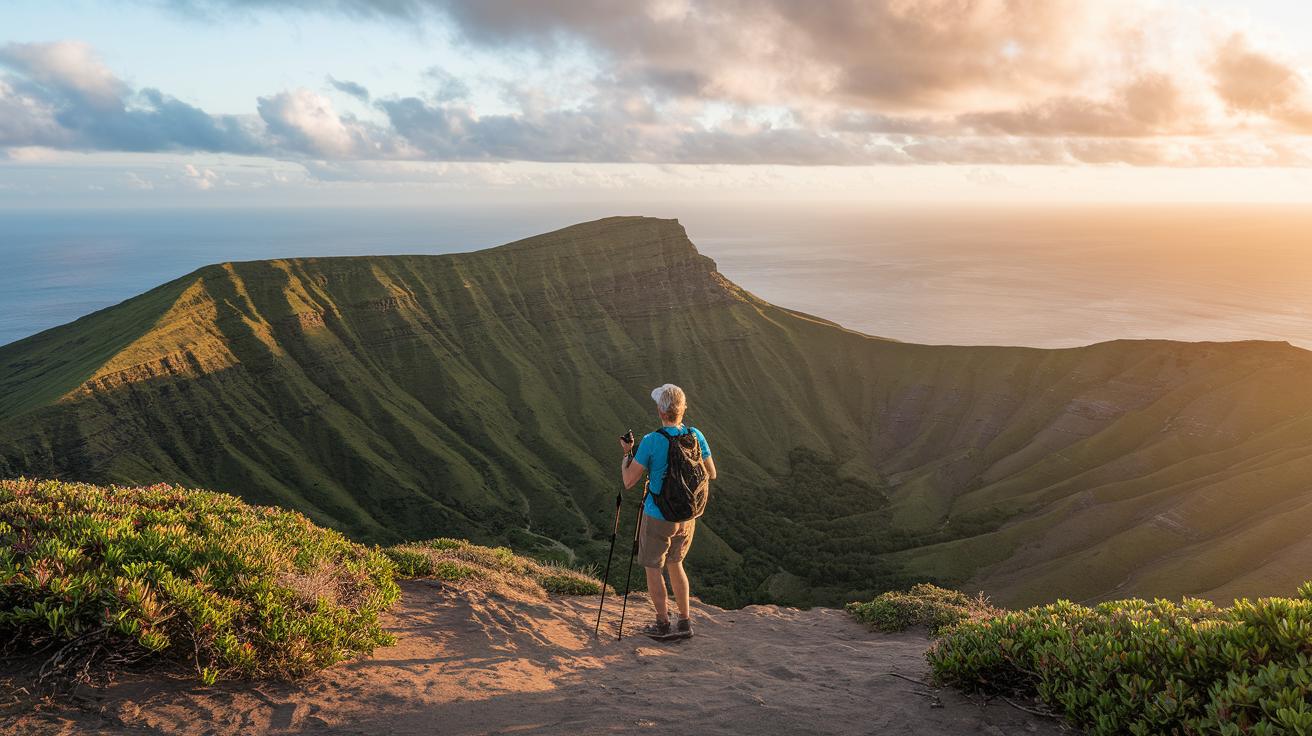
Most volcanoes in the eastern Caribbean are classic stratovolcanoes found along the Lesser Antilles arc. They have steep sides because repeated eruptions add layers of ash and lava, building up that cone-like shape. Picture yourself on a rough trail at The Quill on St. Eustatius, a volcano that rises to about 600 meters with a crater on top and neat paths inviting you to experience its amazing geological history.
Then there’s St. Lucia’s Soufrière Volcanic Center, the region’s only caldera. This big, bowl-shaped dip happened when the magma chamber emptied quickly, causing the ground to sink. It’s a natural process that leaves behind a striking landscape, with every rock telling a story of ancient eruptions.
Meanwhile, Kick ’em Jenny off Grenada shows off its underwater heat-vent activity. Here, lava flows beneath the sea have shaped dramatic reefs, steep cliffs, and secret caves that thrill marine explorers. Researchers study the magma chambers and island arc volcanism to learn more about these powerful natural forces. Plus, exploring crater lakes around other volcano sites helps reveal the ongoing, dynamic processes hidden beneath the surface.
Caribbean Volcano Eruption History and Island Impact
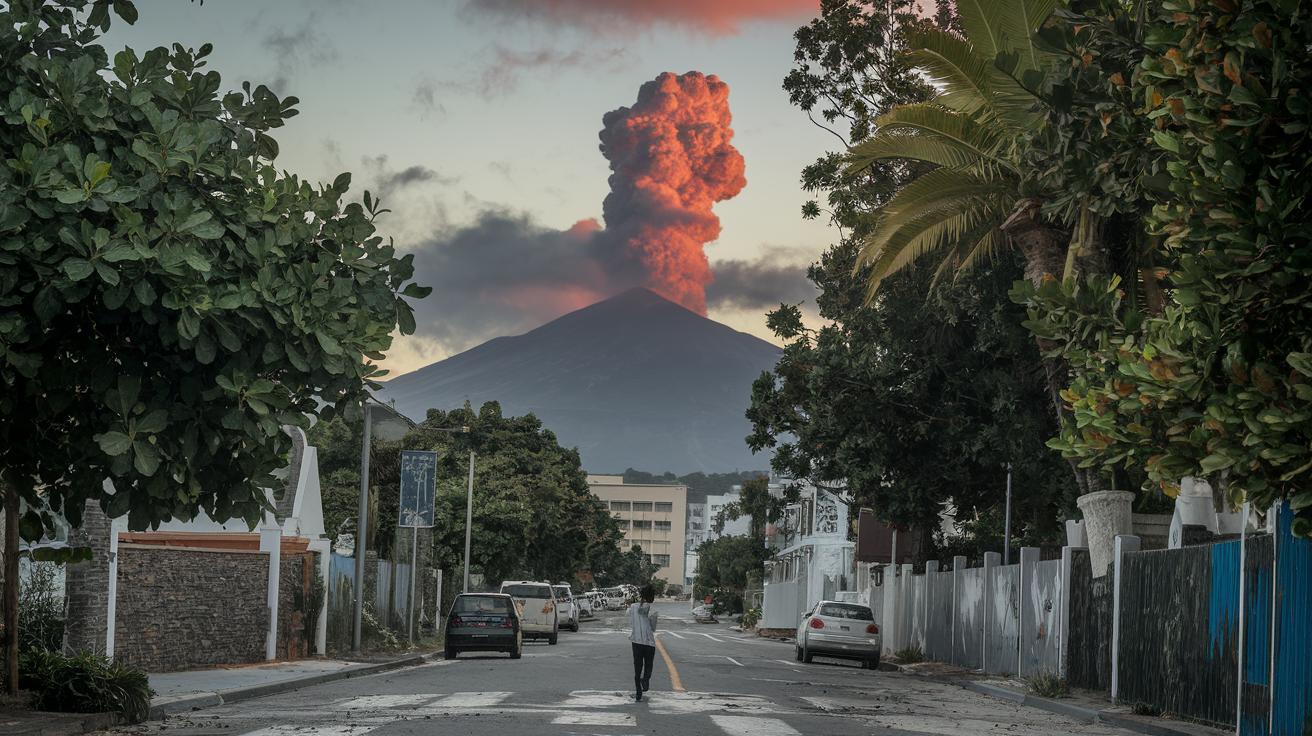
Caribbean volcanoes have truly changed the face of the islands and the lives of the people living there. Back in July 1995, Montserrat’s Soufrière Hills erupted and covered the busy capital of Plymouth in ash and lava. The eruption didn’t just change the land, it reshaped the whole community. Imagine walking through streets that once buzzed with life, now hidden under layers of volcanic rubble.
St. Vincent’s La Soufrière is another powerful example of nature’s force. In April 2021, its eruption pushed more than 20,000 people off their homes, leaving families to pack up and start over. It’s a stark reminder that while the Caribbean is famous for its clear blue waters and sunny beaches, it’s also a place where nature sometimes shows a wild and unpredictable side.
Many volcanoes in the region can sleep for as long as 300 years. But when they wake, recovery can take decades, even centuries. Rebuilding after a hurricane might happen faster, but a volcanic event changes landscapes and lives in lasting ways. Even long after the ash has settled, its impact continues to be felt by both the environment and the people.
Monitoring and Risk Assessment for Caribbean Island Volcanoes
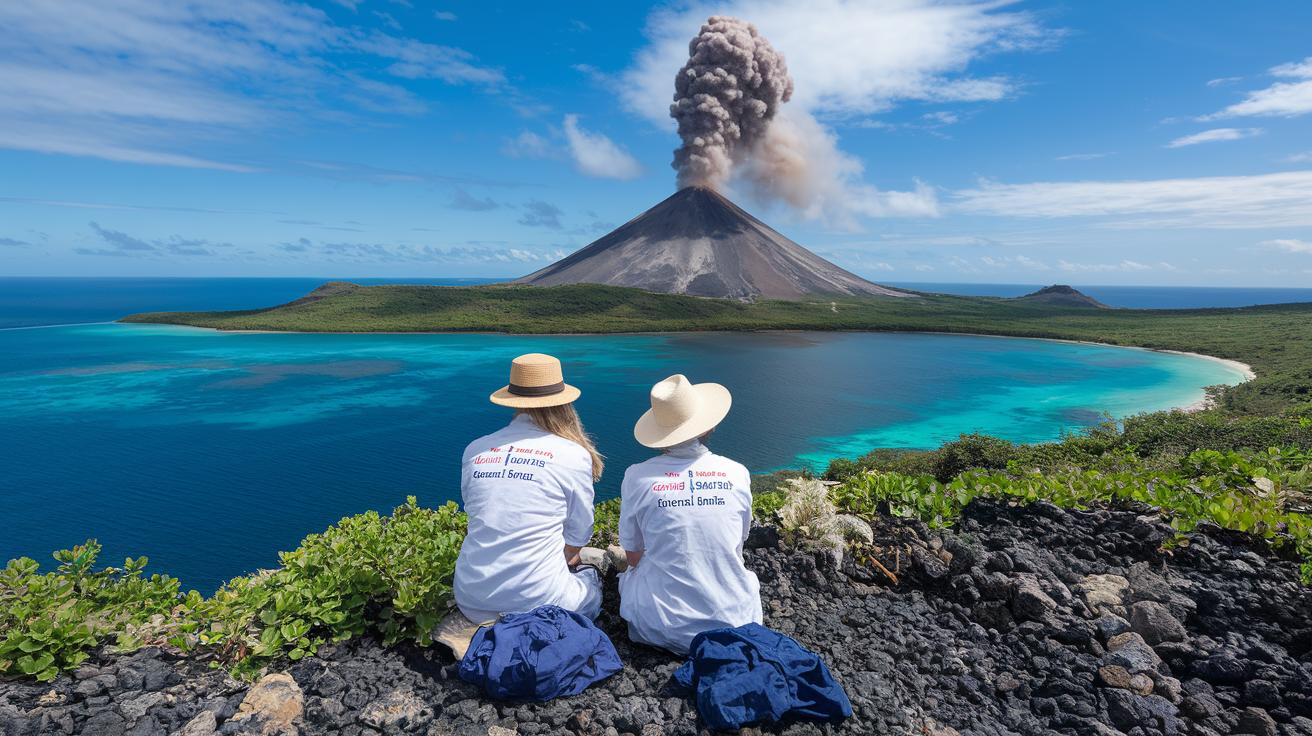
Scientists on our Caribbean islands work like a close-knit team, always keeping an eye out for signs of volcano activity. They use handy tools like seismometers to pick up little earthquakes and gas sensors (these check for SO₂, a gas that escapes early during volcanic stirring) to sense shifts below the surface. They even rely on instruments that track tiny changes in the ground's shape, almost like watching the island breathe.
Then there’s the help from way up high, satellites capture broad views of land shifts that ground tools sometimes miss. All of this data plugs into real-time alert systems that quickly warn everyone when a volcano starts acting up. This means local folks and visitors alike get a heads-up, so they know just what to do if things change.
Think of these monitoring tools as a dedicated crew on a ship, each one with a special job to ensure everything checks out before setting sail. Their careful work helps island communities stay prepared, making sure everyone remains as safe as possible when nature shows her wild side.
Volcano Tourism Guide for Caribbean Islands with Active Volcanoes
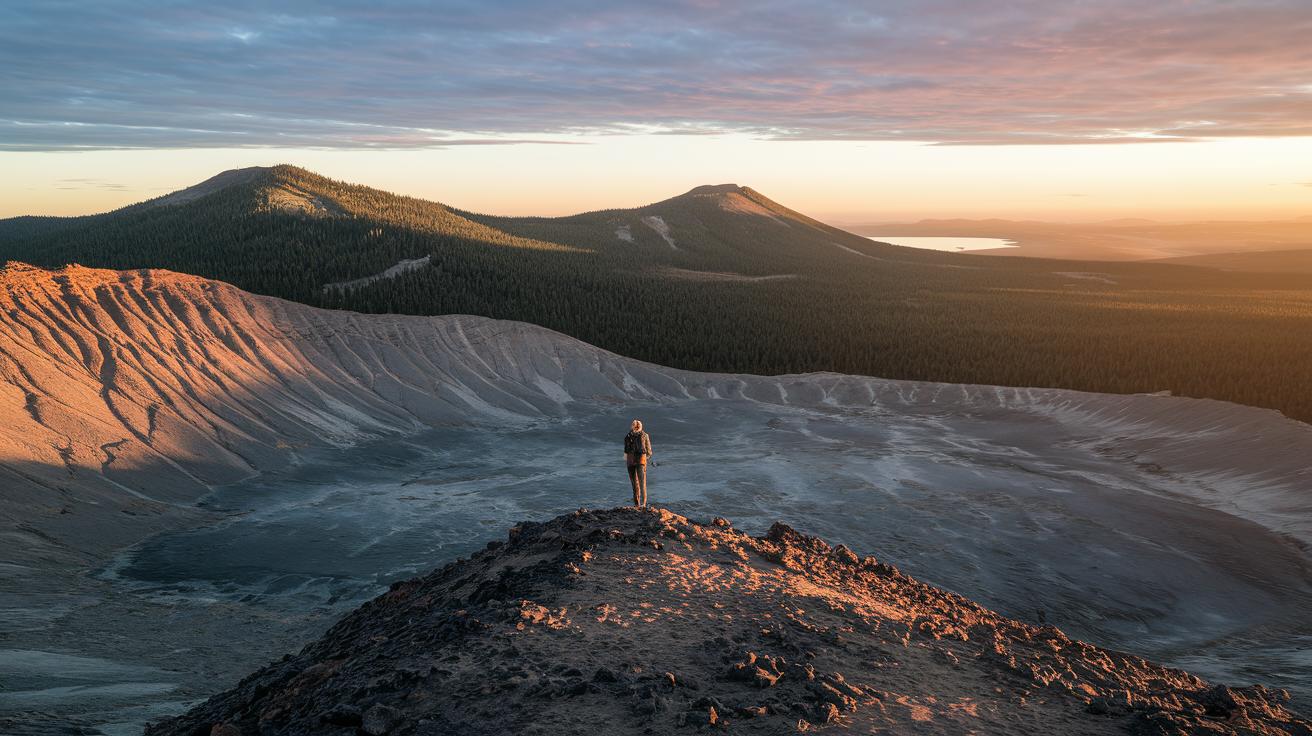
Imagine starting your adventure at The Quill on St. Eustatius. Whether you're new to hiking or a seasoned explorer, the crater rim trails here let you feel the island's pulse. Picture yourself walking along steep edges, breathing in the cool mountain air, and stopping to soak up views that stretch out like a dream.
At the foot of The Quill, you'll find Golden Rock Resort. This cozy spot offers quick access to scenic trails and stunning vistas. It captures both the fiery excitement of the volcano and the calm beauty of the surroundings, making it easy to mix moments of chill-out time with bursts of adrenaline on crater hikes.
For those who love the underwater world, there are amazing diving spots off Grenada and St. Kitts. Lava-formed reefs create a natural maze of rock sculptures and hidden cave systems. These unique underwater formations tell stories of ancient eruptions and invite you to explore a vibrant, mysterious world beneath the waves.
On land in St. Lucia, the Sulphur Springs drive-in volcano gives you an experience that’s both quirky and unforgettable. Here, you can even try a mud bath, even if the strong sulphur scent fills the air. It’s a fun and different way to connect with nature.
When you're planning your trip, remember to travel responsibly. Stick to the marked trails, follow conservation tips, and think about hiring local guides for that extra bit of island insight. For more travel hints, check out Complete Guide to Caribbean Island Hopping. And if you're after some off-the-beaten-path adventures, explore unique travel destinations that shine a light on hidden volcanic wonders.
Safety and Preparedness around Caribbean Islands with Active Volcanoes
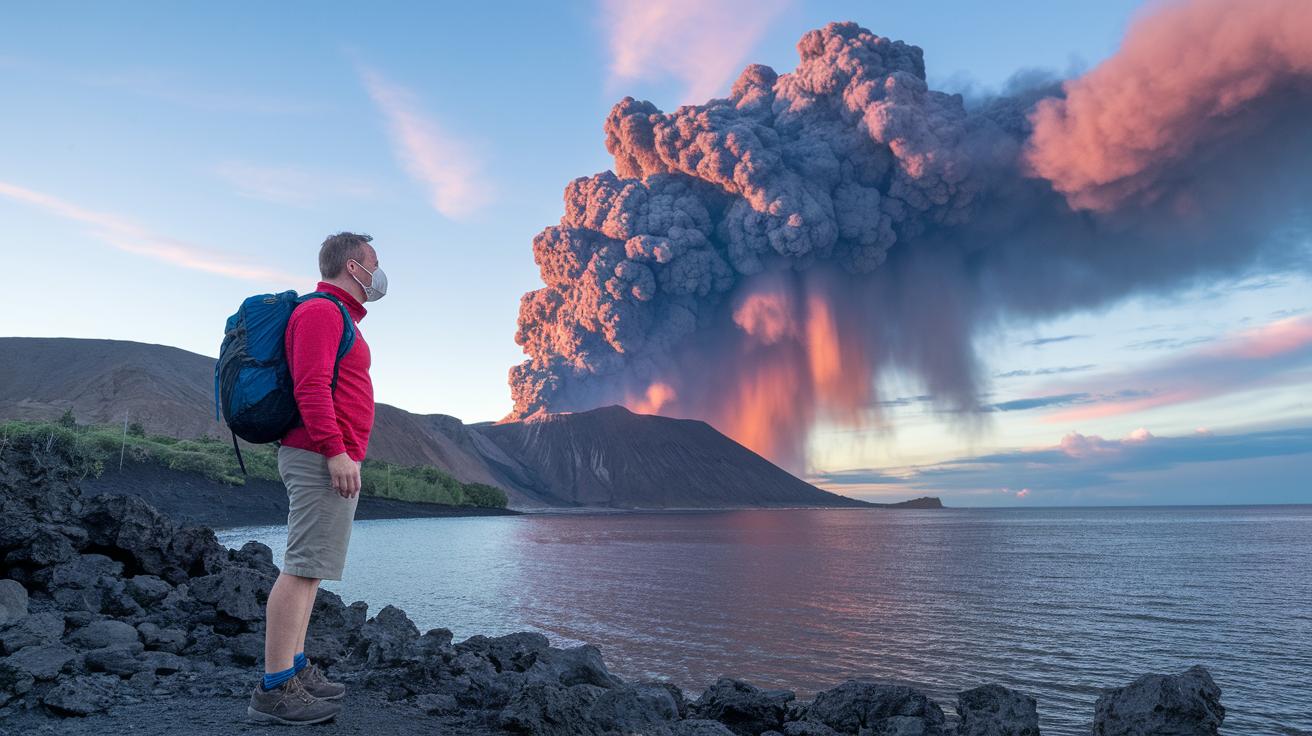
When you’re exploring islands with active volcanoes, be ready for nature’s surprises. Volcanic eruptions can send ash into the air or even create fast-moving flows of hot material that might throw a wrench into your plans. Local officials share maps showing which areas might be risky and offer evacuation steps, so checking these tips often is super important.
Before you head out, sign up with nearby emergency services and bring along a mask to help keep out harmful ash particles during unexpected fallouts. It’s a good idea to listen for news from volcano experts, too, so you know if the situation is shifting.
Keep in mind that volcano risks often come during the hurricane season, from June to November, so taking a few extra precautions during this time can make a big difference. There are safety plans ready for everyone, so make sure to follow the suggested escape routes and tune in to any official advice.
For a quick checklist before you visit:
| Step | Action |
|---|---|
| 1 | Review hazard-zone maps |
| 2 | Register with local emergency services |
| 3 | Bring protective gear like masks |
| 4 | Watch volcano updates regularly |
| 5 | Plan your evacuation trail ahead of time |
By following these simple steps, you can feel more secure and ready if volcanic activity ever alters your plans. Stay tuned to local news, be prepared, and enjoy all the spectacular wonders that the Caribbean has to offer.
Final Words
In the action, we reviewed key sites and weathered the science behind Caribbean volcanoes. We checked out volcano types, learn how eruptions impact islands, and saw how experts watch for signs of change. Today’s guide offered simple tips on safe visits and eco-friendly plans while soaking in the unique vibe of the islands. With hands-on advice and real stories, you can plan a stress-free trip to caribbean islands with active volcanoes and create truly unforgettable memories.
FAQ
Caribbean islands with active volcanoes map?
The Caribbean islands map for active volcanoes highlights sites like Montserrat, St. Vincent, St. Lucia, Dominica, and Grenada, featuring various volcano types and notable eruption histories.
South Caribbean islands with active volcanoes?
The southern Caribbean hosts active volcanoes such as La Soufrière in St. Vincent and the drive-in volcano at Sulphur Springs in St. Lucia, each marked by unique geological activity.
What is the most dangerous volcano in the Caribbean?
The most dangerous volcano is often identified as Soufrière Hills on Montserrat, which has a history of explosive eruptions that have greatly impacted nearby communities.
What is the list of volcanic islands in the Caribbean?
The list includes islands like Montserrat, St. Vincent, St. Lucia, Dominica, and Grenada, each featuring active volcanic sites ranging from stratovolcanoes to submarine vents.
What were the key active volcanoes in the Caribbean in 2020 and 2022?
The active volcanoes in both 2020 and 2022 include sites like Soufrière Hills on Montserrat and La Soufrière on St. Vincent, with constant monitoring ensuring updated activity reports.
Which Caribbean island has active volcanoes?
Several islands in the Caribbean, including Montserrat, St. Vincent, and St. Lucia, have active volcanoes that display distinct eruption patterns and ongoing geological activity.
Which Caribbean islands are not volcanic?
Some Caribbean islands, such as the Bahamas, are not volcanic; these islands were formed primarily through sedimentary processes rather than recent volcanic activity.
What are the two volcanic islands in the Caribbean?
Two prominent volcanic islands in the Caribbean are Montserrat and St. Vincent, both known for their active volcanoes and history of significant eruptions.
What Caribbean island was destroyed by a volcano?
The island of Montserrat experienced devastation when the Soufrière Hills eruption in 1995 buried its capital, Plymouth, resulting in long-lasting impacts on the island.
