Have you ever thought how a protest might shift the vibe of local culture? In the Caribbean, everyday actions weave old traditions with exciting new ideas. It’s like chatting with a friend by the shore, each event adds its own tune to art, music, and storytelling. Islanders blend their proud heritage with a modern twist, creating a lively conversation that connects the past with today’s creative spirit.
Transformations in Caribbean Cultural Narratives through Social Movements
Social movements have really shaken up Caribbean storytelling. They mix old traditions with fresh, creative ideas that you can feel in every brushstroke of art, every verse of a song, and every written word. It’s like the past is chatting with the present in a friendly, carefree conversation by the ocean.
Across the islands and among immigrant groups, everyday actions, from lively protests to community gatherings, have redefined what it means to be Caribbean. For instance, more than 140,000 Afro-Caribbean migrants made their way to the U.S. between 1899 and 1937, leaving behind a colorful trail of hybrid art and music. And in the 1960s, the Caribbean Artists Movement gave local storytellers a stage to challenge old European art ideas while celebrating their own vibrant heritage.
| Event or Period | Impact |
|---|---|
| Haitian Revolution (1791–1804) | Sparked the rise of revolutionary symbols |
| Emancipation in British Caribbean (1834) | Introduced fresh themes in music and literature |
| Pan-African and nationalist campaigns (20th c.) | Brought political ideas into everyday writing |
| Caribbean Artists Movement (1960s) | Promoted bold art and a new sense of identity |
| 21st-Century Diaspora Activism (e.g., economic-justice protests) | Gave rise to digital storytelling and modern expression |
Looking back, these shifts show us a blend of historic resistance and fresh beginnings. Caribbean culture today is a mix of age-old festivals, songs, and stories, all woven together with new digital voices. It’s a living, evolving tale that keeps getting richer with every new idea and every step forward.
Social Movements and Foundational Postcolonial Narratives in the Caribbean
The Caribbean has a past filled with bold early movements that changed how people express themselves. Even before today’s reforms, brave revolts and legal changes in the early 1800s stirred up a transformation in stories, music, and community gatherings. In these times, everyday ways of speaking turned into proud symbols of freedom and strength, inviting everyone to recognize their endless resilience.
Haitian Revolution and Narrative Liberation
The Haitian Revolution from 1791 to 1804 did more than just shift politics. It brought new life to songs and stories with a mix of defiance and hope. Imagine each verse and melody carrying the heartbeats of a people determined to break free. Writers and performers picked up on that spirit, echoing the passion of those early rebels in every note they shared.
Emancipation Acts and Cultural Shifts
In 1834, when freedom arrived in the British Caribbean territories, things started to change dramatically. Laws and normal ways of life were completely reworked, opening up the islands to fresh festivals and evolving musical traditions. With newfound freedom, locals began exploring new ways to tell their tales and celebrate life, forming vibrant cultural practices that continue to inspire us today.
Maroon Resistance and Tradition Preservation
Maroon communities, formed by Africans who escaped slavery, played a key role in keeping their heritage alive. They held onto the rich oral traditions and African cultural practices that deepened the Caribbean’s unique story. Their dedication ensured that a strong, shared memory was passed down, stitching a vibrant cultural quilt that still warms the islands.
All these early movements came together to build the rich, ever-changing tapestry of Caribbean culture we see today.
Theoretical Perspectives on Social Movements and Caribbean Cultural Narratives
Caribbean social movements have always shaped the way stories are shared. Think of it like a lively beach chat where everyone adds a little spice from their own history. Local voices mix fresh, decolonial ideas with a reclaiming of ethnic identity, creating narratives filled with hints of Catholic, Anglican, and Creole influences. These stories bring to life both the rich heritage and the everyday moments that feel as warm as the island sun.
Fanonian ideas remind us how the pressure of past oppression can spark new cultural expressions. Artists and writers, much like locals rallying together on a seaside pier, use their work to push back against old power structures. On the other hand, Hall’s thoughts show that our cultures are a blend of many roots. When you mix African, European, and Indigenous influences, you get a storytelling style that is resilient and full of hope, always looking to redefine itself.
These perspectives give us a clear view of how social movements leave their mark on Caribbean narratives. In truth, island storytelling is a living process, ever-changing like the tides, filled with memories of past struggles and the creative pulse of everyday island life.
Case Studies of Resistance Art and Literature in Caribbean Cultural Narratives
For a long time, Caribbean social movements have sparked amazing creative energy. Artists and writers have taken the feeling of resistance and turned it into bold paintings and lively stories. The Caribbean Artists Movement mixed local images with fresh, modern techniques to shake up old art ideas, while musicians blended jazz with calypso to sing about the deep sense of belonging in the diaspora. Even after emancipation, writers used traditional storytelling and protest symbols to craft poems and tales that capture the region's struggles and dreams.
| Case Study | Movement | Cultural Medium | Impact |
|---|---|---|---|
| Caribbean Artists Movement | 1960s Identity Revolution | Art and Visuals | Challenged old Eurocentric art ideas |
| Afro-Caribbean Sound Fusion | Diaspora Spirit | Jazz and Calypso Music | Brought a lively way to express identity |
| Post-emancipation Stories | Freedom and Protest | Poetry and Prose | Used folklore and protest symbols to tell powerful truths |
Taking a closer look, these examples show that art and literature do more than just mirror social movements – they push them forward. By diving into themes of resistance and freedom, creative works not only reflect the past but spark new changes. The mix of innovative art with heartfelt stories has given rise to new voices that continue to question old norms and shine a light on fresh views of Caribbean identity.
Contemporary Activism and the Evolution of Caribbean Cultural Narratives
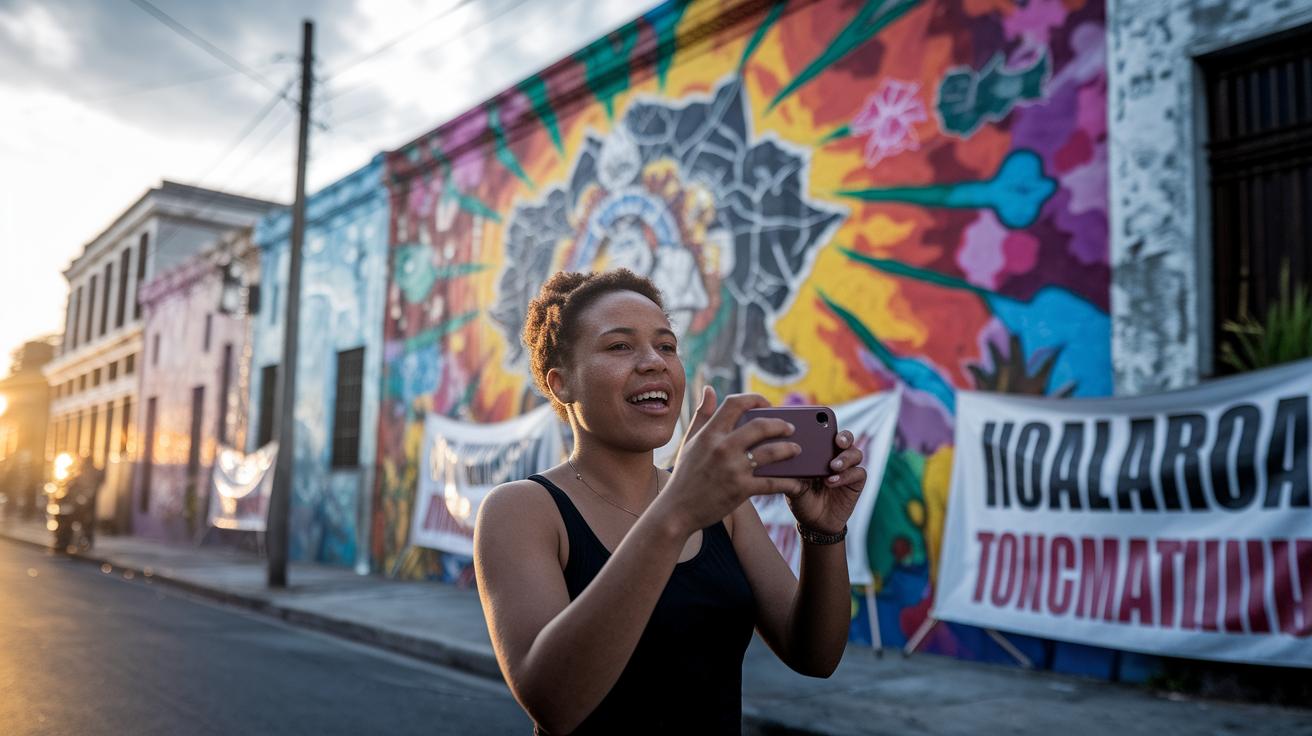
These days, activism feels like a fresh Caribbean breeze that mixes old heritage with today's modern ways of standing up for what's right. We see protests for economic fairness and digital rallies, both full of life and rooted in long stories of resistance. Activists are using live-streamed events and social media shoutouts to point out past injustices and spark change. Fun fact: before becoming cultural icons, local protests kicked off a burst in digital storytelling. This mix of old memories and new ideas keeps the Caribbean vibe vibrant and constantly evolving.
Recent movements are a lively blend of art, history, and fresh digital tools. Think of Caribbean identity shining brightly at festivals and exhibitions that connect the past with today's struggles against prejudice. A story from 1924 about West Indian immigration restrictions still echoes in today's online narratives, reminding us that old wounds drive the fight for fairness. Early migrant thinkers even set the stage by using digital campaigns to preserve Creole and Indigenous tales, weaving traditional values into modern activism. Now, their legacy comes alive in vivid online art and storytelling that proudly celebrates Caribbean roots.
Looking ahead, new digital protest tools and grassroots actions promise to reshape these cultural stories even more. With everyday voices rising through economic-justice rallies, the idea of what it means to be Caribbean is always changing. These evolving platforms give space to voices that were once unheard and point toward a broader change in society. And that is just one more reason to get excited about tomorrow’s Caribbean stories.
Projecting Reformative Cultural Paths in Caribbean Narratives Post-Social Movements
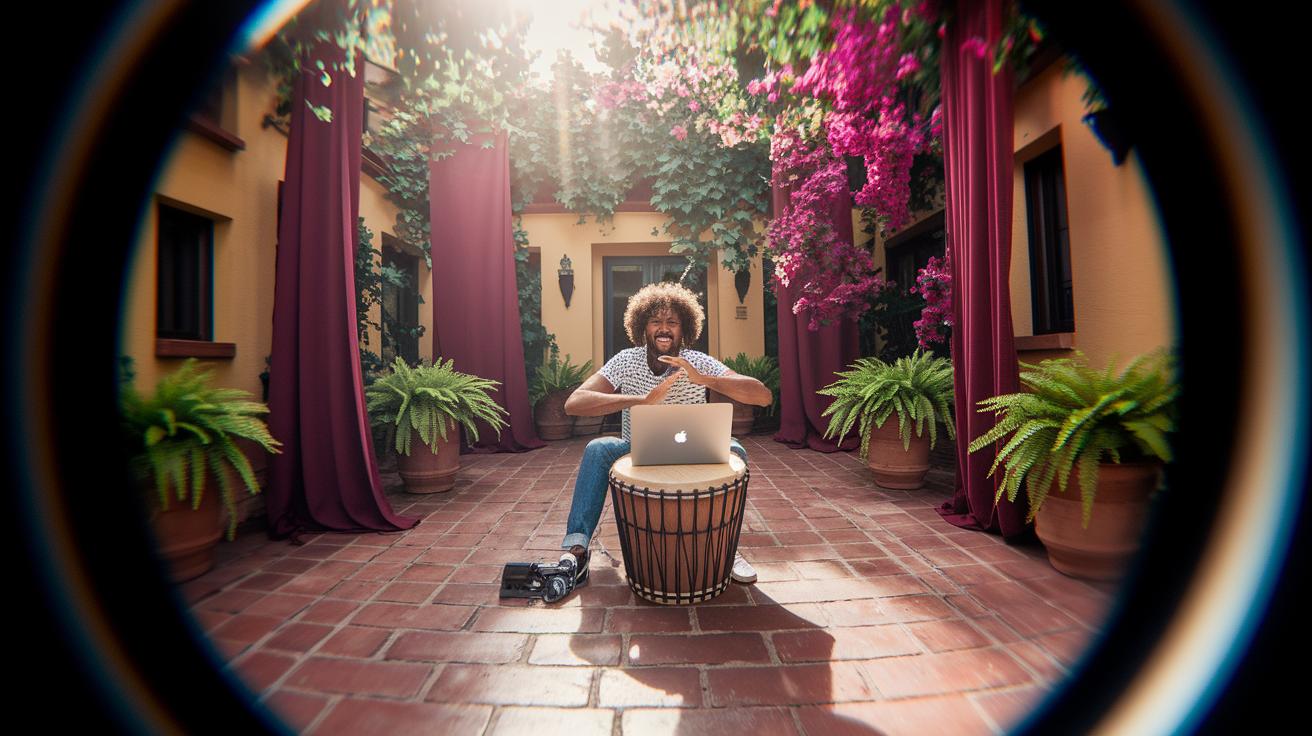
The Caribbean is buzzing with fresh energy as modern digital chats mix with beloved local traditions. Imagine local forums where artists stream live shows that give classic songs a new twist, or friendly neighborhood gatherings that celebrate the resilience of Maroon communities (descendants preserving their rich heritage). Believe it or not, some digital collectives now host real-time storytelling sessions, where ancient memories dance with modern digital visuals. It’s a cool reminder that everyday creativity can reshape our stories in wonderful, unexpected ways.
These days, conversations about social change blend innovative storytelling with the warm spirit of our heritage. Picture yourself wandering through a local craft fair, where interactive digital exhibits offer a peek into a legacy of bold cultural shifts. Instead of reusing old ideas, Caribbean narratives are exploring new forms that honor historical pride while sparking a fresh, creative energy.
Final Words
In the action, we explored how social movements sparked change in Caribbean cultural narratives. We touched on early struggles, artistic revolts, and modern digital advocacy, all weaving together rich local stories and creative expressions.
We highlighted iconic shifts like the Haitian Revolution and the Caribbean Artists Movement, all framed by an honest look at history's echoes.
This discussion warmly reminds us of the impact of social movements on Caribbean cultural narratives, inspiring hope and creative energy for the future.
FAQ
What are the three main cultural influences on the Caribbean?
The three main influences on the Caribbean come from African, European, and Indigenous roots, which shape local art, language, music, and traditions in a lively and unique way.
What greatly affects movement in the Caribbean?
The question on what affects movement in the Caribbean highlights factors like migration trends, weather conditions, economic shifts, and tourism, all of which steer the flow of people and ideas throughout the islands.
How did colonialism impact Caribbean culture?
The impact of colonialism on Caribbean culture involved mixing European systems with local practices, which led to new languages, social structures, and creative expressions in music, art, and everyday traditions.
What two people influenced the culture of the Caribbean Islands?
The influence of figures such as Toussaint Louverture and Marcus Garvey stands out; their leadership and ideas helped shape Caribbean cultural identity and encouraged a strong sense of self in the region.
